
ted fellows media library

Watch the TED Fellows in action

Watch, listen and connect with the Fellows changing the world through science, art, invention and imagination. 

TED Talks

From unbelievable science to awe-inspiring art, watch powerful talks from our global community of 500+ TED Fellows.

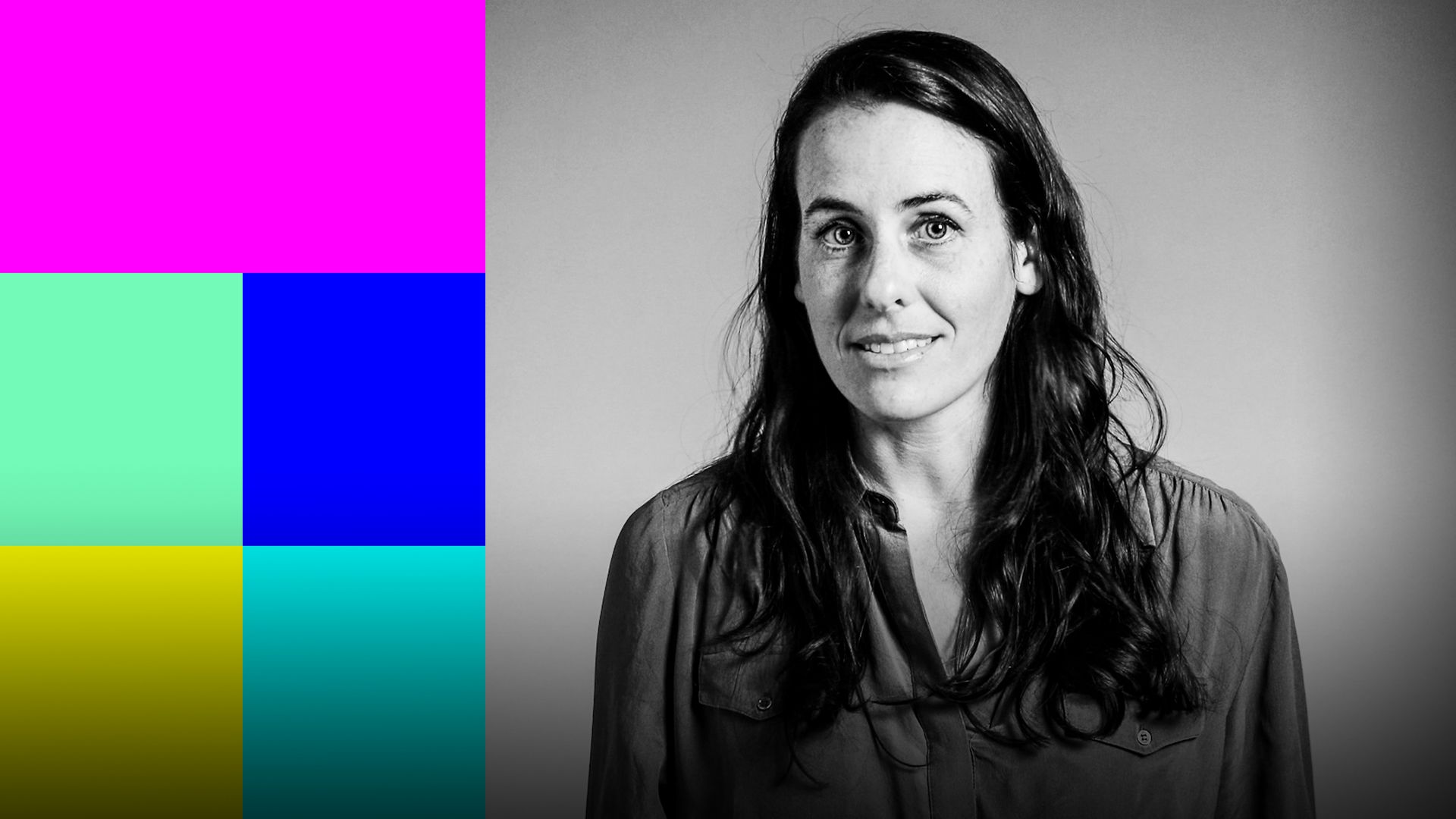
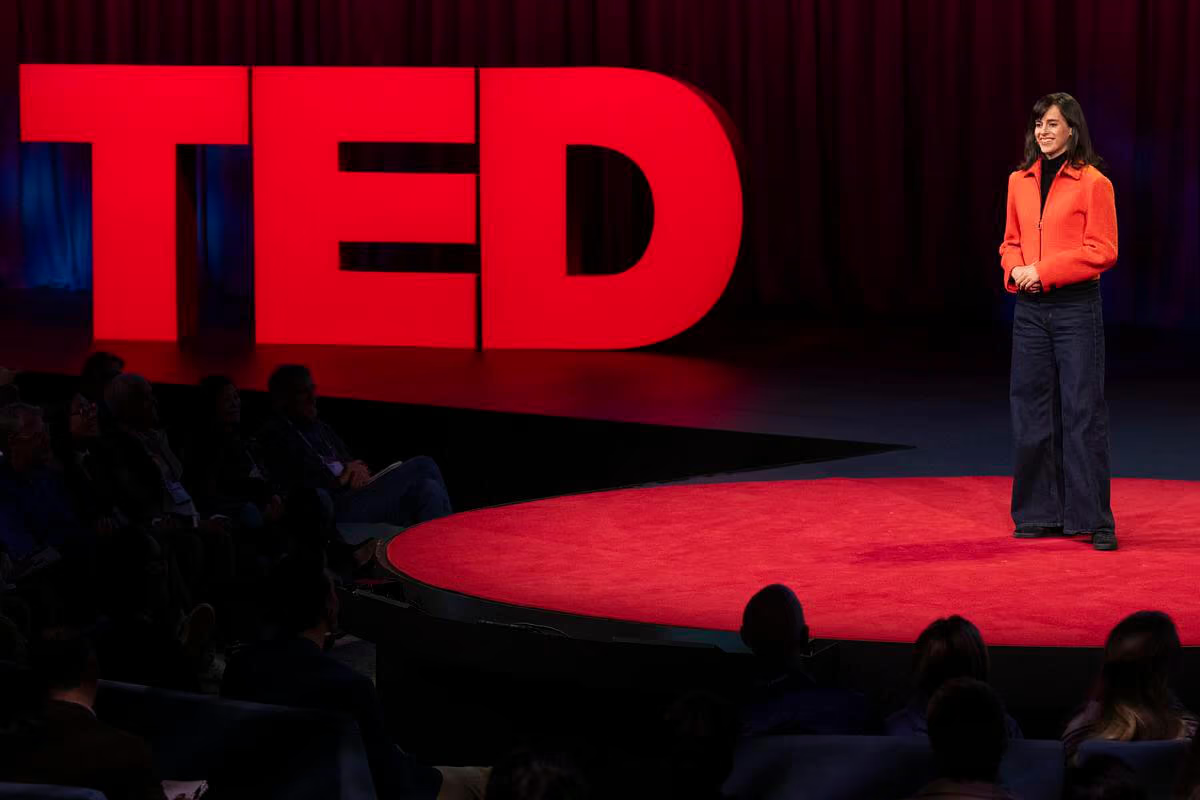
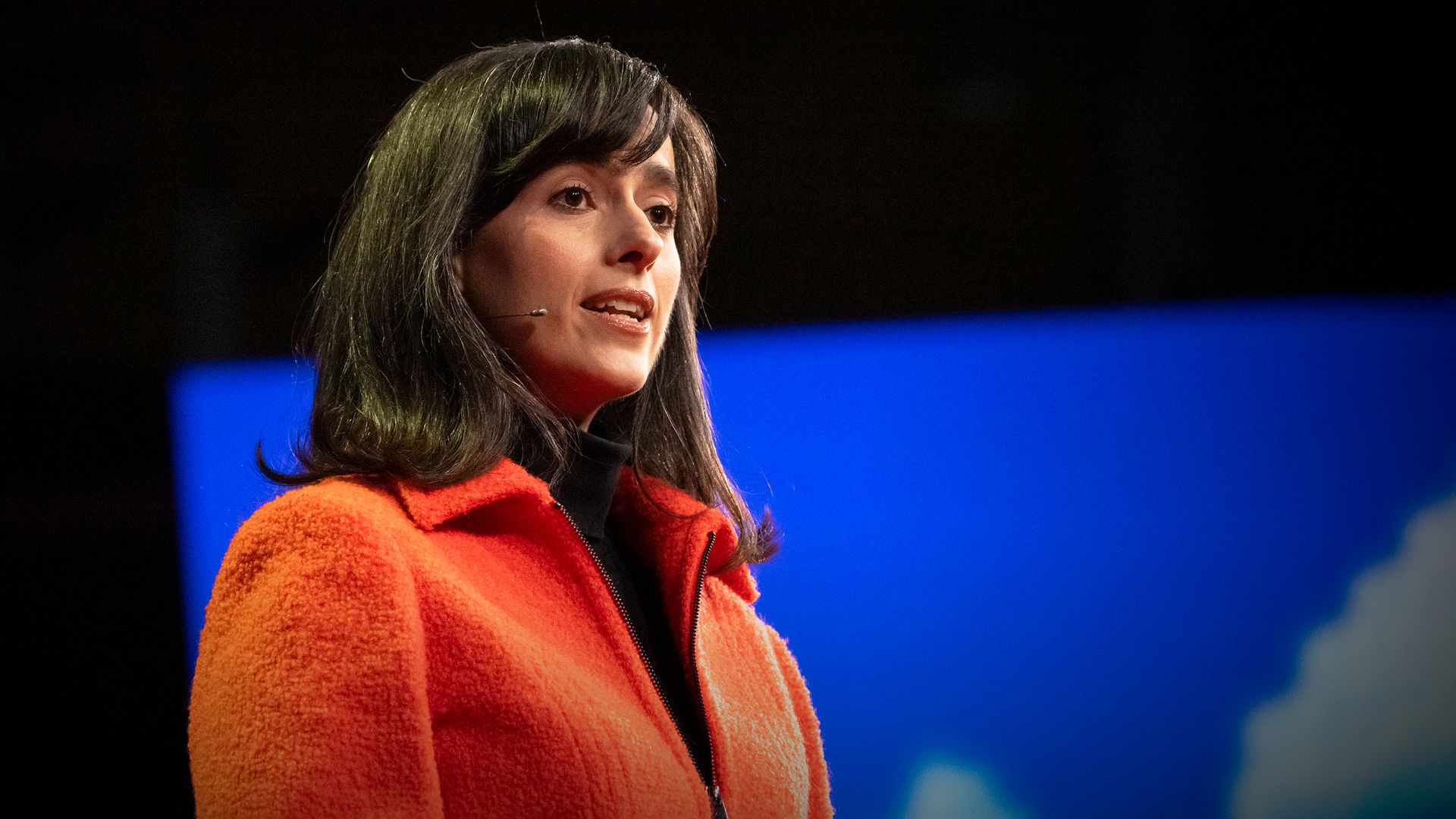
Carissa Véliz

Beware the power of prediction

Podcasts

Hear TED Fellows tell their stories in intimate interviews and learn more about what lies behind their big ideas.

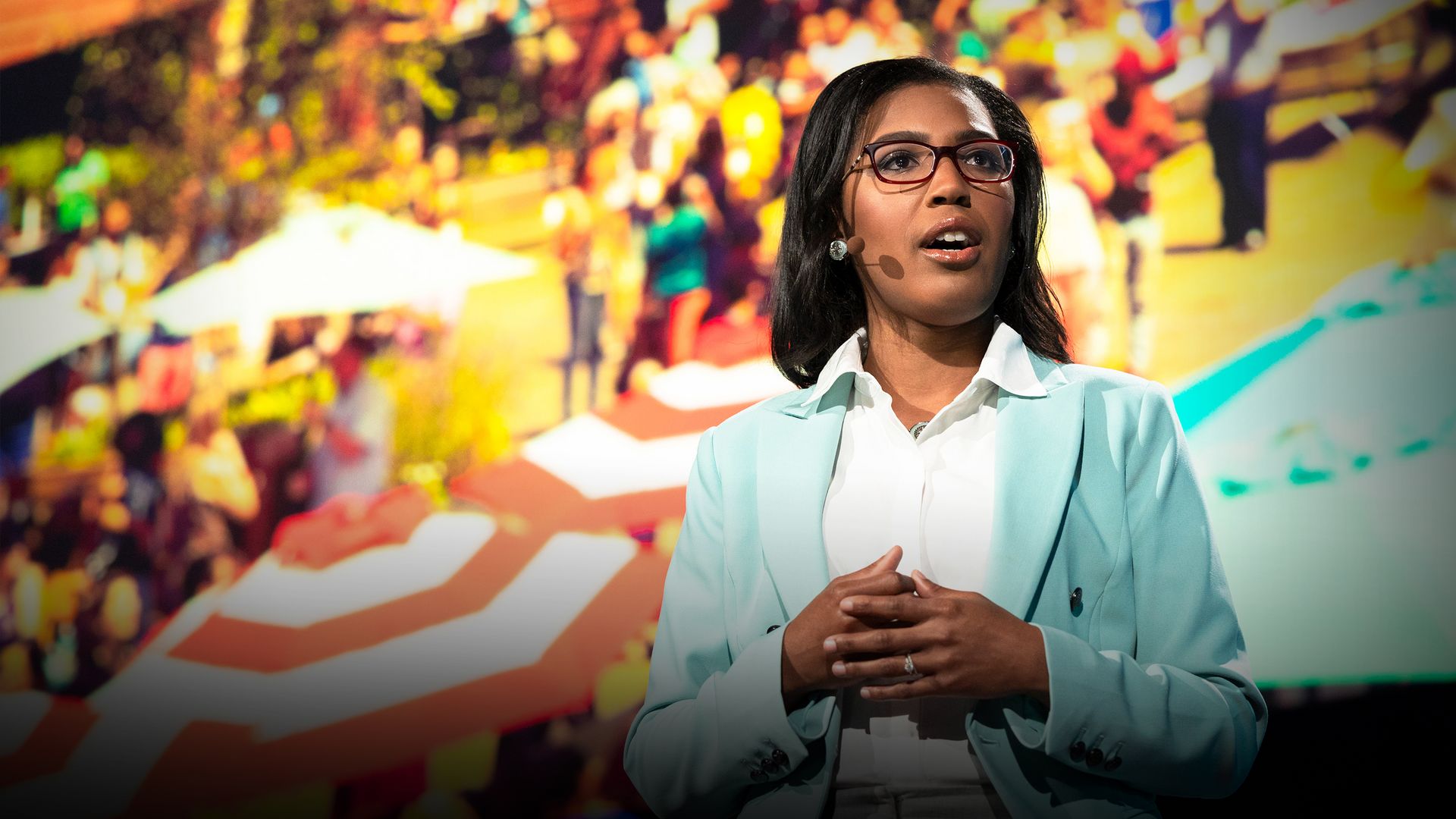
Trinity Tran

Who controls your city's money? | Trinity Tran

What if your city could borrow money from its own bank instead of private lenders? TED Fellow Trinity Tran is leading the push for public banks — which are owned by the people through their local governments — and shows how this model could ensure your local tax dollars stay in your community. 

Ryosuke Takashima

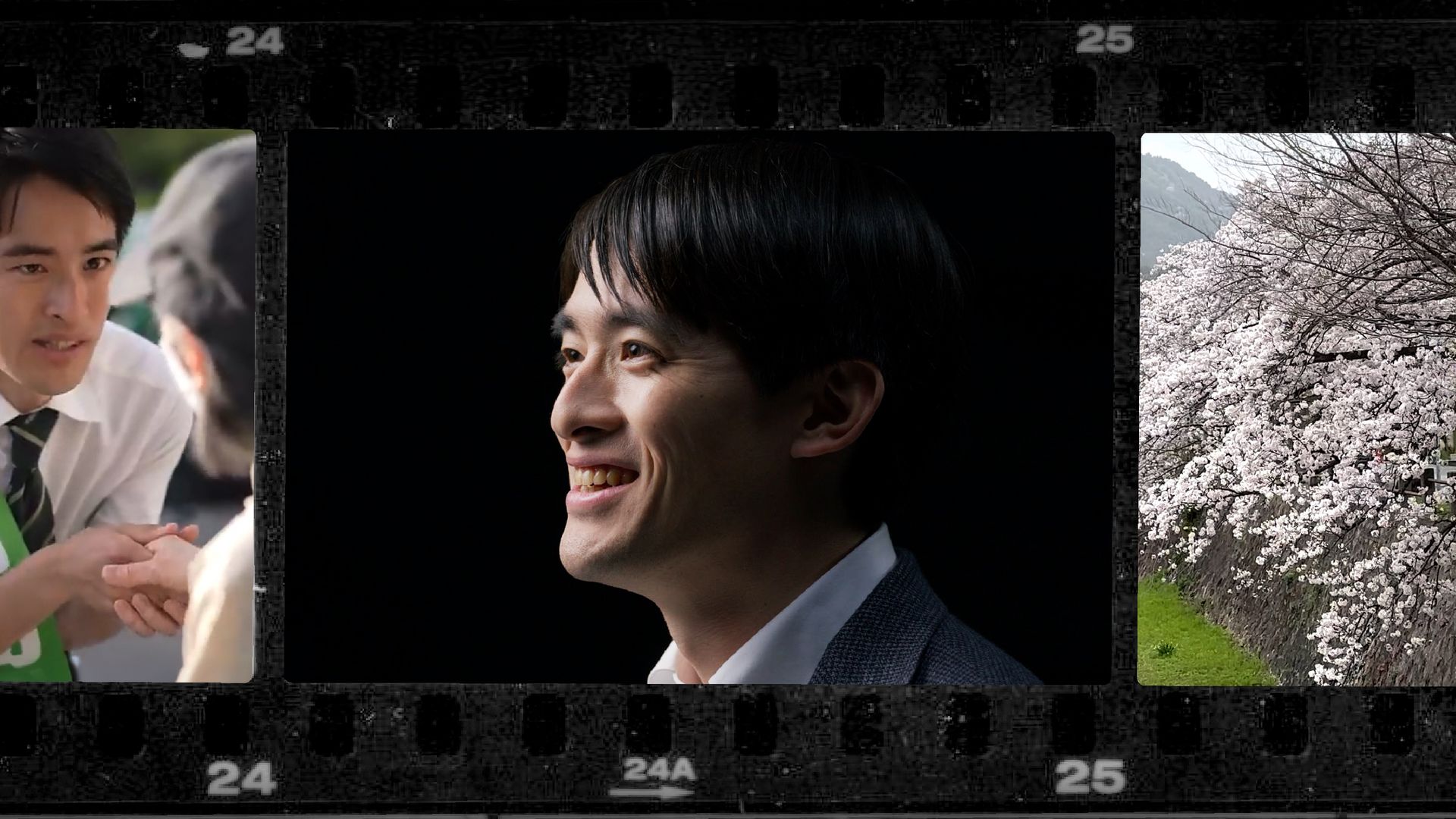
Meet the youngest-ever mayor in Japan's history | Ryosuke Takashima

TED Fellow Ryosuke Takashima is the youngest-ever mayor in Japan's history — but he doesn't consider himself a politician. His approach to leadership is simple: listen to as many voices as possible (from students to elders) in order to figure out what needs fixing. Hear why he thinks inviting citizens to participate in reforming their own communities is the best way to get things done.

Schendy Kernizan

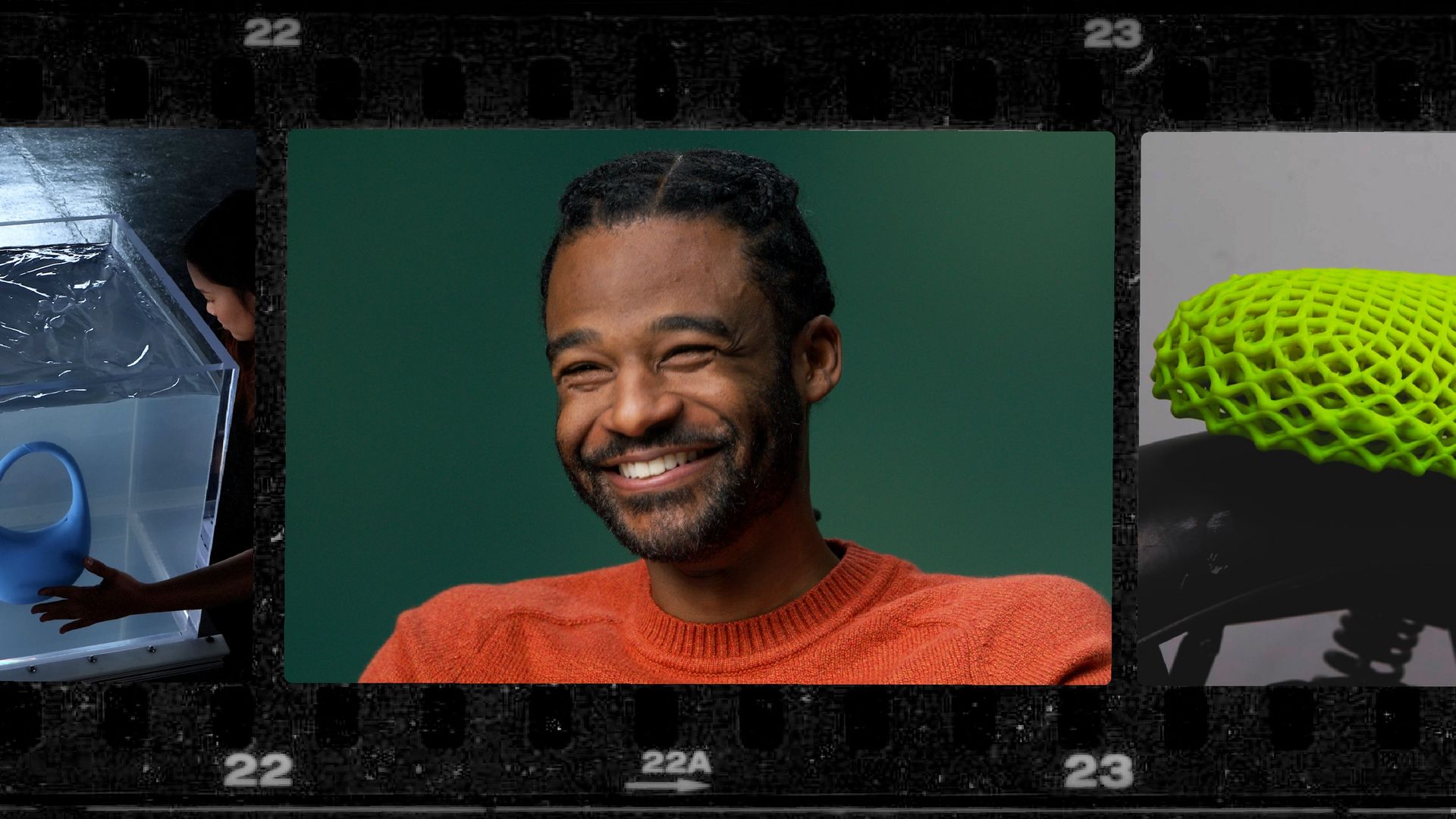
The gravity-defying future of manufacturing | Schendy Kernizan

3D printing promised to reinvent how we make things, but it's mostly stuck producing prototypes with a high level of waste. Designer and TED Fellow Schendy Kernizan found a different way — by printing objects directly into a tub of gel. He explains how this technique eliminates the constraints of gravity, pushing the limits of how we can manufacture objects across medicine, fashion, space travel and more.
Listen to all
Podcast episodes

TED Fellows Films

TED Talks meet documentaries in these short films that explore TED Fellows’ ideas. Dive into all three seasons to explore their mind-blowing innovations. 

05:39

FELLOWS FILM

Meet the youngest-ever mayor in Japan's history

TED Fellow Ryosuke Takashima is the youngest-ever mayor in Japan's history — but he doesn't consider himself a politician. His approach to leadership is simple: listen to as many voices as possible (from students to elders) in order to figure out what needs fixing. Hear why he thinks inviting citizens to participate in reforming their own communities is the best way to get things done.

2026

TED Fellows Film

Ryosuke Takashima
04:47

FELLOWS FILM

The gravity-defying future of manufacturing

3D printing promised to reinvent how we make things, but it's mostly stuck producing prototypes with a high level of waste. Designer and TED Fellow Schendy Kernizan found a different way — by printing objects directly into a tub of gel. He explains how this technique eliminates the constraints of gravity, pushing the limits of how we can manufacture objects across medicine, fashion, space travel and more.

2026

TED Fellows Film

Schendy Kernizan

Fellows Media Library
With 500+ TED Fellows and counting, we’ve got an entire world of media for you to explore. Dive into these talks, short films and podcasts showcasing Fellows turning ideas into action.

Clear
Sort
Thank you! Your submission has been received!
Oops! Something went wrong while submitting the form.

07:02

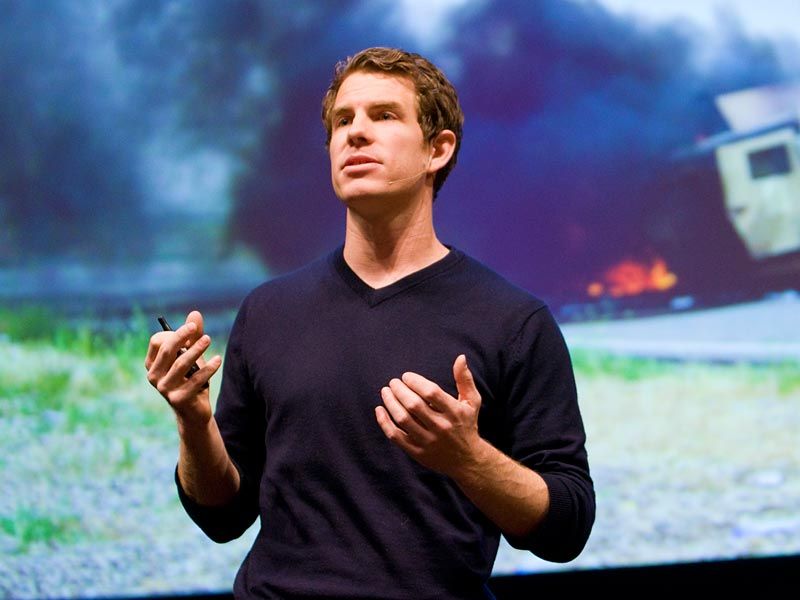
The mathematics of war

By analyzing raw data on violent incidents in the Iraq war and others, Sean Gourley and his team claim to have found a surprisingly strong mathematical relationship linking the fatality and frequency of attacks.

2009

TED Talk

United States
Physicist + military theorist // Sean Gourley's research for his master's degree led to the formation of New Zealand's first nanotech company, NanoDevices Ltd. He was a Rhodes Scholar at Oxford, where he studied for his PhD in a newly created branch of physics called "complexity," which uses techniques from traditional physics to understand and predict the behavior of social systems. After two years of PhD study he was offered a research position at NASA. <br /><br />In 2007 his research on global conflicts was awarded a PhD in physics and resulted in a string of publications in <em>Science</em>, <em>The Economist</em> and <em>The Telegraph</em>, which led to a post as advisor to the newly formed Iraqi government. Gourley now lives and works in San Francisco at YouNoodle. He recently returned from Iraq where he conducted research for his thesis, which he hopes to adapt into a book.<br /><br />In December, 2009, his research was featured in the scientific journal <em><a href="http://www.nature.com/nature/journal/v462/n7275/full/nature08631.html">Nature</a></em>. // Co-founder and CTO of Quid, part time physicist and sometimes decathlete. I'm based in San Francisco where I spend most of my time working at Quid building the next generation global intelligence platform. Not an easy task, but luckily I have a great team of quants and engineers coming along with me for the ride. I'm originally from New Zealand where I divided my time between, studying Physics, running, surfing and organizing political rallies. Back in New Zealand I ran for National elected office, helped start New Zealand's first Nanotech company and won two national Decathlon titles. I spent best 7 years studying at Oxford and trying to understand the mathematical patterns that underly insurgent warfare. This research has taken me all over the world from the Pentagon, to the House of Lords, the United Nations and most recently to Iraq. You can see more of the 'mathematics of war' research here on TED.com // What do 24,000 ideas look like? Ecologist Eric Berlow and physicist Sean Gourley apply algorithms to the entire archive of TEDx Talks, taking us on a stimulating visual tour to show how ideas connect globally. // By analyzing raw data on violent incidents in the Iraq war and others, Sean Gourley and his team claim to have found a surprisingly strong mathematical relationship linking the fatality and frequency of attacks. // Co-founder and CTO of Quid, part time physicist and sometimes decathlete. I'm based in San Francisco where I spend most of my time working at Quid building the next generation global intelligence platform. Not an easy task, but luckily I have a great team of quants and engineers coming along with me for the ride. I'm originally from New Zealand where I divided my time between, studying Physics, running, surfing and organizing political rallies. Back in New Zealand I ran for National elected office, helped start New Zealand's first Nanotech company and won two national Decathlon titles. I spent best 7 years studying at Oxford and trying to understand the mathematical patterns that underly insurgent warfare. This research has taken me all over the world from the Pentagon, to the House of Lords, the United Nations and most recently to Iraq. You can see more of the 'mathematics of war' research here on TED.com // Physicist + military theorist // research, online news, nature, quantative analysis, osint, science, mathematics of war, led, network theory, physics, government, war, data, nanotechnology, decathlon // California|United States|San Francisco|USA
California|United States|San Francisco|USA

Sean Gourley

No items found.
2009

05:03

How to heat your home without hurting the planet

Of all the mundane yet astonishing marvels of human ingenuity, knowing what it takes to heat a room to a comfortable temperature is TED Fellow Kathy Hannun's favorite. She takes us on a journey across the planet and under the sea to emphasize the dangers of modern heating, and offers a safer, planet-friendly alternative that taps into the geothermal energy right below our feet.

2021

TED Talk

United States
Dandelion (Home Geothermal); The California Sustainable Energy Entrepreneur Development Initiative CalSEED; Stanford University; Google[x]; World Wildlife Fund/SARAR Transformacion
Dandelion Energy specializes in providing geothermal heating and cooling systems for homes. These systems utilize the constant temperature of the ground to efficiently heat and cool homes, reducing energy costs and carbon emissions. Geothermal systems offered by Dandelion can lead to significant savings on heating and cooling expenses, with reductions of up to 60% in annual costs. Additionally, these systems contribute to environmental sustainability by reducing reliance on fossil fuels and improving indoor air quality. Dandelion offers a streamlined process for homeowners, builders, and contractors to incorporate geothermal systems into residential projects, providing expert guidance and support throughout the installation process. // CalSEED is an early stage grant funding and professional development program for innovators working to bring clean energy concepts to market. CalSEED is a funding initiative of the California Energy Commission. // Stanford civil engineering fellow responsible for leading water quality monitoring project. The project utilized digital maps to track contamination through a municipal water network. // Dandelion (Home Geothermal); The California Sustainable Energy Entrepreneur Development Initiative CalSEED; Stanford University; Google[x]; World Wildlife Fund/SARAR Transformacion // Kathy Hannun is a dedicated professional with expertise in clean energy innovation and water quality monitoring. With a background in civil engineering, she has led projects focused on bringing clean energy concepts to market and tracking contamination in municipal water networks using digital mapping technologies. Kathy's experience includes managing early-stage grant funding programs and providing professional development opportunities for innovators in the clean energy sector. She is known for her commitment to advancing sustainable practices and driving impactful change in the energy and environmental fields. // I am working to electrify US buildings by elevating geothermal heat pumps from a niche product to a mainstream solution. // Kathy Hannun is a civil engineer with a strong focus on clean energy innovation and environmental sustainability. She is the co-founder of Dandelion Energy, a company specializing in geothermal heating and cooling systems for residential properties. Kathy's expertise lies in bringing clean energy concepts to market and promoting the adoption of geothermal systems to reduce energy costs and carbon emissions in homes. She is dedicated to advancing sustainable practices and driving impactful change in the energy and environmental sectors. Through her work at Dandelion Energy, Kathy is actively working to electrify buildings in the US by making geothermal heat pumps a mainstream solution for homeowners, builders, and contractors. // Geothermal entrepreneur // Cofounder of Dandelion, a green energy startup pioneering novel drilling techniques to make geothermal installations less expensive and intrusive. // Of all the mundane yet astonishing marvels of human ingenuity, knowing what it takes to heat a room to a comfortable temperature is TED Fellow Kathy Hannun's favorite. She takes us on a journey across the planet and under the sea to emphasize the dangers of modern heating, and offers a safer, planet-friendly alternative that taps into the geothermal energy right below our feet. // Kathy Hannun is a civil engineer with a strong focus on clean energy innovation and environmental sustainability. She is the co-founder of Dandelion Energy, a company specializing in geothermal heating and cooling systems for residential properties. Kathy's expertise lies in bringing clean energy concepts to market and promoting the adoption of geothermal systems to reduce energy costs and carbon emissions in homes. She is dedicated to advancing sustainable practices and driving impactful change in the energy and environmental sectors. Through her work at Dandelion Energy, Kathy is actively working to electrify buildings in the US by making geothermal heat pumps a mainstream solution for homeowners, builders, and contractors. // Geothermal entrepreneur // technology, geothermal, renewable, water, entrepreneurship, climate tech, geothermal heat pumps, buildings, cooling, water quality, heat pump, fuel, data, energy data analytics, electrification, energy data, research, alternative fuel, fossil fuel, climate, emissions, energy bills, monitoring, clean energy, carbon, heating, data analysis, drilling, renewable energy, air quality, climate technology, cooling systems, science, energy entrepreneurship, energy, water quality testing // USA|New York|California|Los Altos|United States
USA|New York|California|Los Altos|United States

Kathy Hannun

No items found.
2021

05:36

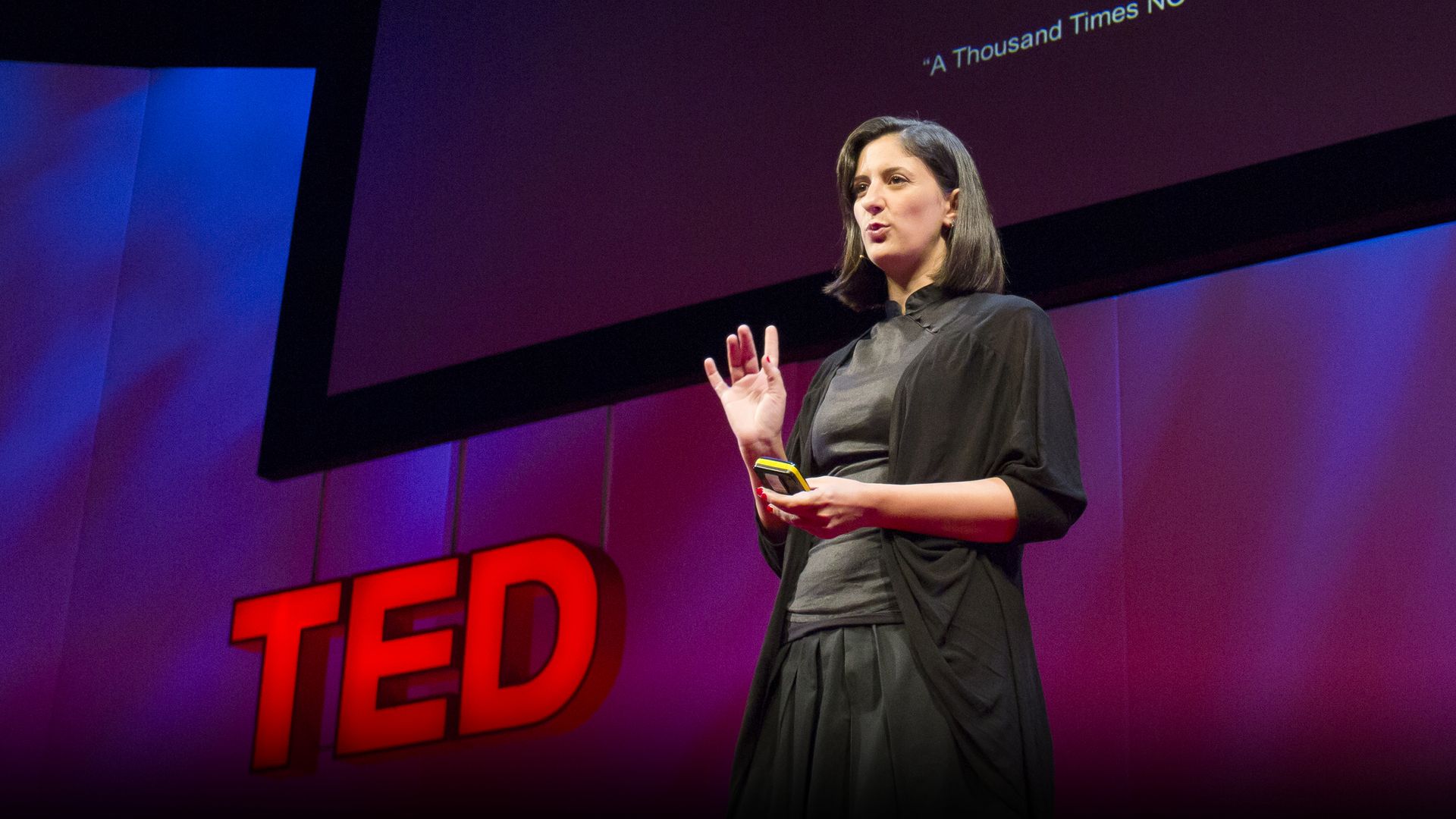
A thousand times no

Art historian Bahia Shehab has long been fascinated with the Arabic script for 'no.' When revolution swept through Egypt in 2011, she began spraying the image in the streets saying no to dictators, no to military rule and no to violence.

2012

TED Talk

Egypt
Artist + creative director + Islamic art historian // Lebanese-Egyptian artist, designer and Islamic art historian studying ancient Arabic script and visual heritage to solve modern-day design issues. Bahia is a Creative Director with MI7-Cairo working on projects relevant to cultural heritage. She teaches at the American University in Cairo and has developed a new four-year Graphic Design program for the department of the Arts with the first specialized courses on the History of Arab Design and communication as a discipline in the Arab world. She is also a PhD candidate at Leiden University in Holland. Her research is focused on Fatimid Kufic inscriptions and epigraphic evidence in the decorative arts and on portable items in the Mediterranean basin and beyond. It is concerned with form versus content and the extent to which the medium dictated the message. Her MA thesis entitled "Floriated Kufic on the Monuments of Fatimid Cairo" received the Nadia Niazi Thesis Award at AUC in 2009. Bahia's work has been on display at Traffic Gallery in Dubai-UAE, Beijing International Typography Exhibition in Beijing-China, Haus Der Kunts in Munich-Germany, Palazzo Lucarini Contemporary in Italy, and Bielefelder Kunstverein in Germany. Graduated from the American University in Beirut with a degree in Graphic Design in 1999, she worked as a Creative Director with several multinational advertising agencies in Beirut, Dubai and Cairo, developing international and regional advertising campaigns. She notably created a De Beers campaign which won an IAA (International Advertising Association) gold award. Her book "A Thousand Times NO: The Visual History of Lam-Alif" was published in 2010 by Khatt Books in Amsterdam. // Bahia Shehab is an artist and author based in Cairo. She is Professor of design and founder of the graphic design program at The American University in Cairo. Her work has been exhibited internationally and has received a number of international awards including the BBC’s 100 women’s list, a TED Senior Fellowship, a Prince Claus Award, and the UNESCO-Sharjah Prize for Arab Culture. Her latest publications include You Can Crush the Flowers: A Visual Memoir of the Egyptian Revolution and the award winning co-authored book A History of Arab Graphic Design. She is the founding director of TypeLab@AUC. // Art historian Bahia Shehab has long been fascinated with the Arabic script for 'no.' When revolution swept through Egypt in 2011, she began spraying the image in the streets saying no to dictators, no to military rule and no to violence. // Bahia Shehab is an artist and author based in Cairo. She is Professor of design and founder of the graphic design program at The American University in Cairo. Her work has been exhibited internationally and has received a number of international awards including the BBC’s 100 women’s list, a TED Senior Fellowship, a Prince Claus Award, and the UNESCO-Sharjah Prize for Arab Culture. Her latest publications include You Can Crush the Flowers: A Visual Memoir of the Egyptian Revolution and the award winning co-authored book A History of Arab Graphic Design. She is the founding director of TypeLab@AUC. // Artist + creative director + Islamic art historian // research, advertising and branding, violence, typography, traffic, cultural heritage, design, revolution art, education, calligraphy, arabic epigraphy, islamic art history, graphic design in the arab world, communication, design education, campaigns // Egypt|Cairo|Cairo Governorate
Egypt|Cairo|Cairo Governorate

Bahia Shehab

No items found.
2012

04:57

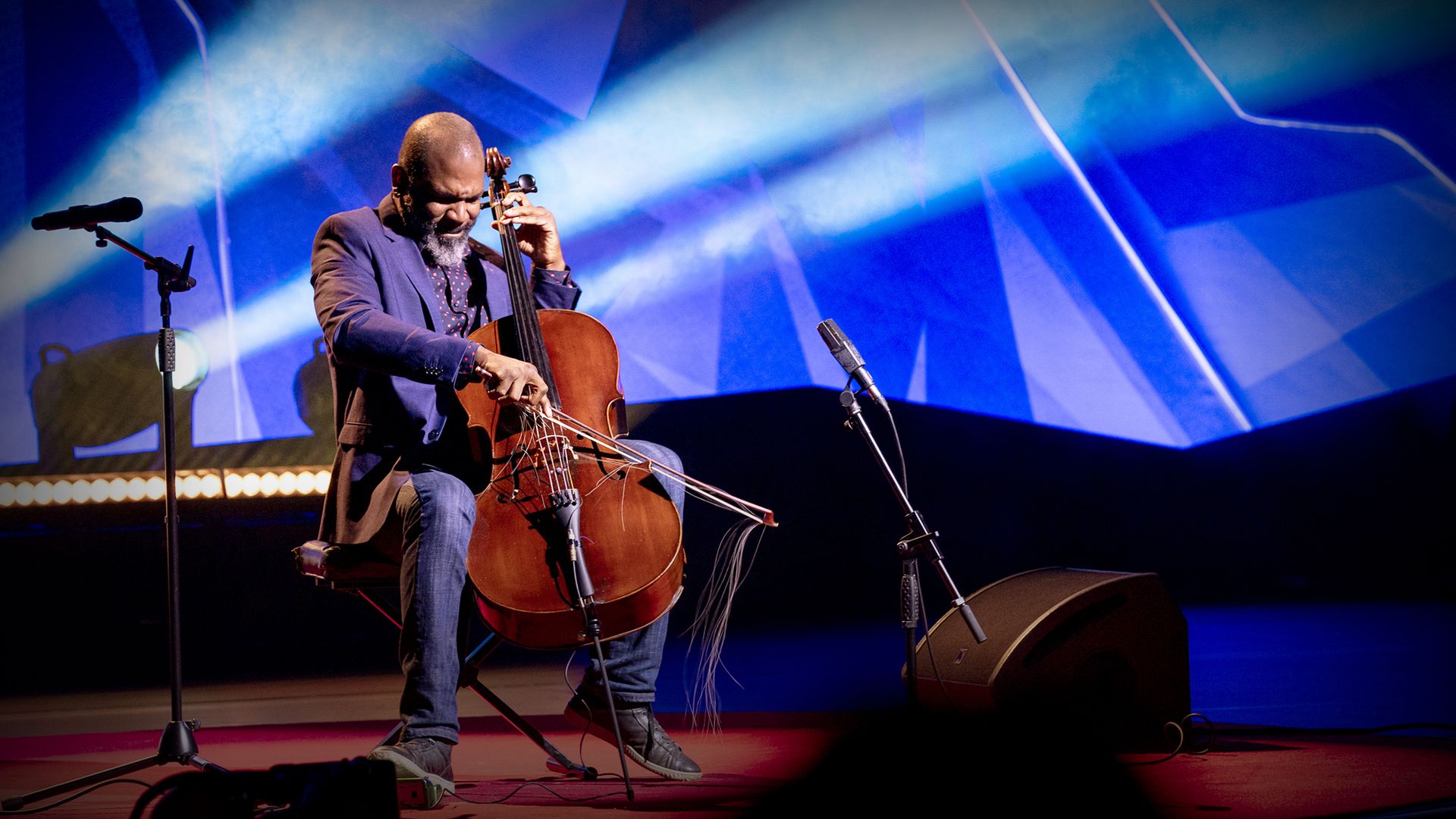
"Criminalization of Survival"

Visual artist, cellist and TED Fellow Paul Rucker performs a disarming rendition of "Criminalization of Survival," a piece he created to explore the fragile journey of life in light of the brutality of the immigration crisis.

2019

TED Talk

United States
Paul Rucker is a multimedia visual artist, composer, and musician known for integrating live performance, original musical compositions, and visual art installations. His work focuses on illuminating the legacy of enslavement in America and its connection to current socio-political issues. Rucker has received numerous grants, awards, and residencies for his work in visual art and music. He is recognized for his innovative approach to art making, which involves exploring community impacts, human rights issues, historical research, and human emotions. Additionally, Rucker holds various fellowships and teaching positions, including being an Assistant Professor at Virginia Commonwealth University. // Paul Rucker is a visual artist, composer, and musician known for his work that combines various media to explore community impacts, human rights issues, historical research, and human emotions. His current focus is on the prison-industrial complex and the connection between incarceration and slavery. Rucker has exhibited his work nationally, including in educational institutions and prisons, and has collaborated with organizations to address mass incarceration. He holds prestigious fellowships and is currently an Assistant Professor and Curator for Creative Collaboration at VCUarts, Virginia Commonwealth University. // Bring attention to false narratives in history and people left out of the story. Address coordinated exclusion. // Paul Rucker is a multimedia visual artist, composer, and musician whose work delves into the intersections of art, history, and social justice. He is recognized for his innovative approach in integrating live performance, original musical compositions, and visual art installations to shed light on the legacy of enslavement in America and its contemporary socio-political implications. Rucker's artistry extends to exploring community impacts, human rights issues, historical research, and human emotions, with a particular focus on the prison-industrial complex and the ties between incarceration and slavery. Through his exhibitions, collaborations with organizations, and teaching positions at Virginia Commonwealth University, Rucker actively engages in challenging false historical narratives and advocating for marginalized voices in society. // Visual artist + cellist // Paul Rucker is a multimedia visual artist, composer, and musician. His practice often integrates live performance, original musical compositions, and visual art installation. For nearly two decades, Rucker has used his own brand of art making as a social practice, which illuminates the legacy of enslavement in America and its relationship to the current socio-political moment. His work is the product of a rich interactive process, through which he investigates community impacts, human rights issues, historical research, and basic human emotions. Rucker has received numerous grants, awards and residencies for visual art and music. He is a 2012 Creative Capital Grantee in visual art as well as a 2014, 2018, 2019 MAP (Multi-Arts Production) Fund Grantee for performance. In 2015 he received a prestigious Joan Mitchell Painters & Sculptors Grant as well as the Mary Sawyer Baker Award. In 2016 Paul received the Rauschenberg Artist as Activist fellowship and the Smithsonian Artist Research Fellowship, for which he is the first artist in residence at the new National Museum of African American Culture. Residencies include MacDowell Colony, Blue Mountain Center, Ucross Foundation, Art OMI, Banff Centre, Pilchuck Glass School, Rauschenberg Residency, Joan Mitchell Residency, Loghave, Montalvo, Hermitage, Hemera Artist Retreat, Air Serembe, Creative Alliance and the Rockefeller Foundation Study Center in Bellagio, Italy. He will be a Master Teacher at the Atlantic Center for the Arts in 2021. In 2013-2015, he was the Robert W. Deutsch Foundation Artist in Residence and Research Fellow at the Maryland Institute College of Art. He was awarded a 2017 John Simon Guggenheim Fellowship, a 2018 TED Fellowship, a 2020 TED Senior Fellowship and the 2018 Arts Innovator Award from the Dale and Leslie Chihuly Foundation and Artist Trust. His most recent award is a 2020 Art for Justice Fund Fellowship. Rucker is an iCubed Arts Research Fellow and Assistant Professor at Virginia Commonwealth University in Richmond, Virginia and Curator for Creative Collaboration for VCUarts. // Visual artist, cellist and TED Fellow Paul Rucker performs a disarming rendition of "Criminalization of Survival," a piece he created to explore the fragile journey of life in light of the brutality of the immigration crisis. // Multidisciplinary artist and TED Fellow Paul Rucker has developed his own style of cello; he puts chopsticks between his strings, uses the instrument as a drum and experiments with electronics like loop pedals. Moving between reflective storytelling and performance, Rucker shares his inspiration -- and definitely doesn't play the same old Bach. // Multidisciplinary artist and TED Fellow Paul Rucker is unstitching the legacy of systemic racism in the United States. A collector of artifacts connected to the history of slavery -- from branding irons and shackles to postcards depicting lynchings -- Rucker couldn't find an undamaged Ku Klux Klan robe for his collection, so he began making his own. The result: striking garments in non-traditional fabrics like kente cloth, camouflage and silk that confront the normalization of systemic racism in the US. "If we as a people collectively look at these objects and realize that they are part of our history, we can find a way to where they have no more power over us," Rucker says. (This talk contains graphic images.) // Paul Rucker is a multimedia visual artist, composer, and musician whose work delves into the intersections of art, history, and social justice. He is recognized for his innovative approach in integrating live performance, original musical compositions, and visual art installations to shed light on the legacy of enslavement in America and its contemporary socio-political implications. Rucker's artistry extends to exploring community impacts, human rights issues, historical research, and human emotions, with a particular focus on the prison-industrial complex and the ties between incarceration and slavery. Through his exhibitions, collaborations with organizations, and teaching positions at Virginia Commonwealth University, Rucker actively engages in challenging false historical narratives and advocating for marginalized voices in society. // Visual artist + cellist // research, glass, racism, activism, history, human rights, rights, education, immigration, address false narratives, teachers, justice, coordinated exclusion // Maryland|United Kingdom|USA|Richmond|England|Baltimore|Virginia
Maryland|United Kingdom|USA|Richmond|England|Baltimore|Virginia

Paul Rucker

No items found.
2019

05:05

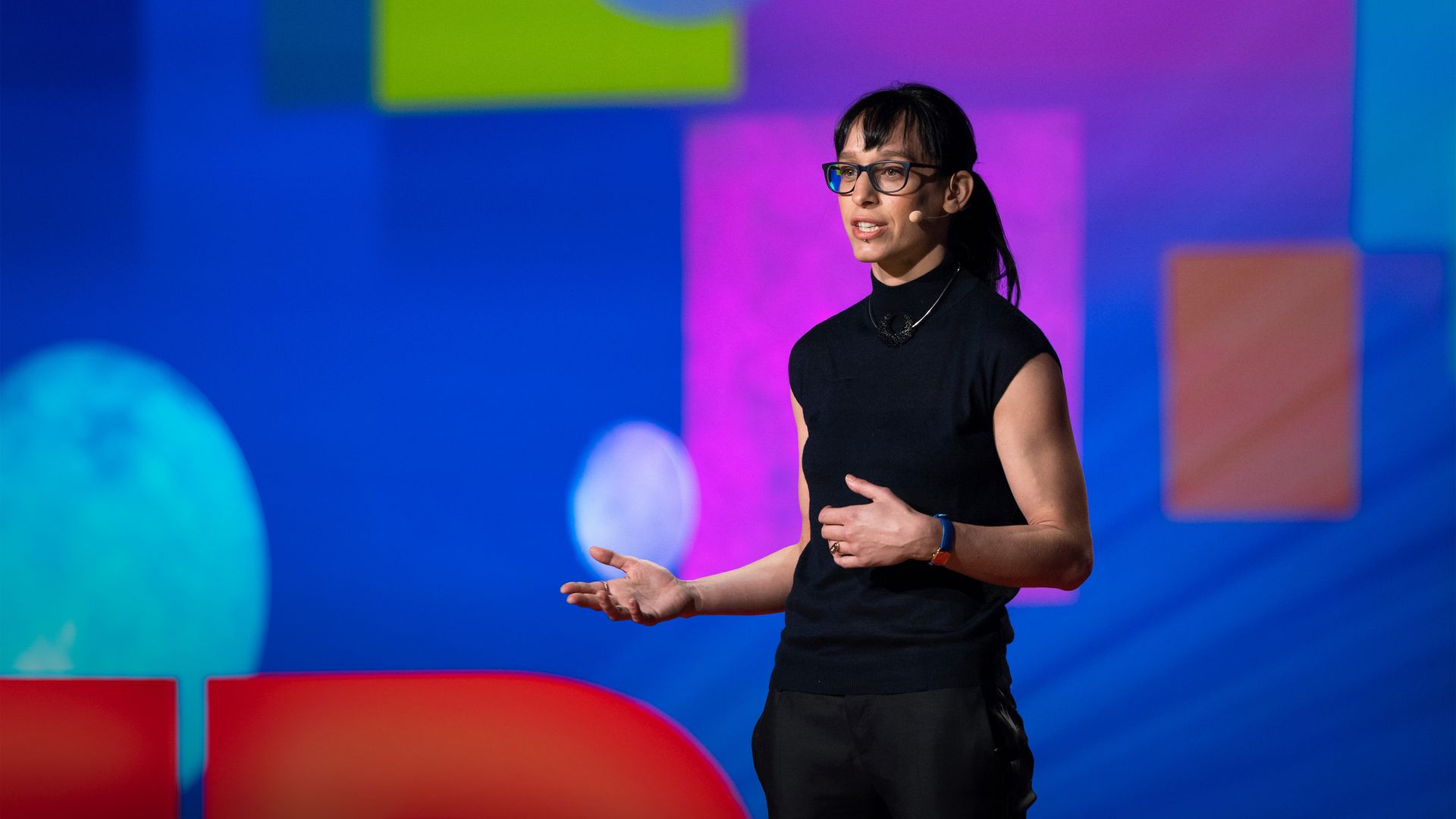
How we use astrophysics to study earthbound problems

To study a system as complex as the entire universe, astrophysicists need to be experts at extracting simple solutions from large data sets. What else could they do with this expertise? In an interdisciplinary talk, TED Fellow and astrophysicist Federica Bianco explains how she uses astrophysical data analysis to solve urban and social problems -- as well as stellar mysteries.

2019

TED Talk

United States
Urban astrophysicist // Astrophysicist using an interdisciplinary approach to study stellar explosions and help build resilient cities by applying astronomical data processing techniques to urban science. // Dr. Bianco is a Professor at the University of Delaware in the Physics and Astronomy Department, Biden School of Public Policy and Administration, and Data Science Institute. She built her unusual career by letting her passions and her desire to learn new things guide her: trained as an astrophysicist, she splits her time between unveiling the secret of the Universe, finding new ways to improve quality of life in cities, and fighting in the ring. As an astrophysics she studies astronomical transients, things that change in the night sky, from solar system objects passing in front of background stars to explosions at the edge of the known Universe. As the Coordinator of the Large Synoptic Survey Telescope Science Collaborations she is creating a network of over 1500 scientists as they prepare to study the night skies through the largest, most complex astrophysical dataset to date. The telescope will come online in 2023 and it will observe the whole southern sky every few days from the mountains of Chile, to unprecedented depths and spatial resolution. The sky that to our naked eye looks like a static painted celestial volt is the site of continuous, tumultuous, dramatic changes which a telescope as powerful as this can reveal. Dr. Bianco will focus on understanding the nature of the millions of things that change every night in the night sky. The potential for discovery is transformational! When Dr. Bianco turns her instruments to study urban environments she works on developing new ways to predict energy needs and measure pollution that are accessible to all economies, not just the richest countries, and uses her data skills to improve the prosecutorial justice system. Outside of academia, Dr. Bianco is known as the Madscientist; she is a professional boxer in the bantamweight class, with a record of 4-1, 2KOs (not bad for a geek!). // To study a system as complex as the entire universe, astrophysicists need to be experts at extracting simple solutions from large data sets. What else could they do with this expertise? In an interdisciplinary talk, TED Fellow and astrophysicist Federica Bianco explains how she uses astrophysical data analysis to solve urban and social problems -- as well as stellar mysteries. // Dr. Bianco is a Professor at the University of Delaware in the Physics and Astronomy Department, Biden School of Public Policy and Administration, and Data Science Institute. She built her unusual career by letting her passions and her desire to learn new things guide her: trained as an astrophysicist, she splits her time between unveiling the secret of the Universe, finding new ways to improve quality of life in cities, and fighting in the ring. As an astrophysics she studies astronomical transients, things that change in the night sky, from solar system objects passing in front of background stars to explosions at the edge of the known Universe. As the Coordinator of the Large Synoptic Survey Telescope Science Collaborations she is creating a network of over 1500 scientists as they prepare to study the night skies through the largest, most complex astrophysical dataset to date. The telescope will come online in 2023 and it will observe the whole southern sky every few days from the mountains of Chile, to unprecedented depths and spatial resolution. The sky that to our naked eye looks like a static painted celestial volt is the site of continuous, tumultuous, dramatic changes which a telescope as powerful as this can reveal. Dr. Bianco will focus on understanding the nature of the millions of things that change every night in the night sky. The potential for discovery is transformational! When Dr. Bianco turns her instruments to study urban environments she works on developing new ways to predict energy needs and measure pollution that are accessible to all economies, not just the richest countries, and uses her data skills to improve the prosecutorial justice system. Outside of academia, Dr. Bianco is known as the Madscientist; she is a professional boxer in the bantamweight class, with a record of 4-1, 2KOs (not bad for a geek!). // Urban astrophysicist // public policy, pollution, resilience, nature, data analysis, boxing, science, data science, policy, cities, data, solar, astrophysics, justice, urban, mountains, urban science // Delaware|United States|USA
Delaware|United States|USA

federica Bianco

No items found.
2019

A simple solution to maintaining life-saving vaccines | Nithya Ramanathan

Refrigerators do much more than store your groceries -- they're also vital to preserving and distributing vaccines. Illustrating the realities of (and threats to) global vaccine supply chains, technologist and TED Fellow Nithya Ramanathan describes how smart sensors placed in fridges that store medical supplies can provide crucial, real-time data and ensure people get the life-saving care they need. Hosted on Acast. See acast.com/privacy for more information.

2023

Podcasts

United States
Technologist // Nithya Ramanathan, Ph.D., is the Chief Executive Officer and Co-founder of Nexleaf Analytics, a non-profit technology company that partners with countries to make sure they have the data they need to build lasting solutions that improve the health of people. Nexleaf has created a platform of real-time sensors and data analytic tools that protects the vaccine supply for 1 in 10 babies born annually on Earth. Nithya and her team have achieved this outsized impact by working shoulder-to-shoulder with Ministries of Health — rather than bypassing governments — to scale cutting-edge technologies refined through close collaboration with personnel at every level of the health system, from top-tier government officials to last-mile health care workers. Nithya's unique approach brings together sensor design, data analysis, software engineering, and field engagement to identify and address the root cause challenges within complex global health systems. A computer scientist specializing in sensor technologies and data analytics, Nithya is a tech-for-good pioneer and a leading thinker on global vaccine distribution. Nithya’s career started in Silicon Valley, and continued as Research Faculty in sensor technologies at UCLA. She holds a Ph.D. in Computer Science from UCLA and a B.S. in Electrical Engineering from UC Berkeley. Her work has been published in multiple peer-reviewed journals. Nithya is a PopTech Social Innovation Fellow, Switzer Environmental Fellow, and a Rainer Arnhold Fellow. She is the winner of the 2017 Hedy Lamarr Award for Female Tech Pioneer, was named a Gavi Got Life! Champion in 2018 alongside world leaders, and received the Tällberg Foundation/Eliasson Global Leadership Award in 2020. // Refrigerators do much more than store your groceries -- they're also vital to preserving and distributing vaccines. Illustrating the realities of (and threats to) global vaccine supply chains, technologist and TED Fellow Nithya Ramanathan describes how smart sensors placed in fridges that store medical supplies can provide crucial, real-time data and ensure people get the life-saving care they need. // Nithya Ramanathan, Ph.D., is the Chief Executive Officer and Co-founder of Nexleaf Analytics, a non-profit technology company that partners with countries to make sure they have the data they need to build lasting solutions that improve the health of people. Nexleaf has created a platform of real-time sensors and data analytic tools that protects the vaccine supply for 1 in 10 babies born annually on Earth. Nithya and her team have achieved this outsized impact by working shoulder-to-shoulder with Ministries of Health — rather than bypassing governments — to scale cutting-edge technologies refined through close collaboration with personnel at every level of the health system, from top-tier government officials to last-mile health care workers. Nithya's unique approach brings together sensor design, data analysis, software engineering, and field engagement to identify and address the root cause challenges within complex global health systems. A computer scientist specializing in sensor technologies and data analytics, Nithya is a tech-for-good pioneer and a leading thinker on global vaccine distribution. Nithya’s career started in Silicon Valley, and continued as Research Faculty in sensor technologies at UCLA. She holds a Ph.D. in Computer Science from UCLA and a B.S. in Electrical Engineering from UC Berkeley. Her work has been published in multiple peer-reviewed journals. Nithya is a PopTech Social Innovation Fellow, Switzer Environmental Fellow, and a Rainer Arnhold Fellow. She is the winner of the 2017 Hedy Lamarr Award for Female Tech Pioneer, was named a Gavi Got Life! Champion in 2018 alongside world leaders, and received the Tällberg Foundation/Eliasson Global Leadership Award in 2020. // Technologist // technology, tech for good, appropriate technology, global health innovation, electrical engineering, data, research, design, data and analytics, supply chain, design of large-scale sensor systems, women, data analytics, data analysis, systems change, sensor, working with ministries of health (government), workers, science, software, government // California|Los Angeles|United States|USA
California|Los Angeles|United States|USA

Nithya Ramanathan

No items found.
2023

How a handful of fishing villages sparked a marine conservation revolution | Alasdair Harris

We need a radically new approach to ocean conservation, says marine biologist Alasdair Harris. In a visionary talk, he lays out a surprising solution to the problem of overfishing that could both revive marine life and rebuild local fisheries -- all by taking less from the ocean. “When we design it right, marine conservation reaps dividends that go far beyond protecting nature,” he says. Hosted on Acast. See acast.com/privacy for more information.

2023

Podcasts

United Kingdom
Marine ecologist + tourism entrepreneur // A British marine ecologist and founder of Blue Ventures, a social enterprise working with coastal communities to protect marine biodiversity using sustainable, locally-led methods. // We need a radically new approach to ocean conservation, says marine biologist and TED Fellow Alasdair Harris. In a visionary talk, he lays out a surprising solution to the problem of overfishing that could both revive marine life and rebuild local fisheries -- all by taking less from the ocean. "When we design it right, marine conservation reaps dividends that go far beyond protecting nature," he says. // A British marine ecologist and founder of Blue Ventures, a social enterprise working with coastal communities to protect marine biodiversity using sustainable, locally-led methods. // Marine ecologist + tourism entrepreneur // nature, ocean conservation, design, marine conservation, biodiversity, coastal communities, coastal, ecology, conservation, marine life, fishing, oceans // United Kingdom|England|London
United Kingdom|England|London

Alasdair Harris

No items found.
2023

05:10

A feminist reimagining of Kenya's public transport

Kenya's minibuses -- known as "matatus" -- offer a convenient, affordable and colorful way for people to get around. But they also pose safety risks and accessibility issues for many of their passengers, especially women. Bringing a feminist perspective, activist and TED Fellow Naomi Mwaura calls for a revolution in public transportation by making routes transparent, protecting passengers from harassment and paving a career path for women in the industry.

2021

TED Talk

United States
Transportation activist // Kenya's minibuses -- known as "matatus" -- offer a convenient, affordable and colorful way for people to get around. But they also pose safety risks and accessibility issues for many of their passengers, especially women. Bringing a feminist perspective, activist and TED Fellow Naomi Mwaura calls for a revolution in public transportation by making routes transparent, protecting passengers from harassment and paving a career path for women in the industry. // Transportation activist // transit, public transit, activism, mobility, accessibility, affordable, transportation, women

Naomi Mwaura

No items found.
2021

05:22

A personal air-quality tracker that lets you know what you're breathing

How often do you think about the air you're breathing? Probably not enough, says entrepreneur and TED Fellow Romain Lacombe. He introduces Flow: a personal air-quality tracker that fits in your hand and monitors pollution levels in real time. See how this device could help you track and understand pollution street by street, hour by hour -- and empower you to take action to improve your health.

2019

TED Talk

France
Etalab (French task force for Open Data); École Polytechnique; Sciences Po; Massachusetts Institute of Technology; Ecole Polytechnique; Plume Labs; McKinsey & Company; TED Conferences
The organization, led by Romain Lacombe, focuses on advancing various fields through innovative applications of machine learning and deep reinforcement learning. Their work includes accelerating the generation of molecular conformations, designing catalysts for clean energy technologies, assessing human expert confidence in climate statements, extracting molecular properties from natural language, and improving the detection of extreme weather events using neural networks. Their research demonstrates potential for high-throughput molecular screening, inverse catalyst design, climate science evaluation, multimodal learning, and automated extreme weather event detection. // Working to make air quality information accessible for everyone. Acquired by AccuWeather in December 2021. // Helped build the French Prime Minister’s task force for open government data. // Co-founded the French Prime Minister’s task force for Open Data and helped lead it from 2011 to 2014. // Lecturer ("Maître de Conférence") in technology innovation at Sciences Po, teaching an elective course on the Strategy & Management of Digital Innovation ("Stratégie et Pratique de l'Innovation Numérique") in the 2nd year Economics & Business track. Syllabus and class notes: http://spinnonum.tumblr.com // Research Assistant to Dr. John Parsons and Dr. Denny Ellerman at the Center for Energy and Environmental Policy Research (joint lab of Sloan School/MIT Energy Initiative). // Intern analyst at McKinsey & Company in the EMEA Industry practice (renewable energy, chemicals, and basic materials sectors). // Flow is the first truly mobile, truly personal air quality sensor that measures what you breathe. // France's Open Data platform. // Etalab (French task force for Open Data); École Polytechnique; Sciences Po; Massachusetts Institute of Technology; Ecole Polytechnique; Plume Labs; McKinsey & Company; TED Conferences // Romain Lacombe is a seasoned professional with a diverse background in technology innovation, open government data, and environmental policy. He has played key roles in initiatives such as building the French Prime Minister’s task force for open government data and co-founding the task force for Open Data. Romain's expertise extends to academia, where he serves as a lecturer in technology innovation at Sciences Po, teaching courses on digital innovation strategy and management. His experience also includes research assistance in energy and environmental policy and analysis in industries like renewable energy and chemicals. Romain's recent work in making air quality information accessible to the public culminated in an acquisition by AccuWeather in 2021. // Romain Lacombe is a versatile professional with a strong focus on leveraging machine learning and deep reinforcement learning to drive advancements in various fields. His work spans from accelerating molecular conformation generation to designing catalysts for clean energy technologies, assessing expert confidence in climate statements, extracting molecular properties from natural language, and enhancing extreme weather event detection using neural networks. With a background in technology innovation, open government data, and environmental policy, Romain has made significant contributions to initiatives like open data task forces and academia, where he teaches courses on digital innovation strategy. His expertise extends to research in energy and environmental policy, renewable energy, and chemicals, with notable success in making air quality information accessible to the public, leading to an acquisition by AccuWeather in 2021. // Environmental entrepreneur // Romain Lacombe is the CEO and founder of Plume Labs, an environmental tech company building a mesh network of personal sensors for environmental health. Flow, it’s first hardware product, is a CES Innovation Awards 2017 honoree. Plume Labs has raised $4M in seed funding and has a team of 20+ in Paris, France and New York, NY. From 2011 to 2014, Romain was the co-founder and head of innovation of data.gouv.fr, the French Prime Minister’s task force for open government and open data. Romain graduated from Ecole Polytechnique, Paris (Applied Maths, Physics and Economics, 2006) and from the Massachusetts Institute of Technology (M.S. in Technology Policy, 2008) as a Fulbright Scholar. Romain is an MIT Technology Review ‘Innovator Under 35’ (2015) and a TED Fellow (2018) and his work was covered in Time, CNN, The New York Times and The Economist. // How often do you think about the air you're breathing? Probably not enough, says entrepreneur and TED Fellow Romain Lacombe. He introduces Flow: a personal air-quality tracker that fits in your hand and monitors pollution levels in real time. See how this device could help you track and understand pollution street by street, hour by hour -- and empower you to take action to improve your health. // Romain Lacombe is a versatile professional with a strong focus on leveraging machine learning and deep reinforcement learning to drive advancements in various fields. His work spans from accelerating molecular conformation generation to designing catalysts for clean energy technologies, assessing expert confidence in climate statements, extracting molecular properties from natural language, and enhancing extreme weather event detection using neural networks. With a background in technology innovation, open government data, and environmental policy, Romain has made significant contributions to initiatives like open data task forces and academia, where he teaches courses on digital innovation strategy. His expertise extends to research in energy and environmental policy, renewable energy, and chemicals, with notable success in making air quality information accessible to the public, leading to an acquisition by AccuWeather in 2021. // Environmental entrepreneur // technology, renewable, sensors, entrepreneurship, led, data, machine learning, cleantech, research, climate, design, energy economy, weather, environmental policy and advocacy, policy, community engagement, clean energy, public policy, pollution, mobile phones, environmental health, systems engineering, data-driven, advocacy, sensor, open data, renewable energy, hardware, extreme weather, policy research, air quality, extreme events, science, government, artificial intelligence, energy // SF Bay Area|USA|Paris|France|California|Île-de-France
SF Bay Area|USA|Paris|France|California|Île-de-France

Romain Lacombe

No items found.
2019

05:59

Could tissue engineering mean personalized medicine?

Each of our bodies is utterly unique, which is a lovely thought until it comes to treating an illness -- when every body reacts differently, often unpredictably, to standard treatment. Tissue engineer Nina Tandon talks about a possible solution: Using pluripotent stem cells to make personalized models of organs on which to test new drugs and treatments, and storing them on computer chips. (Call it extremely personalized medicine.)

2012

TED Talk

United States
Tissue engineering researcher // An American electrical engineer and research scientist who explores how electrical stimulation encourages tissue growth. She is also a certified yoga instructor who explores the intersections between mindfulness, education and the scientific process in her own life, and, increasingly, with her students! // Nina Tandon is CEO and co-founder of EpiBone, the world’s first company growing living human bones for skeletal reconstruction. She is the co-author of Super Cells: Building with Biology, a book that explores the new frontier of biotech. Nina has also been awarded Crain's New York, Forty Under 40; Ernst & Young, Winning Woman; and Goldman Sachs, 100 Most Intriguing Entrepreneurs. She has a Bachelor’s in Electrical Engineering from the Cooper Union, a Master’s in Bioelectrical Engineering from MIT, a PhD in Biomedical Engineering, as well as an MBA from Columbia University. Her PhD research focused on studying electrical signaling in the context of tissue engineering, and has worked with cardiac, skin, bone, and neural tissue. // As humans live longer than ever before, we need our implants to last as long as we do, says bioengineer Nina Tandon. Using stem cells and digital fabrication, she's working on growing anatomically precise spare parts for the human body, replacing damaged bones, cartilage and more with implants that fit perfectly and hold up for a lifetime. // Each of our bodies is utterly unique, which is a lovely thought until it comes to treating an illness -- when every body reacts differently, often unpredictably, to standard treatment. Tissue engineer Nina Tandon talks about a possible solution: Using pluripotent stem cells to make personalized models of organs on which to test new drugs and treatments, and storing them on computer chips. (Call it extremely personalized medicine.) // Tissue engineer and TED Fellow Nina Tandon is growing artificial hearts and bones. To do that, she needs new ways of caring for artificially grown cells -- techniques she's developed by the simple but powerful method of copying their natural environments. // Nina Tandon is CEO and co-founder of EpiBone, the world’s first company growing living human bones for skeletal reconstruction. She is the co-author of Super Cells: Building with Biology, a book that explores the new frontier of biotech. Nina has also been awarded Crain's New York, Forty Under 40; Ernst & Young, Winning Woman; and Goldman Sachs, 100 Most Intriguing Entrepreneurs. She has a Bachelor’s in Electrical Engineering from the Cooper Union, a Master’s in Bioelectrical Engineering from MIT, a PhD in Biomedical Engineering, as well as an MBA from Columbia University. Her PhD research focused on studying electrical signaling in the context of tissue engineering, and has worked with cardiac, skin, bone, and neural tissue. // Tissue engineering researcher // jewelry design & silversmithing, education, entrepreneurship, electrical engineering, making fresh pasta, research, watergun assassination, design, stem, bioreactors, stem cells, biotech, jewelry, bioelectricity, climbing fences, tissue engineering, biomimicry, headstands // United States|New York
United States|New York

Nina Tandon

No items found.
2012

Why I spend hours sketching in conflict zones | George Butler

Illustrator and TED Fellow George Butler reports on the ground from conflict zones, climate hotspots and humanitarian crises, using pen, ink and watercolors to highlight personal stories of perseverance. By slowing down and going deeper than the headlines, his humanistic approach is shifting how we think about the news.

2026

Podcasts

United Kingdom

George Butler

No items found.
Extended interview Lily James Olds Season 2 Fellows Films
2026

09:36

Play with smart materials

Ink that conducts electricity; a window that turns from clear to opaque at the flip of a switch; a jelly that makes music. All this stuff exists, and Catarina Mota says: It's time to play with it. Mota leads us on a tour of surprising and cool new materials, and suggests that the way we'll figure out what they're good for is to experiment, tinker and have fun.

2013

TED Talk

United States
Open-source advocate + researcher // Portuguese open source advocate, maker, and research scholar. Catarina co-founded Open Materials (do-it-yourself smart materials), Everywhere Tech (open source technology transfer), and AltLab (Lisbon's hackerspace). She has taught numerous hands-on workshops on hi-tech materials and simple circuitry with the goal of encouraging people with little to no science background to take a proactive interest in science, technology and knowledge-sharing. Previously, she co-chaired the Open Hardware Summit 2012, served on the board of directors of the Open Source Hardware Association, taught as an adjunct faculty member at ITP-NYU, and was a fellow of the National Science and Technology Foundation of Portugal. Catarina is wrapping up her PhD dissertation on the social impact of open and collaborative practices for the development of physical goods and technologies. She is currently a visiting scholar at ITP-NYU, Research Chair at the Open Source Hardware Association, TED Fellow, and member of NYC Resistor. // Catarina is a maker of things, a research scholar, and an open source advocate. She co-founded the Open Building Institute (open source eco-housing), Open Materials (do-it-yourself smart materials) and AltLab (Lisbon's hackerspace). She researches, designs and teaches hands-on workshops on low-cost eco-house building with the goal of encouraging people to actively participate in the creation of their living environment. Previously, she co-chaired the Open Hardware Summit 2012, served on the board of directors of the Open Source Hardware Association, taught as an adjunct faculty member at ITP-NYU, was a fellow of the National Science and Technology Foundation of Portugal and a member of NYC Resistor. Catarina holds a PhD in communication sciences and her research focuses on the social impact of open and collaborative practices for the development of physical goods and technologies. She is currently the executive director of the Open Building Institute, Research Chair at the Open Source Hardware Association, and a TED Fellow. In 2013 Catarina married TED fellow and open source advocate Marcin Jakubowski. // Ink that conducts electricity; a window that turns from clear to opaque at the flip of a switch; a jelly that makes music. All this stuff exists, and Catarina Mota says: It's time to play with it. Mota leads us on a tour of surprising and cool new materials, and suggests that the way we'll figure out what they're good for is to experiment, tinker and have fun. // Catarina is a maker of things, a research scholar, and an open source advocate. She co-founded the Open Building Institute (open source eco-housing), Open Materials (do-it-yourself smart materials) and AltLab (Lisbon's hackerspace). She researches, designs and teaches hands-on workshops on low-cost eco-house building with the goal of encouraging people to actively participate in the creation of their living environment. Previously, she co-chaired the Open Hardware Summit 2012, served on the board of directors of the Open Source Hardware Association, taught as an adjunct faculty member at ITP-NYU, was a fellow of the National Science and Technology Foundation of Portugal and a member of NYC Resistor. Catarina holds a PhD in communication sciences and her research focuses on the social impact of open and collaborative practices for the development of physical goods and technologies. She is currently the executive director of the Open Building Institute, Research Chair at the Open Source Hardware Association, and a TED Fellow. In 2013 Catarina married TED fellow and open source advocate Marcin Jakubowski. // Open-source advocate + researcher // research, open source, technology, open source hardware, science, electricity, advocacy, eco-homes, smart materials, low-cost, communication, collaborate/co-create/cross-edit/communicate, hardware // Missouri|Maysville|United States|USA
Missouri|Maysville|United States|USA

Catarina Mota

No items found.
2013

14:43

The secret US prisons you've never heard of before

Investigative journalist Will Potter is the only reporter who has been inside a Communications Management Unit, or CMU, within a US prison. These units were opened secretly, and radically alter how prisoners are treated -- even preventing them from hugging their children. Potter, a TED Fellow, shows us who is imprisoned here, and how the government is trying to keep them hidden. "The message was clear," he says. "Don't talk about this place." Find sources for this talk at willpotter.com/cmu

2015

TED Talk

United States
The Johns Hopkins University; University of Michigan; The University of Texas at Austin
Will Potter is an investigative journalist and author known for his work focusing on social justice and environmental movements, as well as attacks on civil rights post-9/11. He has been invited to speak at numerous universities and public forums globally, addressing topics such as civil liberties and authoritarianism. Potter's book, "Green Is the New Red," sheds light on the criminalization of nonviolent protest groups by the FBI. Additionally, he has collaborated with punk rock bands like Rise Against and Old Lines on special releases, using vibrant and powerful language to advocate for animal welfare and increased transparency in areas like factory farms. Potter's investigative journalism has led to the overturning of criminal prosecutions and has been cited in Congressional reports and Supreme Court briefs, particularly in relation to issues such as eco-terrorism and government surveillance. // The Johns Hopkins University; University of Michigan; The University of Texas at Austin // I'm trying to sound the alarm the political repression of protest movements and the rise of fascism. // Will Potter is an investigative journalist and author who delves into social justice and environmental movements, particularly focusing on the criminalization of nonviolent protest groups post-9/11. His book, "Green Is the New Red," highlights the FBI's targeting of such groups. Potter's impactful work has led to the reversal of criminal prosecutions and has been referenced in Congressional reports and Supreme Court briefs, notably in discussions surrounding eco-terrorism and government surveillance. He is a sought-after speaker at universities and public events worldwide, where he addresses issues of civil liberties and authoritarianism. Potter's collaborations with punk rock bands like Rise Against and Old Lines further amplify his advocacy for animal welfare and transparency in industries such as factory farming. // Investigative journalist // Will Potter is an award-winning journalist, author, and TED Fellow based in Washington, D.C. who focuses on the animal rights and environmental movements, and civil liberties post-9/11. Currently he is examining how whistleblowers and non-violent protesters are being treated as "terrorists." <br><br>His reporting and commentary have been featured in the world's top media outlets, including the <em>Washington Post</em>, <a href="http://www.onthemedia.org/story/273133-states-consider-so-called-ag-gag-bills/" target="_blank">NPR</a>, <em>Rolling Stone</em>, <a href="http://www.greenisthenewred.com/blog/el-pais-will-potter/7426/" target="_blank"><em>El Pais</em></a>, and <em>Le Monde</em>. He has testified before the U.S. Congress about his reporting, as the <a href="http://www.greenisthenewred.com/blog/congressional-testimony/" target="_blank">only witness opposing the Animal Enterprise Terrorism Act</a>.<br><br> Will has lectured at more than 150 universities and public forums about his work, including Georgetown University, the New York City Bar Association, and the House of Democracy and Human Rights in Berlin. International speaking tours have included Germany, Austria, Switzerland, New Zealand, and Spain, and he is the international guest lecturer for Australia's 2014 animal law lecture series. He is also an advisory board member of the <a href="http://www.rfc.org" target="_blank">Rosenberg Fund for Children.</a><br><br> His reporting has <a href="http://www.greenisthenewred.com/blog/first-ag-gag-arrest-utah-amy-meyer/6948/" target="_blank">overturned criminal prosecutions</a>, and it has both been praised in <a href="http://www.greenisthenewred.com/blog/domestic-terrorist-threat-congressional-report/6418/" target="_blank">Congressional reports</a> and monitored by the <a href="http://www.greenisthenewred.com/blog/counter-terrorism-unit-keeps-files-on-journalists/6247/" target="_blank">Counter-Terrorism Unit</a>. His book, <i><a href="http://www.greenisthenewred.com/blog/book">Green Is The New Red: An Insider’s Account of a Social Movement Under Siege</a>, </i>was awarded a a Kirkus Star for “remarkable merit."</td> </tr> // Will Potter is an award-winning author, TED Senior Fellow, and internationally-recognized civil liberties advocate. His work challenging government repression, and the labeling of protest as "terrorism," has appeared in the world's top media outlets, including the Washington Post, National Geographic, and Rolling Stone. Pulitzer Prize winner Glenn Greenwald described him as "the most knowledgeable journalist in the country on these issues." His reporting has overturned criminal prosecutions, and his book, Green Is The New Red, was described in Counter-Terrorism Unit surveillance documents as "compelling and well-written." Will has been invited to testify before the U.S. Congress about his reporting, as the only witness opposing the Animal Enterprise Terrorism Act, and he has spoken about his investigations of “ag-gag” laws before the Australian Parliament. After being awarded the prestigious Knight Wallace Fellowship, Will was appointed the Marsh Professor of Journalism at the University of Michigan, where he teaches courses on investigative journalism, social movements, and whistleblowing. // Investigative journalist Will Potter is the only reporter who has been inside a Communications Management Unit, or CMU, within a US prison. These units were opened secretly, and radically alter how prisoners are treated -- even preventing them from hugging their children. Potter, a TED Fellow, shows us who is imprisoned here, and how the government is trying to keep them hidden. "The message was clear," he says. "Don't talk about this place." Find sources for this talk at willpotter.com/cmu // In 2002, investigative journalist and TED Fellow Will Potter took a break from his regular beat, writing about shootings and murders for the Chicago Tribune. He went to help a local group campaigning against animal testing: "I thought it would be a safe way to do something positive," he says. Instead, he was arrested, and so began his ongoing journey into a world in which peaceful protest is branded as terrorism. // Will Potter is an investigative journalist and author who delves into social justice and environmental movements, particularly focusing on the criminalization of nonviolent protest groups post-9/11. His book, "Green Is the New Red," highlights the FBI's targeting of such groups. Potter's impactful work has led to the reversal of criminal prosecutions and has been referenced in Congressional reports and Supreme Court briefs, notably in discussions surrounding eco-terrorism and government surveillance. He is a sought-after speaker at universities and public events worldwide, where he addresses issues of civil liberties and authoritarianism. Potter's collaborations with punk rock bands like Rise Against and Old Lines further amplify his advocacy for animal welfare and transparency in industries such as factory farming. // Investigative journalist // civil liberties, led, activism, human rights, farming, rights, environmental policy and advocacy, protest, justice, policy, first amendment rights, environmental activism, journalism, advocacy, environment, animal rights / law, civil rights, social justice, political repression, transparency, children, law, government, communication, investigative journalism, surveillance, social justice advocacy // Michigan|Ann Arbor|USA
Michigan|Ann Arbor|USA

Will Potter

No items found.
2015

05:18

How we can make energy more affordable for low-income families

Every month, millions of Americans face an impossible choice: pay for energy to power their homes, or pay for basic needs like food and medicine. TED Fellow DeAndrea Salvador is working to reduce energy costs so that no one has to make this kind of decision. In this quick talk, she shares her plan to help low-income families reduce their bills while also building a cleaner, more sustainable and more affordable energy future for us all.

2018

TED Talk

United States
University of North Carolina at Charlotte; Wake Forest University
University of North Carolina at Charlotte; Wake Forest University // Policy, climate change, affordability // DeAndrea Salvador is an expert in policy analysis with a focus on climate change and affordability. Her work centers on examining the intersection of these critical issues, exploring ways to address climate change while ensuring affordability for all. Through her research and advocacy, Salvador seeks to develop sustainable policies that mitigate the impacts of climate change while promoting equitable access to essential resources. Her expertise lies in crafting innovative solutions that balance environmental concerns with the need for affordable living conditions, making her a valuable voice in the ongoing discourse on sustainable development and social equity. // Environmental justice advocate // Every month, millions of Americans face an impossible choice: pay for energy to power their homes, or pay for basic needs like food and medicine. TED Fellow DeAndrea Salvador is working to reduce energy costs so that no one has to make this kind of decision. In this quick talk, she shares her plan to help low-income families reduce their bills while also building a cleaner, more sustainable and more affordable energy future for us all. // DeAndrea Salvador is an expert in policy analysis with a focus on climate change and affordability. Her work centers on examining the intersection of these critical issues, exploring ways to address climate change while ensuring affordability for all. Through her research and advocacy, Salvador seeks to develop sustainable policies that mitigate the impacts of climate change while promoting equitable access to essential resources. Her expertise lies in crafting innovative solutions that balance environmental concerns with the need for affordable living conditions, making her a valuable voice in the ongoing discourse on sustainable development and social equity. // Environmental justice advocate // affordable energy, data, job skills training, electrification, research, climate, energy bills, policy, clean energy, public policy, data analysis, affordable, climate change, low income, food, government, energy, basic needs, income // Charlotte|Cambridge|USA|United States|Massachusetts|North Carolina
Charlotte|Cambridge|USA|United States|Massachusetts|North Carolina

DeAndrea Salvador

No items found.
2018

11:04

Everyone deserves to be safe

What does a woman never leave home without? A safety pin, a pointed nail file, red chili powder -- some small weapon to fight off unwanted touches and grabs in public. When artist Jasmeen Patheja asked women to share this intimate detail of their lives, it made her point: everyone deserves safety. Her project, Blank Noise, helps to reclaim public safety for everyone through public projects that build trust and independence for everyone. Watch to the end for a thoughtful dialogue with host Shah Rukh Khan.

2018

TED Talk

India
Srishti Institute of Art Design and Technology; The Rockefeller Foundation; Srishti Institute of Art, Design and Technology; CREA; Blank Noise; Self-employed; Srishti School of Art Design and Technology; Akademie Schloss Solitude; TED Conferences; Ashoka
Blank Noise is an organization that works towards ending victim blame and creating a safe space for collective and personal memory related to experiences of sexual violence. They facilitate the building of garment testimonials and organize events like #MeetToSleep to protest against fear and defenselessness. The organization also runs initiatives like the #INeverAskForIt Mission, which includes podcasts and listening circles for survivors of sexual violence. Blank Noise collaborates with various partners and allies to unite in solidarity against gender-based violence and victim blame. They also conduct research projects, workshops, and campaigns to raise awareness and empower individuals to speak out against harassment and discrimination. // Jasmeen Patheja is a human rights activist in India, known for her work in gender sensitization and addressing issues of street harassment and eve teasing. She founded Blank Noise, a project aimed at creating awareness and shifting the blame of eve teasing from victims to perpetrators. Through innovative methods such as street performances and confrontational protests, Blank Noise works on ground with victims, provides legal counseling, and advocates for tougher laws against street harassment. Jasmeen utilizes various media platforms to spread awareness and engage diverse groups in discussions and campaigns. Born in Kolkata and influenced by her grandmother, she has been actively involved in activism since her college days, recognizing street harassment as a systemic issue. // Jasmeen Patheja is an Artist in Public Service, committed to ending violence against women, girls and all persons. Patheja initiates ideas and facilitates collective feminist action towards the right to be defenceless. Patheja initiated Blank Noise in 2003, to address the silence surrounding street harassment in India and globally. Blank Noise works to affect public consciousness, calling everyday citizens to become ‘Action Sheroes’/ Heroes/ Theyroes and take the agency to end gender-based violence. Over the 20 years, her approach has grown from street harassment to victim blame; emphasising the interconnectedness of gender-based violence across spaces. Patheja works with communities to design and innovate methodologies for social change. Her practice is based on listening to lived experiences of violence against women and girls. She works with themes including fear, public and private memory, imagination, shame, desire, belonging, empathy and the weight of defence. Select projects at Blank Noise include the I Never Ask For It Mission, Meet To Sleep and Talk To Me. Awards and recognition include the International Award For Public Art, for Talk To Me (2015). In 2019 Patheja was awarded the Visible Award for the project I Never Ask For It / Meet To Sleep. Vera List Center awarded her the Jane Lombard Fellowship For Art and Politics. BBC listed her as one of the 12 artists changing the world, in 2019. Patheja is a TED speaker, a TED and an Ashoka Fellow. Select residencies include the Bellagio Residency with CARE and the Rockefeller Foundation, Akademie Schloss Solitude. Patheja is based in Bangalore and is currently a resident at Srishti Manipal Institute of Art Design and Technology. Patheja and her grandmother Indri are collaborators. // Community of 'Action Heroes' United To Eradicate Sexual and Gender Based Violence. // No Excuse For Sexual Violence. I Never Ask For It // CARE USA created the Gender Equality Fellowship With The Rockefeller Foundation. https://www.rockefellerfoundation.org/news/care-usa-launches-arts-for-gender-equality-fellowship-with-support-from-the-rockefeller-foundation/ // Photo performance collaboration between Inderjit Kaur ( Indri) and Jasmeen. The collaborators are grandmother and grand daughter. // photo performance collaboration with grandmother who aspires to be an actor // Srishti Institute of Art Design and Technology; The Rockefeller Foundation; Srishti Institute of Art, Design and Technology; CREA; Blank Noise; Self-employed; Srishti School of Art Design and Technology; Akademie Schloss Solitude; TED Conferences; Ashoka // Jasmeen Patheja is an Artist in Public Service dedicated to combating violence against women, girls, and all individuals. With a focus on addressing street harassment and victim-blaming, she founded Blank Noise in 2003 to raise awareness and empower communities to take action against gender-based violence. Through innovative methodologies and projects like I Never Ask For It Mission and Meet To Sleep, she engages with themes such as fear, memory, shame, and empathy. Recognized for her impactful work, she has received prestigious awards like the International Award For Public Art and the Visible Award. Currently based in Bangalore, she continues her advocacy as a resident at Srishti Manipal Institute of Art Design and Technology, collaborating with her grandmother, Indri, on various projects. // I imagine defencelessness, as a birthright, for all bodies across gender, religion, sexualities, race, caste. In most parts of the world, girls are raised to be women with lessons on caution, preparedness and threat. We become alert. We become bodies of defence. What does the defenceless body look like? How do defenceless bodies relate to each other? I have been interested in and working on designing interventions for collective action, that offer a new imagination for this body. In 2015, I initiated Meet To Sleep- an action that mobilises women and girls across geographies to sleep under open skies. In sleep we confront fear. In sleep, we claim our right to be defenceless. We Meet To Sleep to offer a new memory for our bodies. The idea for the right to be defenceless has emerged from over 20 years of working to end gender based violence. I am working on collective care capacity, empathy and building feminist solidarities through this process. // Jasmeen Patheja is a human rights activist and artist dedicated to combating gender-based violence, particularly focusing on issues of street harassment and victim-blaming. She is the founder of Blank Noise, an organization that aims to shift the blame of eve teasing from victims to perpetrators through innovative methods like street performances and confrontational protests. Jasmeen's work includes initiatives such as the #INeverAskForIt Mission and #MeetToSleep, which challenge societal norms and empower individuals to speak out against harassment. Through Blank Noise, she collaborates with partners to raise awareness, provide support to survivors, and advocate for policy changes to address gender-based violence. Jasmeen's efforts have garnered recognition, including prestigious awards, and she continues to engage in activism and advocacy to create a safer and more inclusive society for all individuals. // Artist + community activist // Founding member of Blank Noise, a nation-wide, volunteer-led community arts collective triggering public debate on the issue of street sexual harassment // Jasmeen Patheja (born 1979) is an artist, activist based in Bangalore, India. People and interactions form the core of her work. She founded Blank Noise in 2003, a community of Action Sheroes/ Heroes / Theyroes ; citizens and individuals across India and beyond, united to eradicate sexual and gender based violence. Blank Noise was initiated in response to street harassment at a time when sexual violence in public spaces was viewed as a non issue. Over the sixteen years, she has designed a wide range of public participatory projects and interventions towards shifting public consciousness and building collective ownership of sexual and gender based violence. She is mobilising individuals, communities to end victim blame. Patheja’s practice is explores vulnerability, fear, empathy, trust, shame, and desire. All of Blank Noise is built on the lived experiences and insights of its Action Sheroes/ Theyroes/ Heroes. Select projects, at Blank Noise, conceptualised by Jasmeen include, I Never Ask For It ( 2004 - ongoing), Talk To Me (2012), Meet To Sleep (2014-ongoing). Patheja also collaborates with her grandmother, Inderjit Kaur on a series of photo performances. In 2015, she received the International Award For Public Art, towards the project Talk To Me (Blank Noise). She is a finalist for the Visible Award (2019) and was shortlisted for the Vera List Center for Arts and Politics. Her practice has received numerous media mentions including, The Atlantic, BBC, The Guardian. Recent exhibits include I Never Ask For It / Meet To Sleep Ford Foundation Gallery , New York (2019). Patheja serves on the advisory board of Fem Tech Net. She is currently an artist in residence at the Srishti Institute of Art Design and Technology. // Jasmeen Patheja is a human rights activist and artist dedicated to combating gender-based violence, particularly focusing on issues of street harassment and victim-blaming. She is the founder of Blank Noise, an organization that aims to shift the blame of eve teasing from victims to perpetrators through innovative methods like street performances and confrontational protests. Jasmeen's work includes initiatives such as the #INeverAskForIt Mission and #MeetToSleep, which challenge societal norms and empower individuals to speak out against harassment. Through Blank Noise, she collaborates with partners to raise awareness, provide support to survivors, and advocate for policy changes to address gender-based violence. Jasmeen's efforts have garnered recognition, including prestigious awards, and she continues to engage in activism and advocacy to create a safer and more inclusive society for all individuals. // Artist + community activist // technology, empathy building, violence, gender based violence, education, artist in public service, equity, gender equity, research, activism, participatory, photography, human rights, design, rights, designing interventions, ending gender based violence, movement building, advocacy campaigns, community art, women, discrimination, belonging, gender, advocacy, politics, facilitation, campaigns, public art, girls, performance, law, vulnerability, equality, right to be defenceless, public spaces // India|Delhi|Bengaluru|Karnataka|Kolkata|Bangalore
India|Delhi|Bengaluru|Karnataka|Kolkata|Bangalore

Jasmeen Patheja

No items found.
2018