
ted fellows media library

Watch the TED Fellows in action

Watch, listen and connect with the Fellows changing the world through science, art, invention and imagination. 

TED Talks

From unbelievable science to awe-inspiring art, watch powerful talks from our global community of 500+ TED Fellows.

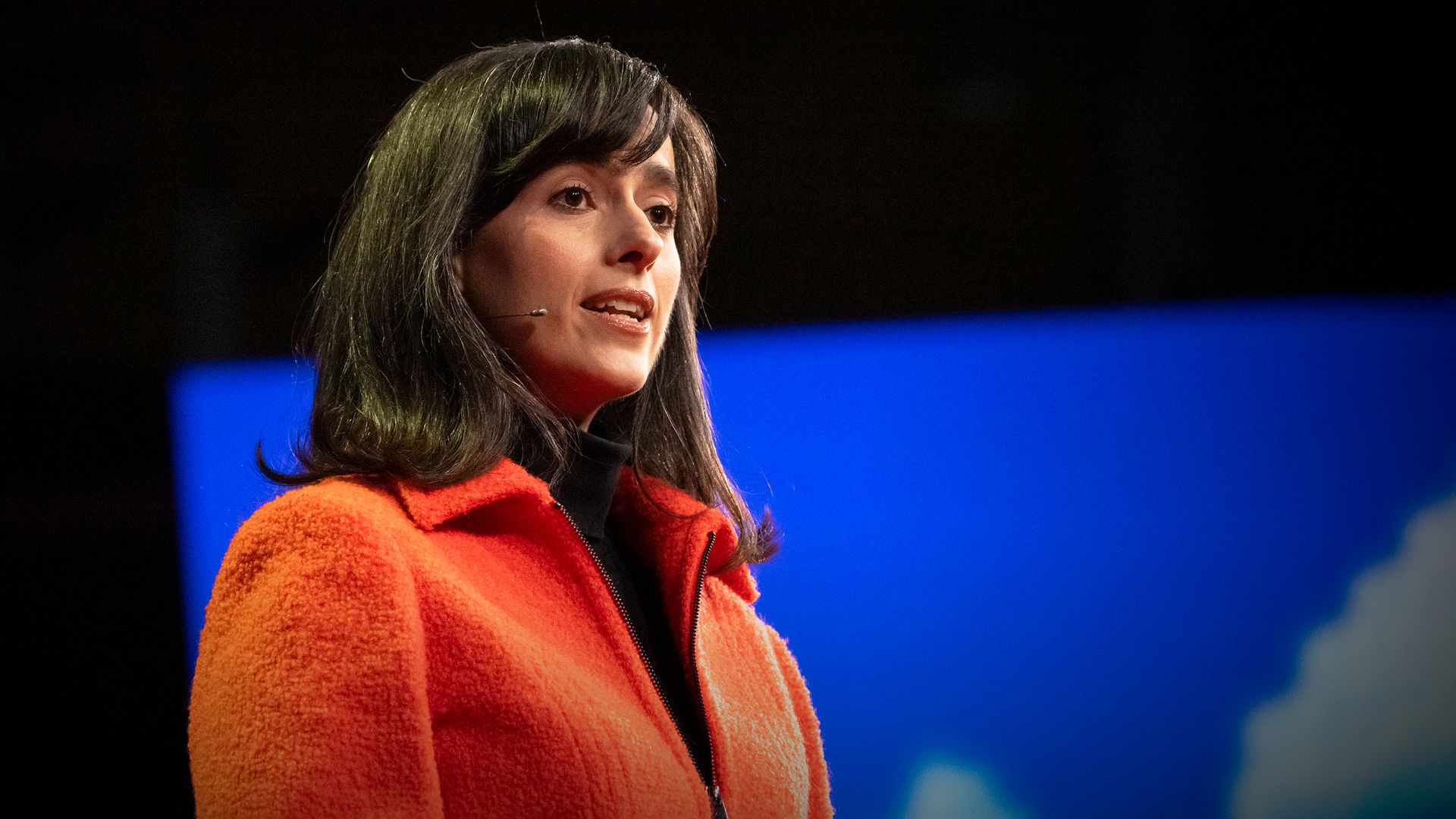
Carissa Véliz

Beware the power of prediction

Podcasts

Hear TED Fellows tell their stories in intimate interviews and learn more about what lies behind their big ideas.

Trinity Tran

Who controls your city's money? | Trinity Tran

What if your city could borrow money from its own bank instead of private lenders? TED Fellow Trinity Tran is leading the push for public banks — which are owned by the people through their local governments — and shows how this model could ensure your local tax dollars stay in your community. 

Ryosuke Takashima

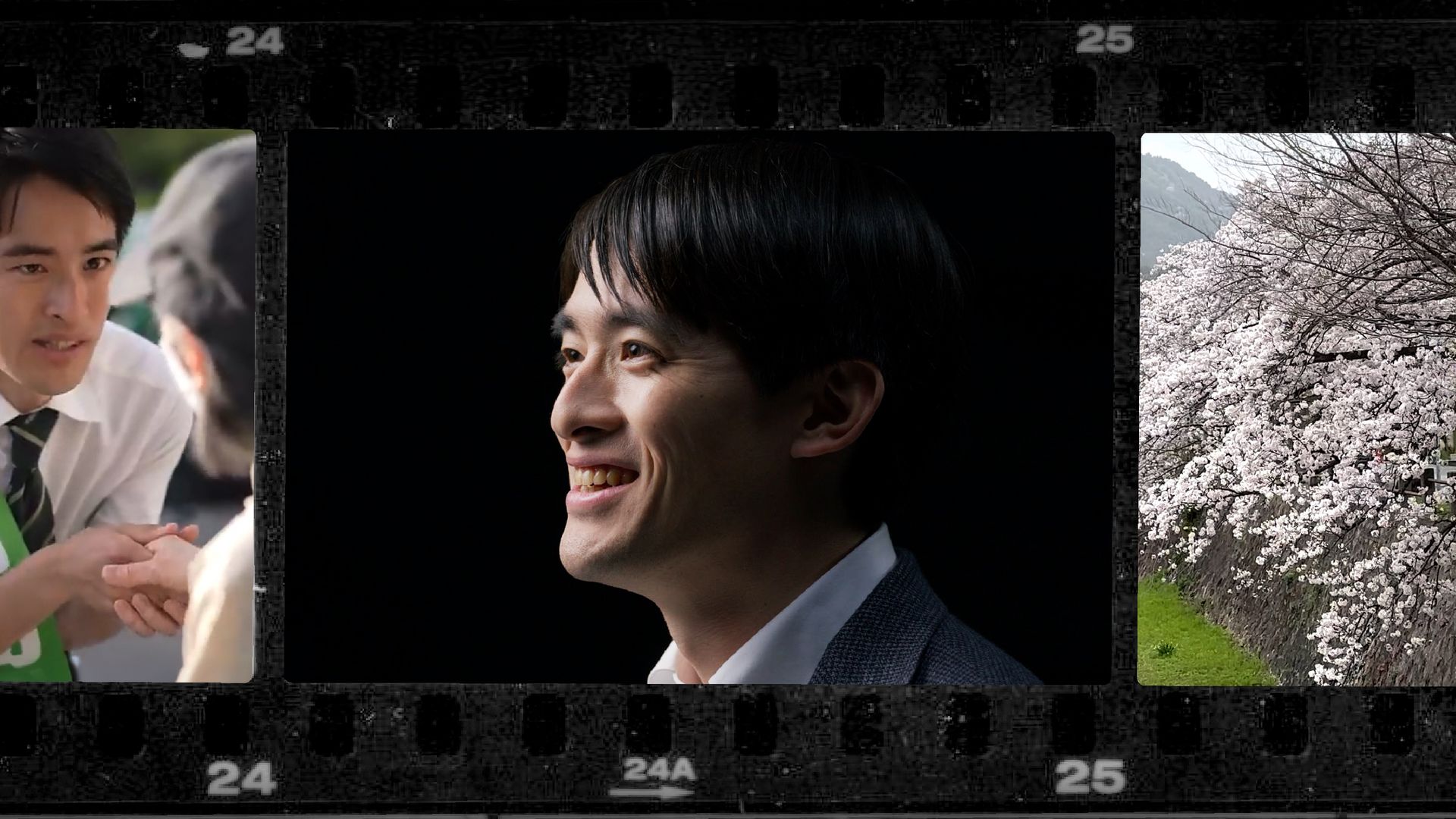
Meet the youngest-ever mayor in Japan's history | Ryosuke Takashima

TED Fellow Ryosuke Takashima is the youngest-ever mayor in Japan's history — but he doesn't consider himself a politician. His approach to leadership is simple: listen to as many voices as possible (from students to elders) in order to figure out what needs fixing. Hear why he thinks inviting citizens to participate in reforming their own communities is the best way to get things done.

Schendy Kernizan

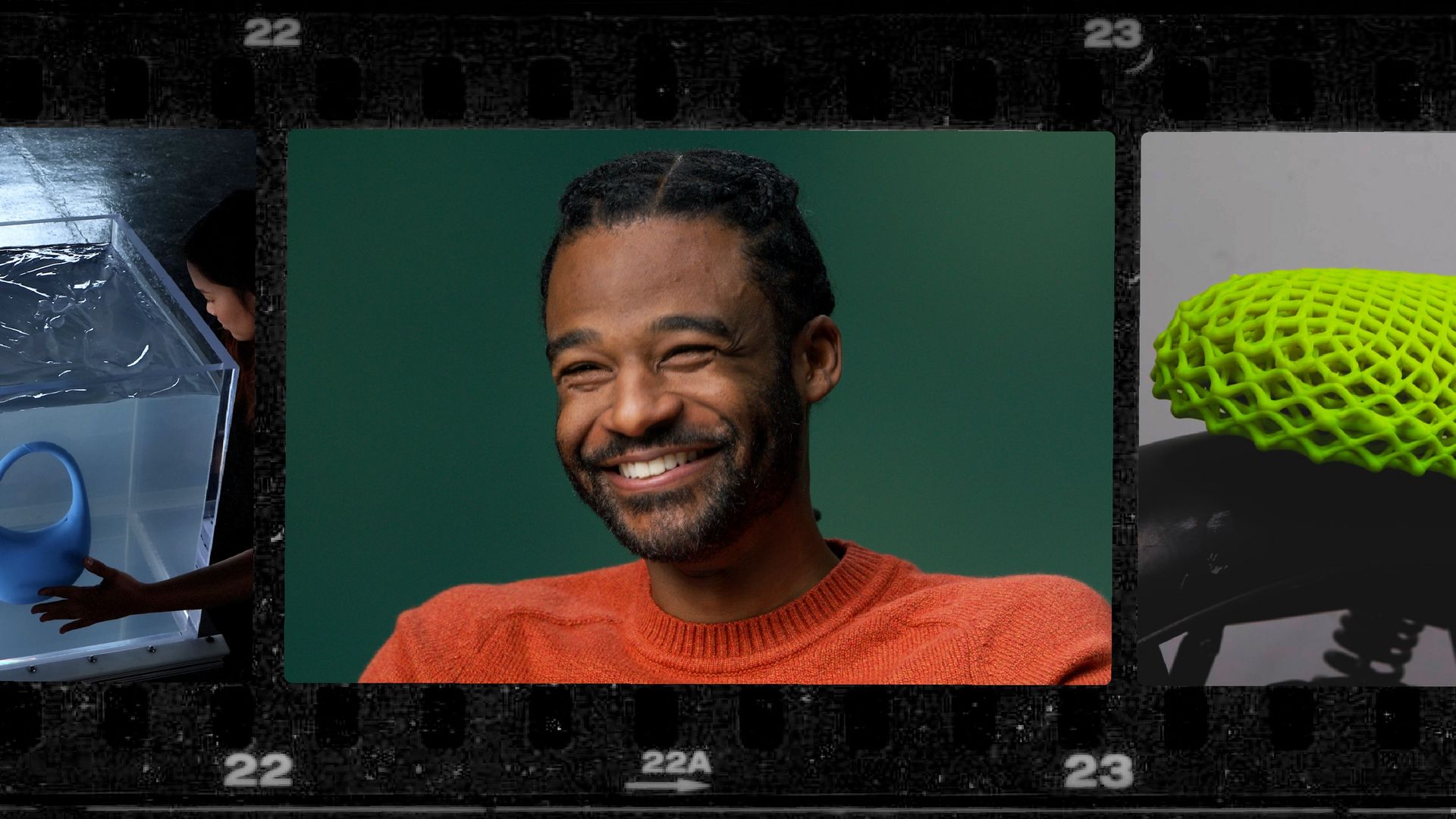
The gravity-defying future of manufacturing | Schendy Kernizan

3D printing promised to reinvent how we make things, but it's mostly stuck producing prototypes with a high level of waste. Designer and TED Fellow Schendy Kernizan found a different way — by printing objects directly into a tub of gel. He explains how this technique eliminates the constraints of gravity, pushing the limits of how we can manufacture objects across medicine, fashion, space travel and more.
Listen to all
Podcast episodes

TED Fellows Films

TED Talks meet documentaries in these short films that explore TED Fellows’ ideas. Dive into all three seasons to explore their mind-blowing innovations. 

05:39

FELLOWS FILM

Meet the youngest-ever mayor in Japan's history

TED Fellow Ryosuke Takashima is the youngest-ever mayor in Japan's history — but he doesn't consider himself a politician. His approach to leadership is simple: listen to as many voices as possible (from students to elders) in order to figure out what needs fixing. Hear why he thinks inviting citizens to participate in reforming their own communities is the best way to get things done.

2026

TED Fellows Film

Ryosuke Takashima
04:47

FELLOWS FILM

The gravity-defying future of manufacturing

3D printing promised to reinvent how we make things, but it's mostly stuck producing prototypes with a high level of waste. Designer and TED Fellow Schendy Kernizan found a different way — by printing objects directly into a tub of gel. He explains how this technique eliminates the constraints of gravity, pushing the limits of how we can manufacture objects across medicine, fashion, space travel and more.

2026

TED Fellows Film

Schendy Kernizan

Fellows Media Library
With 500+ TED Fellows and counting, we’ve got an entire world of media for you to explore. Dive into these talks, short films and podcasts showcasing Fellows turning ideas into action.

Clear
Sort
Thank you! Your submission has been received!
Oops! Something went wrong while submitting the form.

05:09

Africa's path to clean mobility -- driven by motorcycles

A lack of infrastructure in parts of Africa has made unregulated, gas-powered motorcycle taxis widespread -- a system that gets people where they need to be, but heavily pollutes the air and excludes drivers from the formal economy. TED Fellow and entrepreneur Adetayo Bamiduro offers his vision for a cleaner, more equitable future, where an electric motorcycle service helps green Africa's transportation and transform the lives and livelihoods of drivers.

2022

TED Talk

Nigeria
Motorcycle financing entrepreneur // Adetayo is a motorcycle financing entrepreneur and Cofounder of MAX, a mobility platform which provides Africans access to clean vehicles and is improving on the current gig economy model. // A lack of infrastructure in parts of Africa has made unregulated, gas-powered motorcycle taxis widespread -- a system that gets people where they need to be, but heavily pollutes the air and excludes drivers from the formal economy. TED Fellow and entrepreneur Adetayo Bamiduro offers his vision for a cleaner, more equitable future, where an electric motorcycle service helps green Africa's transportation and transform the lives and livelihoods of drivers. // Adetayo is a motorcycle financing entrepreneur and Cofounder of MAX, a mobility platform which provides Africans access to clean vehicles and is improving on the current gig economy model. // Motorcycle financing entrepreneur // infrastructure, ecommerce, entrepreneurship, equity, finance, electric, mobility, motorcycle, fundraising, livelihoods, electric vehicle, electric motorcycle, venture scaling, venture building, vehicles, cars, electric vehicles, clean cars, transportation // Lagos|Nigeria
Lagos|Nigeria

Adetayo Bamiduro

No items found.
2022

05:40

The problem of vaccine spoilage -- and a smart sensor to help

Refrigerators do much more than store your groceries -- they're also vital to preserving and distributing vaccines. Illustrating the realities of (and threats to) global vaccine supply chains, technologist and TED Fellow Nithya Ramanathan describes how smart sensors placed in fridges that store medical supplies can provide crucial, real-time data and ensure people get the life-saving care they need.

2021

TED Talk

United States
Technologist // Nithya Ramanathan, Ph.D., is the Chief Executive Officer and Co-founder of Nexleaf Analytics, a non-profit technology company that partners with countries to make sure they have the data they need to build lasting solutions that improve the health of people. Nexleaf has created a platform of real-time sensors and data analytic tools that protects the vaccine supply for 1 in 10 babies born annually on Earth. Nithya and her team have achieved this outsized impact by working shoulder-to-shoulder with Ministries of Health — rather than bypassing governments — to scale cutting-edge technologies refined through close collaboration with personnel at every level of the health system, from top-tier government officials to last-mile health care workers. Nithya's unique approach brings together sensor design, data analysis, software engineering, and field engagement to identify and address the root cause challenges within complex global health systems. A computer scientist specializing in sensor technologies and data analytics, Nithya is a tech-for-good pioneer and a leading thinker on global vaccine distribution. Nithya’s career started in Silicon Valley, and continued as Research Faculty in sensor technologies at UCLA. She holds a Ph.D. in Computer Science from UCLA and a B.S. in Electrical Engineering from UC Berkeley. Her work has been published in multiple peer-reviewed journals. Nithya is a PopTech Social Innovation Fellow, Switzer Environmental Fellow, and a Rainer Arnhold Fellow. She is the winner of the 2017 Hedy Lamarr Award for Female Tech Pioneer, was named a Gavi Got Life! Champion in 2018 alongside world leaders, and received the Tällberg Foundation/Eliasson Global Leadership Award in 2020. // Refrigerators do much more than store your groceries -- they're also vital to preserving and distributing vaccines. Illustrating the realities of (and threats to) global vaccine supply chains, technologist and TED Fellow Nithya Ramanathan describes how smart sensors placed in fridges that store medical supplies can provide crucial, real-time data and ensure people get the life-saving care they need. // Nithya Ramanathan, Ph.D., is the Chief Executive Officer and Co-founder of Nexleaf Analytics, a non-profit technology company that partners with countries to make sure they have the data they need to build lasting solutions that improve the health of people. Nexleaf has created a platform of real-time sensors and data analytic tools that protects the vaccine supply for 1 in 10 babies born annually on Earth. Nithya and her team have achieved this outsized impact by working shoulder-to-shoulder with Ministries of Health — rather than bypassing governments — to scale cutting-edge technologies refined through close collaboration with personnel at every level of the health system, from top-tier government officials to last-mile health care workers. Nithya's unique approach brings together sensor design, data analysis, software engineering, and field engagement to identify and address the root cause challenges within complex global health systems. A computer scientist specializing in sensor technologies and data analytics, Nithya is a tech-for-good pioneer and a leading thinker on global vaccine distribution. Nithya’s career started in Silicon Valley, and continued as Research Faculty in sensor technologies at UCLA. She holds a Ph.D. in Computer Science from UCLA and a B.S. in Electrical Engineering from UC Berkeley. Her work has been published in multiple peer-reviewed journals. Nithya is a PopTech Social Innovation Fellow, Switzer Environmental Fellow, and a Rainer Arnhold Fellow. She is the winner of the 2017 Hedy Lamarr Award for Female Tech Pioneer, was named a Gavi Got Life! Champion in 2018 alongside world leaders, and received the Tällberg Foundation/Eliasson Global Leadership Award in 2020. // Technologist // technology, tech for good, appropriate technology, global health innovation, electrical engineering, data, research, design, data and analytics, supply chain, design of large-scale sensor systems, women, data analytics, data analysis, systems change, sensor, working with ministries of health (government), workers, science, software, government // California|Los Angeles|United States|USA
California|Los Angeles|United States|USA

Nithya Ramanathan

No items found.
2021

16:07

Between music and medicine

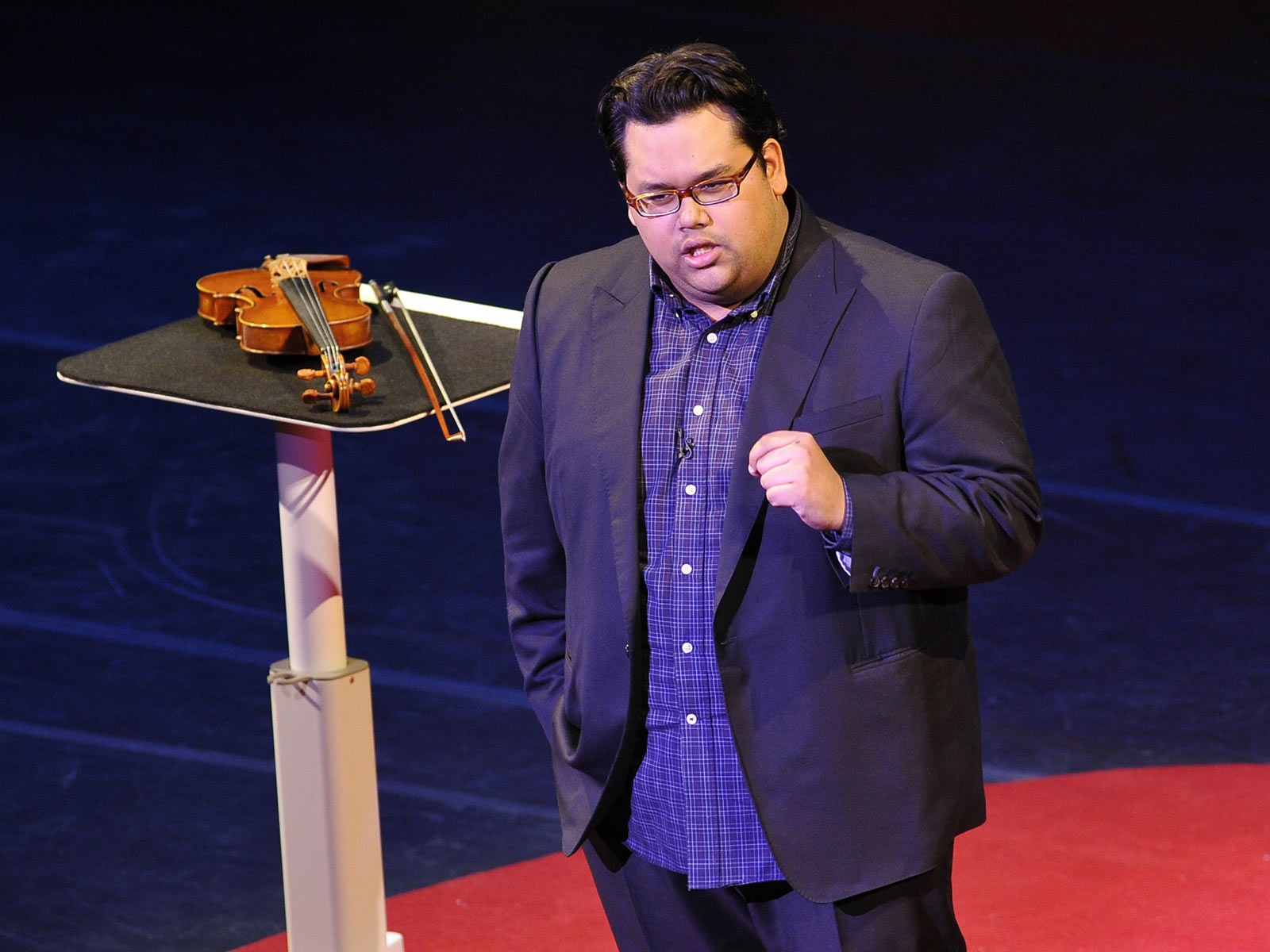
When Robert Gupta was caught between a career as a doctor and as a violinist, he realized his place was in the middle, with a bow in his hand and a sense of social justice in his heart. He tells a moving story of society's marginalized and the power of music therapy, which can succeed where conventional medicine fails.

2012

TED Talk

United States
Violinist // Indian-American violinist ROBERT VIJAY GUPTA joined the Los Angeles Philharmonic in June 2007 at the age of 19 and is currently the youngest member of the prestigious ensemble. Prior to joining the orchestra, Gupta received a Master’s degree in Music from Yale University and a Bachelor’s degree in biology from Marist College. Parallel to his undergraduate studies in biology, Gupta attended the Manhattan School of Music and the Juilliard School of Music, Pre-College Division. His principal teachers have included Glenn Dicterow, Ani Kavafian, and Isaac Stern. Gupta made his solo debut at the age of eleven in Tel Aviv with the Israel Philharmonic Orchestra under the baton of Zubin Mehta. He has performed as a soloist with the New York Philharmonic, the Japan Philharmonic Orchestra, and the Bombay Symphony Orchestra, among many others. He has also performed widely as a chamber musician and recitalist on an international scale since the age of eight, and frequently appears on the Philharmonic’s Chamber Music Society and Green Umbrella new music series. Gupta has also performed as a guest concertmaster with LA Opera under James Conlon and the Orquestra Comunitat de Valencia at the Palau de Les Arts in Valencia, Spain under Mehta. Gupta directs a non-profit organization called the Street Symphony, which actively brings live musical outreach and educational workshops to audiences without access to the arts throughout Southern California. Street Symphony ensembles perform for the homeless and mentally ill living on Skid Row in downtown L.A., as well as at prisons and terminal care facilities, for injured and homeless veterans, and centers for mentally retarded children and adults. Gupta is a TED Senior Fellow. Throughout his undergraduate course of study, Gupta held Research Assistant positions at CUNY Hunter College in New York City, where he worked on spinal chord neuronal regeneration, and at the Harvard Institutes of Medicine Center for Neurologic Diseases, where he studied the biochemical pathology of Parkinson’s disease. He is passionate about discovering more about how music affects the brain, especially in neurological disorders. Gupta recently recorded his debut album after crowdsourcing funding through a Kickstarter campaign. The album includes the premiere of Gupta’s own composition upon the Indian raga Jaunpuri as well as LA Phil Principal Timpanist Joseph Pereira’s Partita for Solo Violin. The recording also features solo violin works by John Harbison, Eugene Ysaÿe, and HIF Biber. The album was recorded at Walt Disney Concert Hall on the 1716 “Milstein” Stradivarius, and will be available early 2012. Gupta plays on a 2003 violin made by Kansas City luthier Anton Krutz. // Robert Vijay Gupta is an Indian-American violinist and musical activist, and a 2011 TED Senior Fellow. At 24, Gupta is currently the youngest member of the Los Angeles Philharmonic Orchestra, and directs Street Symphony, a non-profit organization bringing free music performances to mentally ill individuals living within homelessness and incarceration. Gupta has performed as a soloist and recitalist around the world since the age of 8, but obtained an undergraduate in Biology at 17 and a Master's in Music from Yale at 19, after working in several neuroscience laboratories studying Parkinson's Disease and neurodegenerative biology. // Robert Gupta, violinist with the LA Philharmonic, talks about a violin lesson he once gave to a brilliant, schizophrenic musician -- and what he learned. Called back onstage later, Gupta plays his own transcription of the prelude from Bach's Cello Suite No. 1. // When Robert Gupta was caught between a career as a doctor and as a violinist, he realized his place was in the middle, with a bow in his hand and a sense of social justice in his heart. He tells a moving story of society's marginalized and the power of music therapy, which can succeed where conventional medicine fails. // It's a master class in collaboration as violinist Robert Gupta and cellist Joshua Roman perform Halvorsen's "Passacaglia" for violin and viola. Roman takes the viola part on his Stradivarius cello. It's powerful to watch the two musicians connect moment to moment (and recover from a mid-performance hiccup). The two are both TED Fellows, and their deep connection powers this sparkling duet. // Robert Vijay Gupta is an Indian-American violinist and musical activist, and a 2011 TED Senior Fellow. At 24, Gupta is currently the youngest member of the Los Angeles Philharmonic Orchestra, and directs Street Symphony, a non-profit organization bringing free music performances to mentally ill individuals living within homelessness and incarceration. Gupta has performed as a soloist and recitalist around the world since the age of 8, but obtained an undergraduate in Biology at 17 and a Master's in Music from Yale at 19, after working in several neuroscience laboratories studying Parkinson's Disease and neurodegenerative biology. // Violinist // children, research, regenerative, community outreach, activism, marginalized, music, neuroscience of music, education, housing, homelessness and housing, mental illness, teachers, social justice, justice, campaigns, disease // California|Los Angeles|United States|USA
California|Los Angeles|United States|USA

Robert Gupta

No items found.
2012

Lessons from my father’s final days | Laurel Braitman

"Life is an endless sushi conveyor belt of things that are going to test you and teach you at the same time," says writer Laurel Braitman. Exploring the relationship between bravery and fear, she shares hard-won wisdom on love, loss, self-forgiveness and how to embrace the full spectrum of human emotions.

2024

Podcasts

United States
Writer, secular chaplain-in-training // I'm a writer and a historian of science. Right now I'm working on a book about mental illness in the nonhuman world and what it means about us. I'm also finishing up my PhD at MIT. I've spent the last few years traveling around the world doing my research...which means hanging out with elephants in Thailand and friendly gray whales in Baja, Mexico. I'm also interested in emergent technologies, occupying planet earth, freeing Leonard Peltier, and slashing our defense budget. And I do a lot of work with artists. // Laurel Braitman PhD is a New York Times bestselling author, Director of Writing and Storytelling at Stanford School of Medicine's Medical Arts and Humanities Program and the founder of Writing Medicine, the global community of writing healthcare professionals. Since March 2020, Laurel has helped over 10,000 healthcare workers tell their own stories and those of their patients. Her own writing is on the subjects of mental health, resilience, the natural sciences, and more. She is author of the memoir “What Looks Like Bravery: An epic journey from loss to love” (Simon & Schuster 2023) which Publisher’s Weekly called “perfect for anyone seeking to heal a broken heart.” Her first book, “Animal Madness: Inside their minds”, was a NYT bestseller and has been translated into seven languages. Laurel’s work has been featured on the BBC, NPR, Good Morning America and Al Jazeera. Her writing has appeared in The Guardian, National Geographic, The Wall Street Journal, Wired and other publications. She is a Senior TED Fellow. Laurel splits her time between remote Alaska where her husband runs a 113 year old salmon cannery and her family's commercial citrus and avocado ranch in Southern CA. // Health care workers are under more stress than ever before. How can they protect their mental health while handling new and complex pressures? TED Fellow Laurel Braitman shows how writing and sharing personal stories helps physicians, nurses, medical students and other health professionals connect more meaningfully with themselves and others -- and make their emotional well-being a priority. // Behind those funny animal videos, sometimes, are oddly human-like problems. Laurel Braitman studies non-human animals who exhibit signs of mental health issues -- from compulsive bears to self-destructive rats to monkeys with unlikely friends. Braitman asks what we as humans can learn from watching animals cope with depression, sadness and other all-too-human problems. // Laurel Braitman PhD is a New York Times bestselling author, Director of Writing and Storytelling at Stanford School of Medicine's Medical Arts and Humanities Program and the founder of Writing Medicine, the global community of writing healthcare professionals. Since March 2020, Laurel has helped over 10,000 healthcare workers tell their own stories and those of their patients. Her own writing is on the subjects of mental health, resilience, the natural sciences, and more. She is author of the memoir “What Looks Like Bravery: An epic journey from loss to love” (Simon & Schuster 2023) which Publisher’s Weekly called “perfect for anyone seeking to heal a broken heart.” Her first book, “Animal Madness: Inside their minds”, was a NYT bestseller and has been translated into seven languages. Laurel’s work has been featured on the BBC, NPR, Good Morning America and Al Jazeera. Her writing has appeared in The Guardian, National Geographic, The Wall Street Journal, Wired and other publications. She is a Senior TED Fellow. Laurel splits her time between remote Alaska where her husband runs a 113 year old salmon cannery and her family's commercial citrus and avocado ranch in Southern CA. // Writer, secular chaplain-in-training // research, technology, books, resilience, medical education, science, education, performance, journalism, writing, mental health (care), history of science, anthropology of science & technology, medicine, workers, interdisciplinarity // California|United States|San Francisco|USA
California|United States|San Francisco|USA

Laurel Braitman

No items found.
2024

13:46

Lifesaving scientific tools made of paper

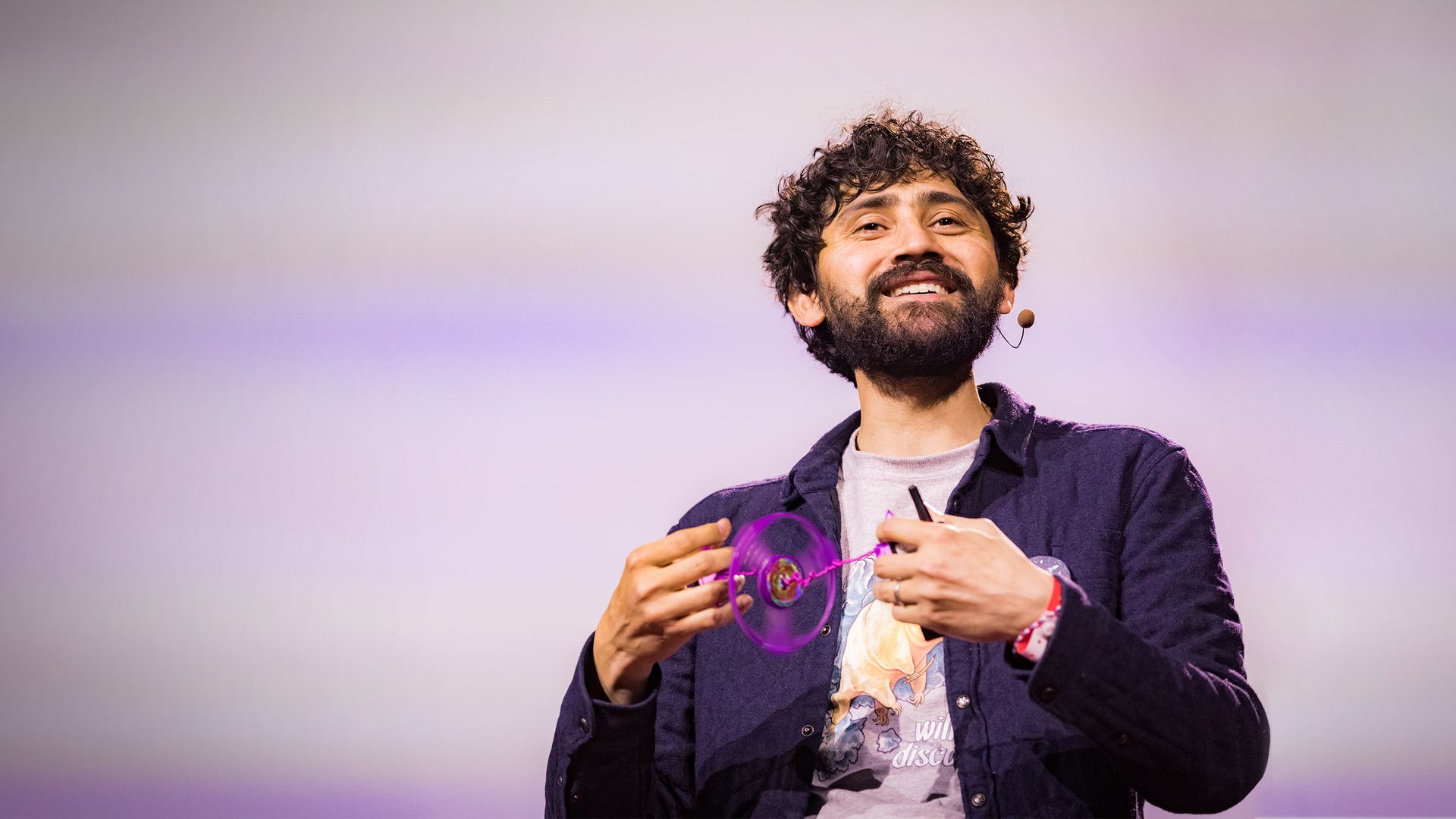
Inventor Manu Prakash turns everyday materials into powerful scientific devices, from paper microscopes to a clever new mosquito tracker. From the TED Fellows stage, he demos Paperfuge, a hand-powered centrifuge inspired by a spinning toy that costs 20 cents to make and can do the work of a $1,000 machine, no electricity required.

2017

TED Talk

United States
Physicist + inventor // Assistant Professor, BioEngineering, Stanford University Junior Fellow (Physics) at Harvard Society of Fellows, Physicist pursuing research to elucidate physical principles of biological matter at molecular, cellular and organismic scale and working to understand what makes animate matter so special. Inventor of technologies for Global Health that are appropriate to implement in developing countries with close feedback from users around the world. // Manu Prakash is an Assistant Professor in the Department of Bioengineering at Stanford University where he runs a curiosity driven research group in the field of Physical Biology - with goals to elucidate physical design principles in biology at organismic, cellular and molecular scales. A significant effort is spent in designing and building precision tools to probe and perturb biological machines. This approach brings together experimental and theoretical techniques from soft-condensed matter physics, theory of computation and unconventional fabrication to open problems in biology. He is also an inventor at heart and is currently focusing on technological solutions to problems in global health. Jokingly - he was once heard saying "We work on 19th century problems with 21st century tools". // Inventor Manu Prakash turns everyday materials into powerful scientific devices, from paper microscopes to a clever new mosquito tracker. From the TED Fellows stage, he demos Paperfuge, a hand-powered centrifuge inspired by a spinning toy that costs 20 cents to make and can do the work of a $1,000 machine, no electricity required. // Perhaps you’ve punched out a paper doll or folded an origami swan? TED Fellow Manu Prakash and his team have created a microscope made of paper that's just as easy to fold and use. A sparkling demo that shows how this invention could revolutionize healthcare in developing countries … and turn almost anything into a fun, hands-on science experiment. // Manu Prakash is an Assistant Professor in the Department of Bioengineering at Stanford University where he runs a curiosity driven research group in the field of Physical Biology - with goals to elucidate physical design principles in biology at organismic, cellular and molecular scales. A significant effort is spent in designing and building precision tools to probe and perturb biological machines. This approach brings together experimental and theoretical techniques from soft-condensed matter physics, theory of computation and unconventional fabrication to open problems in biology. He is also an inventor at heart and is currently focusing on technological solutions to problems in global health. Jokingly - he was once heard saying "We work on 19th century problems with 21st century tools". // Physicist + inventor // technology, physical biology, biodiversity, paper, fluid mechanics, bioengineering, research, developing countries, applied physics, design, developmental biology, microfluidics, global health, science, biophysics, electricity, invention, ecology, scaling laws // California|United States|Stanford|USA
California|United States|Stanford|USA

Manu Prakash

No items found.
2017

A new approach to defending the human rights of migrants | Itamar Mann

In this gripping talk, litigator and TED Fellow Itamar Mann details the perilous boat migrations of asylum seekers crossing the Mediterranean Sea. With a surplus of evidence gathered by researchers and activists, he explains how lawyers are making progress in prosecuting human rights abuses happening on militarized coasts. On a basic human level, Mann speaks to the obligation we have to defend each other's right to a dignified life -- because the future of how we inhabit the planet together depends on it. Hosted on Acast. See acast.com/privacy for more information.

2023

Podcasts

Israel
Human rights lawyer // I'm a lawyer and a legal scholar focusing on migrant and refugee rights. I teach at the University of Haifa, Faculty of Law, and am a co-founder of the Global Legal Action Network (GLAN), a London-based human rights group. I have also taught in Washington DC, London and Berlin. My book, Humanity at Sea, was published in 2016 by Cambridge University Press. // In this gripping talk, litigator and TED Fellow Itamar Mann details the perilous boat migrations of asylum seekers crossing the Mediterranean Sea. With a surplus of evidence gathered by researchers and activists, he explains how lawyers are making progress in prosecuting human rights abuses happening on militarized coasts. On a basic human level, Mann speaks to the obligation we have to defend each other's right to a dignified life -- because the future of how we inhabit the planet together depends on it. // I'm a lawyer and a legal scholar focusing on migrant and refugee rights. I teach at the University of Haifa, Faculty of Law, and am a co-founder of the Global Legal Action Network (GLAN), a London-based human rights group. I have also taught in Washington DC, London and Berlin. My book, Humanity at Sea, was published in 2016 by Cambridge University Press. // Human rights lawyer // litigation, activism, human rights, rights, international law, law, refugees, refugee and migration studies, political theory, migration // Israel|Haifa|Haifa District
Israel|Haifa|Haifa District

Itamar Mann

No items found.
2023

What you can learn crossing the ocean in a canoe | Lehua Kamalu

“Being on a voyage forces you to unplug,” says TED Fellow and third-generation captain Lehua Kamalu. Sharing ancient knowledge from traditional Hawaiian ocean voyaging, she reflects on the transformational power of seafaring journeys — and what it means to travel mindfully, no matter where you are.

2025

Podcasts

United States

Lehua Kamalu

No items found.
Extended interview Lily James Olds Season 1 Fellows Films
2025

04:39

My DNA vending machine

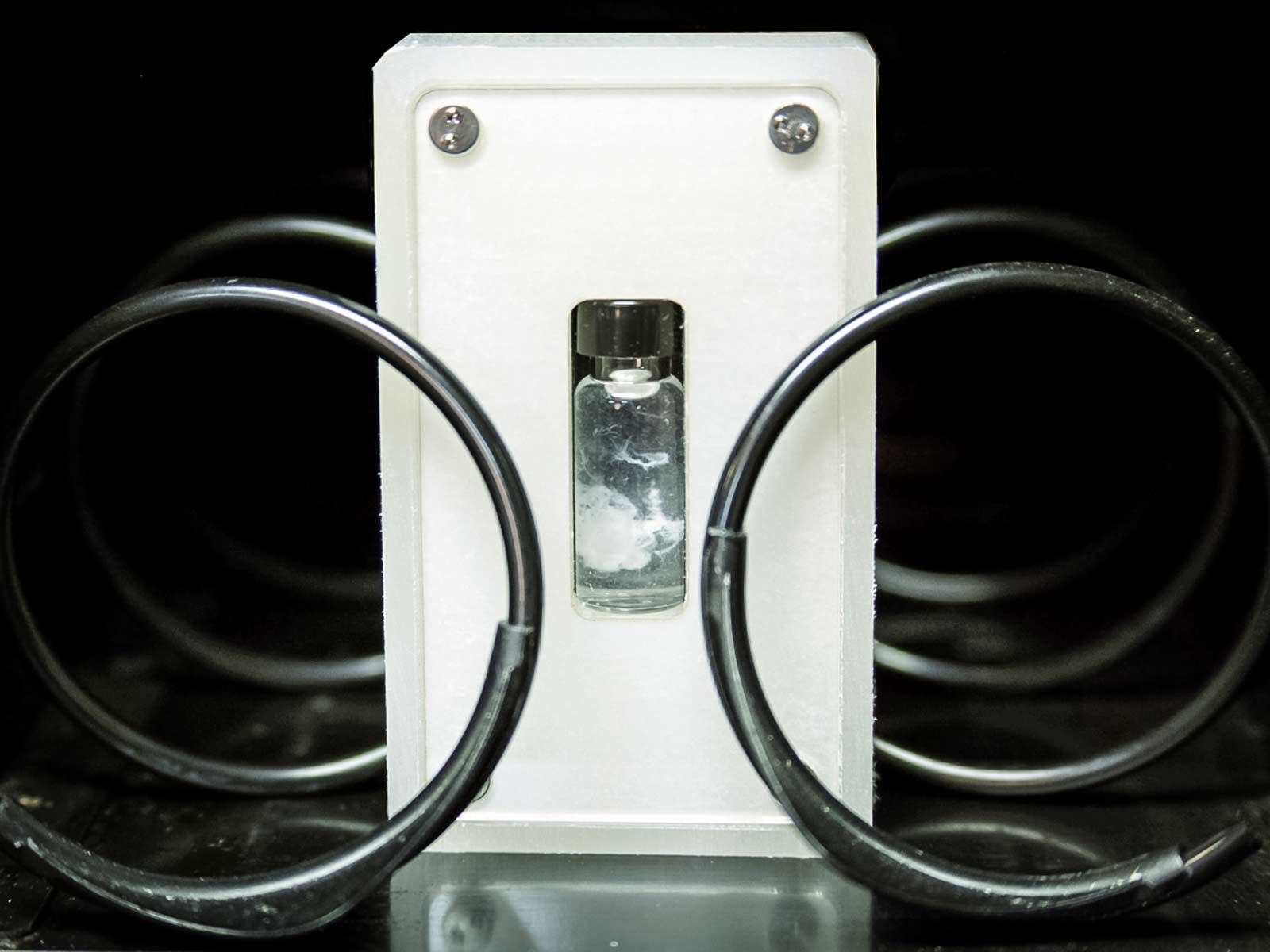
Vending machines generally offer up sodas, candy bars and chips. Not so for the one created by TED Fellow Gabe Barcia-Colombo. This artist has dreamed up a DNA Vending Machine, which dispenses extracted human DNA, packaged in a vial along with a collectible photo of the person who gave it. It’s charming and quirky, but points out larger ethical issues that will arise as access to biotechnology increases.

2014

TED Talk

United States
Video sculptor // American video artist creating living video installation pieces of "miniature people" encased inside ordinary objects such as suitcases, blenders and more. My work focuses on memorialization and, more specifically, the act of leaving one's imprint for the next generation. While formally implemented by natural history museums and collections (which find their roots in Renaissance era "cabinets of curiosity"), this process has grown more pointed and pervasive in the modern-day obsession with personal digital archiving and the corresponding growth of social media culture. My video sculptures play upon this exigency in our culture to chronicle, preserve and wax nostalgic, an idea which I renders visually by “collecting” human beings (alongside cultural archetypes) as scientific specimens. I repurpose everyday objects like blenders, suitcases and cans of Spam® into venues for projecting and inserting videos of people. // Gabriel Barcia-Colombo is a mixed media artist whose work focuses on collections, memorialization and the act of leaving one's digital imprint for the next generation. His work takes the form of video sculptures, immersive performances, large scale projections and vending machines that sell human DNA. His work plays upon this modern exigency in our culture to chronicle, preserve and wax nostalgic, an idea which Barcia-Colombo renders visually by “collecting” human portraits on video. Gabriel was commissioned to be the first digital artist to show work at the New Fulton Terminal Stop with the MTA Arts & Design program in New York City. His work has been featured in the Volta, Scope, and Art Mrkt art fairs, Victoria & Albert Museum as well as Grand Central Terminal and the New York Public Library. He recently received an Art and Technology grant from the Los Angeles County Museum of Art where he created The Hereafter Institute; a company that questions the future of death rituals and memorials and their relationship to technology. His work is part of the permanent collection of the Los Angeles County Museum of Art. Gabriel served as a member of the artist advisory board at the New York Foundation for the Arts, as well as the education committee member at the Museum of Art and Design. In 2012 Gabriel gave a TED talk entitled Capturing Memories in Video Art, and in 2014 he gave another entitled My DNA Vending Machine and was awarded a Senior TED fellowship. In 2016 Gabe founded Bunker.nyc a pop up gallery showcasing emerging art made with technology. Bunker became the first pop up digital art gallery to open in the Sotheby's Auction House in New York Summer 2017. Gabe is a New York Foundation for the Arts grant awardee and faculty member at the Interactive Telecommunications Program at New York University's Tisch School of the Arts. // Vending machines generally offer up sodas, candy bars and chips. Not so for the one created by TED Fellow Gabe Barcia-Colombo. This artist has dreamed up a DNA Vending Machine, which dispenses extracted human DNA, packaged in a vial along with a collectible photo of the person who gave it. It’s charming and quirky, but points out larger ethical issues that will arise as access to biotechnology increases. // Using video mapping and projection, artist Gabriel Barcia-Colombo captures and shares his memories and friendships. At TED Fellow Talks, he shows his charming, thoughtful work -- which appears to preserve the people in his life in jars, suitcases, blenders ... // Gabriel Barcia-Colombo is a mixed media artist whose work focuses on collections, memorialization and the act of leaving one's digital imprint for the next generation. His work takes the form of video sculptures, immersive performances, large scale projections and vending machines that sell human DNA. His work plays upon this modern exigency in our culture to chronicle, preserve and wax nostalgic, an idea which Barcia-Colombo renders visually by “collecting” human portraits on video. Gabriel was commissioned to be the first digital artist to show work at the New Fulton Terminal Stop with the MTA Arts & Design program in New York City. His work has been featured in the Volta, Scope, and Art Mrkt art fairs, Victoria & Albert Museum as well as Grand Central Terminal and the New York Public Library. He recently received an Art and Technology grant from the Los Angeles County Museum of Art where he created The Hereafter Institute; a company that questions the future of death rituals and memorials and their relationship to technology. His work is part of the permanent collection of the Los Angeles County Museum of Art. Gabriel served as a member of the artist advisory board at the New York Foundation for the Arts, as well as the education committee member at the Museum of Art and Design. In 2012 Gabriel gave a TED talk entitled Capturing Memories in Video Art, and in 2014 he gave another entitled My DNA Vending Machine and was awarded a Senior TED fellowship. In 2016 Gabe founded Bunker.nyc a pop up gallery showcasing emerging art made with technology. Bunker became the first pop up digital art gallery to open in the Sotheby's Auction House in New York Summer 2017. Gabe is a New York Foundation for the Arts grant awardee and faculty member at the Interactive Telecommunications Program at New York University's Tisch School of the Arts. // Video sculptor // technology, music listening, design, ethics, education, biotech, animation, video art installations, art // New York|United States|Brooklyn|USA
New York|United States|Brooklyn|USA

Gabe Barcia-Colombo

No items found.
2014

12:14

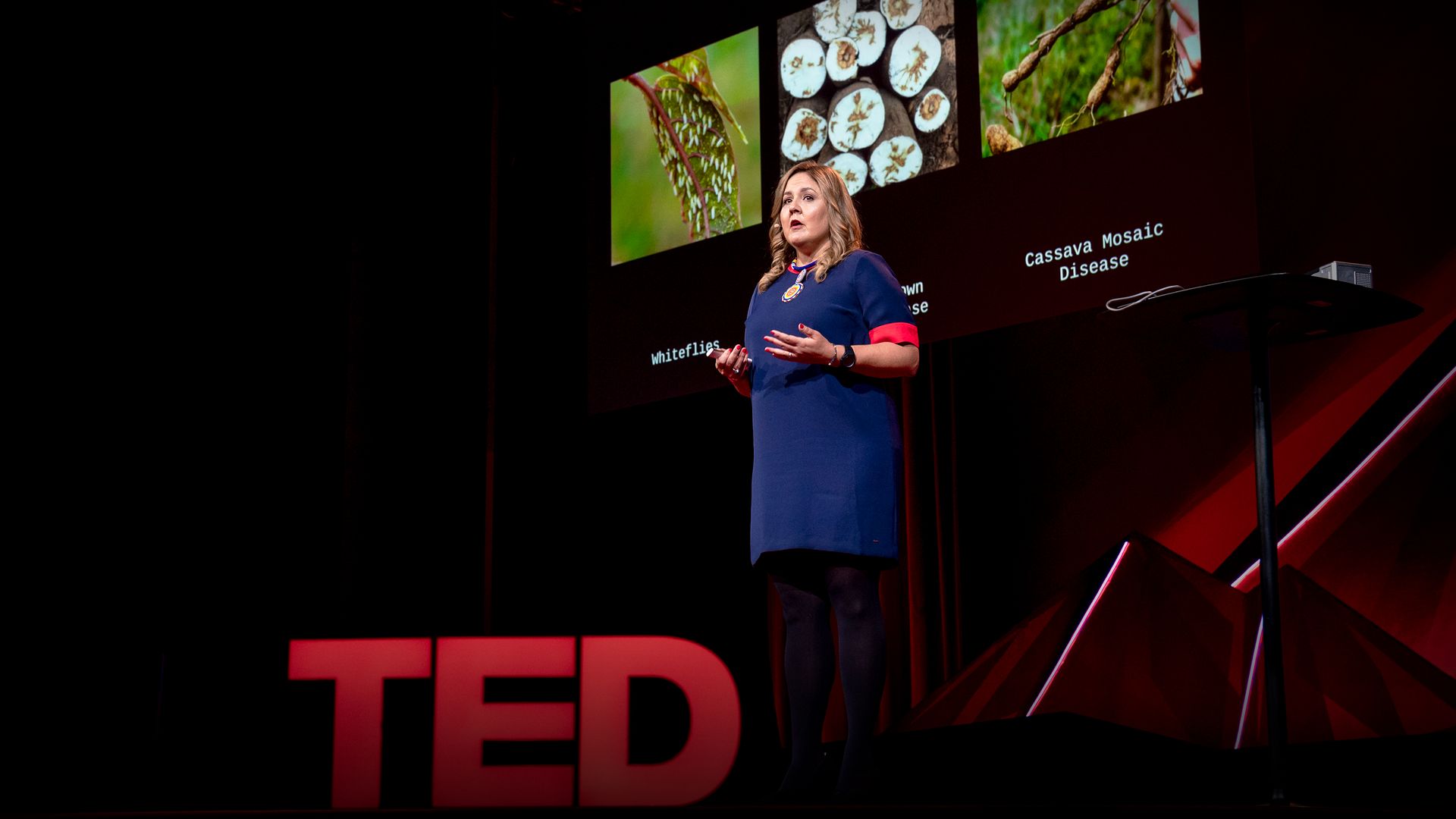
How we're using DNA tech to help farmers fight crop diseases

Nearly 800 million people worldwide depend on cassava for survival -- but this critical food source is under attack by entirely preventable viruses, says computational biologist and TED Senior Fellow Laura Boykin. She takes us to the farms in East Africa where she's working with a diverse team of scientists to help farmers keep their crops healthy using a portable DNA lab and mini supercomputer that can identify viruses in hours, instead of months.

2019

TED Talk

United States
The Cassava Virus Action Project is a collaborative effort using genomics and supercomputing to combat cassava pathogens, particularly in East Africa. The project aims to diagnose crop health quickly, empower local communities, and minimize the spread of viruses transmitted by whiteflies. Through partnerships with various government agencies and international collaborations, the team conducts research, training, and fieldwork to enhance agricultural sustainability and resilience. The project has been recognized for its innovative approach and has received awards and media coverage for its impactful work in the field of genomics and agriculture. // The organization's website is protected by Cloudflare to prevent malicious bot access to email addresses displayed on the page. Users are required to enable Javascript in their browsers to decode the email addresses. Cloudflare offers performance and security services for websites. // People need food. Not a single person on this planet should be hungry or malnourished. // Laura Boykin Okalebo is a leading figure in the Cassava Virus Action Project, a groundbreaking initiative that leverages genomics and supercomputing to combat cassava pathogens in East Africa. Through innovative approaches, the project focuses on rapid crop health diagnosis, community empowerment, and the prevention of virus transmission by whiteflies. Collaborating with government agencies and international partners, Laura's work encompasses research, training, and on-the-ground efforts to bolster agricultural sustainability and resilience in the region. Her contributions have garnered recognition for their significant impact on the intersection of genomics, agriculture, and community development. // Computational biologist // Biologist who is using genomics and computation to tackle food security issues in Sub-Saharan Africa, specifically invasive whiteflies’ devastation of cassava, a food staple in many countries. // Dr. Laura Boykin Okalebo is TED Senior Fellow, Gifted Citizen and a computational biologist who uses genomics and supercomputing to help smallholder farmers in sub-Saharan Africa control whiteflies and viruses, which have caused devastation of local cassava crops. Her research team uses genetic data to understand the virus and whitefly’s evolution. Boykin Okalebo also works to equip African scientists with a greater knowledge of genomics and high-performance computing skills to tackle future insect outbreaks. Boykin Okalebo completed her PhD in Biology at the University of New Mexico while working at Los Alamos National Laboratory in the Theoretical Biology and Biophysics group. She was invited to present her lab’s research on whiteflies at the United Nations Solution Summit in New York City for the signing of the Sustainable Development Goals to end extreme poverty by 2030. The team’s latest work to bring portable DNA sequencing to east African farmers has been featured on CNN, BBC World News, BBC Swahili, BBC Technology News, and the TED Fellows Ideas Blog. // Nearly 800 million people worldwide depend on cassava for survival -- but this critical food source is under attack by entirely preventable viruses, says computational biologist and TED Senior Fellow Laura Boykin. She takes us to the farms in East Africa where she's working with a diverse team of scientists to help farmers keep their crops healthy using a portable DNA lab and mini supercomputer that can identify viruses in hours, instead of months. // Laura Boykin Okalebo is a leading figure in the Cassava Virus Action Project, a groundbreaking initiative that leverages genomics and supercomputing to combat cassava pathogens in East Africa. Through innovative approaches, the project focuses on rapid crop health diagnosis, community empowerment, and the prevention of virus transmission by whiteflies. Collaborating with government agencies and international partners, Laura's work encompasses research, training, and on-the-ground efforts to bolster agricultural sustainability and resilience in the region. Her contributions have garnered recognition for their significant impact on the intersection of genomics, agriculture, and community development. // Computational biologist // technology, public speaking , genomics , food security, bioinformatics , phylogenetics , scientific writing , data, job skills training, next-generation sequencing , sustainable development goals, research, agriculture, resilience, insects, data and analytics, bioinformatics, sustainable development , farming, farmers, genomics, whiteflies, phylogenetics, smallholder, high-performance computing project management , bioinformatics / computational biology, cross-cultural leadership, supercomputing, crop health, food, poverty, crops, local communities, government, scientific writing, data analytics // Uganda|Gaithersburg|Maryland|USA|Tanzania|United States|Kenya
Uganda|Gaithersburg|Maryland|USA|Tanzania|United States|Kenya

Laura Boykin Okalebo

No items found.
2019

06:13

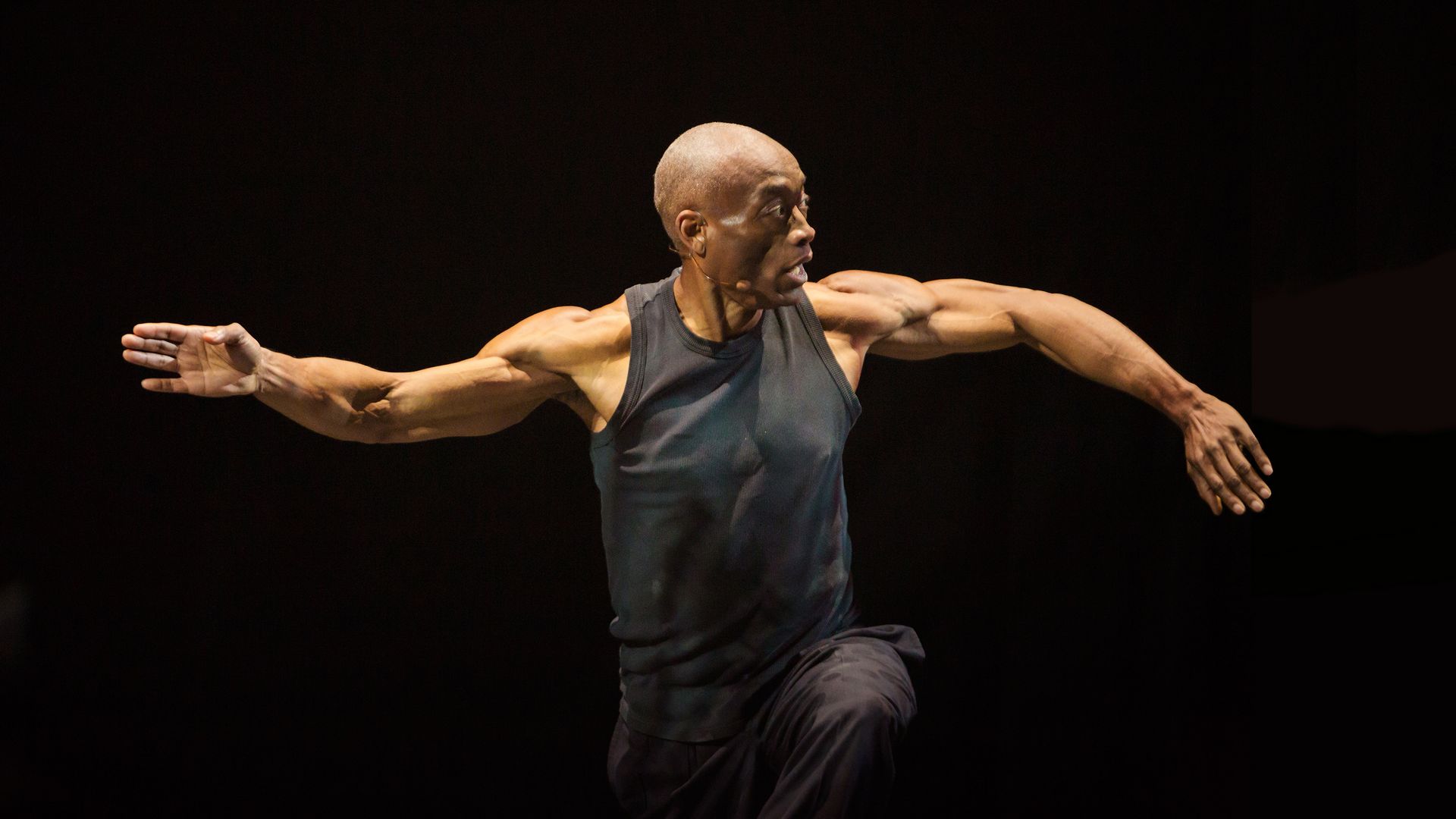
The dancer, the singer, the cellist ... and a moment of creative magic

Legendary dance choreographer Bill T. Jones and TED Fellows Joshua Roman and Somi didn't know exactly what was going to happen when they took the stage at TED2015. They just knew they wanted to offer the audience an opportunity to witness creative collaboration in action. The result: An improvised piece they call "The Red Circle and the Blue Curtain," so extraordinary it had to be shared ...

2015

TED Talk

United States
Joshua Roman is a renowned cello soloist and composer known for his expressive tone and musical gifts. He is dedicated to bringing classical music to new audiences through genre-bending programs and collaborations with world-class artists. Roman has performed with leading orchestras worldwide and is recognized for his innovative use of digital and social media. He is also involved in composing and premiering works by contemporary composers. Roman's recent project, "Immunity," explores his personal journey with long COVID through a blend of music and storytelling. Additionally, his work includes chamber operas based on Edgar Allan Poe's stories, such as "The Tell-Tale Heart." Collaborations and performances with various artists and ensembles showcase Roman's versatile talent and commitment to musical innovation. // How do we create moments of connection that have a positive and lasting impact on people's lives? How can we bring creativity to each and every human? What role does accepting and even embracing vulnerability and imperfection play in the next phase of human evolution? // Joshua Roman is a versatile cellist and composer dedicated to expanding the reach of classical music through innovative collaborations and genre-bending performances. With a focus on engaging new audiences, Roman leverages digital and social media platforms to showcase his expressive tone and musical prowess. His repertoire includes premiering works by contemporary composers and crafting projects like "Immunity," which intertwines music and personal narratives. Roman's creative endeavors extend to chamber operas inspired by Edgar Allan Poe's tales, exemplifying his commitment to musical innovation and storytelling. Through diverse collaborations and performances worldwide, Roman showcases his ability to connect with audiences and push the boundaries of traditional classical music. // Cellist + Composer // Dubbed a “Classical Rock Star” by the press, cellist Joshua Roman has earned a national reputation for performing a wide range of repertoire with absolute commitment to communicating the essence of the music at its most organic level. For his ongoing creative initiatives on behalf of classical music, he was named a 2011 TED Fellow. Among recent highlights, Mr. Roman was guest artist for the Seattle Symphony’s opening night gala, as well as debuted with the San Francisco Symphony, Ensemble Orchestral de Paris and the Mariinsky Theatre as a concerto soloist. He has performed duos with Yo-Yo Ma at the State Department, at the Oslo Freedom Forum in Norway and other premiere events. As a recitalist and chamber musician, Mr. Roman has presented concerts at San Francisco Performances, Seattle Chamber Music Society, Caramoor Festival, La Jolla SummerFest, and on the Dame Myra Hess series in Chicago. Beyond performance, Mr. Roman is Artistic Director of TownMusic in Seattle where he creates programs that feature new works and reflect the eclectic range of his musical influences and inspirations. In 2009 Mr. Roman was the only guest artist invited to play an unaccompanied solo during the YouTube Symphony Orchestra’s debut concert at Carnegie Hall. Before embarking on a solo career, he was principal cellist of the Seattle Symphony for two seasons, a position he won in 2006 at the age of 22. Mr. Roman is grateful for the loan of an 1899 cello by Giulio Degani of Venice. // Joshua Roman, an Arnhold Creative Associate at Juilliard, is a cello soloist and composer hailed for his “effortlessly expressive tone… and playful zest for exploration” (New York Times), as well as his “extraordinary technical and musical gifts" and “blend of precision and almost improvisatory freedom… that goes straight to the heart" (San Francisco Chronicle). His genre-bending programs and wide-ranging collaborations have grown out of an “enthusiasm for musical evolution that is as contagious as his love for the classics" (Seattle Times). As a soloist, Roman’s “exceptionally high quality of performances” (LA Times) combines “the expressive control of Casals with the creative individuality and virtuoso flair of Hendrix himself” (Gramophone). He has performed with leading orchestras around the world, including the Los Angeles Philharmonic, San Francisco Symphony, New World Symphony, Toronto Symphony, among others, and, was principal cellist at Seattle Symphony from age 22 to 24. Recent career highlights include his sold-out ‘Well-Being Concert’ at Carnegie Hall in December 2023, and the launch of his intimate musical exploration project Immunity, a program combining performance and storytelling to confront the impact of the long-COVID that nearly ended his career. As a composer, he has been commissioned by Music Academy of the West, Illinois Philharmonic, ProMusica Chamber Orchestra, Grace Cathedral, and more, and he has written for the JACK Quartet, violinist Vadim Gluzman, and conductor David Danzmayr. Equally accomplished as an interpreter of the music of other contemporary composers, Roman has premiered works by Mason Bates, Reena Esmail, Timo Andres, Gabriela Lena Frank, Aaron Jay Kernis, Lisa Bielawa, and others. A native of Oklahoma City, Roman studied at the Cleveland Institute of Music with Richard Aaron and Desmond Hoebig. Roman plays an 1830 Giovanni Francesco Pressenda on a generous loan through The Stradivari Society of Chicago. // Harmoniously weaving together the art of dance and the science of mechanical engineering, Huang Yi performs a man-machine dance duet with KUKA -- a robot he conceptualized and programmed -- set to stirring cello by Joshua Roman. // Legendary dance choreographer Bill T. Jones and TED Fellows Joshua Roman and Somi didn't know exactly what was going to happen when they took the stage at TED2015. They just knew they wanted to offer the audience an opportunity to witness creative collaboration in action. The result: An improvised piece they call "The Red Circle and the Blue Curtain," so extraordinary it had to be shared ... // It's a master class in collaboration as violinist Robert Gupta and cellist Joshua Roman perform Halvorsen's "Passacaglia" for violin and viola. Roman takes the viola part on his Stradivarius cello. It's powerful to watch the two musicians connect moment to moment (and recover from a mid-performance hiccup). The two are both TED Fellows, and their deep connection powers this sparkling duet. // Joshua Roman is a versatile cellist and composer dedicated to expanding the reach of classical music through innovative collaborations and genre-bending performances. With a focus on engaging new audiences, Roman leverages digital and social media platforms to showcase his expressive tone and musical prowess. His repertoire includes premiering works by contemporary composers and crafting projects like "Immunity," which intertwines music and personal narratives. Roman's creative endeavors extend to chamber operas inspired by Edgar Allan Poe's tales, exemplifying his commitment to musical innovation and storytelling. Through diverse collaborations and performances worldwide, Roman showcases his ability to connect with audiences and push the boundaries of traditional classical music. // Cellist + Composer // music, robotics, science, creating magical moments, opening hearts, cello, vulnerability, covid // USA|New York|California|United States|Santa Barbara
USA|New York|California|United States|Santa Barbara

Joshua Roman

No items found.
2015

A summer school kids actually want to attend | Karim Abouelnaga

In the US, most kids have a very long summer break, during which they forget an awful lot of what they learned during the school year. This "summer slump" affects kids from low-income neighborhoods most, setting them back almost three months. TED Fellow Karim Abouelnaga has a plan to reverse this learning loss. Learn how he's helping kids improve their chances for a brighter future. Hosted on Acast. See acast.com/privacy for more information.

2023

Podcasts

United States
PRACTICE Benefit Corp; LIFE Foundation; World Economic Forum; Cornell University; Lenovo; City University of New York-Baruch College - Zicklin School of Business; TED Conferences; Entrepreneur Media; Baruch College; Goldman Sachs; Cornell University - Corporate & Foundation Affairs; Teachers College of Columbia University; BlackRock; Rapid Realty; YoungEntrepreneur.com; The Global Good Fund; Gentlemen Ventures; Echoing Green; Long Island City High School; Forbes
Karim Abouelnaga is a speaker who has engaged over 20,000 people in audience sizes ranging from 5 to 5,000+. He offers a media kit with a short bio, speaker sheet, introductory video, and partnership opportunities with speaking topics. Additionally, he provides a weekly newsletter called The Learning Loop designed to accelerate learning, with thought-provoking questions and resources to help individuals become better students, teachers, managers, and overall better versions of themselves. Karim also offers a free chapter of his book "Breaking Through From Rough to Ready" and uses cookies on his website for various purposes, including improving user experience and analytics. // PRACTICE is a New York City-based B-Corp organization that partners with principals, teachers, and parents to close the opportunity gap in urban schools. Their team, consisting of individuals with diverse backgrounds in urban education, management, finance, and non-profit sectors, works to provide customized teaching products and solutions to help urban students reach their full potential. PRACTICE offers services such as academic intervention, tutoring, professional development for teachers, and software solutions designed to improve student outcomes. The organization's mission is to build the next generation of urban-educated leaders by reimagining what is possible for urban students and fostering a supportive educational environment. // PRACTICE Benefit Corp; LIFE Foundation; World Economic Forum; Cornell University; Lenovo; City University of New York-Baruch College - Zicklin School of Business; TED Conferences; Entrepreneur Media; Baruch College; Goldman Sachs; Cornell University - Corporate & Foundation Affairs; Teachers College of Columbia University; BlackRock; Rapid Realty; YoungEntrepreneur.com; The Global Good Fund; Gentlemen Ventures; Echoing Green; Long Island City High School; Forbes // Trying to create a world where no child's circumstance limits their potential. Right now, we're doing that by working in urban, k-12 schools by personalizing instruction and expanding learning time. // Karim Abouelnaga is a dynamic speaker who has engaged with diverse audiences, ranging from small groups to large gatherings of over 5,000 individuals. He offers a comprehensive media kit that includes a speaker sheet, introductory video, and partnership opportunities, showcasing his expertise in delivering impactful talks. Through initiatives like The Learning Loop newsletter and his book "Breaking Through From Rough to Ready," Karim aims to accelerate learning and personal growth, providing valuable resources for students, teachers, and professionals. Additionally, he utilizes his platform to advocate for educational equity and empowerment, embodying a commitment to fostering positive change in communities. // Education entrepreneur // Karim Abouelnaga is a vanguard and catalyst for change in urban education. He was raised by a single mother on government aid and went through some of NYC’s most struggling public schools, however, he was fortunate to have a series of nonprofits and mentors who changed his life trajectory. Karim founded PRACTICE in his Cornell dorm room at 18 and has dedicated his career to equitably leveling the playing field for low-income children and closing the opportunity gap. He is an author, a TED Fellow and Echoing Green Fellow. At 23, he was named to Forbes’ 30 under 30 list in Education, and at 24 was named to Magic Johnson’s 32 under 32 list. Karim earned a Bachelor’s in Hotel Administration from Cornell University and a Master’s in Education Policy from Columbia University. // In the US, most kids have a very long summer break, during which they forget an awful lot of what they learned during the school year. This "summer slump" affects kids from low-income neighborhoods most, setting them back almost three months. TED Fellow Karim Abouelnaga has a plan to reverse this learning loss. Learn how he's helping kids improve their chances for a brighter future. // Karim Abouelnaga is a dynamic speaker who has engaged with diverse audiences, ranging from small groups to large gatherings of over 5,000 individuals. He offers a comprehensive media kit that includes a speaker sheet, introductory video, and partnership opportunities, showcasing his expertise in delivering impactful talks. Through initiatives like The Learning Loop newsletter and his book "Breaking Through From Rough to Ready," Karim aims to accelerate learning and personal growth, providing valuable resources for students, teachers, and professionals. Additionally, he utilizes his platform to advocate for educational equity and empowerment, embodying a commitment to fostering positive change in communities. // Education entrepreneur // education, entrepreneurship, low income children, writing, extended learning time, urban, finance, social entrepreneurship, research, leadership, policy, public schools, achievement gap, fundraising, urban schools, k12, personalized learning, low income, teachers, opportunity gap, public speaking, children, software, government, income, nonprofits // Tampa|USA|New York|United States|New York City|Florida
Tampa|USA|New York|United States|New York City|Florida

Karim Abouelnaga

No items found.
2023

05:16

The world's first crowdsourced space traffic monitoring system

"Most of what we send into outer space never comes back," says astrodynamicist and TED Fellow Moriba Jah. In this forward-thinking talk, Jah describes the space highways orbiting earth and how they're mostly populated by space junk. Learn more about his quest to develop and scale the world's first crowdsourced space traffic monitoring system -- and how it could help solve the debris problem in near-earth space.

2019

TED Talk

United States
Space evironmentalist // Astrodynamicist tracking and monitoring satellites and space garbage to make outer space safe, secure and sustainable for future generations. // Moriba Jah, holder of the Mrs. Pearlie Dashiell Henderson Centennial Fellowship in Engineering, is the director for Computational Astronautical Sciences and Technologies (CAST), a group within the Oden Institute for Computational Engineering and Sciences at The University of Texas at Austin. He is also the Lead for the Space Security and Safety Program at the Robert Strauss Center for International Security and Law. Moriba came to UT Austin by way of the Air Force Research Laboratory and NASA’s Jet Propulsion Laboratory prior to that, where he was a Spacecraft Navigator on a handful of Mars missions. Moriba is a Fellow of multiple organizations: TED, American Institute of Aeronautics and Astronautics (AIAA), American Astronautical Society (AAS), International Association for the Advancement of Space Safety (IAASS), Royal Astronomical Society (RAS), and the Air Force Research Laboratory (AFRL). He has served on the US delegation to the United Nations Committee On Peaceful Uses of Outer Space (UN-COPUOS), is an elected Academician of the International Academy of Astronautics (IAA), and has testified to congress on his work as related to Space Situational Awareness and Space Traffic Management. He’s an Associate Editor of the Elsevier Advances in Space Research journal, and serves on multiple committees: IAA Space Debris, AIAA Astrodynamics, IAF Astrodynamics, and IAF Space Security. // "Most of what we send into outer space never comes back," says astrodynamicist and TED Fellow Moriba Jah. In this forward-thinking talk, Jah describes the space highways orbiting earth and how they're mostly populated by space junk. Learn more about his quest to develop and scale the world's first crowdsourced space traffic monitoring system -- and how it could help solve the debris problem in near-earth space. // Moriba Jah, holder of the Mrs. Pearlie Dashiell Henderson Centennial Fellowship in Engineering, is the director for Computational Astronautical Sciences and Technologies (CAST), a group within the Oden Institute for Computational Engineering and Sciences at The University of Texas at Austin. He is also the Lead for the Space Security and Safety Program at the Robert Strauss Center for International Security and Law. Moriba came to UT Austin by way of the Air Force Research Laboratory and NASA’s Jet Propulsion Laboratory prior to that, where he was a Spacecraft Navigator on a handful of Mars missions. Moriba is a Fellow of multiple organizations: TED, American Institute of Aeronautics and Astronautics (AIAA), American Astronautical Society (AAS), International Association for the Advancement of Space Safety (IAASS), Royal Astronomical Society (RAS), and the Air Force Research Laboratory (AFRL). He has served on the US delegation to the United Nations Committee On Peaceful Uses of Outer Space (UN-COPUOS), is an elected Academician of the International Academy of Astronautics (IAA), and has testified to congress on his work as related to Space Situational Awareness and Space Traffic Management. He’s an Associate Editor of the Elsevier Advances in Space Research journal, and serves on multiple committees: IAA Space Debris, AIAA Astrodynamics, IAF Astrodynamics, and IAF Space Security. // Space evironmentalist // technology, space surveillance, space situational awareness, traffic, propulsion, traffic management, data, astrodynamics, research, data and analytics, orbit determination and prediction, multi-source information fusion, monitoring, fusion, data analytics, data science, science, law // Texas|Austin|United States|USA
Texas|Austin|United States|USA

Moriba Jah

No items found.
2019

04:06

The mathematics of history

What can mathematics say about history? According to TED Fellow Jean-Baptiste Michel, quite a lot. From changes to language to the deadliness of wars, he shows how digitized history is just starting to reveal deep underlying patterns.

2012

TED Talk

Data researcher // I'm a French and Mauritian scientist, living in New York with my Bulgarian wife who is also British. I hold joint academic appointments at Harvard, where I am FQEB Fellow, and at Google, where I am Visiting Faculty. My current focus is on using technological breakthroughs to obtain very high resolution measurements about things we didn't see before. For instance, Erez Aiden and I recently used millions of digitized books to build a sort of telescope for human culture. I argue that this makes it possible to use mathematical and computational means to discover new things about human history, society and culture. Or, Tami Lieberman and I used high-throughput genome sequencing to track the way bacteria evolve within the human body during infections. This highlights bacterial genes that we didn't know played a role in disease, and that might later become drug targets. In general, my interests are much wider than my competences, but I'm always trying to expand the latter to match the former. In research, I use quantitative methods to ask questions about things that evolve, ranging from bacteria to human society. This can involve benchwork and lots of reagents, computers and terabytes of data, or simply a pen and paper. // What can mathematics say about history? According to TED Fellow Jean-Baptiste Michel, quite a lot. From changes to language to the deadliness of wars, he shows how digitized history is just starting to reveal deep underlying patterns. // Have you played with Google Labs' Ngram Viewer? It's an addicting tool that lets you search for words and ideas in a database of 5 million books from across centuries. Erez Lieberman Aiden and Jean-Baptiste Michel show us how it works, and a few of the surprising things we can learn from 500 billion words. // I'm a French and Mauritian scientist, living in New York with my Bulgarian wife who is also British. I hold joint academic appointments at Harvard, where I am FQEB Fellow, and at Google, where I am Visiting Faculty. My current focus is on using technological breakthroughs to obtain very high resolution measurements about things we didn't see before. For instance, Erez Aiden and I recently used millions of digitized books to build a sort of telescope for human culture. I argue that this makes it possible to use mathematical and computational means to discover new things about human history, society and culture. Or, Tami Lieberman and I used high-throughput genome sequencing to track the way bacteria evolve within the human body during infections. This highlights bacterial genes that we didn't know played a role in disease, and that might later become drug targets. In general, my interests are much wider than my competences, but I'm always trying to expand the latter to match the former. In research, I use quantitative methods to ask questions about things that evolve, ranging from bacteria to human society. This can involve benchwork and lots of reagents, computers and terabytes of data, or simply a pen and paper. // Data researcher // technology, research, science, biology, paper, mathematics, data, disease

Jean-Baptiste Michel

No items found.
2012

03:22

Simplifying complexity

Ecologist Eric Berlow doesn't feel overwhelmed when faced with complex systems. He knows that more information can lead to a better, simpler solution. Illustrating the tips and tricks for breaking down big issues, he distills an overwhelming infographic on U.S. strategy in Afghanistan to a few elementary points.

2010

TED Talk

United States
University of California San Diego; University of California, Berkeley and University of California, San Diego; Rakuten Intelligence; Brown University; Pacific Ecoinformatics and Computational Ecology Lab; Vibrant Data Inc.; Sierra Nevada Research Institute, Yosemite Field Station; Oregon State University; University of California, Berkeley; U.S. Geological Survey (USGS); National Center for Ecological Analysis and Synthesis (NCEAS); TED Conferences; Vibrant Data Labs
Dr. Eric L. Berlow is the CEO of Vibrant Data Labs, a social impact data science company focused on building open-source tools for tracking funding flows to climate mitigation and resilience efforts. With a background in ecology and complexity science, he collaborates with various partners and collaborators to address complex problems like climate change. Dr. Berlow's work involves leveraging data and computation for evidence-based stewardship of nature, with a focus on finding simplicity within complexity. Additionally, he hosts creative work gatherings at Swall Institute, where he has facilitated collaborations with artists, scientists, and activists. // Vibrant Data Labs utilizes machine learning, natural language processing, and computational statistics to enhance the impact of climate funders. Their tools convert complex data into accessible formats, highlighting funding gaps in various capital types. They offer free public tools to map climate investments, custom insights for climate finance leaders, and collaborate with fund managers to develop impactful investment strategies. The organization aims to amplify the collective impact of climate funding through data tools and insights. // Vibrant Data Labs is a social impact data science group that applies creative data synthesis, computational statistics, machine learning, network theory, and data visualization to (hopefully) empower evidence-based decisions that benefit humanity (and other species too).We focus on using Data Science to:• see the big picture and provide context• prioritize resources to maximize impact• test assumptions and ask the right questions• augment human intelligence and increase human agencyWe explicitly avoid using Data Science to:• identify and exploit human vulnerabilities• secretly persuade opinions• automate solutions to the wrong problem // Collaborating with Rich Williams to develop tools for synthesizing and visualizing themes in the scientific literature. These tool are based on open-source projects (openmappr.org and tag2network) that enable the creation and interactive exploration of document networks. See the linked publication for an example of that work. // Acquired by Rakuten Inc. (June 2016). Vibrant Data's data discovery platform leverages machine learning to see and understand, not just predict, patterns in complex networks and high dimensional data. A version of that tool (openmappr) and the basic algorithms (tag2network) have since open-sourced - see https://openmappr.org // I've had the wonderful privilege of being part of the TED Fellows community since 2010. To learn more about the program or apply, see the link below. // This collaborative research focused on leveraging data and computation (including machine learning) to support evidence-based conservation policy in Yosemite National Park. Focal areas included: Alpine meadow ecology, conservation ecology, threatened species, and climate change. // I helped found and directed this University of California environmental science center inside Yosemite National Park - the first of it's kind in the history of Yosemite. I helped develop and implement the vision of this center to facilitate synergistic links between science and education to help inform data-driven management of natural ecosystems. // Collaborative research on food webs and complex ecological networks. // Research on ecology, conservation, and evidence-based management of alpine meadow ecosystems of Sierra Nevada Wilderness Areas. // The nature of collaboration is interdisciplinary and exponential. Ecological networks scientist Eric Berlow works with other TED Fellows to map out the collaborations that occur in their network. Through this, a diversity of ideas from different disciplines, places, races and ethnicities is cultivated and displayed. TEDArchive presents previously unpublished talks from TED conferences. Filmed at TED2014 - // This was a collaborative project with the wonderful team at Quid. From TED.com: "What do 24,000 ideas look like? Ecologist Eric Berlow and physicist Sean Gourley apply algorithms to the entire archive of TEDx Talks, taking us on a stimulating visual tour to show how ideas connect globally." // #WETHEDATA is a collaborative effort to help spark a new Personal Data Economy that works for everyday people by focusing innovation on core challenges at the root of this complex problem. Vibrant Data Labs' primary contribution to this project was the network analysis of collective expert input to identify 4 'grand challenge' areas that, if solved together, could have the most far-reaching positive impact. // From TED.com: Ecologist Eric Berlow doesn't feel overwhelmed when faced with complex systems. He knows that more information can lead to a better, simpler solution. Illustrating the tips and tricks for breaking down big issues, he distills an overwhelming infographic on U.S. strategy in Afghanistan to a few elementary points. // This was a collaborative project to with Bethanie Maples and Srini Kadamati to explore the thematic landscape of all SciFi books published in the past century. The interactive visualization mentioned in this Wired story is here: http://app.openmappr.org/play/100YrsOfSciFi More details:All Sci Fi novels published since 1900 were scraped from Good Reads, and for each novel, all reader comments, plot descriptions, and user-generated tags were compiled. Keywords and concepts were added to each novel by parsing the text described above and mapping them to a curated dictionary of SciFi keywords and concepts. 2,633 novels published since 1990 had at least 50 reviews and contained at least one keyword from the keyword corpus.After keyword enhancement, a book network was created by linking novels if they shared similar keyword signatures. Network clusters identify Keyword Themes - or groups of similar books that are labeled by the top 5 most commonly shared keywords in the group. The network was generated using the open source python 'tag2network' package, and visualized here using 'openmappr''. The scripts for analyzing this dataset are available at https://github.com/ericberlow/SciFiNOTE - This visualization performs best in Chrome and Safari browsers full screen - and is not optimized for the small screens of mobile devices. // Collaboration with 100Kin10.org and Kumu.io to map the complex relationships between root problems for shortages in PK-12 STEM teachers. 104 root causes were identified by thousands of stakeholders. We then surveyed 100's of experts to compile over 35,000 votes on what root causes, if solved, influence which other root causes. Network analysis was used to identify potential structural 'keystone' problems with high leverage. Re-sampling was used to evaluate consequences of errors in the voting data. // HackingCreativity, a collaboration with Red Bull High Performance, is the largest study of Creative Styles in history. Ongoing... // Einstein once said, "If I had an hour to save the world, I'd spend 55 minutes defining the problem, and 5 minutes on the solution." Most big problems are made of many smaller problems that all influence one another - solving one may solve (or cause) others. How do we define the winning problems to solve? This video describes an ecological network approach developed by Vibrant Data Labs in collaboration with Intel Labs and Brainvise for #WETHEDATA (wethedata.org) to gather collective expert input about the network structure of a problem, and boil it down to a few core principles for catalyzing change. The example focuses on the complex problem of sparking a new Personal Data Economy that actually works for people and not against them. This work was presented at the World Economic Forum in Davos 2013 to help set the agenda on personal data. // Over 35 peer-reviewed research publications in ecology, ecological networks, and conservation science - including papers in Nature, Science, and the Proceedings of the National Academy of Science. One paper was awarded ISI's "Top 20 most cited ecology/evolution paper of the decade" (1998-2008). Another was awarded ISI's "Fast moving fronts". Numerous others are on ISI's "Highly Cited" lists. Total Citations >10,000, H-Index = 23, i10-index = 28. // University of California San Diego; University of California, Berkeley and University of California, San Diego; Rakuten Intelligence; Brown University; Pacific Ecoinformatics and Computational Ecology Lab; Vibrant Data Inc.; Sierra Nevada Research Institute, Yosemite Field Station; Oregon State University; University of California, Berkeley; U.S. Geological Survey (USGS); National Center for Ecological Analysis and Synthesis (NCEAS); TED Conferences; Vibrant Data Labs // Eric Berlow is an ecological networks scientist with a strong background in ecology, conservation, and evidence-based management. He is the co-founder of Vibrant Data Labs, a social impact data science group that leverages creative data synthesis, computational statistics, machine learning, network theory, and data visualization to empower evidence-based decisions for the betterment of humanity and the environment. Eric's work focuses on using data science to provide context, maximize impact, ask the right questions, and augment human intelligence. He has collaborated on various projects, including developing tools for synthesizing and visualizing themes in scientific literature, contributing to the Personal Data Economy initiative, and mapping complex relationships in STEM education. With over 35 peer-reviewed research publications in prestigious journals, Eric's expertise is widely recognized in the field of ecology and conservation science. // My grand hope is to help *overcome myopia* and encourage people to embrace the Big Picture View in order to successfully and tackle complex problems facing humanity. My current focus is on climate change - and the question that drives me is: "How can we solve the climate crisis - on the first try?" My goal is to help maximize the collective impact of many independent funders working to address this complex existential threat to human civilization - a problem that we only have one chance to solve before it's too late. // Dr. Eric Berlow is a data scientist and ecological networks expert known for his work in leveraging data and computation to address complex environmental challenges, particularly in the realm of climate change. As the CEO of Vibrant Data Labs, he leads a team that develops open-source tools using machine learning, computational statistics, and data visualization to track funding flows for climate mitigation and resilience efforts. Dr. Berlow's expertise lies in simplifying complex data to provide actionable insights for evidence-based stewardship of nature. Through collaborations with various partners, he aims to amplify the collective impact of climate funding by identifying funding gaps and developing impactful investment strategies. With a background in ecology and conservation, Dr. Berlow's work is underpinned by a commitment to maximizing the impact of data-driven decision-making for the betterment of humanity and the environment. // Ecologist, Data scientist // Eric Berlow, PhD, is an ecologist and network scientist who specializes in not specializing. A TED Senior Fellow and Adjunct Professor at UC Berkeley, Eric is internationally recognized for his research on ecological complexity and for creative approaches to simplifying complex problems. His publications in Science, Nature, and the Proceedings of the National Academy of Science and elsewhere have been recognized among the Top 1% Most Highly Cited Papers in the field. His two TED talks on TED.com have together received over 1.1 million views. Eric was the founding director of the University of California's first environmental science center inside Yosemite National Park, where he continues to develop data-driven approaches to managing natural ecosystems. Eric co-founded Vibrant Data with two other TED Fellows to empower collaborative exploration of complex networks. Their current projects include mapping the network structure of the Syrian conflict and the ecology of human creativity // Dr. Eric L. Berlow is a community ecologist and network scientist and CEO of Vibrant Data Labs - a social impact data science company developing an open-source framework for tracking the ecosystem of money flowing to climate solutions. Eric previously co-founded a visual data interface company which was acquired by Rakuten in 2016 - where he then led data product innovation. Berlow was the founding director of the University of California’s first science institute in Yosemite National Park, where he co-led efforts to leverage data and machine learning for species conservation policy. Berlow is internationally recognized for his research on ecological complexity – with articles in Nature, Science, and the Proceedings of the National Academy of Sciences. His two talks on TED.com focus on simplifying complexity and finding hidden patterns in complex data. Berlow is currently an Emerson Collective Climate Fellow - and previously was awarded a TED Fellowship, a TED Senior Fellowship, an Alexander von Humboldt Fellowship, and a National Science Foundation Post-Doctoral Fellowship. He was named one of the Top 100 Creatives by Origin Magazine and named one of ImpactAlpa’s “Agents of Impact”. Berlow holds a B.A. from Brown University and a PhD in Ecology from Oregon State University. // What do 24,000 ideas look like? Ecologist Eric Berlow and physicist Sean Gourley apply algorithms to the entire archive of TEDx Talks, taking us on a stimulating visual tour to show how ideas connect globally. // Ecologist Eric Berlow doesn't feel overwhelmed when faced with complex systems. He knows that more information can lead to a better, simpler solution. Illustrating the tips and tricks for breaking down big issues, he distills an overwhelming infographic on U.S. strategy in Afghanistan to a few elementary points. // Dr. Eric Berlow is a data scientist and ecological networks expert known for his work in leveraging data and computation to address complex environmental challenges, particularly in the realm of climate change. As the CEO of Vibrant Data Labs, he leads a team that develops open-source tools using machine learning, computational statistics, and data visualization to track funding flows for climate mitigation and resilience efforts. Dr. Berlow's expertise lies in simplifying complex data to provide actionable insights for evidence-based stewardship of nature. Through collaborations with various partners, he aims to amplify the collective impact of climate funding by identifying funding gaps and developing impactful investment strategies. With a background in ecology and conservation, Dr. Berlow's work is underpinned by a commitment to maximizing the impact of data-driven decision-making for the betterment of humanity and the environment. // Ecologist, Data scientist // interdisciplinary collaboration, sustainability, education, biodiversity, paper, led, data, tourism, machine learning, wilderness, finance, geospatial analysis, research, food webs, resilience, activism, ecosystem, climate, data and analytics, environmental education, sustainable development , resource conservation, natural resources, policy, species, stewardship and restoration, mitigation, stem, oceans, open source, data visualization, mobile phones, data analysis, climate change, data-driven, data science, eco tourism, environment, voting, network theory, philanthropy, climate mitigation, teachers, conservation, social impact, climate finance, big data, nature, science, food, environmental conservation, complex networks, biological conservation, restoration, artificial intelligence, ecology, complexity, ecosystems, marine ecology, endangered species // Bishop|USA|France|Paris|California|Berkeley|United States
Bishop|USA|France|Paris|California|Berkeley|United States

Eric Berlow

No items found.
2010

04:60

The affordable, 3D-printed bionics of the future

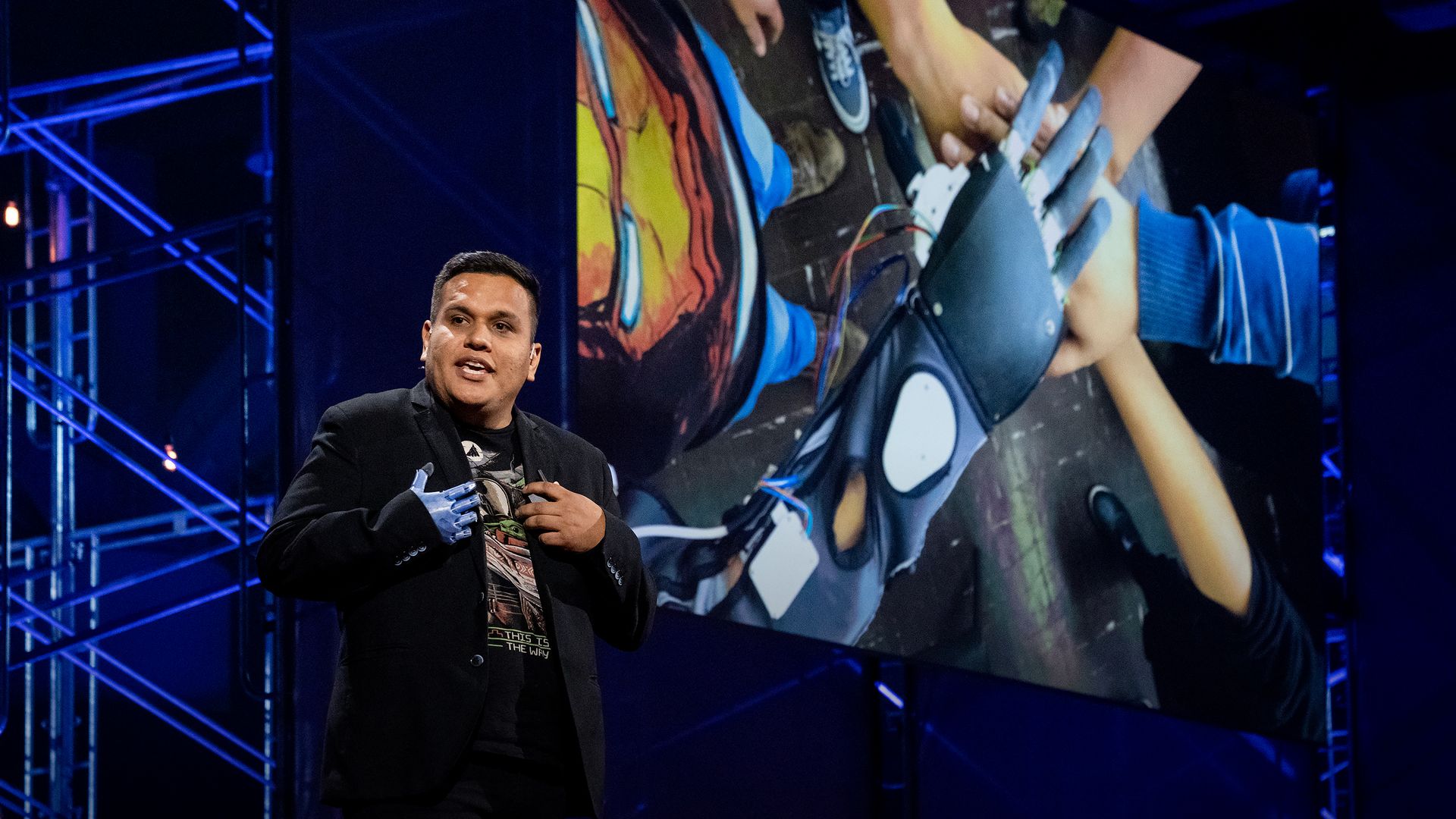
Creating functional prosthetics at a fraction of the cost of imported tech, bionic innovator and TED Fellow Enzo Romero shares a groundbreaking model for designing 3D-printed assistive technology sourced from recycled materials -- built in and for his native Peru. Hear how Luke Skywalker's bionic hand in Star Wars inspired Romero to pursue mechatronics engineering and help people with disabilities and limited resources fully live again.

2022

TED Talk

Peru
YLAI / Young Leaders of the Americas Initiative; Royal Academy of Engineering; Pontificia Universidad Católica del Perú; KPMG en Perú; DIRECTV Latin America; Czech Technical University in Prague; Dando una Mano; CONGRESO DE LA REPUBLICA DEL PERU; LAT Bionics; Shirley Ryan AbilityLab
LAT Bionics, founded by Enzo Romero, is a company focused on developing affordable and accessible prosthetic limbs. Romero, inspired by Luke Skywalker's prosthetic hand, has created low-cost hands using recycled plastic bottles. These prosthetics, priced between $800 to $2,500, are significantly cheaper than traditional mechanical prosthetics. The limbs, made with innovative technology, have helped numerous individuals in Peru regain functionality in their daily lives. While the prosthetics currently have limitations, Romero continues to work on solutions to enhance their capabilities, aiming to make them more versatile for various tasks. // Research Assistant at Biomechanics and Applied Robotics Research Group,at Pontifical Catholic University of Peru. B.S in Mechatronics Engineering,Special focus in Biomechanics and Robotics.Upper third of the class.Currently working on: "Implementation of a transradial upper limb myoelectric prosthesis with strength control and haptic feedback system", and social entrepreneurship "Giving a hand: Custom low cost prostheses with digital manufacturing technology" .Former President of the Robotics & Automation Society IEEE RAS- Student Branch. Being born without a right hand has allowed me to orient my life decisions in order to develop a robotic prosthetic hand for myself. This led me to study Mechatronics and thus develop my Line of Research in this topic.Through the projects in which I have been involved,I have been able to learn more about the national problem that represents the lack of inexpensive hand prostheses.It is my desire to generate concrete solutions to this problem in my country. // We intend to develop highly functional custom prosthesis for hand and fingers manufactured in 3D printing that allow the labor re- insertion of the amputated person. Due to our nature of social entrepreneurship, we seek to work with both public and private institutions to reduce costs of production, distribution and sale.It is our mission to develop custom low cost prosthetics with digital manufacturing technology.Our visión is to meet the need and improved access to upper limb prostheses in Latin America. // I designed and implemented a haptic feedback system for upper limb myoelectric prosthesis with force sensors capable of providing the amputated user with the redirection of forces developed by the fingers of the prosthesis on the stump. Advisor: Prof. Dr. Dante Elías Giordano."Physiological modeling of the muscles of the forearm and development of a force estimation algorithm for the fingers". I am in charge of developing a mechatronic data acquisition system for the estimation of the strength of the fingers. Coordinator of the research: Mg.Sc Rocío Callupe Perez.Teaching assistant in:MTR240 Mechatronics Design MethodologyMTR250 Mechatronics Design ProjectMEC284 Automatic Control - LaboratoryMEC286 Thermodynamics - Fluids Mechanics, Laboratory of Energy // PMI Methodology• Designed the prototypes of automatic self positioned antennas to be set-up on ships of thePeruvian Army.• Development of a cellphone app oriented to help technicians in order to pass the signal quality bar at costumer houses.• Collaborated in the latin-american beta tests to upgrade software in decoders. // We intend to develop highly functional custom prosthesis for hand and fingers manufactured in 3D printing that allow the labor re- insertion of the amputated person. Due to our nature of social entrepreneurship, we seek to work with both public and private institutions to reduce costs of production, distribution and sale.It is our mission to develop custom low cost prosthetics with digital manufacturing technology.Our visión is to meet the need and improved access to upper limb prostheses in Latin America. // I conducted the setup of cRIO – National Instruments Data collectors and YOKOGAWA sensors at Thermal Plant and Refrigeration System in the Laboratory facilities . Operation control with LabView Software. Future project: SCADA System implementation. // I evaluated process improvement in BBVA Bank. Also, In charge of development of control mechanisms for the middle-office bank sector. // YLAI / Young Leaders of the Americas Initiative; Royal Academy of Engineering; Pontificia Universidad Católica del Perú; KPMG en Perú; DIRECTV Latin America; Czech Technical University in Prague; Dando una Mano; CONGRESO DE LA REPUBLICA DEL PERU; LAT Bionics; Shirley Ryan AbilityLab // Enzo Romero is a Mechatronics Engineer with a special focus on Biomechanics and Robotics. Currently a Research Assistant at the Biomechanics and Applied Robotics Research Group at Pontifical Catholic University of Peru, Enzo is working on innovative projects such as the implementation of a transradial upper limb myoelectric prosthesis with strength control and haptic feedback system. Enzo's passion for developing solutions for individuals in need of prosthetics stems from personal experience, driving his commitment to creating custom low-cost prostheses using digital manufacturing technology. With a background in designing haptic feedback systems and physiological modeling of muscles, Enzo is dedicated to improving access to upper limb prostheses in Latin America. Additionally, Enzo has experience in project management, process improvement, and control mechanisms development in the banking sector. // I seek to transform the lives of people with disabilities by providing, along with my team, cutting-edge assistive technology that is accessible. This technology is designed and developed by applying the talents of people in my region, with the aim of creating devices that consider the needs of our population with disabilities. In this way, I strive for a much more equitable society for everyone! // Enzo Romero is a Mechatronics Engineer specializing in Biomechanics and Robotics, known for his innovative work in developing affordable and accessible prosthetic limbs. As the founder of LAT Bionics, he has pioneered the creation of low-cost prosthetics made from recycled materials, inspired by a vision of enhancing functionality for individuals in need. Currently a Research Assistant at the Biomechanics and Applied Robotics Research Group, Enzo is dedicated to advancing prosthetic technology, including projects like myoelectric prostheses with haptic feedback systems. His commitment to improving access to prosthetics in Latin America is evident through his focus on digital manufacturing and custom solutions. Enzo's drive to create transformative assistive technology reflects his goal of fostering a more inclusive and equitable society for individuals with disabilities. // Bionic innovator // Creating functional prosthetics at a fraction of the cost of imported tech, bionic innovator and TED Fellow Enzo Romero shares a groundbreaking model for designing 3D-printed assistive technology sourced from recycled materials -- built in and for his native Peru. Hear how Luke Skywalker's bionic hand in Star Wars inspired Romero to pursue mechatronics engineering and help people with disabilities and limited resources fully live again. // Enzo Romero is a Mechatronics Engineer specializing in Biomechanics and Robotics, known for his innovative work in developing affordable and accessible prosthetic limbs. As the founder of LAT Bionics, he has pioneered the creation of low-cost prosthetics made from recycled materials, inspired by a vision of enhancing functionality for individuals in need. Currently a Research Assistant at the Biomechanics and Applied Robotics Research Group, Enzo is dedicated to advancing prosthetic technology, including projects like myoelectric prostheses with haptic feedback systems. His commitment to improving access to prosthetics in Latin America is evident through his focus on digital manufacturing and custom solutions. Enzo's drive to create transformative assistive technology reflects his goal of fostering a more inclusive and equitable society for individuals with disabilities. // Bionic innovator // technology, entrepreneurship, automation, led, plastic recycling, data, equity, research, design, recycled materials, 3d printing, refrigeration, people with dissabilities, digital manufacturing, assistive technologies, accessibility, affordable, robotics, prosthesis, mechatronics engineering, sensor, bionics, plastic, assistive technology, nature, data acquisition, low-cost, software, manufacturing, recycling // Lima|Peru|Callao Region
Lima|Peru|Callao Region

Enzo Romero

No items found.
2022