
ted fellows media library

Watch the TED Fellows in action

Watch, listen and connect with the Fellows changing the world through science, art, invention and imagination. 

TED Talks

From unbelievable science to awe-inspiring art, watch powerful talks from our global community of 500+ TED Fellows.

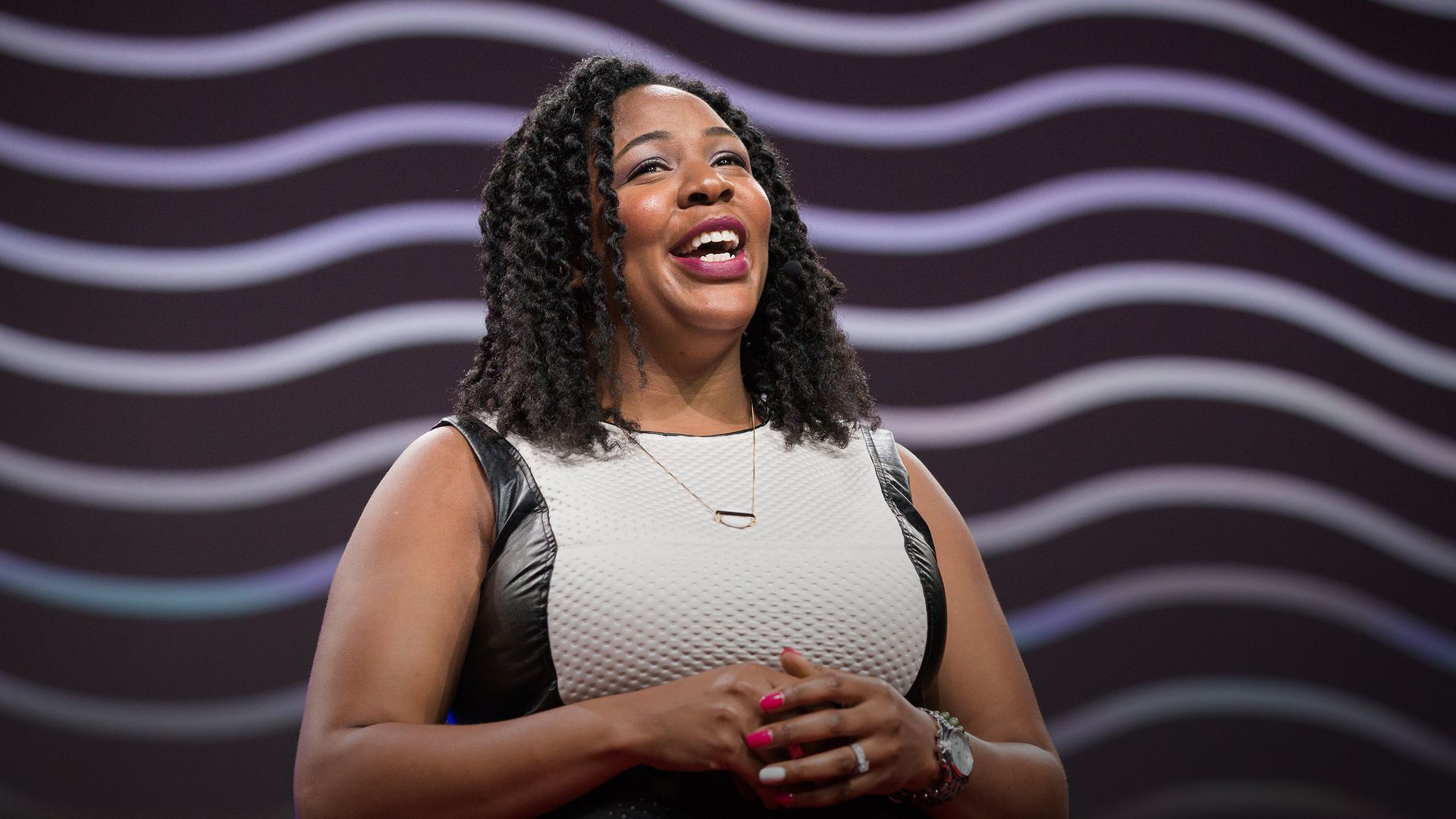
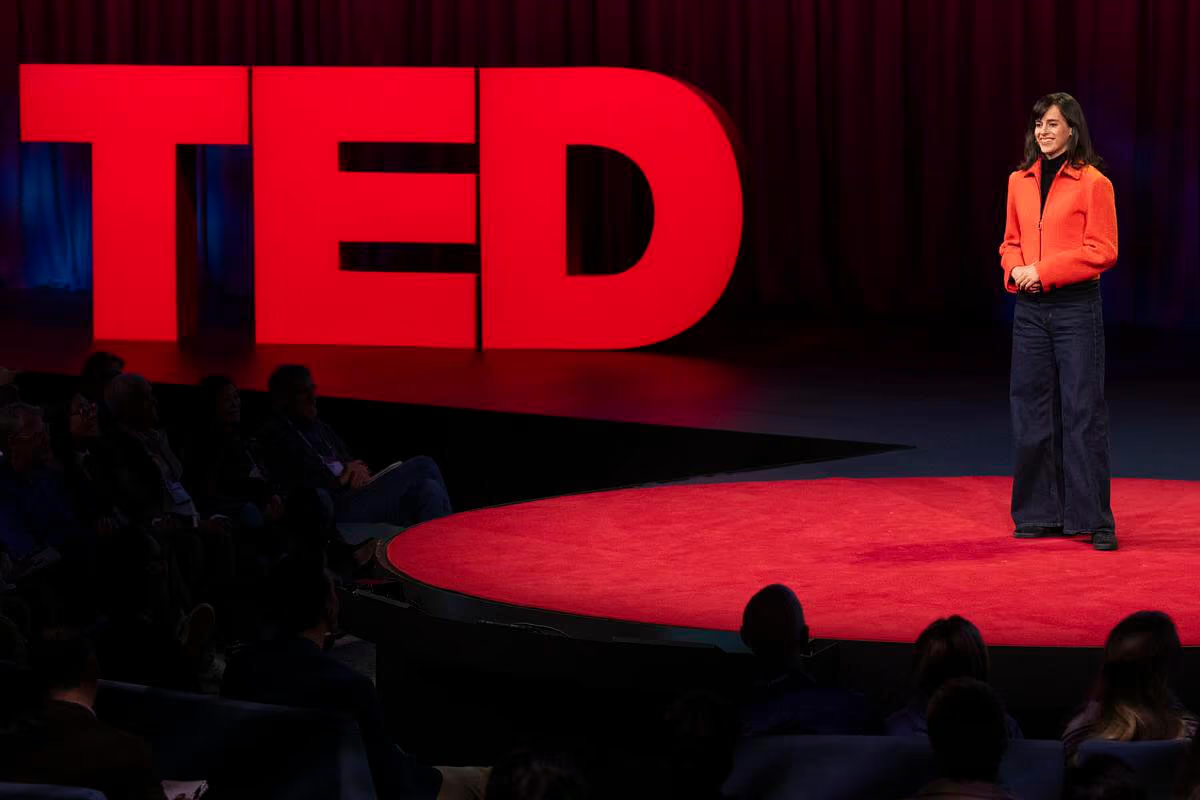
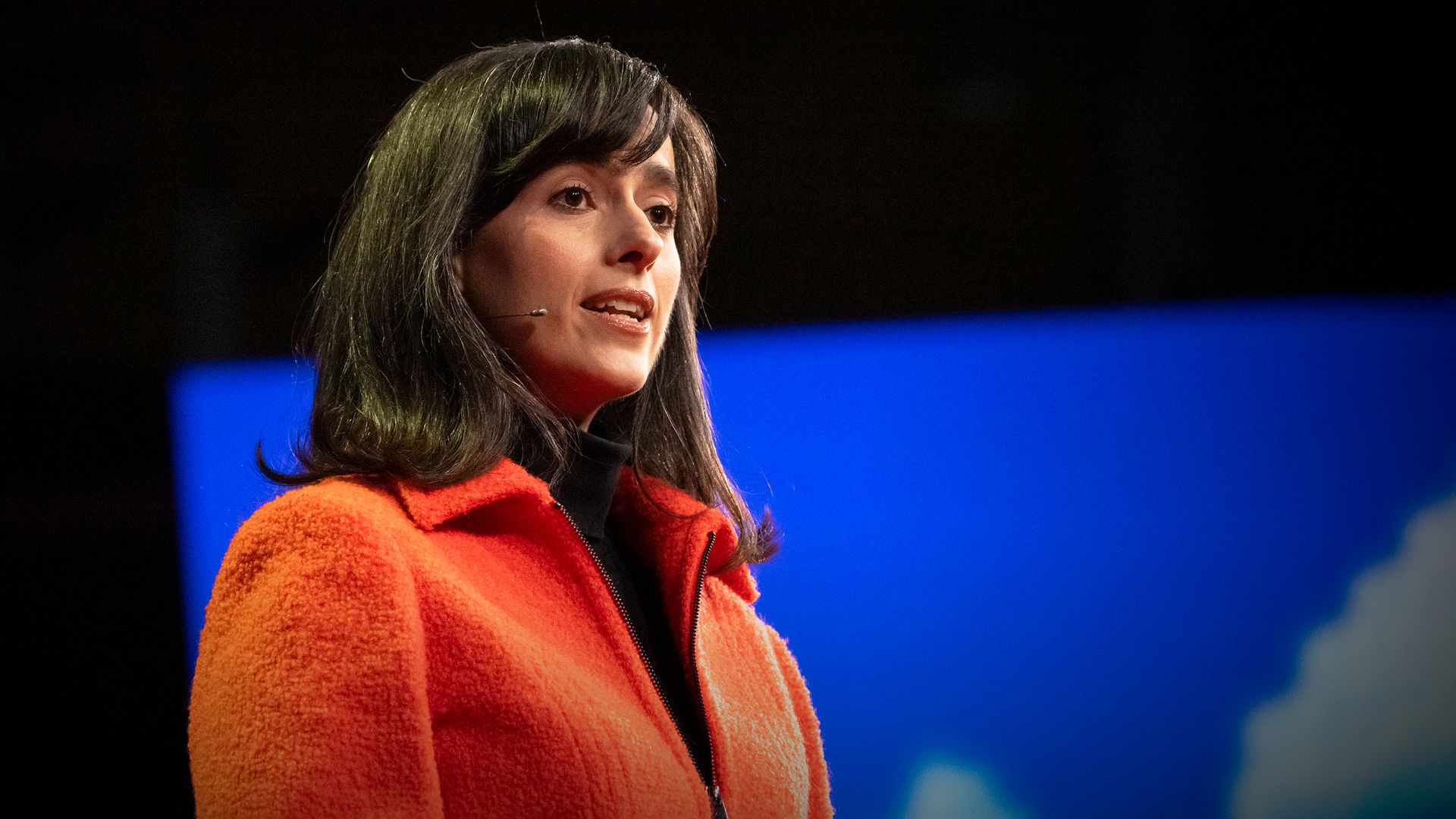
Carissa Véliz

Beware the power of prediction

Podcasts

Hear TED Fellows tell their stories in intimate interviews and learn more about what lies behind their big ideas.

Trinity Tran

Who controls your city's money? | Trinity Tran

What if your city could borrow money from its own bank instead of private lenders? TED Fellow Trinity Tran is leading the push for public banks — which are owned by the people through their local governments — and shows how this model could ensure your local tax dollars stay in your community. 

Ryosuke Takashima

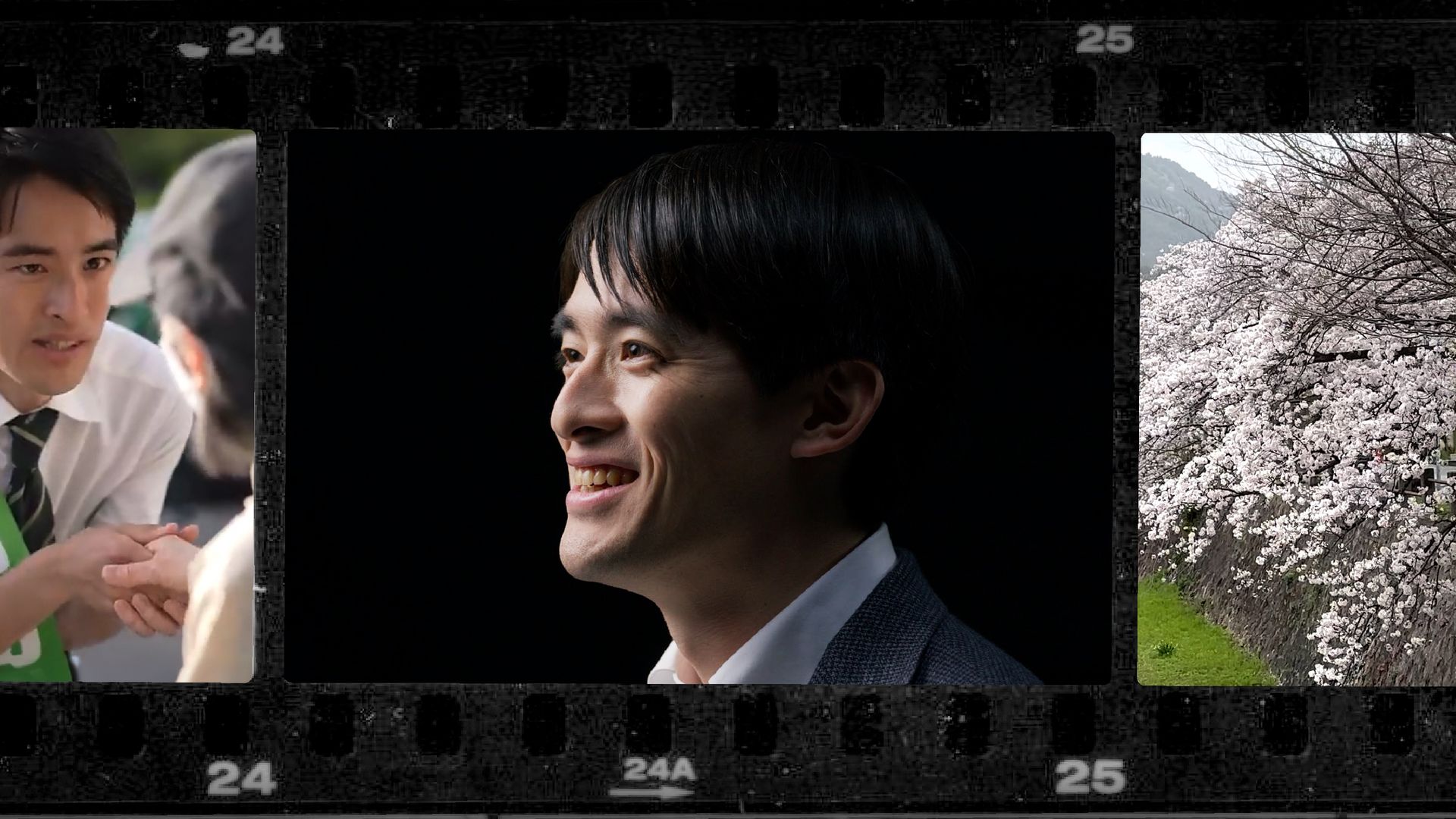
Meet the youngest-ever mayor in Japan's history | Ryosuke Takashima

TED Fellow Ryosuke Takashima is the youngest-ever mayor in Japan's history — but he doesn't consider himself a politician. His approach to leadership is simple: listen to as many voices as possible (from students to elders) in order to figure out what needs fixing. Hear why he thinks inviting citizens to participate in reforming their own communities is the best way to get things done.

Schendy Kernizan

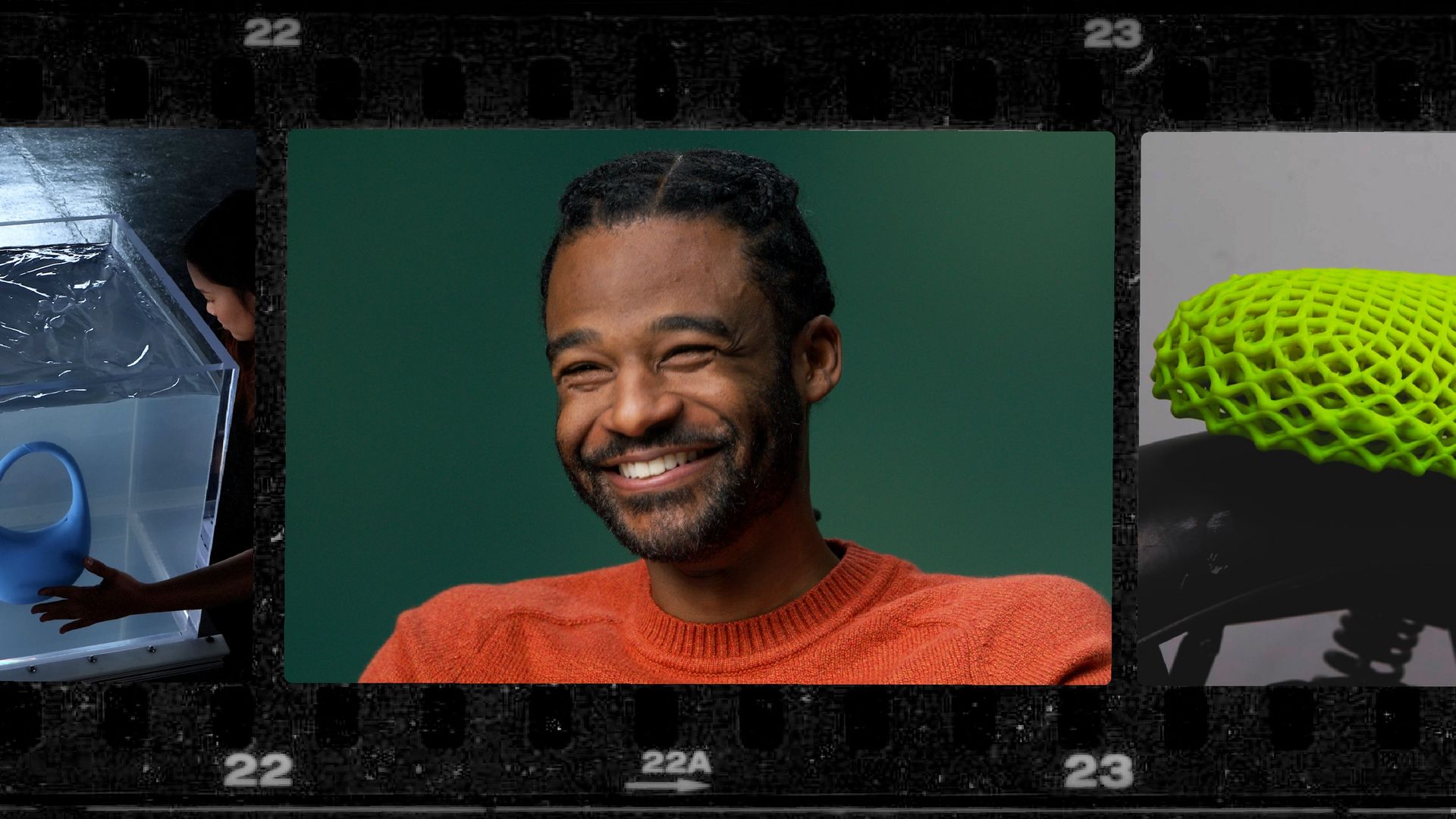
The gravity-defying future of manufacturing | Schendy Kernizan

3D printing promised to reinvent how we make things, but it's mostly stuck producing prototypes with a high level of waste. Designer and TED Fellow Schendy Kernizan found a different way — by printing objects directly into a tub of gel. He explains how this technique eliminates the constraints of gravity, pushing the limits of how we can manufacture objects across medicine, fashion, space travel and more.
Listen to all
Podcast episodes

TED Fellows Films

TED Talks meet documentaries in these short films that explore TED Fellows’ ideas. Dive into all three seasons to explore their mind-blowing innovations. 

05:39

FELLOWS FILM

Meet the youngest-ever mayor in Japan's history

TED Fellow Ryosuke Takashima is the youngest-ever mayor in Japan's history — but he doesn't consider himself a politician. His approach to leadership is simple: listen to as many voices as possible (from students to elders) in order to figure out what needs fixing. Hear why he thinks inviting citizens to participate in reforming their own communities is the best way to get things done.

2026

TED Fellows Film

Ryosuke Takashima
04:47

FELLOWS FILM

The gravity-defying future of manufacturing

3D printing promised to reinvent how we make things, but it's mostly stuck producing prototypes with a high level of waste. Designer and TED Fellow Schendy Kernizan found a different way — by printing objects directly into a tub of gel. He explains how this technique eliminates the constraints of gravity, pushing the limits of how we can manufacture objects across medicine, fashion, space travel and more.

2026

TED Fellows Film

Schendy Kernizan

Fellows Media Library

With 500+ TED Fellows and counting, we’ve got an entire world of media for you to explore. Dive into these talks, short films and podcasts showcasing Fellows turning ideas into action.

Clear
Sort
Thank you! Your submission has been received!
Oops! Something went wrong while submitting the form.

Why "biofabrication" is the next industrial revolution | Suzanne Lee

What if we could "grow" clothes from microbes, furniture from living organisms and buildings with exteriors like tree bark? TED Fellow Suzanne Lee shares exciting developments from the field of biofabrication and shows how it could help us replace major sources of waste, like plastic and cement, with sustainable and eco-friendly alternatives.

2020

Podcasts

United States
Designer // Suzanne is the Founder of Biocouture the world’s first ‘living materials’ consultancy. Biocouture's unique focus is to bring emergent biomaterials, biodesign and biofabrication to consumer products, working exclusively with material innovators and brands to take materials from the lab to the market. Biocouture is the convener of BIOFABRICATE, the first ever summit dedicated to biofabrication for future consumer products. Biofabrication comprises highly disruptive new technologies enabling design to intersect with the building blocks of life. Suzanne is the author of ‘Fashioning The Future: tomorrow’s wardrobe’, the first book to capture the future of fashion through science and technology. It remains a key text for designers, scientists and engineers wanting to glimpse the future of wearable technology. // Suzanne is a designer turned biofabrication pioneer for consumer products. She started growing microbial materials in 2003 coining the term ‘Biocouture’. She advises material startups and global consumer brands on the amazing new world of grown materials. A graduate of the celebrated design school Central Saint Martins in London, her work has been featured widely in the media and exhibited globally. Suzanne's ground-breaking book ‘Fashioning the Future: tomorrow’s wardrobe’, was the first to articulate the future of fashion through science and technology. She is a TED Senior Fellow, and a Launch Material Innovator - an initiative of NASA, Nike, USAID and the US State Department. For the last 5 years Suzanne has been the Chief Creative Officer of Modern Meadow, a biofabrication startup in New York. In 2014 Suzanne founded ‘BIOFABRICATE’, an international summit fostering design, biology and technology. Today BIOFABRICATE offers three pillars: Design, Consult, Learn. // What if we could "grow" clothes from microbes, furniture from living organisms and buildings with exteriors like tree bark? TED Fellow Suzanne Lee shares exciting developments from the field of biofabrication and shows how it could help us replace major sources of waste, like plastic and cement, with sustainable and eco-friendly alternatives. // Designer Suzanne Lee shares her experiments in growing a kombucha-based material that can be used like fabric or vegetable leather to make clothing. The process is fascinating, the results are beautiful (though there's still one minor drawback ...) and the potential is simply stunning. // Suzanne is a designer turned biofabrication pioneer for consumer products. She started growing microbial materials in 2003 coining the term ‘Biocouture’. She advises material startups and global consumer brands on the amazing new world of grown materials. A graduate of the celebrated design school Central Saint Martins in London, her work has been featured widely in the media and exhibited globally. Suzanne's ground-breaking book ‘Fashioning the Future: tomorrow’s wardrobe’, was the first to articulate the future of fashion through science and technology. She is a TED Senior Fellow, and a Launch Material Innovator - an initiative of NASA, Nike, USAID and the US State Department. For the last 5 years Suzanne has been the Chief Creative Officer of Modern Meadow, a biofabrication startup in New York. In 2014 Suzanne founded ‘BIOFABRICATE’, an international summit fostering design, biology and technology. Today BIOFABRICATE offers three pillars: Design, Consult, Learn. // Designer // technology, buildings, eco-friendly, cement, design, microbes, wearable technology, design and science collaboration, apparel, living materials, visioneering new technology for fashion, wearables, clothes, design r&d, plastic, trees, biomaterials, science, biofabrication // New York|United States|Brooklyn|USA
New York|United States|Brooklyn|USA

Suzanne Lee

No items found.
2020

13:16

We need to track the world's water like we track the weather

We need a global weather service for water, says entrepreneur and TED Fellow Sonaar Luthra. In a talk about environmental accountability, Luthra shows how we could forecast water shortages and risks with a global data collection effort -- just like we monitor the movement of storms -- and better listen to what the earth is telling us.

2019

TED Talk

United States
I'm building and strengthening mechanisms for accountability to ensure we minimize the hazards associated with a warming planet and a transforming hydrological cycle. I split my efforts evenly between climate justice and defense/national security issues. // Water testing innovator // Creator of Water Canary, a water-testing device that collects real-time water quality data from the field. // Sonaar Luthra is a world-renowned water and climate consultant who forecasts water and climate risks, drawing on a deep understanding of how essential models, institutions and markets are struggling to adapt to rapid transformations in our planet's water cycle. He is the CEO/Founder of Water Canary, a Senior TED Fellow, a RAND Pardee non-resident fellow, an Ecological Security Fellow at the Council on Strategic Risks, and a Security Fellow at the Truman National Security Project. Sonaar studied at Bowdoin College, Oxford and NYU. He teaches "Water in the 21st Century" for MA Sustainability candidates at Harvard Summer School. He was recognized as a speaker and specialist in water quality and climate change by the Obama State Department, he is an ambassador for the Fight Forever Chemicals campaign run by Participant Media and the film Dark Waters, and his work has been featured in TED, WIRED, Maven’s Notebook, NPR, the BBC, the CBC, Al-Jazeera, the Architectural Review, and the Obama White House Water Summit's Commitments to Action on Building a Sustainable Water Future. // We need a global weather service for water, says entrepreneur and TED Fellow Sonaar Luthra. In a talk about environmental accountability, Luthra shows how we could forecast water shortages and risks with a global data collection effort -- just like we monitor the movement of storms -- and better listen to what the earth is telling us. // After a crisis, how can we tell if water is safe to drink? Current tests are slow and complex, and the delay can be deadly, as in the cholera outbreak after Haiti's earthquake in 2010. TED Fellow Sonaar Luthra previews his design for a simple tool that quickly tests water for safety -- the Water Canary. // Sonaar Luthra is a world-renowned water and climate consultant who forecasts water and climate risks, drawing on a deep understanding of how essential models, institutions and markets are struggling to adapt to rapid transformations in our planet's water cycle. He is the CEO/Founder of Water Canary, a Senior TED Fellow, a RAND Pardee non-resident fellow, an Ecological Security Fellow at the Council on Strategic Risks, and a Security Fellow at the Truman National Security Project. Sonaar studied at Bowdoin College, Oxford and NYU. He teaches "Water in the 21st Century" for MA Sustainability candidates at Harvard Summer School. He was recognized as a speaker and specialist in water quality and climate change by the Obama State Department, he is an ambassador for the Fight Forever Chemicals campaign run by Participant Media and the film Dark Waters, and his work has been featured in TED, WIRED, Maven’s Notebook, NPR, the BBC, the CBC, Al-Jazeera, the Architectural Review, and the Obama White House Water Summit's Commitments to Action on Building a Sustainable Water Future. // Water testing innovator // technology, water, climate justice, water policy, compliance, data collection, environmental accountability, water quality, data, cleantech, opportunity zones, adaptation, i forecast water and climate risks. , agriculture, water management, climate, design, water risk, weather, climate adaptation, deep adaptation, policy, monitoring, storms, hurricanes and tornadoes, public policy, water risk management, remote sensing, climate change, environmental, data science, campaigns, optics, extreme weather, water markets, environmental data, science, remote-sensing, national security, clean tech, hurricanes, accountability, risk management, justice, ecology // DC|Los Angeles|Seattle|India|USA|California|Washington|United States|Palm Springs|New Delhi
DC|Los Angeles|Seattle|India|USA|California|Washington|United States|Palm Springs|New Delhi

Sonaar Luthra

No items found.
2019

03:18

Tales of a Zimbabwean comedian

In this quick, witty performance, TED Fellow and comedian Carl Joshua Ncube uses humor to point out some culturally taboo topics from his home country of Zimbabwe.

2020

TED Talk

Zimbabwe
Comedian // Comedian // Victoria Falls|Zimbabwe|Matabeleland North Province
Victoria Falls|Zimbabwe|Matabeleland North Province

Carl Joshua Ncube

No items found.
2020

The ecstasy of Eskista, an ancient Ethiopian dance | Melaku Belay

By mastering the Eskista, an ancient Ethiopian dance, TED Fellow Melaku Belay survived a childhood on the streets and became a voice for his country. He shares how traditional dances can connect the wisdom of the past to the energy of the future -- and, after the talk, delivers a thrilling performance of Eskista accompanied by a free-jazz ensemble. (In Amharic with consecutive English translation by filmmaker Mehret Mandefro) Hosted on Acast. See acast.com/privacy for more information.

2023

Podcasts

Ethiopia
Fendika Cultural Center, based in Addis Ababa, Ethiopia, is a vibrant hub that promotes Ethiopian culture globally. Led by Melaku Belay, the center supports artists, showcases traditional and contemporary cultural expressions, and fosters people-to-people exchange through arts and culture. Fendika hosts various performances, including Azmari Nights, jazz bands, and traditional Ethiopian music. The center also features an art gallery, offering exhibition space for local artists. Despite facing challenges such as potential demolition, Fendika remains dedicated to preserving Ethiopian arts and providing a platform for artistic expression and cultural exchange. // I want to change Ethiopian society’s perception about dance; I am working with colleagues in Addis Ababa University to try to establish a Dance Studies program. I also want the government to not demolish Fendija Cultural Center and other heritage places in the city. What is the true value of the arts in contemporary societies? // Melaku Belay is a cultural advocate and the driving force behind the Fendika Cultural Center in Addis Ababa, Ethiopia. Through his leadership, the center has become a vital platform for promoting Ethiopian culture globally, supporting local artists, and facilitating cultural exchange. Melaku's efforts extend beyond showcasing traditional and contemporary cultural expressions to advocating for the preservation of heritage sites like Fendika against potential demolition. He is also actively involved in initiatives to change societal perceptions about dance and is working towards establishing a Dance Studies program in collaboration with Addis Ababa University. Melaku Belay's work underscores the significant role of arts and culture in contemporary societies and the importance of preserving cultural heritage for future generations. // Choreographer and dancer // When we support indigenous arts and cultures, we contribute to societal wellbeing, peace, and the sustainability of our shared humanity. Who Am I? An Ethiopian dancer/choreographer, founding director of Fendika Cultural Center, working to bring global attention to indigenous arts and cultures of Ethiopia. What Keeps Me Up at Night? Some of the Ethiopian indigenous art forms will disappear eventually due to lack of support. Fendika, the most prominent cultural center in Ethiopia that supports indigenous arts and cultures, faces the threat of being forced out by the government’s urban “development” agenda. What Am I Doing to Solve the Problem? I promote Azmari music, a 2000-year-old indigenous Ethiopian music form, by paying Azmari musicians regular salaries and programming Azmari performances all year round. Fendika is the only remaining Azmari venue in the Kazanchis neighborhood, which boasted 17 venues in the 1990s. But Fendika is not safe, as the government threatens to take over the land unless a 12-story building is constructed on it. What Difference Does My Work Make? About 18,000 local and global visitors experience Azmari music at Fendika each year. Our work has brought some global attention to indigenous arts of Ethiopia, through a 2017 UNESCO grant for a national Azmari festival, 2020 Prince Claus Award, and a 2015 French Medal for Arts and Letters. Why Do Indigenous Arts Matter? Ethiopia’s peace and stability are fragile, especially now. Arts promote peace and healing by bringing people together across differences. The loss of indigenous art forms will result in the weakening of our social fabric. Given the government’s mandate, no one knows what will happen to Fendika tomorrow. What’s under threat is not only a building, but also memories and hopes for indigenous arts of Ethiopia. How Can You Help? You have the power to help us, by telling our story, and/or by helping us reach out to potential supporters and investors. I hope you buy a plane ticket to visit us in Ethiopia so that you can experience the joy of Azmari music and the magic of Fendika. Then you will understand why our supporters tell us “Fendika is our Noah’s Ark.” What Makes Me Unique As a Social Entrepreneur? Contrary to the myth that I am wealthy from owning Fendika, I struggle to pay rent for a two-bedroom apartment in Addis Ababa, where I live with my family of five; I give everything I have and work 20-hour days to keep Fendika’s programs going. I feel rich in my heart: through working with the arts, I share the joy and pain of all humanity. I am passionate about mentoring young artists. Some of our best dancers and musicians started working at Fendika as waiting staff and cashiers. Now they are touring the world with my band also named Fendika. Fendika survived COVID-19 by streaming 18 concerts; we were among the first organizations to stream concerts from the African continent. Now Fendika is livestreaming 2-3 concerts a week. // By mastering the Eskista, an ancient Ethiopian dance, TED Fellow Melaku Belay survived a childhood on the streets and became a voice for his country. He shares how traditional dances can connect the wisdom of the past to the energy of the future -- and, after the talk, delivers a thrilling performance of Eskista accompanied by a free-jazz ensemble. (In Amharic with consecutive English translation by filmmaker Mehret Mandefro) // Melaku Belay is a cultural advocate and the driving force behind the Fendika Cultural Center in Addis Ababa, Ethiopia. Through his leadership, the center has become a vital platform for promoting Ethiopian culture globally, supporting local artists, and facilitating cultural exchange. Melaku's efforts extend beyond showcasing traditional and contemporary cultural expressions to advocating for the preservation of heritage sites like Fendika against potential demolition. He is also actively involved in initiatives to change societal perceptions about dance and is working towards establishing a Dance Studies program in collaboration with Addis Ababa University. Melaku Belay's work underscores the significant role of arts and culture in contemporary societies and the importance of preserving cultural heritage for future generations. // Choreographer and dancer // children, social enterprise , arts, indigenous, led, land, government, cultural production, covid, urban, dance // Addis Ababa|Ethiopia
Addis Ababa|Ethiopia

Melaku Belay

No items found.
2023

07:40

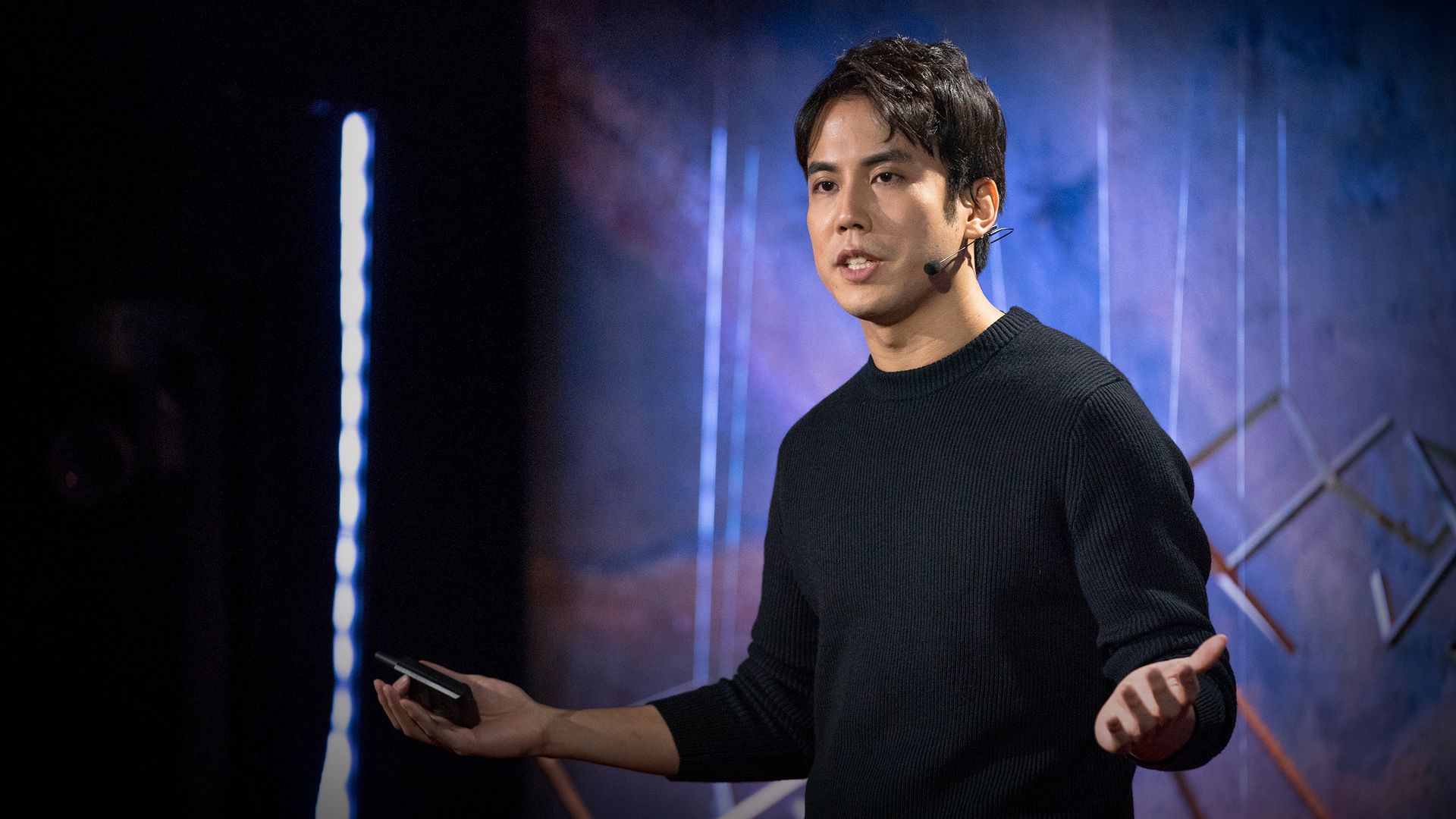
A holographic meeting platform for collaborating from anywhere

When you think of telecommuting, you might think of a remote colleague's face in a tiny square on a screen. But with Jinha Lee's augmented reality platform, Spatial, distant coworkers can now teleport as digital avatars into a shared virtual space. Check out the incredible potential and possibilities for colleagues on different continents or in different time zones to collaborate as if they were physically together in a virtually enhanced workroom.

2020

TED Talk

United States
Interface designer + engineer // Jinha Lee is an interface designer, engineer, and researcher working at the boundary of the physical and digital world. He is exploring ways to employ our innate kinesthetic and sensory skills to interact with the world of data by seamlessly weaving digital information into physical space and material. Jinha is currently on leave from his Ph.D. studies at MIT Media Lab and is leading a team to design TV interfaces at Samsung Electronics in lieu of his national military duty. His recent inventions include <a href = "http://www.leejinha.com/spacetop">Spacetop - gesture controlled 3D desktop OS</a>, <a href = "http://www.leejinha.com/zeron">levitating tangible interface</a>, and <a href = "http://www.leejinha.com/beyond">a pen that penetrates into the screen</a>. Previously, Jinha has co-founded Eone, a tactile watch brand for "everyone" including the visually impaired, conducted research at <a href = "http://www.sonycsl.co.jp/">SONY</a> and Microsoft, and received his B.E. in Electronic Engineering from the University of Tokyo. His works have been presented and exhibited at most respected academic conferences and museums, and have received recognition through serious <a href = "http://exhibition.ifdesign.de/entrydetails_en.html?beitrag_id=122504">design</a> and innovation awards. Recently, Jinha has awarded TED 2013 fellowship. // Jinha Lee is a Korean designer, inventor and entrepreneur. He is co-founder and chief product officer of Spatial, a metaverse for creators and artists. Prior to founding Spatial, At MIT and Microsoft, Jinha developed SpaceTop, a pioneering 3D AR computer that allows people to reach inside the screen. His project ZeroN - a physical pixel that levitates and moves freely about, allowed people to physically manipulate 3D data. These projects became viral and brought him to the TED stage in 2013. An advocate for inclusive design, he co-designed Bradley Timepiece, an innovative tactile wristwatch for the blind. Bradley Timepieces was one of the most successful projects on Kickstarter’s design category in 2013 and was awarded with Red Dot Design award. At Samsung, he led the redesign of Samsung Smart TVs, turning them into a platform for collaboration and artistic data visualization. In 2015, he was promoted to be the Principal designer and appointed as head of Interaction Group at age 27, making him the youngest Group Leader in corporate history. Jinha was named one of the "35 innovators under 35" by the MIT Technology Review, and one of the "32 greatest living designers" by Fast Company, and was named a "Young Global Leader" by the World Economic Forum. Born in Seoul, Korea, Jinha has a Master’s degree in Media Arts and Sciences from MIT (Media Lab) and completed his undergrad with a bachelor’s in Electronic Engineering from the University of Tokyo. // The border between our physical world and the digital information surrounding us has been getting thinner and thinner. Designer and engineer Jinha Lee wants to dissolve it altogether. As he demonstrates in this short, gasp-inducing talk, his ideas include a pen that penetrates into a screen to draw 3D models and SpaceTop, a computer desktop prototype that lets you reach through the screen to manipulate digital objects. // Jinha Lee is a Korean designer, inventor and entrepreneur. He is co-founder and chief product officer of Spatial, a metaverse for creators and artists. Prior to founding Spatial, At MIT and Microsoft, Jinha developed SpaceTop, a pioneering 3D AR computer that allows people to reach inside the screen. His project ZeroN - a physical pixel that levitates and moves freely about, allowed people to physically manipulate 3D data. These projects became viral and brought him to the TED stage in 2013. An advocate for inclusive design, he co-designed Bradley Timepiece, an innovative tactile wristwatch for the blind. Bradley Timepieces was one of the most successful projects on Kickstarter’s design category in 2013 and was awarded with Red Dot Design award. At Samsung, he led the redesign of Samsung Smart TVs, turning them into a platform for collaboration and artistic data visualization. In 2015, he was promoted to be the Principal designer and appointed as head of Interaction Group at age 27, making him the youngest Group Leader in corporate history. Jinha was named one of the "35 innovators under 35" by the MIT Technology Review, and one of the "32 greatest living designers" by Fast Company, and was named a "Young Global Leader" by the World Economic Forum. Born in Seoul, Korea, Jinha has a Master’s degree in Media Arts and Sciences from MIT (Media Lab) and completed his undergrad with a bachelor’s in Electronic Engineering from the University of Tokyo. // Interface designer + engineer // research, technology, data visualization, inclusion, interaction design, design, led, advocacy, data, human computer interaction, korea // New York|United States|USA
New York|United States|USA

Jinha Lee

No items found.
2020

06:38

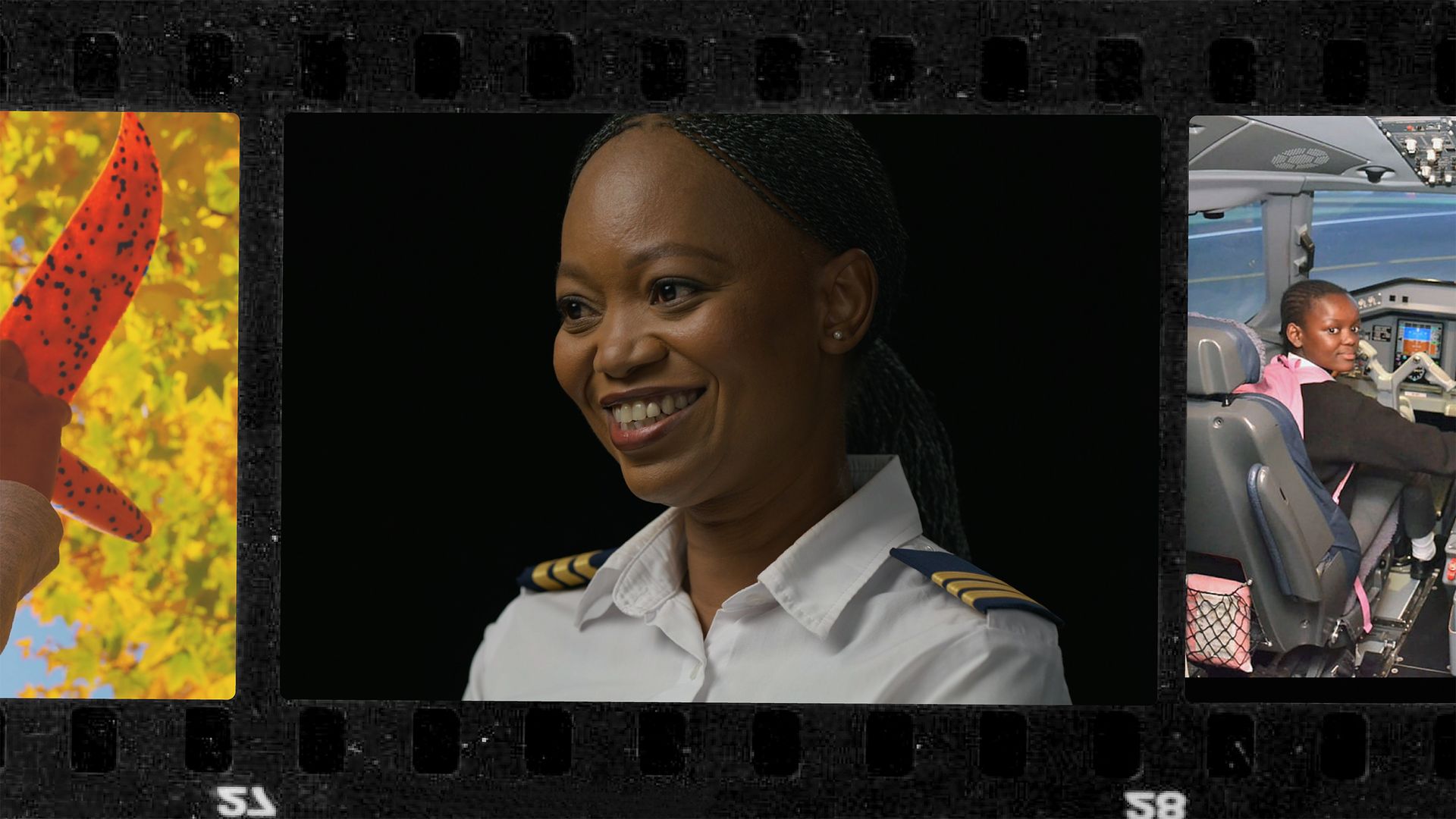
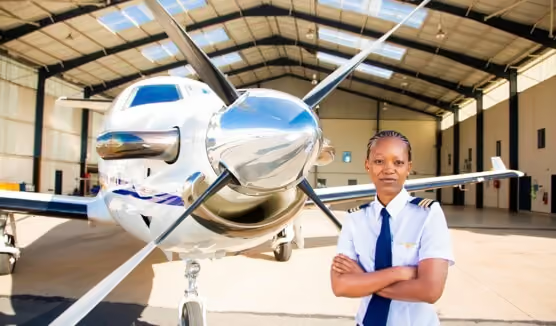
How to empower the next generation of pilots

What does it take to fly a plane? For TED Fellow Refilwe Ledwaba, it took perseverance and drive — and an instructor who took the time to teach to her learning style. Today, as founder of Girls Fly Africa, Ledwaba is empowering the next generation of pilots, particularly young women, with the engineering skills, professional networks and hands-on experience they need to take flight into a sky-high career.

2025

TED Fellows Film

South Africa

Refilwe Ledwaba

No items found.
2025

Why are stolen African artifacts still in Western museums? | Jim Chuchu

African artifacts shown in museums worldwide are often not borrowed, but stolen -- and TED Fellow Jim Chuchu is on a mission to get them back. Learn the sordid history behind how many of the collections in the West came to be, Chuchu’s extensive work tracking and restoring Kenya’s cultural heritage and what these efforts can mean for the wider African continent. An urgent call for institutions to reconsider the morality of the objects they “own” and their significance to the communities from which they were taken. Hosted on Acast. See acast.com/privacy for more information.

2023

Podcasts

Kenya
Filmmaker + cultural innovator // Jim Chuchu is an artist and musician living and working in Nairobi, Kenya. He forms 1/4 of alt-pop outfit Just a Band. // African artifacts shown in museums worldwide are often not borrowed, but stolen -- and TED Fellow Jim Chuchu is on a mission to get them back. Learn the sordid history behind how many of the collections in the West came to be, Chuchu's extensive work tracking and restoring Kenya's cultural heritage and what these efforts can mean for the wider African continent. An urgent call for institutions to reconsider the morality of the objects they "own" and their significance to the communities from which they were taken. // Jim Chuchu is an artist and musician living and working in Nairobi, Kenya. He forms 1/4 of alt-pop outfit Just a Band. // Filmmaker + cultural innovator // Nairobi County|Kenya|Nairobi
Nairobi County|Kenya|Nairobi

Jim Chuchu

No items found.
2023

13:29

The untapped genius that could change science for the better

Jedidah Isler dreamt of becoming an astrophysicist since she was a young girl, but the odds were against her: At that time, only 18 black women in the United States had ever earned a PhD in a physics-related discipline. In this personal talk, she shares the story of how she became the first black woman to earn a PhD in astrophysics from Yale -- and her deep belief in the value of diversity to science and other STEM fields. "Do not think for one minute that because you are who you are, you cannot be who you imagine yourself to be," she says. "Hold fast to those dreams and let them carry you into a world you can't even imagine."

2015

TED Talk

United States
Astrophysicist + inclusion activist // Astrophysicist studying blazars, supermassive, hyperactive black holes at the center of massive galaxies. She is also working to make STEM accessible to underrepresented communities. // I'm a thinker and a doer. I love people and I love helping people be their best selves. I'm particularly invested in helping people who seem not to "belong", who are stitching together their identity and their interests in ways that lead to their own freedom -- and often the freedom of those around them. You can catch me thinking about anything from the recent black hole photo (miss me with the "fuzzy" thing), how black holes can also be such efficient particle accelerators, creating an online community by/for women of color in STEM, what shoes I'm going to buy next, which (US) National Park Service stamp is closest to my next speaking gig, and/or which direction I'm going to point my twists (always counterclockwise). I've learned a lot so far and have a lot more to learn, so let's be bout that life! :) // Jedidah Isler dreamt of becoming an astrophysicist since she was a young girl, but the odds were against her: At that time, only 18 black women in the United States had ever earned a PhD in a physics-related discipline. In this personal talk, she shares the story of how she became the first black woman to earn a PhD in astrophysics from Yale -- and her deep belief in the value of diversity to science and other STEM fields. "Do not think for one minute that because you are who you are, you cannot be who you imagine yourself to be," she says. "Hold fast to those dreams and let them carry you into a world you can't even imagine." // Jedidah Isler first fell in love with the night sky as a little girl. Now she's an astrophysicist who studies supermassive hyperactive black holes. In a charming talk, she takes us trillions of kilometers from Earth to introduce us to objects that can be 1 to 10 billion times the mass of the sun — and which shoot powerful jet streams of particles in our direction. // I'm a thinker and a doer. I love people and I love helping people be their best selves. I'm particularly invested in helping people who seem not to "belong", who are stitching together their identity and their interests in ways that lead to their own freedom -- and often the freedom of those around them. You can catch me thinking about anything from the recent black hole photo (miss me with the "fuzzy" thing), how black holes can also be such efficient particle accelerators, creating an online community by/for women of color in STEM, what shoes I'm going to buy next, which (US) National Park Service stamp is closest to my next speaking gig, and/or which direction I'm going to point my twists (always counterclockwise). I've learned a lot so far and have a lot more to learn, so let's be bout that life! :) // Astrophysicist + inclusion activist // supermassive black holes, science, underrepresented, stem equity, astrophysics, streams and rivers, women, stem // Hanover|United States|New Hampshire|USA
Hanover|United States|New Hampshire|USA

Jedidah Isler

No items found.
2015

08:46

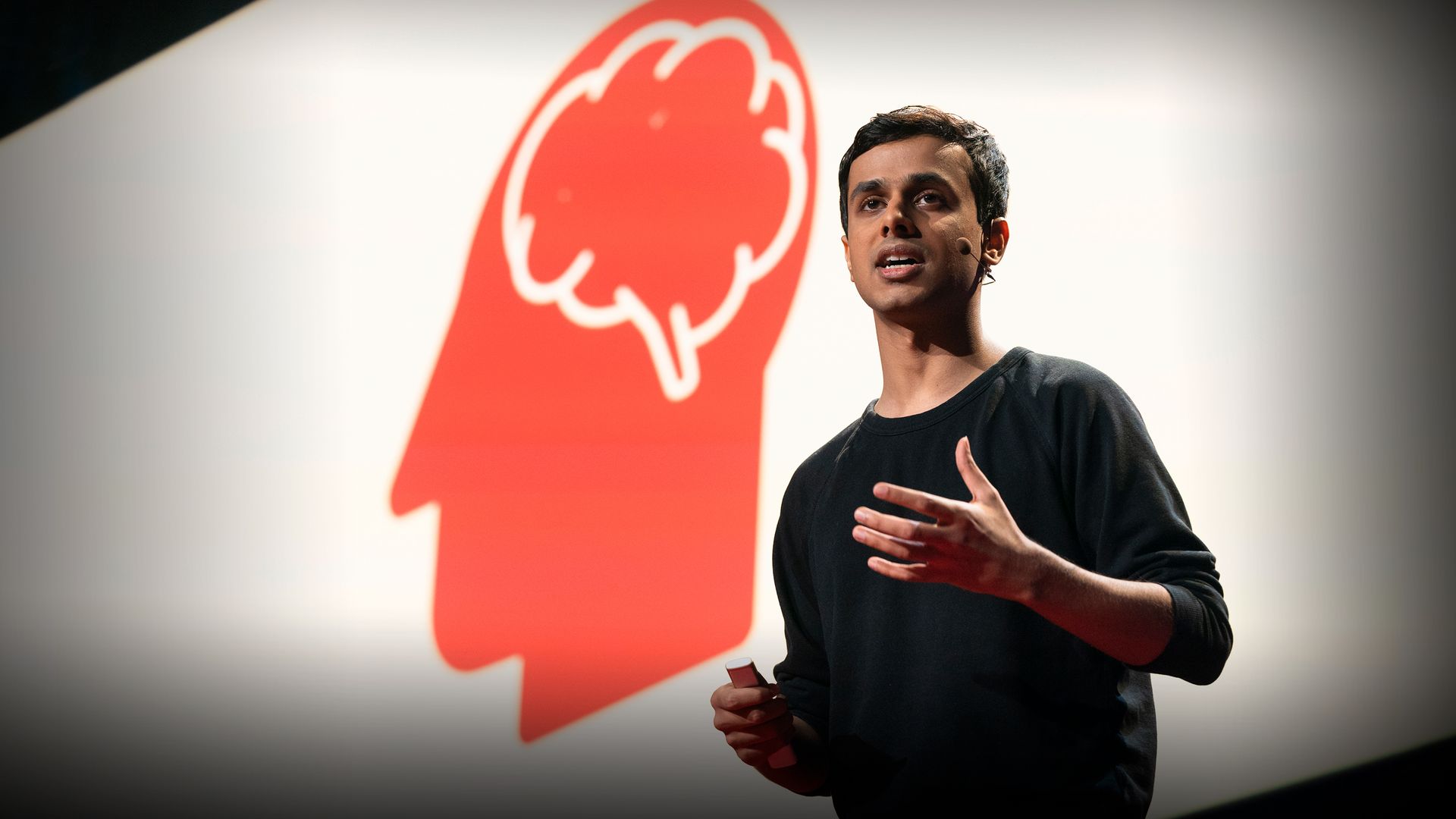
How AI could become an extension of your mind

Try talking to yourself without opening your mouth, by simply saying words internally. What if you could search the internet like that -- and get an answer back? In the first live public demo of his new technology, TED Fellow Arnav Kapur introduces AlterEgo: a wearable AI device with the potential to let you silently talk to and get information from a computer system, like a voice inside your head. Learn more about how the device works and the far-reaching implications of this new kind of human-computer interaction.

2019

TED Talk

United Kingdom
Technologist // Inventor creating wearable AI devices that augment human cognition and give voice to those who have lost their ability to speak. // Try talking to yourself without opening your mouth, by simply saying words internally. What if you could search the internet like that -- and get an answer back? In the first live public demo of his new technology, TED Fellow Arnav Kapur introduces AlterEgo: a wearable AI device with the potential to let you silently talk to and get information from a computer system, like a voice inside your head. Learn more about how the device works and the far-reaching implications of this new kind of human-computer interaction. // Inventor creating wearable AI devices that augment human cognition and give voice to those who have lost their ability to speak. // Technologist // technology, artificial intelligence

Arnav Kapur

No items found.
2019

How to stop the metaverse from becoming the internet's bad sequel | Micaela Mantegna

"The metaverse is already on fire, and we haven't even built it yet," says TED Fellow and video game lawyer Micaela Mantegna. She lays out why the metaverse is at risk of inheriting some of the internet's worst traits, like unchecked surveillance -- and shows how we could redirect its fate through new laws grounded in kindness and connection. Hosted on Acast. See acast.com/privacy for more information.

2023

Podcasts

Argentina
Video game lawyer // Hi there nice to meet you! 🙌 I am Micaela Mantegna, a video game lawyer and activist known as Abogamer, (a portmanteau of 'abogada', the Spanish word for lawyer, and gamer). Some facts about me: ✔️My first book "ARTficial: creativity, AI and copyright" is currently on press! 🎉 ✔️Currently, I am a TED Fellow and an affiliate at the Berkman Klein Center at Harvard, doing research at the intersection of video games, AI ethics, ©️ , immersive technologies for extended reality (XR) with a focus on the governance of the Metaverse. ✔️As an activist, I am the founder of Women In Games Argentina (WIGAr), a non-profit working towards a more inclusive gaming industry; and a Women in Games International (WIGJ) Ambassador. ✔️I have been featured by EA in the official video of my favorite video game. Just ask me, is great to start a conversation! ;) Here you can find more about me and my work: https://cyber.harvard.edu/people/micaela-mantegna // "The metaverse is already on fire, and we haven't even built it yet," says TED Fellow and video game lawyer Micaela Mantegna. She lays out why the metaverse is at risk of inheriting some of the internet's worst traits, like unchecked surveillance -- and shows how we could redirect its fate through new laws grounded in kindness and connection. // Hi there nice to meet you! 🙌 I am Micaela Mantegna, a video game lawyer and activist known as Abogamer, (a portmanteau of 'abogada', the Spanish word for lawyer, and gamer). Some facts about me: ✔️My first book "ARTficial: creativity, AI and copyright" is currently on press! 🎉 ✔️Currently, I am a TED Fellow and an affiliate at the Berkman Klein Center at Harvard, doing research at the intersection of video games, AI ethics, ©️ , immersive technologies for extended reality (XR) with a focus on the governance of the Metaverse. ✔️As an activist, I am the founder of Women In Games Argentina (WIGAr), a non-profit working towards a more inclusive gaming industry; and a Women in Games International (WIGJ) Ambassador. ✔️I have been featured by EA in the official video of my favorite video game. Just ask me, is great to start a conversation! ;) Here you can find more about me and my work: https://cyber.harvard.edu/people/micaela-mantegna // Video game lawyer // research, technology, inclusion, activism, ethics, metaverse, governance, copyright, fire, artificial intelligence ethics, artificial intelligence, xr, women, video games // Argentina
Argentina

Micaela Mantegna

No items found.
2023

Why does uncertainty bother us so much? | Adam Kucharski

Why do we find it easier to trust some concepts and ideas over others? Mathematician Adam Kucharski explores the science of uncertainty, revealing how the very human need for explanation shapes trust in science, fear of technology and belief in conspiracy theories.

2025

Podcasts

United Kingdom
Adam Kucharski is a Professor of Infectious Disease Epidemiology at the London School of Hygiene & Tropical Medicine. His work focuses on utilizing data and analytics for epidemic preparedness and response, including studying social behavior and immunity. He has authored a book titled "The Rules of Contagion: Why Things Spread - and Why They Stop," which delves into the principles driving contagion in various contexts. Additionally, Kucharski's research group explores how human behavior and immunity influence infectious disease outbreaks, aiming to enhance surveillance and control measures. He has also written articles for reputable publications and frequently gives popular science talks, covering topics such as disease transmission, outbreaks, and the science of luck. // The London School of Hygiene & Tropical Medicine, specifically the work of Prof Adam Kucharski, focuses on utilizing data and analytics to understand infectious disease dynamics for epidemic preparedness and response. Prof Kucharski's research involves developing mathematical and statistical approaches to study infectious disease outbreaks, combining various data sources to uncover transmission dynamics and intervention impacts. His work covers a range of infections including COVID-19, influenza, Ebola, dengue, and Zika. Additionally, he engages in public outreach activities and projects linking citizen science with data collection. // My academic research focuses on making better use of data and analytics for epidemic preparedness and response, from understanding immunity to predicting human behaviour. More broadly, I’m interested in finding new ways to generate and communicate scientific insights by engaging the public with research. // Adam Kucharski is a Professor of Infectious Disease Epidemiology at the London School of Hygiene & Tropical Medicine, specializing in utilizing data and analytics for epidemic preparedness and response. His research delves into the dynamics of infectious disease outbreaks, with a focus on social behavior, immunity, and transmission dynamics. Kucharski is the author of "The Rules of Contagion: Why Things Spread - and Why They Stop," a book exploring the principles of contagion in various contexts. He has contributed to studies on diseases like COVID-19, influenza, Ebola, dengue, and Zika, aiming to enhance surveillance and control measures. Beyond academia, Kucharski actively engages in public outreach activities to communicate scientific insights and promote citizen science initiatives. // Mathematician and epidemiologist // I'm an epidemiologist, mathematician, author, and a TED Senior Fellow. I’m co-director of the Centre for Epidemic Preparedness and Response at the London School of Hygiene & Tropical Medicine, where I use data-driven analysis to understand outbreaks, from immunity to human behaviour. I have advised multiple governments on major disease epidemics, as well as infodemics and social contagion. I regularly write about science, and my articles have appeared in places like Wired, Financial Times, and The Atlantic. I am author of 'The Rules of Contagion: Why Things Spread – and Why They Stop', which was named a Science Book of the Year by the Times, Guardian and Financial Times, as well as ‘The Perfect Bet’, about the relationship between science and games of chance. My new book ‘Proof: The Search for Certainty in an Uncertain World’ is out in spring 2025. I am also co-founder of wishidknown.co, a new platform for harnessing collective wisdom - we’ve already been growing a community for parents and will soon be launching one for founders. // As the threat of COVID-19 continues, infectious disease expert and TED Fellow Adam Kucharski answers five key questions about the novel coronavirus, providing necessary perspective on its transmission, how governments have responded and what might need to change about our social behavior to end the pandemic. (This video is excerpted from a 70-minute interview between Kucharski and head of TED Chris Anderson. Listen to the full interview at http://go.ted.com/adamkucharski. Recorded March 11, 2020) // Adam Kucharski is a Professor of Infectious Disease Epidemiology at the London School of Hygiene & Tropical Medicine, specializing in utilizing data and analytics for epidemic preparedness and response. His research delves into the dynamics of infectious disease outbreaks, with a focus on social behavior, immunity, and transmission dynamics. Kucharski is the author of "The Rules of Contagion: Why Things Spread - and Why They Stop," a book exploring the principles of contagion in various contexts. He has contributed to studies on diseases like COVID-19, influenza, Ebola, dengue, and Zika, aiming to enhance surveillance and control measures. Beyond academia, Kucharski actively engages in public outreach activities to communicate scientific insights and promote citizen science initiatives. // Mathematician and epidemiologist // data collection, writing, public health, data, health, infectious disease, finance, epidemics, research, outbreak analysis, citizen scientist, data and analytics, covid, human behaviour, data-driven, mathematics, epidemiology, open science, science communication, science, coronaviruses, communication, pandemic, disease // United Kingdom|England|London
United Kingdom|England|London

Adam Kucharski

No items found.
2025

Could we replace data centers with … plant DNA? | Cliff Kapono and Keolu Fox

Is it possible to meet the world's seemingly infinite demand for data storage while also caring for the natural environment? Biomedical researcher Keolu Fox and professional surfer and scientist Cliff Kapono believe that Indigenous knowledge combined with the science of genetics may offer such a solution: using the DNA of plant cells (like those found in sugar cane) as mini data warehouses. Learn more about the incredible potential of this technology — and how it could help foster ecosystem resilience in a high-tech world. After the talk, Sherrell reflects on the economic and environmental benefits this technology could reap.

2024

Podcasts

United States
GENOME SCIENTIST + INDIGENOUS FUTURIST // Keolu Fox is the first Native Hawaiian to receive a doctorate in genome sciences, and he is an Assistant Professor at the University of California, San Diego (UCSD), where is a co-founder and co-director of the world's first Indigenous Futures Institute. Keolu is also affiliated with the Halıcıoğlu Data Science Institute, the Department of Anthropology, the Global Health Program, the Climate Action Lab, and the Design Lab. Keolu's work focuses on the connection between raw data as a resource and the emerging value of genomic health data from Indigenous communities. He has experience designing and engineering genome sequencing and editing technologies, and a decade of grassroots experience working with Indigenous partners to advance precision medicine. // Ninety-six percent of genome studies are based on people of European descent. The rest of the world is virtually unrepresented -- and this is dangerous, says geneticist and TED Fellow Keolu Fox, because we react to drugs differently based on our genetic makeup. Fox is working to democratize genome sequencing, specifically by advocating for indigenous populations to get involved in research, with the goal of eliminating health disparities. "The research community needs to immerse itself in indigenous culture," he says, "or die trying." // Keolu Fox is the first Native Hawaiian to receive a doctorate in genome sciences, and he is an Assistant Professor at the University of California, San Diego (UCSD), where is a co-founder and co-director of the world's first Indigenous Futures Institute. Keolu is also affiliated with the Halıcıoğlu Data Science Institute, the Department of Anthropology, the Global Health Program, the Climate Action Lab, and the Design Lab. Keolu's work focuses on the connection between raw data as a resource and the emerging value of genomic health data from Indigenous communities. He has experience designing and engineering genome sequencing and editing technologies, and a decade of grassroots experience working with Indigenous partners to advance precision medicine. // GENOME SCIENTIST + INDIGENOUS FUTURIST // technology, research, climate, design, grassroots, science, data science, indigenous, climate action, data // United States
United States

Keolu Fox

No items found.
2024

The death of the universe -- and what it means for life | Katie Mack

The universe started with a bang -- but how will it end? With astonishing visuals, cosmologist and TED Fellow Katie Mack takes us to the theoretical end of everything, some trillions of years in the future, in a profound meditation on existence, wonder and the legacy of humanity within the immensity of time and space. Hosted on Acast. See acast.com/privacy for more information.

2023

Podcasts

Canada
North Carolina State University; Perimeter Institute for Theoretical Physics; Kavli Institute for Cosmology, Institute of Astronomy, University of Cambridge; Caltech; Astrophysics Group, School of Physics, University of Melbourne; Princeton University
Dr. Katherine (Katie) Mack is a theoretical astrophysicist specializing in cosmology, focusing on topics such as dark matter, the early universe, and the ultimate fate of the cosmos. She holds the Hawking Chair in Cosmology and Science Communication at the Perimeter Institute for Theoretical Physics. Dr. Mack is known for her research on dark matter and the early universe, as well as her efforts to make physics more accessible to the public. She has authored the book "The End of Everything (Astrophysically Speaking)" and contributed to various publications like Scientific American, Slate, and BBC's Science Focus. Additionally, she engages in science outreach through public lectures, school visits, and media appearances, aiming to increase access to scientific knowledge. Dr. Mack's research interests include dark matter, vacuum decay, and cosmic dawn and reionization, exploring fundamental aspects of the universe's evolution. // Cosmology researcher investigating dark matter, galaxy formation and evolution, astroparticle physics, and the early universe. Also working with Perimeter's outreach and science communication teams to share physics with the world. // Postdoctoral research fellowship in theoretical astrophysics funded by an Australian Research Council (ARC) Discovery Early Career Researcher Award (DECRA). Based in the Astrophysics Group in the School of Physics. // Postdoctoral research fellowship in theoretical astrophysics funded by the Science and Technology Facilities Council. // Tenure-track Assistant Professor of Physics working in theoretical cosmology; including dark matter, the early universe, galaxy formation, and astro-particle theory. Member of NC State's new Leadership in Public Science Cluster, working to bring science and the public together in new and innovative ways. // North Carolina State University; Perimeter Institute for Theoretical Physics; Kavli Institute for Cosmology, Institute of Astronomy, University of Cambridge; Caltech; Astrophysics Group, School of Physics, University of Melbourne; Princeton University // Katie Mack is a cosmology researcher with a focus on dark matter, galaxy formation, astroparticle physics, and the early universe. With a background in theoretical astrophysics, she has held postdoctoral research fellowships funded by prestigious organizations like the Australian Research Council and the Science and Technology Facilities Council. Katie has also served as a tenure-track Assistant Professor of Physics, specializing in theoretical cosmology, including areas such as dark matter, the early universe, and galaxy formation. She is actively involved in science communication and outreach efforts, collaborating with Perimeter's teams to make physics accessible to a wider audience and is a member of NC State's Leadership in Public Science Cluster, aiming to bridge the gap between science and the public through innovative approaches. // In my academic work, my main drive is to better understand the fundamental physics that governs the functioning and evolution of the cosmos. I hope that my research contributes to this global, collaborative effort in cosmology. Outside of academia, my hope is that through my public engagement, science writing, and presence as a public scientist, I can help connect people to the cosmos and help them feel more empowered to explore deep fundamental scientific questions. // Dr. Katherine (Katie) Mack is a theoretical astrophysicist specializing in cosmology, with a particular focus on dark matter, the early universe, and the ultimate fate of the cosmos. Holding the Hawking Chair in Cosmology and Science Communication at the Perimeter Institute for Theoretical Physics, Dr. Mack is recognized for her research on dark matter, vacuum decay, and cosmic dawn and reionization. She has contributed significantly to the field through her work on galaxy formation, astroparticle physics, and theoretical cosmology. In addition to her academic pursuits, Dr. Mack is deeply committed to science communication and outreach, engaging in public lectures, media appearances, and science writing to make physics more accessible to a wider audience and bridge the gap between science and the public. // Cosmologist // Theoretical cosmologist studying the history, evolution, and long-term fate of the universe. Science writer and public speaker. Very online. Author of New York Times Notable Book about our ultimate cosmic fate, "The End of Everything (Astrophysically Speaking)". // In this fascinating conversation, cosmologist and TED Fellow Katie Mack delves into everything from the Big Bang theory to what we see at the edge of the observable universe to a few ways the cosmos might end. Stay tuned to hear Mack recite an original poem on the wonder and marvel of existence. (This conversation, hosted by deputy director of the TED Fellows program, Lily James Olds, was part of a TED Membership event. Visit ted.com/membership to become a TED Member.) // The universe started with a bang -- but how will it end? With astonishing visuals, cosmologist and TED Fellow Katie Mack takes us to the theoretical end of everything, some trillions of years in the future, in a profound meditation on existence, wonder and the legacy of humanity within the immensity of time and space. // Dr. Katherine (Katie) Mack is a theoretical astrophysicist specializing in cosmology, with a particular focus on dark matter, the early universe, and the ultimate fate of the cosmos. Holding the Hawking Chair in Cosmology and Science Communication at the Perimeter Institute for Theoretical Physics, Dr. Mack is recognized for her research on dark matter, vacuum decay, and cosmic dawn and reionization. She has contributed significantly to the field through her work on galaxy formation, astroparticle physics, and theoretical cosmology. In addition to her academic pursuits, Dr. Mack is deeply committed to science communication and outreach, engaging in public lectures, media appearances, and science writing to make physics more accessible to a wider audience and bridge the gap between science and the public. // Cosmologist // research, technology, particle physics, accessibility, science writing, science, astronomy, science communication, physics, communication, astrophysics, space, cosmology // USA|Raleigh|Waterloo|Ontario|North Carolina|Canada
USA|Raleigh|Waterloo|Ontario|North Carolina|Canada

Katie Mack

No items found.
2023

03:42

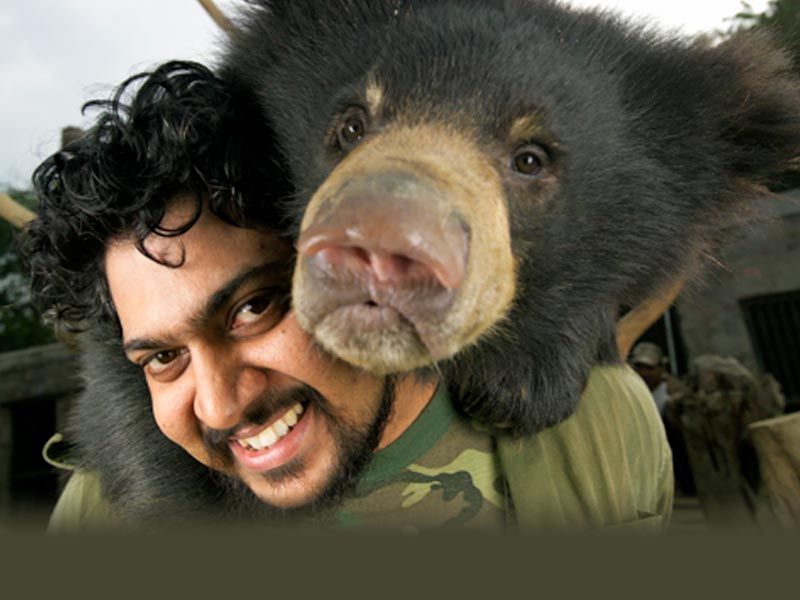
How we rescued the "dancing bears"

Traditionally, the Kalandar community of India has survived by capturing sloth bear cubs and training them to "dance" through extreme cruelty. Kartick Satyanarayan has been able to put an end to this centuries-old practice, and in so doing discovered a lesson of wider significance: make the practitioners part of the solution.

2010

TED Talk

India
Conservationalist // I am a co-founder of Wildlife SOS, a non profit nature & wildlife conservation organization dedicated to protecting and conserving India's wildlife. One of Wildlife SOS's keystone projects is to end the brutal age old practice of 'Performing bears' in India. Since 2002, we have rescued more than 550 bears from a cruel life as street performers in the hands of the Nomadic Kalandar Tribal community. Wildlife SOS has provided seed funds & alternative livelihoods to rehabilitate the former Kalandar bear dancers in sustainable, alternative and humane vocations so they can rise from their life of crime and live with dignity . Wildlife SOS also works to prevent poaching, and to protect critical habitat throughout the country. // I am a co-founder of Wildlife SOS, a non profit nature & wildlife conservation organization dedicated to protecting and conserving India's wildlife. One of Wildlife SOS's keystone projects is to end the brutal age old practice of 'Performing bears' in India. Since 2002, we have rescued more than 550 bears from a cruel life as street performers in the hands of the Nomadic Kalandar Tribal community. Wildlife SOS has provided seed funds & alternative livelihoods to rehabilitate the former Kalandar bear dancers in sustainable, alternative and humane vocations so they can rise from their life of crime and live with dignity . Wildlife SOS also works to prevent poaching, and to protect critical habitat throughout the country. WSOS Centers in India 1. Agra Bear Rescue Facility and Conservation Center 2. Bhopal Bear Rescue Center 3. Bannerghatta Bear Sanctuary 5. Purulia Bear Rescue Center 6. Elephant Rescue & Rehabilitation Center 7. Junnar Leopard Rescue Center 8. Gurgaon Wildlife Rescue Center WILDLIFE SOS (WSOS) (Registered Charity, headquartered in India with offices in UK & USA) • Founded in 1995 with Ms Geeta Seshamani. • Objective - to protect India’s environmental and wildlife resources from unsustainable exploitation. WSOS ACTIVE PROJECTS 1. Agra Bear Rescue and Rehabilitation Centre - 16 km from Agra city center, largest bear rescue centre in the world - established in 1999 in collaboration with the Uttar Pradesh Forest Department. Houses over 270 endangered sloth bears in large, free-ranging forested enclosures. Most bears rescued dancing bears which were once cruelly dragged around the streets of India, with their muzzles pierced and their teeth broken, to entertain tourists and villagers. Bear cubs rescued from poachers are also rehabilitated at the center. The center has a unique Wildlife Hospital with modern dental & surgical equipment. 2. Tribal Rehabilitation & Education – To enable Kalandars to surrender their bears to WSOS and not use wildlife as a source of income, WSOS provides training and financial support to the Kalandar community while sponsoring the education . Alternative livelihoods training include carpet weaving, dairy farming, cycle repair shops, and welding. WSOS also runs health camps for the Kalandars and sponsors the education of children in seven villages. Over 500 Kalandar families have given up their bears and are now engaged in alternative businesses & enjoy a better quality of life. 4. Wildlife & Snake Helpline – WSOS team receives over 600 calls a month and works around the clock to help people who get into conflict with wild animals - we rescue wild animals such as Snakes, monkeys, monitor lizards, civet cats, birds, jackals, Leopards that are trapped in Delhi and its surrounding urban areas. The animals are given veterinary care, and carefully rehabilitated and released in their natural habitat in the wild. 5. Reptile Conservation and Rescue - WSOS works with snakes and crocodiles in an attempt to create awareness amongst the public to reduce ignorance about these creatures who are always misunderstood. 6. Forest Watch Project – WSOS’ Anti-Poaching Unit works with Government enforcement agencies across India. Field investigators work hard to prevent poaching & illegal wildlife trade and assist enforcement authorities in taking action against wildlife criminals. 7. Rehabilitation of Hunting Tribes & Snake Charmers – WSOS has harnessed tracking & trapping skills of these tribes and retrained them in responsible animal handling while providing them an alternative livelihood and steady income. Today over 50 families from these communities are working on WSOS projects. One of our landmark projects is the Wildlife & Animal Control for the Delhi International Airport. 8. Eco Volunteers / INternships / Wildlife Awareness Field Hands on Workshops - WSOS runs interactive wildlife awareness camps for school children & adults. 9. Elephant Conservation & Welfare Project – WSOS focuses on elephants that are used for begging in Indian cities and survive in extremely harsh, wretched conditions, plagued by foot sores, abscesses and dehydration. WSOS is embarking on an ambitious project to establish an Elephant Orphanage Hospital and Rescue Centre for sick and abused elephants. Another huge concern is for wild elephant calves that are trapped illegally and sold into the captive elephant market. They are trained using cruel methods and later used for begging, the tourist industry or in temples. 10. Habitat & Nature Protection - WSOS is acquiring privately owned wildlife habitat near Hampi in Karnataka. Situated on the Deccan Plateau of South India, the rocky outcrops, caves and enormous boulders are home to bears, leopards, hyenas, pangolins, blackbuck, wild boar, civets and porcupines etc // Traditionally, the Kalandar community of India has survived by capturing sloth bear cubs and training them to "dance" through extreme cruelty. Kartick Satyanarayan has been able to put an end to this centuries-old practice, and in so doing discovered a lesson of wider significance: make the practitioners part of the solution. // I am a co-founder of Wildlife SOS, a non profit nature & wildlife conservation organization dedicated to protecting and conserving India's wildlife. One of Wildlife SOS's keystone projects is to end the brutal age old practice of 'Performing bears' in India. Since 2002, we have rescued more than 550 bears from a cruel life as street performers in the hands of the Nomadic Kalandar Tribal community. Wildlife SOS has provided seed funds & alternative livelihoods to rehabilitate the former Kalandar bear dancers in sustainable, alternative and humane vocations so they can rise from their life of crime and live with dignity . Wildlife SOS also works to prevent poaching, and to protect critical habitat throughout the country. WSOS Centers in India 1. Agra Bear Rescue Facility and Conservation Center 2. Bhopal Bear Rescue Center 3. Bannerghatta Bear Sanctuary 5. Purulia Bear Rescue Center 6. Elephant Rescue & Rehabilitation Center 7. Junnar Leopard Rescue Center 8. Gurgaon Wildlife Rescue Center WILDLIFE SOS (WSOS) (Registered Charity, headquartered in India with offices in UK & USA) • Founded in 1995 with Ms Geeta Seshamani. • Objective - to protect India’s environmental and wildlife resources from unsustainable exploitation. WSOS ACTIVE PROJECTS 1. Agra Bear Rescue and Rehabilitation Centre - 16 km from Agra city center, largest bear rescue centre in the world - established in 1999 in collaboration with the Uttar Pradesh Forest Department. Houses over 270 endangered sloth bears in large, free-ranging forested enclosures. Most bears rescued dancing bears which were once cruelly dragged around the streets of India, with their muzzles pierced and their teeth broken, to entertain tourists and villagers. Bear cubs rescued from poachers are also rehabilitated at the center. The center has a unique Wildlife Hospital with modern dental & surgical equipment. 2. Tribal Rehabilitation & Education – To enable Kalandars to surrender their bears to WSOS and not use wildlife as a source of income, WSOS provides training and financial support to the Kalandar community while sponsoring the education . Alternative livelihoods training include carpet weaving, dairy farming, cycle repair shops, and welding. WSOS also runs health camps for the Kalandars and sponsors the education of children in seven villages. Over 500 Kalandar families have given up their bears and are now engaged in alternative businesses & enjoy a better quality of life. 4. Wildlife & Snake Helpline – WSOS team receives over 600 calls a month and works around the clock to help people who get into conflict with wild animals - we rescue wild animals such as Snakes, monkeys, monitor lizards, civet cats, birds, jackals, Leopards that are trapped in Delhi and its surrounding urban areas. The animals are given veterinary care, and carefully rehabilitated and released in their natural habitat in the wild. 5. Reptile Conservation and Rescue - WSOS works with snakes and crocodiles in an attempt to create awareness amongst the public to reduce ignorance about these creatures who are always misunderstood. 6. Forest Watch Project – WSOS’ Anti-Poaching Unit works with Government enforcement agencies across India. Field investigators work hard to prevent poaching & illegal wildlife trade and assist enforcement authorities in taking action against wildlife criminals. 7. Rehabilitation of Hunting Tribes & Snake Charmers – WSOS has harnessed tracking & trapping skills of these tribes and retrained them in responsible animal handling while providing them an alternative livelihood and steady income. Today over 50 families from these communities are working on WSOS projects. One of our landmark projects is the Wildlife & Animal Control for the Delhi International Airport. 8. Eco Volunteers / INternships / Wildlife Awareness Field Hands on Workshops - WSOS runs interactive wildlife awareness camps for school children & adults. 9. Elephant Conservation & Welfare Project – WSOS focuses on elephants that are used for begging in Indian cities and survive in extremely harsh, wretched conditions, plagued by foot sores, abscesses and dehydration. WSOS is embarking on an ambitious project to establish an Elephant Orphanage Hospital and Rescue Centre for sick and abused elephants. Another huge concern is for wild elephant calves that are trapped illegally and sold into the captive elephant market. They are trained using cruel methods and later used for begging, the tourist industry or in temples. 10. Habitat & Nature Protection - WSOS is acquiring privately owned wildlife habitat near Hampi in Karnataka. Situated on the Deccan Plateau of South India, the rocky outcrops, caves and enormous boulders are home to bears, leopards, hyenas, pangolins, blackbuck, wild boar, civets and porcupines etc // Conservationalist // forest, education, dairy farm, urban areas, dairy, cities, wildlife biology, job skills training, urban, financial support, finance, habitat, farming, volunteerism, community engagement, conservation center, wildlife protection, monitoring, livelihoods, wildlife, wildlife habitat, rural villages, elephant, wildlife conservation, elephant conservation, conservation, children, nature, rural, birds, animal welfare, international wildlife trade, government, income // India|New Delhi|Delhi
India|New Delhi|Delhi

Kartick Satyanarayan

No items found.
2010

03:50

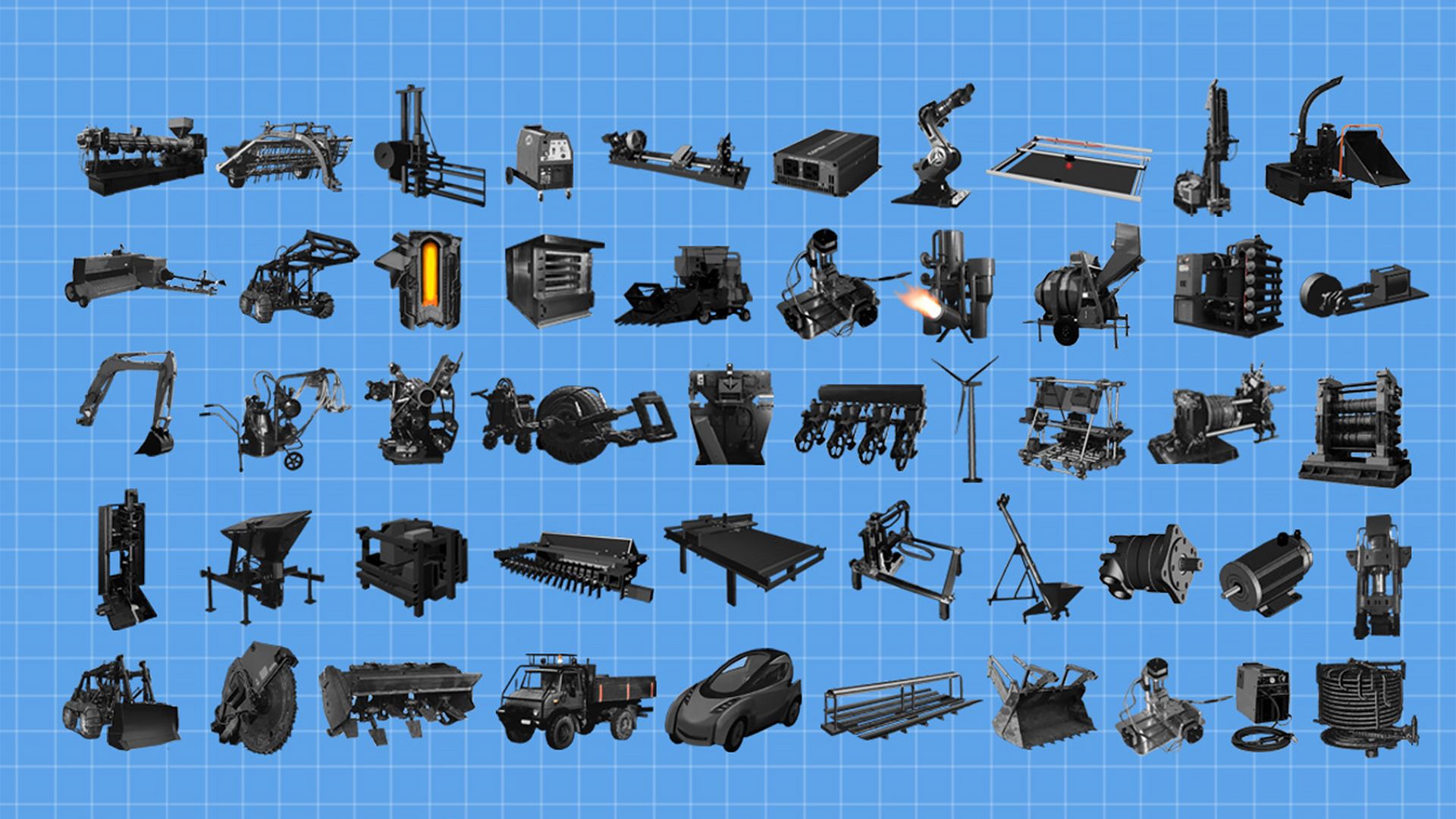
Open-sourced blueprints for civilization

Using wikis and digital fabrication tools, TED Fellow Marcin Jakubowski is open-sourcing the blueprints for 50 farm machines, allowing anyone to build their own tractor or harvester from scratch. And that's only the first step in a project to write an instruction set for an entire self-sustaining village (starting cost: $10,000).

2011

TED Talk

United States
Open Source Ecology is an organization focused on developing open source industrial machines, particularly the Global Village Construction Set (GVCS). The GVCS consists of 50 different machines necessary for building a small, sustainable civilization with modern comforts. The organization aims to create an open source economy by sharing designs online for free, promoting innovation through open collaboration. They work on various projects such as the Seed Eco-Home, MicroHouse, electric motor/generator, Microcombine, and 50 kW Wind Turbine. The organization conducts development through Design Sprints, university collaborations, pilot projects, and workshops. Marcin Jakubowski, the founder, leads the team in creating a collaborative economic platform to accelerate innovation. The organization also offers apprenticeships for individuals interested in working // We are trying to change the economic system to open collaboration, replacing patents and trade secrets across the board with collaborative development. Our main question is how we transform the reptilian brain of humans from fear and scarcity to one of abundance. This is based on a first principles understanding that energy resources are abundant according to the Kardashev scale, and therefore material abundance is possible. Therefore, the goal is to educate civilization to the practice of abundance by teaching the mindsets and skills required to begin living in an information-based, post-scarcity economy. // Marcin Jakubowski is the founder of Open Source Ecology, an organization dedicated to developing open source industrial machines through projects like the Global Village Construction Set (GVCS). The GVCS encompasses 50 essential machines for establishing a sustainable civilization. Marcin leads the team in fostering open collaboration and sharing designs online for free to promote innovation and create an open source economy. Through initiatives like the Seed Eco-Home, MicroHouse, electric motor/generator, Microcombine, and 50 kW Wind Turbine, Marcin and his team aim to accelerate innovation and transform the economic system towards collaborative development. Their work is rooted in the belief that material abundance is achievable through a shift in mindset from fear and scarcity to one of abundance, ultimately striving to educate society on living in a post-scarcity economy. // Farmer + technologist // A Polish-American who is starting a new civilization -- from scratch -- in the Midwestern US. Marcin came to the U.S. from Poland as a child. He graduated with honors from Princeton and earned his PhD in fusion physics from the University of Wisconsin. Frustrated with the lack of relevance to pressing world issues in his education, he founded Open Source Ecology in 2003 in order to make closed-loop manufacturing a reality. He began development on the Global Village Construction Set (GVCS) (see his 2011 <a href="http://www.ted.com/talks/marcin_jakubowski.html">TED Talk</a>), an open source DIY tool set of 50 different industrial machines necessary to create a small civilization with modern comforts. His work has recently been recognized in his acceptance as a 2012 TED Senior Fellow, a 2012 Shuttleworth Foundation Fellow, and his TED Talk was named the top 6th in the Huffington Post Best of TED 2011. His goal is to create the open source economy - an economy that optimizes both production and distribution - while providing environmental regeneration and social justice. To this end, Marcin is currently building a team of global collaborators and on-site builders for his land-based facility - to take this from concept to reality. He believes that the norm in society should be pursuing autonomy, mastery, and higher purpose - as in <a href="http://www.ted.com/talks/dan_pink_on_motivation.html">Daniel Pink's</a> talk - and that achieving such a state can take us beyond artificial material scarcity. He believes that the open source economy is indeed a prerequisite to the type of autonomy that allows people to pursue mastery - consistent with higher purpose. His main interest is helping the world evolving to freedom by eliminating artificial material scarcity from driving geopolitical relations. He thinks that this can be achieved by open-sourcing modern technology and adapting it for maximum human service: by lowering the barriers to enterprise. His approach to this is building an economic foundation for the open source economy - by deploying the 50 open source tools of the GVCS by year-end 2012. Thereafter, his plan is to engage in a social experiment to determine whether a modern standard of living can be achieved with the GVCS tools. He claims that the scale of a couple hundred acres in a community of Dunbar's number is sufficient to create advanced civilization - namely, a civilization in which people have time for one another. More particularly, he claims that 2 hours of work should be sufficient in such a community to provide modern material prosperity - all the way down to smelting of metals and semiconductors from local resources. At the point of material post-scarcity - he claims that society will not be magically healed - but it will have a fair chance of evolving a higher level of harmony and cultural advancement where pursuit of higher purpose begins to weave back the societal fabric. Marcin's motivation was formed by observation that gross terror and suffering is persistent, and that making a better tomorrow is a choice that all responsible individuals must make, proactively and without fear. With stories of grandparents in concentration camps and in the Polish underground of WWII filling his childhood memories, Marcin gained the conviction and passion to make a better world - to live the life of evolution that he talks about. He is an ambitious entrepreneur whose passion is fueled by constant learning, meditation, and a desire to live from local, sustainable resources. He claims that living the technology-enabled option of local resource use should not be an eco-elite privilege, but a transformational force that is a prerequisite for improving personal and geopolitical relations. His vehicle for transformation is development of the <a href="http://opensourceecology.org/wiki/Open_Source_Ecology_Paradigm">Open Source Ecology paradigm</a> - an open source economy where open technology is a way to reconnect to one another and to our natural life support systems. // Marcin came to the U.S. from Poland as a child. He graduated with honors from Princeton and earned his PhD in fusion physics from the University of Wisconsin. Frustrated with the lack of relevance to pressing world issues in his education, he founded Open Source Ecology in 2003 in order to make closed-loop manufacturing a reality. He began development on the Global Village Construction Set (GVCS) (see http://vimeo.com/16106427), an open source DIY tool set of 50 different industrial machines necessary to create modern civilization. His main interest is evolving to freedom by eliminating resource scarcity as the main force behind geopolitical relations - with the wise use of modern technology adapted for human service. ------------------------------------------------------------------------------------------------------- I am a boundary-crossing iconoclast who believes that material well-being should not be a privilege that only the few can enjoy. I believe that the necessity 'to make a living' should not be an underlying force in civilization that prevents people from pursuing their true passions. I am convinced that by injecting a little wisdom into our technology, we can tame technology for true human service. I believe that open society and open source economic development is a route to abundance and prosperity for all. I am convinced that until we learn to share, there will not be enough for everybody. Sharing means engaging in open source economic development. Open source economic development is an economic paradigm where everybody has access to best practices, optimized product designs, and access to local production. I believe that one day, open access to the means of economic production may become a favored option over monopoly money - and stimulate much higher levels of innovation that are currently possible. I am also convinced that economies based on artificial scarcity are coming to the end of their useful life. Abundance is not an airy ideal - but a state of mind and a rigorous condition where people have not only the access to knowledge and tools of production - but also to free time in which to cultivate their wisdom, honor, and happiness. I am dedicating my life to live by these principles, and to make this a practical option for anyone who chooses to do so. In practical terms, I am looking for collaborators who are interested in developing a world-class center for open source product development - with the stated goals of eradicating poverty as we know it; increasing meaning in peoples' lives; and evolving to freedom beyond material scarcity - while living regeneratively with balance in our life support systems. I am looking for people who endorse open source culture - to the point of understanding that open, collaborative development - if carried out effectively - has the potential to produce results far beyond and fear-based development path. To date, nobody has figured out how to truly leverage open economic development for disruptive social change. There are many hints that this is happening, but to date, open economic development has been grossly under-utilized. Our Big, Hairy, Audacious Goal is to develop and propel the open source economic development methodology into the mainstream. See my bio at https://www.opensourceecology.org/marcin-jakubowski/ // Using wikis and digital fabrication tools, TED Fellow Marcin Jakubowski is open-sourcing the blueprints for 50 farm machines, allowing anyone to build their own tractor or harvester from scratch. And that's only the first step in a project to write an instruction set for an entire self-sustaining village (starting cost: $10,000). // Marcin Jakubowski is the founder of Open Source Ecology, an organization dedicated to developing open source industrial machines through projects like the Global Village Construction Set (GVCS). The GVCS encompasses 50 essential machines for establishing a sustainable civilization. Marcin leads the team in fostering open collaboration and sharing designs online for free to promote innovation and create an open source economy. Through initiatives like the Seed Eco-Home, MicroHouse, electric motor/generator, Microcombine, and 50 kW Wind Turbine, Marcin and his team aim to accelerate innovation and transform the economic system towards collaborative development. Their work is rooted in the belief that material abundance is achievable through a shift in mindset from fear and scarcity to one of abundance, ultimately striving to educate society on living in a post-scarcity economy. // Farmer + technologist // technology, education, standards development, turbine, open access, electric, design, farming, post-scarcity, closed-loop, lifestyle engineering, wind, fusion, wind turbine, open source, regenerative, construction, social justice, children, economic growth, poverty, open collaboration, industrial, metals, justice, ecology, manufacturing, civilization engineering, semiconductor // Missouri|Maysville|United States|USA
Missouri|Maysville|United States|USA

Marcin Jakubowski

No items found.
2011