


ted fellows media library

Watch the TED Fellows in action

Watch, listen and connect with the Fellows changing the world through science, art, invention and imagination. 

TED Talks

From unbelievable science to awe-inspiring art, watch powerful talks from our global community of 500+ TED Fellows.

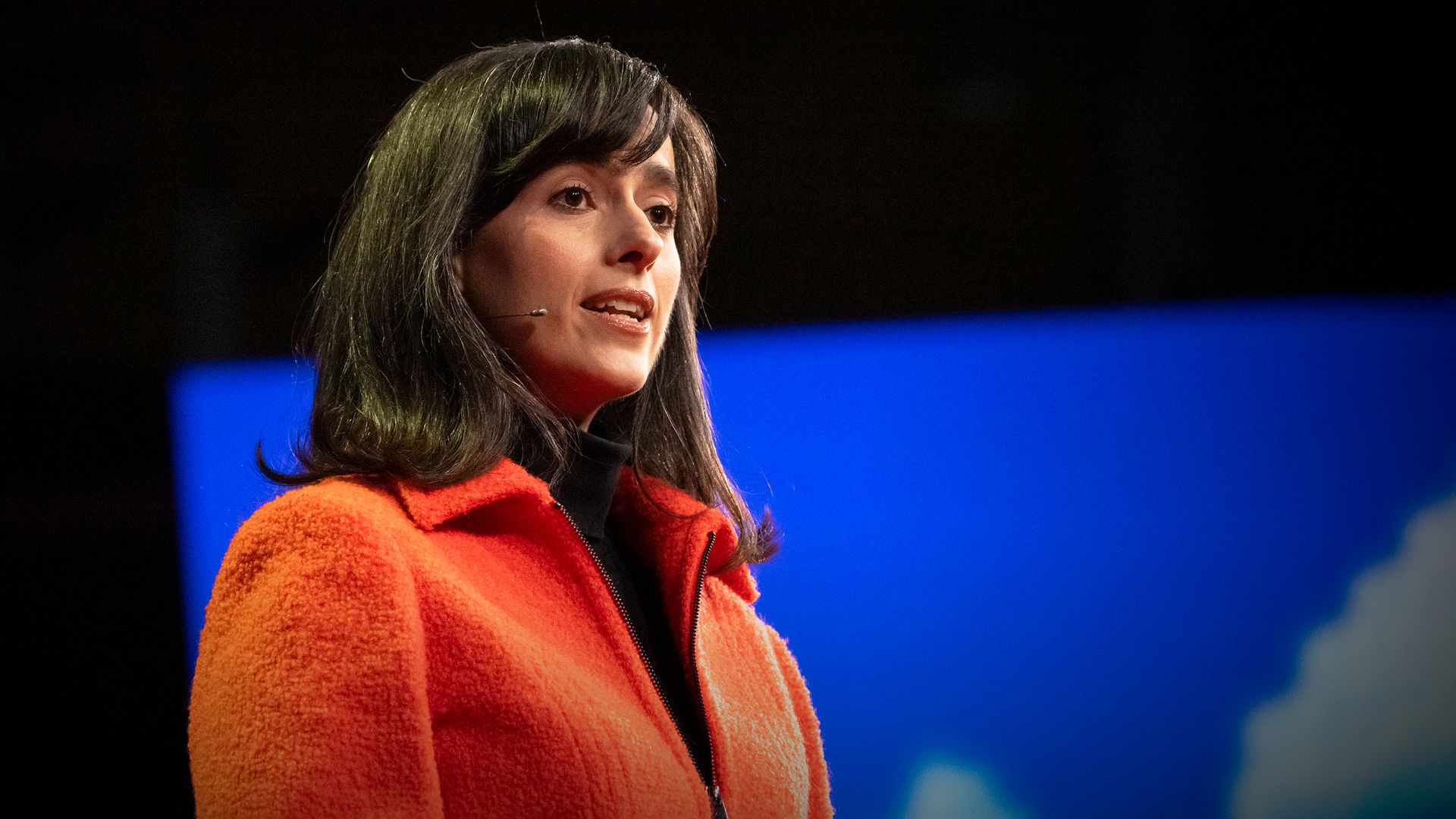
Carissa Véliz

Beware the power of prediction

Podcasts

Hear TED Fellows tell their stories in intimate interviews and learn more about what lies behind their big ideas.

Trinity Tran

Who controls your city's money? | Trinity Tran

What if your city could borrow money from its own bank instead of private lenders? TED Fellow Trinity Tran is leading the push for public banks — which are owned by the people through their local governments — and shows how this model could ensure your local tax dollars stay in your community. 

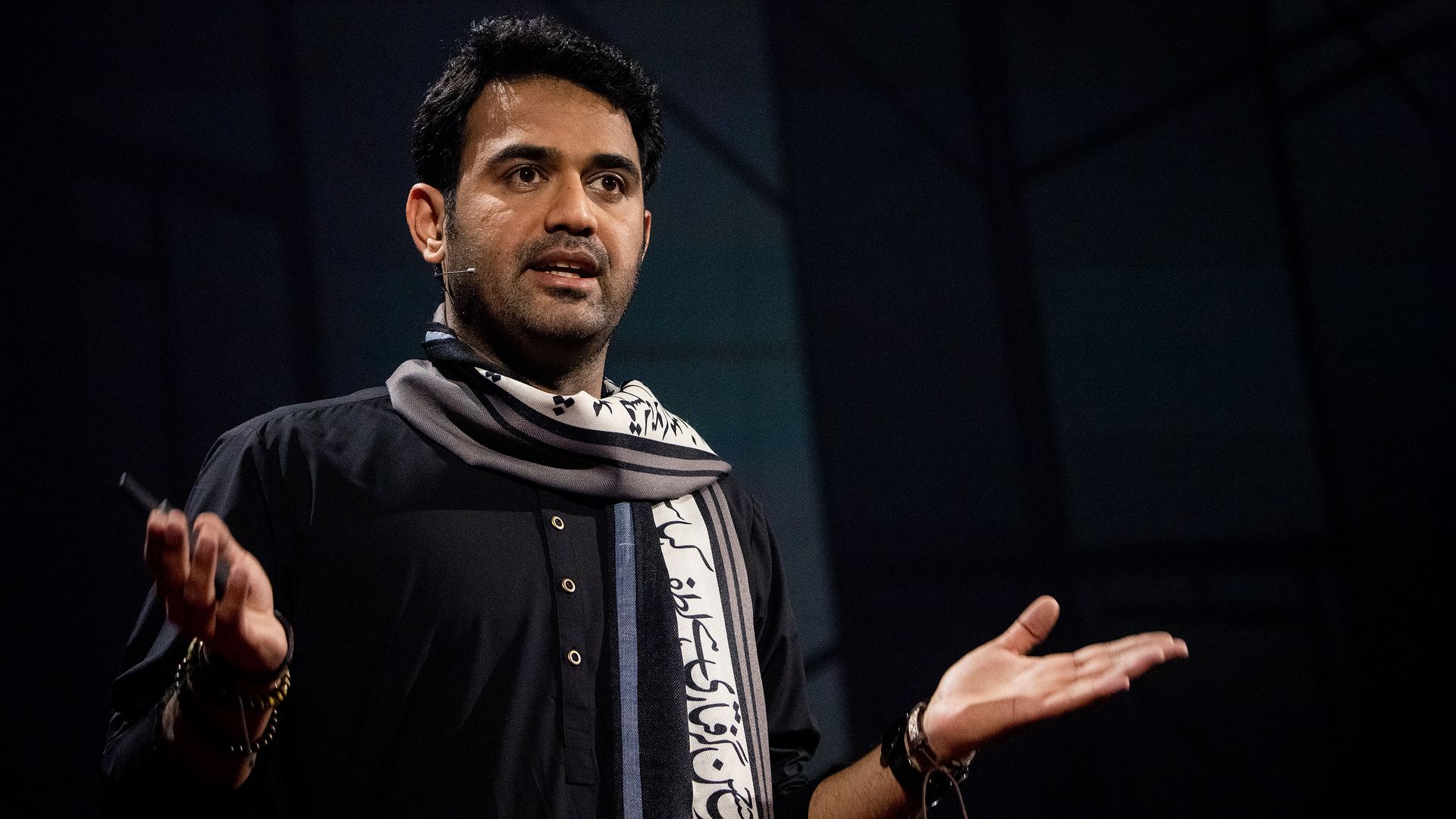
Ryosuke Takashima

Meet the youngest-ever mayor in Japan's history | Ryosuke Takashima

TED Fellow Ryosuke Takashima is the youngest-ever mayor in Japan's history — but he doesn't consider himself a politician. His approach to leadership is simple: listen to as many voices as possible (from students to elders) in order to figure out what needs fixing. Hear why he thinks inviting citizens to participate in reforming their own communities is the best way to get things done.

Schendy Kernizan

The gravity-defying future of manufacturing | Schendy Kernizan

3D printing promised to reinvent how we make things, but it's mostly stuck producing prototypes with a high level of waste. Designer and TED Fellow Schendy Kernizan found a different way — by printing objects directly into a tub of gel. He explains how this technique eliminates the constraints of gravity, pushing the limits of how we can manufacture objects across medicine, fashion, space travel and more.
Listen to all
Podcast episodes

TED Fellows Films

TED Talks meet documentaries in these short films that explore TED Fellows’ ideas. Dive into all three seasons to explore their mind-blowing innovations. 

05:39

FELLOWS FILM

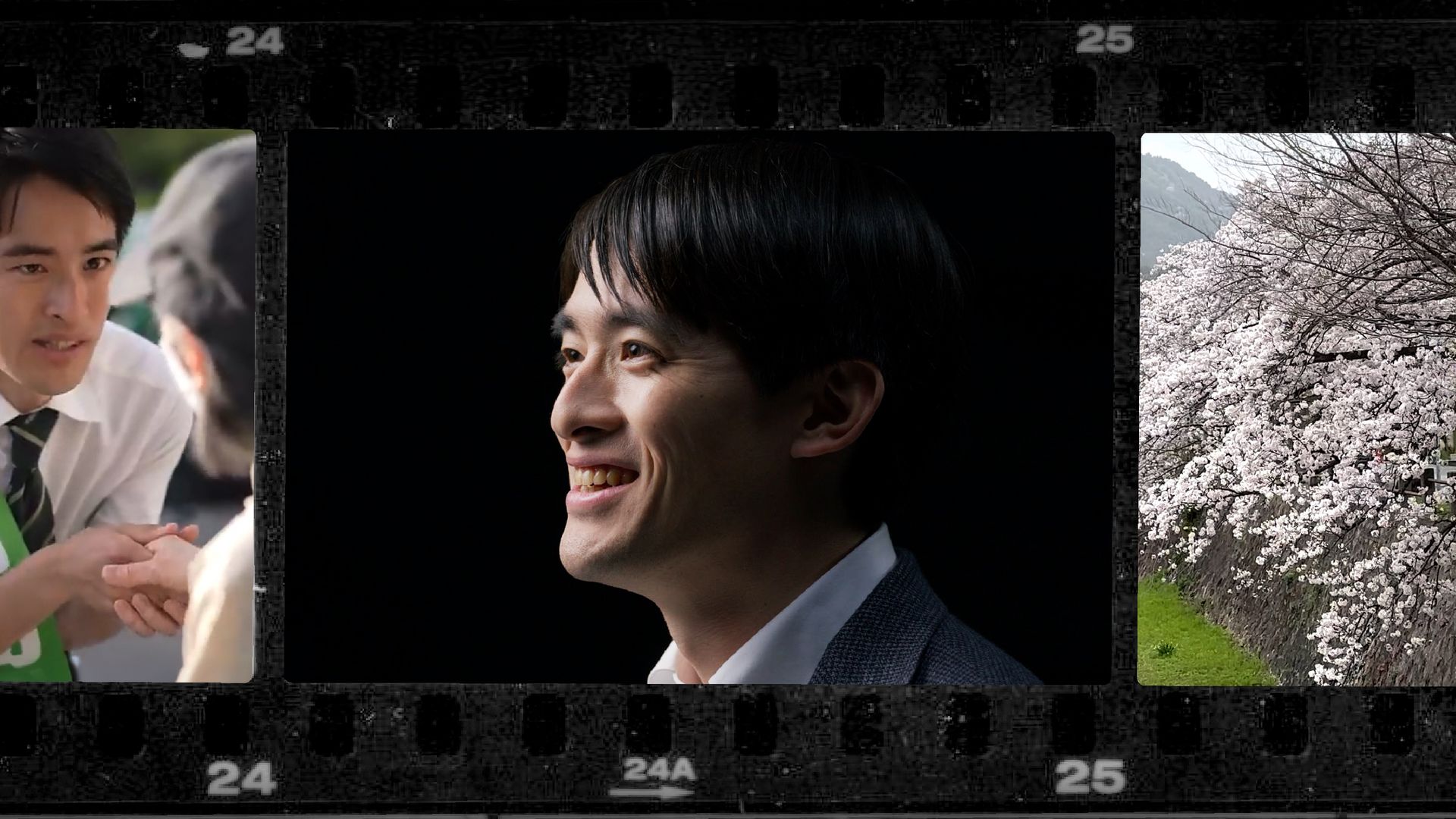
Meet the youngest-ever mayor in Japan's history

TED Fellow Ryosuke Takashima is the youngest-ever mayor in Japan's history — but he doesn't consider himself a politician. His approach to leadership is simple: listen to as many voices as possible (from students to elders) in order to figure out what needs fixing. Hear why he thinks inviting citizens to participate in reforming their own communities is the best way to get things done.

2026

TED Fellows Film

Ryosuke Takashima
04:47

FELLOWS FILM

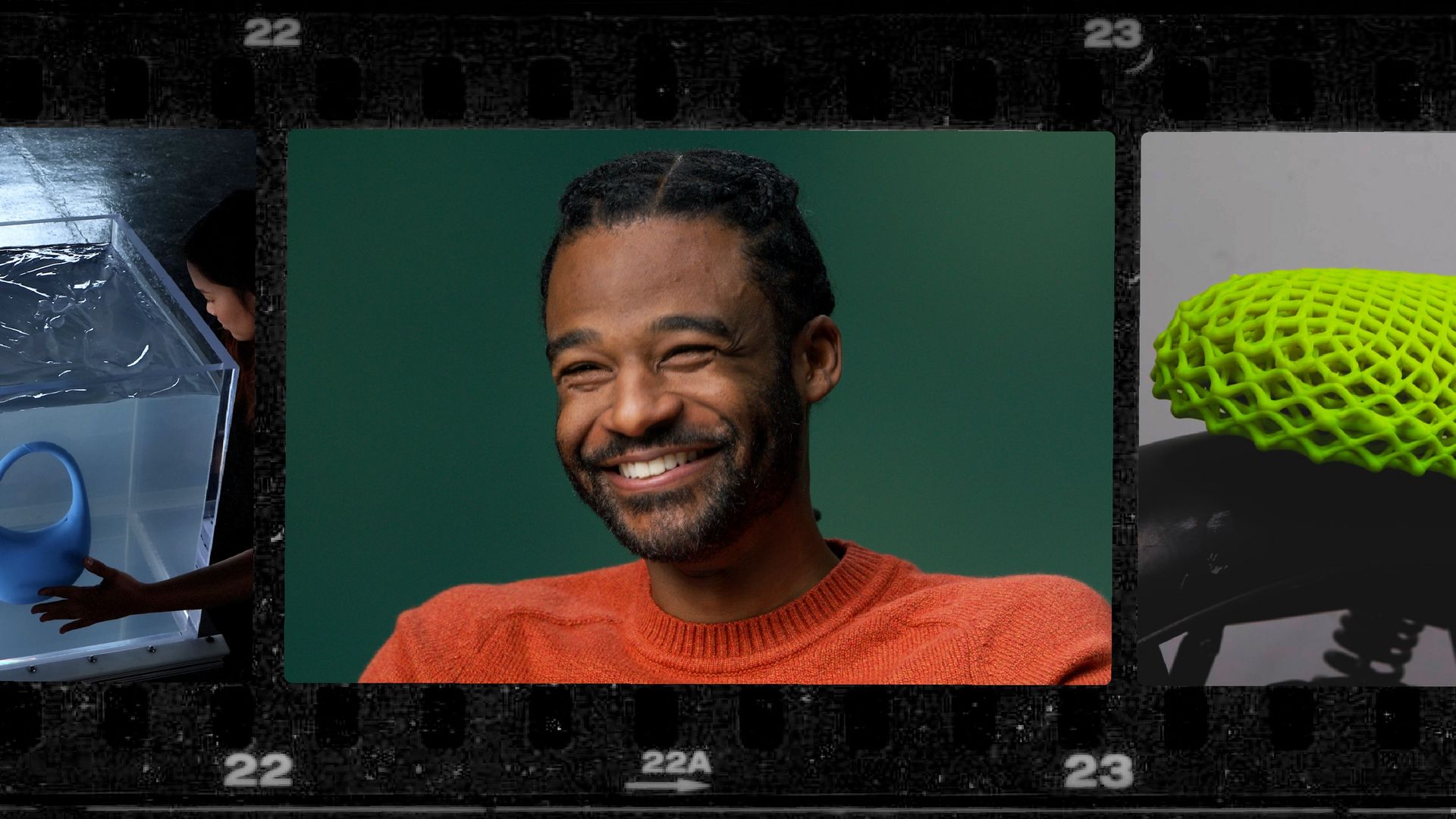
The gravity-defying future of manufacturing

3D printing promised to reinvent how we make things, but it's mostly stuck producing prototypes with a high level of waste. Designer and TED Fellow Schendy Kernizan found a different way — by printing objects directly into a tub of gel. He explains how this technique eliminates the constraints of gravity, pushing the limits of how we can manufacture objects across medicine, fashion, space travel and more.

2026

TED Fellows Film

Schendy Kernizan

Fellows Media Library

With 500+ TED Fellows and counting, we’ve got an entire world of media for you to explore. Dive into these talks, short films and podcasts showcasing Fellows turning ideas into action.

Clear
Sort
Thank you! Your submission has been received!
Oops! Something went wrong while submitting the form.

Could the social lives of fish help us save coral reefs? | Mike Gil

Mike Gil spies on fish: using novel multi-camera systems and computer vision technology, the TED Fellow and his colleagues explore how coral reef fish behave, socialize and affect their ecosystems. Learn more about how fish of different species communicate via social networks -- and what disrupting these networks might mean to the delicate ecology of reefs, which help feed millions of us and support the global economy.

2018

Podcasts

United States
The Gil Lab at the Department of Ecology & Evolutionary Biology at the University of Colorado Boulder focuses on quantitative behavioral ecology, conservation, and promoting justice, equity, diversity, and inclusion (JEDI) in science. Their work involves studying decision-making in wild animals, understanding wildlife networks, predicting natural resource responses to environmental changes, investigating the impact of plastic pollution on wildlife and ecosystems, and shaping public perception of scientists to enhance diversity in STEM fields. // Dr. Mike Gil, Ph.D., is a researcher and mentor actively involved in scientific research at the intersection of ecology, animal behavior, and conservation. He has led research projects worldwide, from coral reefs in various locations to studying microislands of plastic debris in the Pacific Ocean. Dr. Gil is dedicated to understanding natural ecosystems to sustain biodiversity and ecosystem services essential for humankind. As a TED Fellow and National Geographic Explorer, he is also an award-winning science communicator, aiming to bridge the gap between the scientific community and the general public. Through his website SciAll.org, Dr. Gil shares the excitement of scientific discovery with a diverse audience, using storytelling and humor to inspire an appreciation for science. Additionally, he is passionate about teaching and mentoring students, emphasizing interactive and diverse teaching methods to engage learners of all backgrounds. Dr. Gil's speaking engagements have been praised for his ability to present complex scientific concepts in an engaging and accessible manner, inspiring audiences to take action for ocean health and conservation. // I am trying to use my scientific discoveries and status as an established research scientist to wake people up to the limitless possibilities we can achieve as an evidence-guided species. From my own work in coral reef ecology and conservation, it is clear that we are capable of saving the world's coral reef's...with the public's buy-in. But achieving this buy-in means connecting with far greater and diverse swaths of the public than scientists traditionally do. I hope to be an agent of change on this timely front. // Dr. Mike Gil, a researcher and mentor at the University of Colorado Boulder, is a leading figure in the field of quantitative behavioral ecology and conservation. His work at the Gil Lab focuses on studying decision-making in wild animals, wildlife networks, and the impact of plastic pollution on ecosystems. Dr. Gil is dedicated to promoting justice, equity, diversity, and inclusion in science, aiming to shape public perception of scientists and enhance diversity in STEM fields. As a TED Fellow and National Geographic Explorer, he excels in science communication, using storytelling and humor to engage diverse audiences and inspire an appreciation for science. Through his teaching and mentoring, Dr. Gil emphasizes interactive and diverse methods to engage learners from all backgrounds, while advocating for ocean health and conservation through his research and public engagements. // Marine biologist +science advocate // Dr. Mike Gil, Ph.D., is a marine biologist, a National Geographic Explorer, and a TED Fellow. Dr. Gil has led research expeditions in the Caribbean, French Polynesia and Southeast Asia, from coral reefs, seagrass meadows, and salt marshes to plastic pollution in the middle of the Pacific. His diverse research efforts are unified by a common goal: better understand how natural ecosystems work so that we can better preserve them (and their socioeconomic services) in a changing world. His research findings have been covered by a wide range of national and international media outlets, including: BBC News, CNN, WIRED Magazine, The Economist, CNBC, ABC News, and Discover Magazine. In addition to his scientific research, Dr. Gil is an award-winning science communicator with broad interests in connecting the public with the process of scientific discovery and all that it offers to individuals and to humankind. To this end, Dr. Gil founded and runs a 501(c)(3) non-profit organization, SciAll.org, which bring together world-leading scientists of all types to vlog on YouTube. By sharing their personal stories, Dr. Gil and his team aim to humanize scientists, demystify the process of scientific discovery, and make STEM career mentoring accessible to ALL. // Mike Gil spies on fish: using novel multi-camera systems and computer vision technology, the TED Fellow and his colleagues explore how coral reef fish behave, socialize and affect their ecosystems. Learn more about how fish of different species communicate via social networks -- and what disrupting these networks might mean to the delicate ecology of reefs, which help feed millions of us and support the global economy. // Dr. Mike Gil, a researcher and mentor at the University of Colorado Boulder, is a leading figure in the field of quantitative behavioral ecology and conservation. His work at the Gil Lab focuses on studying decision-making in wild animals, wildlife networks, and the impact of plastic pollution on ecosystems. Dr. Gil is dedicated to promoting justice, equity, diversity, and inclusion in science, aiming to shape public perception of scientists and enhance diversity in STEM fields. As a TED Fellow and National Geographic Explorer, he excels in science communication, using storytelling and humor to engage diverse audiences and inspire an appreciation for science. Through his teaching and mentoring, Dr. Gil emphasizes interactive and diverse methods to engage learners from all backgrounds, while advocating for ocean health and conservation through his research and public engagements. // Marine biologist +science advocate // technology, ecology, social behavior, fish, biodiversity, led, diversity, equity, research, inclusion, coral reef, coral reefs, natural resources, community engagement, species, coral, stem, wildlife, pollution, oceans, diversity and inclusion, plastic debris, plastic, conservation, plastic pollution, computer vision, reef, science, and inclusion, seagrass, artificial intelligence, justice, ecosystem, ecosystem services // Willemstad|USA|Colorado|Curacao|United States|Boulder
Willemstad|USA|Colorado|Curacao|United States|Boulder

Mike Gil

No items found.
2018

11:04

Reversing global poverty

Leila will share her passion and purpose. Centered around Samasource, she’ll share how she’s reduced global poverty by giving dignified online work to people living in poverty and an aim she was once told was impossible.

2017

TED Talk

United States

Leila Janah

No items found.
2017

06:35

Why genetic research must be more diverse

Ninety-six percent of genome studies are based on people of European descent. The rest of the world is virtually unrepresented -- and this is dangerous, says geneticist and TED Fellow Keolu Fox, because we react to drugs differently based on our genetic makeup. Fox is working to democratize genome sequencing, specifically by advocating for indigenous populations to get involved in research, with the goal of eliminating health disparities. "The research community needs to immerse itself in indigenous culture," he says, "or die trying."

2016

TED Talk

United States
GENOME SCIENTIST + INDIGENOUS FUTURIST // Keolu Fox is the first Native Hawaiian to receive a doctorate in genome sciences, and he is an Assistant Professor at the University of California, San Diego (UCSD), where is a co-founder and co-director of the world's first Indigenous Futures Institute. Keolu is also affiliated with the Halıcıoğlu Data Science Institute, the Department of Anthropology, the Global Health Program, the Climate Action Lab, and the Design Lab. Keolu's work focuses on the connection between raw data as a resource and the emerging value of genomic health data from Indigenous communities. He has experience designing and engineering genome sequencing and editing technologies, and a decade of grassroots experience working with Indigenous partners to advance precision medicine. // Ninety-six percent of genome studies are based on people of European descent. The rest of the world is virtually unrepresented -- and this is dangerous, says geneticist and TED Fellow Keolu Fox, because we react to drugs differently based on our genetic makeup. Fox is working to democratize genome sequencing, specifically by advocating for indigenous populations to get involved in research, with the goal of eliminating health disparities. "The research community needs to immerse itself in indigenous culture," he says, "or die trying." // Keolu Fox is the first Native Hawaiian to receive a doctorate in genome sciences, and he is an Assistant Professor at the University of California, San Diego (UCSD), where is a co-founder and co-director of the world's first Indigenous Futures Institute. Keolu is also affiliated with the Halıcıoğlu Data Science Institute, the Department of Anthropology, the Global Health Program, the Climate Action Lab, and the Design Lab. Keolu's work focuses on the connection between raw data as a resource and the emerging value of genomic health data from Indigenous communities. He has experience designing and engineering genome sequencing and editing technologies, and a decade of grassroots experience working with Indigenous partners to advance precision medicine. // GENOME SCIENTIST + INDIGENOUS FUTURIST // technology, research, climate, design, grassroots, science, data science, indigenous, climate action, data // United States
United States

Keolu Fox

No items found.
2016

09:17

Electrical experiments with plants that count and communicate

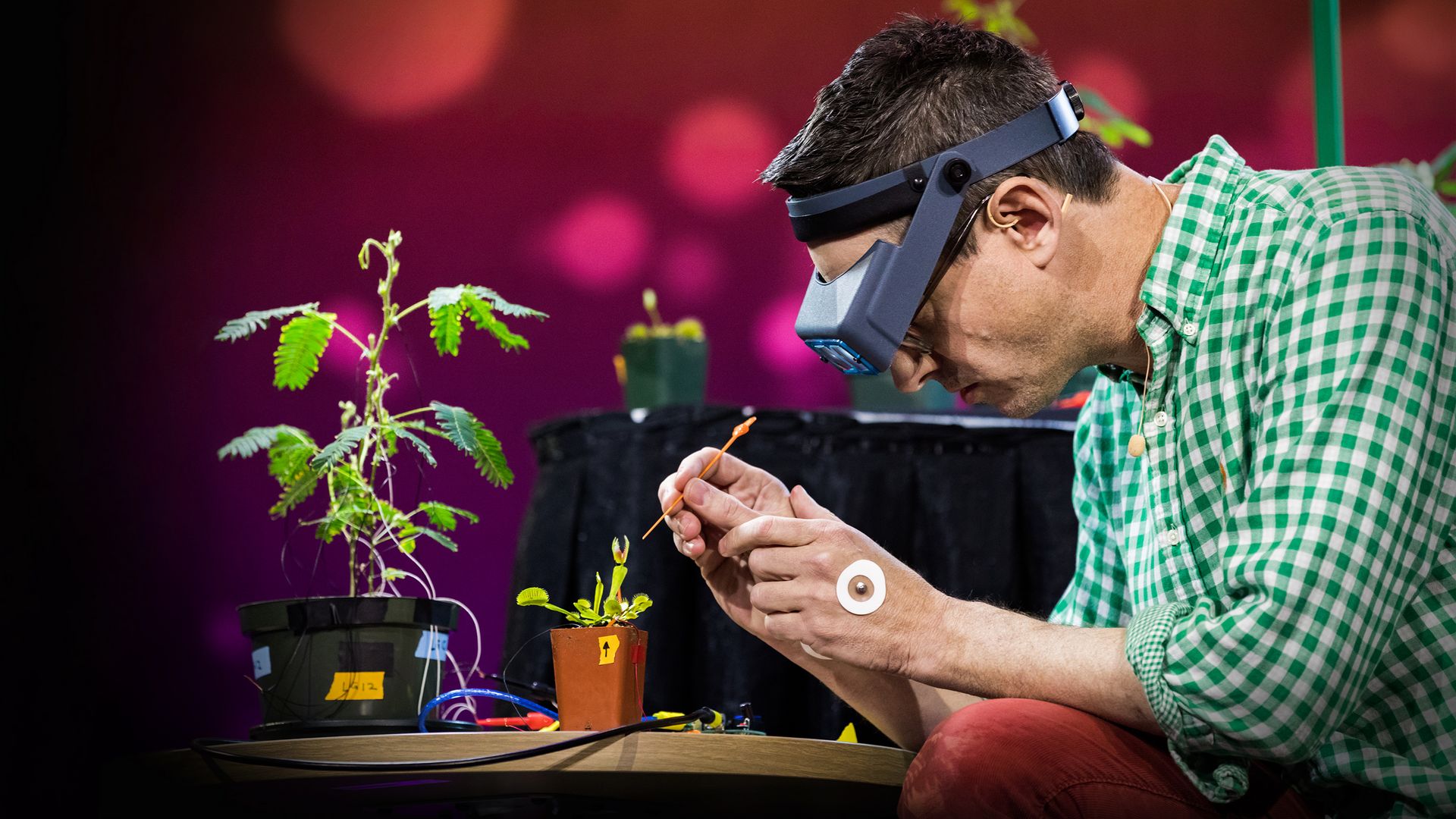
Neuroscientist Greg Gage takes sophisticated equipment used to study the brain out of graduate-level labs and brings them to middle- and high-school classrooms (and, sometimes, to the TED stage.) Prepare to be amazed as he hooks up the Mimosa pudica, a plant whose leaves close when touched, and the Venus flytrap to an EKG to show us how plants use electrical signals to convey information, prompt movement and even count.

2017

TED Talk

United States
Michigan State University; Backyard Brains; University of Michigan; University of South Carolina
Backyard Brains is a company founded by neuroscience Ph.D. students with a mission to democratize neuroscience education. They have developed kits that allow individuals, including children, to learn about neuroscience at an early age using off-the-shelf electronics. Their products focus on neuroscience but have expanded into various STEM research fields. The kits enable users to record from neurons in invertebrates, human physiology, neuroengineering devices, and even plant signaling. Backyard Brains has received recognition for their work, including awards from prestigious organizations and the U.S. National Institutes of Health. They have a strong community presence, with TED Talks and collaborations with popular science shows. The company is open-source, transparent about their finances, and offers a range of experiments and lesson plans for educators and enthusiasts. // Adjunct Professor in the Department of Molecular & Integrative Physiology at the University of Michigan // Adjunct Assistant Professor of Neuroscience, Michigan State University // Greg Gage is the co-founder and CEO of Backyard Brains, an organization that develops open-source tools that allow amateurs and students to participate in neural discovery. Greg is an NIH-award winning neuroscientist with 9 popular TED Talks and dozens of peer-reviewed publications. Greg is a Senior Fellow at TED and the recipient of the White House Champion of Change from Barack Obama award for his commitment to citizen science. // Michigan State University; Backyard Brains; University of Michigan; University of South Carolina // Gregory Gage is a seasoned neuroscientist and educator with a strong focus on democratizing neuroscience research. With a background in academia as an Adjunct Professor at the University of Michigan and Michigan State University, Gregory has also made significant contributions as the co-founder and CEO of Backyard Brains. Through this organization, he has spearheaded the development of open-source tools that enable individuals, including students and amateurs, to engage in neural exploration. Gregory's work has been recognized with prestigious accolades such as the White House Champion of Change award, highlighting his dedication to promoting citizen science. His extensive experience is underscored by numerous peer-reviewed publications and engaging TED Talks that have garnered widespread acclaim. // I develop low-fi, hands-on tools to teach neuroscience to students before university. The goal is to track the best students into neuroscience research careers despite their economic backgrounds. // Gregory Gage is a seasoned neuroscientist and educator known for his dedication to democratizing neuroscience education. As the co-founder and CEO of Backyard Brains, he has led the development of open-source kits that make neuroscience accessible to individuals of all ages, including students and amateurs. Gregory's work emphasizes hands-on learning and aims to inspire a new generation of neuroscientists by providing affordable tools for neural exploration. His contributions have been recognized with prestigious awards, such as the White House Champion of Change award, showcasing his commitment to promoting citizen science. Through his extensive experience in academia and innovative approach to teaching neuroscience, Gregory Gage continues to make significant strides in bridging the gap between science education and research opportunities. // Neuroscientist + roboticist // Neuroscientist and co-founder of Backyard Brains, an organization teaching kids and amateurs neuroscience through hands-on experiments to see and hear brain signals from living neurons and also via robotic control of ordinary cockroaches. // Greg Gage is a neuroscientist, engineer and the CEO of Backyard Brains. Greg develops tools, curriculum and experiments that allow the general public participate, hands-on, in neural discovery. He is senior fellow at TED and has given many TED talks (9 online), received the director's innovation award as an investigator at the National Institute of Health (NIH), and was recognized in a White House ceremony for being Obama’s Champion of Change for his commitment to citizen science. In his free time, he enjoys changing diapers of his 2 young daughters. // Them's fighting words if you're an octopus, in that more than one octopus in a space often means a rumble. Our intrepid neuroscientists analyze aggression by observing the fighting behavior of two-spotted octopuses or, if you prefer, octopodes. // What does the love song of a mosquito sound like? Find out as our intrepid neuroscientists explore the meaning of all that annoying buzzing in your ear. // Modern technology lets neuroscientists peer into the human brain, but can it also read minds? Armed with the device known as an electroencephalogram, or EEG, and some computing wizardry, our intrepid neuroscientists attempt to peer into a subject's thoughts. // Gregory Gage is a seasoned neuroscientist and educator known for his dedication to democratizing neuroscience education. As the co-founder and CEO of Backyard Brains, he has led the development of open-source kits that make neuroscience accessible to individuals of all ages, including students and amateurs. Gregory's work emphasizes hands-on learning and aims to inspire a new generation of neuroscientists by providing affordable tools for neural exploration. His contributions have been recognized with prestigious awards, such as the White House Champion of Change award, showcasing his commitment to promoting citizen science. Through his extensive experience in academia and innovative approach to teaching neuroscience, Gregory Gage continues to make significant strides in bridging the gap between science education and research opportunities. // Neuroscientist + roboticist // technology, education, entrepreneurship, electronics, electrical engineering, data, research, citizen scientist, engineering, robots, stem, data analysis, robotics, neuroscience, children, software development, science, software // Michigan|Ann Arbor|United States|USA
Michigan|Ann Arbor|United States|USA

Greg Gage

No items found.
2017

08:48

How we're saving one of Earth's last wild places

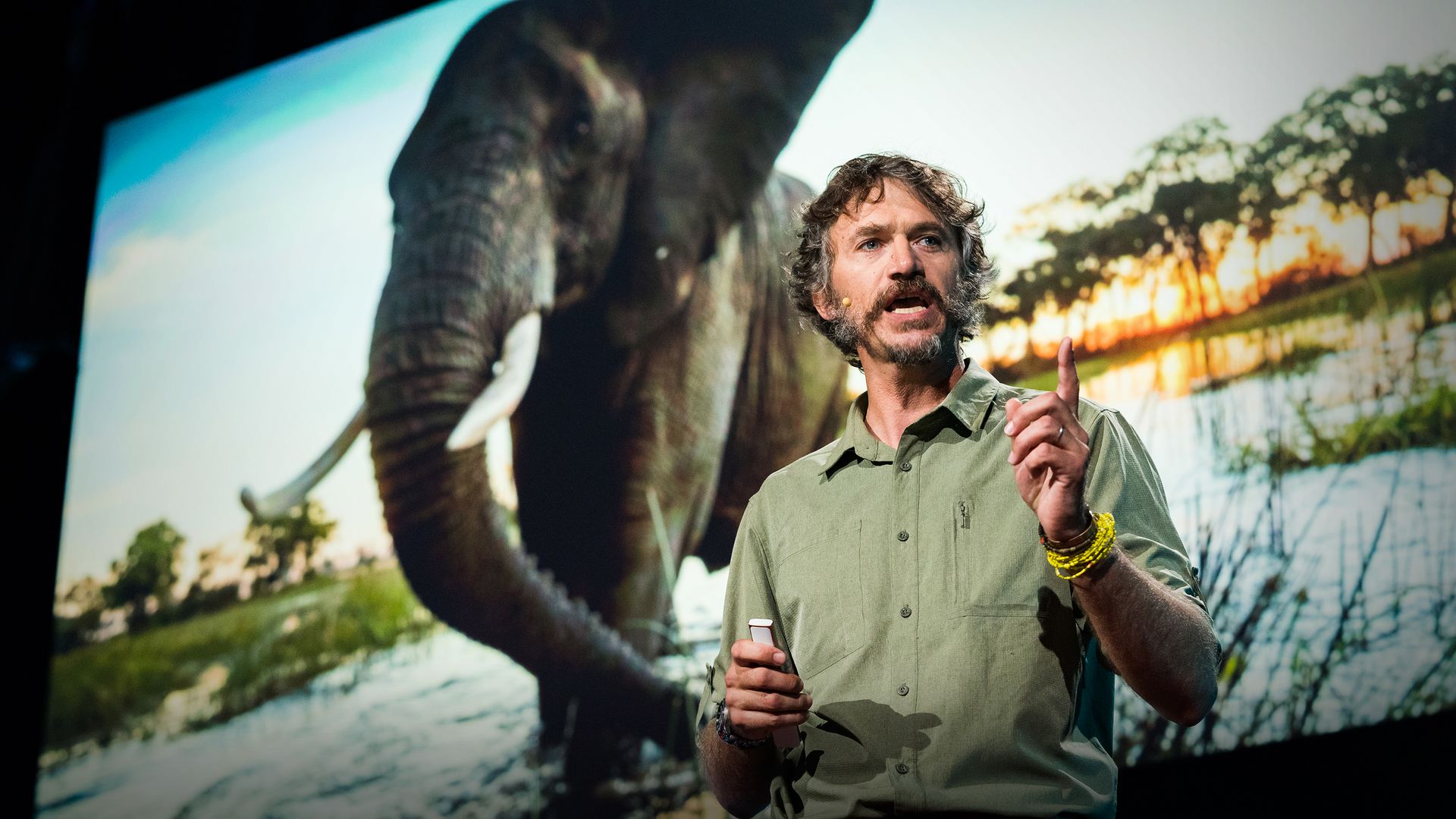
Navigating territorial hippos and active minefields, TED Fellow Steve Boyes and a team of scientists have been traveling through the Okavango Delta, Africa's largest remaining wetland wilderness, to explore and protect this near-pristine habitat against the rising threat of development. In this awe-inspiring talk packed with images, he shares his work doing detailed scientific surveys in the hopes of protecting this enormous, fragile wilderness.

2018

TED Talk

South Africa
Conservation biologist // South African conservation biologist Steve Boyes is the Founder of the Wild Bird Trust. With a passion for wilderness and restoration, he works to protect Botswana’s pristine Okavango Delta from threats upstream. In 2015, Boyes and his team poled and paddled dug-out canoes over 1,500 miles across the Okavango River Basin from source-to-sand in 121 days. This was the first exploration of the remote upper reaches of the Cuito and Cuanavale Rivers. New species. Unknown waterfalls. First contact. The goal. Work with the Angolan government to establish, by far, the largest wildlife reserve in Africa. One of the great conservation opportunities of our generation. We are these last wild places everyone of us. A childhood fascination for wild parrots has Boyes working tirelessly to mitigate all extinction threats to Africa's parrots. He discovered and successfully combatted a devastating outbreak of Psittacine Beak and Feather Disease in wild Cape parrots, Africa’s most endangered parrot. His research motivated a moratorium on the importation of African grey parrots, Africa’s most traded wild bird, into South Africa. He is currently focusing on planting a million indigenous trees and establishing new protected areas. Boyes is a Fellow at the National Geographic Society and a 2016 TED Senior Fellow. // Navigating territorial hippos and active minefields, TED Fellow Steve Boyes and a team of scientists have been traveling through the Okavango Delta, Africa's largest remaining wetland wilderness, to explore and protect this near-pristine habitat against the rising threat of development. In this awe-inspiring talk packed with images, he shares his work doing detailed scientific surveys in the hopes of protecting this enormous, fragile wilderness. // South African conservation biologist Steve Boyes is the Founder of the Wild Bird Trust. With a passion for wilderness and restoration, he works to protect Botswana’s pristine Okavango Delta from threats upstream. In 2015, Boyes and his team poled and paddled dug-out canoes over 1,500 miles across the Okavango River Basin from source-to-sand in 121 days. This was the first exploration of the remote upper reaches of the Cuito and Cuanavale Rivers. New species. Unknown waterfalls. First contact. The goal. Work with the Angolan government to establish, by far, the largest wildlife reserve in Africa. One of the great conservation opportunities of our generation. We are these last wild places everyone of us. A childhood fascination for wild parrots has Boyes working tirelessly to mitigate all extinction threats to Africa's parrots. He discovered and successfully combatted a devastating outbreak of Psittacine Beak and Feather Disease in wild Cape parrots, Africa’s most endangered parrot. His research motivated a moratorium on the importation of African grey parrots, Africa’s most traded wild bird, into South Africa. He is currently focusing on planting a million indigenous trees and establishing new protected areas. Boyes is a Fellow at the National Geographic Society and a 2016 TED Senior Fellow. // Conservation biologist // rivers and lakes, biodiversity, exploring remote wilderness, extinction, moratorium, wilderness, habitat, research, natural protected areas, species, wildlife, wetland, conservation, trees, conservation media, children, biodiversity and conservation, indigenous, biological conservation, restoration, conservation biology, government, ecology, disease // Cape Town|Kommetjie|Western Cape|South Africa
Cape Town|Kommetjie|Western Cape|South Africa

Steve Boyes

No items found.
2018

How Pakistani women are taking the internet back | Nighat Dad

TED Fellow Nighat Dad studies online harassment, especially as it relates to patriarchal cultures like the one in her small village in Pakistan. She tells the story of how she set up Pakistan's first cyber harassment helpline, offering support to women who face serious threats online. "Safe access to the internet is access to knowledge, and knowledge is freedom," she says. "When I fight for a woman's digital rights, I am fighting for equality." Hosted on Acast. See acast.com/privacy for more information.

2018

Podcasts

Pakistan
Harvard Kennedy School; Digital Rights Foundation; Babar Awan Law Company; Oversight Board Administration; Berkman Klein Center - Harvard University; United Nations; University of the Punjab, Lahore; Diplo Foundation; University of the Punjab; Independent
Nighat Dad is a Pakistani lawyer and feminist activist born in 1981 in Lahore. She is the founder of the Digital Rights Foundation, an organization dedicated to defending the rights of Pakistani women on the Internet. Dad's activism has earned her recognition, including being listed as a Next Generation Leader by Time magazine in 2015 and winning the Human Rights Tulip award in 2016. She is also a member of the Facebook Oversight Board since 2020. Dad's journey includes overcoming familial restrictions, pursuing education in law, experiencing domestic violence, and advocating for women's rights online. She co-organized the Aurat March in Lahore in 2019, facing backlash and threats for challenging patriarchal norms in Pakistan. Dad's work focuses on using technology to empower women and protect them from online harassment, with initiatives like a helpline for women in Pakistan. // Digital Rights Foundation is an organization focused on advocating for digital rights, privacy, and freedom of expression, particularly for women, in Pakistan. They work towards creating a safe and free internet environment through policy advocacy, digital security awareness, and protecting individuals from online harassment. The organization conducts various activities such as training sessions with law enforcement agencies, journalists, and human rights defenders on digital security. They also engage in research projects, collaborate with international organizations, and provide resources like a cyber harassment helpline and online safety tools. Additionally, they actively participate in public discussions and campaigns to address issues such as cybercrime legislation and online censorship. // Skilled in Digital Rights, Civil Liberties, Digital Surveillance, Non-Governmental Organizations (NGOs), and Civil Society. Team leader focused on Internet and Society with a legal background. // Nighat Dad is the head honcho at the Digital Rights Foundation. She created the organization in 2012 and there has been no looking back for her since. Nighat has propelled the organization from a tiny operation consisting of just two people to a team of more than a dozen. She is the mastermind behind all of the organization’s current projects and has helped breathe some feminist power into all the work that DRF does. Nighat is Time Magazine’s next generation leader for 2015, and has also won the Atlantic Council Freedom Award along with the prestigious Tulip Award in 2016. // // // Harvard Kennedy School; Digital Rights Foundation; Babar Awan Law Company; Oversight Board Administration; Berkman Klein Center - Harvard University; United Nations; University of the Punjab, Lahore; Diplo Foundation; University of the Punjab; Independent // Nighat Dad is a seasoned professional with a legal background, specializing in Digital Rights, Civil Liberties, Digital Surveillance, and Non-Governmental Organizations (NGOs). As the head of the Digital Rights Foundation, she has demonstrated exceptional leadership skills, transforming the organization from a small team to a robust group of dedicated individuals. Nighat's innovative approach has infused feminist perspectives into the foundation's projects, making significant strides in the realm of Internet and Society. Recognized for her contributions, she has been honored with accolades such as Time Magazine's next generation leader for 2015 and the Atlantic Council Freedom Award. // Bringing global majority voices on the table where decisions around design, deployment and governance of technologies emerging and existing are being made. The impact I am hoping to have is more an action towards bringing equal share of resources, knowledge and governance of Tech when it comes to global south, the tech world where we have power of bargaining. Questions around inequality between global south and north, genuine curiosity where the world of AI will take us from here, where should global south see itself in this fast evolving world of tech and AI. // Nighat Dad is a Pakistani lawyer and feminist activist known for her pioneering work in advocating for digital rights and women's empowerment in Pakistan. As the founder of the Digital Rights Foundation, she has been instrumental in promoting online safety, privacy, and freedom of expression, particularly for women, through initiatives like the cyber harassment helpline. Dad's leadership has led to the organization's growth and impact, with a focus on policy advocacy, digital security awareness, and combating online harassment. She has been recognized internationally for her contributions, including being named a Next Generation Leader by Time magazine and receiving the Human Rights Tulip award. Dad's work embodies a commitment to using technology to advance gender equality and challenge patriarchal norms in the digital space. // Lawyer, human rights activist // TED Fellow Nighat Dad studies online harassment, especially as it relates to patriarchal cultures like the one in her small village in Pakistan. She tells the story of how she set up Pakistan's first cyber harassment helpline, offering support to women who face serious threats online. "Safe access to the internet is access to knowledge, and knowledge is freedom," she says. "When I fight for a woman's digital rights, I am fighting for equality." // Nighat Dad is a Pakistani lawyer and feminist activist known for her pioneering work in advocating for digital rights and women's empowerment in Pakistan. As the founder of the Digital Rights Foundation, she has been instrumental in promoting online safety, privacy, and freedom of expression, particularly for women, through initiatives like the cyber harassment helpline. Dad's leadership has led to the organization's growth and impact, with a focus on policy advocacy, digital security awareness, and combating online harassment. She has been recognized internationally for her contributions, including being named a Next Generation Leader by Time magazine and receiving the Human Rights Tulip award. Dad's work embodies a commitment to using technology to advance gender equality and challenge patriarchal norms in the digital space. // Lawyer, human rights activist // technology, violence, education, job skills training, ai governance, research, activism, human rights, design, rights, women's rights, policy, public policy and advocacy, women, public policy, gender, community development, advocacy, politics, campaigns, emerging tech, artificial intelligence, disaster risk management, governance, law, equality, tech and human rights, communication, risk management, inequality // United Kingdom|London|Pakistan|Punjab|Lahore
United Kingdom|London|Pakistan|Punjab|Lahore

Nighat Dad

No items found.
2018

The link between fishing cats and mangrove forest conservation | Ashwin Naidu

Mangrove forests are crucial to the health of the planet, gobbling up CO2 from the atmosphere and providing a home for a diverse array of species. But these rich habitats are under continual threat from deforestation and industry. In an empowering talk, conservationist and TED Fellow Ashwin Naidu shares how community-driven efforts in South and Southeast Asia are helping to protect mangroves -- all with a little help from the mysterious and endangered fishing cat. Hosted on Acast. See acast.com/privacy for more information.

2023

Podcasts

United States
The University of Arizona; FishCat.org; University of Arizona; Vellore Institute of Technology; National Park Service; TED Conferences
The Fishing Cat Conservancy, led by conservationist Ashwin Naidu, focuses on protecting mangroves and fishing cats in Asia. The organization provides local communities with conservation jobs and alternative livelihoods to combat deforestation caused by fish and shrimp farming. By engaging in activities such as monitoring fishing cats and reforesting mangroves, the conservancy aims to restore this crucial ecosystem and encourage global communities to offset their carbon footprints. // FishCat is an organization focused on conservation, partnering with landowners and conservationists to protect habitats for endangered species. They work to create conservation-based livelihoods, aiming to restore ecosystems and address issues like deforestation and climate change. FishCat has established Nature Reserves in various countries and offers opportunities for individuals to support their work through donations and subscriptions. They also engage in reforestation efforts through unique merchandise campaigns. // Working to protect and restore earth’s most valuable ecosystems 🌳 — more at FishCat.org, and ted.com/speakers/ashwin_naidu // 1. Landscape genetic assessment of mountain lion population structure, individual source identification, and habitat connectivity in the Sonoran and Mojave Desert landscape2. Establishment of a forensic genetic database for mountain lions in Arizona to enable a secure data storage and data sharing template for future research needs 3. Camera-trap surveys and conservation education in South India for endangered and vulnerable wild cats – tiger, fishing cat and rusty-spotted cat // Conservation Expeditions by FishCat.org // Empowering global communities to help solve deforestation, extinction, and climate change 🌏 www.FishCat.org // Chief Everything Officer // Science communication and coordination support to the Desert Landscape Conservation Cooperative (www.desertlcc.org) // Genetic identification of minimum number, sex and diet of mountain lions and bobcats occurring on Kofa National Wildlife Refuge, Arizona: IUCN Cat Specialist Group's Project of the Month - April 2010 (www.catsg.org)Master's Thesis of Ashwin Naidu, School of Natural Resources, University of Arizona(http://www.adbss.org/MS_THESIS_-_ASHWIN_NAIDU_-_DEC__2009.pdf) // Conservation Expeditions by FishCat.org // Chief Everything Officer // Expeditions that support Conservationists who partner with landowners and work to create, restore, and protect Nature Reserves for endangered wildlife across the planet 🐆🌳🌏🐾 // An experimental project to use expeditions for conservation education, research, and actions worldwide. // An ongoing project to expand the use of environmental photojournalism expertise towards awareness on conservation research projects and conservation education worldwide. // The University of Arizona; FishCat.org; University of Arizona; Vellore Institute of Technology; National Park Service; TED Conferences // Ashwin Naidu is a dedicated conservationist and scientist with a focus on protecting and restoring critical ecosystems worldwide. With a background in landscape genetics, Ashwin has conducted assessments of mountain lion populations, established genetic databases for conservation research, and led camera-trap surveys for endangered wild cats. As the Chief Everything Officer at FishCat.org, Ashwin empowers global communities to address deforestation, extinction, and climate change through conservation expeditions and science communication efforts. With a Master's degree in Natural Resources, Ashwin's work includes coordinating with organizations like the Desert Landscape Conservation Cooperative and contributing to projects recognized by the IUCN Cat Specialist Group. Ashwin's passion lies in leveraging expeditions for conservation education, research, and environmental photojournalism to raise awareness and drive action for wildlife protection. // I'm working to grow my nonprofit org (FishCat.org) by leading conservation expeditions, especially in South and Southeast Asia where the fishing cats and mangrove forests are. Anyone/everyone is welcome to join these experiences (take a vacation for wildlife) and help directly support the conservation lodges + local landowners who we are working with to create FishCat Nature Reserves. With each expedition, we're looking to further small-scale ecological restoration (at these Reserves) and create "conservation tourism" as an economic system that can incentivize the protection of larger landscapes. // Ashwin Naidu is a conservationist and scientist dedicated to protecting and restoring critical ecosystems, with a particular focus on mangrove forests and fishing cats in Asia. As the leader of The Fishing Cat Conservancy and FishCat.org, Ashwin works on initiatives that combat deforestation, support local communities with conservation jobs, and engage in reforestation efforts. With a background in landscape genetics, Ashwin has conducted population assessments and established genetic databases for conservation research. Through conservation expeditions and science communication efforts, Ashwin aims to raise awareness about the importance of preserving wildlife and ecosystems, while also promoting conservation-based livelihoods and eco-tourism as sustainable solutions to environmental challenges. // Fishing cat conservationist // Conservationist and co-founder of Fishing Cat Conservancy, a nonprofit dedicated to protecting fishing cats and their endangered mangrove habitat. // While scientists and conservationists are working to save many species, I believe that all global citizens are equally powerful in helping save wildlife and the planet's natural resources. During my Master's and Ph.D. studies in wildlife conservation, I realized that anyone, with or without a degree or qualification, has a license to save the world from extinction. My work focuses on applying interdisciplinary approaches for the conservation of endangered species and their habitats. Inspired by the potential of community-based conservation, I started the Fishing Cat Conservancy in 2014 to help empower local communities to protect the endangered fishing cat and its globally important mangrove habitat in their backyards. // Mangrove forests are crucial to the health of the planet, gobbling up CO2 from the atmosphere and providing a home for a diverse array of species. But these rich habitats are under continual threat from deforestation and industry. In an empowering talk, conservationist and TED Fellow Ashwin Naidu shares how community-driven efforts in South and Southeast Asia are working to protect mangroves -- all with a little help from the mysterious and endangered fishing cat. // Ashwin Naidu is a conservationist and scientist dedicated to protecting and restoring critical ecosystems, with a particular focus on mangrove forests and fishing cats in Asia. As the leader of The Fishing Cat Conservancy and FishCat.org, Ashwin works on initiatives that combat deforestation, support local communities with conservation jobs, and engage in reforestation efforts. With a background in landscape genetics, Ashwin has conducted population assessments and established genetic databases for conservation research. Through conservation expeditions and science communication efforts, Ashwin aims to raise awareness about the importance of preserving wildlife and ecosystems, while also promoting conservation-based livelihoods and eco-tourism as sustainable solutions to environmental challenges. // Fishing cat conservationist // ecology, desert, forest, education, fish, biodiversity, led, mountain lions, geographic information systems, extinction, data, jobs, tourism, habitat, geospatial analysis, research, ecosystem, climate, citizen scientist, farming, environmental education, environmental policy and advocacy, conservation education, policy, natural resources, landscape conservation, community engagement, conservation advocacy, mangroves, monitoring, species, wildlife protection, resource management, livelihoods, wildlife, carbon, deforestation, data analysis, climate change, environmental consciousness, advocacy, shrimp, natural resource management, wildlife conservation, campaigns, conservation, science communication, ecological restoration, nature, community-based conservation, science, remote-sensing, citizen science, wildlife refuge, shrimp farming, biological conservation, data storage, vulnerability, restoration, local communities, tiger, communication, co2, reforestation, fishing, endangered species // USA|India|Tucson|Arizona|United States|Hyderabad
USA|India|Tucson|Arizona|United States|Hyderabad

Ashwin Naidu

No items found.
2023

06:45

The future of the American Dream is green

There is a story missing in the gloom and doom scenarios of climate change. A just transition to clean energy is the largest economic opportunity of this century, with the capacity to spark innovation and employ millions of people in the industries of tomorrow. Shalini Kantayya explores the transformation of a post-industrial city and the future of the American dream.

2019

TED Talk

United States
Filmmaker + activist // Filmmaker Shalini Kantayya finished in the top 10 out of 12,000 filmmakers on Fox’s ON THE LOT, a show by Steven Spielberg in search of Hollywood’s next great director. The mission of her production company, 7th Empire Media, is to create a culture of human rights and a sustainable planet through wildly imaginative media. Her science-fiction film about the world water crisis, a DROP of LIFE, won Best Short at Palm Beach International, a Crystal Dior Nomination at Tokyo Shorts, and was broadcast on national television in India and the U.S. The film was used as a tool to organize for water rights in 40 villages across Africa—making a real-world impact. A William D. Fulbright Scholar, her film Manthan received the award for best documentary at the Asian American Film Festival. Shalini has received recognition from the Sundance Documentary Program, IFP, the Jerome Hill Centennial, John D. and Catherine T. MacArthur Foundation, New York Women in Film and Television, and Media Action Network for Asian Americans. She is a Sundance Fellow, a TED Fellow, and an IATP Food and Society Policy Fellow. She was a finalist for the ABC | DGA Directing Fellowship. Her work has screened at over thirty film festivals internationally. She received an MFA in Film Direction from the City College of New York, and a BA in Media Studies and International Human Rights from Hampshire College. Shalini is currently working on Chasing the Sun, a feature documentary that asks the hard questions of how a clean energy economy may actually be built, through the stories of unemployed American workers seeking to retool at a solar power jobs training program in Richmond, California. // Filmmaker Shalini Kantayya’s, Coded Bias, premiered at the 2020 Sundance Film Festival to critical acclaim. Coded Bias was broadcast nationally on PBS Emmy-award winning series Independent Lens and globally on Netflix in April 2021. The film won a SIMA Award for Best Director, and has been nominated for a Critics’ Choice, a Cinema Eye Honors, and NAACP Image Award, among others. Shalini’s debut feature, Catching the Sun, premiered at the LA Film Festival and was named a NY Times Critics’ Pick. Catching the Sun released globally on Netflix on Earth Day 2016 with Executive Producer Leonardo DiCaprio, and was nominated for the Environmental Media Association Award for Best Documentary. She directed the season finale of the National Geographic television series Breakthrough, Executive Produced by Ron Howard, broadcast globally in June 2017. She has also directed for NOVA and YouTube Originals. Shalini is a TED Fellow, a William J. Fulbright Scholar, and an Associate of the UC Berkeley Graduate School of Journalism. Her current film, TikTok, Boom, premiered at the 2022 Sundance Film Festival, was official selection at SXSW, and anticipates global release later this year. // Filmmaker Shalini Kantayya’s, Coded Bias, premiered at the 2020 Sundance Film Festival to critical acclaim. Coded Bias was broadcast nationally on PBS Emmy-award winning series Independent Lens and globally on Netflix in April 2021. The film won a SIMA Award for Best Director, and has been nominated for a Critics’ Choice, a Cinema Eye Honors, and NAACP Image Award, among others. Shalini’s debut feature, Catching the Sun, premiered at the LA Film Festival and was named a NY Times Critics’ Pick. Catching the Sun released globally on Netflix on Earth Day 2016 with Executive Producer Leonardo DiCaprio, and was nominated for the Environmental Media Association Award for Best Documentary. She directed the season finale of the National Geographic television series Breakthrough, Executive Produced by Ron Howard, broadcast globally in June 2017. She has also directed for NOVA and YouTube Originals. Shalini is a TED Fellow, a William J. Fulbright Scholar, and an Associate of the UC Berkeley Graduate School of Journalism. Her current film, TikTok, Boom, premiered at the 2022 Sundance Film Festival, was official selection at SXSW, and anticipates global release later this year. // Filmmaker + activist // water crisis, water, jobs, job skills training, solar thermal, human rights, rights, energy economy, policy, clean energy, women, heating, power, filmmaking, science-fiction, rural villages, documentary, solar, solar power, workers, documentaries, rural, food, solar water, energy, ecology, food - eating it // New York|United States|Brooklyn|USA
New York|United States|Brooklyn|USA

Shalini Kantayya

No items found.
2019

05:02

How the water you flush becomes the water you drink

In 2003, Singapore's national water agency launched an unprecedented program to provide more than 50% of their nation's water supply by recycling wastewater. The program had been planned for decades to ensure the island nation never ran out of clean water. But is it really safe to reuse anything we flush down the toilet? Francis de los Reyes explains the science of wastewater treatment. [Directed by JodyPrody, The Animation Workshop, narrated by Addison Anderson, music by Salil Bhayani, cAMP Studio].

2023

Other

United States
University of the Philippines; University of Illinois at Urbana-Champaign; Gawad Kalinga USA; North Carolina State University; Philippine Science HS; Gawad Kalinga; University of Illinois Urbana-Champaign; Filipino-American Performing Artists of NC; TED Conferences; Iowa State University
Dr. de los Reyes is a distinguished professor at North Carolina State University with expertise in civil, construction, and environmental engineering. His research focuses on biological processes, environmental biotechnology, and sanitation in developing countries. He has received numerous awards for his work and has collaborated on projects in various countries. His research projects include wastewater treatment, microbial ecology, pit latrine emptying technology, and anaerobic digestion. Additionally, he is involved in international research experiences and initiatives to improve water, sanitation, and hygiene in marginalized communities. // Dr. Francis L. de los Reyes III is the Glenn E. and Phyllis J. Futrell Distinguished Professor of Civil, Construction, and Environmental Engineering, University Faculty Scholar, Associate Faculty of Microbiology, and Training Faculty of Biotechnology at North Carolina State University. He is a TED Fellow and WEF Fellow. He has been teaching and doing research for over 23 years. His research focuses on: (1) fundamental and practical issues in environmental biotechnology, microbial ecology, and environmental engineering; and (2) sanitation in low- and medium-income countries. He has been a consultant for industry, engineering firms, and public utilities on activated sludge operation, solids separation problems, and molecular microbiology techniques. Fellow, Water Environment Federation, 2021 Patents for Humanity Award, US Patent Office, 2020 (for Flexcrevator patent) Corresponding Member, National Academy of Science and Technology of the Philippines, 2020 NC State Academy of Excellence in Global Engagement, 2019 RELX Group Environmental Challenge Award, 2018 NC State Outstanding Teacher Award (Academy of Outstanding Faculty in Teaching), 2018 Steven K. Dentel AEESP Award for Global Outreach, 2017 American Academy of Environmental Engineers) Excellence in Environmental Engineering and Science Honor Award, 2017 (with J. Ducoste and T. Aziz) Water Environment Federation Gordon M. Fair Distinguished Engineering Educator Award, 2015 UPLB Outstanding Alumnus Award, 2015 UP Alumni Association in America Distinguished Alumnus, 2015 NC State Alumni Outstanding Extension Award, 2015 NC State Academy of Outstanding Faculty in Extension and Engagement, 2015 Marist School Outstanding Alumnus Award, 2015 Outstanding Global Engagement Award, 2014 AEESP Service Award, 2013 Transatlantic Partnership in Excellence in Engineering Scholarship, 2013 Koh Lectureship Award in Engineering, Philippine-American Academy of Sciene and Engineering, 2013 Jackson Rigney International Service Award, 2012 Gawad Lagablab Award (Outstanding Alumnus of Philippine Science HS for Environmental Engineering and Biotechnology), 2011 Selected Participant, Frontiers of Engineering, National Academy of Engineering, 2010 Iowa State University Outstanding Young Alumnus Award, 2010 NCSU Earthwise Award, 2010 TED Fellow (2009 TEDIndia) Distinguished Alumnus Award, CEAT, UPLB, 2008 Balik-Scientist Award, Department of Science and Technology, 2008 NSF CAREER Award, 2001-2006 Elected member, Philippine-American Academy of Scientists and Engineers, 2004 // “Gawad Kalinga,” translated in English means to “give care”, is a Philippine-based movement that aims to end poverty by first restoring the dignity of the poor. It employs an integrated and holistic approach to empowerment with values-formation and leadership development at its core. Established in 2003, The Foundation currently works with over 2,000 communities and has been recognized as the 2006 Ramon Magsaysay Awardee & 2012 Skoll Awardee for Social Entrepreneurship. // The Filipino-American Performing Artists of North Carolina (FAPA-NC) is a collaboration of Filipino-Americans in the North Carolina Triangle area who wish to impart to, and share with our generation Filipino culture, history and values through music, dance, literature, drama, visual arts and crafts. // The TED Fellows program is designed to bring together young world-changers and trailblazers who have shown unusual accomplishment and exceptional courage. // “Gawad Kalinga,” translated in English means to “give care”, is a Philippine-based movement that aims to end poverty by first restoring the dignity of the poor. It employs an integrated and holistic approach to empowerment with values-formation and leadership development at its core. Established in 2003, The Foundation currently works with over 2,000 communities and has been recognized as the 2006 Ramon Magsaysay Awardee & 2012 Skoll Awardee for Social Entrepreneurship. // The Filipino-American Performing Artists of North Carolina (FAPA-NC) is a collaboration of Filipino-Americans in the North Carolina Triangle area who wish to impart to, and share with our generation Filipino culture, history and values through music, dance, literature, drama, visual arts and crafts. // University of the Philippines; University of Illinois at Urbana-Champaign; Gawad Kalinga USA; North Carolina State University; Philippine Science HS; Gawad Kalinga; University of Illinois Urbana-Champaign; Filipino-American Performing Artists of NC; TED Conferences; Iowa State University // Dr. Francis L. de los Reyes III is a distinguished professor at North Carolina State University with over 23 years of experience in teaching and research. His expertise lies in environmental biotechnology, microbial ecology, and environmental engineering, with a particular focus on sanitation in low- and medium-income countries. Dr. de los Reyes has received numerous accolades for his contributions to the field, including being a TED Fellow and a Water Environment Federation Fellow. He has also been recognized for his outstanding teaching and global engagement efforts. Additionally, he has served as a consultant for various industry sectors, engineering firms, and public utilities, providing expertise in areas such as activated sludge operation and molecular microbiology techniques. // Providing safe and sustainable sanitation services to all. Technologies and solutions for environmental problems in wastes and wastewater. Uplifting the bottom 5 M families in the Philippines. // Dr. Francis de los Reyes III is a distinguished professor at North Carolina State University, specializing in civil, construction, and environmental engineering. With a focus on biological processes and environmental biotechnology, his research delves into sanitation issues in developing nations. Dr. de los Reyes has garnered recognition through numerous awards and collaborations on global projects. His expertise spans wastewater treatment, microbial ecology, pit latrine technology, and anaerobic digestion. Engaged in international research endeavors, he actively contributes to initiatives enhancing water, sanitation, and hygiene in underserved communities, embodying a commitment to advancing sustainable solutions for environmental challenges worldwide. // Environmental engineer + sanitation activist // Dr. Francis L. de los Reyes III is a Professor of Civil, Construction, and Environmental Engineering, Associate Faculty of Microbiology, and Training Faculty of Biotechnology at North Carolina State University. His research focuses on biological processes and combines modeling, bioreactor experiments, and molecular microbial ecology tools in addressing fundamental and practical issues in environmental biotechnology and environmental engineering. An important area of his research and teaching is water and sanitation in developing countries. <p> He has been awarded Outstanding Alumnus Awards from Iowa State University (2010), the University of the Philippines-Los Banos (2008), and Philippine Science High School (Gawad Lagablab Award, 2011). He is a 2008 DOST Balik-Scientist awardee, and is an Adjunct Professor at UP Los Banos, where he serves on MS and PhD thesis and dissertation committees, and conducts research with UPLB scientists. He has received the US National Science Foundation CAREER Award (‘the highest science award given to young faculty’) in 2001 for his research and education efforts, the NCSU Earthwise Award in 2010, the Kimley-Horn Faculty Award in 2003 for outstanding research, the ASCE Editor’s Award for contributions to the Journal of Environmental Engineering, and various US national awards for best research. His students have won state (NC AWWA/WEA), national (WEF) and international (IWA) awards for research presentations and posters. <p> Current and past research projects (funding of ~ $4.5 M in last 10 years) include: quantitative microbial risk assessment of graywater reuse (WRRI), molecular analysis and modeling of the competition between filaments and floc-formers in activated sludge (NSF), analysis of the ecophysiology of nitrifiers and denitrifiers in microbial floc (NSF), optimization of a swine waste treatment system for nitrogen removal (US Department of Agriculture), analysis of the fate of bioagents in landfills (EPA), microbial characterization of landfills (Waste Management, Inc.), molecular techniques for groundwater remedation sites (US DOE/DOD), investigation of foam control methods (Hazen and Sawyer), development of probes for environmentally versatile Bacillus strains (Novozymes Biochemicals, Inc.), improvement of sludge dewatering (NC WRRI), microbial ecology of grease interceptors (CSPA) and the system-wide optimization of wastewater treatment plants using genetic algorithms. <p> He is the author/co-author of 40 book chapters and journal papers, 102 conference papers/presentations, and has given 54 invited talks. He has been a consultant for industry, engineering firms, and public utilities on activated sludge operation, solids separation problems, and molecular microbiology techniques in the Philippines, India, China, and Montenegro. He has also mentored an Engineers Without Borders group that developed a sanitation system for a village in Peru. He served on the Editorial Board of the journal Water Research and is currently on the Editorial Board of ASCE Journal of Environmental Engineering, and Philippine Science Letters. He is a Board Member of the Philippine American Academy of Scientists and Engineers. <p> Dr. de los Reyes received his BS in Agricultural Engineering (magna cum laude) from the University of the Philippines-Los Banos in 1990, MS in Civil Engineering from Iowa State University in 1994, and PhD in Environmental Engineering from the University of Illinois at Urbana-Champaign in 2000. He is married to Josephine Caballes-de los Reyes, and has three children- Mithi Alexa, Miguel Bayan, and Mireya Kathryn. He is the Raleigh-Durham Coordinator of Gawad Kalinga USA (since 2005). The North Carolina GK branch has raised funds for 3 GK villages (90 homes) in Quirino, Naga, and Masbate, and has supported GK’s efforts to sustain these and other villages. He is also involved in Green Kalinga (GK’s environmental arm) and has helped in education and training of GK volunteers. He is Founding Vice-President and has been a Board Member of the Filipino-American Performing Artists of North Carolina (FAPA-NC) since 2001. FAPA aims to teach Filipino-American youth the culture of the Philippines through dances, music, and art. // Francis is an environmental engineer, a professor of Environmental Engineering, Microbiology, and Biotechnology at NC State University, a teacher and researcher, a University Faculty Scholar, and a coordinator for a non-profit organization helping to lift developing countries out of poverty. His research and teaching focuses on wastewater treatment, engineering and microbiology of contaminant removal from solid and liquid wastes, molecular microbial ecology, and water and sanitation for developing countries. Francis obtained a BS in Agricultural Engineering from the University of the Philippines-Los Banos, a MS in Civil Engineering from Iowa State University, and a PhD in Environmental Engineering from the University of Illinois. He has received national and international awards for research, including the NSF CAREER Award (“the highest science award given to young faculty) and a Distinguished Alumnus Award from UPLB. He has worked with government agencies, municipalities, universities, and companies in the US, China, Montenegro, the Philippines, Belgium, South Africa, India, and Malawi as consultant or visiting scientist. As the NC Triangle Area Coordinator of Gawad Kalinga, a non-profit movement with the aim of transforming slums in developing countries to colorful villages, he has coordinated efforts to establish 3 villages in the Philippines, helping to rebuild the lives of 90 families. He is a marathoner and enjoys Taekwondo. // Warning: This talk might contain much more than you'd ever want to know about the way the world poops. But as sanitation activist (and TED Fellow) Francis de los Reyes asks — doesn't everyone deserve a safe place to go? // Dr. Francis de los Reyes III is a distinguished professor at North Carolina State University, specializing in civil, construction, and environmental engineering. With a focus on biological processes and environmental biotechnology, his research delves into sanitation issues in developing nations. Dr. de los Reyes has garnered recognition through numerous awards and collaborations on global projects. His expertise spans wastewater treatment, microbial ecology, pit latrine technology, and anaerobic digestion. Engaged in international research endeavors, he actively contributes to initiatives enhancing water, sanitation, and hygiene in underserved communities, embodying a commitment to advancing sustainable solutions for environmental challenges worldwide. // Environmental engineer + sanitation activist // technology, renewable, water, reuse, developing countries, agriculture, microbes, public utilities, drinking water sources, construction, rural villages, biotech, environmental consciousness, environmental impact, rural, empowerment, microbiology, energy, sanitation, entrepreneurship, compliance, global water and sanitation, water sanitation, waste management, geospatial analysis, research, climate, water resources, groundwater, youth, advocacy, teachers, energy policy, watershed, rain water, industrial, soil, environmental engineering, education, environmental accountability, drinking water, water quality, stormwater management, hydrology, activism, environmental education, environmental policy and advocacy, sustainable development , wetland, plants, wastewater treatment, risk assessment, extreme weather, wastewater, drinking water quality, science, poverty, nitrogen, watershed management, stormwater, capacity building, microbial ecology, waste to resources and energy, swine, anaerobic digestion, industrial water treatment, job skills training, marginalized communities, water management, volunteerism, policy, environmental management, science in developing countries, utilities, waste, bioreactor, marginalized, environmental, renewable energy, air quality, education and training, accountability, government, slum, ecology // USA|Raleigh|United States|North Carolina|Manila|Philippines
USA|Raleigh|United States|North Carolina|Manila|Philippines

Francis De Los Reyes

No items found.
2023

How we use astrophysics to study earthbound problems | Federica Bianco

To study a system as complex as the entire universe, astrophysicists need to be experts at extracting simple solutions from large data sets. What else could they do with this expertise? In an interdisciplinary talk, TED Fellow and astrophysicist Federica Bianco explains how she uses astrophysical data analysis to solve urban and social problems -- as well as stellar mysteries. Hosted on Acast. See acast.com/privacy for more information.

2023

Podcasts

United States
Urban astrophysicist // Astrophysicist using an interdisciplinary approach to study stellar explosions and help build resilient cities by applying astronomical data processing techniques to urban science. // Dr. Bianco is a Professor at the University of Delaware in the Physics and Astronomy Department, Biden School of Public Policy and Administration, and Data Science Institute. She built her unusual career by letting her passions and her desire to learn new things guide her: trained as an astrophysicist, she splits her time between unveiling the secret of the Universe, finding new ways to improve quality of life in cities, and fighting in the ring. As an astrophysics she studies astronomical transients, things that change in the night sky, from solar system objects passing in front of background stars to explosions at the edge of the known Universe. As the Coordinator of the Large Synoptic Survey Telescope Science Collaborations she is creating a network of over 1500 scientists as they prepare to study the night skies through the largest, most complex astrophysical dataset to date. The telescope will come online in 2023 and it will observe the whole southern sky every few days from the mountains of Chile, to unprecedented depths and spatial resolution. The sky that to our naked eye looks like a static painted celestial volt is the site of continuous, tumultuous, dramatic changes which a telescope as powerful as this can reveal. Dr. Bianco will focus on understanding the nature of the millions of things that change every night in the night sky. The potential for discovery is transformational! When Dr. Bianco turns her instruments to study urban environments she works on developing new ways to predict energy needs and measure pollution that are accessible to all economies, not just the richest countries, and uses her data skills to improve the prosecutorial justice system. Outside of academia, Dr. Bianco is known as the Madscientist; she is a professional boxer in the bantamweight class, with a record of 4-1, 2KOs (not bad for a geek!). // To study a system as complex as the entire universe, astrophysicists need to be experts at extracting simple solutions from large data sets. What else could they do with this expertise? In an interdisciplinary talk, TED Fellow and astrophysicist Federica Bianco explains how she uses astrophysical data analysis to solve urban and social problems -- as well as stellar mysteries. // Dr. Bianco is a Professor at the University of Delaware in the Physics and Astronomy Department, Biden School of Public Policy and Administration, and Data Science Institute. She built her unusual career by letting her passions and her desire to learn new things guide her: trained as an astrophysicist, she splits her time between unveiling the secret of the Universe, finding new ways to improve quality of life in cities, and fighting in the ring. As an astrophysics she studies astronomical transients, things that change in the night sky, from solar system objects passing in front of background stars to explosions at the edge of the known Universe. As the Coordinator of the Large Synoptic Survey Telescope Science Collaborations she is creating a network of over 1500 scientists as they prepare to study the night skies through the largest, most complex astrophysical dataset to date. The telescope will come online in 2023 and it will observe the whole southern sky every few days from the mountains of Chile, to unprecedented depths and spatial resolution. The sky that to our naked eye looks like a static painted celestial volt is the site of continuous, tumultuous, dramatic changes which a telescope as powerful as this can reveal. Dr. Bianco will focus on understanding the nature of the millions of things that change every night in the night sky. The potential for discovery is transformational! When Dr. Bianco turns her instruments to study urban environments she works on developing new ways to predict energy needs and measure pollution that are accessible to all economies, not just the richest countries, and uses her data skills to improve the prosecutorial justice system. Outside of academia, Dr. Bianco is known as the Madscientist; she is a professional boxer in the bantamweight class, with a record of 4-1, 2KOs (not bad for a geek!). // Urban astrophysicist // public policy, pollution, resilience, nature, data analysis, boxing, science, data science, policy, cities, data, solar, astrophysics, justice, urban, mountains, urban science // Delaware|United States|USA
Delaware|United States|USA

federica Bianco

No items found.
2023

05:55

The best computer interface? Maybe ... your hands

"The computer is an incredibly powerful means of creative expression," says designer and TED Fellow James Patten. But right now, we interact with computers, mainly, by typing and tapping. In this nifty talk and demo, Patten imagines a more visceral, physical way to bring your thoughts and ideas to life in the digital world, taking the computer interface off the screen and putting it into your hands.

2014

TED Talk

United States
Inventor // James Patten is an interaction designer, inventor and visual artist working at the intersection of the physical and digital worlds. Patten is a TED fellow and the founder and principal of the design firm Patten Studio, where his clients have included Barneys New York, General Electric, Steelcase and Autodesk. Patten earned his doctorate at the MIT Media Lab where he studied in the Tangible Media Group under Hiroshi Ishii. His work has been exhibited or performed in venues such as the Museum of Modern Art, the Transmediale festival in Berlin, the Museo Guggenheim Bilbao and the Ars Electronica Center in Linz, Austria. Patten's work has been recognized in several international design competitions including the International Design Magazine's Annual Design Review, and the International Design Excellence Awards. // James Patten is an interaction designer, inventor and visual artist working at the intersection of the physical and digital worlds. Patten is a TED fellow and the founder and principal of the design and engineering firm Patten Studio, where he creates new interactive experiences to help people connect with brands, places and each other. // "The computer is an incredibly powerful means of creative expression," says designer and TED Fellow James Patten. But right now, we interact with computers, mainly, by typing and tapping. In this nifty talk and demo, Patten imagines a more visceral, physical way to bring your thoughts and ideas to life in the digital world, taking the computer interface off the screen and putting it into your hands. // James Patten is an interaction designer, inventor and visual artist working at the intersection of the physical and digital worlds. Patten is a TED fellow and the founder and principal of the design and engineering firm Patten Studio, where he creates new interactive experiences to help people connect with brands, places and each other. // Inventor // software development, graphic design, electric, interaction design, design, electrical engineering, software // New York|United States|Brooklyn|USA
New York|United States|Brooklyn|USA

James Patten

No items found.
2014

05:44

Can the metaverse bring us closer to wildlife?

Technologist and TED Fellow Gautam Shah invites us to imagine how the metaverse could redefine the relationships between humans and other species. By giving individual wild animals a personal identity (such as Fio, a young orangutan in Borneo, or Mweituria, an elephant living in Kenya) and sharing data on their migration, milestones and habitats, Shah thinks we could empathize with wildlife in a whole new way. Learn more about how emerging technology could bring us closer to the natural world -- and what the connections we build there could mean for the future of the planet.

2022

TED Talk

Kenya
Internet of Elephants is an organization dedicated to rekindling relationships between people and wildlife and transforming conservation support. They utilize real scientific data on individual animals to create engaging digital experiences, such as games and gamified data visualizations. Through partnerships with various institutions like the Monterey Bay Aquarium Research Institute, they aim to involve the public in wildlife conservation efforts. Their focus on leveraging technology, storytelling, and play to inspire the protection of wildlife sets them apart in the conservation space. // I am trying to change the way the public engages with wildlife and conservation by using digital tools such as games to deliver planetary stories. Through creating a bottom-up, citizen-driven movement for the environment, we hope to influence the way people buy, vote, and donate for a healthier planet. // Gautam Shah is the founder of Internet of Elephants, an organization at the forefront of transforming conservation support by rekindling connections between people and wildlife. Through innovative use of real scientific data on individual animals, they develop engaging digital experiences like games and gamified data visualizations. By collaborating with esteemed institutions such as the Monterey Bay Aquarium Research Institute, Internet of Elephants aims to actively involve the public in wildlife conservation efforts. Gautam's focus on utilizing technology, storytelling, and play to inspire wildlife protection represents a unique approach in the conservation field, with a vision to drive positive change in how society interacts with and supports environmental causes. // Games conservationist // Gautam is the founder of Internet of Elephants, a social enterprise with a mission to change the way the world engages with wildlife and its conservation. He got to this place by combining a long career in IT consulting, mostly at Accenture, where he led large systems delivery projects, with a deep love for animals and a passion for wildlife. Gautam never intended to be an entrepreneur, but now he's in charge of a company that makes playful games and mesmerizing digital experiences about wildlife and gets them to the world in creative ways. Leading a team to catalyze a whole new approach to telling wildlife stories is the only job he will ever want. Gautam believes that games and digital experiences can and should make a huge difference in wildlife conservation his objective is to speed up that reality and do it right. He is always happy to chat with other individuals or organizations in the conservation, game, media, or corporate world that are interested in wildlife, whether its to think about a potential great collaboration, or just to geek out on gibbons and leafy sea dragons. Gautam is a National Geographic Fellow and when the magazine did a full page feature on him, his parents finally understood why he decided to do what he did. His company, Internet of Elephants, was selected as a Fast Company Most Innovative Company in 2018 and has been featured in CNN, BBC, TechCrunch and even GQ and Runners World of all places. He lives in Nanyuki, Kenya with his wife and daughter. // Technologist and TED Fellow Gautam Shah invites us to imagine how the metaverse could redefine the relationships between humans and other species. By giving individual wild animals a personal identity (such as Fio, a young orangutan in Borneo, or Mweituria, an elephant living in Kenya) and sharing data on their migration, milestones and habitats, Shah thinks we could empathize with wildlife in a whole new way. Learn more about how emerging technology could bring us closer to the natural world -- and what the connections we build there could mean for the future of the planet. // Gautam Shah is the founder of Internet of Elephants, an organization at the forefront of transforming conservation support by rekindling connections between people and wildlife. Through innovative use of real scientific data on individual animals, they develop engaging digital experiences like games and gamified data visualizations. By collaborating with esteemed institutions such as the Monterey Bay Aquarium Research Institute, Internet of Elephants aims to actively involve the public in wildlife conservation efforts. Gautam's focus on utilizing technology, storytelling, and play to inspire wildlife protection represents a unique approach in the conservation field, with a vision to drive positive change in how society interacts with and supports environmental causes. // Games conservationist // technology, architecture, led, storytelling, data, digital entertainment, research, design, tech for wildlife, public engagement, species, wildlife protection, orangutans, emerging technology, migration, wildlife, data visualization, data science, elephant, wildlife conservation, conservation, software development, science, game design, environmental conservation, software // Nanyuki|Kenya|Laikipia County
Nanyuki|Kenya|Laikipia County

Gautam Shah

No items found.
2022

04:48

3 stories of Pakistani resilience, told in film

TED Fellow Jawad Sharif was born with a rebellious streak -- and he's used it in his documentary films to amplify the unheard voices of Pakistan. Sharing three stories of everyday heroes -- a high-altitude mountaineer, a folk musician of a bygone instrument and the country's first transgender doctor -- Sharif shows how documentaries can be a space for both creation and defiance.

2023

TED Talk

Pakistan
University of California, Los Angeles; Allama Iqbal Open University; Caipirinha Productions, USA; interLink Media Solutions; Pakistan Television Corporation Limited; Bipolar Films; Walkabout Films; Xdynamix Media Enterprises; Lights Asia; National Insitute of Cultural Studies; Freelance; Jawad Sharif Films
Jawad Sharif Films is an award-winning film production company based in Pakistan, founded by filmmaker Jawad Sharif. Specializing in themes of social change and human rights, the company focuses on reviving suppressed cultural and indigenous identities through visual storytelling. Jawad has directed and produced several acclaimed films, including "Indus Blues," "Natari," and "The Losing Side," which have received international recognition and awards. Additionally, Jawad is involved in initiatives such as Climate Kahani and Cinema for Change, using filmmaking to inspire social change and climate justice. The company offers full-service film and video production solutions, creating documentaries, commercials, campaigns, and short films for various clients and platforms. Through their work, they aim to raise awareness about important issues such as climate change and marginalized communities, while also exploring diverse narratives and supporting artists in Pakistan. // YouTube, operated by Google LLC, offers a platform where users can discover, watch, and share videos and other content. The service allows for global connections, content creation, and advertising opportunities. Users can access a variety of features, including YouTube Kids and the YouTube Partner Program. The platform collects information to personalize services, provide relevant content, and improve user experience. Users can manage privacy settings, control data shared for ads, and access tools like Privacy Checkup. YouTube offers resources like Help Center, Community Help Forum, and Current Site Issues page for support. Additionally, users can report abuse, security issues, copyright infringements, and inappropriate content. Developers can explore APIs, and businesses can advertise on YouTube. For inquiries, users can contact YouTube at their San Bruno address or online through various channels provided. // Jawad Sharif is an award-winning filmmaker and National Geographic Explorer, who has come into prominence for exploring the often-ignored social subjects. His work focuses on the interface between the dominant culture and the real impact on people, society and the environment. Jawad is a Ted Fellow and an alumnus of the the UCLA, Swedish Institute and Institut Fur Auslandsbeziehunge, Germany. He is the Festival Director of Asia Peace Film Festival and jury member of the Jaipur Library Academy Awards. Jawad is also a founding member of Climate Kahani & Cinema For Change.    He has worked on a number of socially and culturally sensitive film projects involving the themes of human rights and social injustice besides arts and culture. His feature films include Indus Blues, The Losing Side, K-2 and the Invisible Footmen, The Color of Smog, Natari, and Beyond the Heights. His recent film “The Losing Side” has won the best “Human Rights Award” at the Cannes World Film festival. “Indus Blues” has won the Grand Jury Prize at GIFF and has been nominated in several other international film festivals including CPH-DOX, Copenhagen. His films have been screened in over a hundred festivals worldwide and won awards. // A great story can change lives, change laws, and can even change the world. Whether it is a documentary, digital campaign, commercial or narrative film, the passionate team at Jawad Sharif Films is breaking stereotypes through ideas and films and challenges itself to discover unexplored nuances in human stories. // Pakistani folk artists talk about their struggle to keep a fading art form alive while reminding the world what they are about to lose. In Pakistan, a country riddled with political turmoil, economic challenges, and social identity crisis, folk musicians and instrument craftsmen find it hard to survive and sustain their art. Filmmaker Jawad Sharif takes us on a journey from the Karakoram Mountains to the coastline of the Arabian Sea, capturing the little known ethnic, linguistic, and musical diversity and humanism of the cultures of the Indus. We hear accounts of the struggle of the featured artists with terrorism, economic difficulties, and social issues surrounding music and dance. Each one of them affecting their survival. Indus Blues is a film unlike any other because not only does it showcase the unique performances of these rarely seen musical instruments but also take the audience on a trip across the landscape of Pakistan. In many cases, these performances feature the last remaining maestros playing their respective instruments. Indus Blues is an exploration of this age-old musical tradition and its state in the modern world. // Beyond the Heights is a documentary film Based on true story of the first Pakistani & youngest female mountaineer to climb the Mount Everest. Overcoming the towers of hardships, a fragile woman belonging to a small village, named Shimshal, in Hunza valley touched new horizons with her will power and motivation.Director & Cinematographer: Jawad SharifBipolar Films in Association with Karakorum Expeditions Presents // K2 AND THE INVISIBLE FOOTMEN documents the unsung efforts of the indigenous porters who have long facilitated the ascent of K2, Earth's second-highest mountain. Shot in Pakistan over the summer of 2014 – marking the 60th anniversary of the mountain's first ascent. // • Responsible for overseeing creative aspects of a Film under the overall control of the film producer/company.• Develops the vision for a film and carry out the vision• Responsible for turning the script into a sequence of shots. // Creative Director & Cinematographer... ! // A symbolic music video about education in backdrop of Peshawar Army Public School incident 16/12. https://vimeo.com/139240294 // Experimental Documentary Film on Suicide Terrorism...!https://vimeo.com/49259422 // During her research for a comparative analysis between orphanages and foster-care homes, Adeel met children living in the most abysmal conditions. She befriended many of them and was deeply moved when she found that most of them, when asked to write a letter to someone they missed the most, addressed their letters to God...!https://vimeo.com/86835425 // How does life go on after a loved one is taken away due to bomb blasts? How does the family find strength to move on? Can they ever truly move on? https://vimeo.com/87349552 // TV series Al-Atash is a contemporary story about sacrifice and peaceful resistance against fierce, evil and cruel forces.http://vimeo.com/48831899 // Having Bipolar myself, I can only begin to understand how these people feel...!Manic Depression's touching my soul,I know what I want,but I just don't know how to go about getting it.Feeling, sweet feelingdrops from my finger, fingersManic Depression's captured my soul.http://vimeo.com/49263095 // Molding a plain hard matter in a form that makes it distinguished and different from the rest is a real arduous task. Bibi Amna is mastering this art and mastering very artistically. Bibi Amna is the first woman carpenter in Hunza who is not only reshaping wooden pieces, but also her future. In a society where women are looked upto as weaker gender whose first and only preference should be to make her house; Bibi Amna is pursuing a career that demands strength and courage and is working on building elements and structures.https://vimeo.com/52759689 // This short experimental film is a visual depiction of the famous urdu poem "Hassan Kozagar" based upon insufficient love story of a "Kozagar"; A Potter. His love for his beloved was so extreme and are in compassion that the world ceased to lost for him. The only thing that matters was his unrequited love. "Jahanzad, down in the street before your door Here I am, burnt-out Hasan the Potter This morning in the bazaar when I saw you At old Yusuf the perfumer’s shop In your glance was that brilliance I’ve longed for, wandering nine years in madness During that time I never looked back At my ailing pots - Pots formed by my deft hands, Lifeless creatures of clay, color, oilglaze They whispered: “Where is Hasan the Potter now? He left us, his own creations He created us, then turned away like the gods!” // Experimental Documentary Film on 100 Years of Woman's Movement...! // When Swat was covered with the darkness of clouds of terrorism, Malala Yousafzai then a student of class 8 stood up against these terrorists to bring peace in the region. Malala Yousafzai’s vision towards life changed drastically during the three years of war of terrorism and counter insurgency. Radicals and fanatics made life difficult for every person living in the valley of Swat, schools were closed down and education was banned for girls. It was during this phase that Malala realized the importance of peace and education and resultantly she retaliated. They say that the pen is mightier than sword and Malala Yousafzai proves that change is not dependent on age, rationality or logic; all it need is honesty, freedom, passion and real desire.http://vimeo.com/51322002 // What is Measles? A public service ad on classroom concept. Measles is an extremely infectious disease caused by the rubeola virus. Over 200 million people have been killed by measles over the last 150 years. // Conceived to illustrate the devastating effects of terrorism on the couple who have lost their daughter. http://vimeo.com/44962453 // This short documentary takes us on the journey of a young Pakistani motorcyclist, Moin Khan, who has combined his passion for motorcycling with the love for his country. His journey, however, was not easy and Khan had to face many difficulties and hardships. He had a lot of accidents, some nearly fatal. The first accident took place near Munich, Germany, while a second took place in Romania. He broke several bones in the second accident. However, what was much more devastating for him was that his motorcycle was destroyed.https://vimeo.com/82136277 // This is a true story of the first Pakistani female mountaineer who climb the Mount Everest. Overcoming the towers of hardships, taking one step after another with determination, a fragile woman belonging to a small village, named Shimshal, in Hunza valley touched new horizons with her will power and motivation. “If a girl can climb a mountain, there is nothing that she can’t do”.http://vimeo.com/50313520 // Mohammed Rehbar is a teacher and a librarian in Hunza valley with an insatiable thirst for words. His love for learning made him collect old newspaper clips when he couldn’t afford the luxury of books. Apart from serving as a school teacher for 34 years, Rehbar is also responsible for setting up the first library in the area, and is considered as an institution by the residents of the area. // University of California, Los Angeles; Allama Iqbal Open University; Caipirinha Productions, USA; interLink Media Solutions; Pakistan Television Corporation Limited; Bipolar Films; Walkabout Films; Xdynamix Media Enterprises; Lights Asia; National Insitute of Cultural Studies; Freelance; Jawad Sharif Films // Jawad Sharif is an accomplished filmmaker and National Geographic Explorer known for his work in shedding light on social issues often overlooked by mainstream media. With a focus on the intersection of culture, society, and the environment, Jawad's films delve into themes of human rights, social injustice, arts, and culture. He is a Ted Fellow and has garnered recognition for his work, including awards at prestigious film festivals. As the Festival Director of Asia Peace Film Festival and a jury member of the Jaipur Library Academy Awards, Jawad is deeply involved in promoting impactful storytelling through cinema. His projects, such as "Indus Blues," "The Losing Side," and "K-2 and the Invisible Footmen," have been screened globally, showcasing diverse human stories and cultural nuances. // My work is aimed at most directly impacting the lives of vulnerable communities in Pakistan, affected by climate change, extremism, and oppression in society. My projects are a reflection of my own emotions. I try to stay honest with myself and only work on subjects which move me emotionally. The themes explored in my projects resonate with the lived experiences, challenges, and aspirations of the local communities. By addressing topics that are pertinent to my society, I aim to create a meaningful dialogue that directly impacts the community's well-being and fosters positive change. The exploration of cultural heritage and identity is a recurring theme in my projects. By showcasing the richness of local traditions, customs, and indigenous knowledge, I contribute to preserving and celebrating the unique identity of the community. Given the pressing environmental challenges in the local context, my projects often delve into the impact of climate change and environmental degradation on communities. By documenting the local consequences and emphasizing the interconnectedness of environmental issues with daily life, my work aims to raise awareness and advocate for sustainable practices. In essence, my art reflects the sociopolitical dynamics of the local milieu. By tackling current subjects and connecting with the community through many channels, I hope to produce meaningful narratives that resonate with the audience, encourage conversation, and contribute to constructive social and political change in the community. // Jawad Sharif is a filmmaker and founder of Jawad Sharif Films, a production company dedicated to creating impactful visual stories that shed light on social issues and marginalized communities in Pakistan. His work focuses on themes of social change, human rights, cultural preservation, and environmental justice. Through acclaimed films like "Indus Blues," "Natari," and "The Losing Side," Jawad has received international recognition and awards for his compelling storytelling. He is actively involved in initiatives such as Climate Kahani and Cinema for Change, using filmmaking as a tool to inspire positive societal transformations. By authentically portraying the emotions and experiences of local communities, Jawad aims to foster meaningful dialogue, raise awareness about pressing issues like climate change, and advocate for sustainable practices. // Documentary filmmaker // Jawad Sharif is an award-winning filmmaker who has come into prominence for exploring the often-ignored social subjects. His work focuses on the interface between the dominant culture and the real impact on people, society and the environment. Jawad is an alumnus of the the UCLA, Swedish Institute and Institut Fur Auslandsbeziehunge, Germany. Jawad is also the Festival Director of Asia Peace Film Festival and jury member of the Jaipur Library Academy Awards, India. He has worked on a number of socially and culturally sensitive film projects involving the themes of human rights and social injustice besides arts and culture. His feature film, “Indus Blues” has won the Grand Jury Prize at GIFF and has been nominated in several other international film festivals. He has also won several awards for his film, “K2 & the Invisible Footmen,” which has been screened in film festivals around the world. // TED Fellow Jawad Sharif was born with a rebellious streak -- and he's used it in his documentary films to amplify the unheard voices of Pakistan. Sharing three stories of everyday heroes -- a high-altitude mountaineer, a folk musician of a bygone instrument and the country's first transgender doctor -- Sharif shows how documentaries can be a space for both creation and defiance. // Jawad Sharif is a filmmaker and founder of Jawad Sharif Films, a production company dedicated to creating impactful visual stories that shed light on social issues and marginalized communities in Pakistan. His work focuses on themes of social change, human rights, cultural preservation, and environmental justice. Through acclaimed films like "Indus Blues," "Natari," and "The Losing Side," Jawad has received international recognition and awards for his compelling storytelling. He is actively involved in initiatives such as Climate Kahani and Cinema for Change, using filmmaking as a tool to inspire positive societal transformations. By authentically portraying the emotions and experiences of local communities, Jawad aims to foster meaningful dialogue, raise awareness about pressing issues like climate change, and advocate for sustainable practices. // Documentary filmmaker // climate justice, culture, education, coastal, data, filmmaker, infectious disease, marginalized communities, research, communities, activism, indigenous knowledge, climate, human rights, rights, environmental policy and advocacy, policy, advocacy campaigns, motorcycle, war, women, marginalized, gender, youth, advocacy, environment, documentary, teachers, disease, campaigns, smog, children, documentaries, girls, indigenous, vulnerability, equality, folk, local communities, films, justice, mountains // Islamabad Capital Territory|Pakistan|Islamabad
Islamabad Capital Territory|Pakistan|Islamabad

Jawad Sharif

No items found.
2023

Why smell matters more than you think | Paule Joseph

TED Fellow and chemosensory researcher Paule Joseph unveils the hidden power of a sense that's too often overlooked: smell. She delves into the science behind smell — from how it evokes memory and emotion to its potential for early disease detection — and advocates for the creation of a baseline test for taste and smell that could open the door to more comprehensive health care.

2025

Podcasts

United States
Dr. Paule Joseph is a Lasker Clinical Research Scholar and Chief of the Section of Sensory Science and Metabolism at the National Institute of Alcohol Abuse and Alcoholism. Her research focuses on understanding chemosensation, particularly taste, smell, and chemesthesis, and how they influence ingestive behaviors. Dr. Joseph conducts preclinical, clinical, and translational studies to improve the diagnosis, prevention, and management of chemosensory disorders, with a particular emphasis on metabolic disorders like obesity and brain diseases such as alcohol and substance use disorders. Additionally, her lab is investigating the effects of COVID-19 // Paule Valery Joseph is an American nurse and researcher at the National Institute on Alcohol Abuse and Alcoholism. She has a background in nursing, with a focus on sensory science and metabolism. Joseph's research has delved into topics such as taste perception in children, the impact of taste on dietary intake and long-term health conditions, and the relationship between diet and health outcomes. She has also explored the effects of ultra-processed foods on health, the benefits of plant-based diets, and the potential for personalized nutritional programs. During the COVID-19 pandemic, Joseph shifted her focus to investigate the loss of taste and smell in COVID-19 patients, as well as the taste and smell experiences of individuals with Long COVID. Her work has earned her recognition as a 2022 National Academy of Medicine and American Academy of Nursing Fellow. // I am trying to have a smell test for everyone in clinical settings // Dr. Paule Joseph is a distinguished Lasker Clinical Research Scholar and Chief of the Section of Sensory Science and Metabolism at the National Institute of Alcohol Abuse and Alcoholism. Her expertise lies in the realm of chemosensation, with a specific focus on taste, smell, and chemesthesis, and their impact on ingestive behaviors. Dr. Joseph's research spans preclinical, clinical, and translational studies aimed at enhancing the understanding, diagnosis, prevention, and management of chemosensory disorders, particularly in relation to metabolic disorders like obesity and brain diseases such as alcohol and substance use disorders. Notably, her recent investigations have extended to exploring the effects of COVID-19 on sensory experiences, showcasing her commitment to advancing knowledge in this critical area. // Olfaction nurse + researcher // Dr. Paule Joseph is a distinguished Lasker Clinical Research Scholar and Chief of the Section of Sensory Science and Metabolism at the National Institute of Alcohol Abuse and Alcoholism. Her expertise lies in the realm of chemosensation, with a specific focus on taste, smell, and chemesthesis, and their impact on ingestive behaviors. Dr. Joseph's research spans preclinical, clinical, and translational studies aimed at enhancing the understanding, diagnosis, prevention, and management of chemosensory disorders, particularly in relation to metabolic disorders like obesity and brain diseases such as alcohol and substance use disorders. Notably, her recent investigations have extended to exploring the effects of COVID-19 on sensory experiences, showcasing her commitment to advancing knowledge in this critical area. // Olfaction nurse + researcher // research, children, metabolism, chemosensation, globalhealth, plant-based, science, food, plants, neuroscience, taste, smell, pandemic, covid, nursing research, disease // Bethesda|Maryland|USA
Bethesda|Maryland|USA

Paule Joseph

No items found.
Extended interview Lily James Olds Season 1 Fellows Films
2025

The key to a better malaria vaccine | Faith Osier

The malaria vaccine was invented more than a century ago -- yet each year, hundreds of thousands of people still die from the disease. How can we improve this vital vaccine? In this informative talk, immunologist and TED Fellow Faith Osier shows how she's combining cutting-edge technology with century-old insights in the hopes of creating a new vaccine that eradicates malaria once and for all. Hosted on Acast. See acast.com/privacy for more information.

2018

Podcasts

Kenya
Infectious disease doctor // Faith Osier, MBChB, MRCPCH, MSc, PhD. Faith is a 2018 TED Fellow and holds a Sofja Kovalevskaja Award from the Humboldt Foundation. She is Vice-President/President-elect of the International Union of Immunological Societies. Her research is focused on understanding how humans acquire immunity to malaria, with the ultimate aim of translating this knowledge into effective malaria vaccines. She is the leader of SMART (South-South Malaria Antigen Research Partnership), a network of researchers that have shared resources to study antibody responses to the malaria parasite in multiple longitudinal cohorts in Africa. Her research group is spread over two continents, at the KEMRI-Wellcome Trust Research Programme in Kenya and at Heidelberg University Hospital in Germany. She is passionate about the training of African scientists to tackle the health issues the continent faces. Faith trained as a Paediatrician in Kenya and the United Kingdom before turning to the immunology of malaria. She has held substantial research funding from the Wellcome Trust, the European and Developing Countries Clinical Trials Partnership (EDCTP) and the MRC/DFID African Research Leader Programme. Her work has gained international recognition and earned her multiple awards, including the Royal Society Pfizer Award. // The malaria vaccine was invented more than a century ago -- yet each year, hundreds of thousands of people still die from the disease. How can we improve this vital vaccine? In this informative talk, immunologist and TED Fellow Faith Osier shows how she's combining cutting-edge technology with century-old insights in the hopes of creating a new vaccine that eradicates malaria once and for all. // Faith Osier, MBChB, MRCPCH, MSc, PhD. Faith is a 2018 TED Fellow and holds a Sofja Kovalevskaja Award from the Humboldt Foundation. She is Vice-President/President-elect of the International Union of Immunological Societies. Her research is focused on understanding how humans acquire immunity to malaria, with the ultimate aim of translating this knowledge into effective malaria vaccines. She is the leader of SMART (South-South Malaria Antigen Research Partnership), a network of researchers that have shared resources to study antibody responses to the malaria parasite in multiple longitudinal cohorts in Africa. Her research group is spread over two continents, at the KEMRI-Wellcome Trust Research Programme in Kenya and at Heidelberg University Hospital in Germany. She is passionate about the training of African scientists to tackle the health issues the continent faces. Faith trained as a Paediatrician in Kenya and the United Kingdom before turning to the immunology of malaria. She has held substantial research funding from the Wellcome Trust, the European and Developing Countries Clinical Trials Partnership (EDCTP) and the MRC/DFID African Research Leader Programme. Her work has gained international recognition and earned her multiple awards, including the Royal Society Pfizer Award. // Infectious disease doctor // research, developing countries, technology, shared resources, job skills training, infectious disease, disease, malaria // Kilifi County|Kilifi|Kenya
Kilifi County|Kilifi|Kenya

Faith Osier

No items found.
2018