
ted fellows media library

Watch the TED Fellows in action

Watch, listen and connect with the Fellows changing the world through science, art, invention and imagination. 

TED Talks

From unbelievable science to awe-inspiring art, watch powerful talks from our global community of 500+ TED Fellows.

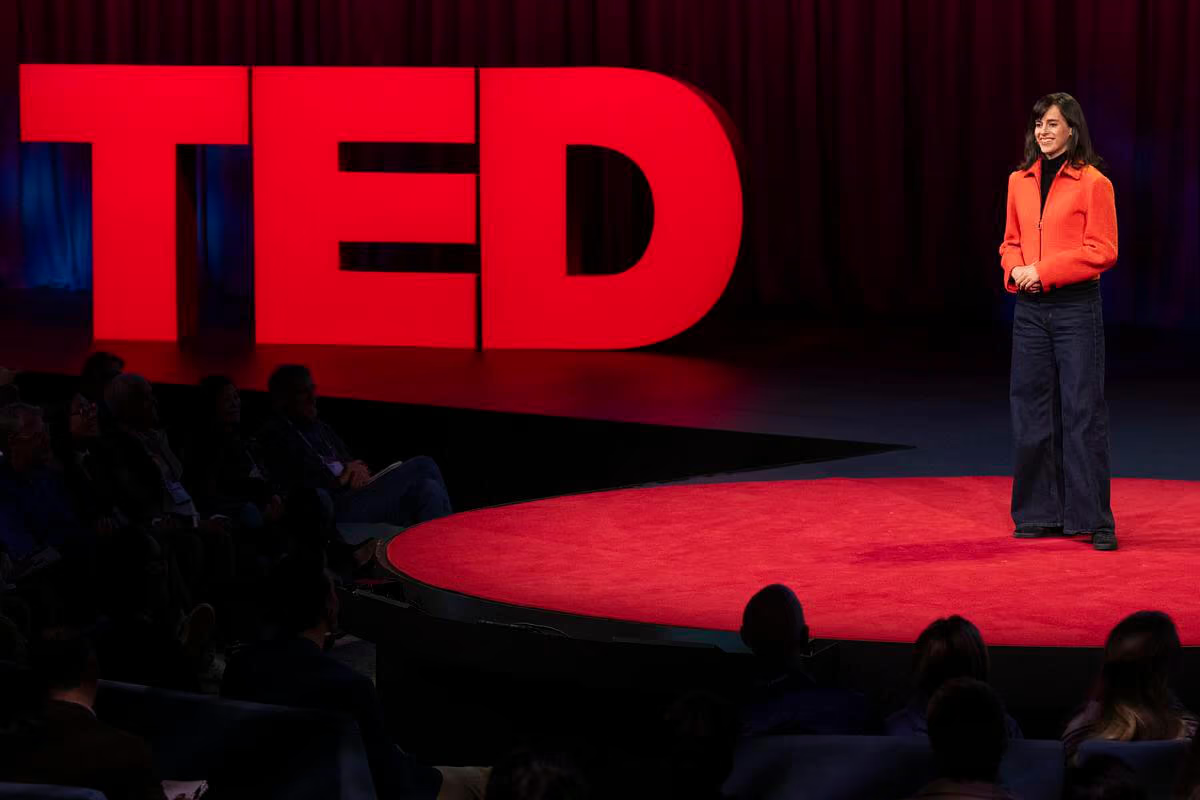
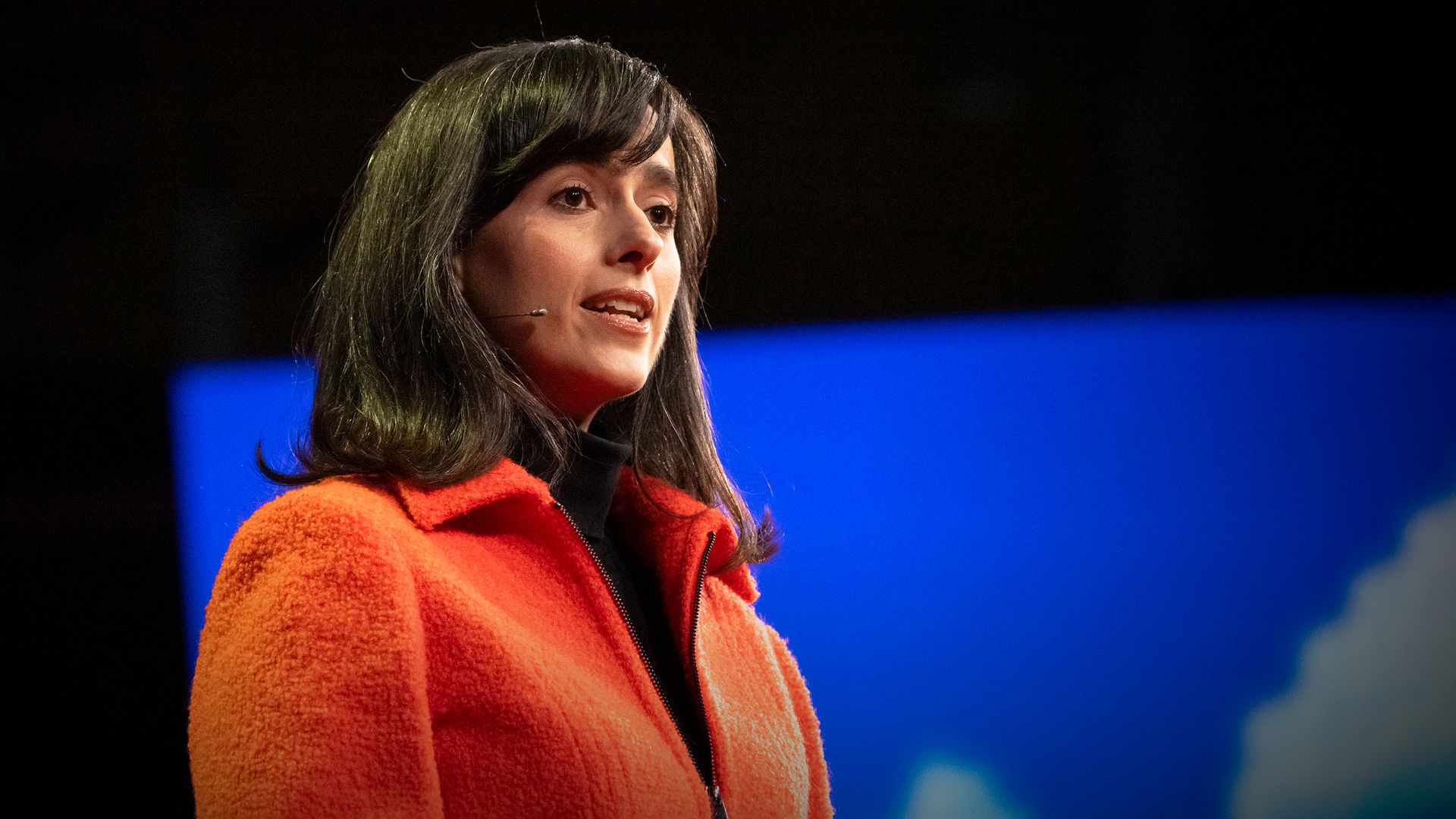
Carissa Véliz

Beware the power of prediction

Podcasts

Hear TED Fellows tell their stories in intimate interviews and learn more about what lies behind their big ideas.

Trinity Tran

Who controls your city's money? | Trinity Tran

What if your city could borrow money from its own bank instead of private lenders? TED Fellow Trinity Tran is leading the push for public banks — which are owned by the people through their local governments — and shows how this model could ensure your local tax dollars stay in your community. 

Ryosuke Takashima

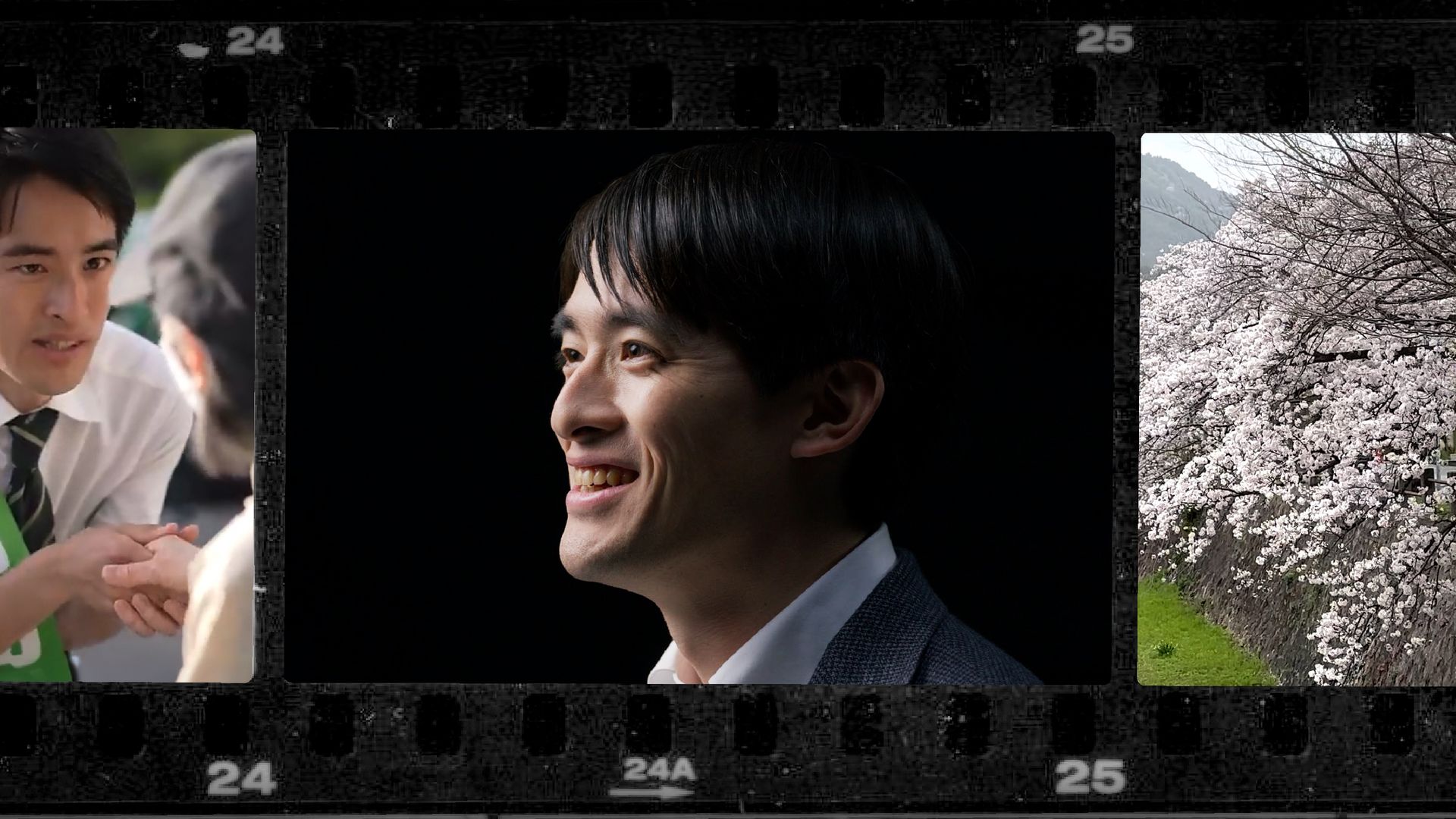
Meet the youngest-ever mayor in Japan's history | Ryosuke Takashima

TED Fellow Ryosuke Takashima is the youngest-ever mayor in Japan's history — but he doesn't consider himself a politician. His approach to leadership is simple: listen to as many voices as possible (from students to elders) in order to figure out what needs fixing. Hear why he thinks inviting citizens to participate in reforming their own communities is the best way to get things done.

Schendy Kernizan

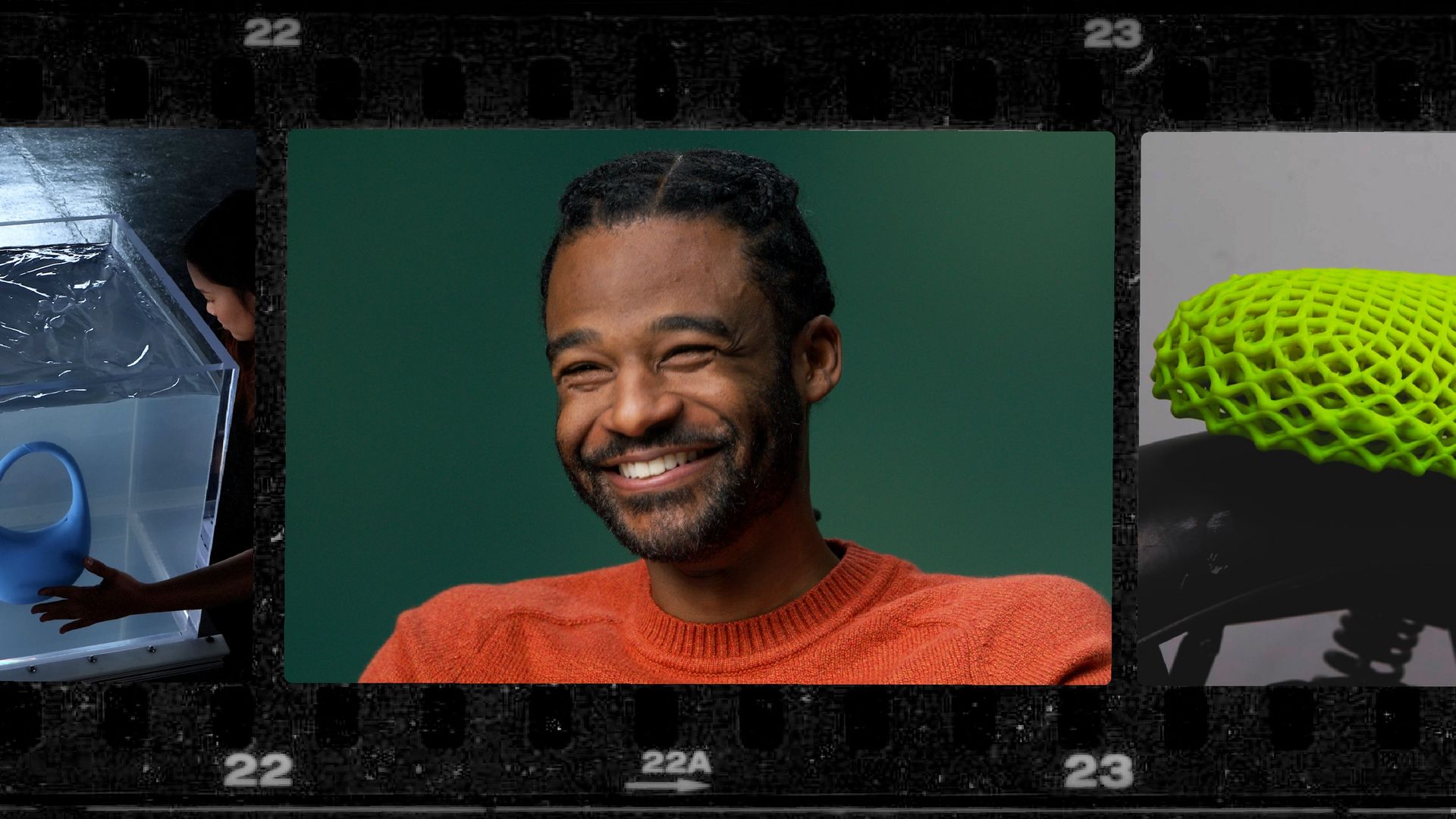
The gravity-defying future of manufacturing | Schendy Kernizan

3D printing promised to reinvent how we make things, but it's mostly stuck producing prototypes with a high level of waste. Designer and TED Fellow Schendy Kernizan found a different way — by printing objects directly into a tub of gel. He explains how this technique eliminates the constraints of gravity, pushing the limits of how we can manufacture objects across medicine, fashion, space travel and more.
Listen to all
Podcast episodes

TED Fellows Films

TED Talks meet documentaries in these short films that explore TED Fellows’ ideas. Dive into all three seasons to explore their mind-blowing innovations. 

05:39

FELLOWS FILM

Meet the youngest-ever mayor in Japan's history

TED Fellow Ryosuke Takashima is the youngest-ever mayor in Japan's history — but he doesn't consider himself a politician. His approach to leadership is simple: listen to as many voices as possible (from students to elders) in order to figure out what needs fixing. Hear why he thinks inviting citizens to participate in reforming their own communities is the best way to get things done.

2026

TED Fellows Film

Ryosuke Takashima
04:47

FELLOWS FILM

The gravity-defying future of manufacturing

3D printing promised to reinvent how we make things, but it's mostly stuck producing prototypes with a high level of waste. Designer and TED Fellow Schendy Kernizan found a different way — by printing objects directly into a tub of gel. He explains how this technique eliminates the constraints of gravity, pushing the limits of how we can manufacture objects across medicine, fashion, space travel and more.

2026

TED Fellows Film

Schendy Kernizan

Fellows Media Library
With 500+ TED Fellows and counting, we’ve got an entire world of media for you to explore. Dive into these talks, short films and podcasts showcasing Fellows turning ideas into action.

Clear
Sort
Thank you! Your submission has been received!
Oops! Something went wrong while submitting the form.

04:43

Why doctors are offering free tax prep in their waiting rooms

More than 90 percent of children in the US see a doctor at least once a year, which means countless hours spent in waiting rooms for parents. What if those hours could be used for something productive -- like saving money? Through her organization StreetCred, pediatrician and TED Fellow Lucy Marcil is offering free tax prep to parents right in the waiting room, reimagining what a doctor's visit can look like and helping to lift families out of poverty. Learn more about how free tax prep and guidance could be the best poverty prescription we have in the US.

2018

TED Talk

United States
Pediatrician + social entrepreneur // Lucy Marcil, MD, MPH is a pediatrician helping families tackle financial problems to decrease stress and improve child health. Insufficient and unpredictable income, debt, high cost of living, and lack of job opportunities and childcare keep families from building wealth to create a better future for their kids. Lucy and fellow pediatrician Michael Hole, MD, MBA developed StreetCred to help families file taxes and get the Earned Income Tax Credit, the US’s largest anti-poverty program, in the doctor’s waiting room. Now, StreetCred is piloting providing families with a bundle of services to create financial stability. Lucy sees patients at Boston Medical Center; her patients provide insights into solutions for the challenges they face. Lucy's interest in innovation for health and social change has also led her to HIV and maternal-child health systems work in Namibia, Botswana, Kenya, and Bangladesh. // More than 90 percent of children in the US see a doctor at least once a year, which means countless hours spent in waiting rooms for parents. What if those hours could be used for something productive -- like saving money? Through her organization StreetCred, pediatrician and TED Fellow Lucy Marcil is offering free tax prep to parents right in the waiting room, reimagining what a doctor's visit can look like and helping to lift families out of poverty. Learn more about how free tax prep and guidance could be the best poverty prescription we have in the US. // Lucy Marcil, MD, MPH is a pediatrician helping families tackle financial problems to decrease stress and improve child health. Insufficient and unpredictable income, debt, high cost of living, and lack of job opportunities and childcare keep families from building wealth to create a better future for their kids. Lucy and fellow pediatrician Michael Hole, MD, MBA developed StreetCred to help families file taxes and get the Earned Income Tax Credit, the US’s largest anti-poverty program, in the doctor’s waiting room. Now, StreetCred is piloting providing families with a bundle of services to create financial stability. Lucy sees patients at Boston Medical Center; her patients provide insights into solutions for the challenges they face. Lucy's interest in innovation for health and social change has also led her to HIV and maternal-child health systems work in Namibia, Botswana, Kenya, and Bangladesh. // Pediatrician + social entrepreneur // children, finance, health systems, social innovation, child health, led, taxes, poverty, financial stress, jobs, income // Boston|Massachusetts|United States|USA
Boston|Massachusetts|United States|USA

Lucy Marcil

No items found.
2018

The most powerful yet overlooked resource in schools | Heejae Lim

"When teachers and families work together, everyone wins," says education technology entrepreneur and TED Fellow Heejae Lim. She shines a light on an underutilized resource in US public education -- a family's love for their children -- and shows that, with the right tools and tech, schools can remove language barriers, foster meaningful connections and help every student thrive. Hosted on Acast. See acast.com/privacy for more information.

2023

Podcasts

United States
Education technology entrepreneur // Heejae is the founder and CEO of TalkingPoints, an education technology nonprofit with the mission to drive student success by unlocking the potential of families to fuel their children’s learning, especially in underserved communities. She founded TalkingPoints because of her own experience growing up as a Korean immigrant student and seeing her mother be able to make a difference in her education because she had the ‘voice’ to do so. TalkingPoints’ universal family engagement solution transforms something as simple as a cell phone into a tool that empowers millions of PK-12 families and educators to build strong partnerships in support of student success through two-way translated digital conversations, data analytics, and resources in 150+ languages. Previously, Heejae advised the Gates Foundation and Teach First UK at McKinsey & Company, and worked on education reform by serving as chief of staff to a special advisor to the Secretary of Education in the UK. She holds a B.A. from Oxford University, an M.A. from the London School of Economics both with distinctive honors, and an MBA from Stanford Graduate School of Business, where she was an Arjay Miller Scholar. Heejae has been recognized as a 2022 TED Fellow, Forbes 30 Under 30 for Education, Echoing Green Fellow, Stanford Social Innovation Fellow, Ashoka Changemaker, and Elevate Prize Winner, among others. // "When teachers and families work together, everyone wins," says education technology entrepreneur and TED Fellow Heejae Lim. She shines a light on an underutilized resource in US public education -- a family's love for their children -- and shows that, with the right tools and tech, schools can remove language barriers, foster meaningful connections and help every student thrive. // Heejae is the founder and CEO of TalkingPoints, an education technology nonprofit with the mission to drive student success by unlocking the potential of families to fuel their children’s learning, especially in underserved communities. She founded TalkingPoints because of her own experience growing up as a Korean immigrant student and seeing her mother be able to make a difference in her education because she had the ‘voice’ to do so. TalkingPoints’ universal family engagement solution transforms something as simple as a cell phone into a tool that empowers millions of PK-12 families and educators to build strong partnerships in support of student success through two-way translated digital conversations, data analytics, and resources in 150+ languages. Previously, Heejae advised the Gates Foundation and Teach First UK at McKinsey & Company, and worked on education reform by serving as chief of staff to a special advisor to the Secretary of Education in the UK. She holds a B.A. from Oxford University, an M.A. from the London School of Economics both with distinctive honors, and an MBA from Stanford Graduate School of Business, where she was an Arjay Miller Scholar. Heejae has been recognized as a 2022 TED Fellow, Forbes 30 Under 30 for Education, Echoing Green Fellow, Stanford Social Innovation Fellow, Ashoka Changemaker, and Elevate Prize Winner, among others. // Education technology entrepreneur // technology, children, underserved communities, families, family engagement, education technology, data and analytics, education, immigration, learning, underserved, edtech, data, artificial intelligence, teachers, schools, multilingual // California|United States|San Francisco|USA
California|United States|San Francisco|USA

Heejae Lim

No items found.
2023

03:39

How can technology transform the human body?

TED Fellow Lucy McRae is a body architect -- she imagines ways to merge biology and technology in our own bodies. In this visually stunning talk, she shows her work, from clothes that recreate the body's insides for a music video with pop-star Robyn, to a pill that, when swallowed, lets you sweat perfume.

2012

TED Talk

United States
Body architect // Australian artist, or "body architect," using art, technology, and sculpture to create unusual forms around the human body // Lucy McRae is a science fiction artist, filmmaker, inventor and body architect. Her work speculates on the future of human existence by exploring the limits of the body, beauty, biotechnology and the self. McRae works across installation, film, photography, artificial intelligence and edible technology. She is regarded as a thought leader who is exploring the cultural and emotional impacts science and cutting edge technology have on redesigning the body. Lucy uses art as a mechanism to signal and provoke our ideologies and ethics about who we are and where we are headed. McRae has exhibited at museums, film festivals, institutes such as MIT, Ars Electronica and NASA and science forums across the world. Selected major artworks have been exhibited at Science Museum London, Centre Pompidou and the Venice Biennale. She is a visiting professor at SCI_Arc in Los Angeles; and is recognised as a Young Global Leader by the World Economic Forum. McRae encourages scientific conversation and has spoken at TED, Royal Albert Hall, Cannes Lion and Tribeca Film Festival. She is regarded as a pioneer who blurs the boundaries across art, architecture, design and technology with a healthy disregard for labels that limit interdisciplinary practice. // TED Fellow Lucy McRae is a body architect -- she imagines ways to merge biology and technology in our own bodies. In this visually stunning talk, she shows her work, from clothes that recreate the body's insides for a music video with pop-star Robyn, to a pill that, when swallowed, lets you sweat perfume. // Lucy McRae is a science fiction artist, filmmaker, inventor and body architect. Her work speculates on the future of human existence by exploring the limits of the body, beauty, biotechnology and the self. McRae works across installation, film, photography, artificial intelligence and edible technology. She is regarded as a thought leader who is exploring the cultural and emotional impacts science and cutting edge technology have on redesigning the body. Lucy uses art as a mechanism to signal and provoke our ideologies and ethics about who we are and where we are headed. McRae has exhibited at museums, film festivals, institutes such as MIT, Ars Electronica and NASA and science forums across the world. Selected major artworks have been exhibited at Science Museum London, Centre Pompidou and the Venice Biennale. She is a visiting professor at SCI_Arc in Los Angeles; and is recognised as a Young Global Leader by the World Economic Forum. McRae encourages scientific conversation and has spoken at TED, Royal Albert Hall, Cannes Lion and Tribeca Film Festival. She is regarded as a pioneer who blurs the boundaries across art, architecture, design and technology with a healthy disregard for labels that limit interdisciplinary practice. // Body architect // technology, science fiction artist, ethics, design, science, biotech, architecture, clothes, beauty technology, artificial intelligence, body architecture, apparel // California|Los Angeles|United States|USA
California|Los Angeles|United States|USA

Lucy Mcrae

No items found.
2012

Why COVID-19 is hitting us now — and how to prepare for the next outbreak | Alanna Shaikh

2024

Podcasts

United States
UNDP; Abt Associates; Georgetown University; Tomorrow Global; USAID Yemen; Women in Global Health; American University in Cairo; UN Dispatch; -; Boston University; USAID; TED Conferences; Manlius Pebble Hill
The organization provides coaching services focused on clarity and courage. Clients often seek help when feeling stuck or facing difficult conversations. The coaching approach aims to offer direct yet humane guidance to help individuals manage emotions, make decisions, and navigate professional challenges. Additionally, the organization addresses current events and societal issues, encouraging individuals to confront fears and take action. // First of all, please get your COVID vaccine and fight for vaccine access for everyone… // Recruit coaches, match TED Fellows with coaches, and grow and develop the coaching initiative into an even better resource for our amazing fellows. // We help clients think proactively about the future of global health. That includes strategic planning, preparedness, risk analysis, and troubleshooting. My most recent projects have included qualitative data collection in Ethiopia, team lead for a mid-term evaluation of a health systems strengthening project, developing an EU proposal on unaccompanied and separated minors, researching global health security funding models, and continuing education workshops for CDC. // Global health and international development analysis for UN Dispatch. // We help clients think proactively about the future of global health. That includes strategic planning, preparedness, risk analysis, and troubleshooting. My most recent projects have included qualitative data collection in Ethiopia, team lead for a mid-term evaluation of a health systems strengthening project, and developing an EU proposal on unaccompanied and separated minors. // Support and facilitate the work of Women in Global Health and the growth of the WGH communitythrough research and the development. // Strategic communications, project messaging, reporting, and media relations for USAID-funded health project. Manage community mobilizationactivities and M&E. Special focus on social media, donor relations, and sustainability communications. // • Developed monitoring and evaluation framework for $70 million USAID-funded project. • Managed multinational team of M&E specialists to integrate monitoring and evaluation into all program areas. • Presented evidence-based data to host government officials to support evidence-based decision-making. • Facilitated multi-country workshops for project analysis and forward planning. // Assisted in development of Tajikistan's national strategic plan on HIV/AIDS. // UNDP; Abt Associates; Georgetown University; Tomorrow Global; USAID Yemen; Women in Global Health; American University in Cairo; UN Dispatch; -; Boston University; USAID; TED Conferences; Manlius Pebble Hill // Alanna Shaikh is a seasoned professional in global health and international development, with a strong focus on strategic planning, preparedness, risk analysis, and troubleshooting. With a wealth of experience in qualitative data collection, project evaluation, proposal development, and research, she has contributed significantly to various initiatives in the field. Alanna has a proven track record of supporting organizations like UN Dispatch, Women in Global Health, and USAID-funded projects through her expertise in strategic communications, project management, and monitoring and evaluation. Her work extends to facilitating workshops, managing multinational teams, and presenting evidence-based data to inform decision-making processes. Alanna's dedication to advancing global health is evident in her diverse portfolio of projects and her commitment to fostering community growth and development in the sector. // Identify and implement the best approaches to global health // Alanna Shaikh is a seasoned professional in global health and international development, known for her expertise in strategic planning, risk analysis, and project evaluation. With a strong background in qualitative data collection and research, she has made significant contributions to various initiatives in the field. Alanna has a proven track record of supporting organizations like UN Dispatch, Women in Global Health, and USAID-funded projects through her skills in strategic communications, project management, and monitoring and evaluation. Her work also involves facilitating workshops, managing multinational teams, and presenting evidence-based data to inform decision-making processes. Alanna's dedication to advancing global health is evident in her diverse portfolio of projects and her commitment to fostering community growth and development in the sector. // Global health + development specialist // Global health and development specialist and author of the international development focused-blog, Blood and Milk and a 2012 TEDbook, What's Killing Us. // I’m a global health nerd, a poet, and a leadership coach. I write a substack about pandemics. // (Update: the CDC and international science community urge everyone to wear face coverings in public.) Where did the new coronavirus originate, how did it spread so fast -- and what's next? Sharing insights from the outbreak, global health expert and TED Fellow Alanna Shaikh traces the spread of COVID-19, discusses why travel restrictions aren't effective and highlights the medical changes needed worldwide to prepare for the next pandemic. "We need to make sure that every country in the world has the capacity to identify new diseases and treat them," she says. Recorded March 5, 2020 // When faced with a parent suffering from Alzheimer's, most of us respond with denial ("It won't happen to me") or extreme efforts at prevention. But global health expert and TED Fellow Alanna Shaikh sees it differently. She's taking three concrete steps to prepare for the moment -- should it arrive -- when she herself gets Alzheimer's disease. // Alanna Shaikh is a seasoned professional in global health and international development, known for her expertise in strategic planning, risk analysis, and project evaluation. With a strong background in qualitative data collection and research, she has made significant contributions to various initiatives in the field. Alanna has a proven track record of supporting organizations like UN Dispatch, Women in Global Health, and USAID-funded projects through her skills in strategic communications, project management, and monitoring and evaluation. Her work also involves facilitating workshops, managing multinational teams, and presenting evidence-based data to inform decision-making processes. Alanna's dedication to advancing global health is evident in her diverse portfolio of projects and her commitment to fostering community growth and development in the sector. // Global health + development specialist // entrepreneurship, education, data collection, public health, data, research, sustainable development , leadership, policy, community engagement, monitoring, covid, women, humanitarian, coaching, new diseases, international development, community development, risk assessment, global health, science, coronaviruses, communication, government, pandemic, milk, disease, capacity building // Tajikistan|USA|New York|Ethiopia|United States|Dushanbe|Egypt|Thousand Island Park|Cairo
Tajikistan|USA|New York|Ethiopia|United States|Dushanbe|Egypt|Thousand Island Park|Cairo

Alanna Shaikh

No items found.
2024

How we can make energy more affordable for low-income families | DeAndrea Salvador

Every month, millions of Americans face an impossible choice: pay for energy to power their homes, or pay for basic needs like food and medicine. TED Fellow DeAndrea Salvador is working to reduce energy costs so that no one has to make this kind of decision. In this quick talk, she shares her plan to help low-income families reduce their bills while also building a cleaner, more sustainable and more affordable energy future for us all. Hosted on Acast. See acast.com/privacy for more information.

2018

Podcasts

United States
University of North Carolina at Charlotte; Wake Forest University
University of North Carolina at Charlotte; Wake Forest University // Policy, climate change, affordability // DeAndrea Salvador is an expert in policy analysis with a focus on climate change and affordability. Her work centers on examining the intersection of these critical issues, exploring ways to address climate change while ensuring affordability for all. Through her research and advocacy, Salvador seeks to develop sustainable policies that mitigate the impacts of climate change while promoting equitable access to essential resources. Her expertise lies in crafting innovative solutions that balance environmental concerns with the need for affordable living conditions, making her a valuable voice in the ongoing discourse on sustainable development and social equity. // Environmental justice advocate // Every month, millions of Americans face an impossible choice: pay for energy to power their homes, or pay for basic needs like food and medicine. TED Fellow DeAndrea Salvador is working to reduce energy costs so that no one has to make this kind of decision. In this quick talk, she shares her plan to help low-income families reduce their bills while also building a cleaner, more sustainable and more affordable energy future for us all. // DeAndrea Salvador is an expert in policy analysis with a focus on climate change and affordability. Her work centers on examining the intersection of these critical issues, exploring ways to address climate change while ensuring affordability for all. Through her research and advocacy, Salvador seeks to develop sustainable policies that mitigate the impacts of climate change while promoting equitable access to essential resources. Her expertise lies in crafting innovative solutions that balance environmental concerns with the need for affordable living conditions, making her a valuable voice in the ongoing discourse on sustainable development and social equity. // Environmental justice advocate // affordable energy, data, job skills training, electrification, research, climate, energy bills, policy, clean energy, public policy, data analysis, affordable, climate change, low income, food, government, energy, basic needs, income // Charlotte|Cambridge|USA|United States|Massachusetts|North Carolina
Charlotte|Cambridge|USA|United States|Massachusetts|North Carolina

DeAndrea Salvador

No items found.
2018

14:25

"Kilamu" / "Ama Aje" / "Jam Now, Simmer Down" / "Dracula"

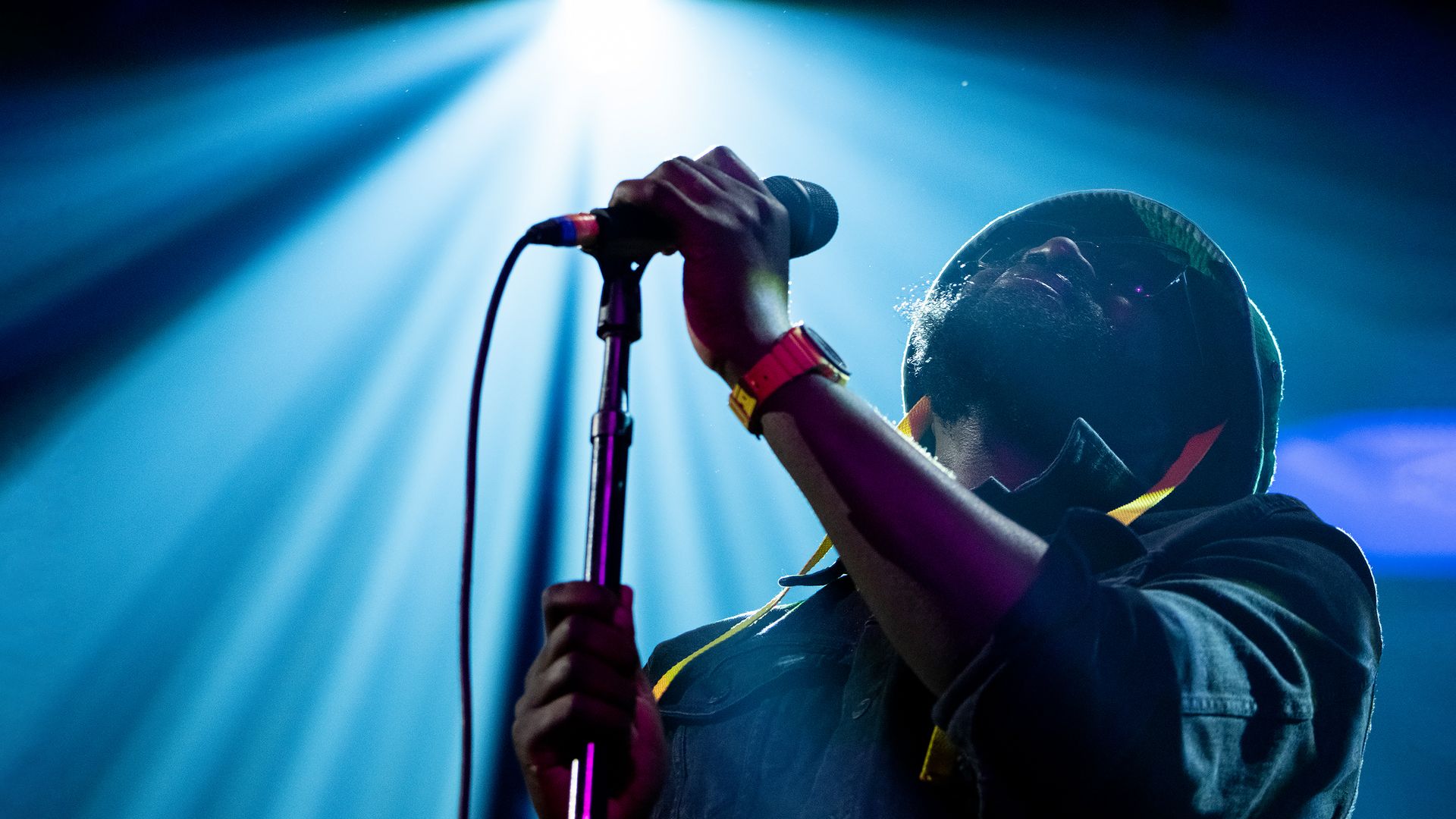
With dynamic energy and infectious beats, TED Fellow "Blinky" Bill Sellanga delivers an uplifting performance of four songs.

2022

TED Talk

Kenya
Blinky Bill Music; Just A Band (Kenya); Kenyatta University
Blinky Bill is a musician, producer, and DJ from Nairobi, Kenya. The artist is known for tracks such as "We Cut Keys 2 Cc God" featuring Owuor Arunga and Sage, "We Cut Keys While You Wait," and "So Strong" featuring Shykd. // Blinky Bill is a Nairobi-based producer, DJ, and artist known for tracks like "Bon Voyage," "Compare," "Constant K," and others. His music features collaborations with artists like KASHA, Rvdical the Kid, GoldLink, Fuse ODG, and more. // Kenyan Artist, Producer and DJ. TED Fellow/ Red Bull Music Academy alum. // Blinky Bill Music; Just A Band (Kenya); Kenyatta University // Bill Sellanga is a Kenyan artist, producer, and DJ with a background as a TED Fellow and Red Bull Music Academy alum. With a focus on music production and performance, Bill has honed his skills in creating innovative and engaging audio experiences. His work showcases a blend of creativity and technical expertise, allowing him to push boundaries in the music industry. Bill's diverse background and experiences have equipped him with a unique perspective that shines through in his artistic endeavors. // I want to start a series of Music Camps around Africa for budding producers and songwriters starting from 2025. Been writing a film that I want to develop in the next few years. My work is driven by an exploration of African soun linking the future, present and past. // Bill Sellanga, also known as Blinky Bill, is a Nairobi-based musician, producer, and DJ recognized for his innovative tracks like "We Cut Keys 2 Cc God," "Bon Voyage," and "So Strong." With a background as a TED Fellow and Red Bull Music Academy alum, Bill's work reflects a fusion of creativity and technical prowess in music production and performance. Collaborating with artists such as Owuor Arunga, Sage, and GoldLink, he has established a unique sound that bridges African influences with contemporary music trends. Bill's commitment to exploring African sounds and nurturing talent is evident in his plans to launch Music Camps for aspiring producers and songwriters across the continent. // Musician // A producer and DJ, Sellanga is also the frontman of the musical collective Just A Band, which mixes genres like hip-hop, electronica and funk to make music for popular radio and to give voice to Kenyan youth. // Student of music for life. Singer/Songwriter,producer and DJ. // With dynamic energy and infectious beats, TED Fellow "Blinky" Bill Sellanga delivers an uplifting performance of four songs. // Bill Sellanga, also known as Blinky Bill, is a Nairobi-based musician, producer, and DJ recognized for his innovative tracks like "We Cut Keys 2 Cc God," "Bon Voyage," and "So Strong." With a background as a TED Fellow and Red Bull Music Academy alum, Bill's work reflects a fusion of creativity and technical prowess in music production and performance. Collaborating with artists such as Owuor Arunga, Sage, and GoldLink, he has established a unique sound that bridges African influences with contemporary music trends. Bill's commitment to exploring African sounds and nurturing talent is evident in his plans to launch Music Camps for aspiring producers and songwriters across the continent. // Musician // music, film, nature, bands, design, youth, africa // Nairobi County|Kenya|Nairobi
Nairobi County|Kenya|Nairobi

Blinky Bill

No items found.
2022

05:11

How we can bring mental health support to refugees

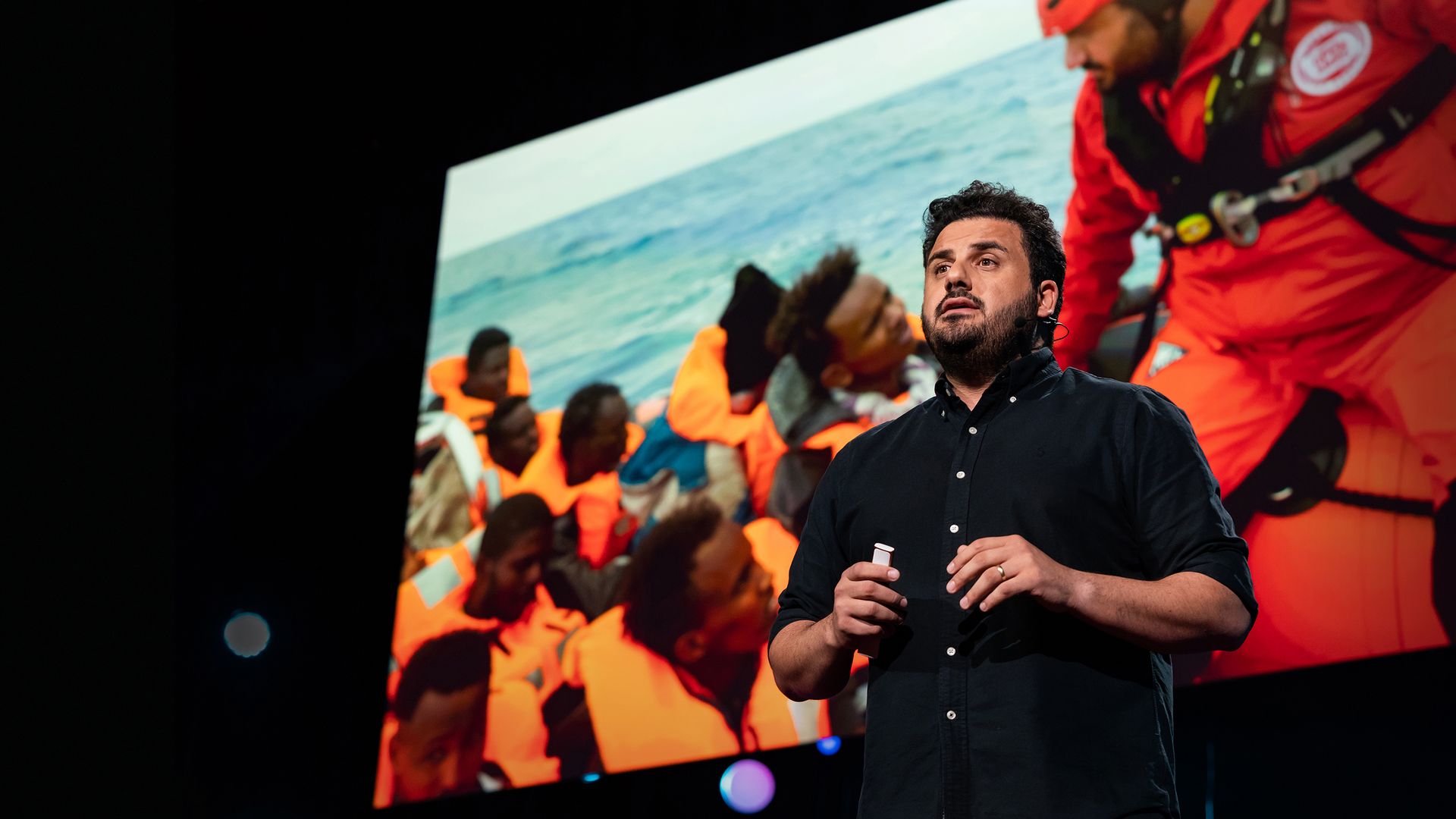
The global refugee crisis is a mental health catastrophe, leaving millions in need of psychological support to overcome the traumas of dislocation and conflict. To undo the damage, child psychiatrist and TED Fellow Essam Daod has been working in camps, rescue boats and the shorelines of Greece and the Mediterranean Sea to help refugees (a quarter of which are children) reframe their experiences through short, powerful psychological interventions. "We can all do something to prevent this mental health catastrophe," Daod says. "We need to acknowledge that first aid is not just needed for the body, but it has also to include the mind, the soul."

2018

TED Talk

Israel
Magid Institute - מכון מגיד האוניברסיטה העברית; Technion - Israel Institute of Technology; University of Haifa; School of Continuing Medical Education- Sackler Faculty of Medicine, Tel-Aviv; Humanity Crew; TED Conferences; G12 Clinics; School of Continuing Medical Education- Sackler Faculty of Medicine, Tel-Aviv  ; Tel Aviv University
Dr. Essam Daod is a trained psychiatrist, psychotherapist, activist, and speaker. He is the co-founder of Humanity Crew, an international aid organization that specializes in providing first response mental health interventions to refugees and individuals in crisis. The organization aims to make mental health support a fundamental component in all emergency efforts for victims of humanitarian crises. Dr. Daod is a TED fellow and speaker who advocates for bringing mental health support to refugees through various conferences and media outlets. // Humanity Crew is a mental health aid organization focused on preventing trauma with displaced children and their families. They provide emergency psychological interventions and training to address the high rates of depression and anxiety among refugees. By offering timely mental health first aid after traumatic events, Humanity Crew aims to prevent psychological escalations and PTSD. Their work emphasizes reframing trauma within the first few weeks to reduce future stress-related disorders. Through direct intervention and training mental health first responders, Humanity Crew envisions a world where victims of humanitarian crises receive essential mental health support. // Essam is a psychiatrist and psychoanalytic psychotherapist who grew up in Israel in a small Arab Palestinian village in the Galilee. He specialized in child and adolescent psychiatry and graduated from psychoanalytic school. In 2015, he flew to Greece for a humanitarian rescue mission where he co-founded Humanity Crew and has been working with refugees ever since. Humanity Crew specializes in the provision of psychological aid to refugees and people in crises, working to deploy mental health and psycho social support to displaced populations in order to improve their wellbeing, to restore order in their lives, and to prevent further psychological escalation. Currently, he is an avid refugee mental health activist and researcher who has spoken at countless conferences and media outlets all over the world advocating for the importance of mental health support for refugees. In 2016 Essam and Humanity Crew were awarded "The Defenders of Refugee Rights Award" at the 4th Edition of Cities Defending Human Rights in Barcelona. In 2018, he became a WHO mental health expert team member, and a TED Fellow // Humanity Crew is an international aid organization specializing in the provision of psychological aid to refugees and people in crises. We work to deploy mental health and psychosocial support to displaced populations in order to improve their wellbeing, to restore order in their lives, and to prevent further psychological escalation. Humanity Crew seeks to create a world in which mental health support is a fundamental component in all emergency efforts for victims of humanitarian crises. We recruit, train, and deploy mental health professionals and qualified volunteers to deliver psychosocial relief to refugees and displaced populations. Our current mission is to provide psychosocial support for refugees arriving to Europe in their own language. We do this through community based activities, focus group sessions, and individual sessions for vulnerable cases As part of Humanity Crew’s mission to make mental health a fundamental component in humanitarian crisis relief efforts, we provide other organizations with workshops on cultural mediation as well and we conduct and lead research in the field of refugee mental health. // Director, Supervisor and Trainer. // Magid Institute - מכון מגיד האוניברסיטה העברית; Technion - Israel Institute of Technology; University of Haifa; School of Continuing Medical Education- Sackler Faculty of Medicine, Tel-Aviv; Humanity Crew; TED Conferences; G12 Clinics; School of Continuing Medical Education- Sackler Faculty of Medicine, Tel-Aviv  ; Tel Aviv University // Essam Daod is a psychiatrist and psychoanalytic psychotherapist with a specialization in child and adolescent psychiatry. He is the co-founder of Humanity Crew, an international aid organization dedicated to providing psychological aid to refugees and individuals in crisis situations. Essam is actively involved in advocating for refugee mental health, speaking at various conferences and media outlets worldwide. He has received recognition for his work, including "The Defenders of Refugee Rights Award" in Barcelona. Essam's expertise lies in deploying mental health and psychosocial support to displaced populations, aiming to improve their well-being and prevent further psychological escalation. Additionally, he serves as a WHO mental health expert team member and a TED Fellow. // Bringing mental health to the forefront of every humanitarian crisis. // Dr. Essam Daod is a psychiatrist, psychotherapist, and co-founder of Humanity Crew, an international aid organization dedicated to providing crucial mental health support to refugees and individuals in crisis situations. With a specialization in child and adolescent psychiatry, Dr. Daod's expertise lies in deploying timely psychological interventions to prevent trauma and address high rates of depression and anxiety among displaced populations. Through his advocacy work and speaking engagements, he emphasizes the importance of integrating mental health support into all emergency efforts for victims of humanitarian crises. Dr. Daod's commitment to reframing trauma early on to reduce future stress-related disorders underscores his vision of a world where essential mental health aid is readily available to those in need. // Mental health specialist // Essam is a psychiatrist and psychoanalytic psychotherapist who grew up in Israel in a small Arab Palestinian village in the Galilee. He specialized in child and adolescent psychiatry and graduated from psychoanalytic school. In 2015, he flew to Greece for a humanitarian rescue mission where he co-founded Humanity Crew and has been working with refugees ever since. Humanity Crew specializes in the provision of psychological aid to refugees and people in crises, working to deploy mental health and psycho social support to displaced populations in order to improve their wellbeing, to restore order in their lives, and to prevent further psychological escalation. Currently, he is an avid refugee mental health activist and researcher who has spoken at countless conferences and media outlets all over the world advocating for the importance of mental health support for refugees. In 2016 Essam and Humanity Crew were awarded "The Defenders of Refugee Rights Award" at the 4th Edition of Cities Defending Human Rights in Barcelona. In 2018, he became a WHO mental health expert team member, and a TED Fellow // The global refugee crisis is a mental health catastrophe, leaving millions in need of psychological support to overcome the traumas of dislocation and conflict. To undo the damage, child psychiatrist and TED Fellow Essam Daod has been working in camps, rescue boats and the shorelines of Greece and the Mediterranean Sea to help refugees (a quarter of which are children) reframe their experiences through short, powerful psychological interventions. "We can all do something to prevent this mental health catastrophe," Daod says. "We need to acknowledge that first aid is not just needed for the body, but it has also to include the mind, the soul." // Dr. Essam Daod is a psychiatrist, psychotherapist, and co-founder of Humanity Crew, an international aid organization dedicated to providing crucial mental health support to refugees and individuals in crisis situations. With a specialization in child and adolescent psychiatry, Dr. Daod's expertise lies in deploying timely psychological interventions to prevent trauma and address high rates of depression and anxiety among displaced populations. Through his advocacy work and speaking engagements, he emphasizes the importance of integrating mental health support into all emergency efforts for victims of humanitarian crises. Dr. Daod's commitment to reframing trauma early on to reduce future stress-related disorders underscores his vision of a world where essential mental health aid is readily available to those in need. // Mental health specialist // mental health, education, refugee crisis, post traumatic growth, psychology, cities, job skills training, research, activism, human rights, rights, volunteerism, emergency mental health, refugees, trauma, humanitarian, migration, humanitarian aid, natural shorelines, psychiatry, children, vulnerability, displacement // Israel|Haifa|Haifa District
Israel|Haifa|Haifa District

Essam Daod

No items found.
2018

05:20

We can hack our immune cells to fight cancer

After decades of research and billions spent in clinical trials, we still have a problem with cancer drug delivery, says biomedical engineer Elizabeth Wayne. Chemotherapy kills cancer -- but it kills the rest of your body, too. Instead of using human design to fight cancer, why not use nature's? In this quick talk, Wayne explains how her lab is creating nanoparticle treatments that bind to immune cells, your body's first responders, to precisely target cancer cells without damaging healthy ones.

2017

TED Talk

United States
Biomedical engineer + STEM advocate // I was raised in Mississippi. My father is a paraplegic Baptist minister and my mother is a schoolteacher. I told everyone around me I wanted to be a physicist at age 11 after completing a science fair project on nuclear fusion. I wanted to be the first to achieve sustainable fusion reactors as energy sources on Earth (yes at age 11). I achieved my childhood goal and earned a Bachelors in Physics from the University of Pennsylvania but I fell in love with optical imaging rather than nuclear fusion. And eventually cancer too. I got a PhD in Biomedical Engineering building live animal imaging platforms to visualize cancer as it spreads through the body. So I study ways to use immune cells to deliver therapeutic genes and proteins to the places our body needs them the most: in disease. 2017 TED Fellow // After decades of research and billions spent in clinical trials, we still have a problem with cancer drug delivery, says biomedical engineer Elizabeth Wayne. Chemotherapy kills cancer -- but it kills the rest of your body, too. Instead of using human design to fight cancer, why not use nature's? In this quick talk, Wayne explains how her lab is creating nanoparticle treatments that bind to immune cells, your body's first responders, to precisely target cancer cells without damaging healthy ones. // I was raised in Mississippi. My father is a paraplegic Baptist minister and my mother is a schoolteacher. I told everyone around me I wanted to be a physicist at age 11 after completing a science fair project on nuclear fusion. I wanted to be the first to achieve sustainable fusion reactors as energy sources on Earth (yes at age 11). I achieved my childhood goal and earned a Bachelors in Physics from the University of Pennsylvania but I fell in love with optical imaging rather than nuclear fusion. And eventually cancer too. I got a PhD in Biomedical Engineering building live animal imaging platforms to visualize cancer as it spreads through the body. So I study ways to use immune cells to deliver therapeutic genes and proteins to the places our body needs them the most: in disease. 2017 TED Fellow // Biomedical engineer + STEM advocate // children, research, design, gene delivery, science, education, cancer, nanomedicine, nuclear, biomedical engineering, stem education, fusion, disease, stem // Pennsylvania|United States|Pittsburgh|USA
Pennsylvania|United States|Pittsburgh|USA

Elizabeth Wayne

No items found.
2017

13:38

Family, hope and resilience on the migrant trail

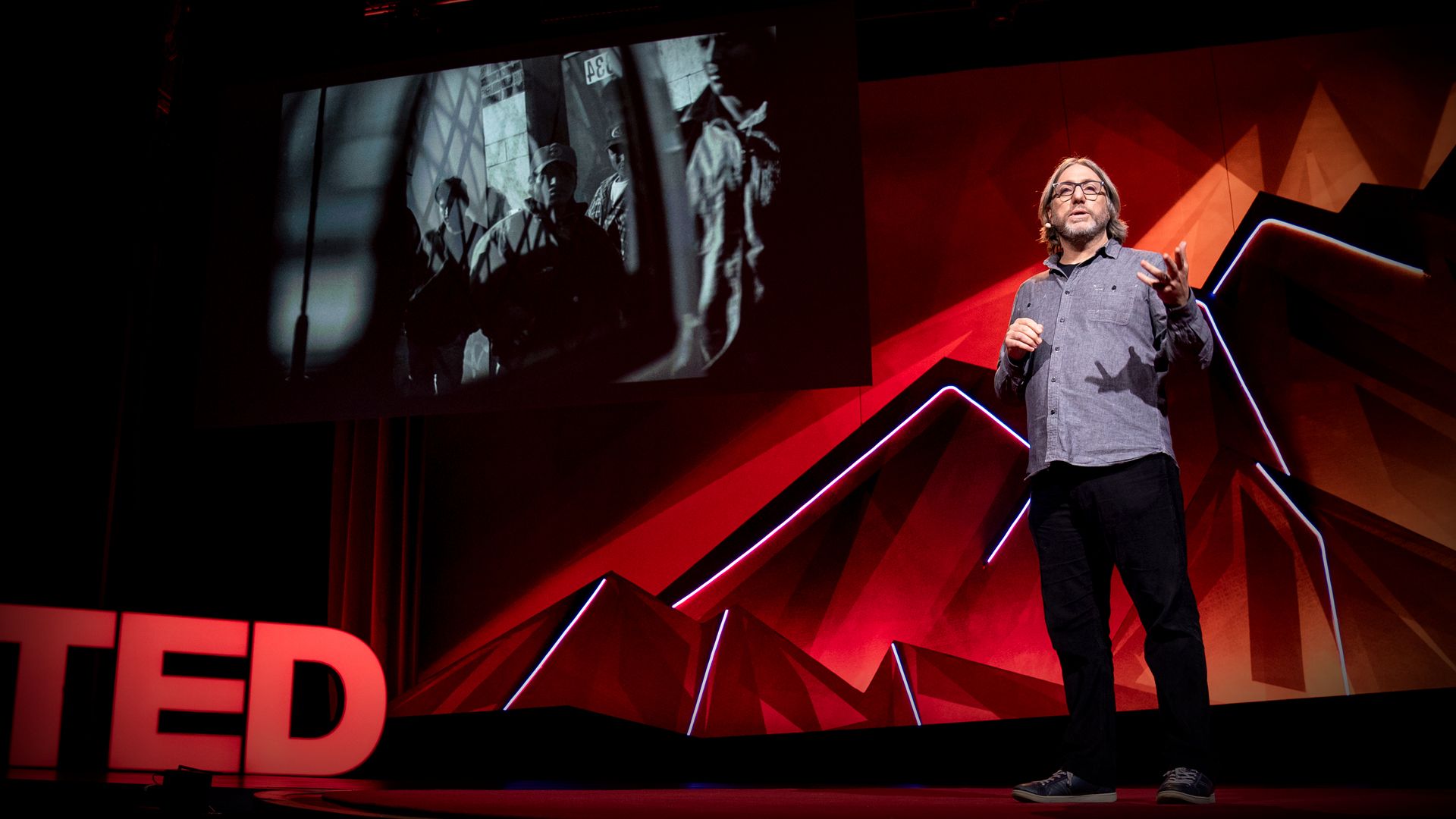
For the past 20 years, photographer and TED Fellow Jon Lowenstein has documented the migrant journey from Latin America to the United States, one of the largest transnational migrations in world history. Sharing photos from his decade-long project "Shadow Lives USA," Lowenstein takes us into the inner worlds of the families escaping poverty and violence in Central America -- and pieces together the complex reasons people leave their homes in search of a better life.

2019

TED Talk

Canada
University of Iowa; NOOR IMAGES; Jon Lowenstein Photography; Columbia College Chicago
Jon Lowenstein is a documentary photographer who specializes in long-term, in-depth explorations focusing on power, poverty, and social violence. His work includes projects such as documenting the impact of deportations on Central American and Mexican migrants, examining social violence in the South Side community of Chicago, and shedding light on issues like modern-day slavery and the experiences of undocumented immigrants in the United States. Lowenstein's commitment to social justice is evident in his extensive body of work, challenging perceptions and giving voice to marginalized communities. He has received numerous awards and fellowships for his impactful storytelling through photography, moving images, and personal narratives. // Jon Lowenstein is an American documentary photographer, filmmaker, and visual artist whose work focuses on addressing issues such as wealth inequality, structural racism, and violence. He is a member and owner of the NOOR photo agency and has been recognized internationally for his extensive body of work, which has been featured in exhibitions, museums, and media outlets like The New Yorker, The New York Times, and NewsWeek. Lowenstein has covered various events globally, including elections in Afghanistan, the aftermath of the 2010 Haiti earthquake, and social violence in Mexico and Central America. He has engaged in large-scale documentary projects, one focusing on Chicago's South Side community and the other documenting the experiences of undocumented Latin Americans in the United States. His work aims to challenge perceptions of community, poverty, segregation, power, and hope. Additionally, Lowenstein has given a TEDSummit speech outlining his career and projects, including "Shadow Lives USA," which delves into the stories of migrants from Central America to the United States. // Jon Lowenstein is an American documentary photographer. He is a member and owner of NOOR photo agency, a cooperative photojournalist agency located in the Netherlands and owner of NOOR IMAGES photojournalist agency based in the United States. Lowenstein has spent the past decade engaging his adopted community on Chicago’s South Side through photography. During this time Lowenstein has also traveled, studied and documented the experiences of undocumented Latin Americans living throughout the United States. Shadow Lives USA follows the migrant trail from Central America, through Mexico and throughout the United States in an effort to tell the real stories of the men and women who make up the largest transnational migration in world history. This project, unique in its breadth and intimate scope, forces the viewer to engage with the impact of America’s punitive immigration and economic policies on some of the United States’ most vulnerable populations. His international assignments have included covering elections in Afghanistan to the aftermath of the 2010 earthquake in Haiti to social violence in Guatemala. He completed a project about the impact of inhaled nitric oxide on cerebral Malaria in Ugandan Children. He has also worked in countries like Brazil, El Salvador, South Africa, Mexico and Germany. // Jon Lowenstein specializes in long-term, in-depth documentary explorations that confront the realms of power, poverty, and violence. Through the combination of filmmaking, photography, experiential writing and personal testimonials, he strives for unsparing clarity by revealing the subjects of history that lack voice. Lowenstein’s commitment to social justice through community engagement runs both deep and long. // Noor is a collective uniting a select group of highly accomplished photojournalists and documentary storytellers focusing on contemporary global issues. // Driving down Martin Luther King Boulevard on Chicago's South Side change is evidence everywhere. Signs advertising new condominiums dot the landscape and city blocks that once stood vacant are being completely replaced with new prefabricated housing and recently open chain stores. To the outside eye this infusion of housing appears wholly positive, but the truth behind neighborhood transformation is far more grim. Poor communities across the country are going through similarly wrenching change as their once isolated neighborhoods are being rapidly gentrified, and few longtime resides will remain when the change is complete. // University of Iowa; NOOR IMAGES; Jon Lowenstein Photography; Columbia College Chicago // Jon Lowenstein is an American documentary photographer known for his extensive work in capturing the realities of marginalized communities and social issues. With a focus on power dynamics, poverty, and violence, Lowenstein's projects delve deep into the lives of those often unheard. He is a member and owner of NOOR photo agency, a cooperative agency based in the Netherlands, and NOOR IMAGES, located in the United States. Lowenstein's portfolio includes projects such as "Shadow Lives USA," which sheds light on the experiences of undocumented Latin Americans in the U.S., and international assignments covering events from elections in Afghanistan to social violence in Guatemala. His commitment to social justice and community engagement is evident in his long-term explorations that aim to give a voice to those affected by global issues. // My goal with my work is to build significant bridges of understanding between our fellow humans, in particular in communities that are often overlooked by the dominant society. // Jon Lowenstein is an American documentary photographer and visual artist known for his impactful work focusing on power dynamics, poverty, and social violence. Through long-term projects, he sheds light on marginalized communities and addresses issues such as wealth inequality and structural racism. Lowenstein's commitment to social justice is evident in his extensive body of work, which challenges perceptions and gives voice to those often unheard. He is a member and owner of the NOOR photo agency and has received international recognition for his projects, including "Shadow Lives USA" and coverage of events like elections in Afghanistan and social violence in Central America. Lowenstein's work aims to bridge understanding and advocate for those affected by global issues. // JON LOWENSTEIN – DOCUMENTARIAN Jon Lowenstein has been a professional photographer for more than ten years. He specializes in long-term, in-depth projects that confront the realms of power, poverty, and violence. As a documentary photographer, he strives for unsparing clarity, and believes images make a critical contribution by revealing the subjects of history that lack voice. At the core of the work, and by his own admission, is a lighted love of people. An equally intractable believer in the art, he asks those who consider photography unessential to picture a world with no pictures. For more than a decade Jon Lowenstein has traveled, studied, and documented the experiences of undocumented Latin Americans living throughout the United States. Shadow Lives USA follows the migrant trail from Central America, through Mexico and throughout the United States in an effort to the real stories of the men and women who make up the largest transnational migration in world history. He has also spent the past decade documenting and working with folks in his community on the South Side of Chicago. This project asks important questions like what does South Side mean? Told by the community with fewer filters, more raw, real, honest and still with an aesthetic that’s a personal collaboration between himself and the community where he lives and works South Side becomes a true integrative expression of a uniquely American time and place. This participatory media project seeks to open a new dialogic space in a place that Jon has been documenting for more than a decade. Lowenstein was recently named a 2011 Guggenheim Fellow. He is also currently a 2011 TED Global Fellow and was just named a 2012 Hasselblad Master. In 2008 he was named the Joseph P. Albright Fellow by the Alicia Patterson Foundation and also won a 2007 Getty Images Grants for Editorial Photography. He also won a 2007 World Press Award and was named as a USC Annenberg Institute for Justice and Journalism Racial Justice Fellowship. he 58th National Press Photographer’s Pictures of the Year Magazine Photographer of the Year Award and Fuji Community Awareness Award. His international assignments include covering elections in Afghanistan to the aftermath of the 2010 earthquake in Haiti to social violence in Guatemala. Most recently, he began a project about the impact of cerebral Malaria in Children in Uganda. He is member and owner of the NOOR Images cooperative and photo agency. Lowenstein’s work can be seen at www.jonlowenstein.com. // Jon Lowenstein has been a professional photographer for more than ten years. He specializes in long-term, in-depth projects that confront the realms of power, poverty, and violence. As a documentary photographer, he strives for unsparing clarity, and believes images make a critical contribution by revealing the subjects of history that lack voice. At the core of the work, and by his own admission, is a lighted love of people. An equally intractable believer in the art, he asks those who consider photography unessential to picture a world with no pictures. For more than a decade Jon Lowenstein has traveled, studied, and documented the experiences of undocumented Latin Americans living throughout the United States. Shadow Lives USA follows the migrant trail from Central America, through Mexico and throughout the United States in an effort to portray the real stories of the men and women who make up the largest transnational migration in world history. He has also spent the past decade documenting and working with folks in his community on the South Side of Chicago. This project asks important questions like what does South Side mean? Told by the community with fewer filters, more raw, real, honest and still with an aesthetic that's a personal collaboration between himself and the community where he lives and works South Side becomes a true integrative expression of a uniquely American time and place. This participatory media project seeks to open a new dialogic space in a place that Jon has been documenting for more than a decade. Lowenstein was named a 2011 Guggenheim Fellow in Photography and recently was awarded the 2014 Center for Documentary Studies Dorothea Lange/Paul Taylor for his photography and writing. He is currently a 2014 TED SENIOR Fellow. Recently, he was named a 2012 Hasselblad Master. In 2008 he was named the Joseph P. Albright Fellow by the Alicia Patterson Foundation and also won a 2007 Getty Images Grants for Editorial Photography. He also won a 2007 World Press Award and was named as a USC Annenberg Institute for Justice and Journalism Racial Justice Fellowship. He won the 2005 NPPA New America Award, a 2004 World Press photo prize, 2003 Nikon Sabbatical Grant, the 58th National Press Photographer Pictures of the Year Magazine Photographer of the Year Award and Fuji Community Awareness Award. His international assignments include covering elections in Afghanistan to the aftermath of the 2010 earthquake in Haiti to social violence in Guatemala. Most recently, he completed a project about the impact of cerebral Malaria in Children in Uganda. He is the founder of the NOOR Documentary Foundation USA. // For the past 20 years, photographer and TED Fellow Jon Lowenstein has documented the migrant journey from Latin America to the United States, one of the largest transnational migrations in world history. Sharing photos from his decade-long project "Shadow Lives USA," Lowenstein takes us into the inner worlds of the families escaping poverty and violence in Central America -- and pieces together the complex reasons people leave their homes in search of a better life. // Jon Lowenstein is an American documentary photographer and visual artist known for his impactful work focusing on power dynamics, poverty, and social violence. Through long-term projects, he sheds light on marginalized communities and addresses issues such as wealth inequality and structural racism. Lowenstein's commitment to social justice is evident in his extensive body of work, which challenges perceptions and gives voice to those often unheard. He is a member and owner of the NOOR photo agency and has received international recognition for his projects, including "Shadow Lives USA" and coverage of events like elections in Afghanistan and social violence in Central America. Lowenstein's work aims to bridge understanding and advocate for those affected by global issues. // Documentary photographer, filmmaker, visual artist // film - directing, violence, empathic, economic inequality, immigration, writing, infectious disease, marginalized communities, urban, traveling, authentic storyteller, participatory, photography, race, justice, community engagement, traveling abroad, journalist, women, migration, racism, marginalized, humane, documentary, artist, social justice, malaria, children, cinematography., life, housing, urban poor, poverty, vulnerability, inequality, racial justice, photographer // USA|Alberta|Chicago|Calgary|Canada|Illinois
USA|Alberta|Chicago|Calgary|Canada|Illinois

Jon Lowenstein

No items found.
2019

05:39

How I harnessed the wind

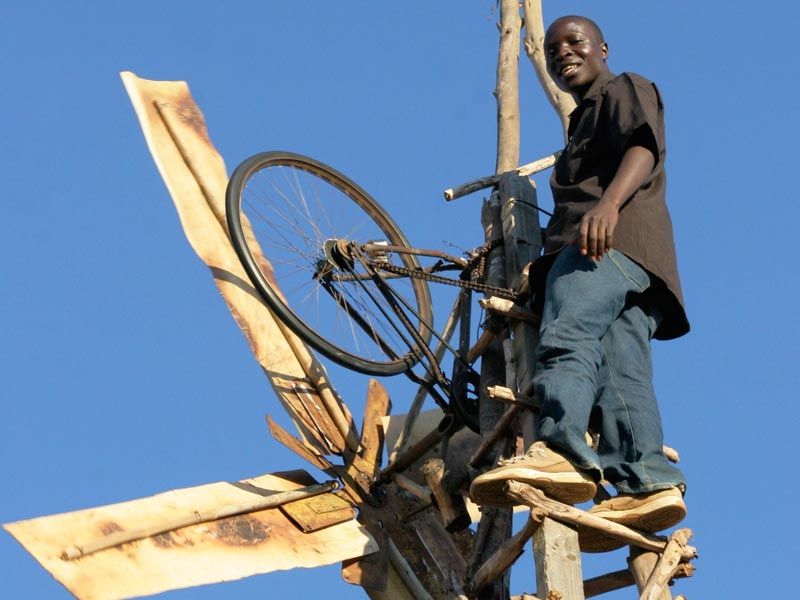
At age 14, in poverty and famine, a Malawian boy built a windmill to power his family's home. Now at 22, William Kamkwamba, who speaks at TED, here, for the second time, shares in his own words the moving tale of invention that changed his life.

2009

TED Talk

Malawi
Rural inventor // William Kamkwamba grew up on his family farm in Masitala Village, Wimbe, two-and a half hours northeast of Malawi's capital city. Due to severe famine in 2001 to 2002, his family lacked the funds to pay eighty dollars in annual school fees, and he was forced to drop out of school for five years. In 2002 he started to borrow books from a small community library. He came across an American fifth-grade textbook called Using Energy. The cover of the book showed a picture of wind turbines. He decided to build a windmill for his family to pump water and generate electricity for light. After some time, he found the materials to use and built his windmill, which generated enough power for four lights and two radios. In 2006 he attended TEDGlobal in Arusha, Tanzania, where he met people who helped him go back to school. He is currently enrolled at African Leadership Academy, the first pan-African preparatory school educating the next generation of ethical African leadership. His memoir, The Boy who Harnessed the Wind, written with Bryan Mealer, will be published September 29 by Harper-Collins et al in more than a dozen countries. // William works with Moving Windmills to mentor young problem-solvers in Malawi. William's most recent designs include electric motorcycles and maize mills all using recycled materials, appropriate technology, and human-centered design. William is currently working to bring the Moving Windmills Innovation Center to life in Kasungu, a space where young people will find the tools and mentorship to co-create simple solutions to everyday agricultural challenges. When William Kamkwamba was 14, Malawi suffered a severe famine. His family could no longer pay his school fees, and he was forced to drop out of high school. While staying home, William remained curious and inventive and worked with a local librarian to stay engaged with his studies, especially science. Working from just one photo in a U.S. junior high school textbook book called “Using Energy,” he reasoned out how to build an electricity-producing windmill from spare parts and scrap, despite having no instructions. William’s inspiring story is told in his New York Times bestselling memoir The Boy Who Harnessed the Wind, co-authored with Bryan Mealer, and in the Netflix film adaptation, directed by Chiwetel Ejiofor, which was awarded the Alfred P. Sloan Prize at the Sundance Film festival. Since its debut, William’s book has been published in two additional editions, a young readers version, and a children’s book. The autobiography has sold more than 1 million copies and been translated in nearly twenty languages worldwide. William has been featured on The Wall Street Journal, Nyasa Times, The Daily Show with Jon Stewart, and Good Morning America with Diane Sawyer. After graduating from Dartmouth College in Environmental Studies, William began work as a Global Fellow for the design firm IDEO.org. William is an entrepreneur, TED Fellow, and has worked to develop appropriate technologies curriculums focused on bridging the gap between “knowing” and “doing” for young people in Malawi and across the world. William splits his time between the U.S. and Malawi and is currently working full-time with the Moving Windmills Project to bring the Moving Windmills Innovation Center to life in Kasungu, Malawi. // At age 14, in poverty and famine, a Malawian boy built a windmill to power his family's home. Now at 22, William Kamkwamba, who speaks at TED, here, for the second time, shares in his own words the moving tale of invention that changed his life. // When he was just 14 years old, Malawian inventor William Kamkwamba built his family an electricity-generating windmill from spare parts, working from rough plans he found in a library book. // William works with Moving Windmills to mentor young problem-solvers in Malawi. William's most recent designs include electric motorcycles and maize mills all using recycled materials, appropriate technology, and human-centered design. William is currently working to bring the Moving Windmills Innovation Center to life in Kasungu, a space where young people will find the tools and mentorship to co-create simple solutions to everyday agricultural challenges. When William Kamkwamba was 14, Malawi suffered a severe famine. His family could no longer pay his school fees, and he was forced to drop out of high school. While staying home, William remained curious and inventive and worked with a local librarian to stay engaged with his studies, especially science. Working from just one photo in a U.S. junior high school textbook book called “Using Energy,” he reasoned out how to build an electricity-producing windmill from spare parts and scrap, despite having no instructions. William’s inspiring story is told in his New York Times bestselling memoir The Boy Who Harnessed the Wind, co-authored with Bryan Mealer, and in the Netflix film adaptation, directed by Chiwetel Ejiofor, which was awarded the Alfred P. Sloan Prize at the Sundance Film festival. Since its debut, William’s book has been published in two additional editions, a young readers version, and a children’s book. The autobiography has sold more than 1 million copies and been translated in nearly twenty languages worldwide. William has been featured on The Wall Street Journal, Nyasa Times, The Daily Show with Jon Stewart, and Good Morning America with Diane Sawyer. After graduating from Dartmouth College in Environmental Studies, William began work as a Global Fellow for the design firm IDEO.org. William is an entrepreneur, TED Fellow, and has worked to develop appropriate technologies curriculums focused on bridging the gap between “knowing” and “doing” for young people in Malawi and across the world. William splits his time between the U.S. and Malawi and is currently working full-time with the Moving Windmills Project to bring the Moving Windmills Innovation Center to life in Kasungu, Malawi. // Rural inventor // technology, water, maize, turbine, lighting, adaptation, e-mobility, agriculture, electric, mobility, design, farming, recycled materials, motorcycle, electric mobility, wind, wind turbine, rural economic development, electric motorcycle, power, community development, wind energy, solar, solar power, wind power, rural, economic growth, ethics, science, poverty, electricity, rural community development, energy, recycling // Central Region|Kasungu|Malawi
Central Region|Kasungu|Malawi

William Kamkwamba

No items found.
2009

04:30

Could fish social networks help us save coral reefs?

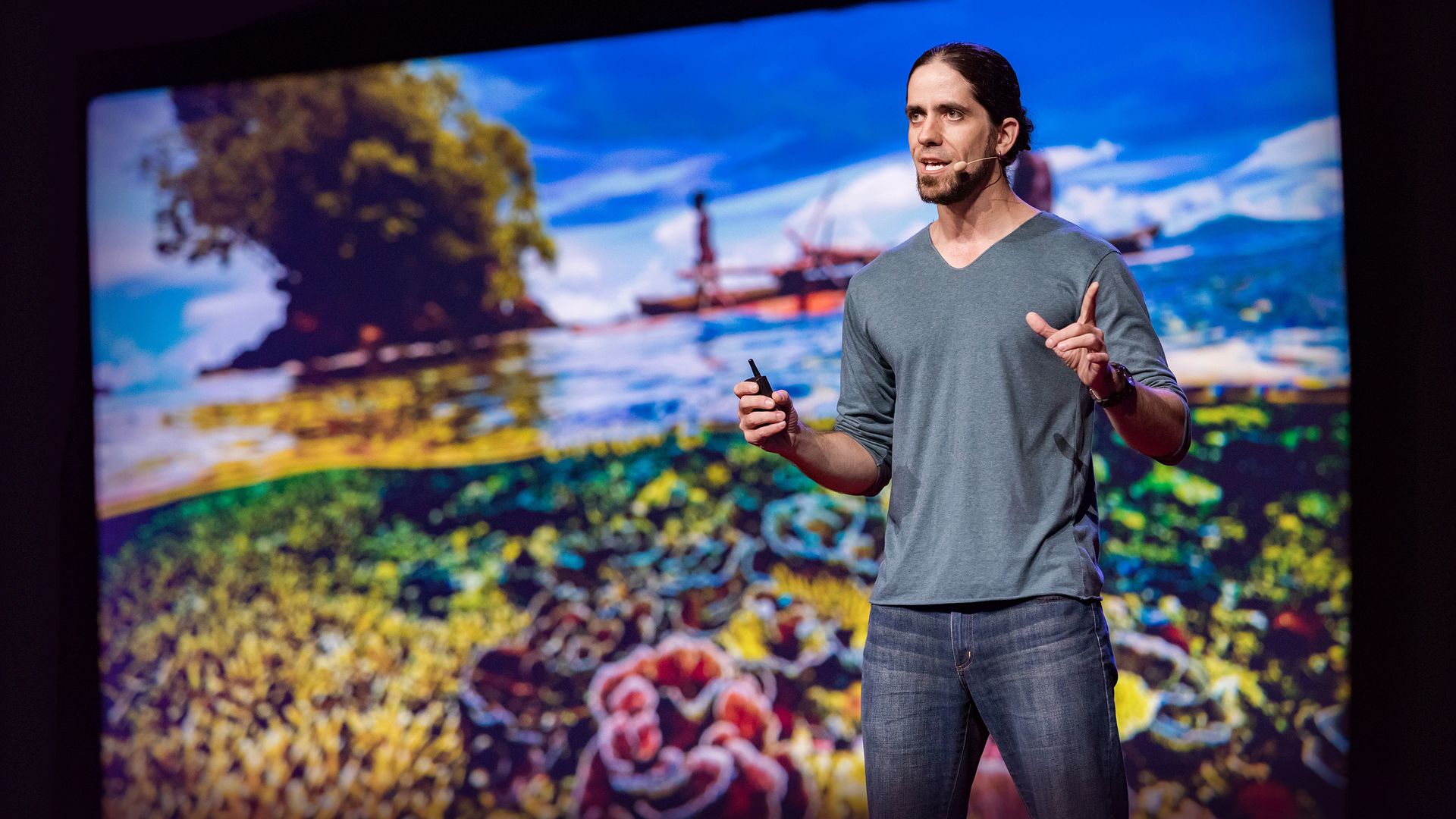
Mike Gil spies on fish: using novel multi-camera systems and computer vision technology, the TED Fellow and his colleagues explore how coral reef fish behave, socialize and affect their ecosystems. Learn more about how fish of different species communicate via social networks -- and what disrupting these networks might mean to the delicate ecology of reefs, which help feed millions of us and support the global economy.

2018

TED Talk

United States
The Gil Lab at the Department of Ecology & Evolutionary Biology at the University of Colorado Boulder focuses on quantitative behavioral ecology, conservation, and promoting justice, equity, diversity, and inclusion (JEDI) in science. Their work involves studying decision-making in wild animals, understanding wildlife networks, predicting natural resource responses to environmental changes, investigating the impact of plastic pollution on wildlife and ecosystems, and shaping public perception of scientists to enhance diversity in STEM fields. // Dr. Mike Gil, Ph.D., is a researcher and mentor actively involved in scientific research at the intersection of ecology, animal behavior, and conservation. He has led research projects worldwide, from coral reefs in various locations to studying microislands of plastic debris in the Pacific Ocean. Dr. Gil is dedicated to understanding natural ecosystems to sustain biodiversity and ecosystem services essential for humankind. As a TED Fellow and National Geographic Explorer, he is also an award-winning science communicator, aiming to bridge the gap between the scientific community and the general public. Through his website SciAll.org, Dr. Gil shares the excitement of scientific discovery with a diverse audience, using storytelling and humor to inspire an appreciation for science. Additionally, he is passionate about teaching and mentoring students, emphasizing interactive and diverse teaching methods to engage learners of all backgrounds. Dr. Gil's speaking engagements have been praised for his ability to present complex scientific concepts in an engaging and accessible manner, inspiring audiences to take action for ocean health and conservation. // I am trying to use my scientific discoveries and status as an established research scientist to wake people up to the limitless possibilities we can achieve as an evidence-guided species. From my own work in coral reef ecology and conservation, it is clear that we are capable of saving the world's coral reef's...with the public's buy-in. But achieving this buy-in means connecting with far greater and diverse swaths of the public than scientists traditionally do. I hope to be an agent of change on this timely front. // Dr. Mike Gil, a researcher and mentor at the University of Colorado Boulder, is a leading figure in the field of quantitative behavioral ecology and conservation. His work at the Gil Lab focuses on studying decision-making in wild animals, wildlife networks, and the impact of plastic pollution on ecosystems. Dr. Gil is dedicated to promoting justice, equity, diversity, and inclusion in science, aiming to shape public perception of scientists and enhance diversity in STEM fields. As a TED Fellow and National Geographic Explorer, he excels in science communication, using storytelling and humor to engage diverse audiences and inspire an appreciation for science. Through his teaching and mentoring, Dr. Gil emphasizes interactive and diverse methods to engage learners from all backgrounds, while advocating for ocean health and conservation through his research and public engagements. // Marine biologist +science advocate // Dr. Mike Gil, Ph.D., is a marine biologist, a National Geographic Explorer, and a TED Fellow. Dr. Gil has led research expeditions in the Caribbean, French Polynesia and Southeast Asia, from coral reefs, seagrass meadows, and salt marshes to plastic pollution in the middle of the Pacific. His diverse research efforts are unified by a common goal: better understand how natural ecosystems work so that we can better preserve them (and their socioeconomic services) in a changing world. His research findings have been covered by a wide range of national and international media outlets, including: BBC News, CNN, WIRED Magazine, The Economist, CNBC, ABC News, and Discover Magazine. In addition to his scientific research, Dr. Gil is an award-winning science communicator with broad interests in connecting the public with the process of scientific discovery and all that it offers to individuals and to humankind. To this end, Dr. Gil founded and runs a 501(c)(3) non-profit organization, SciAll.org, which bring together world-leading scientists of all types to vlog on YouTube. By sharing their personal stories, Dr. Gil and his team aim to humanize scientists, demystify the process of scientific discovery, and make STEM career mentoring accessible to ALL. // Mike Gil spies on fish: using novel multi-camera systems and computer vision technology, the TED Fellow and his colleagues explore how coral reef fish behave, socialize and affect their ecosystems. Learn more about how fish of different species communicate via social networks -- and what disrupting these networks might mean to the delicate ecology of reefs, which help feed millions of us and support the global economy. // Dr. Mike Gil, a researcher and mentor at the University of Colorado Boulder, is a leading figure in the field of quantitative behavioral ecology and conservation. His work at the Gil Lab focuses on studying decision-making in wild animals, wildlife networks, and the impact of plastic pollution on ecosystems. Dr. Gil is dedicated to promoting justice, equity, diversity, and inclusion in science, aiming to shape public perception of scientists and enhance diversity in STEM fields. As a TED Fellow and National Geographic Explorer, he excels in science communication, using storytelling and humor to engage diverse audiences and inspire an appreciation for science. Through his teaching and mentoring, Dr. Gil emphasizes interactive and diverse methods to engage learners from all backgrounds, while advocating for ocean health and conservation through his research and public engagements. // Marine biologist +science advocate // technology, ecology, social behavior, fish, biodiversity, led, diversity, equity, research, inclusion, coral reef, coral reefs, natural resources, community engagement, species, coral, stem, wildlife, pollution, oceans, diversity and inclusion, plastic debris, plastic, conservation, plastic pollution, computer vision, reef, science, and inclusion, seagrass, artificial intelligence, justice, ecosystem, ecosystem services // Willemstad|USA|Colorado|Curacao|United States|Boulder
Willemstad|USA|Colorado|Curacao|United States|Boulder

Mike Gil

No items found.
2018

05:26

Street art with a message of hope and peace

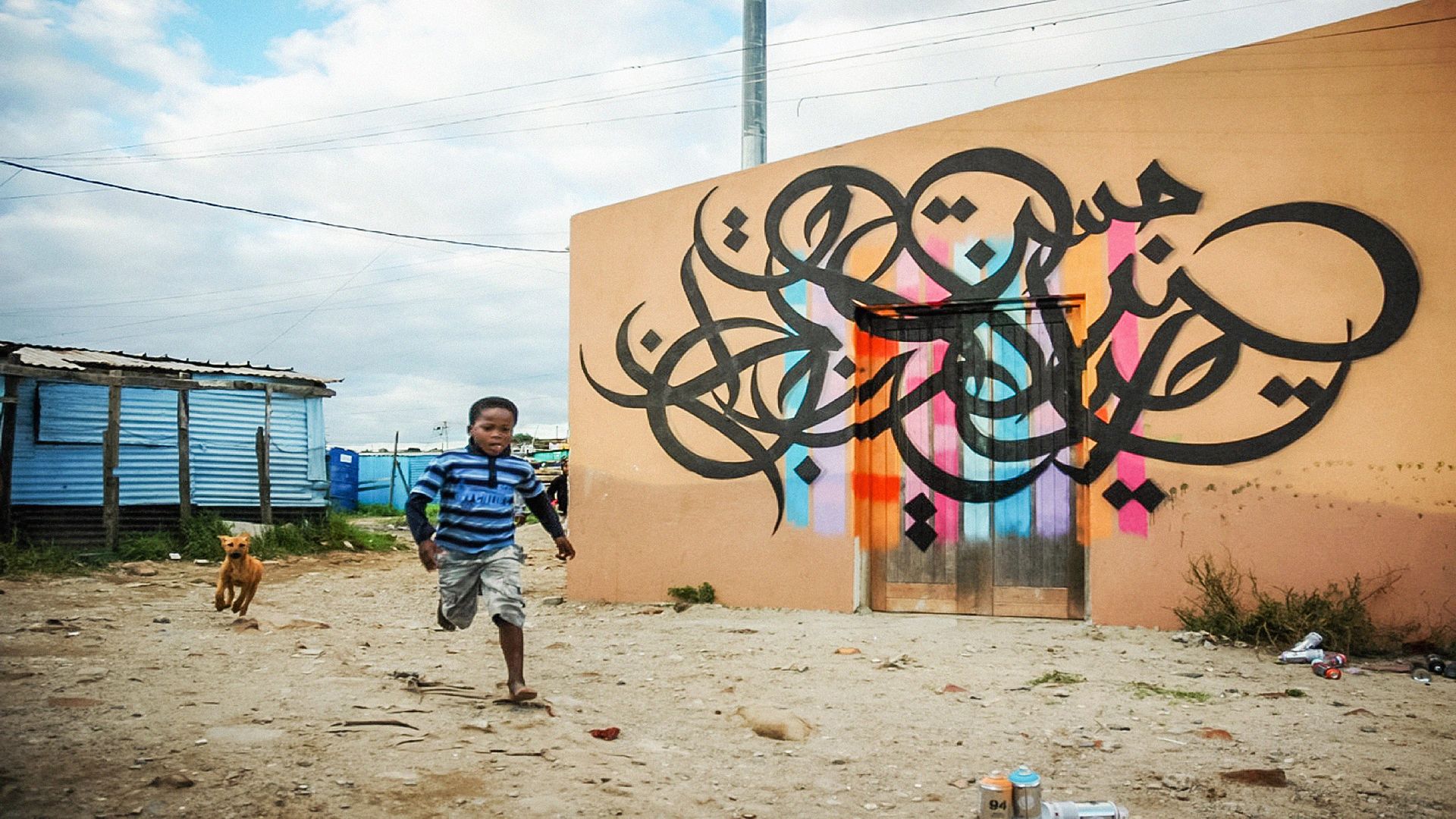
What does this gorgeous street art say? It's Arabic poetry, inspired by bold graffiti and placed where a message of hope and peace can do the most good. In this quietly passionate talk, artist and TED Fellow eL Seed describes his ambition: to create art so beautiful it needs no translation.

2015

TED Talk

Artist // Calligraffiti artist who blends the modern art of graffiti with the historic art of Arabic calligraphy to encourage peaceful expression and social change. // French/Tunisian artist eL Seed is one of the founding forefathers of modern 'calligraffiti’, a blend of the historic art of Arabic calligraphy and the modern art of graffiti, mixing street culture from Paris and Arabic history to poetic effect. Born to Tunisian parents in the suburbs of Paris, eL Seed spent his formative years juggling different cultures, languages, and identities. Today eL Seed’s pieces have developed out of two worlds colliding, with these two cultures clashing and blending into one another, to form a new identity, a unique mark and a distinctive style. eL Seed uses intricate composition in his work to call not only on the words and their meaning, but also on their movement, which ultimately lures the viewer into a different state of mind. Working primarily with subjects that seem contradictory, eL Seed’s art reflects the reality of mankind and the world we live in today. In mid-2012 eL Seed completed his largest piece to date, in the southern Tunisian city of Gabes, a 47 metre high minaret on the Jara mosque, spreading a message of unity, peace and tolerance. eL Seed's art has been shown on the walls of many cities around the world including Paris, New York, Jeddah and Melbourne, Rio Di Janeiro in addition to his home country Tunisia. In 2013, Condé Nast Traveler recognized him as one of the years ‘visionaries’ for advocating peaceful expression and social progress through his work. And proving that street art can collide with luxury to fashionable effect, in 2013 eL Seed collaborated with the international luxury maison of Louis Vuitton, where he created a unique calligraffiti design for the classic monogram scarf, as part of the Foulards d’Artiste project. He is the first and only Arab to have ever designed a collaborative product for the famous French brand. In March 2014, eL Seed launched his first book, Lost Walls, documenting his calligraffiti journey across Tunisia. // eL Seed fuses Arabic calligraphy with graffiti to paint colorful, swirling messages of hope and peace on buildings from Tunisia to Paris. The artist and TED Fellow shares the story of his most ambitious project yet: a mural painted across 50 buildings in Manshiyat Naser, a district of Cairo, Egypt, that can only be fully seen from a nearby mountain. // What does this gorgeous street art say? It's Arabic poetry, inspired by bold graffiti and placed where a message of hope and peace can do the most good. In this quietly passionate talk, artist and TED Fellow eL Seed describes his ambition: to create art so beautiful it needs no translation. // French/Tunisian artist eL Seed is one of the founding forefathers of modern 'calligraffiti’, a blend of the historic art of Arabic calligraphy and the modern art of graffiti, mixing street culture from Paris and Arabic history to poetic effect. Born to Tunisian parents in the suburbs of Paris, eL Seed spent his formative years juggling different cultures, languages, and identities. Today eL Seed’s pieces have developed out of two worlds colliding, with these two cultures clashing and blending into one another, to form a new identity, a unique mark and a distinctive style. eL Seed uses intricate composition in his work to call not only on the words and their meaning, but also on their movement, which ultimately lures the viewer into a different state of mind. Working primarily with subjects that seem contradictory, eL Seed’s art reflects the reality of mankind and the world we live in today. In mid-2012 eL Seed completed his largest piece to date, in the southern Tunisian city of Gabes, a 47 metre high minaret on the Jara mosque, spreading a message of unity, peace and tolerance. eL Seed's art has been shown on the walls of many cities around the world including Paris, New York, Jeddah and Melbourne, Rio Di Janeiro in addition to his home country Tunisia. In 2013, Condé Nast Traveler recognized him as one of the years ‘visionaries’ for advocating peaceful expression and social progress through his work. And proving that street art can collide with luxury to fashionable effect, in 2013 eL Seed collaborated with the international luxury maison of Louis Vuitton, where he created a unique calligraffiti design for the classic monogram scarf, as part of the Foulards d’Artiste project. He is the first and only Arab to have ever designed a collaborative product for the famous French brand. In March 2014, eL Seed launched his first book, Lost Walls, documenting his calligraffiti journey across Tunisia. // Artist // design, buildings, cities, paint

eL Seed ...

No items found.
2015

10:27

Sex education should start with consent

Consent can be a tricky topic to talk about in sex education curriculums, but it doesn't have to be. In this hilarious and relatable talk, sex educator and TED Fellow Kaz offers a fresh look at teaching young people about the core principles of consent -- and shows how demystifying this topic leads to healthier and more satisfying relationships for people of all ages.

2022

TED Talk

Kenya
Sex educator, podcaster // Award winning musician Karen Kaz Lucas is an established leader in the Kenyan arts and culture ecosystem. Having begun her career in 1997 as a rapper/singer, she has gone on to run creative ventures and projects cutting across the performing arts, media production, digital marketing and innovative events that shape the industrial standard. Kaz has had a lifelong passion for changing the way sex education is taught to young people. Driven by this passion and enabled by her media experience, she started The Spread Podcast. The Spread is a sex positive podcast that only exists because there is no comprehensive sex education in Kenya. Information about sex is rooted in the negative consequences: HIV and AIDS and unwanted pregnancies. But while these are some real consequences, there’s need to highlight all the positive things that can come out of healthy, informed and consensual sexual practices. The Spread provides a platform advocating for informal and comprehensive sexuality education in our academic institutions. // Consent can be a tricky topic to talk about in sex education curriculums, but it doesn't have to be. In this hilarious and relatable talk, sex educator and TED Fellow Kaz offers a fresh look at teaching young people about the core principles of consent -- and shows how demystifying this topic leads to healthier and more satisfying relationships for people of all ages. // Award winning musician Karen Kaz Lucas is an established leader in the Kenyan arts and culture ecosystem. Having begun her career in 1997 as a rapper/singer, she has gone on to run creative ventures and projects cutting across the performing arts, media production, digital marketing and innovative events that shape the industrial standard. Kaz has had a lifelong passion for changing the way sex education is taught to young people. Driven by this passion and enabled by her media experience, she started The Spread Podcast. The Spread is a sex positive podcast that only exists because there is no comprehensive sex education in Kenya. Information about sex is rooted in the negative consequences: HIV and AIDS and unwanted pregnancies. But while these are some real consequences, there’s need to highlight all the positive things that can come out of healthy, informed and consensual sexual practices. The Spread provides a platform advocating for informal and comprehensive sexuality education in our academic institutions. // Sex educator, podcaster // podcaster, sex educator, actor, education, musician, industrial, tv host, content creator // Nairobi County|Kenya|Nairobi
Nairobi County|Kenya|Nairobi

Kaz Lucas

No items found.
2022

06:35

How to participate in your own legal defense

Lawyers are advocates for their clients -- and, in court, they're usually the ones who do the talking. Should that always be the case? In an effort to shift this power dynamic, TED Fellow and legal aid activist Lam Ho shares how lawyers can create space for people to tell their own stories in the courtroom, making them active participants in the legal process and producing surprisingly positive results.

2023

TED Talk

United States
Beyond Legal Aid is an organization that unites lawyers and activists to empower communities in Chicago. They offer free legal assistance to community members facing various challenges, such as immigration issues, custody battles, and landlord-tenant disputes. Through partnerships with activist organizations, they provide case support, legal education, and workshops to address a range of legal issues. Beyond Legal Aid operates community law offices and collaborates with grassroots partners to offer legal services and activism support. Their community activism lawyering model aims to shift legal aid towards a more equitable, community-driven approach. The organization works closely with community members, leaders, and activists to achieve social justice and empower marginalized individuals to lead social change efforts. // Beyond Legal Aid is a public interest legal organization founded by Lam Ho, which operates community law offices within local organizations to assist community members with issues such as housing, workers' rights, and immigration. The organization's model focuses on community partnerships and empowering the people they serve, with community partners actively participating in the legal process. Beyond Legal Aid also provides nonlegal strategies to support community members, including organizing and direct action. The organization's community-driven approach has garnered praise for its effectiveness in creating positive change. Lam Ho's background as a community organizer and his personal experiences have shaped his philosophy of serving the public as a lawyer, emphasizing the importance of empowering communities to address their own needs. // What would it look like for the US to have a better legal system: one that empowers, rather than harms, and amplifies, rather than silences, the voices of those facing injustice? My work seeks to answer that question by empowering organized communities to create their own legal aid programs, instead of relying on outside lawyers: legal aid which is community-located, community -operated and -owned, and most importantly, community directed. // Lam Ho is the founder of Beyond Legal Aid, a public interest legal organization in Chicago that focuses on empowering communities through a community-driven approach to legal assistance. Through community law offices and partnerships with activist organizations, Lam Ho and Beyond Legal Aid provide free legal support to individuals facing challenges such as immigration issues, housing disputes, and workers' rights. Their innovative model emphasizes community empowerment, with community partners actively involved in the legal process and nonlegal strategies like organizing and direct action. Lam Ho's work centers on shifting the legal aid paradigm towards a more equitable and community-led approach, aiming to amplify the voices of marginalized individuals and foster social change through grassroots activism. // Legal aid activist // Lam Nguyen Ho is the Executive Director of Beyond Legal Aid (formerly CALA), which he founded with support from the Harvard Law School Public Service Venture Fund, Echoing Green, and Ashoka. Prior to founding CALA, he was a staff attorney at Equip for Equality, where he defended the civil rights of people with disabilities. After graduating from Harvard Law School, Lam joined Legal Aid Chicago through a Skadden Fellowship, he established and ran 10 community-based clinics providing free legal services to youth and their families on the west side of Chicago. He experienced firsthand the challenges of community lawyering and civil legal services, and was inspired to innovatively confront these challenges through the creation of CALA. Lam’s work is deeply-inspired by his personal experience as a queer immigrant from Vietnam, who grew up in poverty in Brockton, MA. He holds additional graduate degrees from Brown University, where he completed its 4-year combined M.A./A.B. program, and the University of Oxford, where he was a Marshall Scholar and Sub-Dean of Wadham College. // Lawyers are advocates for their clients -- and, in court, they're usually the ones who do the talking. Should that always be the case? In an effort to shift this power dynamic, TED Fellow and legal aid activist Lam Ho shares how lawyers can create space for people to tell their own stories in the courtroom, making them active participants in the legal process and producing surprisingly positive results. // Lam Ho is the founder of Beyond Legal Aid, a public interest legal organization in Chicago that focuses on empowering communities through a community-driven approach to legal assistance. Through community law offices and partnerships with activist organizations, Lam Ho and Beyond Legal Aid provide free legal support to individuals facing challenges such as immigration issues, housing disputes, and workers' rights. Their innovative model emphasizes community empowerment, with community partners actively involved in the legal process and nonlegal strategies like organizing and direct action. Lam Ho's work centers on shifting the legal aid paradigm towards a more equitable and community-led approach, aiming to amplify the voices of marginalized individuals and foster social change through grassroots activism. // Legal aid activist // community empowerment lawyering, grassroots, education, immigration, social change, equity, activism, rights, depower the law, marginalized, youth, decenter the law, civil rights, social justice, put the law into the hands of people, empowerment, housing, law, poverty, equality, justice // Illinois|Chicago|United States|USA
Illinois|Chicago|United States|USA

Lam Nguyen Ho

No items found.
2023

Re-release: How peace can persevere (w/ Aziz Abu Sarah)

It’s extremely difficult to move past anger and hurt driving you towards revenge. War, violence, and suffering are driven by that cycle of emotions. Palestinian author, peacemaker, and entrepreneur Aziz Abu Sarah knows the feelings well, but from his own life experiences, he shares his belief that peace is achievable and another way forward is possible. In this episode, Aziz tells his story and explains his work to bring even the most seemingly intractable conflicts to a resolution that allows for justice, reconciliation, and safety for all.

2025

Podcasts

Entrepreneur + educator // Aziz Abu Sarah is the co-founder of MEJDI Tours, an organization that aims to use tourism as a cultural bridge and a tool for peace. Aziz is also the Executive Director at the Center for World Religions, Diplomacy, and Conflict Resolution. He won the Intercultural Innovation award from the United Nations Alliance of Civilizations and was also named a National Geographic Explorer in 2011. He is a lecturer and has spoken in hundreds of churches, synagogues and mosques on the subjects of peace, reconciliation, and interfaith dialogue. He has lectured and facilitated meetings for countless international organizations and universities, including National Geographic, Harvard, Princeton, Yale, the European Parliament, and the United Nations. Aziz has published articles in The New York Times, Haaretz, the Jerusalem Post, Alarabiya, and others. He regularly provides analysis for television news programs such as Al Jazeera, CNN and Fox. He has been honored to receive the Goldberg Prize for Peace in the Middle East from the Institute of International Education, the Silver Rose Award from the European Parliament, the Eisenhower Medallion from People to People International, and the Eliav-Sartawi Award for Middle Eastern Journalism from Search for Common Ground. He was named one of the 500 Most Influential Muslims by the Royal Islamic Strategic Studies Centre in 2010, 2011, 2012, 2013, and 2014. United Nations Secretary-General Ban Ki-moon recognized Aziz Abu Sarah’s work during his speech at the 5th Global Forum of UNAOC. Aziz's Story: I grew up in Bethany, a town 3 miles east of Jerusalem. There was little for children to do other than play soccer in the streets. I was seven years old when I first saw on television young men throwing stones at Israeli soldiers. I didn’t know the motivation or purpose for such acts, but they were exciting. I was seven years old when I first decided to throw stones, and still seven years old when I was first shot at. My life changed when my 18-year-old brother Tayseer was arrested at our home and then beaten when he refused to confess to the charge that he threw stones at soldiers. Tayseer was in prison for almost a year and died soon after his release, which our family doctor said was a result of the beating. I was ten years old at the time, and watching my brother die left me bitter and full of rage. I felt it was my duty to avenge Tayseer’s death. Years of activism guided me in my mission. Writing and throwing stones became the norm of my life, and I convinced others to do the same to protest the Israelis’ occupation of the Palestinian territories and their treatment of Palestinians But the truth is that I never felt satisfied by my actions. Hatred and anger cannot heal a broken heart. And yet I continued on that path until I finished high school, when I decided to take Hebrew language courses to prepare for college and work in Jerusalem. Those classes introduced me to Jews and Israelis who weren’t in uniform. For 18 years, all my interactions with Israelis had been with soldiers and settlers. Although there was a Jewish high school 200 meters from my own, I never met any of those students. After I’d had a few encounters with Jewish students and learned new Hebrew words, I had an internal struggle in my heart and mind. There was the old me who was angry and bitter, alongside the new me who was curious to learn about the “enemy.” With every conversation and with every interaction, my hatred faded further. Eventually, I found a new mission for my life: bridging the gap between enemies. I started working with Israeli peace builders like Rami Elhanan, whose daughter was killed in a suicide bombing. In my work as a conflict resolution specialist, I have found that the majority of Israelis and Palestinians are indifferent and ineffective. Indifference is the greatest enemy to peace and justice. The antidote to that apathy is interaction. What Israelis and Palestinians need more than anything right now is to find ways of being with each other. We need to put cracks in the walls that separate people. Our division should never be between Israelis and Palestinians but rather between those who work tirelessly for peace and those who do not. But the interaction must sustainable. I co-founded MEJDI Tours with two Jewish partners to innovate an example of such potential. MEJDI is a tour company that hires Israeli and Palestinian tour guides to co-lead tours in Israel and Palestine side by side. They work together on daily basis. They are equal in every way. The same concept has since been applied in Northern Ireland, Egypt, Turkey, the Balkans, the UAE, and Oman, among other places. My experience, the loss of my brother, and the struggle against my own demons have led to dedicate my life to the cause of bridging the gap between enemies. In the last decade I have worked on a variety of projects all over the world including in Afghanistan, Syria, Jordan, Turkey, and Northern Ireland. // Aziz Abu Sarah is an author, peacemaker and an entrepreneur. In 2009, he co-founded MEJDI Tours, a social enterprise as a bridge between peacebuilding and business. Aziz was the Executive Director of the Center for World Religions, Diplomacy, and Conflict Resolution at George Mason University for 7 years. Aziz is a National Geographic Explorer and a 2014 TED fellow. He won the Intercultural Innovation award from the UNited Nations and the Alliance of Civilizations and BMW Group. His latest book Crossing Boundaries - A Traveler’s Guide to World Peace advocates that travel is an act of diplomacy. Aziz is a lecturer and has spoken at hundreds of Institutions, corporations, and public events on the subjects of travel, education and storytelling, the role of business in peacebuilding, international conflicts, reconciliation, and others. He is an expert on sustainable travel, conflict resolution practices, Middle East conflict dynamics and Islamic conflict resolution tools. He has lectured and facilitated workshops and trainings for countless international organizations and universities, including National Geographic,European Parliament, TED, and the United Nations. He was named one of the 500 Most Influential Muslims by the Royal Islamic Strategic Studies Centre. Former United Nations Secretary-General Ban Ki-moon recognized Aziz Abu Sarah work during his speech at the 5th Global Forum of the UN Alliance of Civilizations. // How can Israelis and Palestinians achieve peace? Palestinian peacemaker Aziz Abu Sarah and Israeli peacemaker Maoz Inon discuss the immeasurable tragedies they've experienced growing up in the region — and how they choose reconciliation over revenge, again and again. With a fierce belief in a better future, they talk about conflict, safety, finding shared values and how they're building a coalition of Israeli and Palestinian citizens who are intent on creating a path to hope and peace. // Aziz Abu Sarah is a Palestinian activist with an unusual approach to peace-keeping: Be a tourist. The TED Fellow shows how simple interactions with people in different cultures can erode decades of hate. He starts with Palestinians visiting Israelis and moves beyond ... // Aziz Abu Sarah is an author, peacemaker and an entrepreneur. In 2009, he co-founded MEJDI Tours, a social enterprise as a bridge between peacebuilding and business. Aziz was the Executive Director of the Center for World Religions, Diplomacy, and Conflict Resolution at George Mason University for 7 years. Aziz is a National Geographic Explorer and a 2014 TED fellow. He won the Intercultural Innovation award from the UNited Nations and the Alliance of Civilizations and BMW Group. His latest book Crossing Boundaries - A Traveler’s Guide to World Peace advocates that travel is an act of diplomacy. Aziz is a lecturer and has spoken at hundreds of Institutions, corporations, and public events on the subjects of travel, education and storytelling, the role of business in peacebuilding, international conflicts, reconciliation, and others. He is an expert on sustainable travel, conflict resolution practices, Middle East conflict dynamics and Islamic conflict resolution tools. He has lectured and facilitated workshops and trainings for countless international organizations and universities, including National Geographic,European Parliament, TED, and the United Nations. He was named one of the 500 Most Influential Muslims by the Royal Islamic Strategic Studies Centre. Former United Nations Secretary-General Ban Ki-moon recognized Aziz Abu Sarah work during his speech at the 5th Global Forum of the UN Alliance of Civilizations. // Entrepreneur + educator // education, led, tourism, activism, lecturing on multiple topics, culture and business, tourism & travel, innovation - ideas into action, conflict resolution and negotiations, culture & change, business consultancy, mc / host / speaker, conflict resolution, children, study abroad, journalism - narrative story telling, justice, peacebuilding

Aziz Abu Sarah

No items found.
2025