

ted fellows media library

Watch the TED Fellows in action

Watch, listen and connect with the Fellows changing the world through science, art, invention and imagination. 

TED Talks

From unbelievable science to awe-inspiring art, watch powerful talks from our global community of 500+ TED Fellows.

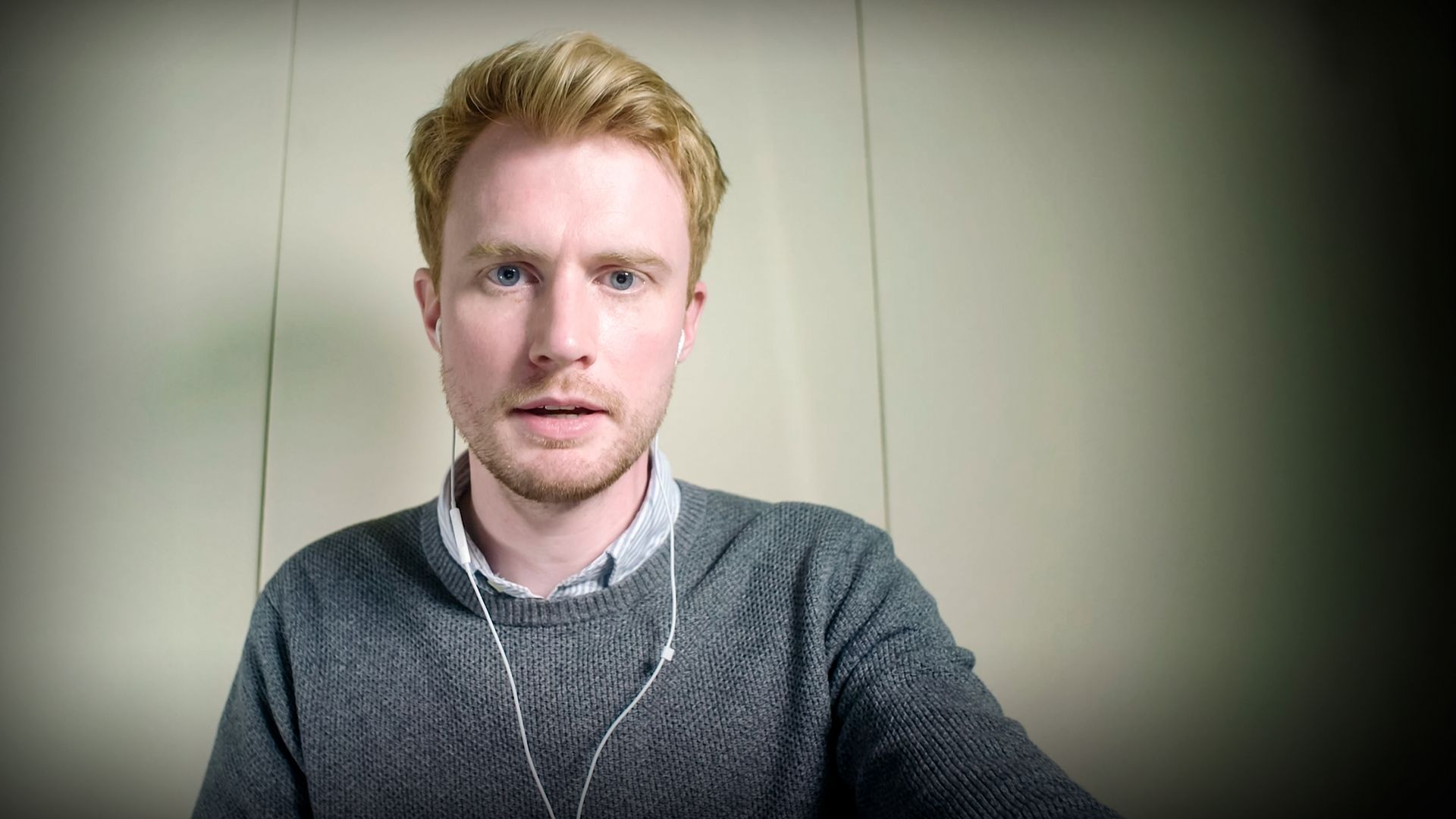
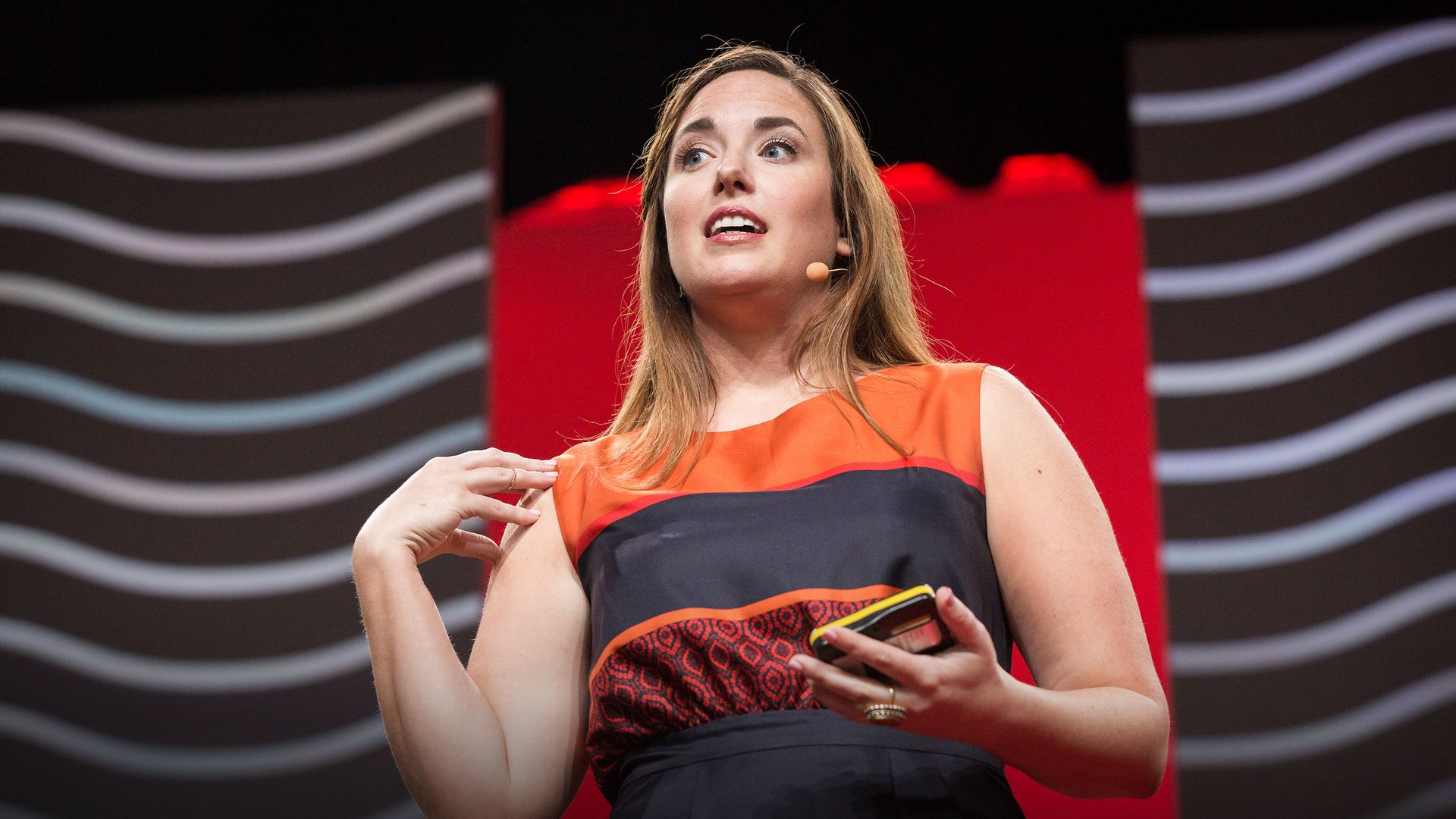
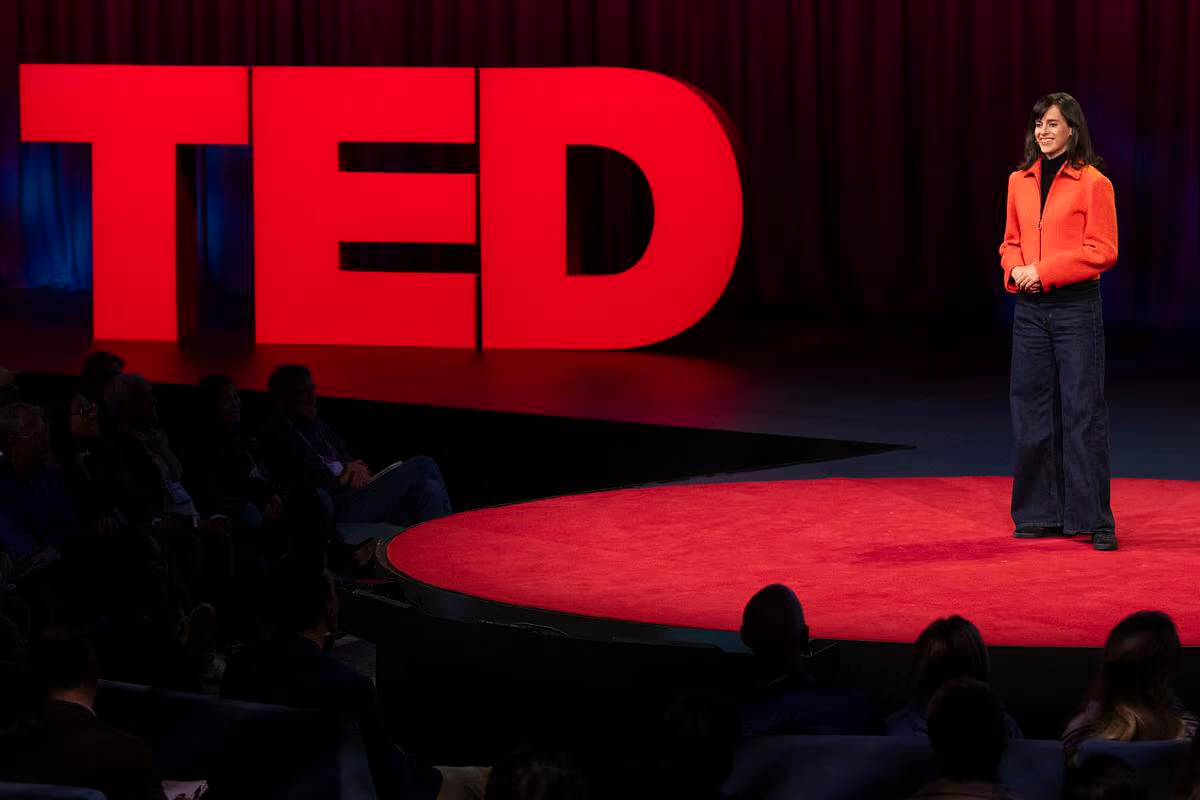
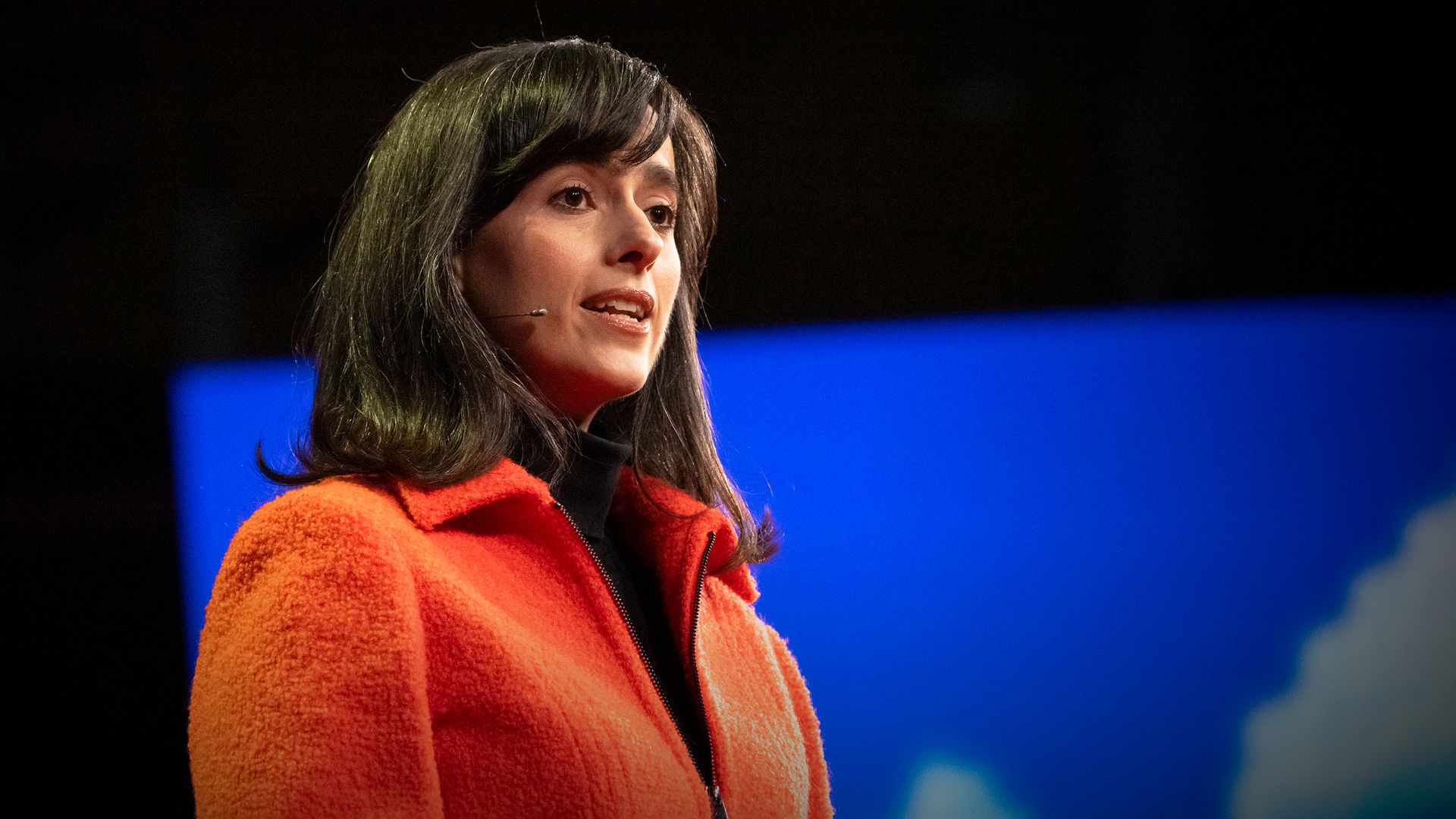
Carissa Véliz

Beware the power of prediction

Podcasts

Hear TED Fellows tell their stories in intimate interviews and learn more about what lies behind their big ideas.

Trinity Tran

Who controls your city's money? | Trinity Tran

What if your city could borrow money from its own bank instead of private lenders? TED Fellow Trinity Tran is leading the push for public banks — which are owned by the people through their local governments — and shows how this model could ensure your local tax dollars stay in your community. 

Ryosuke Takashima

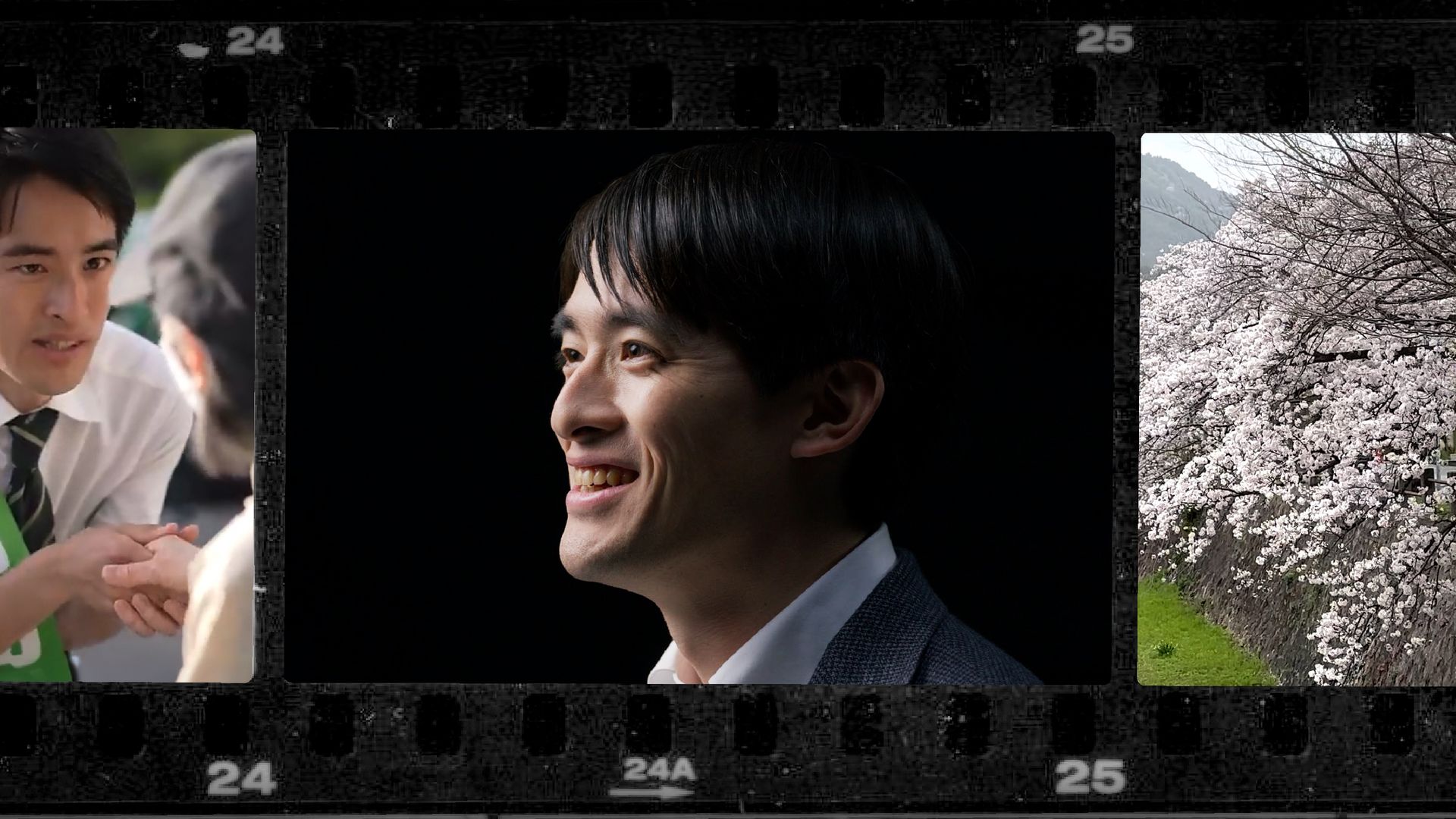
Meet the youngest-ever mayor in Japan's history | Ryosuke Takashima

TED Fellow Ryosuke Takashima is the youngest-ever mayor in Japan's history — but he doesn't consider himself a politician. His approach to leadership is simple: listen to as many voices as possible (from students to elders) in order to figure out what needs fixing. Hear why he thinks inviting citizens to participate in reforming their own communities is the best way to get things done.

Schendy Kernizan

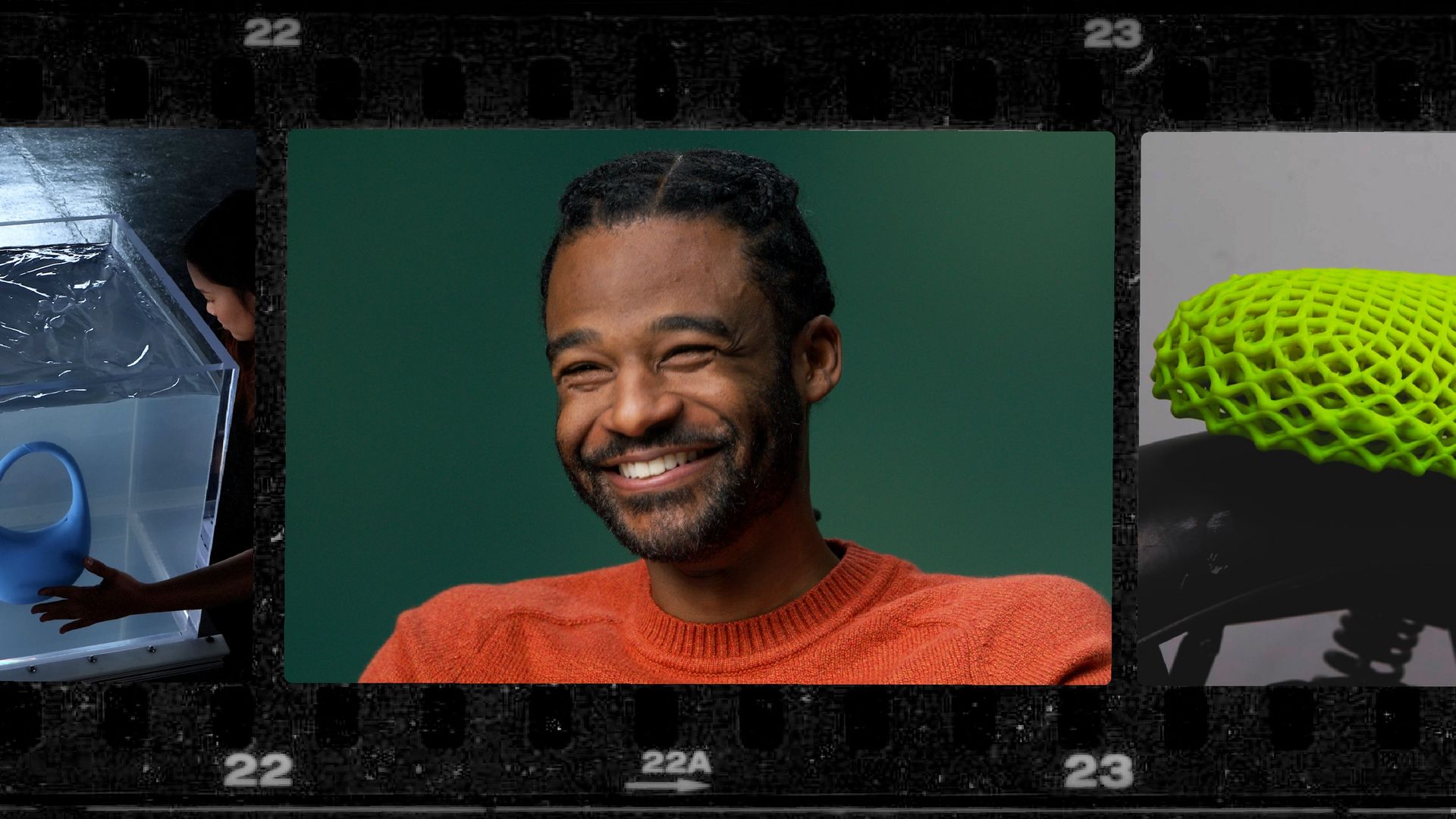
The gravity-defying future of manufacturing | Schendy Kernizan

3D printing promised to reinvent how we make things, but it's mostly stuck producing prototypes with a high level of waste. Designer and TED Fellow Schendy Kernizan found a different way — by printing objects directly into a tub of gel. He explains how this technique eliminates the constraints of gravity, pushing the limits of how we can manufacture objects across medicine, fashion, space travel and more.
Listen to all
Podcast episodes

TED Fellows Films

TED Talks meet documentaries in these short films that explore TED Fellows’ ideas. Dive into all three seasons to explore their mind-blowing innovations. 

05:39

FELLOWS FILM

Meet the youngest-ever mayor in Japan's history

TED Fellow Ryosuke Takashima is the youngest-ever mayor in Japan's history — but he doesn't consider himself a politician. His approach to leadership is simple: listen to as many voices as possible (from students to elders) in order to figure out what needs fixing. Hear why he thinks inviting citizens to participate in reforming their own communities is the best way to get things done.

2026

TED Fellows Film

Ryosuke Takashima
04:47

FELLOWS FILM

The gravity-defying future of manufacturing

3D printing promised to reinvent how we make things, but it's mostly stuck producing prototypes with a high level of waste. Designer and TED Fellow Schendy Kernizan found a different way — by printing objects directly into a tub of gel. He explains how this technique eliminates the constraints of gravity, pushing the limits of how we can manufacture objects across medicine, fashion, space travel and more.

2026

TED Fellows Film

Schendy Kernizan

Fellows Media Library

With 500+ TED Fellows and counting, we’ve got an entire world of media for you to explore. Dive into these talks, short films and podcasts showcasing Fellows turning ideas into action.

Clear
Sort
Thank you! Your submission has been received!
Oops! Something went wrong while submitting the form.

05:43

How dirt bikes and STEM ignite ingenuity in Baltimore

Dirt biking is more than just a pastime -- it's an opportunity to disrupt the cycle of poverty and provide enriching STEM education, says TED Fellow Brittany Young. In this perspective-shifting talk, she shares how her team is working with students and street riders to create safe spaces, transferable skills and community.

2021

TED Talk

Iran
STEM educator // Dirt biking is more than just a pastime -- it's an opportunity to disrupt the cycle of poverty and provide enriching STEM education, says TED Fellow Brittany Young. In this perspective-shifting talk, she shares how her team is working with students and street riders to create safe spaces, transferable skills and community. // STEM educator // bicycle, mobility, education, poverty, stem

Brittany Young

No items found.
2021

05:52

The wonders of the molecular world, animated

Some biological structures are so small that scientists can't see them with even the most powerful microscopes. That's where molecular animator and TED Fellow Janet Iwasa gets creative. Explore vast, unseen molecular worlds as she shares mesmerizing animations that imagine how they might work.

2020

TED Talk

United States
University of Utah; Harvard Medical School; 1μm Illustration; Williams College; University of California, San Francisco; Massachusetts General Hospital
The Animation Lab at the University of Utah specializes in creating scientifically accurate and visually stunning animations depicting molecular and cellular processes. They collaborate with researchers to communicate scientific ideas through 2D and 3D illustrations and animations. Their work has broad applications in scientific research, education, and outreach. The lab also focuses on creating tools and workflows to enable researchers to visualize their processes effectively. They have worked on projects related to HIV, cryo-EM, liquid-liquid phase separation, SARS-CoV-2, fat metabolism, tumor metabolism, and more. The team includes experts in biochemistry, animation, and scientific visualization. They welcome collaborations and offer opportunities for postdoctoral candidates and graduate students to learn visualization techniques. Their publications cover a range of topics related to molecular mechanisms, cell biology, and scientific communication through visual means. // I am interested in using animation techniques to visualize, explore and communicate molecular and scientific processes. // Scientific illustration and animation for a variety of clients in academia and industry.Past and present clients include:John Wiley & Sons Publishing, Harvard University, MIT, UCSF, Genentech, Novophage, NIH, MRC-Cambridge, Anaptysbio, UC Berkeley, UNC-Chapel Hill, U Mass Medical School, Nature Publishing, Penguin Publishing // + Developed animations, illustrations and figures in close collaboration with faculty in the Cell Biology Department+ Acted as PI and co-PI on NIH and NSF grants related to biological visualization and imaging. +Taught courses and workshops on scientific animation // As a NSF Discovery Corp Postdoctoral fellow in Jack Szostak's lab (MGH/Harvard Medical School), I collaborated with the Museum of Science, Boston to create a multimedia exhibit on the origins of life. As part of the exhibit, I created a website (http://ExploringOrigins.org) which hosts a virtual exhibit. // University of Utah; Harvard Medical School; 1μm Illustration; Williams College; University of California, San Francisco; Massachusetts General Hospital // Janet Iwasa is a skilled scientific illustrator and animator with a passion for using animation techniques to visualize and communicate complex molecular and scientific processes. With a diverse portfolio of clients in academia and industry, including prestigious institutions like Harvard University, MIT, and Genentech, Janet has developed animations, illustrations, and figures in close collaboration with faculty in the Cell Biology Department. Her expertise extends to serving as a Principal Investigator (PI) and co-PI on NIH and NSF grants related to biological visualization and imaging. Janet's commitment to education is evident through her teaching of courses and workshops on scientific animation, showcasing her dedication to advancing scientific understanding through visual storytelling. // Janet Iwasa is a highly skilled scientific illustrator and animator known for her expertise in creating visually captivating and scientifically accurate animations of molecular and cellular processes. She collaborates with researchers from prestigious institutions to develop animations that effectively communicate complex scientific concepts. Janet's work extends to serving as a Principal Investigator on grants related to biological visualization, highlighting her commitment to advancing scientific understanding through visual storytelling. Her dedication to education is evident through her teaching of courses and workshops on scientific animation. With a diverse portfolio of projects covering topics such as HIV, cryo-EM, and tumor metabolism, Janet's animations have broad applications in scientific research, education, and outreach. // Molecular animator // Janet Iwasa is a research assistant professor in the biochemistry department at the University of Utah. Her broad goal is to create accurate and compelling molecular and cellular visualizations that will support research, learning and scientific communication. Iwasa's award-winning illustrations and animations have appeared in scientific journals including Nature, Science and Cell, as well as in the New York Times. Her work has also been featured on television and in museum exhibits. Iwasa was recently recognized as one of the “100 Most Creative People” of 2012 by Fast Company Magazine. As a postdoctoral fellow, Iwasa created a multimedia exhibit with Nobel Laureate Jack Szostak (Harvard University) and the Museum of Science, Boston, and later worked on biological visualizations as a faculty member at Harvard Medical School. She received her Ph.D. in 2006 from the University of California, San Francisco for her work on the actin cytoskeleton in the laboratory of Dyche Mullins, and completed 3D animation training at the Gnomon School of Visual Effects later that same summer. // Janet Iwasa is an assistant professor in the Biochemistry Department at the University of Utah. Her broad goal is to create accurate and compelling molecular and cellular visualizations that will support research, learning and scientific communication. Janet's award-winning illustrations and animations have appeared in scientific journals including Nature, Science and Cell, as well as in the New York Times. Her work has also been featured on television and in museum exhibits. Janet was named a 2014 TED fellow, a 2017 TED Senior Fellow and recognized as one of the "100 Leading Global Thinkers" of 2014 by Foreign Policy magazine and one of the “100 Most Creative People” of 2012 by Fast Company magazine. As a postdoctoral fellow, she created a multimedia exhibit with Nobel Laureate Jack Szostak (Harvard University) and the Museum of Science, Boston, and later worked on biological visualizations as a faculty member at Harvard Medical School. She received her Ph.D. from the University of California, San Francisco for her work on the actin cytoskeleton in the laboratory of Dyche Mullins, and completed 3D animation training at the Gnomon School of Visual Effects later that same summer. // Some biological structures are so small that scientists can't see them with even the most powerful microscopes. That's where molecular animator and TED Fellow Janet Iwasa gets creative. Explore vast, unseen molecular worlds as she shares mesmerizing animations that imagine how they might work. // 3D animation can bring scientific hypotheses to life. Molecular biologist (and TED Fellow) Janet Iwasa introduces a new open-source animation software designed just for scientists. // Janet Iwasa is a highly skilled scientific illustrator and animator known for her expertise in creating visually captivating and scientifically accurate animations of molecular and cellular processes. She collaborates with researchers from prestigious institutions to develop animations that effectively communicate complex scientific concepts. Janet's work extends to serving as a Principal Investigator on grants related to biological visualization, highlighting her commitment to advancing scientific understanding through visual storytelling. Her dedication to education is evident through her teaching of courses and workshops on scientific animation. With a diverse portfolio of projects covering topics such as HIV, cryo-EM, and tumor metabolism, Janet's animations have broad applications in scientific research, education, and outreach. // Molecular animator // research, education and outreach, nature, design, education, science, bioinformatics, animation, visualization, policy, 3d animation, cell and molecular biology, software, communication, job skills training, molecular biologist // Utah|Salt Lake City|United States|USA
Utah|Salt Lake City|United States|USA

Janet Iwasa

No items found.
2020

05:08

This refrigerator is saving lives

TED Fellow and renewable energy expert Norah Magero envisions an Africa that pioneers its own technological future, shifting the narrative from dependence and consumption to self-reliance and innovation. She shares how she developed VacciBox — a solar-powered refrigeration system made in Kenya to keep vaccines cold in off-grid areas — and highlights the power of homegrown solutions to transform health care.

2024

TED Fellows Film

Kenya

Norah Magero

No items found.
2024

Documentary films that explore trauma -- and make space for healing | Almudena Toral

Through documentary films following survivors of trauma, TED Fellow Almudena Toral makes invisible psychological scars seen. She shares the heartbreaking story of Adayanci Pérez, a six-year-old girl from Guatemala suffering from post-traumatic stress disorder (PTSD) due to her encounter with US immigration enforcement. A powerful call to give voice to those who are silenced -- and pressure governments to change their course of action. Hosted on Acast. See acast.com/privacy for more information.

2021

Podcasts

United States
Visual journalist // Almudena Toral is a 2020 TED fellow and the Executive Producer at ProPublica, the investigative news organization, where she heads the documentary film and video department. She previously headed the enterprise video team at Univision News Digital – the team covered the U.S. and Latin America through documentaries, photo essays, visuals for interactives and special projects, illustration and animation. Prior to joining Univision, she taught video storytelling at Craig Newmark Graduate School of Journalism, pursued her own projects worldwide as a freelance journalist and worked at The New York Times and TIME. Her work has also been published by The Guardian, AlJazeera, VICE, The Intercept, Canal+, NPR, PBS and other outlets. A short documentary Toral produced on children PTSD after the 'zero tolerance' policy was named 2019 World Press Photo Online Video of the Year. Toral's work has also been recognized by four News & Documentary Emmys, four Edward R. Murrow awards, Pictures of the Year International, RFK Human Rights Journalism awards, the Hillman Prize, PDN Photo Annual, the National Press Photographers Association Best of Photojournalism, the Webbys, an Ortega & Gasset award, a Gabo Prize, Rey de España awards, regional Emmys, National Headliner, Deadline Press Club, New York Press Club awards and others. She's a 2020 TED fellow, a 2019 Ochberg fellow at the Dart Center at Columbia University and a 2019-2020 Carter Center fellow. Almudena has also been a grantee of The Pulitzer Center on Crisis Reporting, the International Women's Media Foundation and The International Reporting Project. // Through documentary films following survivors of trauma, TED Fellow Almudena Toral makes invisible psychological scars seen. She shares the heartbreaking story of Adayanci Pérez, a six-year-old girl from Guatemala suffering from post-traumatic stress disorder (PTSD) due to her encounter with US immigration enforcement. A powerful call to give voice to those who are silenced -- and pressure governments to change their course of action. // Almudena Toral is a 2020 TED fellow and the Executive Producer at ProPublica, the investigative news organization, where she heads the documentary film and video department. She previously headed the enterprise video team at Univision News Digital – the team covered the U.S. and Latin America through documentaries, photo essays, visuals for interactives and special projects, illustration and animation. Prior to joining Univision, she taught video storytelling at Craig Newmark Graduate School of Journalism, pursued her own projects worldwide as a freelance journalist and worked at The New York Times and TIME. Her work has also been published by The Guardian, AlJazeera, VICE, The Intercept, Canal+, NPR, PBS and other outlets. A short documentary Toral produced on children PTSD after the 'zero tolerance' policy was named 2019 World Press Photo Online Video of the Year. Toral's work has also been recognized by four News & Documentary Emmys, four Edward R. Murrow awards, Pictures of the Year International, RFK Human Rights Journalism awards, the Hillman Prize, PDN Photo Annual, the National Press Photographers Association Best of Photojournalism, the Webbys, an Ortega & Gasset award, a Gabo Prize, Rey de España awards, regional Emmys, National Headliner, Deadline Press Club, New York Press Club awards and others. She's a 2020 TED fellow, a 2019 Ochberg fellow at the Dart Center at Columbia University and a 2019-2020 Carter Center fellow. Almudena has also been a grantee of The Pulitzer Center on Crisis Reporting, the International Women's Media Foundation and The International Reporting Project. // Visual journalist // children, human rights, rights, immigration, policy, documentary, women

Almudena Toral

No items found.
2021

Why I still have hope for coral reefs | Kristen Marhaver

Corals in the Pacific Ocean have been dying at an alarming rate, particularly from bleaching brought on by increased water temperatures. But it's not too late to act, says TED Fellow Kristen Marhaver. She points to the Caribbean -- given time, stable temperatures and strong protection, corals there have shown the ability to survive and recover from trauma. Marhaver reminds us why we need to keep working to protect the precious corals we have left. "Corals have always been playing the long game," she says, "and now so are we."

2017

Podcasts

FDA; University of California San Diego; Scripps Institution of Oceanography, UCSD; The Marhaver Lab at CARMABI; Wichita Collegiate School; CARMABI (Caribbean Research and Management of Biodiversity); Birch Aquarium at Scripps; University of California, San Diego; NYU School of Medicine; UC San Diego; University of California, Merced; TED Conferences; Georgia Institute of Technology; University of California at Merced
The Marhaver Lab is a marine biology research lab focused on coral reef recovery. Led by Dr. Kristen Marhaver, the lab conducts research on coral breeding, reproduction, and restoration. They collaborate with various organizations globally to share solutions for growing corals faster. The lab hosts students and collaborators to study coral reef ecology and restoration. Their work includes establishing a global coral cryopreservation network and conducting field research on coral settlement materials. The lab also engages in science communication efforts to raise awareness about coral restoration and ocean conservation. // The organization TED Conferences, LLC facilitates translations through volunteer translators for their Open Translation Project. // Coral scientist known for pioneering coral breeding methods that are now used globally in science and restoration, first person to grow baby pillar coral (photo above) and pineapple coral, achieved the first assisted gene flow in corals using cryopreserved sperm // • Designing and leading research on coral reproduction, beneficial microbes, materials engineering for reef restoration, coral cryopreservation, ecology, and natural history• National Geographic Explorer, World Economic Forum Young Scientist, WINGS Fellow• Invited Talks: Reef Futures Plenary, WEF AMNC 2018, TED2017, Harvard MCZ, ISRS 2017, WEF AMNC 2016, Cozumel Scuba Fest, ASMS Plenary, ICRS 2016• >2M TED Talk views• Supervising student research interns (19 and counting)• Providing advice to governments, NGOs, and companies on innovation for marine conservation• Still absorbing too much UVB // • Designed and managed research on coral microbial ecology, larval behavior, reproductive ecology, and coral evolution• Taught and mentored students and guest scientists at CARMABI• NSF Postdoctoral Research Fellowship in Ocean Sciences (PRF-OCE)• Absorbed unreasonable amounts of UVA and UVB• Invited Talks: TED Mission Blue II, TED2015, World Economic Forum, Mendeley,​ Science Foo Camp, San Francisco Exploratorium, San Diego Zoo Institute for Conservation Research, Cancun Festival de los Oceanos• Guest Author, Wired UK• Press: NPR Morning Edition, BBC World News, Scientific American, The Atlantic, New Scientist, Popular Science, 52 Insights, Marine Life, Vancouver Sun, Dolfijn FM, RTL News, WWF-NL, Roots Magazine, TakePart, OnEarth, Climate Wire // • Designed and conducted research on coral-associated viral communities, Janzen-Connell effects in reef corals, coral-microbe interactions, marine larval behavior• NSF Graduate Research Fellowship, NSF IGERT Fellowship, NSF DDIG (IOS - Animal Behavior), SIO Stout Fellowship, WSN Best Student Paper, ASLO/AGU Outstanding Student Paper• Sci-Comm: Science Progress, The Oyster's Garter, WSN Sci-Comm workshop, Nerd Nite San Diego, "The Open Laboratory: The Best Science Writing on the Web"• UCSD Outstanding Teacher Rating (Biochemistry of Nutrition), Course Assistant for Marine Biodiversity and Conservation // Performed in vitro experiments on human ductal carcinoma cell lines to quantify effects of cancer drugs on protein translation rate (SURP program, lab of Robert Schneider) // • Oversaw field and lab research on coral-microbe interactions, larval behavior, gene expression, and coral out-planting• NSF Research Grant (IOS - Behavioral Systems)• TED Global Fellow• Invited Talks: TEDGlobal 2012, Google, ICES, FIDALMAR, TEDxHoogstraat, Curacao Sustainable Business Council // • This was my weekly volunteer gig with the wonderful aquarists at Birch• Skills gained: coral propagation, coral feeding, coral mind reading, coral zen, coral interior decorating, outsmarting algae, understanding plumbing, observing the very slow arguments corals have with their neighbors• 400 hours // Awards and Honors• School of Biology Williams-Walls Award• School of Biology John H. Ridley Award• Tri-Beta Biology Honors Society President '03-'04• College of Sciences President's Undergraduate Research Fellowship• HHMI Undergraduate Research Fellowships (2)Research• Research assistant for a three-year study of coral stress genes (assistant to Ph.D. student Sara Edge, lab of Terry Snell)• Research assistant for a population genetic study of Indonesian coral reef fish (assistant to postdoc Eric Hoffman, lab of Adam Jones)• Field assistant for coral reef ecology research in the Florida Keys (lab of Mark Hay) // Prepared high-volume stocks of laboratory media for use by FDA analysts testing the food supply for bacterial pathogens // • Oversaw field and lab research on coral-microbe interactions, larval behavior, gene expression, and coral out-planting• NSF Research Grant (IOS - Behavioral Systems)• TED Global Fellow• Invited Talks: TEDGlobal 2012, Google, ICES, FIDALMAR, TEDxHoogstraat, Curacao Sustainable Business Council // FDA; University of California San Diego; Scripps Institution of Oceanography, UCSD; The Marhaver Lab at CARMABI; Wichita Collegiate School; CARMABI (Caribbean Research and Management of Biodiversity); Birch Aquarium at Scripps; University of California, San Diego; NYU School of Medicine; UC San Diego; University of California, Merced; TED Conferences; Georgia Institute of Technology; University of California at Merced // Kristen Marhaver is a coral scientist recognized for her innovative work in coral breeding methods and restoration efforts. She has achieved significant milestones in coral research, including being the first to grow baby pillar coral and pineapple coral, as well as accomplishing the first assisted gene flow in corals using cryopreserved sperm. Kristen's expertise spans various areas such as coral reproduction, beneficial microbes, materials engineering for reef restoration, and coral cryopreservation. She has been a National Geographic Explorer, a World Economic Forum Young Scientist, and a WINGS Fellow, and has delivered invited talks at prestigious events and institutions worldwide. Kristen has also supervised numerous student research interns and provided valuable insights to governments, NGOs, and companies on marine conservation innovation. // We fight for baby corals because they have very short arms. The Marhaver Lab solves the trickiest puzzles in coral breeding and shares the solutions globally so that everyone can grow more corals, faster. We're a gene bank, IVF clinic, neonatal ICU, and daycare, except for baby endangered corals so of course it's super easy and nothing ever goes wrong. // Dr. Kristen Marhaver is a distinguished coral scientist renowned for her groundbreaking work in coral breeding techniques and restoration initiatives. Leading the Marhaver Lab, she spearheads research on coral reproduction, restoration, and the establishment of a global coral cryopreservation network. Kristen's expertise encompasses coral ecology, beneficial microorganisms, materials engineering for reef rehabilitation, and cryopreservation methods. She has achieved notable milestones in coral research, including pioneering the growth of baby pillar coral and pineapple coral, as well as conducting the first assisted gene flow in corals using cryopreserved sperm. Through collaborations with organizations worldwide, Kristen and her lab are at the forefront of efforts to accelerate coral reef recovery and raise awareness about marine conservation. // Coral reef biologist // I'm a Caribbean marine biologist developing 'assisted reproduction' methods for threatened coral species. My research is 50% basic (studying ecology, behavior, and reproduction) and 50% applied (inventing probiotics, settlement surfaces, outplanting strategies, and preservation methods for corals). By learning what keeps juvenile corals alive, we can bias reef ecosystems back toward corals and recover the wealth they produce for society. I'm also working to increase the power of science in society by challenging scientists and journalists to re-examine the inefficient publishing and communication traditions of the past. // We fight for baby corals because they have very short arms. The Marhaver Lab solves the trickiest puzzles in coral breeding and shares the solutions globally so that everyone can grow more corals, faster. We're a gene bank, IVF clinic, neonatal ICU, and daycare, except for baby endangered corals so of course it's super easy and nothing ever goes wrong. We were the first team to breed endangered Pillar Corals and the first to breed endangered Elkhorn Corals from cryopreserved sperm. (Both were considered impossible but turned out very cute.) We also run the world's largest gene bank of Caribbean coral. Our conservation antics have been featured by NPR, BBC, and other acronyms. Leading the skunkworks, Dr. Kristen Marhaver is a TED Senior Fellow, National Geographic Explorer, World Economic Forum Young Scientist, and Georgia Tech 40 Under 40 honoree. The Marhaver Lab is based at CARMABI on the island of Curaçao and you should definitely visit because it's the island of Curaçao. // Corals in the Pacific Ocean have been dying at an alarming rate, particularly from bleaching brought on by increased water temperatures. But it's not too late to act, says TED Fellow Kristen Marhaver. She points to the Caribbean -- given time, stable temperatures and strong protection, corals there have shown the ability to survive and recover from trauma. Marhaver reminds us why we need to keep working to protect the precious corals we have left. "Corals have always been playing the long game," she says, "and now so are we." // Kristen Marhaver studies corals, tiny creatures the size of a poppyseed that, over hundreds of slow years, create beautiful, life-sustaining ocean structures hundreds of miles long. As she admits, it's easy to get sad about the state of coral reefs; they're in the news lately because of how quickly they're bleaching, dying and turning to slime. But the good news is that we're learning more and more about these amazing marine invertebrates -- including how to help them (and help them help us). This biologist and TED Senior Fellow offers a glimpse into the wonderful and mysterious lives of these hard-working and fragile creatures. // Dr. Kristen Marhaver is a distinguished coral scientist renowned for her groundbreaking work in coral breeding techniques and restoration initiatives. Leading the Marhaver Lab, she spearheads research on coral reproduction, restoration, and the establishment of a global coral cryopreservation network. Kristen's expertise encompasses coral ecology, beneficial microorganisms, materials engineering for reef rehabilitation, and cryopreservation methods. She has achieved notable milestones in coral research, including pioneering the growth of baby pillar coral and pineapple coral, as well as conducting the first assisted gene flow in corals using cryopreserved sperm. Through collaborations with organizations worldwide, Kristen and her lab are at the forefront of efforts to accelerate coral reef recovery and raise awareness about marine conservation. // Coral reef biologist // technology, photomicroscopy, water, ocean conservation, education, nutrition, biodiversity, led, paper, fish, gene bank, cryopreservation, microscopy, marine life, food supply, coral reef conservation, research, reef conservation, fishing, coral reef, reef restoration, photography, ecosystem, climate, design, microbes, environmental policy and advocacy, volunteerism, coral reefs, policy, advocacy campaigns, species, coral, coral reproduction, coral species, coral reef restoration, oceans, environmental consciousness, underwater photography and photomicroscopy, advocacy, island, teachers, campaigns, conservation, photography in the dark, reef, underwater photography, coral breeding, science, food, restoration, oceanography, communication, microbiology, baby corals, ecology, coral restoration, algae, marine ecology // Willemstad|Curaçao|USA|Curacao|Netherlands Antilles|Minneapolis|Minnesota
Willemstad|Curaçao|USA|Curacao|Netherlands Antilles|Minneapolis|Minnesota

Kristen Marhaver

No items found.
2017

08:39

Art that craves your attention

In this charming talk, artist Aparna Rao shows us her latest work: cool, cartoony sculptures (with neat robotic tricks underneath them) that play with your perception -- and crave your attention. Take a few minutes to simply be delighted.

2014

TED Talk

India
Pors & Rao have developed PATHOS, a platform that enables artists and non-engineers to utilize robotics for expressive movement and response. Supported by Google Arts & Culture, the tool allows for detailed animation of motors through a browser-based interface, eliminating the need for extensive technical expertise. The project, initiated in 2014 and further developed in 2017, aims to create lifelike objects using robotics, bridging the gap between artistic vision and technical implementation. Pors & Rao, known for their work in robotic motion and response, established the Robotics Aesthetics & Usability Center at ETH Zurich to expand the project's reach into the visual arts field. Their tool enables the creation and manipulation of motion curves, offering real-time feedback and functions like 'Stretch Curve' and 'Copy-Paste'. Through their art, Pors & Rao explore themes of emotion, awareness, and sentience, showcasing how behavioral algorithms can bring inanimate objects to life. // Contribute something to the field of contemporary art, become a great example of crafts community led furniture design company; design for social impact and hope to make robotics accessible for non engineers/ artists. // Aparna Rao, along with Pors & Rao, is a pioneering figure in the field of robotics and contemporary art. They have developed PATHOS, a user-friendly platform that empowers artists and non-engineers to create expressive robotic movements without requiring extensive technical knowledge. Their work, supported by Google Arts & Culture, focuses on bridging the gap between artistic vision and technical implementation by enabling detailed animation of motors through a browser-based interface. Pors & Rao's Robotics Aesthetics & Usability Center at ETH Zurich further expands the project's impact in the visual arts field. Through their exploration of themes like emotion and sentience, they showcase how behavioral algorithms can animate inanimate objects, pushing the boundaries of art and technology integration. // Artist // Aparna Rao (1978, India) is a part of the artistic duo Pors & Rao, since 2004. This is a multi-disciplinary art practice involving mechanical and electronic engineering, programming and manufacturing processes. In 2009 they began to show their works at Expanded Box section at ARCO Madrid, Spain; Indian Highway curated by Hans Ulrich Obrist, Julia Peyton-Jones and Gunnar Kvaran at the Astrup Fearnley Museum of Modern Art, Norway; and at the 4th Fukuoka Asian Art Triennale, curated by Raiji Kuroda, Fukuoka Asian Art Museum, Japan. Since then the duo has focused on developing new works. Applied Fiction is their first-ever solo exhibition and after being exhibited in New Delhi it will travel to Centro de Arte Caja de Burgos, Spain, in May 2011. Pors & Rao have also been recently awarded a commission from the Metamatic Research Initiative, an Amsterdam-based non-profit organization to realize their longstanding interactive installation Nisse TV. // In this charming talk, artist Aparna Rao shows us her latest work: cool, cartoony sculptures (with neat robotic tricks underneath them) that play with your perception -- and crave your attention. Take a few minutes to simply be delighted. // Artist and TED Fellow Aparna Rao re-imagines the familiar in surprising, often humorous ways. With her collaborator Soren Pors, Rao creates high-tech art installations -- a typewriter that sends emails, a camera that tracks you through the room only to make you invisible on screen -- that put a playful spin on ordinary objects and interactions. // Aparna Rao, along with Pors & Rao, is a pioneering figure in the field of robotics and contemporary art. They have developed PATHOS, a user-friendly platform that empowers artists and non-engineers to create expressive robotic movements without requiring extensive technical knowledge. Their work, supported by Google Arts & Culture, focuses on bridging the gap between artistic vision and technical implementation by enabling detailed animation of motors through a browser-based interface. Pors & Rao's Robotics Aesthetics & Usability Center at ETH Zurich further expands the project's impact in the visual arts field. Through their exploration of themes like emotion and sentience, they showcase how behavioral algorithms can animate inanimate objects, pushing the boundaries of art and technology integration. // Artist // research, technology, design, robotics, led, artistic conceptualisation, technology appropriation, furniture design, manufacturing, art, manufacturing & fabrication // Bangalore|Karnataka|Bengaluru|India
Bangalore|Karnataka|Bengaluru|India

Aparna Rao

No items found.
2014

20:49

Help discover ancient ruins -- before it's too late

Sarah Parcak uses satellites orbiting hundreds of miles above Earth to uncover hidden ancient treasures buried beneath our feet. There's a lot to discover; in the Egyptian Delta alone, Parcak estimates we've excavated less than a thousandth of one percent of what's out there. Now, with the 2016 TED Prize and an infectious enthusiasm for archaeology, she's developed an online platform called GlobalXplorer that enables anyone with an internet connection to discover unknown sites and protect what remains of our shared human inheritance.

2017

TED Talk

United States
I am trying to empower diverse stakeholders to help protect and preserve our shared cultural heritage // Sarah Parcak is an archaeologist and space archaeologist known for her pioneering work in using satellite imagery to uncover and protect archaeological sites around the world. Through her research, she has revolutionized the field by developing innovative methods to identify hidden sites and track looting activities. Parcak's expertise lies in leveraging technology to study ancient civilizations and address contemporary challenges facing cultural heritage preservation. She is dedicated to empowering diverse stakeholders to contribute to the safeguarding of our global cultural legacy. // Space archeologist // Sarah Parcak is from Bangor, Maine. She holds degrees from Yale (BA) and Cambridge University (M.Phil and PhD), is a Fellow of the Society of Antiquaries (an elected position), and a 2012 TED fellow. Sarah serves as the founding director of the Laboratory for Global Observation at the University of Alabama at Birmingham, where she is an Associate Professor in the Department of Anthropology. She is also the CEO of SpectralGlobe technologies (www.spectralglobe.com), a company which specializes in using remote sensing technologies to provide innovative landscape solutions. Sarah and her longtime sweetheart, Egyptologist Greg Mumford, work together on the Surveys and Excavation Projects in Egypt (www.deltasinai.com), which includes archaeological projects in the Delta, Sinai, and pyramid fields regions of Egypt. Sarah has written the first textbook on the field of satellite archaeology, called Satellite Remote Sensing for Archaeology, and has published numerous peer reviewed scientific papers. She is regularly invited to give papers at national and international conferences and symposia. She is also interviewed regularly for national print media (Science, Nature, National Geographic, CNN, BBC). Her research has been features in a major international BBC-Discovery Chanel Documentary, Egypt: What Lies Beneath,”, and she is currently working with BBC-Discovery on another program using satellite imagery to map the Roman Empire. Sarah has worked with NASA, the U.S. State Dept., and has collaborators across the globe. She has given 150 talks to a range of audiences across the globe. Sarah is an avid fan of “football,” as she played varsity football (aka “soccer”) for Yale and Cambridge, winning her varsity blue and leading Cambridge to a 4-0 defeat of Oxford in the Varsity Match in 2005 with 2 goals and 2 assists. She enjoys gardening, cooking, traveling, and learning bluegrass guitar. // Sarah Parcak uses satellites orbiting hundreds of miles above Earth to uncover hidden ancient treasures buried beneath our feet. There's a lot to discover; in the Egyptian Delta alone, Parcak estimates we've excavated less than a thousandth of one percent of what's out there. Now, with the 2016 TED Prize and an infectious enthusiasm for archaeology, she's developed an online platform called GlobalXplorer that enables anyone with an internet connection to discover unknown sites and protect what remains of our shared human inheritance. // Around the world, hundreds of thousands of lost ancient sites lie buried and hidden from view. Satellite archaeologist Sarah Parcak is determined to find them before looters do. With the 2016 TED Prize, Parcak is building an online citizen-science tool called GlobalXplorer that will train an army of volunteer explorers to find and protect the world's hidden heritage. In this talk, she offers a preview of the first place they'll look: Peru -- the home of Machu Picchu, the Nazca lines and other archaeological wonders waiting to be discovered. // In this short talk, TED Fellow Sarah Parcak introduces the field of "space archaeology" -- using satellite images to search for clues to the lost sites of past civilizations. // Sarah Parcak is an archaeologist and space archaeologist known for her pioneering work in using satellite imagery to uncover and protect archaeological sites around the world. Through her research, she has revolutionized the field by developing innovative methods to identify hidden sites and track looting activities. Parcak's expertise lies in leveraging technology to study ancient civilizations and address contemporary challenges facing cultural heritage preservation. She is dedicated to empowering diverse stakeholders to contribute to the safeguarding of our global cultural legacy. // Space archeologist // technology, geospatial information, remote sensing and geospatial information, egyptology, geospatial analysis, research, volunteerism, satellite, archaeology, cultural heritage, remote sensing, documentary, nature, cooking, explorer, ancient history, remote-sensing, science, anthropology // Alabama|USA|Birmingham|United States|Egypt|Cairo
Alabama|USA|Birmingham|United States|Egypt|Cairo

Sarah Parcak

No items found.
2017

How we're saving one of Earth's last wild places | Steve Boyes

Navigating territorial hippos and active minefields, TED Fellow Steve Boyes and a team of scientists have been traveling through the Okavango Delta, Africa's largest remaining wetland wilderness, to explore and protect this near-pristine habitat against the rising threat of development. In this awe-inspiring talk packed with images, he shares his work doing detailed scientific surveys in the hopes of protecting this enormous, fragile wilderness. Hosted on Acast. See acast.com/privacy for more information.

2018

Podcasts

South Africa
Conservation biologist // South African conservation biologist Steve Boyes is the Founder of the Wild Bird Trust. With a passion for wilderness and restoration, he works to protect Botswana’s pristine Okavango Delta from threats upstream. In 2015, Boyes and his team poled and paddled dug-out canoes over 1,500 miles across the Okavango River Basin from source-to-sand in 121 days. This was the first exploration of the remote upper reaches of the Cuito and Cuanavale Rivers. New species. Unknown waterfalls. First contact. The goal. Work with the Angolan government to establish, by far, the largest wildlife reserve in Africa. One of the great conservation opportunities of our generation. We are these last wild places everyone of us. A childhood fascination for wild parrots has Boyes working tirelessly to mitigate all extinction threats to Africa's parrots. He discovered and successfully combatted a devastating outbreak of Psittacine Beak and Feather Disease in wild Cape parrots, Africa’s most endangered parrot. His research motivated a moratorium on the importation of African grey parrots, Africa’s most traded wild bird, into South Africa. He is currently focusing on planting a million indigenous trees and establishing new protected areas. Boyes is a Fellow at the National Geographic Society and a 2016 TED Senior Fellow. // Navigating territorial hippos and active minefields, TED Fellow Steve Boyes and a team of scientists have been traveling through the Okavango Delta, Africa's largest remaining wetland wilderness, to explore and protect this near-pristine habitat against the rising threat of development. In this awe-inspiring talk packed with images, he shares his work doing detailed scientific surveys in the hopes of protecting this enormous, fragile wilderness. // South African conservation biologist Steve Boyes is the Founder of the Wild Bird Trust. With a passion for wilderness and restoration, he works to protect Botswana’s pristine Okavango Delta from threats upstream. In 2015, Boyes and his team poled and paddled dug-out canoes over 1,500 miles across the Okavango River Basin from source-to-sand in 121 days. This was the first exploration of the remote upper reaches of the Cuito and Cuanavale Rivers. New species. Unknown waterfalls. First contact. The goal. Work with the Angolan government to establish, by far, the largest wildlife reserve in Africa. One of the great conservation opportunities of our generation. We are these last wild places everyone of us. A childhood fascination for wild parrots has Boyes working tirelessly to mitigate all extinction threats to Africa's parrots. He discovered and successfully combatted a devastating outbreak of Psittacine Beak and Feather Disease in wild Cape parrots, Africa’s most endangered parrot. His research motivated a moratorium on the importation of African grey parrots, Africa’s most traded wild bird, into South Africa. He is currently focusing on planting a million indigenous trees and establishing new protected areas. Boyes is a Fellow at the National Geographic Society and a 2016 TED Senior Fellow. // Conservation biologist // rivers and lakes, biodiversity, exploring remote wilderness, extinction, moratorium, wilderness, habitat, research, natural protected areas, species, wildlife, wetland, conservation, trees, conservation media, children, biodiversity and conservation, indigenous, biological conservation, restoration, conservation biology, government, ecology, disease // Cape Town|Kommetjie|Western Cape|South Africa
Cape Town|Kommetjie|Western Cape|South Africa

Steve Boyes

No items found.
2018

05:27

Why skin disease is often misdiagnosed in darker skin tones

Skin is one of the most powerful predictors of health, yet nearly half of all new dermatologists admit to feeling uncomfortable identifying health issues on darker skin tones -- resulting in poorer health outcomes for patients of color. In this crucial talk, TED Fellow and dermatologist Jenna C. Lester shares her effort to extend medical training beyond its current limited scope and ensure all medical students get trained in the full spectrum of diseases as they appear in all patients, regardless of skin tone.

2021

TED Talk

United States
Dermatologist // Skin is one of the most powerful predictors of health, yet nearly half of all new dermatologists admit to feeling uncomfortable identifying health issues on darker skin tones -- resulting in poorer health outcomes for patients of color. In this crucial talk, TED Fellow and dermatologist Jenna C. Lester shares her effort to extend medical training beyond its current limited scope and ensure all medical students get trained in the full spectrum of diseases as they appear in all patients, regardless of skin tone. // Dermatologist // education, skin of color, disease, dermatology education equity, job skills training, health equity, dermatology // California|United States|San Francisco
California|United States|San Francisco

Jenna Lester

No items found.
2021

05:45

Physical therapy is boring -- play a game instead

You've just been injured, and you're on the way home from an hour of physical therapy. The last thing you want to do on your own is confusing exercises that take too long to show results. TED Fellow Cosmin Mihaiu demos a fun, cheap solution that turns boring physical therapy exercises into a video game with crystal-clear instructions.

2015

TED Talk

Romania
RAIQC; Faculty of Mathematics and Computer Science, Babeș-Bolyai University; MIRA Rehab; Universitatea „Babeș-Bolyai” din Cluj-Napoca; Faculty of Economic Science and Business Affairs, Babeș-Bolyai University; TED Conferences; Microsoft Student Partners; Colegiul National "Emil Racovita" Cluj-Napoca; NHS Innovation Accelerator; "Emil Racoviță" High-School
Cosmin has a passion for technology and how it can be creatively used to improve day-to-day activities. He enjoys playing video-games, which some may say is a trivial hobby, but it taught him to think about how to use what is fun, engaging and addictive in new ways. He is also passionate about improving health and well-being. After co-founding and leading a health-tech company for over 7 years, Cosmin now works with start-ups to help determine strategies and operations, especially in the healthcare industry. // RAIQC is a web-based clinical simulation platform designed to upskill medical image interpretation, leading to improved patient flow and outcomes. www.raiqc.com Primary activities: • Work with CEO and company management to set and follow the company's strategy and business plan • Liaise with clients, staff and suppliers to deliver all commercial and R&D projects according to plan and budget • Handle day to day business operations // Joined RAIQC to help with its R&D projects management and reporting, while researching opportunities for company growth. // The TED Fellows program handpicks world-changing innovators from around the globe and brings them to the TED stage -- literally and figuratively -- to raise international awareness of their remarkable work.http://www.ted.com/fellows // The NHS Innovation Accelerator supports uptake and spread of proven, impactful innovations across England’s NHS, benefitting patients, populations and NHS staff.https://nhsaccelerator.com/ // RAIQC; Faculty of Mathematics and Computer Science, Babeș-Bolyai University; MIRA Rehab; Universitatea „Babeș-Bolyai” din Cluj-Napoca; Faculty of Economic Science and Business Affairs, Babeș-Bolyai University; TED Conferences; Microsoft Student Partners; Colegiul National "Emil Racovita" Cluj-Napoca; NHS Innovation Accelerator; "Emil Racoviță" High-School // Cosmin Mihaiu is a technology enthusiast with a keen interest in leveraging innovative solutions to enhance daily experiences. With a background in co-founding and leading a health-tech company, he has a strong focus on utilizing technology to advance health and well-being. Currently, Cosmin collaborates with start-ups, particularly in the healthcare sector, to provide strategic insights and operational guidance. His expertise lies in developing strategies, managing projects, and fostering growth opportunities within the industry. Additionally, he has been involved in initiatives like RAIQC, a clinical simulation platform aimed at enhancing medical image interpretation skills for improved patient outcomes. // At first (and through my TED Fellowship and TED Talk), I was aiming to change the world by turning physiotherapy exercises into video-games. I, unfortunately, burn-out of my start-up idea, and after a few months of recovery, I joined another start-up focusing on radiology education. I've worked with and mentored multiple health-tech ideas/startups, leading me to realise that my mission is to change the world by improving healthcare delivery through technology. // Cosmin Mihaiu is a technology enthusiast and entrepreneur dedicated to leveraging innovative solutions to enhance healthcare experiences. With a background in co-founding a health-tech company and a focus on utilizing technology to advance health and well-being, he excels in providing strategic insights and operational guidance to start-ups, particularly in the healthcare sector. Cosmin's expertise lies in developing strategies, managing projects, and fostering growth opportunities within the industry. He has been actively involved in initiatives like RAIQC, a clinical simulation platform aimed at enhancing medical image interpretation skills for improved patient outcomes. Through his experiences and mentorship in the health-tech space, Cosmin is committed to revolutionizing healthcare delivery through technology. // Physical therapy entrepreneur // CEO and co-founder of MIRA Rehab, developing a software platform that engages patients in interactive and therapeutic games, making physical rehabilitation fun. Cosmin's primary focus is establishing collaborations with UK and US medical institutions, persuading them that playing video-games can support therapists when treating their patients. Cosmin broke his arm when he was 7 years old and it took him a long time to recover due to how boring and difficult he found the therapy exercises. When his mother developed frozen shoulder, she barely exercised as well. In order to recover completely, patients need to be actively engaged in their therapy, but they find physical therapy boring, cumbersome and lengthy. Cosmin started working on <a href="http://www.mirarehab.com/">MIRA</a> in 2011 alongside three University colleagues. In 2012, they founded the company MIRA Rehab in UK, being invited in the Healthbox Europe Accelerator in London. Coming from Romania to a place they barely knew, the team had a difficult time maturing their student project into a business. However, they soon realized perseverance is one key thing to grow a business. At the end of the 3 months Healthbox program, the company received the Innovation Award, "<i>the most innovative solution to an industry challenge</i>". Since then, MIRA Rehab has grown and established important collaborations with major institutions, all while receiving several honors and awards. <b><u>Achievements:</u></b> • <b>Imagine Cup by Microsoft, NYC, USA</b> – Top 6 countries in the World, (Jul. ‘11) • <b>Healthbox Europe Accelerator and Innovation Award</b>, London, UK (Oct. ’12 & Jan. ‘13) • <b>Kairos 50</b> - “<i>One of the top 50 most innovative student-run businesses in the World</i>”, NYC, USA • <b>Forbes, Romania Special Edition "30 under 30"</b> (Mar. ’13) • <b>Tech.eu</b> -”<i>One of the top 35 healthcare start-ups to watch in Europe</i>” (Jun. ’14) • <b>The Journal of mHealth</b> (Nov. ’14) - Digital Health 100 Award – MIRA Rehab as one of the top 100 Digital Health companies in the world • <b>Founders Grid</b> (Jan. '15) - MIRA Rehab in <i>50 London Startups You Absolutely Must Know About</i> // CEO and co-founder of MIRA Rehab, developing a software platform that engages patients in interactive and therapeutic games, making physical rehabilitation fun. Cosmin's primary focus is establishing collaborations with UK and US medical institutions, persuading them that playing video-games can support therapists when treating their patients. Cosmin broke his arm when he was 7 years old and it took him a long time to recover due to how boring and difficult he found the therapy exercises. When his mother developed frozen shoulder, she barely exercised as well. In order to recover completely, patients need to be actively engaged in their therapy, but they find physical therapy boring, cumbersome and lengthy. Cosmin started working on MIRA in 2011 alongside three University colleagues. In 2012, they founded the company MIRA Rehab in UK, being invited in the Healthbox Europe Accelerator in London. Coming from Romania to a place they barely knew, the team had a difficult time maturing their student project into a business. However, they soon realized perseverance is one key thing to grow a business. At the end of the 3 months Healthbox program, the company received the Innovation Award, "the most innovative solution to an industry challenge". Since then, MIRA Rehab has grown and established important collaborations with major institutions, all while receiving several honors and awards. Achievements: • Imagine Cup by Microsoft, NYC, USA – Top 6 countries in the World, (Jul. ‘11) • Healthbox Europe Accelerator and Innovation Award, London, UK (Oct. ’12 & Jan. ‘13) • Kairos 50 - “One of the top 50 most innovative student-run businesses in the World”, NYC, USA • Forbes, Romania Special Edition "30 under 30" (Mar. ’13) • Tech.eu -”One of the top 35 healthcare start-ups to watch in Europe” (Jun. ’14) • The Journal of mHealth (Nov. ’14) - Digital Health 100 Award – MIRA Rehab as one of the top 100 Digital Health companies in the world • Founders Grid (Jan. '15) - MIRA Rehab in 50 London Startups You Absolutely Must Know About While in University, Cosmin was also part of the Microsoft Student Partner Program. This is a worldwide educational program with 2,800 members that provides technical expertise, offers leadership roles, and encourages relationships with University faculty. In just one year from entering the MSP Program, Cosmin became Technical Lead of the Microsoft Student Partners program in his University. His duties involved organizing tech seminars for students every other weekend, presenting Microsoft's technologies to students and making sure he had a broad knowledge of all Microsoft's technologies. Education: - Master of Science in Software Engineering (September 2014) - "Babeș-Bolyai" University, Romania - Double-Major Bachelor of Science in Information Engineering (June 2012) - "Babeș-Bolyai" University, Romania - Double-Major Bachelor's Degree in International Business (Feb 2012) - "Babeș-Bolyai" University, Romania // You've just been injured, and you're on the way home from an hour of physical therapy. The last thing you want to do on your own is confusing exercises that take too long to show results. TED Fellow Cosmin Mihaiu demos a fun, cheap solution that turns boring physical therapy exercises into a video game with crystal-clear instructions. // Cosmin Mihaiu is a technology enthusiast and entrepreneur dedicated to leveraging innovative solutions to enhance healthcare experiences. With a background in co-founding a health-tech company and a focus on utilizing technology to advance health and well-being, he excels in providing strategic insights and operational guidance to start-ups, particularly in the healthcare sector. Cosmin's expertise lies in developing strategies, managing projects, and fostering growth opportunities within the industry. He has been actively involved in initiatives like RAIQC, a clinical simulation platform aimed at enhancing medical image interpretation skills for improved patient outcomes. Through his experiences and mentorship in the health-tech space, Cosmin is committed to revolutionizing healthcare delivery through technology. // Physical therapy entrepreneur // technology, therapy, design, radiology, entrepreneurship, education, science, startups, mobile applications, health-tech, software, software engineering, physiotherapy // Cluj Napoca|United Kingdom|Cluj-Napoca|London|Cluj County|Romania
Cluj Napoca|United Kingdom|Cluj-Napoca|London|Cluj County|Romania

Cosmin Mihaiu

No items found.
2015

A new way to help young people with their mental health | Tom Osborn

TED Fellow Tom Osborn wants more young people to have access to the mental health support they need. With the Shamiri Institute, he and his team are training 18- to 22-year-olds to deliver evidence-based mental health care to their peers in Kenya -- which has only two clinicians for every million people. Hear how their community-first, youth-oriented model could become a template to help kids across the world lead successful, independent lives. Hosted on Acast. See acast.com/privacy for more information.

2023

Podcasts

Kenya
GreenChar; Shamiri Health; Harvard Club of Kenya; Shamiri Institute; Alliance High School; Cultural Agents; Harvard University
The Shamiri Institute focuses on providing mental healthcare to young people, particularly in underserved regions like Kenya and Africa. They have developed an innovative, community-oriented caregiving model that involves training 18-to-22-year-olds to deliver effective therapy within a tiered community-based care system. The organization aims to bridge the treatment gap by offering cost-effective and accessible mental health services. Through their Shamiri Fellows and Shamiri Supervisors, they deliver group-based therapy and near-peer support, with a focus on reducing depression and anxiety symptoms. Their data-driven scientific approach has shown significant results, with over 80% of individuals becoming depression and anxiety free // Tom Osborn is the Co-Founder and CEO of Shamiri Institute, a startup focused on providing affordable and personalized mental health support to youths across Sub-Saharan Africa. Through a combination of social science research and contextual knowledge, the organization aims to help young people actualize their life outcomes. Tom Osborn, who hails from rural Kenya and overcame poverty through scholarships, is recognized for his work in social entrepreneurship and mental health innovation. He is dedicated to improving the well-being of Africa's youth through initiatives in mental health and clean energy. // Tom is the Co-Founder and CEO of Shamiri Institute and Shamiri Health. He is a 2021 TED Fellow, Forbes' 30 under 30 (global) Fellow, and Echoing Green Fellow. He has written >20 peer-reviewed articles published in leading journals including JAMA Psychiatry. Born and raised in rural Kenya, he graduated from Harvard College with a Bachelor’s in Psychology (High Honors). // The Harvard Club of Kenya is the premier Harvard alumni association, network, and programming body in East Africa. We aspire to be one of the connecting and programming sources on the continent for Harvard alumni and for the citizens of Africa more generally. // Led a pre-registered clinical trial of Shamiri – a four-week group intervention for adolescent depression. Completed IRB protocols, grant applications, and study design. Managed a team of 7 researchers, 13 research assistants, 5 sites and 2173 participants. Developed and trialed a single-session digital intervention for adolescent depression and anxiety. Conducted field work on the local representations of depression and anxiety in the Luo tribe of Western Kenya. Co-wrote 5 research manuscripts published in leading international journals including JAMA Psychiatry. // Founded GreenChar—an alternative energy company that provides clean cooking fuel to households and institutions in rural and semi-urban Kenya—at 18 years. Raised over $250,000 in venture capital and grant funding for GreenChar; led the company to $100,000 revenues from bottom of the pyramid customers. Grew the company to a staff of 20 and 3000 customers in twelve months after launch. Opened 10 micro-franchises for women entrepreneur in small villages and urban slums including Kibera – the largest slum in Africa. Conducted research with the University of Nairobi on calorific value and particulate emissions of biomass solid fuels. Collaborated on research with Massachusetts Institute of Technology (MIT) researchers on biomass carbonization technology that led to patent-pending technology. // Shamiri Health is a platform that enables employers to provide affordable, personalized, and effective mental healthcare to their teams. // Shamiri Institute is a data-driven public benefit organization that uses cutting edge social science research and a deep contextual knowledge of the communities that we work with to build a future where young people can actualize their life potential. Shamiri means "thrive" in Kiswahili. // Cultural Agents is a platform for academics, artists, community leaders, and active citizens in general. It is an invitation to revive a long humanistic tradition that combines arts and research in the service of civic development. // The mission of Shamiri institute is to provide youths, in Sub-Saharan Africa and beyond, with data-driven tools to improve their life outcomes. We research, develop, and disseminate data-driven interventions that are securing the future of Africa's youth. Through an innovative by-youth and for-youth model, we are building the future of mental healthcare in the Global South. // Cultural Agents is a platform for academics, artists, community leaders, and active citizens in general. It is an invitation to revive a long humanistic tradition that combines arts and research in the service of civic development. // GreenChar; Shamiri Health; Harvard Club of Kenya; Shamiri Institute; Alliance High School; Cultural Agents; Harvard University // Tom Osborn is a dynamic entrepreneur and researcher with a strong background in psychology and public health. As the Co-Founder and CEO of Shamiri Institute and Shamiri Health, he has spearheaded innovative initiatives to provide mental healthcare solutions and empower young people in Sub-Saharan Africa. Tom's extensive experience includes leading clinical trials, managing research teams, and publishing research articles in prestigious journals like JAMA Psychiatry. His entrepreneurial ventures, such as founding GreenChar at a young age, demonstrate his commitment to sustainable solutions and community empowerment. Through his work, Tom is shaping the future of mental healthcare and youth development in the Global South. // Working to make mental health affordable, accessible and appropriate for all, starting with young people in Africa // Tom Osborn is a dedicated entrepreneur and researcher known for his work in social entrepreneurship and mental health innovation. As the Co-Founder and CEO of Shamiri Institute, he leads initiatives to provide affordable and personalized mental health support to youths in Sub-Saharan Africa. Through the Shamiri Institute's innovative community-oriented caregiving model, Tom aims to bridge the treatment gap by training young individuals to deliver effective therapy within a tiered community-based care system. His data-driven scientific approach has shown significant results, with a focus on reducing depression and anxiety symptoms among young people. Tom's commitment to improving the well-being of Africa's youth is evident in his efforts to make mental health services accessible and appropriate for all, starting with underserved populations in Africa. // Mental health innovator // Tom Osborn is the Co-Founder and CEO of Shamiri Institute, a data-driven public benefit organization that develops and scales mental healthcare to young people across Sub-Saharan Africa and especially Kenya, where nearly 50 percent of young people report mental health problems. Shamiri Institute currently serves more than 7,500 Kenyan youths. Tom is a 2021 TED Fellow—given to doers who have shown unusual accomplishment, exceptional courage, and are creating positive change around the world. Tom has developed a global reputation as a community mobilizer, social entrepreneur, and global mental health innovator. At 18, he co-founded GreenChar, a social enterprise which provided 3,000 homes and institutions in rural Kenyan and urban slums with clean energy. For his trailblazing work in the clean energy sector with GreenChar, Tom became the youngest recipient of the Echoing Green Fellowship – an award given to the leading emerging social entrepreneurs around the world. At 19, Tom was named on the global list of Forbes’ 30 under 30 social entrepreneurs (the second youngest person to receive the honor). He has also other numerous national and international awards for his community-oriented entrepreneurship, including World Deliver Social Entrepreneur of the year in 2016, the Donors’ Circle for Africa Energy Prize and many others. Africa Youth Awards named him as one of the 100 Most Influential Young Africans. Tom was born and raised in poverty in rural Kenya. His education was only possible because of $300,000 in academic scholarships and grants. He graduated from Harvard University with a Bachelor’s in Psychology (High Honors) with a secondary in Computer Science. // TED Fellow Tom Osborn wants more young people to have access to the mental health support they need. With the Shamiri Institute, he and his team are training 18- to 22-year-olds to deliver evidence-based mental health care to their peers in Kenya -- which has only two psychiatrists for every million people. Hear how their community-first, youth-oriented model could become a template to help kids across the world lead successful, independent lives. // Tom Osborn is a dedicated entrepreneur and researcher known for his work in social entrepreneurship and mental health innovation. As the Co-Founder and CEO of Shamiri Institute, he leads initiatives to provide affordable and personalized mental health support to youths in Sub-Saharan Africa. Through the Shamiri Institute's innovative community-oriented caregiving model, Tom aims to bridge the treatment gap by training young individuals to deliver effective therapy within a tiered community-based care system. His data-driven scientific approach has shown significant results, with a focus on reducing depression and anxiety symptoms among young people. Tom's commitment to improving the well-being of Africa's youth is evident in his efforts to make mental health services accessible and appropriate for all, starting with underserved populations in Africa. // Mental health innovator // technology, renewable, mental health, africa's youth, climate justice, entrepreneurship, bioenergy, education, led, youth empowerment, clean cooking, public health, fuel, interventions, job skills training, urban, africa, research, climate, design, emissions, justice, adolescent mental health, clean energy, women, energy industry, rural villages, affordable, data-driven, youth, entreprenuership, biomass, underserved, renewable energy, rural, alternative energy, cooking, empowerment, science, poverty, software, energy, slum // Nairobi County|Kenya|Nairobi
Nairobi County|Kenya|Nairobi

Tom Osborn

No items found.
2023

05:47

A smart bra for better heart health

Could an everyday clothing item help protect your health? In this quick talk, TED Fellow Alicia Chong Rodriguez introduces us to a smart bra designed to gather real-time data on biomarkers like heartbeat, breath and temperature. Learn how this life-saving gadget could help close the gender gap in cardiovascular research -- and, finally, usher women's health care into the 21st century.

2021

TED Talk

United States
Health care technology entrepreneur // Alicia Chong Rodriguez Health care technology entrepreneur | Costa Rica + Peru Engineer and founder of Bloomer Tech, a company transforming everyday bras into smart medical devices that gather often overlooked data on heart disease in women, a frequently misdiagnosed and under-researched killer. Alicia is the CEO at Bloomer Tech, a company ushering in a new age of personalized healthcare. She graduated from the MIT Electrical Engineering & Computer Science program and MIT IDM, where her research focused on sex-specific, computationally-generated, cardiac biomarkers at the MIT Computational Cardiovascular Research Group. She received the MIT Legatum Fellowship and the MIT Graduate Women of Excellence Award. She has also been recognized as a 2021 TED Fellow, 2018 Medtech Boston 40 under 40 Healthcare Innovator, and in the top 100 Female Founders across the U.S. by Inc Magazine. Prior to MIT she worked in the semiconductor industry at companies such as HP and Teradyne and co-founded MenTe en Acción (Mujeres en Tecnología) where she currently serves on the board as a technical advisor // Could an everyday clothing item help protect your health? In this quick talk, TED Fellow Alicia Chong Rodriguez introduces us to a smart bra designed to gather real-time data on biomarkers like heartbeat, breath and temperature. Learn how this life-saving gadget could help close the gender gap in cardiovascular research -- and, finally, usher women's health care into the 21st century. // Alicia Chong Rodriguez Health care technology entrepreneur | Costa Rica + Peru Engineer and founder of Bloomer Tech, a company transforming everyday bras into smart medical devices that gather often overlooked data on heart disease in women, a frequently misdiagnosed and under-researched killer. Alicia is the CEO at Bloomer Tech, a company ushering in a new age of personalized healthcare. She graduated from the MIT Electrical Engineering & Computer Science program and MIT IDM, where her research focused on sex-specific, computationally-generated, cardiac biomarkers at the MIT Computational Cardiovascular Research Group. She received the MIT Legatum Fellowship and the MIT Graduate Women of Excellence Award. She has also been recognized as a 2021 TED Fellow, 2018 Medtech Boston 40 under 40 Healthcare Innovator, and in the top 100 Female Founders across the U.S. by Inc Magazine. Prior to MIT she worked in the semiconductor industry at companies such as HP and Teradyne and co-founded MenTe en Acción (Mujeres en Tecnología) where she currently serves on the board as a technical advisor // Health care technology entrepreneur // technology, femtech, electrical engineering, medical devices, data, research, semiconductor industry, engineering, digital health, women, gender, women's health, disease, ai, science, artificial intelligence, digital biomarkers, semiconductor // Boston|Massachusetts|United States|USA
Boston|Massachusetts|United States|USA

Alicia Chong Rodriguez

No items found.
2021

03:24

How can we control the coronavirus pandemic?

As the threat of COVID-19 continues, infectious disease expert and TED Fellow Adam Kucharski answers five key questions about the novel coronavirus, providing necessary perspective on its transmission, how governments have responded and what might need to change about our social behavior to end the pandemic. (This video is excerpted from a 70-minute interview between Kucharski and head of TED Chris Anderson. Listen to the full interview at http://go.ted.com/adamkucharski. Recorded March 11, 2020)

2020

TED Talk

United Kingdom
Adam Kucharski is a Professor of Infectious Disease Epidemiology at the London School of Hygiene & Tropical Medicine. His work focuses on utilizing data and analytics for epidemic preparedness and response, including studying social behavior and immunity. He has authored a book titled "The Rules of Contagion: Why Things Spread - and Why They Stop," which delves into the principles driving contagion in various contexts. Additionally, Kucharski's research group explores how human behavior and immunity influence infectious disease outbreaks, aiming to enhance surveillance and control measures. He has also written articles for reputable publications and frequently gives popular science talks, covering topics such as disease transmission, outbreaks, and the science of luck. // The London School of Hygiene & Tropical Medicine, specifically the work of Prof Adam Kucharski, focuses on utilizing data and analytics to understand infectious disease dynamics for epidemic preparedness and response. Prof Kucharski's research involves developing mathematical and statistical approaches to study infectious disease outbreaks, combining various data sources to uncover transmission dynamics and intervention impacts. His work covers a range of infections including COVID-19, influenza, Ebola, dengue, and Zika. Additionally, he engages in public outreach activities and projects linking citizen science with data collection. // My academic research focuses on making better use of data and analytics for epidemic preparedness and response, from understanding immunity to predicting human behaviour. More broadly, I’m interested in finding new ways to generate and communicate scientific insights by engaging the public with research. // Adam Kucharski is a Professor of Infectious Disease Epidemiology at the London School of Hygiene & Tropical Medicine, specializing in utilizing data and analytics for epidemic preparedness and response. His research delves into the dynamics of infectious disease outbreaks, with a focus on social behavior, immunity, and transmission dynamics. Kucharski is the author of "The Rules of Contagion: Why Things Spread - and Why They Stop," a book exploring the principles of contagion in various contexts. He has contributed to studies on diseases like COVID-19, influenza, Ebola, dengue, and Zika, aiming to enhance surveillance and control measures. Beyond academia, Kucharski actively engages in public outreach activities to communicate scientific insights and promote citizen science initiatives. // Mathematician and epidemiologist // I'm an epidemiologist, mathematician, author, and a TED Senior Fellow. I’m co-director of the Centre for Epidemic Preparedness and Response at the London School of Hygiene & Tropical Medicine, where I use data-driven analysis to understand outbreaks, from immunity to human behaviour. I have advised multiple governments on major disease epidemics, as well as infodemics and social contagion. I regularly write about science, and my articles have appeared in places like Wired, Financial Times, and The Atlantic. I am author of 'The Rules of Contagion: Why Things Spread – and Why They Stop', which was named a Science Book of the Year by the Times, Guardian and Financial Times, as well as ‘The Perfect Bet’, about the relationship between science and games of chance. My new book ‘Proof: The Search for Certainty in an Uncertain World’ is out in spring 2025. I am also co-founder of wishidknown.co, a new platform for harnessing collective wisdom - we’ve already been growing a community for parents and will soon be launching one for founders. // As the threat of COVID-19 continues, infectious disease expert and TED Fellow Adam Kucharski answers five key questions about the novel coronavirus, providing necessary perspective on its transmission, how governments have responded and what might need to change about our social behavior to end the pandemic. (This video is excerpted from a 70-minute interview between Kucharski and head of TED Chris Anderson. Listen to the full interview at http://go.ted.com/adamkucharski. Recorded March 11, 2020) // Adam Kucharski is a Professor of Infectious Disease Epidemiology at the London School of Hygiene & Tropical Medicine, specializing in utilizing data and analytics for epidemic preparedness and response. His research delves into the dynamics of infectious disease outbreaks, with a focus on social behavior, immunity, and transmission dynamics. Kucharski is the author of "The Rules of Contagion: Why Things Spread - and Why They Stop," a book exploring the principles of contagion in various contexts. He has contributed to studies on diseases like COVID-19, influenza, Ebola, dengue, and Zika, aiming to enhance surveillance and control measures. Beyond academia, Kucharski actively engages in public outreach activities to communicate scientific insights and promote citizen science initiatives. // Mathematician and epidemiologist // data collection, writing, public health, data, health, infectious disease, finance, epidemics, research, outbreak analysis, citizen scientist, data and analytics, covid, human behaviour, data-driven, mathematics, epidemiology, open science, science communication, science, coronaviruses, communication, pandemic, disease // United Kingdom|England|London
United Kingdom|England|London

Adam Kucharski

No items found.
2020

12:23

How I'm working for change inside my church

How do we respect someone's religious beliefs, while also holding religion accountable for the damage those beliefs may cause? Chelsea Shields has a bold answer to this question. She was raised in the orthodox Mormon tradition, and she spent the early part of her life watching women be excluded from positions of importance within the LDS Church. Now, this anthropologist, activist and TED Fellow is working to reform her church's institutionalized gender inequality. "Religions can liberate or subjugate, they can empower or exploit, they can comfort or destroy," she says. "What is taught on the Sabbath leaks into our politics, our health policy, violence around the world."

2015

TED Talk

United States
Cultural anthropologist // Chelsea is a PhD candidate at Boston University in biological and cultural anthropology studying the evolution and elicitation of placebo and nocebo effects in indigenous ritual healing ceremonies. She particularly focuses on the healing rituals of the Asante in Central Ghana whom she has conducted research with for over a 12 years. Chelsea is also a well known religious gender equality activist in the Mormon community, President of Mormons for ERA, co-founder of LDS WAVE (Women Advocating for Voice and Equality), and active participant in many LDS magazines, blogs, podcasts and conferences. She has participated in two TED events where she had the opportunity to speak about her research and how it applies to the everyday life of all people at both events. Due mainly to her exposure to TED, she has recently been expanding her research skills into the commercial world and is looking forward to collaborations with other TED fellows and participants. // Big, bold gender activism w/ serious business & academic chops. TED fellow. Kick-ass consultant. Mom. Applied anthropologist and Placebo expert. Speaking of.....want a pill? // How do we respect someone's religious beliefs, while also holding religion accountable for the damage those beliefs may cause? Chelsea Shields has a bold answer to this question. She was raised in the orthodox Mormon tradition, and she spent the early part of her life watching women be excluded from positions of importance within the LDS Church. Now, this anthropologist, activist and TED Fellow is working to reform her church's institutionalized gender inequality. "Religions can liberate or subjugate, they can empower or exploit, they can comfort or destroy," she says. "What is taught on the Sabbath leaks into our politics, our health policy, violence around the world." // Big, bold gender activism w/ serious business & academic chops. TED fellow. Kick-ass consultant. Mom. Applied anthropologist and Placebo expert. Speaking of.....want a pill? // Cultural anthropologist // violence, religious gender inequality, learning, placebo effects, evolution, equity, gender equity, gender inequality, medicine, research, activism, design, religion, women's rights, rights, policy, women, person-centered design, evidence-based strategy, gender, speaking, politics, consulting, indigenous, equality, accountability, inequality, business, anthropology // Utah|Salt Lake City|United States|USA
Utah|Salt Lake City|United States|USA

Chelsea Shields

No items found.
2015

04:25

For more tolerance, we need more ... tourism?

Aziz Abu Sarah is a Palestinian activist with an unusual approach to peace-keeping: Be a tourist. The TED Fellow shows how simple interactions with people in different cultures can erode decades of hate. He starts with Palestinians visiting Israelis and moves beyond ...

2015

TED Talk

Entrepreneur + educator // Aziz Abu Sarah is the co-founder of MEJDI Tours, an organization that aims to use tourism as a cultural bridge and a tool for peace. Aziz is also the Executive Director at the Center for World Religions, Diplomacy, and Conflict Resolution. He won the Intercultural Innovation award from the United Nations Alliance of Civilizations and was also named a National Geographic Explorer in 2011. He is a lecturer and has spoken in hundreds of churches, synagogues and mosques on the subjects of peace, reconciliation, and interfaith dialogue. He has lectured and facilitated meetings for countless international organizations and universities, including National Geographic, Harvard, Princeton, Yale, the European Parliament, and the United Nations. Aziz has published articles in The New York Times, Haaretz, the Jerusalem Post, Alarabiya, and others. He regularly provides analysis for television news programs such as Al Jazeera, CNN and Fox. He has been honored to receive the Goldberg Prize for Peace in the Middle East from the Institute of International Education, the Silver Rose Award from the European Parliament, the Eisenhower Medallion from People to People International, and the Eliav-Sartawi Award for Middle Eastern Journalism from Search for Common Ground. He was named one of the 500 Most Influential Muslims by the Royal Islamic Strategic Studies Centre in 2010, 2011, 2012, 2013, and 2014. United Nations Secretary-General Ban Ki-moon recognized Aziz Abu Sarah’s work during his speech at the 5th Global Forum of UNAOC. Aziz's Story: I grew up in Bethany, a town 3 miles east of Jerusalem. There was little for children to do other than play soccer in the streets. I was seven years old when I first saw on television young men throwing stones at Israeli soldiers. I didn’t know the motivation or purpose for such acts, but they were exciting. I was seven years old when I first decided to throw stones, and still seven years old when I was first shot at. My life changed when my 18-year-old brother Tayseer was arrested at our home and then beaten when he refused to confess to the charge that he threw stones at soldiers. Tayseer was in prison for almost a year and died soon after his release, which our family doctor said was a result of the beating. I was ten years old at the time, and watching my brother die left me bitter and full of rage. I felt it was my duty to avenge Tayseer’s death. Years of activism guided me in my mission. Writing and throwing stones became the norm of my life, and I convinced others to do the same to protest the Israelis’ occupation of the Palestinian territories and their treatment of Palestinians But the truth is that I never felt satisfied by my actions. Hatred and anger cannot heal a broken heart. And yet I continued on that path until I finished high school, when I decided to take Hebrew language courses to prepare for college and work in Jerusalem. Those classes introduced me to Jews and Israelis who weren’t in uniform. For 18 years, all my interactions with Israelis had been with soldiers and settlers. Although there was a Jewish high school 200 meters from my own, I never met any of those students. After I’d had a few encounters with Jewish students and learned new Hebrew words, I had an internal struggle in my heart and mind. There was the old me who was angry and bitter, alongside the new me who was curious to learn about the “enemy.” With every conversation and with every interaction, my hatred faded further. Eventually, I found a new mission for my life: bridging the gap between enemies. I started working with Israeli peace builders like Rami Elhanan, whose daughter was killed in a suicide bombing. In my work as a conflict resolution specialist, I have found that the majority of Israelis and Palestinians are indifferent and ineffective. Indifference is the greatest enemy to peace and justice. The antidote to that apathy is interaction. What Israelis and Palestinians need more than anything right now is to find ways of being with each other. We need to put cracks in the walls that separate people. Our division should never be between Israelis and Palestinians but rather between those who work tirelessly for peace and those who do not. But the interaction must sustainable. I co-founded MEJDI Tours with two Jewish partners to innovate an example of such potential. MEJDI is a tour company that hires Israeli and Palestinian tour guides to co-lead tours in Israel and Palestine side by side. They work together on daily basis. They are equal in every way. The same concept has since been applied in Northern Ireland, Egypt, Turkey, the Balkans, the UAE, and Oman, among other places. My experience, the loss of my brother, and the struggle against my own demons have led to dedicate my life to the cause of bridging the gap between enemies. In the last decade I have worked on a variety of projects all over the world including in Afghanistan, Syria, Jordan, Turkey, and Northern Ireland. // Aziz Abu Sarah is an author, peacemaker and an entrepreneur. In 2009, he co-founded MEJDI Tours, a social enterprise as a bridge between peacebuilding and business. Aziz was the Executive Director of the Center for World Religions, Diplomacy, and Conflict Resolution at George Mason University for 7 years. Aziz is a National Geographic Explorer and a 2014 TED fellow. He won the Intercultural Innovation award from the UNited Nations and the Alliance of Civilizations and BMW Group. His latest book Crossing Boundaries - A Traveler’s Guide to World Peace advocates that travel is an act of diplomacy. Aziz is a lecturer and has spoken at hundreds of Institutions, corporations, and public events on the subjects of travel, education and storytelling, the role of business in peacebuilding, international conflicts, reconciliation, and others. He is an expert on sustainable travel, conflict resolution practices, Middle East conflict dynamics and Islamic conflict resolution tools. He has lectured and facilitated workshops and trainings for countless international organizations and universities, including National Geographic,European Parliament, TED, and the United Nations. He was named one of the 500 Most Influential Muslims by the Royal Islamic Strategic Studies Centre. Former United Nations Secretary-General Ban Ki-moon recognized Aziz Abu Sarah work during his speech at the 5th Global Forum of the UN Alliance of Civilizations. // How can Israelis and Palestinians achieve peace? Palestinian peacemaker Aziz Abu Sarah and Israeli peacemaker Maoz Inon discuss the immeasurable tragedies they've experienced growing up in the region — and how they choose reconciliation over revenge, again and again. With a fierce belief in a better future, they talk about conflict, safety, finding shared values and how they're building a coalition of Israeli and Palestinian citizens who are intent on creating a path to hope and peace. // Aziz Abu Sarah is a Palestinian activist with an unusual approach to peace-keeping: Be a tourist. The TED Fellow shows how simple interactions with people in different cultures can erode decades of hate. He starts with Palestinians visiting Israelis and moves beyond ... // Aziz Abu Sarah is an author, peacemaker and an entrepreneur. In 2009, he co-founded MEJDI Tours, a social enterprise as a bridge between peacebuilding and business. Aziz was the Executive Director of the Center for World Religions, Diplomacy, and Conflict Resolution at George Mason University for 7 years. Aziz is a National Geographic Explorer and a 2014 TED fellow. He won the Intercultural Innovation award from the UNited Nations and the Alliance of Civilizations and BMW Group. His latest book Crossing Boundaries - A Traveler’s Guide to World Peace advocates that travel is an act of diplomacy. Aziz is a lecturer and has spoken at hundreds of Institutions, corporations, and public events on the subjects of travel, education and storytelling, the role of business in peacebuilding, international conflicts, reconciliation, and others. He is an expert on sustainable travel, conflict resolution practices, Middle East conflict dynamics and Islamic conflict resolution tools. He has lectured and facilitated workshops and trainings for countless international organizations and universities, including National Geographic,European Parliament, TED, and the United Nations. He was named one of the 500 Most Influential Muslims by the Royal Islamic Strategic Studies Centre. Former United Nations Secretary-General Ban Ki-moon recognized Aziz Abu Sarah work during his speech at the 5th Global Forum of the UN Alliance of Civilizations. // Entrepreneur + educator // education, led, tourism, activism, lecturing on multiple topics, culture and business, tourism & travel, innovation - ideas into action, conflict resolution and negotiations, culture & change, business consultancy, mc / host / speaker, conflict resolution, children, study abroad, journalism - narrative story telling, justice, peacebuilding

Aziz Abu Sarah

No items found.
2015