

ted fellows media library

Watch the TED Fellows in action

Watch, listen and connect with the Fellows changing the world through science, art, invention and imagination. 

TED Talks

From unbelievable science to awe-inspiring art, watch powerful talks from our global community of 500+ TED Fellows.

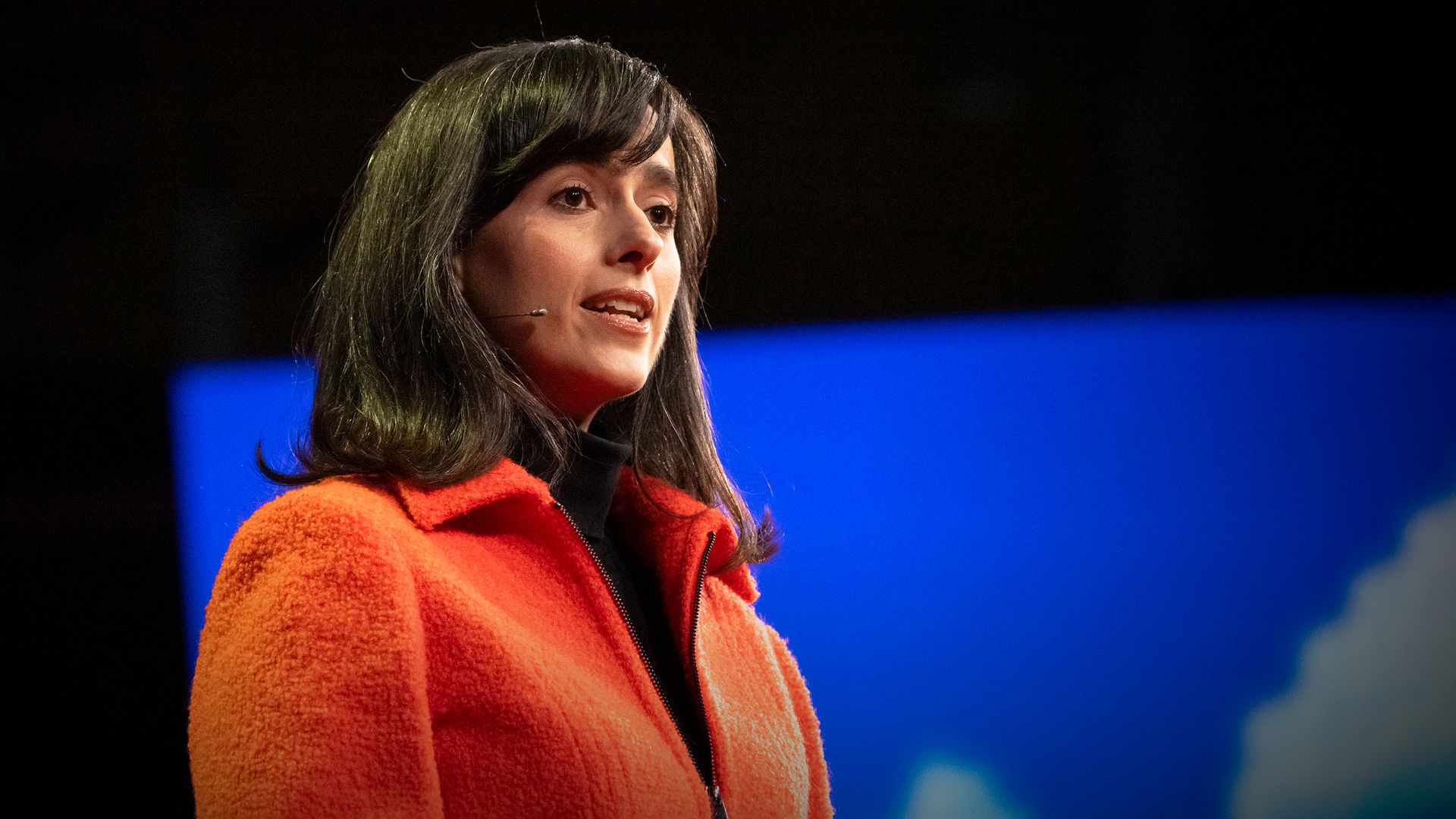
Carissa Véliz

Beware the power of prediction

Podcasts

Hear TED Fellows tell their stories in intimate interviews and learn more about what lies behind their big ideas.

Trinity Tran

Who controls your city's money? | Trinity Tran

What if your city could borrow money from its own bank instead of private lenders? TED Fellow Trinity Tran is leading the push for public banks — which are owned by the people through their local governments — and shows how this model could ensure your local tax dollars stay in your community. 

Ryosuke Takashima

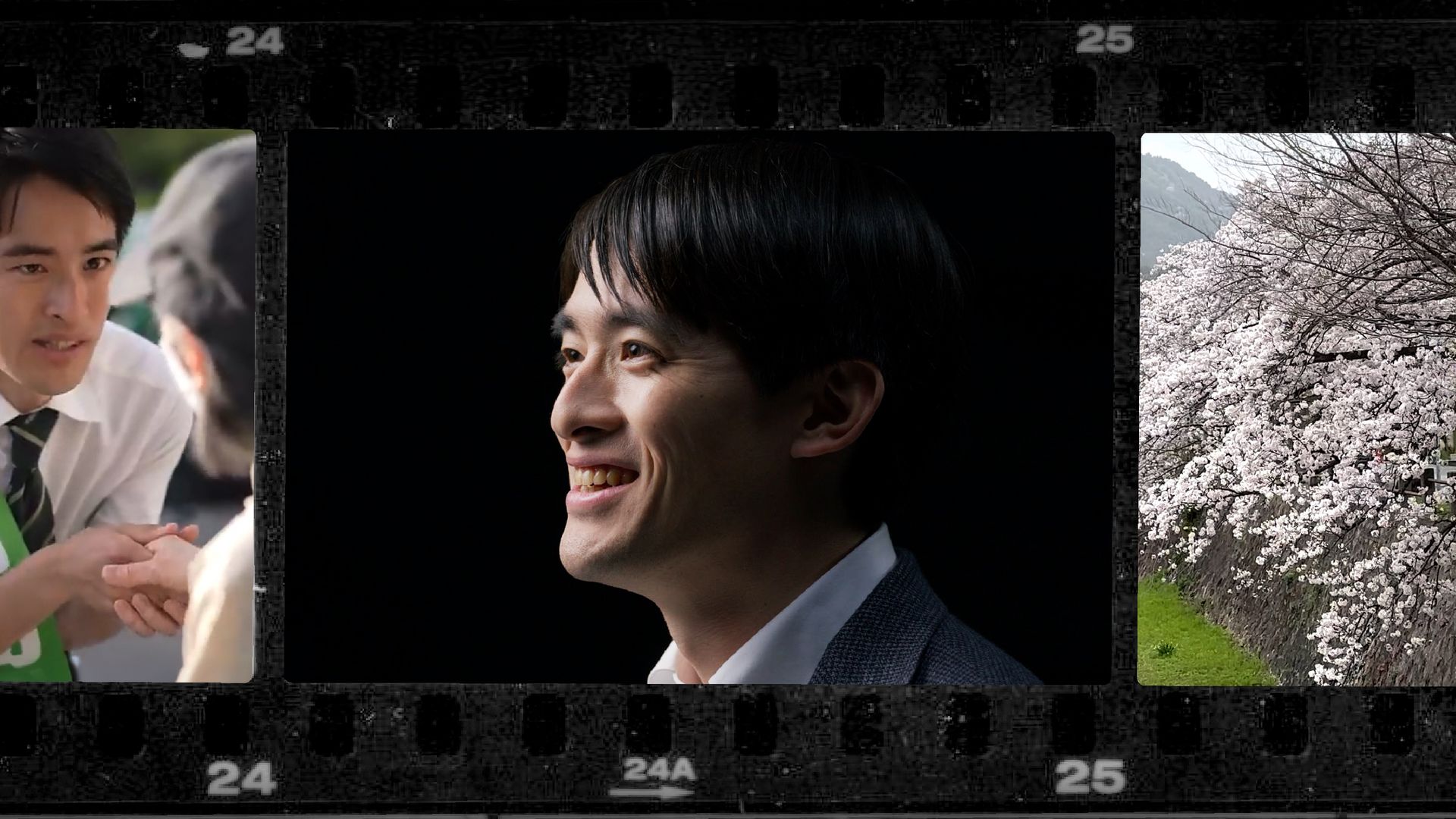
Meet the youngest-ever mayor in Japan's history | Ryosuke Takashima

TED Fellow Ryosuke Takashima is the youngest-ever mayor in Japan's history — but he doesn't consider himself a politician. His approach to leadership is simple: listen to as many voices as possible (from students to elders) in order to figure out what needs fixing. Hear why he thinks inviting citizens to participate in reforming their own communities is the best way to get things done.

Schendy Kernizan

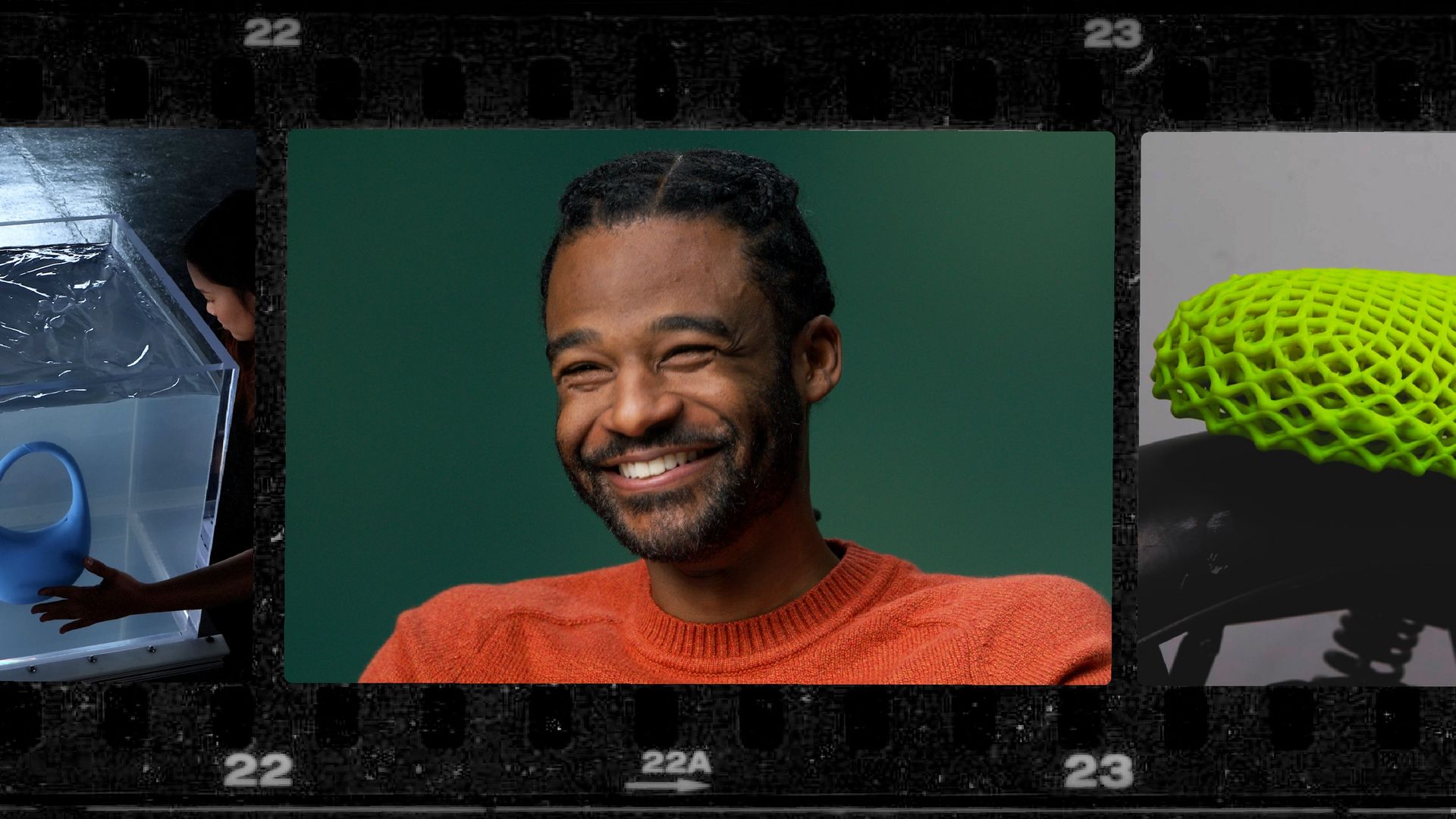
The gravity-defying future of manufacturing | Schendy Kernizan

3D printing promised to reinvent how we make things, but it's mostly stuck producing prototypes with a high level of waste. Designer and TED Fellow Schendy Kernizan found a different way — by printing objects directly into a tub of gel. He explains how this technique eliminates the constraints of gravity, pushing the limits of how we can manufacture objects across medicine, fashion, space travel and more.
Listen to all
Podcast episodes

TED Fellows Films

TED Talks meet documentaries in these short films that explore TED Fellows’ ideas. Dive into all three seasons to explore their mind-blowing innovations. 

05:39

FELLOWS FILM

Meet the youngest-ever mayor in Japan's history

TED Fellow Ryosuke Takashima is the youngest-ever mayor in Japan's history — but he doesn't consider himself a politician. His approach to leadership is simple: listen to as many voices as possible (from students to elders) in order to figure out what needs fixing. Hear why he thinks inviting citizens to participate in reforming their own communities is the best way to get things done.

2026

TED Fellows Film

Ryosuke Takashima
04:47

FELLOWS FILM

The gravity-defying future of manufacturing

3D printing promised to reinvent how we make things, but it's mostly stuck producing prototypes with a high level of waste. Designer and TED Fellow Schendy Kernizan found a different way — by printing objects directly into a tub of gel. He explains how this technique eliminates the constraints of gravity, pushing the limits of how we can manufacture objects across medicine, fashion, space travel and more.

2026

TED Fellows Film

Schendy Kernizan

Fellows Media Library
With 500+ TED Fellows and counting, we’ve got an entire world of media for you to explore. Dive into these talks, short films and podcasts showcasing Fellows turning ideas into action.

Clear
Sort
Thank you! Your submission has been received!
Oops! Something went wrong while submitting the form.

06:16

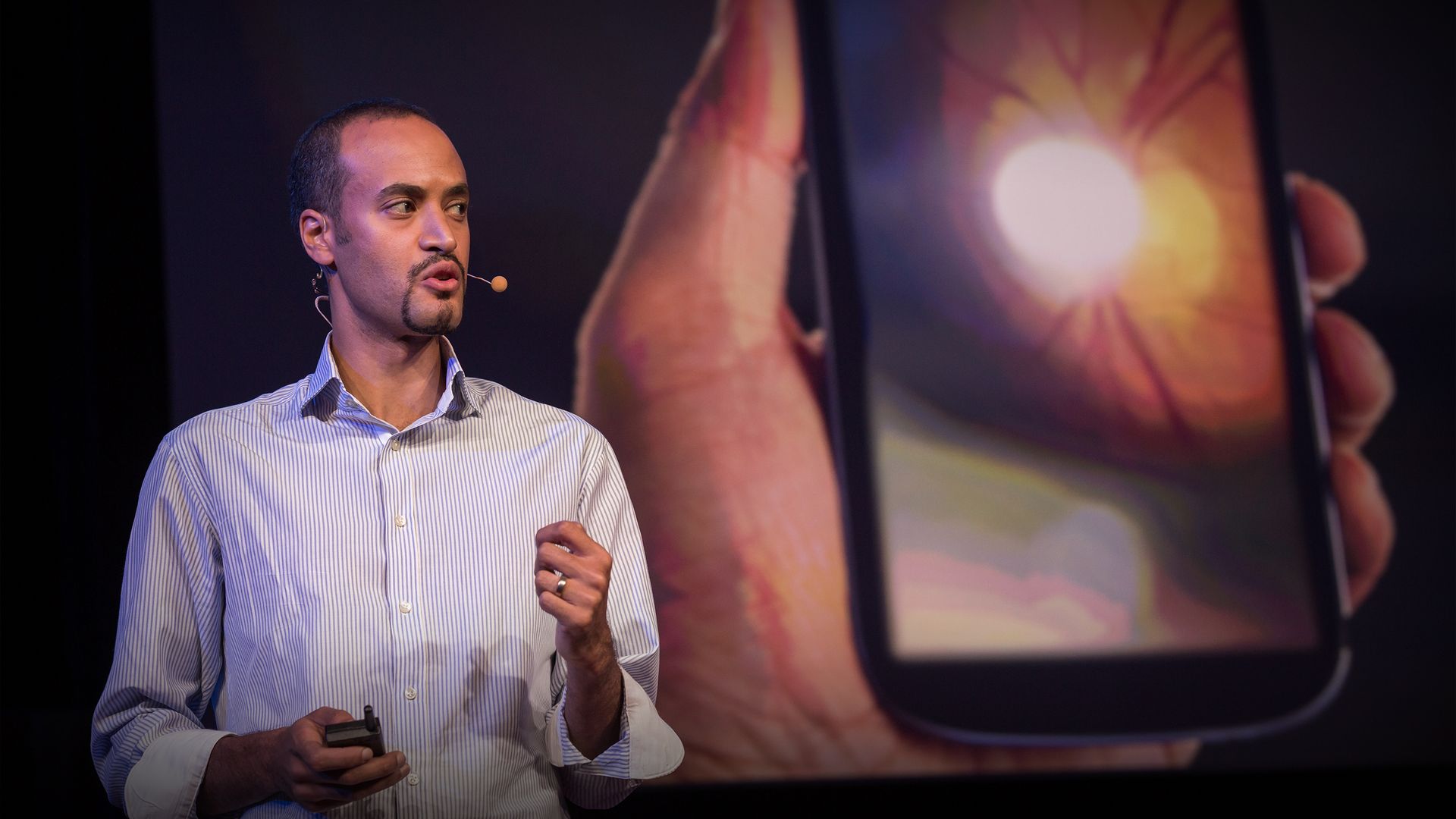
Get your next eye exam on a smartphone

Thirty-nine million people in the world are blind, and the majority lost their sight due to curable and preventable diseases. But how do you test and treat people who live in remote areas, where expensive, bulky eye equipment is hard to come by? TED Fellow Andrew Bastawrous demos a smartphone app and cheap hardware that might help.

2014

TED Talk

United Kingdom
London School of Hygiene and Tropical Medicine, U. of London; Peek Vision; World Economic Forum; St Peter's, York; Harvard University; John Radcliffe Hospital, Oxford; TED Conferences; University of Leeds; UBS; Ashoka
Peek Vision is an organization that provides software and tools to implement, optimize, and evaluate eye health services in various settings such as schools, communities, and workplaces. Their software and data intelligence platform aim to make eye health services more efficient, effective, and equitable. By partnering with governments and NGOs, Peek helps strengthen health systems and connect more people to better vision. Their technology optimizes eye health services, leading to greater screening coverage, increased attendance at follow-up appointments, and lower costs per person served. Peek's partnership with organizations has enabled them to bring eye care to millions more people across multiple countries. Their software revolutionizes school eye health screening by providing a user-friendly and effective tool for screening large populations without the need for specialist eye health workers. Peek's impact is evident in the increased access to eye care, improved referral pathways, and the ability to track patients efficiently. Through their work, hundreds of thousands more people have been able to unlock their potential through better vision. Their tools are developed using rigorous scientific methods and are backed by numerous peer-reviewed research studies. Peek's commitment to improving vision and eye health is recognized through various awards and partnerships with leading eye health organizations. // The Vision Catalyst Fund (VCF) is a global organization focused on improving access to eye health services, particularly in lower and middle-income countries. The VCF collaborates with various partners and government agencies to address vision issues, such as presbyopia, by providing essential vision care services and distributing reading glasses. Through innovative approaches and partnerships, the VCF aims to reach vulnerable communities and make a significant impact on people's lives, including their health, education, safety, and livelihoods. The organization is committed to funding catalytic programs, raising capital for eye health, and promoting collaboration among NGOs, the private sector, and government entities to create sustainable and equitable eye health programs. Additionally, the VCF works on scaling sources of alternative finance and integrating eye health with other issue areas like education and employment. Through its initiatives and partnerships, the VCF strives to ensure that everyone in need has access to vision care, ultimately illuminating the path to clear vision for communities worldwide. // Working at the London School of Hygiene and Tropical Medicine and undertaking a PhD.PhD project is based in Kenya performing a population based epidemiological study of eye diseases (Cohort Study) to assist in planning health services. Co-founder of Peek Vision - www.peekvision.orgA low-cost smartphone solution for delivering eye care // http://www.ted.com/pages/fellows_TED2014 // London School of Hygiene and Tropical Medicine, U. of London; Peek Vision; World Economic Forum; St Peter's, York; Harvard University; John Radcliffe Hospital, Oxford; TED Conferences; University of Leeds; UBS; Ashoka // Andrew Bastawrous is a dedicated professional with a focus on public health and epidemiology. With a background in eye diseases and health services planning, he has contributed significantly to the field through his work at the London School of Hygiene and Tropical Medicine. Andrew is also known for his role as a co-founder of Peek Vision, a project aimed at providing affordable eye care solutions using smartphone technology. His commitment to improving healthcare access and outcomes is evident in his various endeavors and research projects. // More than 1 billion people live with poor vision. Holding back individuals, communities and countries. Evidence demonstrates that improved vision leads to better educational outcomes, increased productivity and livelihoods, safer roads and enhanced wellbeing and quality of life. Despite simple solutions, the vast majority of these people will not get the pair of glasses or 5 minute cataract operation that would return their sight. This is an unacceptable tragedy. Worse still, trend data shows that despite current efforts, the number of people living with treatable vision loss is increasing and is expected to reach 1.8 billion people by 2050. Our dream and work is to reverse this alarming trend with a proven, technology-driven approach. // Andrew Bastawrous is a dedicated public health professional and epidemiologist with a specialization in eye diseases and health services planning. His significant contributions to the field include his work at the London School of Hygiene and Tropical Medicine. As a co-founder of Peek Vision, Andrew focuses on providing affordable eye care solutions through smartphone technology, aiming to improve healthcare access and outcomes. His commitment to addressing the global issue of poor vision is evident in his research projects and initiatives. Through his work, Andrew strives to reverse the increasing trend of treatable vision loss and ensure that individuals, communities, and countries have access to the eye care they need for improved educational outcomes, productivity, safety, and overall quality of life. // SOCIAL ENTREPRENEUR & EYE SURGEON // Kenya-based ophthalmologist who co-founded Peek, a low-cost smartphone ophthalmic tool that delivers eye care in some of the world's most challenging places, to those who need it most. Andrew is an ophthalmologist and research fellow in international eye health at the International Centre for Eye Health. Andrew has worked in Sierra Leone, Peru, Belize, Sri Lanka, Madagascar and Uganda and is currently based in Kenya working on the collaborative development and testing of Peek. In 2011, Andrew was awarded a Medical Research Council (MRC) and Fight for Sight Fellowship to undertake the first longitudinal population-based study (follow-up study) of eye disease in Africa and the challenges he faced inspired the idea of a smartphone based ophthalmic tool. He has published over 25 peer-reviewed articles focusing on international eye health and mobile technology in healthcare and has co-authored four book chapters. Andrew was awarded the MRC Max Perutz Science writing Award in 2012 and is currently a TED Fellow. // Professor Andrew Bastawrous is Founder & CEO of Peek Vision Ltd and The Peek Vision Foundation. The company is a social enterprise which develops smartphone technology and public health tools to help eye health organisations increase their impact. He is an Ophthalmologist (Eye Surgeon), and Professor in Global Eye Health at the London School of Hygiene & Tropical Medicine where he teaches on public health for eye health and leads a research portfolio. Andrew has worked and undertaken research in over twenty countries including two years living in Kenya where he was leading a major eye disease study and the development and testing of Peek. He has published over 80 peer-reviewed articles focusing on public health and mobile technology in healthcare and has co-authored four book chapters. Andrew was made a TED Fellow in 2014 and has given two TED talks which have together been viewed over 2.5 million times. Peek's end-to-end services (Peek Solutions) are being used to transform eye health in low- and middle-income countries including Zimbabwe, Kenya, Uganda, Tanzania, Ghana, Botswana, South Africa, Ethiopia, Pakistan, India and Nepal with new programmes in development. Currently nearly 50 active programmes are using Peek across 12 countries reaching over 1/4 million people each month. Peek’s vision check app, Peek Acuity, launched on Google Play store in 2016 and is a Class I medical device, which has been used in over 190 countries. The work of Andrew and the Peek team has been recognised with generous awards including the Mazda Rebels with a Cause Prize in partnership with TED, the Gifted Citizen 2014 Award, the Index Design Award, and the Rolex Awards for Enterprise. Peek was voted “best social-impact start-up in Europe” by Google and McKinsey in 2016. All prize money has been re-invested in Peek. Andrew has been listed as one of the world’s 30 most influential people in public health, was selected as a “Young Global Leader” by the World Economic Forum, and is listed as an “Eye Health Leader” by the International Agency for the Prevention of Blindness. In 2016 he received the Clearly Vision Life Time Achievement Award and was made a Rolex Laureate. In 2018 Andrew was made an Ashoka Fellow and UBS Global Visionary and in 2019 he was declared a “Champion of Change” in The Ophthalmologist magazine’s 2019 Power List. In 2018, Andrew was invited to address the Commonwealth Service in the presence of the British Royal Family, Prime Minister, and a global live TV and radio audience. In his address, Andrew highlighted the transformative effects of regaining lost vision, and the importance of international collaboration in ending avoidable blindness and vision loss worldwide. As part of Peek’s mission to bring vision and health to everyone, Andrew is working with major banks, eye health organisations and funders to develop innovative financing models for eye health, the subject of his 2018 TED Talk. In addition to his work as CEO of Peek, Andrew has worked with astrophysicists to crowdsource retinal data, with National Geographic explorers to reach isolated communities, and with artists and activists to advocate for eye care globally (Project Light). Together with his wife Madeleine, he is establishing a social enterprise micro-bakery model in Kenya that provides employment and healthy food opportunities for the mass market. // In 2011, eye surgeon and TED Fellow Andrew Bastawrous developed a smartphone app that brings quality eye care to remote communities, helping people avoid losing their sight to curable or preventable conditions. Along the way, he noticed a problem: strict funding regulations meant that he could only operate on people with specific diseases, leaving many others without resources for treatment. In this passionate talk, Bastawrous calls for a new health care funding model that's flexible and ambitious -- to deliver better health to everyone, whatever their needs are. // Thirty-nine million people in the world are blind, and the majority lost their sight due to curable and preventable diseases. But how do you test and treat people who live in remote areas, where expensive, bulky eye equipment is hard to come by? TED Fellow Andrew Bastawrous demos a smartphone app and cheap hardware that might help. // Andrew Bastawrous is a dedicated public health professional and epidemiologist with a specialization in eye diseases and health services planning. His significant contributions to the field include his work at the London School of Hygiene and Tropical Medicine. As a co-founder of Peek Vision, Andrew focuses on providing affordable eye care solutions through smartphone technology, aiming to improve healthcare access and outcomes. His commitment to addressing the global issue of poor vision is evident in his research projects and initiatives. Through his work, Andrew strives to reverse the increasing trend of treatable vision loss and ensure that individuals, communities, and countries have access to the eye care they need for improved educational outcomes, productivity, safety, and overall quality of life. // SOCIAL ENTREPRENEUR & EYE SURGEON // technology, education, public health, roads, data, jobs, equity, mhealth, social entrepreneur, finance, technology founder, research, activism, design, global health care, leadership, ophthalmology, purpose, livelihoods, eye surgeon, doctor, tech4good, systems change, systems change , advocacy, vision, hardware, workers, science, food, vulnerability, software, government, low-cost, disease // Uganda|United Kingdom|India|Oxford|England|Kenya
Uganda|United Kingdom|India|Oxford|England|Kenya

Andrew Bastawrous

No items found.
2014

A brief tour of the last 4 billion years (dinosaurs not included) | Lauren Sallan

In this hilarious, whirlwind tour of the last four billion years of evolution, paleontologist and TED Fellow Lauren Sallan introduces us to some of the wildly diverse animals that roamed the prehistoric planet (from sharks with wings to galloping crocodiles and long-necked rhinos) and shows why paleontology is about way more than dinosaurs. Hosted on Acast. See acast.com/privacy for more information.

2020

Podcasts

Japan
University of Chicago; University of Pennsylvania; Okinawa Institute of Science and Technology Graduate University (OIST)
Lauren Sallan is an American academic and paleobiologist known for her work in macroevolution. She is the head of the Macroevolution Unit at the Okinawa Institute of Science and Technology and previously held a position at the University of Pennsylvania. Sallan utilizes big data analytics to study macroevolution, focusing on palaeoichthyology. Her research has delved into the evolution of vertebrates, particularly during critical stages like the End-Devonian extinction and the Hangenberg event. Sallan has been recognized as a TED Senior Fellow and has delivered multiple TED talks on evolution and mass extinctions. She has compiled a comprehensive database of fish fossils spanning millions of years, shedding light on the early evolution of vertebrates and the factors influencing species formation rates. // The Macroevolution Unit at the Okinawa Institute of Science and Technology Graduate University investigates how environmental change, global events, ecological interactions, and key traits have shaped biodiversity over long timescales. They focus on determining the origins of major vertebrate groups, particularly fishes, and key ecosystems, such as marine and freshwater environments. The unit conducts computational analyses of biodiversity databases, spanning from local to global scales and from the present day to the last 600 million years. They also study morphological biodiversity at the species level using various scientific approaches. The research areas include understanding how crises and opportunities have influenced fish biodiversity, the origins of major animal groups, and the impacts of mass extinctions and global crises. The unit's work sheds light on the evolutionary history of vertebrates and the interactions between vertebrates and invertebrates, providing insights into the long-term consequences of environmental changes. // Lauren Sallan is an ichthyologist and paleontologist investigating how environmental change, global events, ecological interactions and key traits shaped biodiversity on timescales outside human observation (macroevolution). Her lab seeks to determine the origins of major vertebrate groups (particularly fishes) and key ecosystems (particularly marine and freshwater) as well as understand how species respond to big challenges – living or environmental, regional or global, gradual or sudden. Lauren is the head of the Macroevolution Unit at the Okinawa Institute of Science and Technology (OIST) an innovative research university that fully supports ideas-driven science. Lauren is building a international team of cross-disciplinary scientists to investigate the evolution of the oceans and the origins of fish biodiversity. Prior to joining OIST, Lauren was the Martin Meyerson Assistant Professor in Interdisciplinary Studies at the University of Pennsylvania. She was one of 10 people selected from a global applicant pool to became a TED Fellow in 2017, and she became a TED Senior Fellow in 2019. Her TED Talks on surviving mass extinction and the evolution of life have received almost 3 million views. Lauren's research has been published in high-profile venues such as Science, Nature, PNAS, and Current Biology. It has also been featured by The New York Times, The Chicago Tribune, the BBC, Forbes, the New Scientist, the Discovery Channel, and the recent popular science book 'The Ends of the World' by Peter Brannen (Harper Collins). // Head of the Macroevolution Unit // Head of the Marine Macroevolution Unit // Incoming Head, Marine Macroevolution Unit // Incoming Head, Marine Macroevolution Unit // University of Chicago; University of Pennsylvania; Okinawa Institute of Science and Technology Graduate University (OIST) // Lauren Sallan is an accomplished ichthyologist and paleontologist specializing in macroevolution, focusing on how environmental changes, global events, and ecological interactions have influenced biodiversity over extended timescales. As the head of the Macroevolution Unit at the Okinawa Institute of Science and Technology (OIST), she leads a diverse team of international scientists in exploring the origins of vertebrate groups, particularly fishes, and major ecosystems in marine and freshwater environments. Prior to her current role, Lauren held a prestigious position as the Martin Meyerson Assistant Professor at the University of Pennsylvania and has been recognized as a TED Fellow and TED Senior Fellow for her impactful research. Her work, featured in renowned scientific journals and mainstream media outlets, sheds light on the evolution of life in response to significant challenges, both environmental and biological. // I am trying to understand the origins and structure of modern marine biodiversity, why some fish species thrive and others fail in the face of environmental and ecological challenges, and how and why our own ancestors, the earliest vertebrates and fishes, first evolved into familiar forms. // Lauren Sallan is an esteemed paleobiologist and ichthyologist renowned for her expertise in macroevolution. Leading the Macroevolution Unit at the Okinawa Institute of Science and Technology, she delves into the evolution of vertebrates, with a particular focus on palaeoichthyology. Sallan's research employs big data analytics to unravel the impacts of environmental changes and global events on biodiversity, especially in fish species. Her work sheds light on the origins of major vertebrate groups, such as fishes, and key ecosystems in marine and freshwater environments. Through her comprehensive database of fish fossils, Sallan provides valuable insights into the early evolution of vertebrates and the factors influencing species formation rates. // Paleobiologist // Paleobiologist using the vast fossil record as a deep time database to explore how mass extinctions, environmental change and shifting ecologies impact biodiversity. // Lauren Sallan is a paleobiologist using cross-disciplinary data analytics and methods to gain insight into the underpinnings of ocean biodiversity and how ecology and evolution operate at scales unobservable by humans (macroevolution). Lauren uses the vast fossil record of fishes as a deep time database, mining to find out why some species persist and diversify while others die off. She has used these methods to discover the lost, largest, 'sixth' mass extinction of vertebrates, reveal how fish heads changed first during their rise to dominance, and show how invasive predators can shift prey evolution at global scales. In Summer 2022, Lauren will become the full-time head of the new Marine Macroevolution Unit at the Okinawa Institute of Science and Technology (OIST) an innovative research university that fully supports ideas-driven science. There she will build a international team of cross-disciplinary scientists to investigate the evolution of the oceans and the origins of fish biodiversity. Lauren is currently the Martin Meyerson Assistant Professor in Interdisciplinary Studies at the University of Pennsylvania, became a TED Fellow in 2017 and a TED Senior Fellow in 2019. Her research has been published in high-profile venues such as Science, Nature, PNAS, and Current Biology. It has also been featured by The New York Times, The Chicago Tribune, the BBC, Forbes, the New Scientist, the Discovery Channel, and the recent popular science book 'The Ends of the World' by Peter Brannen (Harper Collins). Her TED Talks on surviving mass extinction and the evolution of life have received almost 3 million views. // In this hilarious, whirlwind tour of the last four billion years of evolution, paleontologist and TED Fellow Lauren Sallan introduces us to some of the wildly diverse animals that roamed the prehistoric planet (from sharks with wings to galloping crocodiles and long-necked rhinos) and shows why paleontology is about way more than dinosaurs. // Congratulations! By being here, alive, you are one of history's winners -- the culmination of a success story four billion years in the making. The other 99 percent of species who have ever lived on earth are dead -- killed by fire, flood, asteroids, ice, heat and the cold math of natural selection. How did we get so lucky, and will we continue to win? In this short, funny talk, paleobiologist and TED Fellow Lauren Sallan shares insights on how your ancestors' survival through mass extinction made you who you are today. // Lauren Sallan is an esteemed paleobiologist and ichthyologist renowned for her expertise in macroevolution. Leading the Macroevolution Unit at the Okinawa Institute of Science and Technology, she delves into the evolution of vertebrates, with a particular focus on palaeoichthyology. Sallan's research employs big data analytics to unravel the impacts of environmental changes and global events on biodiversity, especially in fish species. Her work sheds light on the origins of major vertebrate groups, such as fishes, and key ecosystems in marine and freshwater environments. Through her comprehensive database of fish fossils, Sallan provides valuable insights into the early evolution of vertebrates and the factors influencing species formation rates. // Paleobiologist // technology, freshwater, ecology, paleontology, marine, education, fish, biodiversity, ocean, fire, scicomm, extinction, data, rhinos, evolution, research, data and analytics, marine biology, species, floods, interdisciplinary studies, mining, oceans, education and outreach, museums, universities, big data, nature, science, mass extinction, ecosystem, fossils, marine ecology // Okinawa|Japan|Onna
Okinawa|Japan|Onna

Lauren Sallan

No items found.
2020

05:05

Are we filtering the wrong microbes?

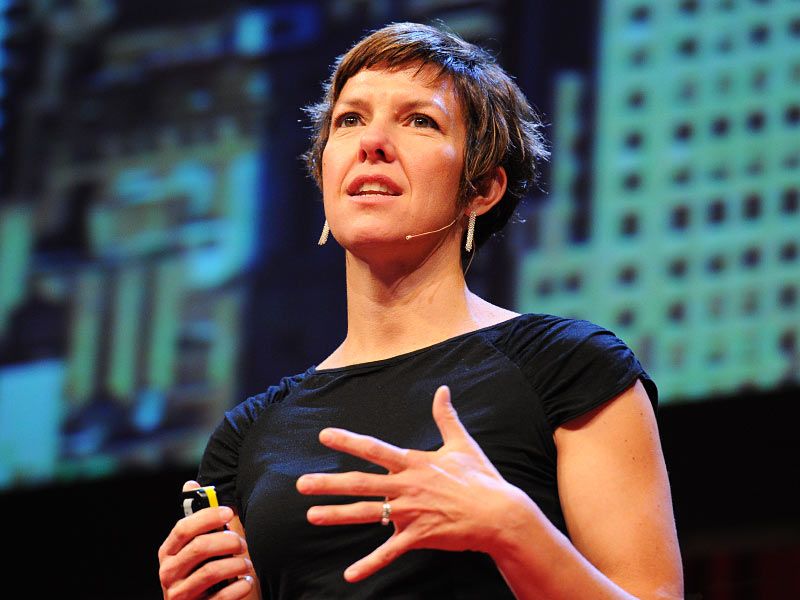
Should we keep the outdoors out of hospitals? Ecologist and TED Fellow Jessica Green has found that mechanical ventilation does get rid of many types of microbes, but the wrong kinds: the ones left in the hospital are much more likely to be pathogens.

2011

TED Talk

United States
UC Merced; University of California, Los Angeles; Jessica L. Green; Advanced Research Projects Agency for Health (ARPA-H); University of Oregon; University of California, Berkeley; Phylagen
I serve as a formal and informal advisor to biotech and data analytics companies, with a particular focus on business strategy, fundraising and storytelling. // Phylagen provides biotechnology services that measure the health and safety of air. Phylagen’s team of internationally recognized scientists combine microbial genomics and data analytics to solve complex problems like pandemic management and environmental health and safety. Phylagen has been recognized by the World Economic Forum as a Technology Pioneer. // Phylagen, Inc. is a data analytics company leveraging artificial intelligence (AI) to harness the vast, unseen world of microbiomes. The microbiome consists of trillions of interacting bacteria, fungi, and pollen collectively present in dust that inhabit every inch of the world. They not only influence our health and well-being, they also provide information about the origin of objects and raw materials. Phylagen is building a data platform by digitizing the DNA of microbiomes found in a place or on an object and creating a unique, identifiable fingerprint. This fingerprint is then applied to a variety of solutions in global supply chains for customers ranging from farmers to retail brands to governments. Phylagen’s mission is to turn dust into data thereby promoting a new level of global supply chain transparency using the environmental microbiome as a data platform. // The Biology and the Built Environment (BioBE) Center trained a new generation of innovators and practitioners at the architecture-biology interface. The vision of this national research center, funded by the Alfred P. Sloan Foundation, was to develop a hypothesis-driven, evidence-based approach to understand the built environment microbiome. // The mission of the University of California, Merced, is embodied in its proud claim of being the first American research university of the 21st century. // Phylagen, Inc. is a data analytics company leveraging artificial intelligence (AI) to harness the vast, unseen world of microbiomes. The microbiome consists of trillions of interacting bacteria, fungi, and pollen collectively present in dust that inhabit every inch of the world. They not only influence our health and well-being, they also provide information about the origin of objects and raw materials. Phylagen is building a data platform by digitizing the DNA of microbiomes found in a place or on an object and creating a unique, identifiable fingerprint. This fingerprint is then applied to a variety of solutions in global supply chains for customers ranging from farmers to retail brands to governments. Phylagen’s mission is to turn dust into data thereby promoting a new level of global supply chain transparency using the environmental microbiome as a data platform. // The Green lab applies theoretical, computational, and empirical approaches to study microbial systems in a wide range of environments. // UC Merced; University of California, Los Angeles; Jessica L. Green; Advanced Research Projects Agency for Health (ARPA-H); University of Oregon; University of California, Berkeley; Phylagen // Jessica Green is a seasoned advisor in the biotech and data analytics sectors, specializing in business strategy, fundraising, and storytelling. With a background in leading-edge biotechnology services, she has a strong focus on utilizing microbial genomics and data analytics to address complex challenges in areas such as pandemic management and environmental health and safety. Jessica has been involved in groundbreaking projects recognized by prestigious organizations like the World Economic Forum. Her expertise extends to leveraging artificial intelligence to explore the world of microbiomes, offering innovative solutions for global supply chains and diverse clientele. Additionally, she has contributed to training programs and research initiatives aimed at understanding the built environment microbiome and advancing scientific knowledge in this field. // I'm working to accelerate better health outcomes for everyone by supporting the development of high-impact solutions to society's most challenging health problems. // Jessica Green is a seasoned advisor with expertise in biotech and data analytics, focusing on business strategy, fundraising, and storytelling. Her background in cutting-edge biotechnology services enables her to leverage microbial genomics and data analytics to tackle complex issues in pandemic management and environmental health and safety. Jessica has been involved in pioneering projects recognized by esteemed organizations like the World Economic Forum. She also excels in utilizing artificial intelligence to explore microbiomes, providing innovative solutions for global supply chains and diverse clients. Furthermore, she contributes to training programs and research initiatives aimed at understanding the built environment microbiome, advancing scientific knowledge in this domain. // Engineer + biodiversity scientist // Jessica has extensive interdisciplinary training as both an engineer (civil, environmental, and nuclear) and a biologist. After cycling across Alaska with her dog and working as a ski lift operator, she got her PhD in nuclear engineering studying the fractal geometry of engineered and natural systems. For the past decade she has researched microbial systems in a variety of habitats including the arctic, the tropics, the ocean, the atmosphere, and the urban sphere. She was founding faculty at UC Merced, the tenth and newest campus of the University of California system. She is currently CTO and co-founder of Phylagen Inc., a data harvesting company that uses microbiome sequencing technology to optimize the health performance of buildings. She is also professor at both the University of Oregon and the Santa Fe Institute. Jessica enjoys collaborating with artists and designers to explore and convey key concepts about microorganisms to their human hosts. // Dr. Jessica Green is CEO and co-founder of Phylagen, Inc., a data analytics company digitizing the global microbiome. Jessica previously co-founded the Biology and Built Environment Center at the University of Oregon and serves on the Science Advisory Board at the Santa Fe Institute. She is an internationally recognized scientist whose work has been featured in both mainstream media -- TIME, ABC, NBC, NPR, Forbes, and The Economist - and respected scientific journals including Nature, Science, and the Proceedings of the National Academy of Sciences. She is the recipient of numerous awards including a Blaise Pascal International Research Chair, a John Simon Guggenheim Memorial Foundation Fellowship, and a TED Senior Fellowship. Jessica received a Ph.D. in Nuclear Engineering from the University of California, Berkeley. // Our bodies and homes are covered in microbes -- some good for us, some bad for us. As we learn more about the germs and microbes who share our living spaces, TED Fellow Jessica Green asks: Can we design buildings that encourage happy, healthy microbial environments? // Should we keep the outdoors out of hospitals? Ecologist and TED Fellow Jessica Green has found that mechanical ventilation does get rid of many types of microbes, but the wrong kinds: the ones left in the hospital are much more likely to be pathogens. // Jessica Green is a seasoned advisor with expertise in biotech and data analytics, focusing on business strategy, fundraising, and storytelling. Her background in cutting-edge biotechnology services enables her to leverage microbial genomics and data analytics to tackle complex issues in pandemic management and environmental health and safety. Jessica has been involved in pioneering projects recognized by esteemed organizations like the World Economic Forum. She also excels in utilizing artificial intelligence to explore microbiomes, providing innovative solutions for global supply chains and diverse clients. Furthermore, she contributes to training programs and research initiatives aimed at understanding the built environment microbiome, advancing scientific knowledge in this domain. // Engineer + biodiversity scientist // technology, radical supply chain transparency, entrepreneurship, buildings, public health, indoor air quality, data, job skills training, urban, research, biosecurity, mobility, microbiology, microbes, data and analytics, supply chain, arctic, design, farmers, nuclear, women, oceans, bicycle, environmental health, built environment, biotech, data-driven, climate-health nexus, healthy buildings, microbiome, women's health, transparency, air quality, nature, science, artificial intelligence, pandemic, ecology // Merced|San Francisco|USA|California|Berkeley|United States
Merced|San Francisco|USA|California|Berkeley|United States

Jessica Green

No items found.
2011

04:33

The real reason why mosquitoes buzz

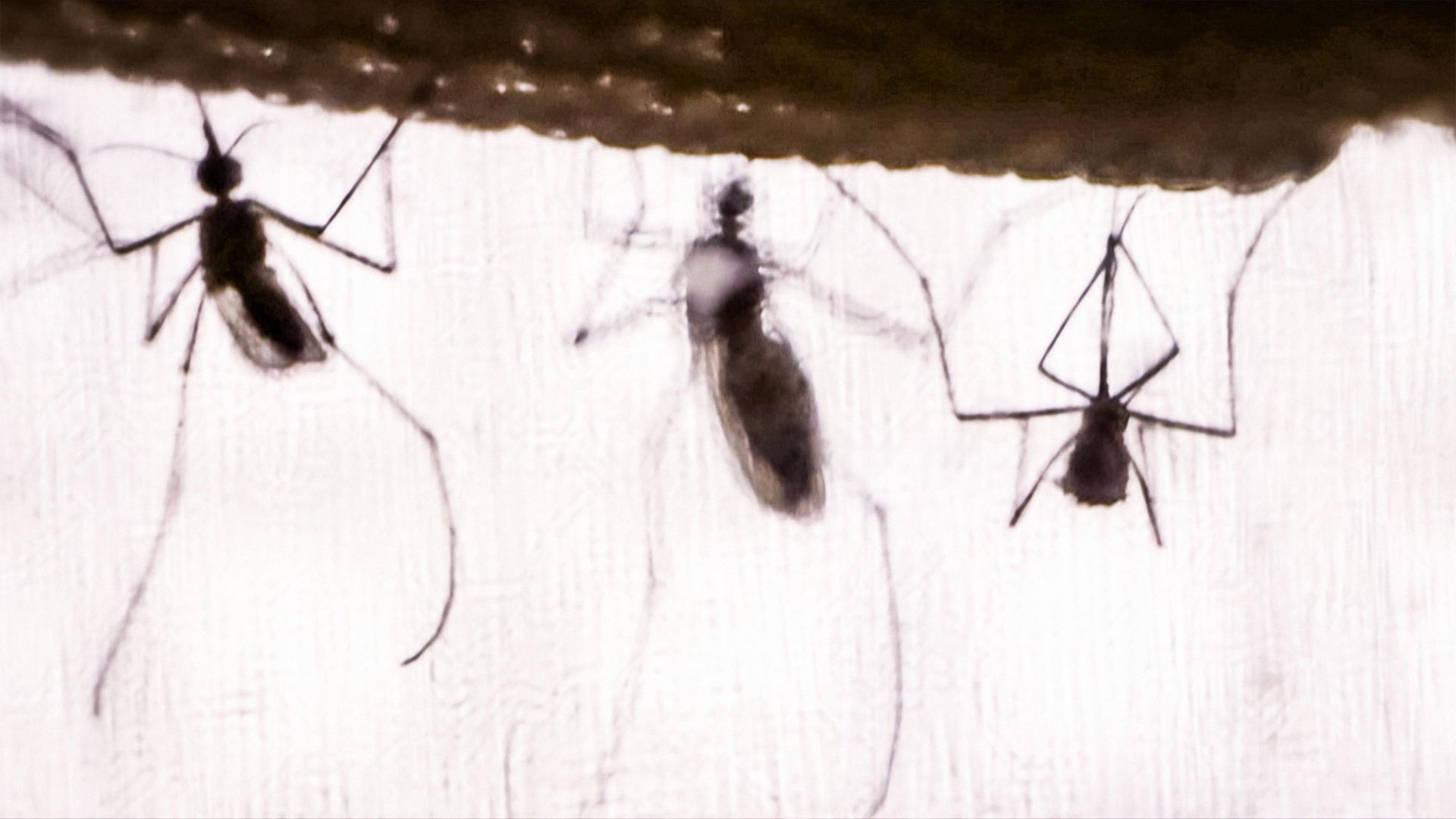
What does the love song of a mosquito sound like? Find out as our intrepid neuroscientists explore the meaning of all that annoying buzzing in your ear.

2018

Other

United States
Michigan State University; Backyard Brains; University of Michigan; University of South Carolina
Backyard Brains is a company founded by neuroscience Ph.D. students with a mission to democratize neuroscience education. They have developed kits that allow individuals, including children, to learn about neuroscience at an early age using off-the-shelf electronics. Their products focus on neuroscience but have expanded into various STEM research fields. The kits enable users to record from neurons in invertebrates, human physiology, neuroengineering devices, and even plant signaling. Backyard Brains has received recognition for their work, including awards from prestigious organizations and the U.S. National Institutes of Health. They have a strong community presence, with TED Talks and collaborations with popular science shows. The company is open-source, transparent about their finances, and offers a range of experiments and lesson plans for educators and enthusiasts. // Adjunct Professor in the Department of Molecular & Integrative Physiology at the University of Michigan // Adjunct Assistant Professor of Neuroscience, Michigan State University // Greg Gage is the co-founder and CEO of Backyard Brains, an organization that develops open-source tools that allow amateurs and students to participate in neural discovery. Greg is an NIH-award winning neuroscientist with 9 popular TED Talks and dozens of peer-reviewed publications. Greg is a Senior Fellow at TED and the recipient of the White House Champion of Change from Barack Obama award for his commitment to citizen science. // Michigan State University; Backyard Brains; University of Michigan; University of South Carolina // Gregory Gage is a seasoned neuroscientist and educator with a strong focus on democratizing neuroscience research. With a background in academia as an Adjunct Professor at the University of Michigan and Michigan State University, Gregory has also made significant contributions as the co-founder and CEO of Backyard Brains. Through this organization, he has spearheaded the development of open-source tools that enable individuals, including students and amateurs, to engage in neural exploration. Gregory's work has been recognized with prestigious accolades such as the White House Champion of Change award, highlighting his dedication to promoting citizen science. His extensive experience is underscored by numerous peer-reviewed publications and engaging TED Talks that have garnered widespread acclaim. // I develop low-fi, hands-on tools to teach neuroscience to students before university. The goal is to track the best students into neuroscience research careers despite their economic backgrounds. // Gregory Gage is a seasoned neuroscientist and educator known for his dedication to democratizing neuroscience education. As the co-founder and CEO of Backyard Brains, he has led the development of open-source kits that make neuroscience accessible to individuals of all ages, including students and amateurs. Gregory's work emphasizes hands-on learning and aims to inspire a new generation of neuroscientists by providing affordable tools for neural exploration. His contributions have been recognized with prestigious awards, such as the White House Champion of Change award, showcasing his commitment to promoting citizen science. Through his extensive experience in academia and innovative approach to teaching neuroscience, Gregory Gage continues to make significant strides in bridging the gap between science education and research opportunities. // Neuroscientist + roboticist // Neuroscientist and co-founder of Backyard Brains, an organization teaching kids and amateurs neuroscience through hands-on experiments to see and hear brain signals from living neurons and also via robotic control of ordinary cockroaches. // Greg Gage is a neuroscientist, engineer and the CEO of Backyard Brains. Greg develops tools, curriculum and experiments that allow the general public participate, hands-on, in neural discovery. He is senior fellow at TED and has given many TED talks (9 online), received the director's innovation award as an investigator at the National Institute of Health (NIH), and was recognized in a White House ceremony for being Obama’s Champion of Change for his commitment to citizen science. In his free time, he enjoys changing diapers of his 2 young daughters. // Them's fighting words if you're an octopus, in that more than one octopus in a space often means a rumble. Our intrepid neuroscientists analyze aggression by observing the fighting behavior of two-spotted octopuses or, if you prefer, octopodes. // What does the love song of a mosquito sound like? Find out as our intrepid neuroscientists explore the meaning of all that annoying buzzing in your ear. // Modern technology lets neuroscientists peer into the human brain, but can it also read minds? Armed with the device known as an electroencephalogram, or EEG, and some computing wizardry, our intrepid neuroscientists attempt to peer into a subject's thoughts. // Gregory Gage is a seasoned neuroscientist and educator known for his dedication to democratizing neuroscience education. As the co-founder and CEO of Backyard Brains, he has led the development of open-source kits that make neuroscience accessible to individuals of all ages, including students and amateurs. Gregory's work emphasizes hands-on learning and aims to inspire a new generation of neuroscientists by providing affordable tools for neural exploration. His contributions have been recognized with prestigious awards, such as the White House Champion of Change award, showcasing his commitment to promoting citizen science. Through his extensive experience in academia and innovative approach to teaching neuroscience, Gregory Gage continues to make significant strides in bridging the gap between science education and research opportunities. // Neuroscientist + roboticist // technology, education, entrepreneurship, electronics, electrical engineering, data, research, citizen scientist, engineering, robots, stem, data analysis, robotics, neuroscience, children, software development, science, software // Michigan|Ann Arbor|United States|USA
Michigan|Ann Arbor|United States|USA

Greg Gage

No items found.
2018

A hospital in the cloud bringing health care anywhere in the world | Mohamed Aburawi

What if AI could help connect you with the right medical care, exactly when you need it? Health systems entrepreneur, surgeon and TED Fellow Mohamed Aburawi explores how his digital health platform, Speetar, uses AI to bridge the healthcare gap in underserved regions, like his native Libya, by connecting patients with doctors who truly understand their needs.

2025

Podcasts

United States
Harvard Kennedy School; Harvard Medical School; Al Margeb University Faculty of Medicine; Ashoka Visionary Program; Harvard Business School; Echoing Green; Legatum Center for Development and Entrepreneurship at MIT; Cairo University; Speetar; Social Innovation + Change Initiative; MIT Sloan School of Management
Harvard Kennedy School; Harvard Medical School; Al Margeb University Faculty of Medicine; Ashoka Visionary Program; Harvard Business School; Echoing Green; Legatum Center for Development and Entrepreneurship at MIT; Cairo University; Speetar; Social Innovation + Change Initiative; MIT Sloan School of Management // I'm driven by a vision to revolutionize healthcare accessibility and education in regions overwhelmed by conflict and economic instability. Through innovative technology ventures like Speetar, my goal is to build resilient care systems that do more than deliver immediate medical services—they empower entire communities for sustainable growth. We focus particularly on supporting women and children, who are disproportionately affected in crisis situations. By harnessing cutting-edge technology and forming global partnerships, we aim to ensure that every individual has the opportunity to thrive, regardless of their circumstances. What if we could make the right to health and education universal, no matter where you are born? // Mohamed Aburawi is a visionary entrepreneur dedicated to revolutionizing healthcare accessibility and education in regions facing conflict and economic challenges. Through initiatives like Speetar, he aims to establish resilient care systems that not only provide immediate medical services but also empower communities for sustainable development. His focus on supporting vulnerable groups like women and children in crisis situations underscores his commitment to equitable healthcare and education opportunities. By leveraging innovative technology and forging global partnerships, Mohamed strives to ensure that every individual has the chance to thrive, irrespective of their circumstances. His work embodies a mission to make universal access to healthcare and education a reality worldwide. // Digital healthcare entrepreneur // Mohamed Aburawi is a visionary entrepreneur dedicated to revolutionizing healthcare accessibility and education in regions facing conflict and economic challenges. Through initiatives like Speetar, he aims to establish resilient care systems that not only provide immediate medical services but also empower communities for sustainable development. His focus on supporting vulnerable groups like women and children in crisis situations underscores his commitment to equitable healthcare and education opportunities. By leveraging innovative technology and forging global partnerships, Mohamed strives to ensure that every individual has the chance to thrive, irrespective of their circumstances. His work embodies a mission to make universal access to healthcare and education a reality worldwide. // Digital healthcare entrepreneur // technology, children, global health, social innovation, resilience, capacity building , accessibility, e-learning, education, digital health, women, capacity building // Cambridge|Seattle|Libya|USA|Vancouver|Washington|United States|Massachusetts|Canada|British Columbia|Tripoli
Cambridge|Seattle|Libya|USA|Vancouver|Washington|United States|Massachusetts|Canada|British Columbia|Tripoli

Mohamed Aburawi

No items found.
2025

We need to track the world's water like we track the weather | Sonaar Luthra

We need a global weather service for water, says entrepreneur and TED Fellow Sonaar Luthra. In a talk about environmental accountability, Luthra shows how we could forecast water shortages and risks with a global data collection effort -- just like we monitor the movement of storms -- and better listen to what the earth is telling us. Hosted on Acast. See acast.com/privacy for more information.

2023

Podcasts

United States
I'm building and strengthening mechanisms for accountability to ensure we minimize the hazards associated with a warming planet and a transforming hydrological cycle. I split my efforts evenly between climate justice and defense/national security issues. // Water testing innovator // Creator of Water Canary, a water-testing device that collects real-time water quality data from the field. // Sonaar Luthra is a world-renowned water and climate consultant who forecasts water and climate risks, drawing on a deep understanding of how essential models, institutions and markets are struggling to adapt to rapid transformations in our planet's water cycle. He is the CEO/Founder of Water Canary, a Senior TED Fellow, a RAND Pardee non-resident fellow, an Ecological Security Fellow at the Council on Strategic Risks, and a Security Fellow at the Truman National Security Project. Sonaar studied at Bowdoin College, Oxford and NYU. He teaches "Water in the 21st Century" for MA Sustainability candidates at Harvard Summer School. He was recognized as a speaker and specialist in water quality and climate change by the Obama State Department, he is an ambassador for the Fight Forever Chemicals campaign run by Participant Media and the film Dark Waters, and his work has been featured in TED, WIRED, Maven’s Notebook, NPR, the BBC, the CBC, Al-Jazeera, the Architectural Review, and the Obama White House Water Summit's Commitments to Action on Building a Sustainable Water Future. // We need a global weather service for water, says entrepreneur and TED Fellow Sonaar Luthra. In a talk about environmental accountability, Luthra shows how we could forecast water shortages and risks with a global data collection effort -- just like we monitor the movement of storms -- and better listen to what the earth is telling us. // After a crisis, how can we tell if water is safe to drink? Current tests are slow and complex, and the delay can be deadly, as in the cholera outbreak after Haiti's earthquake in 2010. TED Fellow Sonaar Luthra previews his design for a simple tool that quickly tests water for safety -- the Water Canary. // Sonaar Luthra is a world-renowned water and climate consultant who forecasts water and climate risks, drawing on a deep understanding of how essential models, institutions and markets are struggling to adapt to rapid transformations in our planet's water cycle. He is the CEO/Founder of Water Canary, a Senior TED Fellow, a RAND Pardee non-resident fellow, an Ecological Security Fellow at the Council on Strategic Risks, and a Security Fellow at the Truman National Security Project. Sonaar studied at Bowdoin College, Oxford and NYU. He teaches "Water in the 21st Century" for MA Sustainability candidates at Harvard Summer School. He was recognized as a speaker and specialist in water quality and climate change by the Obama State Department, he is an ambassador for the Fight Forever Chemicals campaign run by Participant Media and the film Dark Waters, and his work has been featured in TED, WIRED, Maven’s Notebook, NPR, the BBC, the CBC, Al-Jazeera, the Architectural Review, and the Obama White House Water Summit's Commitments to Action on Building a Sustainable Water Future. // Water testing innovator // technology, water, climate justice, water policy, compliance, data collection, environmental accountability, water quality, data, cleantech, opportunity zones, adaptation, i forecast water and climate risks. , agriculture, water management, climate, design, water risk, weather, climate adaptation, deep adaptation, policy, monitoring, storms, hurricanes and tornadoes, public policy, water risk management, remote sensing, climate change, environmental, data science, campaigns, optics, extreme weather, water markets, environmental data, science, remote-sensing, national security, clean tech, hurricanes, accountability, risk management, justice, ecology // DC|Los Angeles|Seattle|India|USA|California|Washington|United States|Palm Springs|New Delhi
DC|Los Angeles|Seattle|India|USA|California|Washington|United States|Palm Springs|New Delhi

Sonaar Luthra

No items found.
2023

05:40

How we can detect pretty much anything

Scientists have been staking out a forest in Montana for an animal that's notoriously tricky to find. Camera traps haven't offered definitive evidence, and experts can't identify its tracks with certainty. But within the past decades, researchers have developed methods that can detect even the most elusive species. So how does it work? Hélène Morlon & Anna Papadopoulou dig into DNA metabarcoding. [Directed by Blok Magnaye, narrated by Bethany Cutmore-Scott, music by Cem Misirlioglu and Alex Chumak].

2021

Other

France
Biodiversity mathematician // Biodiversity mathematician // research, biodiversity research, biodiversity, mathematics, evolutionary biology, ecology // Île-de-France|Paris|France
Île-de-France|Paris|France

Helene Morlon

No items found.
2021

The 6 eras of NBA fashion — from restrained to radical | Mitchell S. Jackson

What are you wearing, and why? This is the question that writer and TED Fellow Mitchell S. Jackson asks as he unpacks the six eras of NBA style. Tracing an arc from Bill Russell to Lebron James and beyond, he explores how players use fashion on and off the court to challenge the limits placed upon them — revealing a deeper story about culture, identity and power.

2026

Podcasts

United States
Writer + filmmaker // Mitchell S. Jackson’s debut novel The Residue Years was praised by publications including The New York Times, The Paris Review, and The Times of London. Jackson is the winner of a Whiting Award. His novel also won The Ernest J. Gaines Prize for Literary Excellence and was a finalist for The Center for Fiction Flaherty-Dunnan First Novel Prize, the PEN / Hemingway Award for Debut Fiction, and the Hurston / Wright Legacy Award. Jackson’s honors include fellowships from the Cullman Center of the NYPL, PEN, the Lannan Foundation, NYFA (New York Foundation for the Arts), and The Center for Fiction. His writing has appeared in publications including The New Yorker, Harpers, The Paris Review, The New York Times Book Review, and Time Magazine. Jackson is an Assitant Professor of Creative Writing at the University of Chicago. // Mitchell S. Jackson’s debut novel The Residue Years was praised by publications including The New York Times, The Paris Review, and The Times of London. Jackson is the winner of a Whiting Award. His novel also won The Ernest J. Gaines Prize for Literary Excellence and was a finalist for The Center for Fiction Flaherty-Dunnan First Novel Prize, the PEN / Hemingway Award for Debut Fiction, and the Hurston / Wright Legacy Award. Jackson’s honors include fellowships from the Cullman Center of the NYPL, PEN, the Lannan Foundation, NYFA (New York Foundation for the Arts), and The Center for Fiction. His writing has appeared in publications including The New Yorker, Harpers, The Paris Review, The New York Times Book Review, and Time Magazine. Jackson is an Assitant Professor of Creative Writing at the University of Chicago. // Writer + filmmaker // New York|United States|USA
New York|United States|USA

Mitchell S. Jackson

No items found.
2026

08:31

The "greenhouse-in-a-box" empowering farmers in India

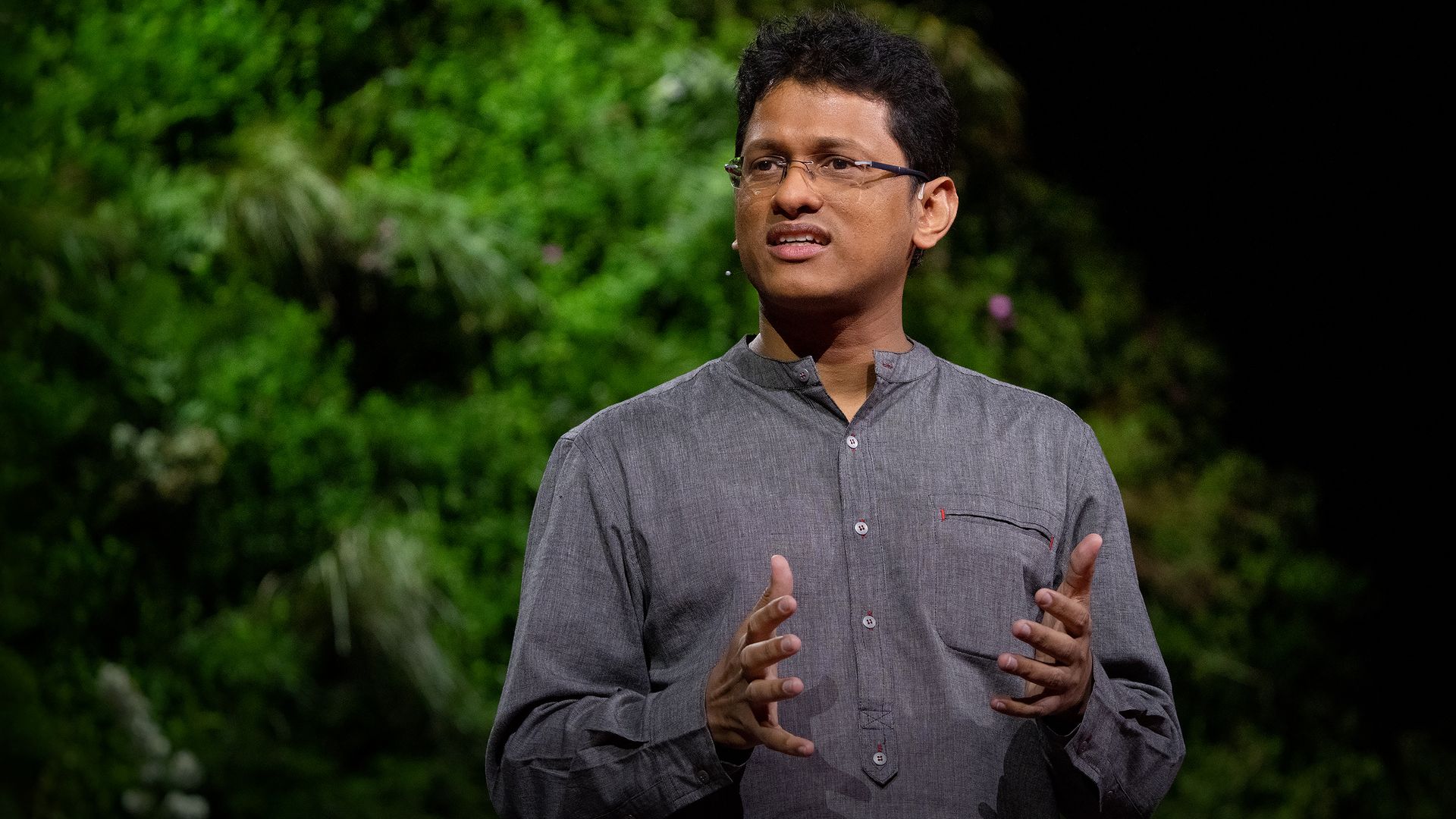
For smallholder farmers in India, agriculture has long been an unreliable source of income -- crops that flourish one season can fail the next, thanks to heat, pests and disease. But climate risk is now making the profession nearly impossible. TED Fellow Sathya Raghu Mokkapati is determined to change that with "greenhouse-in-a-box": a small, low-cost, easy-to-build structure aimed at helping farmers weather sizzling summers, increase monthly revenues and grow more food with less water.

2022

TED Talk

India
Soul Forest is an organization dedicated to transforming barren lands into vibrant ecosystems that support nature, communities, and future generations. They focus on biodiversity conservation, blending ancient Vedic wisdom with modern ecological methods. Their mission aims to inspire ecological transformations across diverse landscapes, creating a greener and more sustainable world. Soul Forest's approach includes dedicating 80% of land to biodiversity conservation and 20% to sustainable economic initiatives, integrating nature-centered commercial activities. They collaborate with local communities to generate job opportunities and sustainable livelihoods, emphasizing indigenous wisdom in forest creation and conservation. Founded by individuals who left corporate careers to revolutionize agriculture and biodiversity conservation, Soul Forest has a proven track record of success in restoring nature and promoting environmental sustainability. // Kheyti is an organization that focuses on providing technology solutions for small farmers, particularly in India. They have developed a Greenhouse-in-a-Box, which is an affordable, modular greenhouse bundled with full-stack agronomy services. This innovative solution uses 90% less water, grows 7 times more food, increases climate resilience, and provides farmers with a steady income. Kheyti aims to empower smallholder farmers by helping them reduce climate risk and increase yields. They are currently working with 5000 farmers in 8 states of India and have ambitious plans to reach one million farmers by 2033. The organization has received recognition and awards for their impactful work, including being named winners of The Earthshot Prize. Kheyti values collaboration, farmer-centric solutions, continuous learning, and diversity in their team. They offer opportunities for growth, flexibility, and a supportive work environment for those who are passionate about making a difference in agriculture. // Sathya Raghu is a dedicated individual who co-founded Soul Forest, an organization committed to transforming barren lands into thriving ecosystems that support biodiversity and communities. Through a blend of ancient Vedic wisdom and modern ecological methods, Soul Forest focuses on biodiversity conservation and sustainable economic initiatives. Sathya's work involves dedicating a significant portion of land to conservation efforts while integrating nature-centered commercial activities to support local communities. Additionally, Sathya's passion for revolutionizing agriculture and biodiversity conservation is evident in Soul Forest's successful track record of restoring nature and promoting environmental sustainability. // Green farming innovator // I am the Co-Founder of Kheyti, which delivers climate resilient incomes to the smallholder farmers. I am the cofounder of Cosmos Green, which builds climate smart farms, that promote nature friendly living. We are currently developing an economically viable model for a biodiverse agroforest. Our work is one of the winners of Earthshot Prize 2022. I am a TED Speaker. I write Opinion Editorials for major Media Outlets like Huff post, Stanford Social innovation review, HinduBusinessLine, SciDevnet and Yourstory on issues involving farmers, climate change and economy. I was lucky to have been a part of 4 remarkable fellowships which added tremendous value to my life – Acumen India Fellowship, Aspen NewVoices fellowship, Mulago’s Rainer Arnhold Fellowship and TED Fellowship. // For smallholder farmers in India, agriculture has long been an unreliable source of income -- crops that flourish one season can fail the next, thanks to heat, pests and disease. But climate risk is now making the profession nearly impossible. TED Fellow Sathya Raghu Mokkapati is determined to change that with "greenhouse-in-a-box": a small, low-cost, easy-to-build structure aimed at helping farmers weather sizzling summers, increase monthly revenues and grow more food with less water. // Sathya Raghu is a dedicated individual who co-founded Soul Forest, an organization committed to transforming barren lands into thriving ecosystems that support biodiversity and communities. Through a blend of ancient Vedic wisdom and modern ecological methods, Soul Forest focuses on biodiversity conservation and sustainable economic initiatives. Sathya's work involves dedicating a significant portion of land to conservation efforts while integrating nature-centered commercial activities to support local communities. Additionally, Sathya's passion for revolutionizing agriculture and biodiversity conservation is evident in Soul Forest's successful track record of restoring nature and promoting environmental sustainability. // Green farming innovator // technology, water, forest, entrepreneurship, biodiversity, farmer financing, innovation for the poor, jobs, climate resilience, finance, social entrepreneurship, agriculture, resilience, ecosystem, climate, farming, agri policy, weather, policy, farmers, livelihoods, affordable, climate change, smallholder, small-scale farmers, greenhouse, climate investments, disease, conservation, nature, smallholder farmers, climate risk, food, climate-smart, pests, sustainable livelihoods, indigenous, biological conservation, india, agronomy, crops, local communities, low-cost, smallholder farming, ecology, land, income // India|Hyderabad|Telangana
India|Hyderabad|Telangana

Sathya Raghu V. Mokkapati

No items found.
2022

The doctor on a mission to build a healthier South Sudan | Yohanis Riek

Yohanis Riek went from herding cattle and fighting as a child soldier to becoming the first doctor in his community in South Sudan. He shares his journey to found a nonprofit bringing health care to remote communities — empowering locals to take charge of their own health, as the world's newest country finds its place in the world.

2026

Podcasts

South Sudan
Medical doctor and entrepreneur // Medical Doctor, entrepreneur and writer. Yohanis Riek has over 15 years of experience in NGO management and 10 years in private sector development in South Sudan. Currently, Yohanis is the Group CEO at Yo’ Group, Inc. focusing on business development, portfolios management, teams training and development, accountability oversight, fiduciary and governance and lead in resource mobilization for the Yo’ Group and its subsidiaries as well as technical backstopping on projects. // Medical Doctor, entrepreneur and writer. Yohanis Riek has over 15 years of experience in NGO management and 10 years in private sector development in South Sudan. Currently, Yohanis is the Group CEO at Yo’ Group, Inc. focusing on business development, portfolios management, teams training and development, accountability oversight, fiduciary and governance and lead in resource mobilization for the Yo’ Group and its subsidiaries as well as technical backstopping on projects. // Medical doctor and entrepreneur // job skills training, accountability, governance // Central Equatoria|South Sudan|Juba
Central Equatoria|South Sudan|Juba

Dr. Yohanis Riek

No items found.
Extended interview Lily James Olds General
2026

A simple solution to maintaining life-saving vaccines | Nithya Ramanathan

Refrigerators do much more than store your groceries -- they're also vital to preserving and distributing vaccines. Illustrating the realities of (and threats to) global vaccine supply chains, technologist and TED Fellow Nithya Ramanathan describes how smart sensors placed in fridges that store medical supplies can provide crucial, real-time data and ensure people get the life-saving care they need. Hosted on Acast. See acast.com/privacy for more information.

2022

Podcasts

United States
Technologist // Nithya Ramanathan, Ph.D., is the Chief Executive Officer and Co-founder of Nexleaf Analytics, a non-profit technology company that partners with countries to make sure they have the data they need to build lasting solutions that improve the health of people. Nexleaf has created a platform of real-time sensors and data analytic tools that protects the vaccine supply for 1 in 10 babies born annually on Earth. Nithya and her team have achieved this outsized impact by working shoulder-to-shoulder with Ministries of Health — rather than bypassing governments — to scale cutting-edge technologies refined through close collaboration with personnel at every level of the health system, from top-tier government officials to last-mile health care workers. Nithya's unique approach brings together sensor design, data analysis, software engineering, and field engagement to identify and address the root cause challenges within complex global health systems. A computer scientist specializing in sensor technologies and data analytics, Nithya is a tech-for-good pioneer and a leading thinker on global vaccine distribution. Nithya’s career started in Silicon Valley, and continued as Research Faculty in sensor technologies at UCLA. She holds a Ph.D. in Computer Science from UCLA and a B.S. in Electrical Engineering from UC Berkeley. Her work has been published in multiple peer-reviewed journals. Nithya is a PopTech Social Innovation Fellow, Switzer Environmental Fellow, and a Rainer Arnhold Fellow. She is the winner of the 2017 Hedy Lamarr Award for Female Tech Pioneer, was named a Gavi Got Life! Champion in 2018 alongside world leaders, and received the Tällberg Foundation/Eliasson Global Leadership Award in 2020. // Refrigerators do much more than store your groceries -- they're also vital to preserving and distributing vaccines. Illustrating the realities of (and threats to) global vaccine supply chains, technologist and TED Fellow Nithya Ramanathan describes how smart sensors placed in fridges that store medical supplies can provide crucial, real-time data and ensure people get the life-saving care they need. // Nithya Ramanathan, Ph.D., is the Chief Executive Officer and Co-founder of Nexleaf Analytics, a non-profit technology company that partners with countries to make sure they have the data they need to build lasting solutions that improve the health of people. Nexleaf has created a platform of real-time sensors and data analytic tools that protects the vaccine supply for 1 in 10 babies born annually on Earth. Nithya and her team have achieved this outsized impact by working shoulder-to-shoulder with Ministries of Health — rather than bypassing governments — to scale cutting-edge technologies refined through close collaboration with personnel at every level of the health system, from top-tier government officials to last-mile health care workers. Nithya's unique approach brings together sensor design, data analysis, software engineering, and field engagement to identify and address the root cause challenges within complex global health systems. A computer scientist specializing in sensor technologies and data analytics, Nithya is a tech-for-good pioneer and a leading thinker on global vaccine distribution. Nithya’s career started in Silicon Valley, and continued as Research Faculty in sensor technologies at UCLA. She holds a Ph.D. in Computer Science from UCLA and a B.S. in Electrical Engineering from UC Berkeley. Her work has been published in multiple peer-reviewed journals. Nithya is a PopTech Social Innovation Fellow, Switzer Environmental Fellow, and a Rainer Arnhold Fellow. She is the winner of the 2017 Hedy Lamarr Award for Female Tech Pioneer, was named a Gavi Got Life! Champion in 2018 alongside world leaders, and received the Tällberg Foundation/Eliasson Global Leadership Award in 2020. // Technologist // technology, tech for good, appropriate technology, global health innovation, electrical engineering, data, research, design, data and analytics, supply chain, design of large-scale sensor systems, women, data analytics, data analysis, systems change, sensor, working with ministries of health (government), workers, science, software, government // California|Los Angeles|United States|USA
California|Los Angeles|United States|USA

Nithya Ramanathan

No items found.
2022

04:16

Why it's so hard to cure HIV/AIDS

In 2008, something incredible happened: a man was cured of HIV. In over 70 million HIV cases, this was a first, and, so far, a last, and we don't yet understand exactly how he was cured. But if we can cure people of various diseases, like malaria and hepatitis C, why can't we cure HIV? Janet Iwasa examines the specific traits of the HIV virus that make it so difficult to cure.

2017

Other

United States
University of Utah; Harvard Medical School; 1μm Illustration; Williams College; University of California, San Francisco; Massachusetts General Hospital
The Animation Lab at the University of Utah specializes in creating scientifically accurate and visually stunning animations depicting molecular and cellular processes. They collaborate with researchers to communicate scientific ideas through 2D and 3D illustrations and animations. Their work has broad applications in scientific research, education, and outreach. The lab also focuses on creating tools and workflows to enable researchers to visualize their processes effectively. They have worked on projects related to HIV, cryo-EM, liquid-liquid phase separation, SARS-CoV-2, fat metabolism, tumor metabolism, and more. The team includes experts in biochemistry, animation, and scientific visualization. They welcome collaborations and offer opportunities for postdoctoral candidates and graduate students to learn visualization techniques. Their publications cover a range of topics related to molecular mechanisms, cell biology, and scientific communication through visual means. // I am interested in using animation techniques to visualize, explore and communicate molecular and scientific processes. // Scientific illustration and animation for a variety of clients in academia and industry.Past and present clients include:John Wiley & Sons Publishing, Harvard University, MIT, UCSF, Genentech, Novophage, NIH, MRC-Cambridge, Anaptysbio, UC Berkeley, UNC-Chapel Hill, U Mass Medical School, Nature Publishing, Penguin Publishing // + Developed animations, illustrations and figures in close collaboration with faculty in the Cell Biology Department+ Acted as PI and co-PI on NIH and NSF grants related to biological visualization and imaging. +Taught courses and workshops on scientific animation // As a NSF Discovery Corp Postdoctoral fellow in Jack Szostak's lab (MGH/Harvard Medical School), I collaborated with the Museum of Science, Boston to create a multimedia exhibit on the origins of life. As part of the exhibit, I created a website (http://ExploringOrigins.org) which hosts a virtual exhibit. // University of Utah; Harvard Medical School; 1μm Illustration; Williams College; University of California, San Francisco; Massachusetts General Hospital // Janet Iwasa is a skilled scientific illustrator and animator with a passion for using animation techniques to visualize and communicate complex molecular and scientific processes. With a diverse portfolio of clients in academia and industry, including prestigious institutions like Harvard University, MIT, and Genentech, Janet has developed animations, illustrations, and figures in close collaboration with faculty in the Cell Biology Department. Her expertise extends to serving as a Principal Investigator (PI) and co-PI on NIH and NSF grants related to biological visualization and imaging. Janet's commitment to education is evident through her teaching of courses and workshops on scientific animation, showcasing her dedication to advancing scientific understanding through visual storytelling. // Janet Iwasa is a highly skilled scientific illustrator and animator known for her expertise in creating visually captivating and scientifically accurate animations of molecular and cellular processes. She collaborates with researchers from prestigious institutions to develop animations that effectively communicate complex scientific concepts. Janet's work extends to serving as a Principal Investigator on grants related to biological visualization, highlighting her commitment to advancing scientific understanding through visual storytelling. Her dedication to education is evident through her teaching of courses and workshops on scientific animation. With a diverse portfolio of projects covering topics such as HIV, cryo-EM, and tumor metabolism, Janet's animations have broad applications in scientific research, education, and outreach. // Molecular animator // Janet Iwasa is a research assistant professor in the biochemistry department at the University of Utah. Her broad goal is to create accurate and compelling molecular and cellular visualizations that will support research, learning and scientific communication. Iwasa's award-winning illustrations and animations have appeared in scientific journals including Nature, Science and Cell, as well as in the New York Times. Her work has also been featured on television and in museum exhibits. Iwasa was recently recognized as one of the “100 Most Creative People” of 2012 by Fast Company Magazine. As a postdoctoral fellow, Iwasa created a multimedia exhibit with Nobel Laureate Jack Szostak (Harvard University) and the Museum of Science, Boston, and later worked on biological visualizations as a faculty member at Harvard Medical School. She received her Ph.D. in 2006 from the University of California, San Francisco for her work on the actin cytoskeleton in the laboratory of Dyche Mullins, and completed 3D animation training at the Gnomon School of Visual Effects later that same summer. // Janet Iwasa is an assistant professor in the Biochemistry Department at the University of Utah. Her broad goal is to create accurate and compelling molecular and cellular visualizations that will support research, learning and scientific communication. Janet's award-winning illustrations and animations have appeared in scientific journals including Nature, Science and Cell, as well as in the New York Times. Her work has also been featured on television and in museum exhibits. Janet was named a 2014 TED fellow, a 2017 TED Senior Fellow and recognized as one of the "100 Leading Global Thinkers" of 2014 by Foreign Policy magazine and one of the “100 Most Creative People” of 2012 by Fast Company magazine. As a postdoctoral fellow, she created a multimedia exhibit with Nobel Laureate Jack Szostak (Harvard University) and the Museum of Science, Boston, and later worked on biological visualizations as a faculty member at Harvard Medical School. She received her Ph.D. from the University of California, San Francisco for her work on the actin cytoskeleton in the laboratory of Dyche Mullins, and completed 3D animation training at the Gnomon School of Visual Effects later that same summer. // Some biological structures are so small that scientists can't see them with even the most powerful microscopes. That's where molecular animator and TED Fellow Janet Iwasa gets creative. Explore vast, unseen molecular worlds as she shares mesmerizing animations that imagine how they might work. // 3D animation can bring scientific hypotheses to life. Molecular biologist (and TED Fellow) Janet Iwasa introduces a new open-source animation software designed just for scientists. // Janet Iwasa is a highly skilled scientific illustrator and animator known for her expertise in creating visually captivating and scientifically accurate animations of molecular and cellular processes. She collaborates with researchers from prestigious institutions to develop animations that effectively communicate complex scientific concepts. Janet's work extends to serving as a Principal Investigator on grants related to biological visualization, highlighting her commitment to advancing scientific understanding through visual storytelling. Her dedication to education is evident through her teaching of courses and workshops on scientific animation. With a diverse portfolio of projects covering topics such as HIV, cryo-EM, and tumor metabolism, Janet's animations have broad applications in scientific research, education, and outreach. // Molecular animator // research, education and outreach, nature, design, education, science, bioinformatics, animation, visualization, policy, 3d animation, cell and molecular biology, software, communication, job skills training, molecular biologist // Utah|Salt Lake City|United States|USA
Utah|Salt Lake City|United States|USA

Janet Iwasa

No items found.
2017

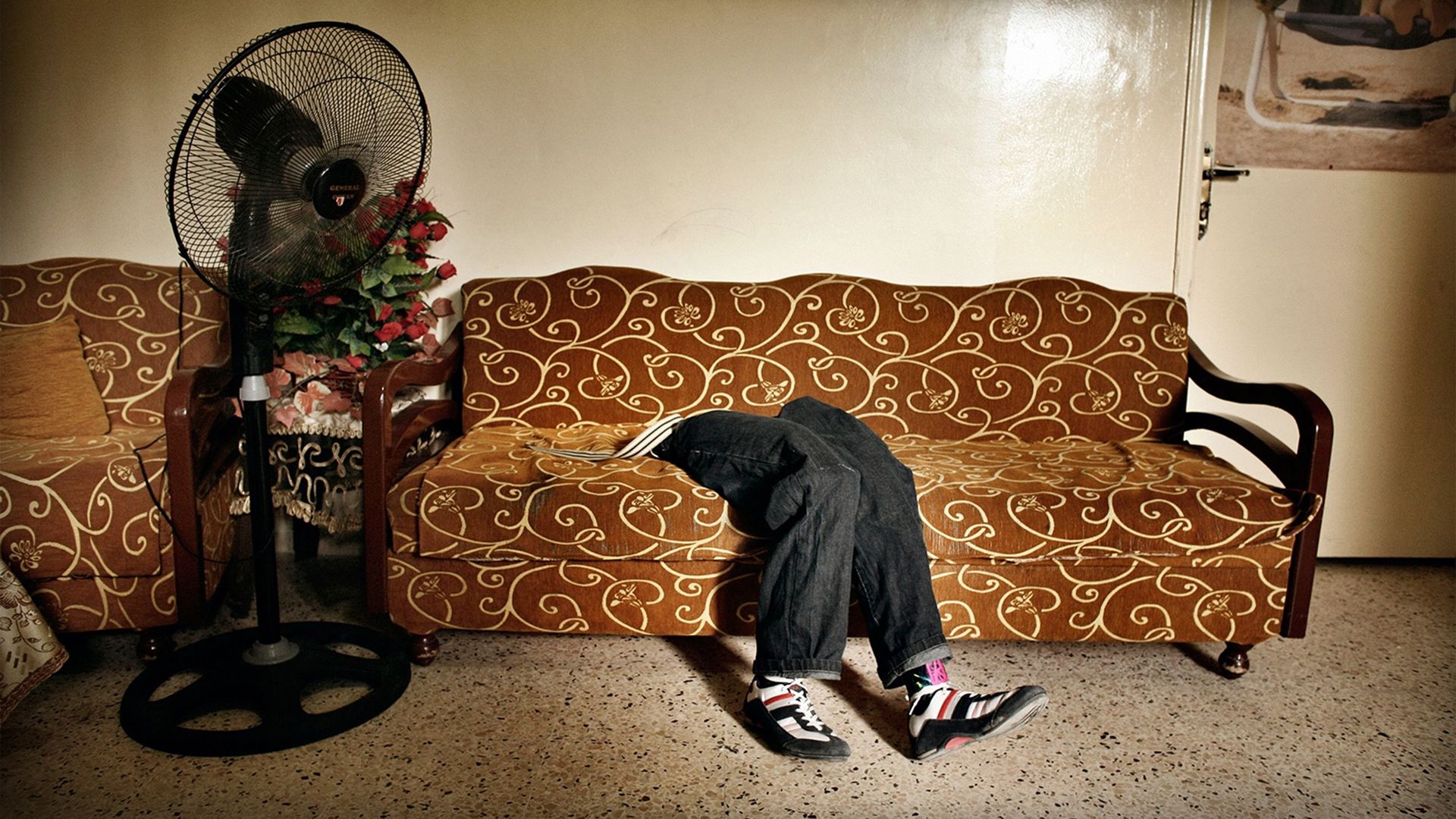
Why can't we better prepare for extreme weather? | Catherine Nakalembe

Thanks to advanced technology, we can now see droughts and crop failures months before they hit. So why are millions of people still going hungry? TED Fellow Catherine Nakalembe, director of the NASA Harvest program in Africa, exposes the blind spots that keep life-saving climate intelligence from reaching the communities it's designed to protect — and shares how to turn early warning into early action.
2026

Podcasts

United States

Catherine Lilian Nakalembe

No items found.
2026

11:24

The deadly legacy of cluster bombs

The destruction of war doesn't stop when the fighting is over. Photographer and TED Fellow Laura Boushnak shares a powerful photo essay about the survivors of cluster bombs, people who encountered these deadly submunitions years after the end of conflict. With her haunting photos, Boushnak asks those who still produce and condone the use of these weapons to abandon them.

2016

TED Talk

Bosnia and Herzegovina
Photographer // A Kuwaiti-born Palestinian photographer whose work focuses on women, literacy and education reform in the Arab world. She is also the co-founder of the RAWIYA collective, a photography cooperative of female photographers from the Middle East. // Laura Boushnak is a Kuwaiti-born Palestinian photographer based in Sarajevo. Her work mainly focuses on the Arab world, looking at issues that she finds stem from her own personal experience of gender, education, and aftermath of war. After receiving a degree in Sociology from the Lebanese University in Beirut in 1999, Boushnak infused her interest in social issues with her passion for the visual arts and began her career as a photographer for the Associated Press in Lebanon. She then went on to work with the Agence France-Presse (AFP) at its Middle East hub in Cyprus and its headquarters in Paris. During this nine-year span, Boushnak’s experience included covering hard news in conflict zones such as the war in Iraq and the 2006 Israel-Hezbollah war. As of 2008, she has been working as an independent photographer, commissioned for editorial assignments by the New York Times and other publications, while also giving more of her time to her long-term personal projects in the Middle East. Boushnak’s main focus has been on her on-going projects, “I Read I Write” and “Survivor.” The former revolving around Arab women’s education and literacy, while the latter highlights the aftermath of war and its impact on individuals long after the fighting has ended. Both projects have received honorable awards and recognition including: the first Getty Images/ lean-in editorial grant, The Terry O’neil Photography Award in the UK, and two honorable mentions in the UNICEF Photo of the Year Award. Her work has been part of public and private collections, which include the British Museum, and has been exhibited in galleries and museums around the world, such as the Birmingham Museum in the UK, the Sharjah Art Museum in the UAE, and The Arp Museum Bahnhof Ralandseck in Germany. Boushnak is a TED fellow and has been invited to give talks in different parts of the world, including two separate TED talks in 2014 and 2016, where she shared the stories behind her “I Read I Write” and “Survivor” projects to a worldwide audience. She is the co-founder of RAWIYA, the first photo collective in the Middle East. // The destruction of war doesn't stop when the fighting is over. Photographer and TED Fellow Laura Boushnak shares a powerful photo essay about the survivors of cluster bombs, people who encountered these deadly submunitions years after the end of conflict. With her haunting photos, Boushnak asks those who still produce and condone the use of these weapons to abandon them. // In some parts of the world, half of the women lack basic reading and writing skills. The reasons vary, but in many cases, literacy isn't valued by fathers, husbands, even mothers. Photographer and TED Fellow Laura Boushnak traveled to countries including Yemen, Egypt and Tunisia to highlight brave women -- schoolgirls, political activists, 60-year-old moms -- who are fighting the statistics. // Laura Boushnak is a Kuwaiti-born Palestinian photographer based in Sarajevo. Her work mainly focuses on the Arab world, looking at issues that she finds stem from her own personal experience of gender, education, and aftermath of war. After receiving a degree in Sociology from the Lebanese University in Beirut in 1999, Boushnak infused her interest in social issues with her passion for the visual arts and began her career as a photographer for the Associated Press in Lebanon. She then went on to work with the Agence France-Presse (AFP) at its Middle East hub in Cyprus and its headquarters in Paris. During this nine-year span, Boushnak’s experience included covering hard news in conflict zones such as the war in Iraq and the 2006 Israel-Hezbollah war. As of 2008, she has been working as an independent photographer, commissioned for editorial assignments by the New York Times and other publications, while also giving more of her time to her long-term personal projects in the Middle East. Boushnak’s main focus has been on her on-going projects, “I Read I Write” and “Survivor.” The former revolving around Arab women’s education and literacy, while the latter highlights the aftermath of war and its impact on individuals long after the fighting has ended. Both projects have received honorable awards and recognition including: the first Getty Images/ lean-in editorial grant, The Terry O’neil Photography Award in the UK, and two honorable mentions in the UNICEF Photo of the Year Award. Her work has been part of public and private collections, which include the British Museum, and has been exhibited in galleries and museums around the world, such as the Birmingham Museum in the UK, the Sharjah Art Museum in the UAE, and The Arp Museum Bahnhof Ralandseck in Germany. Boushnak is a TED fellow and has been invited to give talks in different parts of the world, including two separate TED talks in 2014 and 2016, where she shared the stories behind her “I Read I Write” and “Survivor” projects to a worldwide audience. She is the co-founder of RAWIYA, the first photo collective in the Middle East. // Photographer // activism, photography, education, gender, journalism, war, women, art, stem // Federation of Bosnia and Herzegovina|Sarajevo|Bosnia and Herzegovina
Federation of Bosnia and Herzegovina|Sarajevo|Bosnia and Herzegovina

Laura Boushnak

No items found.
2016

Could we treat spinal cord injuries with asparagus? | Andrew Pelling

Take a mind-blowing trip to the lab as TED Senior Fellow Andrew Pelling shares his research on how we could use fruits, vegetables and plants to regenerate damaged human tissues -- and develop a potentially groundbreaking way to repair complex spinal cord injuries with asparagus.

2021

Podcasts

Canada
Scientist + biohacker // Andrew is a lifelong Scientist, full professor at the University of Ottawa and founder of multiple start up companies. His highly experimental ‘Pelling Lab for Augmented Biology’ has trailblazed by developing speculative living technologies of the future with the potential to redefine the limits of biology and medicine. The Lab is well known for its discovery that plants can be harnessed to create medical-grade biomaterials for engineering and regenerating human tissues. Andrew’s work in this area gained considerable international recognition after delivering his first TED talk on growing human ears out of apples. To date, the Pelling Lab has spun out four companies in the technology, biotechnology and medical fields, translating their discoveries into real world products and solutions. Andrew also serves as co-founder and Chief Scientific Officer of Spiderwort, a company translating the fundamental discoveries from his Lab in the area of plant-based biomaterials. As CSO, Andrew leads Spiderwort’s research program which addresses a variety of tissue engineering applications and unmet medical needs. Andrew also plays a key role in guiding the translation of Spiderwort’s products through the clinical and regulatory landscapes. As an award-winning scientist, Andrew has published his research in some of the world’s most prestigious journals and has been well recognized by his peers. He is the recipient of numerous grants and awards, including being elected a Fellow of the Royal Society of Biology, Member of the College of the Royal Society of Canada, a Canada Research Chair and a TED Senior Fellow. Andrew's leadership and experience are highly sought-after and he has delivered hundreds of keynotes and served in a variety of advisory roles for community, industry and government organizations. // Take a mind-blowing trip to the lab as TED Senior Fellow Andrew Pelling shares his research on how we could use fruits, vegetables and plants to regenerate damaged human tissues -- and develop a potentially groundbreaking way to repair complex spinal cord injuries with asparagus. // TED Fellow Andrew Pelling is a biohacker, and nature is his hardware. His favorite materials are the simplest ones (and oftentimes he finds them in the garbage). Building on the cellulose structure that gives an apple its shape, he "grows" lifelike human ears, pioneering a process that might someday be used to repair body parts safely and cheaply. And he has some even wilder ideas to share ... "What I'm really curious about is if one day it will be possible to repair, rebuild and augment our own bodies with stuff we make in the kitchen," he says. // Andrew is a lifelong Scientist, full professor at the University of Ottawa and founder of multiple start up companies. His highly experimental ‘Pelling Lab for Augmented Biology’ has trailblazed by developing speculative living technologies of the future with the potential to redefine the limits of biology and medicine. The Lab is well known for its discovery that plants can be harnessed to create medical-grade biomaterials for engineering and regenerating human tissues. Andrew’s work in this area gained considerable international recognition after delivering his first TED talk on growing human ears out of apples. To date, the Pelling Lab has spun out four companies in the technology, biotechnology and medical fields, translating their discoveries into real world products and solutions. Andrew also serves as co-founder and Chief Scientific Officer of Spiderwort, a company translating the fundamental discoveries from his Lab in the area of plant-based biomaterials. As CSO, Andrew leads Spiderwort’s research program which addresses a variety of tissue engineering applications and unmet medical needs. Andrew also plays a key role in guiding the translation of Spiderwort’s products through the clinical and regulatory landscapes. As an award-winning scientist, Andrew has published his research in some of the world’s most prestigious journals and has been well recognized by his peers. He is the recipient of numerous grants and awards, including being elected a Fellow of the Royal Society of Biology, Member of the College of the Royal Society of Canada, a Canada Research Chair and a TED Senior Fellow. Andrew's leadership and experience are highly sought-after and he has delivered hundreds of keynotes and served in a variety of advisory roles for community, industry and government organizations. // Scientist + biohacker // technology, fruits, medical devices, running, research, citizen scientist, biohacking, plant-based, regenerative, biotech, plants, cellulose, hardware, biomaterials, regenerative medicine, nature, science, biophysics, citizen science, tissue engineering, biotechnology, government, bioart // Ontario|Ottawa|Canada
Ontario|Ottawa|Canada

Andrew Pelling

No items found.
2021