




ted fellows media library

Watch the TED Fellows in action

Watch, listen and connect with the Fellows changing the world through science, art, invention and imagination. 

TED Talks

From unbelievable science to awe-inspiring art, watch powerful talks from our global community of 500+ TED Fellows.

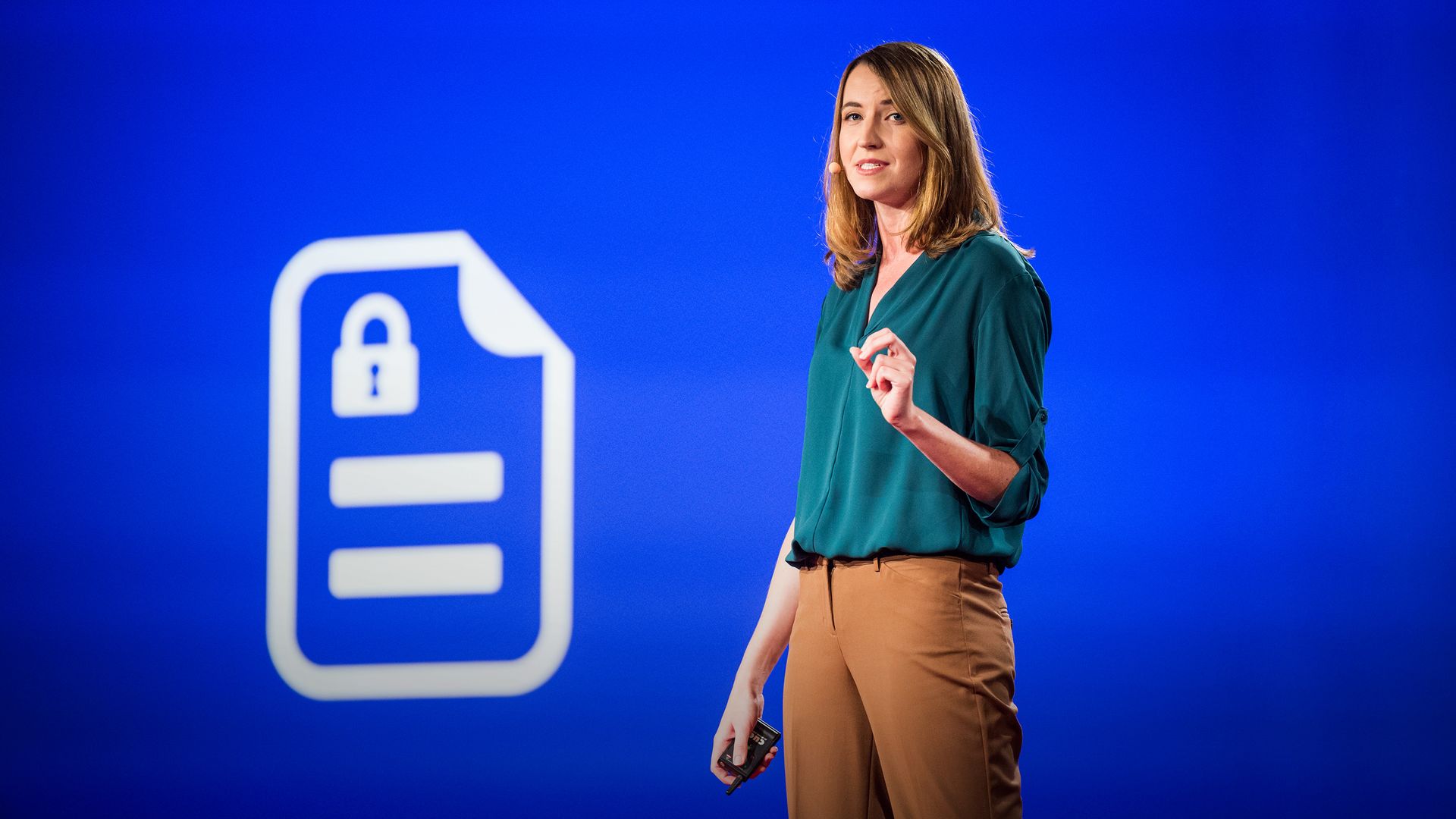
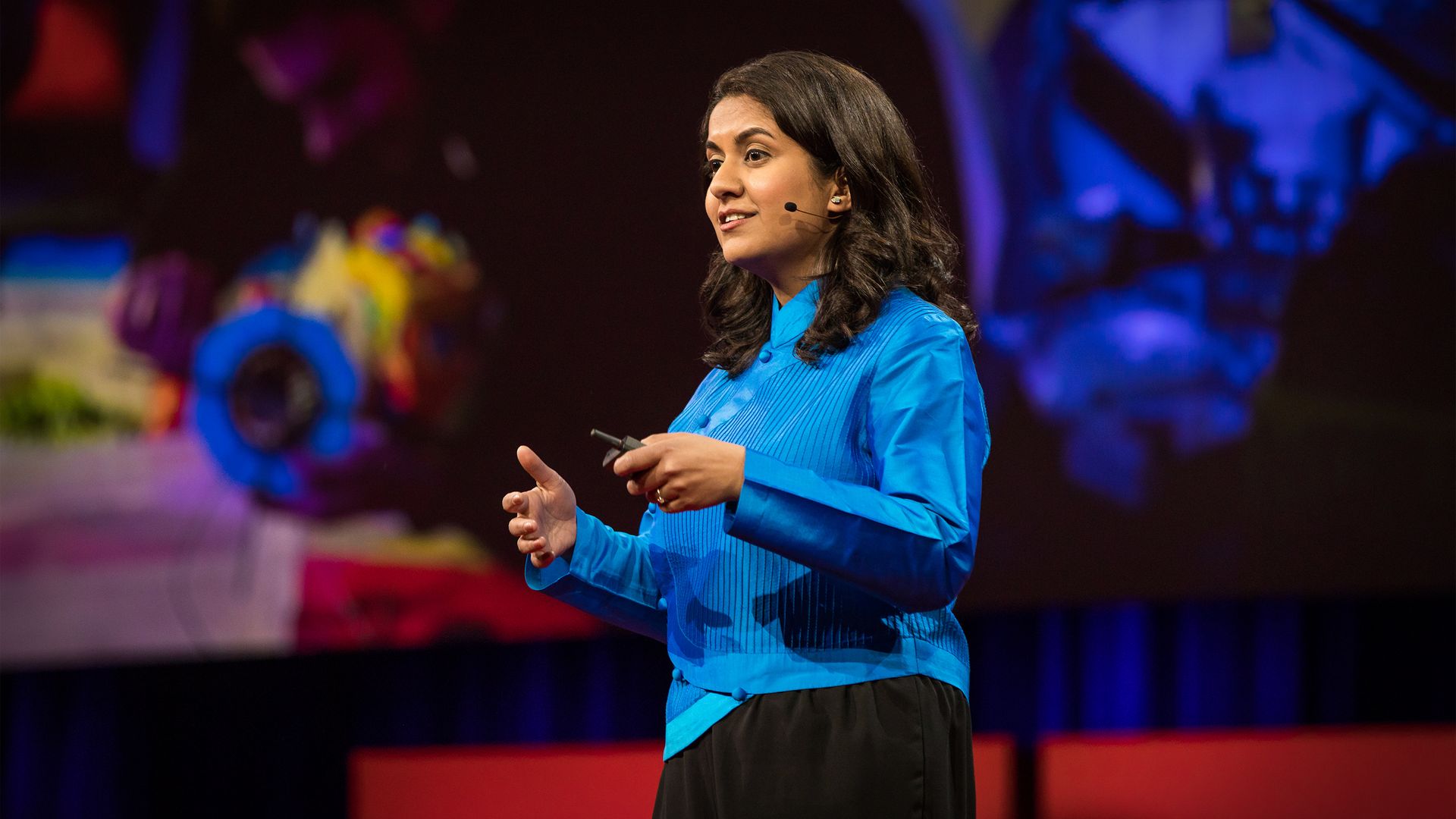
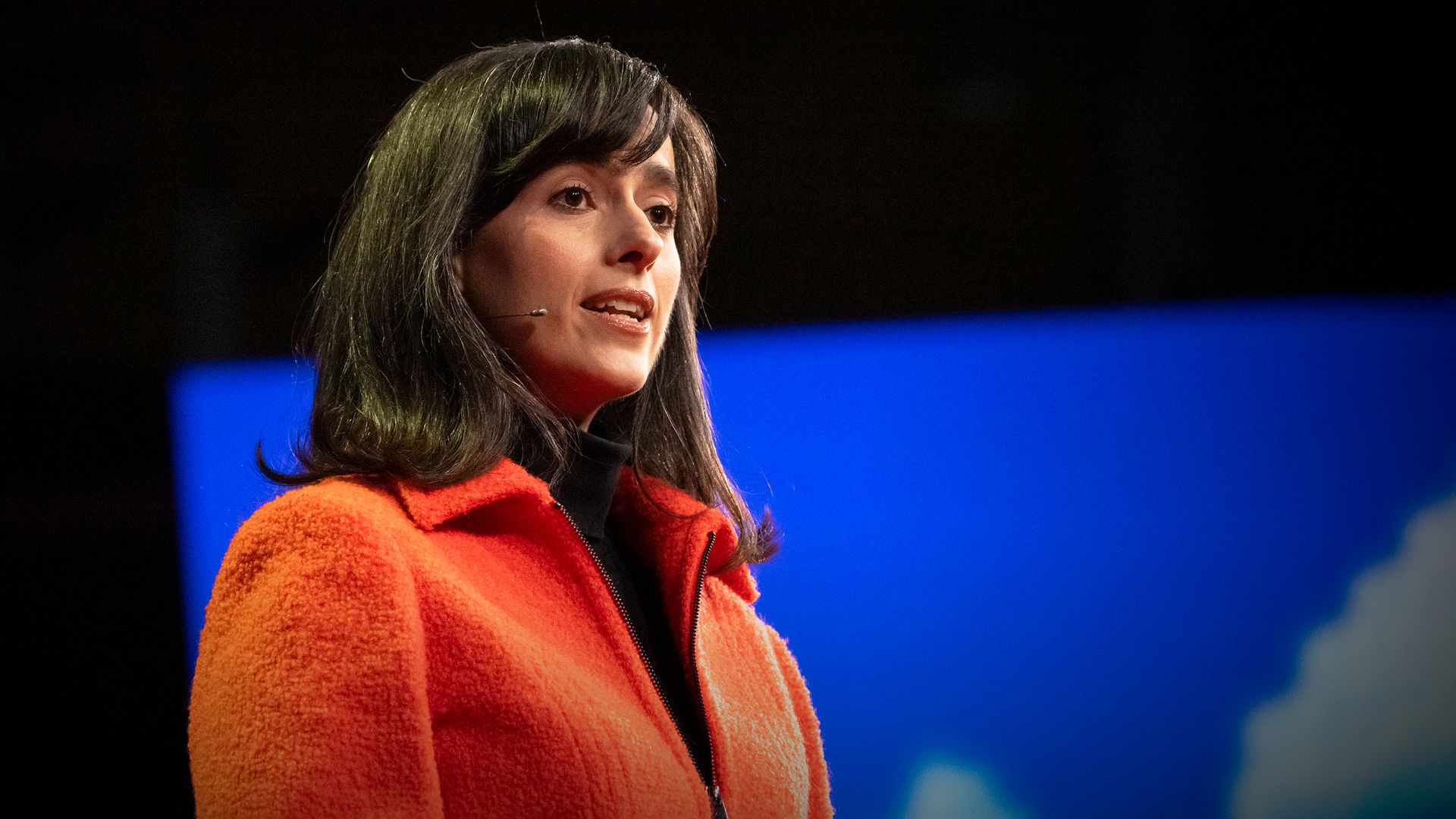
Carissa Véliz

Beware the power of prediction

Podcasts

Hear TED Fellows tell their stories in intimate interviews and learn more about what lies behind their big ideas.

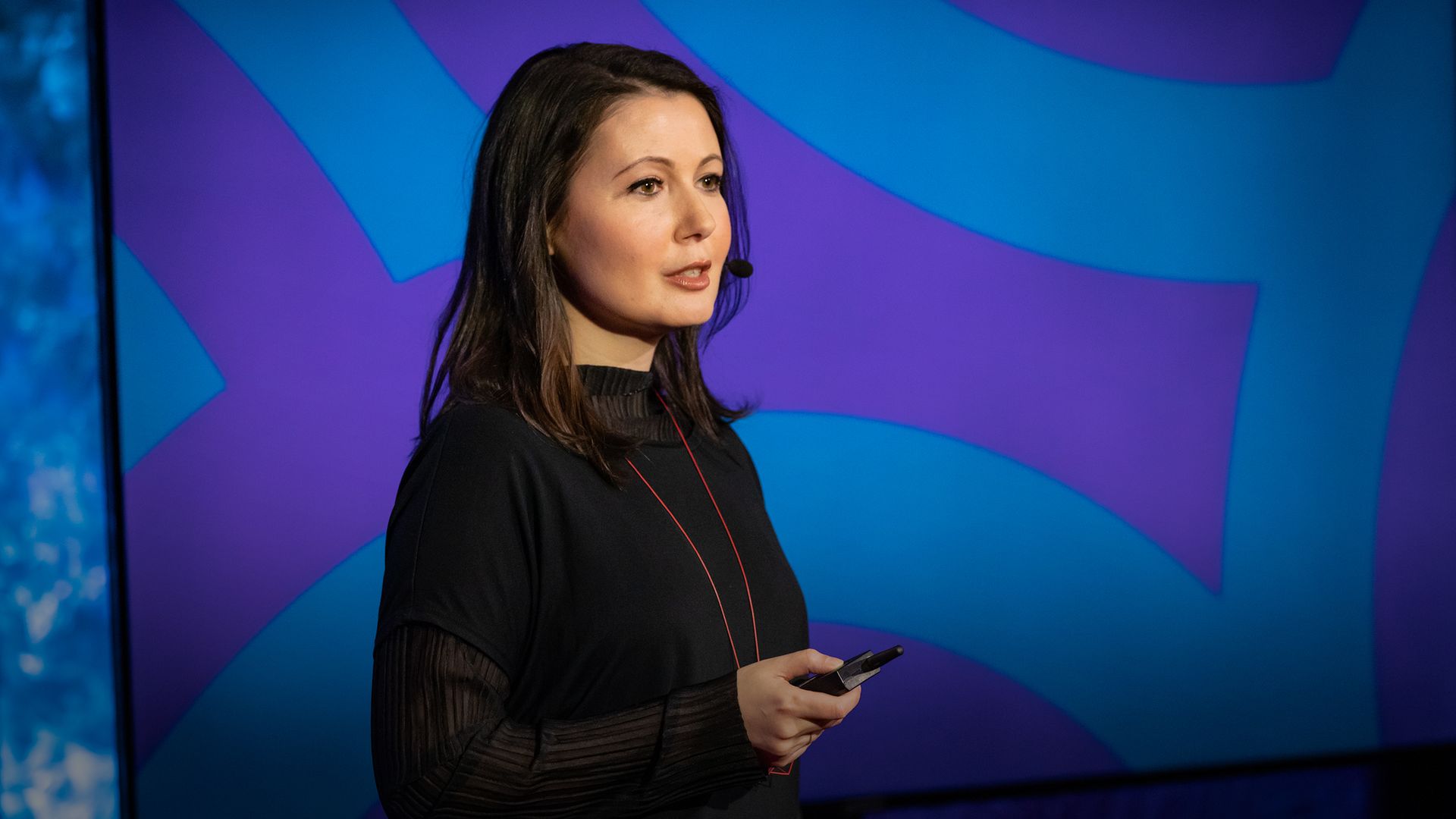
Trinity Tran

Who controls your city's money? | Trinity Tran

What if your city could borrow money from its own bank instead of private lenders? TED Fellow Trinity Tran is leading the push for public banks — which are owned by the people through their local governments — and shows how this model could ensure your local tax dollars stay in your community. 

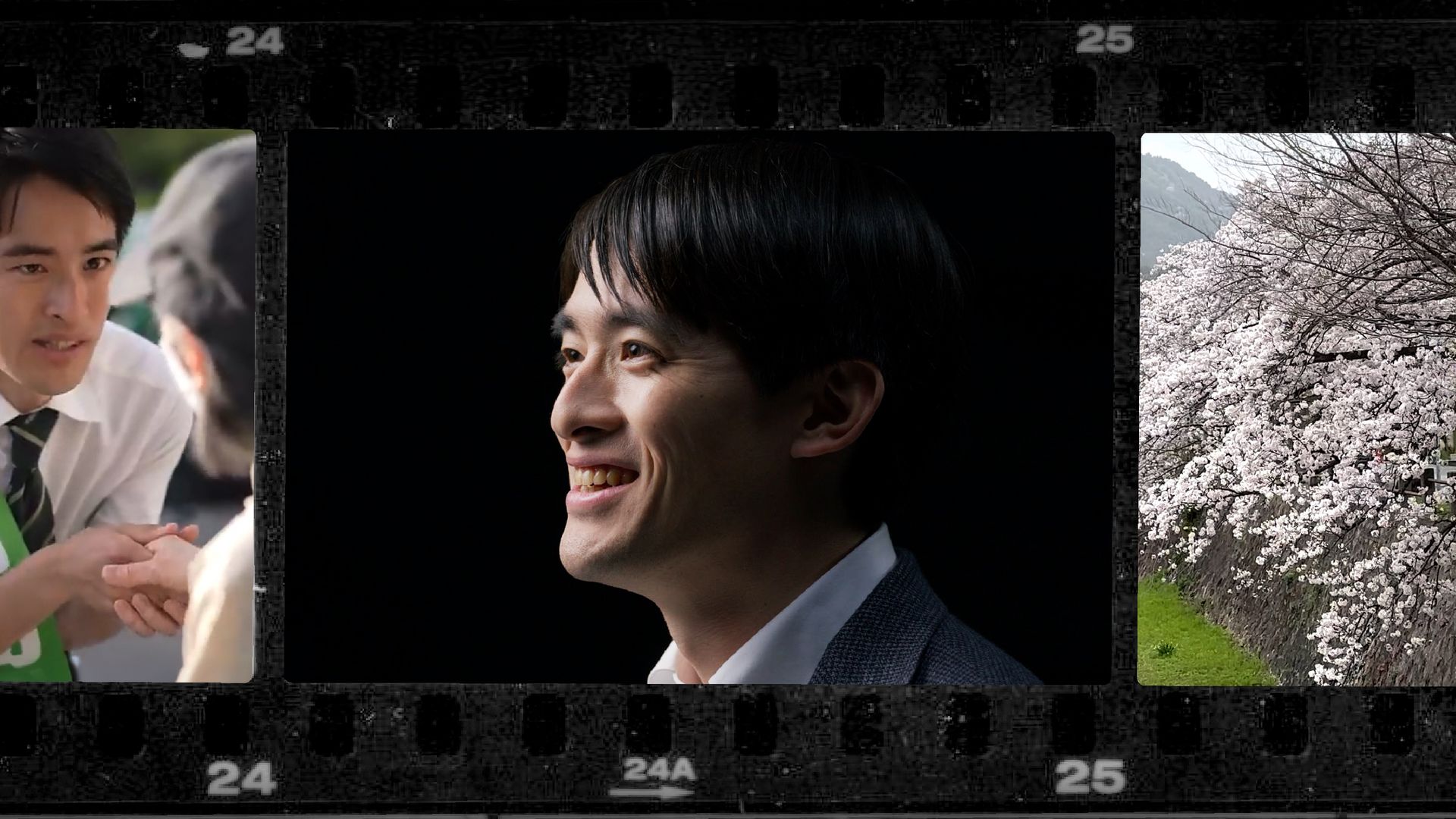
Ryosuke Takashima

Meet the youngest-ever mayor in Japan's history | Ryosuke Takashima

TED Fellow Ryosuke Takashima is the youngest-ever mayor in Japan's history — but he doesn't consider himself a politician. His approach to leadership is simple: listen to as many voices as possible (from students to elders) in order to figure out what needs fixing. Hear why he thinks inviting citizens to participate in reforming their own communities is the best way to get things done.

Schendy Kernizan

The gravity-defying future of manufacturing | Schendy Kernizan

3D printing promised to reinvent how we make things, but it's mostly stuck producing prototypes with a high level of waste. Designer and TED Fellow Schendy Kernizan found a different way — by printing objects directly into a tub of gel. He explains how this technique eliminates the constraints of gravity, pushing the limits of how we can manufacture objects across medicine, fashion, space travel and more.
Listen to all
Podcast episodes

TED Fellows Films

TED Talks meet documentaries in these short films that explore TED Fellows’ ideas. Dive into all three seasons to explore their mind-blowing innovations. 

05:39

FELLOWS FILM

Meet the youngest-ever mayor in Japan's history

TED Fellow Ryosuke Takashima is the youngest-ever mayor in Japan's history — but he doesn't consider himself a politician. His approach to leadership is simple: listen to as many voices as possible (from students to elders) in order to figure out what needs fixing. Hear why he thinks inviting citizens to participate in reforming their own communities is the best way to get things done.

2026

TED Fellows Film

Ryosuke Takashima
04:47

FELLOWS FILM

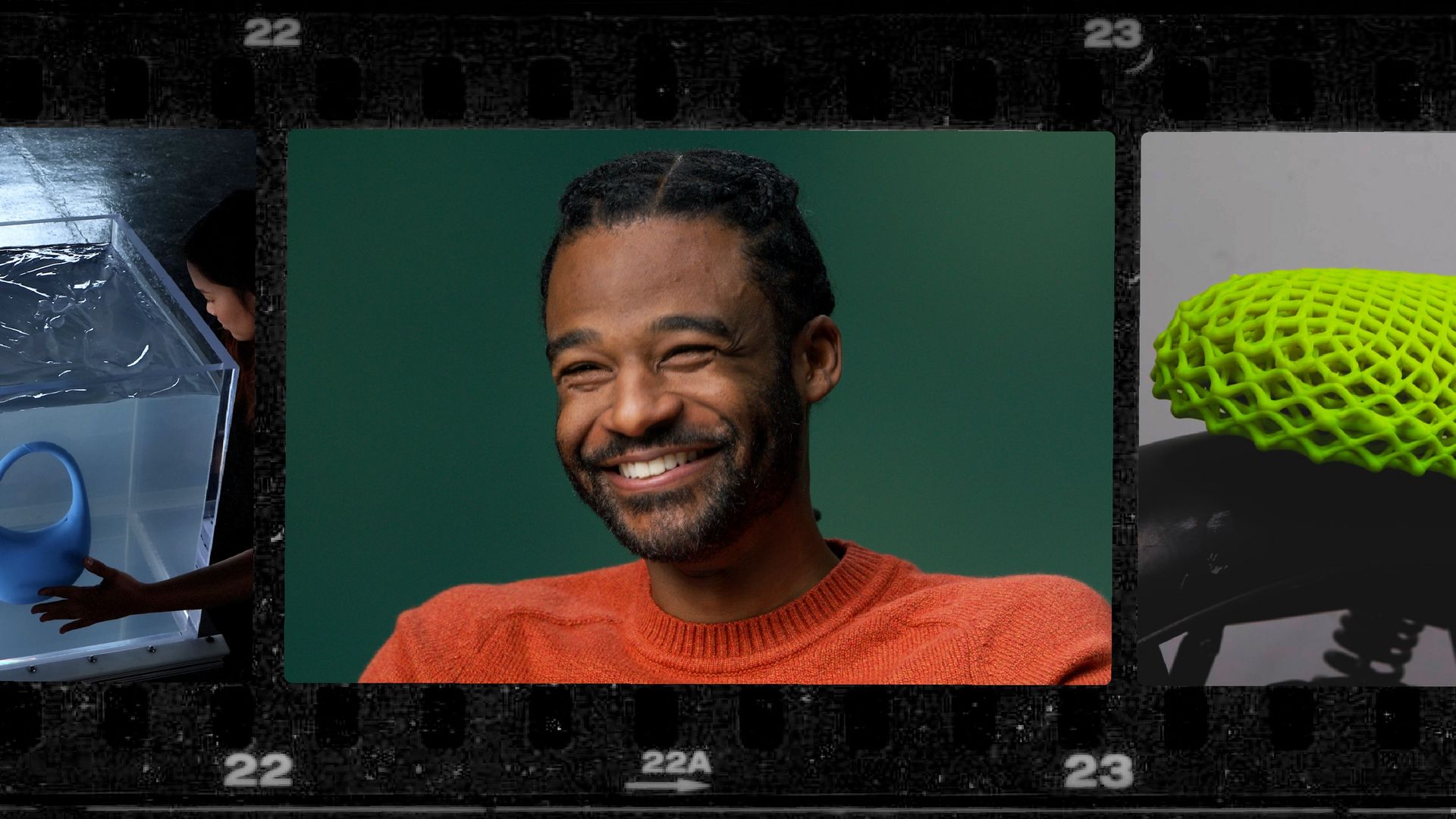
The gravity-defying future of manufacturing

3D printing promised to reinvent how we make things, but it's mostly stuck producing prototypes with a high level of waste. Designer and TED Fellow Schendy Kernizan found a different way — by printing objects directly into a tub of gel. He explains how this technique eliminates the constraints of gravity, pushing the limits of how we can manufacture objects across medicine, fashion, space travel and more.

2026

TED Fellows Film

Schendy Kernizan

Fellows Media Library
With 500+ TED Fellows and counting, we’ve got an entire world of media for you to explore. Dive into these talks, short films and podcasts showcasing Fellows turning ideas into action.

Clear
Sort
Thank you! Your submission has been received!
Oops! Something went wrong while submitting the form.

05:21

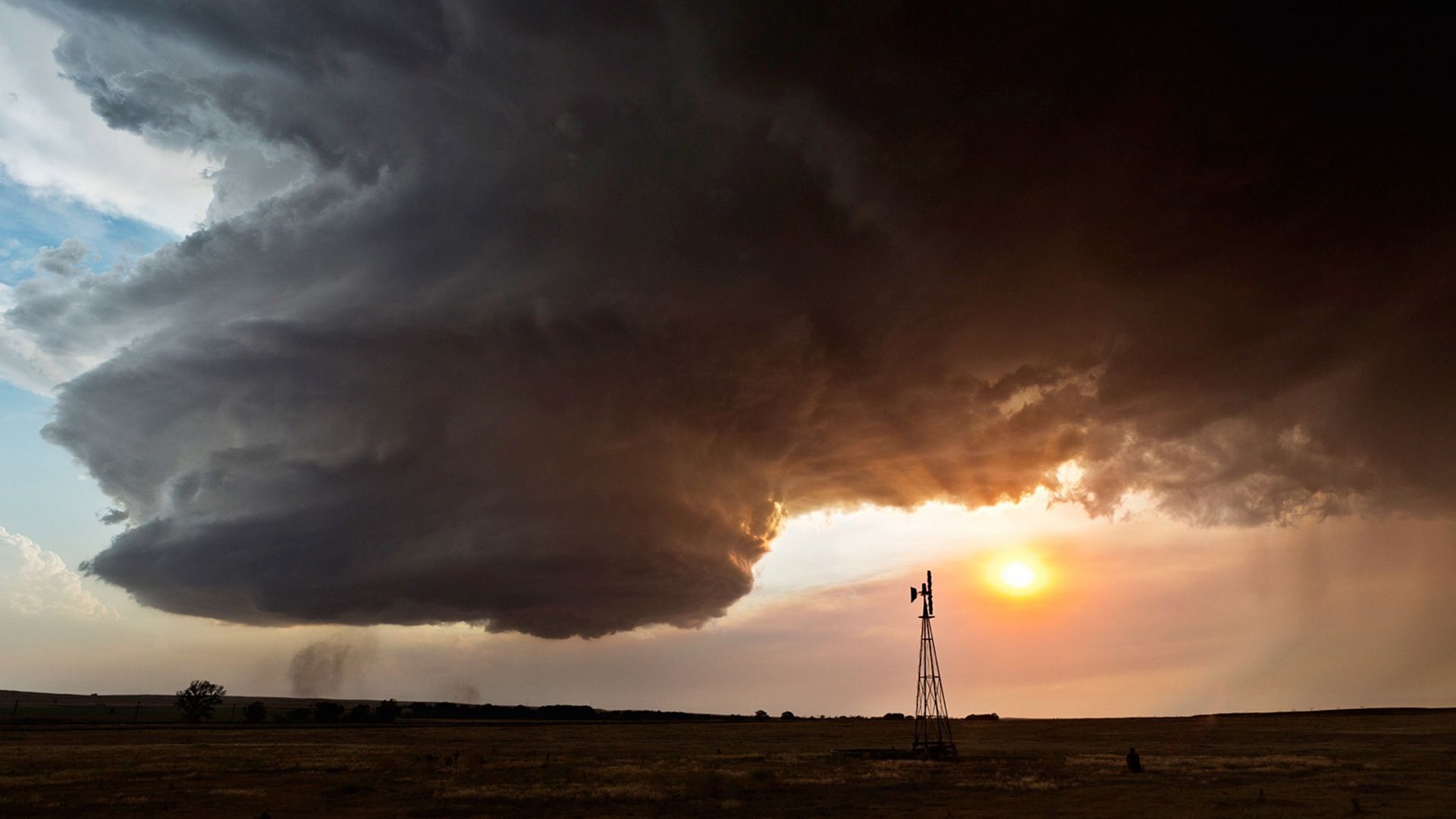
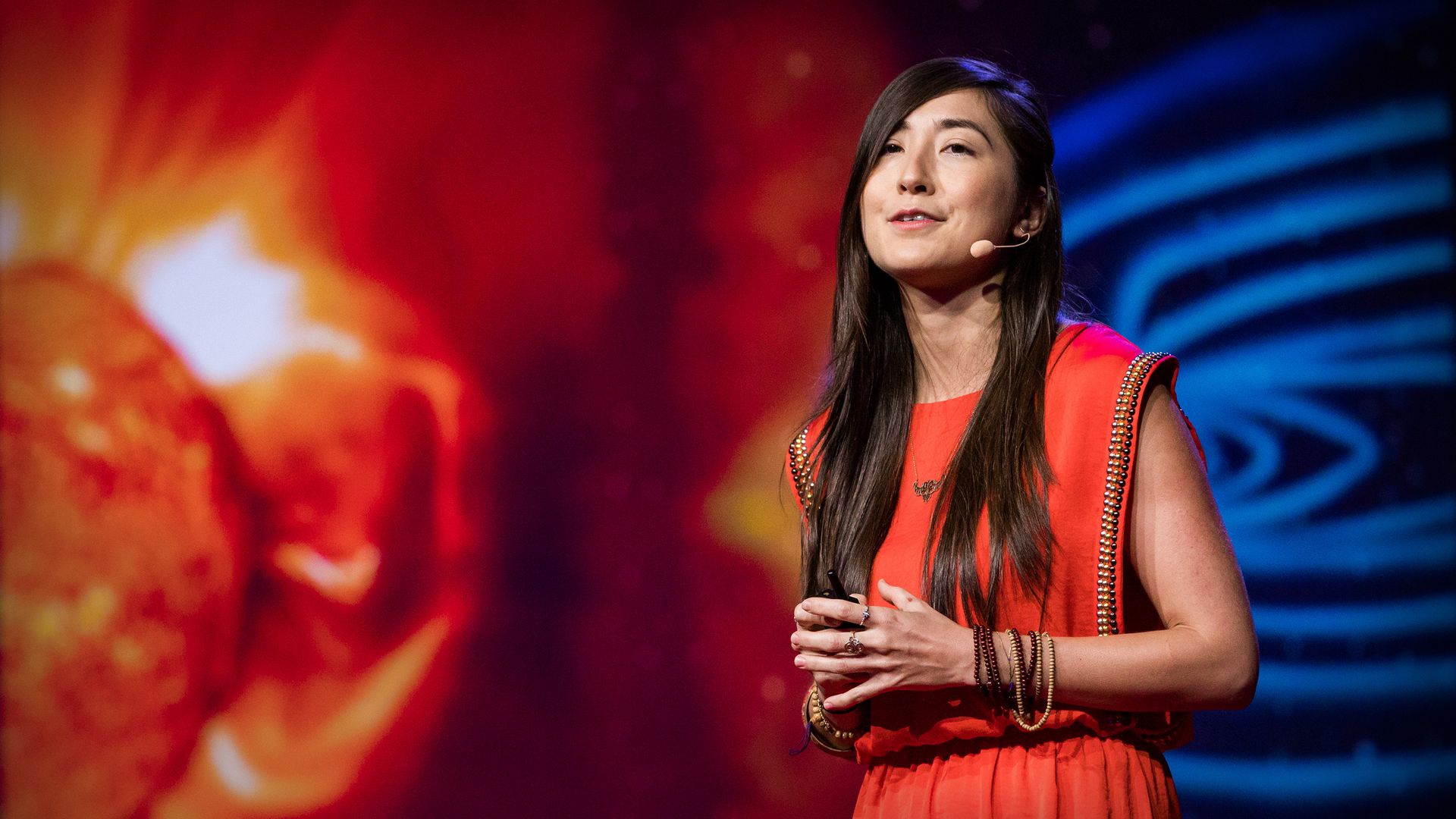
Lessons from a solar storm chaser

Space physicist Miho Janvier studies solar storms: giant clouds of particles that escape from the Sun and can disrupt life on Earth (while also producing amazing auroras). How do you study the atmosphere on the Sun, which burns at temperatures of up to around 10 million degrees Kelvin? With math! Join the TED Fellow as she shares her work trying to better understand how the Sun affects us here on Earth.

2017

TED Talk

United Kingdom
Dr. Miho Janvier is a solar and space physicist currently working at the European Space Agency (ESA/ESTEC, NL). Her research focuses on solar flares, solar storms, and their impact on planetary environments. She collaborates with NASA, ESA, and JAXA, analyzing data and developing 3D computer models of solar eruptions. Dr. Janvier is involved in the Solar Orbiter mission, working on instruments and enhancing data collection. She is also passionate about science communication, leading various projects and being a public speaker. Additionally, she is engaged in non-profit organizations, such as SpaceTravelVR, and has received several awards for her work in the field of solar and space physics. // The organization focuses on web protection services provided by Cloudflare to safeguard websites from malicious bots. They utilize techniques such as hiding email addresses and require enabling Javascript to decode them. Cloudflare's services aim to enhance performance and security for websites. // Miho Janvier is a solar and space physicist at the Institut d’Astrophysique Spatiale, France, currently seconded to the European Space Agency (ESTEC) in The Netherlands. Her work focusses on Solar Orbiter, the European Space Agency / NASA mission launched in February 2020 to explore the Sun and its close neighbourhood. At ESA/ESTEC, she coordinates observation campaigns with space missions from different space agencies and ground-based assets. Her scientific research covers the understanding of when solar flares occur, how solar storms travel in space and how they impact planetary environments in the solar system. In a nutshell, she works towards a better prediction of "space weather," with a goal of better understanding the influence of the Sun's activity on human societies. She uses data from space missions from NASA, ESA and JAXA as well as developing 3D computer models of solar eruptions. Miho is also involved as the deputy project scientist on the instrument SPICE as well as a scientific co-Investigator on the instrument EUI on board Solar Orbiter. Her passion for astrophysics and science communication has led her to develop several science communication projects: she partnered with the movie production company TreeHouse Digital Ltd to develop a 360 degrees experience of a solar storm using science data and VFX. She is currently developing a project to showcase the Solar Orbiter mission in Virtual Reality in collaboration with the French Space Agency (CNES) and ESA. Her projects are now developed under the NPO "SpaceTravelVR" she created to bring space to a general audience. She was selected as a WIREDUK Innovation Fellow in 2016 and a TED Fellow in 2017. // SolAR is an augmented reality application that presents 4 aspects of solar and spacephysics research, from the colours of the Sun to the presentation of Solar Orbiter. I led the development of this project with VR/AR engineer Jean-Charles Fedini. // This project is supported by the Centre National d'Etudes Spatiales (CNES) to present the French participation, and in particular that of IAS, to the upcoming space mission Solar Orbiter. I lead the development of a VR software that presents the objectives of the mission as well as the different instruments on board the spacecraft. // This project was developed in collaboration with the movie production company TreeHouse Digital (UK). // Miho Janvier is a solar and space physicist with a focus on the Solar Orbiter mission, a joint project of the European Space Agency and NASA. Currently based at the European Space Research and Technology Centre (ESTEC) in The Netherlands, she coordinates observation campaigns involving various space missions and ground-based assets. Her research delves into solar flares, solar storm propagation, and their effects on planetary environments, aiming to enhance space weather prediction and understand the Sun's impact on human societies. Miho's involvement as a deputy project scientist and scientific co-Investigator on Solar Orbiter's instruments underscores her expertise in the field. Beyond her scientific pursuits, she is dedicated to science communication, leading projects that merge astrophysics with virtual reality to engage a broader audience. Her innovative work has garnered recognition, including being selected as a WIREDUK Innovation Fellow and a TED Fellow. // As a scientist, I participate in expanding the knowledge that we have about our universe. As a keen science communicator, I hope to share my knowledge and enthusiasm about my work as much as possible. Big questions that drive my science work: are we alone in this universe, can we learn anything about the Sun and the solar system to understand how life can emerge somewhere else around another star, how to prepare ourselves for extreme solar events. As a woman of colour in science, I don't see many people like me. In fact, in my current person, I see 0 people like me. So I hope that the career that I have inspires others to chase opportunities in STEM careers. // Dr. Miho Janvier is a solar and space physicist at the European Space Agency (ESA/ESTEC, NL), specializing in solar flares, solar storms, and their impact on planetary environments. She is actively involved in the Solar Orbiter mission, collaborating with international space agencies to analyze data and develop 3D models of solar eruptions. Dr. Janvier's expertise extends to coordinating observation campaigns, enhancing space weather prediction, and understanding the Sun's influence on human societies. Beyond her research, she is dedicated to science communication, leading projects that merge astrophysics with virtual reality to engage a wider audience. Dr. Janvier's innovative work has earned her recognition as a WIREDUK Innovation Fellow and a TED Fellow, inspiring others, especially women of color, to pursue careers in STEM fields. // Solar storm scientist // Miho is a space physicist at the Institute for Space Astrophysics in France. She studies the Sun's activity and focuses on solar flares, which are big explosions occurring in the Sun's atmosphere. They are at the origin of phenomena called solar storms which impact the space environment of Earth and other planets in the solar system. Solar storms are a fundamental criterion in assessing the habitability of planets in other star systems. Miho's passion for public outreach has led her to develop virtual and augmented reality experiences that appeared at science festivals in the UK and France. Miho developed her passion for astrophysics when she was little: the night sky and its stars fascinated her and this interest grew even more after watching films such as E.T. and the X-Files series. These days, Miho works on computer models of solar flares, comparing them with Sun's observations obtained by spacecrafts. She also works on Solar Orbiter, the European Space Agency's next mission to the Sun. // Space physicist Miho Janvier studies solar storms: giant clouds of particles that escape from the Sun and can disrupt life on Earth (while also producing amazing auroras). How do you study the atmosphere on the Sun, which burns at temperatures of up to around 10 million degrees Kelvin? With math! Join the TED Fellow as she shares her work trying to better understand how the Sun affects us here on Earth. // Dr. Miho Janvier is a solar and space physicist at the European Space Agency (ESA/ESTEC, NL), specializing in solar flares, solar storms, and their impact on planetary environments. She is actively involved in the Solar Orbiter mission, collaborating with international space agencies to analyze data and develop 3D models of solar eruptions. Dr. Janvier's expertise extends to coordinating observation campaigns, enhancing space weather prediction, and understanding the Sun's influence on human societies. Beyond her research, she is dedicated to science communication, leading projects that merge astrophysics with virtual reality to engage a wider audience. Dr. Janvier's innovative work has earned her recognition as a WIREDUK Innovation Fellow and a TED Fellow, inspiring others, especially women of color, to pursue careers in STEM fields. // Solar storm scientist // data collection, led, data, research, augmented reality, weather, space exploration, storms, hurricanes and tornadoes, stem, virtual reality, astrophysics, solar, campaigns, extreme weather, science communication, space physics, science, hurricanes, software, communication // Netherlands|United Kingdom|London|Leiden|Paris|France|England
Netherlands|United Kingdom|London|Leiden|Paris|France|England

Miho Janvier

No items found.
2017

How to re-spark your imagination (w/ Anab Jain)

2024

Podcasts

United Kingdom
Multicultural designer // Designer, filmmaker, entrepreneur, inventor, futurescaper: Anab wears many hats, and brings them all together at her multidisciplinary future-facing design studio Superflux. Based in east London, UK and also has a small studio in Ahmedabad, India, Superflux works both a consultancy and a lab, operating in the realm of emerging technologies and experiences, for business, cultural and social purposes. Clients include Nokia, Microsoft, Mattel, NESTA amongst others. Projects include the design of neural prosthetics and augmented vision for the blind, internet-of-things products for the home, alternate autonomous weather systems, ecological robots, RFID-enabled electronic jewellery, prototypes for visualising quantum computing and community-enabling services for urban worlds. Anab regularly speaks on design futurescaping, elastic cities, new technologies and innovation at conferences such as LIFT, World Congress for Information Technology, PICNIC and SIGGRAPH. Honours include the Award of Excellence ICSID, UNESCO Digital Arts Award, and Grand Prix Geneva Human Rights Festival. She has exhibited at MoMA, NY, Apple Computers Inc, Mattel HQ, London Design Festival and British Council. Her work has been profiled in WIRED, Guardian, Popular Science, Marie Claire and Blueprint. Educated in India, Vienna and London, Anab has an MA with distinction in Interaction Design from the Royal College of Art, London. // Anab is Director and Co-founder of critically acclaimed design firm Superflux. The firm works with governments, organisations and communities to translate future uncertainties into present day choices. Superflux’s clients and partners include Govt. of UAE, UNDP, Suncorp, Cabinet Office, Govt. of UK, Microsoft Research, and the V&A Museum. Anab has received awards from ICSID, UNESCO, Geneva Human Rights Festival, Apple Inc., and the UK Government’s Innovation Department. Her work has been shown at MoMA New York, V&A London, Vitra Design Museum and the National Museum of China amongst others. Anab is also Professor of Industrial Design at the University of Applied Arts in Vienna, where she is currently curating a project ‘How Will We Work’ investigating how AI, automation, alternative economies and invisible market forces are transforming the nature of work. Anab sits on the Boards of the Humanitarian Innovation Fund, Media & Journalism at London School of Economics and Participatory City. // Anab Jain brings the future to life, creating experiences where people can touch, see and feel the potential of the world we're creating. Do we want a world where intelligent machines patrol our streets, for instance, or where our genetic heritage determines our health care? Jain's projects show why it's important to fight for the world we want. Catch a glimpse of possible futures in this eye-opening talk. // Anab is Director and Co-founder of critically acclaimed design firm Superflux. The firm works with governments, organisations and communities to translate future uncertainties into present day choices. Superflux’s clients and partners include Govt. of UAE, UNDP, Suncorp, Cabinet Office, Govt. of UK, Microsoft Research, and the V&A Museum. Anab has received awards from ICSID, UNESCO, Geneva Human Rights Festival, Apple Inc., and the UK Government’s Innovation Department. Her work has been shown at MoMA New York, V&A London, Vitra Design Museum and the National Museum of China amongst others. Anab is also Professor of Industrial Design at the University of Applied Arts in Vienna, where she is currently curating a project ‘How Will We Work’ investigating how AI, automation, alternative economies and invisible market forces are transforming the nature of work. Anab sits on the Boards of the Humanitarian Innovation Fund, Media & Journalism at London School of Economics and Participatory City. // Multicultural designer // technology, automation, cities, urban, research, participatory, design, human rights, rights, weather, humanitarian, interaction design, thought leadership, robotics, future visioning and purposing, industrial design, nature, emerging technologies, science, design innovation & strategy, industrial, artificial intelligence, ecology // United Kingdom|England|London
United Kingdom|England|London

Anab Jain

No items found.
2024

05:47

The reporting system that sexual assault survivors want

We don't have to live in a world where 99 percent of rapists get away with it, says TED Fellow Jessica Ladd. With Callisto, a new platform for college students to confidentially report sexual assault, Ladd is helping survivors get the support and justice they deserve while respecting their privacy concerns. "We can create a world where there's a real deterrent to violating the rights of another human being," she says.

2016

TED Talk

United States
Sexual Health Innovations; The AIDS Institute; Pomona College; Stanford University Graduate School of Business; Harvard Kennedy School; Female Sexuality (FemSex); University of Washington School of Public Health; Harvard Business School; The Social Innovation Lab; Center for Research & Education on Gender and Sexuality; Aim High; Lick-Wilmerding High School; The White House; Johns Hopkins Bloomberg School of Public Health; Foothill AIDS Project; Callisto; The Student Life Newspaper
Callisto is an organization dedicated to addressing the issue of sexual assault and harassment, particularly on college campuses. They aim to dismantle barriers to reporting these crimes through their online platform, providing survivors with various options to document and report their experiences. By offering different reporting methods and utilizing an information escrow matching system, Callisto strives to identify repeat perpetrators, prevent ongoing incidents, and ultimately stop sexual assault at its source. Founded by Jess Ladd, a sexual assault survivor herself, Callisto has expanded beyond college campuses to support victims in professional fields such as technology, entertainment, and academia. Their ambition is to create a comprehensive reporting process that prioritizes survivors' needs and empowers them to understand their options. With a focus on building a sustained cultural shift, Callisto has already made significant impact by increasing reports on partner campuses and piloting new platforms to broaden their impact on preventing sexual assault nationwide. // Since age 16, I've worked to make the world better, mostly by helping people facing stigmatized sexual health challenges. I've worn many hats along the way - CEO, researcher, teacher, policy advocate, UX designer, etc. The parts of those roles I enjoyed the most was gaining a nuanced understanding about difficult problems and creating solutions with caring and dedicated fellow nerds. At age 34 I decided to take a step back from Callisto - the sexual assault nonprofit I founded - to reflect, relax, and refocus. After a three year sabbatical, I'm beginning to look for new opportunities. YC Alum. Ashoka Fellow. Senior TED Fellow. Received the "Skoll Award for Social Entrepreneurship" and the "National Jefferson Award for Outstanding Public Service by a Private Citizen." // Founded Callisto, a non-profit that creates technology to combat sexual assault, support survivors, and advance justice. Callisto Campus, our online sexual assault reporting system, has been adopted by 13 campus partners. Student survivors who visit Callisto Campus are 6x more likely to report and 3x more likely to seek emotional or medical resources. 15% of survivors using Callisto Campus's matching escrow have learned that there are other victims of the same assailant and reported simultaneously with other victims. // Founded and directed a non-profit organization dedicated to creating technology that advances sexual health and well-being in the United States, which rebranded to Callisto in November 2016. Created So They Can Know, a website to help people diagnosed with STDs to notify their partners that they need to get tested, either in person or through informative anonymous emails.Also created Project Callisto, an online sexual assault reporting and documentation system. // - Conducted legal and statistical research related to federal HIV/AIDS policy - Prepared reports and press releases to educate policy makers and the media about HIV/AIDS, existing policy, the impact of existing policy, and potential new legislation - Helped build consensus among HIV organizations on policy recommendations - Met with congressional staff, often alongside members of other HIV advocacy organizations, to provide them with information that would help them adopt policies to prevent HIV / AIDS and to support people living with HIV / AIDS // - Cofounded a new peer-based female sexual health and empowerment class at Pomona College with a mission to create a safe space for women to learn and share about sexuality. The program was based on a curriculum shared from a Harvard Femsex chapter, which was itself based on the first chapter at UC Berkeley (founded in 1993). - Planned lessons, facilitated discussion, and created weekly assignments for ten two-hour sessions on relevant topics including sexual health, identity, and boundary assertion // - Conducted literature searches and transcribed and coded interviews to be used in a report on youth sexuality education with the CRGS - Developed a sexuality policy-related database to facilitate networking in the sexuality policy community and to recruit authors for Sexuality Research and Social Policy: Journal of the National Sexuality Resource Center - Created a methodology for identifying books on sexuality policy to be used in book reviews by the Journal; identified 100 such books for the editor // Principal researcher in a collaborative effort to prepare a report to the President on reducing unintended pregnancy and the need for abortion. Assisted in developing recommendations and in writing the report. Provided talking points, research, and logistical support for the Office of National AIDS Policy; facilitated community input into the National HIV/AIDS Strategy. // - Created, distributed, and analyzed 10 weekly surveys asking asking Pomona College students (200+ per survey) about their sexual health, behaviors, and attitudes - Conducted in-depth interviews with students regarding their sexual practices and beliefs - Used these data to write weekly data-driven articles on college sexuality // - Updated and designed packets for HIV prevention and female empowerment workshops - Analyzed risk assessment data used to determine funding for FAP - Participated in weekly HIV prevention and education sessions in a drug rehabilitation center // - For multiple years, designed and taught a summer enrichment course in "Issues & Choices" for ninth graders. The course tackled teen issues such as decision-making, sexuality, drugs, identity formation, and violence. - Developed curricula and lesson plans, coordinated the duties of several other teachers, arranged for guest speakers, created classroom materials and evaluated student performance - Taught as a Master Teacher in summer 2005 and a Teacher's Assistant summers 2002-2004 // Founded an accelerator for student-initiated social innovation projects and organizations, now staffed full-time by Johns Hopkins staff, which provides startup funding to student social innovations for public health. Sponsored 17 exceptional projects for the Lab through partnerships forged with with the Bloomberg School of Public Health’s Student Assembly, the Johns Hopkins Carey Business School, and the Maryland Institute College of Art’s Masters in Social Design. // Sexual Health Innovations; The AIDS Institute; Pomona College; Stanford University Graduate School of Business; Harvard Kennedy School; Female Sexuality (FemSex); University of Washington School of Public Health; Harvard Business School; The Social Innovation Lab; Center for Research & Education on Gender and Sexuality; Aim High; Lick-Wilmerding High School; The White House; Johns Hopkins Bloomberg School of Public Health; Foothill AIDS Project; Callisto; The Student Life Newspaper // Jess Ladd is a dedicated professional with a strong background in creating technology solutions to address stigmatized sexual health challenges. As the founder of Callisto, a non-profit organization focused on combating sexual assault and supporting survivors, Jess has demonstrated a commitment to advancing justice and well-being. With experience in research, policy advocacy, UX design, and teaching, Jess has a multifaceted skill set that has been instrumental in developing innovative solutions. Jess's work has been recognized through prestigious awards and fellowships, highlighting her significant contributions to the field. With a passion for creating safe spaces for education and empowerment, Jess continues to make a positive impact in the realm of sexual health and social innovation. // I want to dramatically reduce sexual assault in the US in the next 25 years. I believe that with ambitious, resourced, and collaborative leaders from many sectors, we can see a 70% reduction in that time. Questions that drive my work include "how might we provide victims with the outcomes they most desire, using a process that does not traumatize them as much as their assault did?" // Jess Ladd is a dedicated professional and the founder of Callisto, an organization focused on combatting sexual assault and supporting survivors, particularly on college campuses. With a background in creating technology solutions to address stigmatized sexual health challenges, Jess has demonstrated a commitment to advancing justice and well-being. Through Callisto, Jess aims to dismantle barriers to reporting sexual crimes by providing survivors with innovative online platforms that prioritize their needs and empower them to understand their options. By utilizing information escrow matching systems and offering various reporting methods, Callisto seeks to identify repeat perpetrators, prevent ongoing incidents, and ultimately stop sexual assault at its source. Jess's multifaceted skill set in research, policy advocacy, UX design, and teaching has been instrumental in developing innovative solutions that have made a significant impact in the realm of sexual health and social innovation. // Sexual health technologist // I am a TED Senior Fellow and the Founder of Callisto, a nonprofit dedicated to creating technology that combats sexual assault and supports survivors. We’ve created a website that detects serial perpetrators of sexual assault and professional sexual coercion (who commit 90% of assaults). I have worked in the field of sexual health since age 17 as an educator, policy advisor, advocate, and researcher. Before starting Callisto, I worked in the White House Domestic Policy Council and co-founded the Baltimore-based Social Innovation Lab. I have a BA in Public Policy/Human Sexuality from Pomona College and an MPH (and 70% of a PhD) in Epidemiology from Johns Hopkins. I am passionate about social innovation, technology to reduce and sidestep stigma, and helping people take horrible experiences and use them to make the world a better place. // We don't have to live in a world where 99 percent of rapists get away with it, says TED Fellow Jessica Ladd. With Callisto, a new platform for college students to confidentially report sexual assault, Ladd is helping survivors get the support and justice they deserve while respecting their privacy concerns. "We can create a world where there's a real deterrent to violating the rights of another human being," she says. // Jess Ladd is a dedicated professional and the founder of Callisto, an organization focused on combatting sexual assault and supporting survivors, particularly on college campuses. With a background in creating technology solutions to address stigmatized sexual health challenges, Jess has demonstrated a commitment to advancing justice and well-being. Through Callisto, Jess aims to dismantle barriers to reporting sexual crimes by providing survivors with innovative online platforms that prioritize their needs and empower them to understand their options. By utilizing information escrow matching systems and offering various reporting methods, Callisto seeks to identify repeat perpetrators, prevent ongoing incidents, and ultimately stop sexual assault at its source. Jess's multifaceted skill set in research, policy advocacy, UX design, and teaching has been instrumental in developing innovative solutions that have made a significant impact in the realm of sexual health and social innovation. // Sexual health technologist // technology, sexual assault, violence, education, entrepreneurship, public health, infectious diseases, data, teen, tech startups, infectious disease, research, sexual health, social innovation, design, volunteerism, policy, women, public policy, information escrows, youth, data-driven, advocacy, risk assessment, teachers, epidemiology, social impact, sexual violence, empowerment, startups, law, infectious disease epidemiology , justice, disease, nonprofits // San Francisco|USA|New York|California|United States|Brooklyn
San Francisco|USA|New York|California|United States|Brooklyn

Jess Ladd

No items found.
2016

07:43

How to recover from activism burnout

When you're feeling burned out as an activist, what's the best way to bounce back? TED Senior Fellow Yana Buhrer Tavanier explores the power of "playtivism" -- the incorporation of play and creativity into movements for social change. See how this versatile approach can spark new ideas, propel action and melt fear.

2019

TED Talk

Spain
Sofia University St. Kliment Ohridski; Yale University; Self Employed; Bulgarian Helsinki Committee; World Economic Forum; Sofia University, Faculty of Journalism and Mass Communication; First English Language School, Sofia; University of Oxford - Said Business School; Sofia University, Faculty of Philosophy; Nanyang Technological University Singapore; School of Politics, Bulgaria; TimeHeroes; Capital weekly; TED Conferences; Fine Acts; Harvard Kennedy School of Government
Fine Acts is an organization that focuses on visual framing and creative campaigning to help civil society organizations improve their capacity in fostering democracy and human rights. They collaborate with artists worldwide to create powerful illustrations on various social topics, such as climate justice and the impact of environmental crises. Through projects like "Oracle," an interactive artwork featuring a talking flame, and initiatives like "Illustrating Democracy & Rule of Law," Fine Acts aims to provoke thought, challenge norms, and ignite conversations on critical social issues. Their work is available under an open license on TheGreats.co, allowing for free non-commercial use and adaptation by nonprofits, activists, and educators to promote justice, accountability, and human rights. // Fine Acts is a global nonprofit creative studio for social impact. // The TED Fellows program helps world-changing innovators from around the globe become part of the TED community and, with its help, amplify the impact of their remarkable projects and activities. Fellows are drawn from many disciplines that reflect the diversity of TED's members: technology, entertainment, design, the sciences, the humanities, the arts, NGOs, business and more. // "This honour is bestowed by the World Economic Forum each year to recognize the most distinguished young leaders nominated below the age of 40 from around the world".http://forumblog.org/2012/03/welcome-to-the-young-global-leaders-class-of-2012/ // TimeHeroes aims to build the bridge over the gap between potential volunteers and organizations, making the process of finding an initiative of interest fast and easy. // Campaign Director (2009-2014) - Responsible for the design, scope, visibility and impact of the BHC's campaigns. The BHC is the largest and most influential human-rights NGO in Bulgaria.Special Advisor (2014-ongoing) Deputy-chair (2016 - 2018)Member of the board (2014-ongoing) // Contributing to publications, on social and cultural issues and human rights issues. Has published at Die Sueddeutsche Zeitung, Germany; Der Standard, Austria; The Guardian, UK; Ablak, The Netherlands; Vreme, Serbia; Belgrade Insight, Serbia; Globus, Macedonia; Dnevnik, Bulgaria; Obektiv, Bulgaria; Balkan Insight, Transitions Online. // Designing and implementing training courses for journalists; author of journalism guidebooks and media ethics codes. 2003 – to date: Frequent lecturer and course leader.August 2005 - February 2008: Head of the Internal Training Program in high professional standards in Capital weekly, aimed at new journalists and interns.2010-2011: Consultant, Bulgarian National Television. // TimeHeroes aims to build the bridge over the gap between potential volunteers and organizations, making the process of finding an initiative of interest fast and easy. // Sofia University St. Kliment Ohridski; Yale University; Self Employed; Bulgarian Helsinki Committee; World Economic Forum; Sofia University, Faculty of Journalism and Mass Communication; First English Language School, Sofia; University of Oxford - Said Business School; Sofia University, Faculty of Philosophy; Nanyang Technological University Singapore; School of Politics, Bulgaria; TimeHeroes; Capital weekly; TED Conferences; Fine Acts; Harvard Kennedy School of Government // Yana Buhrer Tavanier is a versatile professional with a strong background in campaign management, human rights advocacy, and journalism. With experience as a Campaign Director for a prominent human-rights NGO in Bulgaria, she has demonstrated expertise in designing impactful campaigns. Additionally, her role as a Special Advisor and Deputy-chair has showcased her strategic thinking and leadership skills. Yana's contributions to various publications on social and cultural issues, as well as human rights, highlight her commitment to raising awareness and driving positive change. Her involvement in training journalists and developing media ethics codes underscores her dedication to promoting journalistic integrity. Through initiatives like TimeHeroes, she continues to bridge the gap between volunteers and organizations, facilitating community engagement and social impact. // I run Fine Acts – a global nonprofit creative studio for social impact. We work at the intersections of advocacy, art, tech, and science, and practice playtivism – creating multidisciplinary spaces for play and experimentation in activism. Our work – from public art interventions, through videos, installations, books, board games and illustrations, to experimental formats – is rooted in hope, joy, and openness. Fine Acts’ campaigns and art actions aim to foster public understanding and engagement on a vast range of social and environmental issues; we also work to support and empower organizations across the globe through tailored trainings, open resources, and bespoke creative work. // Yana Buhrer Tavanier is a multifaceted professional known for her expertise in campaign management, human rights advocacy, and journalism. With a background as a Campaign Director for a prominent human-rights NGO in Bulgaria, she has honed her skills in designing impactful campaigns and demonstrating strategic thinking. Yana's commitment to raising awareness on social and cultural issues, human rights, and journalistic integrity is evident through her contributions to various publications and initiatives like TimeHeroes. As the founder of Fine Acts, a global nonprofit creative studio for social impact, she leads a team that leverages advocacy, art, tech, and science to create innovative campaigns and art actions that provoke thought and spark conversations on critical social and environmental issues. Through Fine Acts, Yana aims to empower organizations worldwide by providing tailored trainings, open resources, and bespoke creative work to drive positive change and promote justice, accountability, and human rights. // Creative activist // Social entrepreneur, human rights activist and award-winning journalist. Has dedicated much of the past years to exposing the inhumane treatment of children and adults with intellectual and mental health disabilities in the Balkans. Currently: co-founder and CEO, Fine Acts, bridging activists and artists from across the world to work on collaborative projects. Also - co-founder, TimeHeroes.org, a do-more-good platform; member of the board and Special Advisor, Bulgarian Helsinki Committee, the country's most influential human rights group. BA in Mass Communications and MA in International Political Relations, Sofia University. TED Senior Fellow; Young Global Leader of the World Economic Forum; Founding Curator, Global Shapers Sofia Hub; named one of 50 people who will change the world in WIRED's Smart List 2012. // TED Senior Fellow Yana Buhrer Tavanier is the Co-founder and Executive Director of Fine Acts, a global nonprofit creative studio for social impact. Yana is a creative activist and a social entrepreneur, with a background in investigative journalism. In her work, she explores human rights innovation and looks into the intersections of activism and art, tech, science, and their potential to instigate change. She is the author of the concept of Playtivism, celebrating the value of experimentation and multidisciplinary creative play in activism. Yana is also Co-founder and Board Member of TimeHeroes.org, the largest volunteer platform in Bulgaria. Her educational background includes BA in Communication and MA in Political Science from Sofia University; and Executive Education at Harvard (Kennedy School of Government), Oxford (Saïd Business School), NTU-Singapore, and Yale Universities. Yana is a 2018 TED Resident, 2019/2020 Fulbright Scholar, WEF Young Global Leader, Allianz Foundation Fellow, Fellow of the Royal Society of Arts, and was named one of 50 people who will change the world in WIRED’s Smart List 2012. // When you're feeling burned out as an activist, what's the best way to bounce back? TED Senior Fellow Yana Buhrer Tavanier explores the power of "playtivism" -- the incorporation of play and creativity into movements for social change. See how this versatile approach can spark new ideas, propel action and melt fear. // Yana Buhrer Tavanier is a multifaceted professional known for her expertise in campaign management, human rights advocacy, and journalism. With a background as a Campaign Director for a prominent human-rights NGO in Bulgaria, she has honed her skills in designing impactful campaigns and demonstrating strategic thinking. Yana's commitment to raising awareness on social and cultural issues, human rights, and journalistic integrity is evident through her contributions to various publications and initiatives like TimeHeroes. As the founder of Fine Acts, a global nonprofit creative studio for social impact, she leads a team that leverages advocacy, art, tech, and science to create innovative campaigns and art actions that provoke thought and spark conversations on critical social and environmental issues. Through Fine Acts, Yana aims to empower organizations worldwide by providing tailored trainings, open resources, and bespoke creative work to drive positive change and promote justice, accountability, and human rights. // Creative activist // technology, climate justice, education, investigative journalism, job skills training, adaptation, art, artivism, activism, climate, human rights, design, rights, environmental policy and advocacy, volunteerism, policy, art for social change, playtivism, advocacy, creative campaigning, campaigns, children, standards, ethics, human rights advocacy and campaigning, science, expose, media ethics, accounting standards, law, journalism & communication, accountability, communication, government, volunteering, justice, nonprofits // Bulgaria|Sofia City Province|Sofia
Bulgaria|Sofia City Province|Sofia

Yana Buhrer Tavanier

No items found.
2019

03:39

Reporting crisis via texting

At TEDU 2009, Erik Hersman presents the remarkable story of Ushahidi, a GoogleMap mashup that allowed Kenyans to report and track violence via cell phone texts following the 2008 elections, and has evolved to continue saving lives in other countries.

2009

TED Talk

Kenya
African tech entrepreneur // Co-founder of Ushahidi.com and the iHub in Kenya. Blogger at AfriGadget and WhiteAfrican. Raised in Kenya and Sudan, I am a technologist and blogger who lives in Nairobi. I'm the a co-founder of Ushahidi, a free and open source platform for crowdsourcing information and visualizing data. I am the founder of AfriGadget, a multi-author site that showcases stories of African inventions and ingenuity, and an African technology blogger at WhiteAfrican.com. I currently manage Ushahidi's operations and strategy, and am in charge of the iHub, Nairobi’s Innovation Hub for the technology community, bringing together entrepreneurs, hackers, designers and the investment community. I'm a TED Senior Fellow, a PopTech Senior Fellow and speaker and an organizer for Maker Faire Africa. You can find me on Twitter at @WhiteAfrican // I'm trying to connect Africa to the Internet. As the CEO of BRCK, we design the hardware and software platforms to make this happen, starting in our home base of Nairobi, and moving into new markets. In 2010 I founded the iHub, Nairobi’s innovation hub for the technology community, bringing together entrepreneurs, hackers, designers and the investment community. I am also a co-founder of Ushahidi, and have also established afrigadget.com and whiteafrican.com as blogs where I write about creative solutions entrepreneurship and development challenges across Africa. I am is also a general partner in the Savannah Fund, and sit on the boards of Akirachix, the Kijabe Forest Trust, and the Whitaker Peace and Development Initiative (WPDI). You can find me on Twitter at @WhiteAfrican. // At TEDU 2009, Erik Hersman presents the remarkable story of Ushahidi, a GoogleMap mashup that allowed Kenyans to report and track violence via cell phone texts following the 2008 elections, and has evolved to continue saving lives in other countries. // I'm trying to connect Africa to the Internet. As the CEO of BRCK, we design the hardware and software platforms to make this happen, starting in our home base of Nairobi, and moving into new markets. In 2010 I founded the iHub, Nairobi’s innovation hub for the technology community, bringing together entrepreneurs, hackers, designers and the investment community. I am also a co-founder of Ushahidi, and have also established afrigadget.com and whiteafrican.com as blogs where I write about creative solutions entrepreneurship and development challenges across Africa. I am is also a general partner in the Savannah Fund, and sit on the boards of Akirachix, the Kijabe Forest Trust, and the Whitaker Peace and Development Initiative (WPDI). You can find me on Twitter at @WhiteAfrican. // African tech entrepreneur // technology, open source, violence, forest trust, design, entrepreneurship, forest, connectivity, software, data, ideas, hardware, africa // Nairobi County|Kenya|Nairobi
Nairobi County|Kenya|Nairobi

Erik Hersman

No items found.
2009

04:59

Africans should lead on health care solutions for Africa

TED Fellow and global health researcher Francisca Mutapi discusses how COVID-19 responses borrowed from the West created significant obstacles for other public health programs in Africa -- and makes the case for the continent to chart out its own health care policies. "The solutions to Africa's health problems must be home-grown and must be led by Africans," she says.

2021

TED Talk

United Kingdom
Global health researcher // I am an award-winning international Global Health Researcher and Leader based at the University of Edinburgh in Scotland. I focus on infectious diseases, especially neglected tropical diseases (NTDs). I was the first black African woman appointed to a professorship in Scotland. I conduct and leads basic scientific research that has had an extraordinary impact on the policy, practice and implementation control measures against infectious. I have contributed to shaping national and global NTD policies by working closely with the WHO, African Union, and local governments in affected countries, impacting millions of lives. My work on paediatric schistosomiasis (bilharzia) made a major contribution to the WHO recommending screening and treatment of pre-school children in 2012 giving access to treatment to approx. 50 million children across Africa. I have received several awards for the impact of my work in bilharzia including the David Livingstone Medal from the Glasgow Royal College of Physicians and Surgeons. My research on COVID-19 contributed to hospital infection control policy in Zimbabwe and I am a member of the Royal Society of Edinburgh’s Post Covid-19 Futures Commission established to support Scotland in emerging as positively as it can from the current pandemic. I am helping shape research and training in Africa through independent advisory boards. I sit on several advisory bodies including; the WHO Africa Regional Director’s Advisory Board; the UK Government’s Foreign Commonwealth and Development Office (formerly DFID) Science Advisory Group; the UK Research, and Innovation Global Challenges Research Fund Strategic Advisory Group; the board of Uniting to Combat Neglected Tropical Diseases; Wellcome Trust Global Monitor External Advisory Board and; Royal Society/African Academy of Science Future Leaders – African Independent Researchers Fellowships steering committee. I am a Fellow of the African Academy of Sciences, the Zimbabwe Academy of Sciences and the Royal Society of Edinburgh. I was a founding member of the Royal Society of Edinburgh’s Young Academy of Scotland. I am also a 2021 Aspen New Voices Fellow. I am also an accomplished visual artist ( see details on section ‘People don’t know I am good at’) and have just embarked on an additional career as a nonfiction author. I am the founding director of Mwenje Wedu Trust whose aim is to enable children and youth in Zimbabwe to reach their full potential through providing scholarships, training, social enterprise and creating an enabling learning environment. // TED Fellow and global health researcher Francisca Mutapi discusses how COVID-19 responses borrowed from the West created significant obstacles for other public health programs in Africa -- and makes the case for the continent to chart out its own health care policies. "The solutions to Africa's health problems must be home-grown and must be led by Africans," she says. // I am an award-winning international Global Health Researcher and Leader based at the University of Edinburgh in Scotland. I focus on infectious diseases, especially neglected tropical diseases (NTDs). I was the first black African woman appointed to a professorship in Scotland. I conduct and leads basic scientific research that has had an extraordinary impact on the policy, practice and implementation control measures against infectious. I have contributed to shaping national and global NTD policies by working closely with the WHO, African Union, and local governments in affected countries, impacting millions of lives. My work on paediatric schistosomiasis (bilharzia) made a major contribution to the WHO recommending screening and treatment of pre-school children in 2012 giving access to treatment to approx. 50 million children across Africa. I have received several awards for the impact of my work in bilharzia including the David Livingstone Medal from the Glasgow Royal College of Physicians and Surgeons. My research on COVID-19 contributed to hospital infection control policy in Zimbabwe and I am a member of the Royal Society of Edinburgh’s Post Covid-19 Futures Commission established to support Scotland in emerging as positively as it can from the current pandemic. I am helping shape research and training in Africa through independent advisory boards. I sit on several advisory bodies including; the WHO Africa Regional Director’s Advisory Board; the UK Government’s Foreign Commonwealth and Development Office (formerly DFID) Science Advisory Group; the UK Research, and Innovation Global Challenges Research Fund Strategic Advisory Group; the board of Uniting to Combat Neglected Tropical Diseases; Wellcome Trust Global Monitor External Advisory Board and; Royal Society/African Academy of Science Future Leaders – African Independent Researchers Fellowships steering committee. I am a Fellow of the African Academy of Sciences, the Zimbabwe Academy of Sciences and the Royal Society of Edinburgh. I was a founding member of the Royal Society of Edinburgh’s Young Academy of Scotland. I am also a 2021 Aspen New Voices Fellow. I am also an accomplished visual artist ( see details on section ‘People don’t know I am good at’) and have just embarked on an additional career as a nonfiction author. I am the founding director of Mwenje Wedu Trust whose aim is to enable children and youth in Zimbabwe to reach their full potential through providing scholarships, training, social enterprise and creating an enabling learning environment. // Global health researcher // led, public health, infectious diseases, job skills training, infectious disease, visual art, research, policy, monitoring, covid, youth, parasitology, development research, epidemiology, children, global health, neglected tropical diseases, science, pandemic, disease // Scotland|United Kingdom|Edinburgh
Scotland|United Kingdom|Edinburgh

Francisca Mutapi

No items found.
2021

04:58

Sculptures that’d be at home in the deep sea

When he was young, artist Shih Chieh Huang loved taking toys apart and perusing the aisles of night markets in Taiwan for unexpected objects. Today, this TED Fellow creates madcap sculptures that seem to have a life of their own—with eyes that blink, tentacles that unfurl and parts that light up like bioluminescent sea creatures.

2014

TED Talk

Artist // Taiwanese-American artist who dissects and disassembles the mundane detritus of our lives – household appliances, LED lights, computer parts, toys, plastic objects – transforming them into surreal, animated “living” organisms. <br /> Shih Chieh Huang has exhibited his sculptures and installations at the 55th Venice Biennial Collateral Event, Experimenta Biennial of Media Art Melbourne, Busan Biennial, Aichi Triennial, 52nd Venice Biennial Taiwan Pavilion, Biennial Zero1 San Jose, Biennial Cuvée in Austria, the ARC Biennial Australia, and MOCA Shanghai. His solo exhibitions have been held at Smithsonian Institute National Museum of Natural History, Yerba Buena Center for the Arts, RISD Museum of Art, Beall Center for Art and Technology and MOCA Taipei. Huang’s awards include an Artist Research Fellowship from the Smithsonian Institution, a Creative Capital Grant, a Rockefeller Foundation New Media Arts Fellowship, a Joan Mitchell Foundation Sculpture Award, two New York Foundation for the Arts Fellowships and residencies at Art Omi, Skowhegan and The Marie Walsh Sharpe Art Foundation. // Taiwanese-born Shih Chieh Huang has exhibited his sculptures and installations at the 55th Venice Biennial Glasstress, Echigo-Tsumari Art Triennial Japan, Experimenta Biennial of Media Art Melbourne, Busan Biennial, Aichi Triennial Japan, 52nd Venice Biennial Taiwan Pavilion, Biennial Zero1 San Jose, Biennial Cuvée in Austria, the ARC Biennial Australia, the New Museum of Contemporary Art in New York and MOCA Shanghai. His solo exhibitions have been held at Smithsonian Institute National Museum of Natural History, Worcester Art Museum, Yerba Buena Center for the Arts, RISD Museum of Art, Beall Center for Art and Technology and MOCA Taipei. Huang’s awards include an Artist Research Fellowship from the Smithsonian Institution, a TED 2014 fellow, a Creative Capital Grant, a Rockefeller Foundation New Media Arts Fellowship, a Joan Mitchell Foundation Sculpture Award, three New York Foundation for the Arts Fellowships and residencies at Art Omi, Skowhegan and The Marie Walsh Sharpe Art Foundation. // When he was young, artist Shih Chieh Huang loved taking toys apart and perusing the aisles of night markets in Taiwan for unexpected objects. Today, this TED Fellow creates madcap sculptures that seem to have a life of their own—with eyes that blink, tentacles that unfurl and parts that light up like bioluminescent sea creatures. // Taiwanese-born Shih Chieh Huang has exhibited his sculptures and installations at the 55th Venice Biennial Glasstress, Echigo-Tsumari Art Triennial Japan, Experimenta Biennial of Media Art Melbourne, Busan Biennial, Aichi Triennial Japan, 52nd Venice Biennial Taiwan Pavilion, Biennial Zero1 San Jose, Biennial Cuvée in Austria, the ARC Biennial Australia, the New Museum of Contemporary Art in New York and MOCA Shanghai. His solo exhibitions have been held at Smithsonian Institute National Museum of Natural History, Worcester Art Museum, Yerba Buena Center for the Arts, RISD Museum of Art, Beall Center for Art and Technology and MOCA Taipei. Huang’s awards include an Artist Research Fellowship from the Smithsonian Institution, a TED 2014 fellow, a Creative Capital Grant, a Rockefeller Foundation New Media Arts Fellowship, a Joan Mitchell Foundation Sculpture Award, three New York Foundation for the Arts Fellowships and residencies at Art Omi, Skowhegan and The Marie Walsh Sharpe Art Foundation. // Artist // technology, research, led light, led, lighting, plastic

Shih Chieh Huang

No items found.
2014

05:00

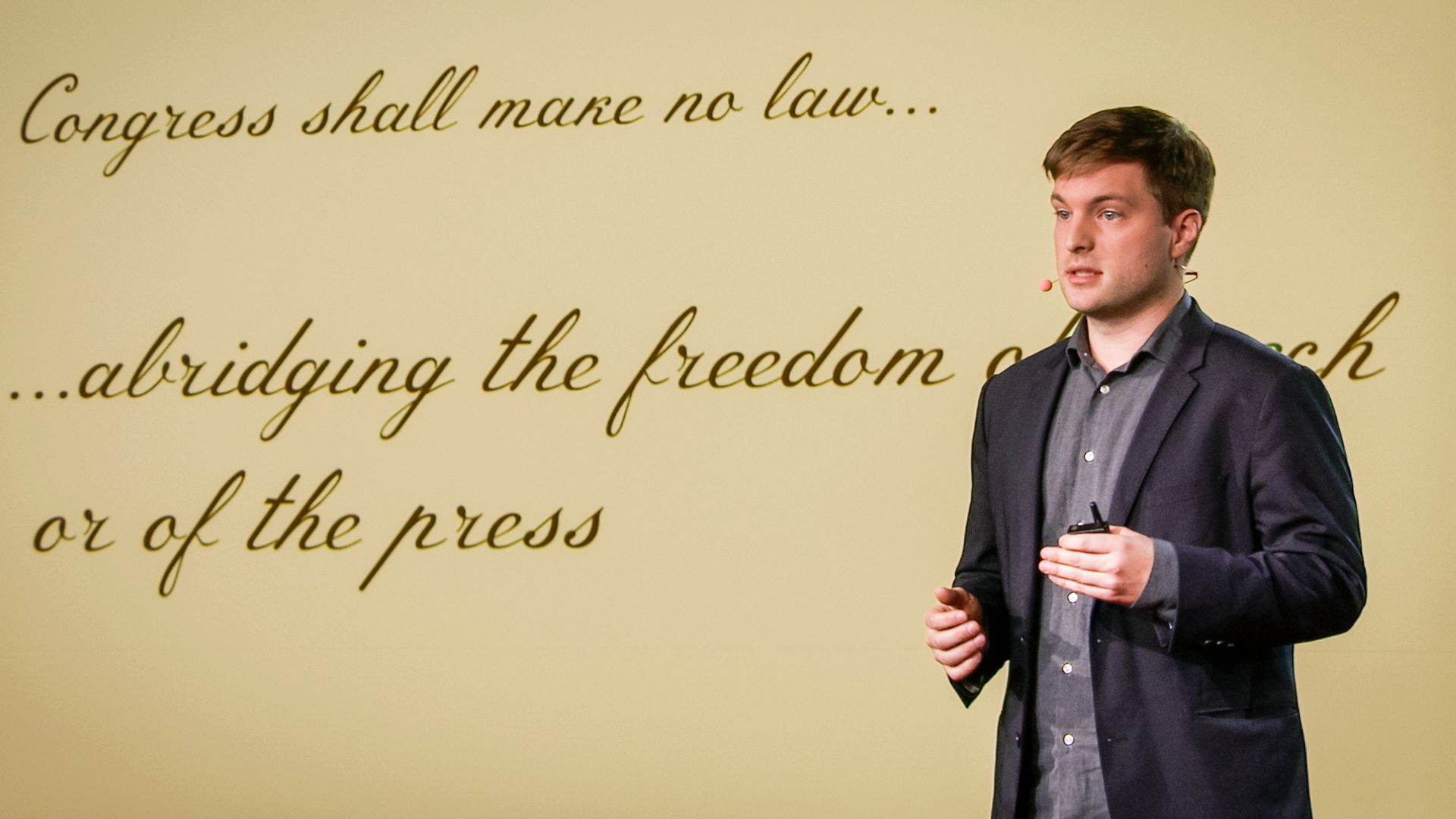
How free is our freedom of the press?

In the US, the press has a right to publish secret information the public needs to know, protected by the First Amendment. Government surveillance has made it increasingly more dangerous for whistleblowers, the source of virtually every important story about national security since 9/11, to share information. In this concise, informative talk, Freedom of the Press Foundation co-founder and TED Fellow Trevor Timm traces the recent history of government action against individuals who expose crime and injustice and advocates for technology that can help them do it safely and anonymously.

2016

TED Talk

United States
Free speech advocate // Trevor Timm is the co-founder and executive director of Freedom of the Press Foundation. He writes a weekly column for The Guardian on the intersection of privacy, free speech, and national security, as well as a monthly column on the media and press freedom for Columbia Journalism Review. His work has appeared in The Atlantic, Foreign Policy, Boing Boing, Politico, Al Jazeera, and Harvard Law and Policy Review, // In the US, the press has a right to publish secret information the public needs to know, protected by the First Amendment. Government surveillance has made it increasingly more dangerous for whistleblowers, the source of virtually every important story about national security since 9/11, to share information. In this concise, informative talk, Freedom of the Press Foundation co-founder and TED Fellow Trevor Timm traces the recent history of government action against individuals who expose crime and injustice and advocates for technology that can help them do it safely and anonymously. // Trevor Timm is the co-founder and executive director of Freedom of the Press Foundation. He writes a weekly column for The Guardian on the intersection of privacy, free speech, and national security, as well as a monthly column on the media and press freedom for Columbia Journalism Review. His work has appeared in The Atlantic, Foreign Policy, Boing Boing, Politico, Al Jazeera, and Harvard Law and Policy Review, // Free speech advocate // technology, digital security, expose, privacy, national security, law, policy, first amendment, free speech, government // California|United States|San Francisco|USA
California|United States|San Francisco|USA

Trevor Timm

No items found.
2016

18:23

Protecting Food Security in Africa from Space

Prof. Catherine Nakalembe explains opportunities and challenges in using satellite data and agricultural monitoring to improve food security, an especially urgent challenge in the context of climate change. In her role as NASA Harvest Africa Program Director, Dr. Nakalembe works with smallholder farmers and national governments to inform decision-making.

2021

TED Talk

United States

Catherine Lilian Nakalembe

No items found.
2021

04:44

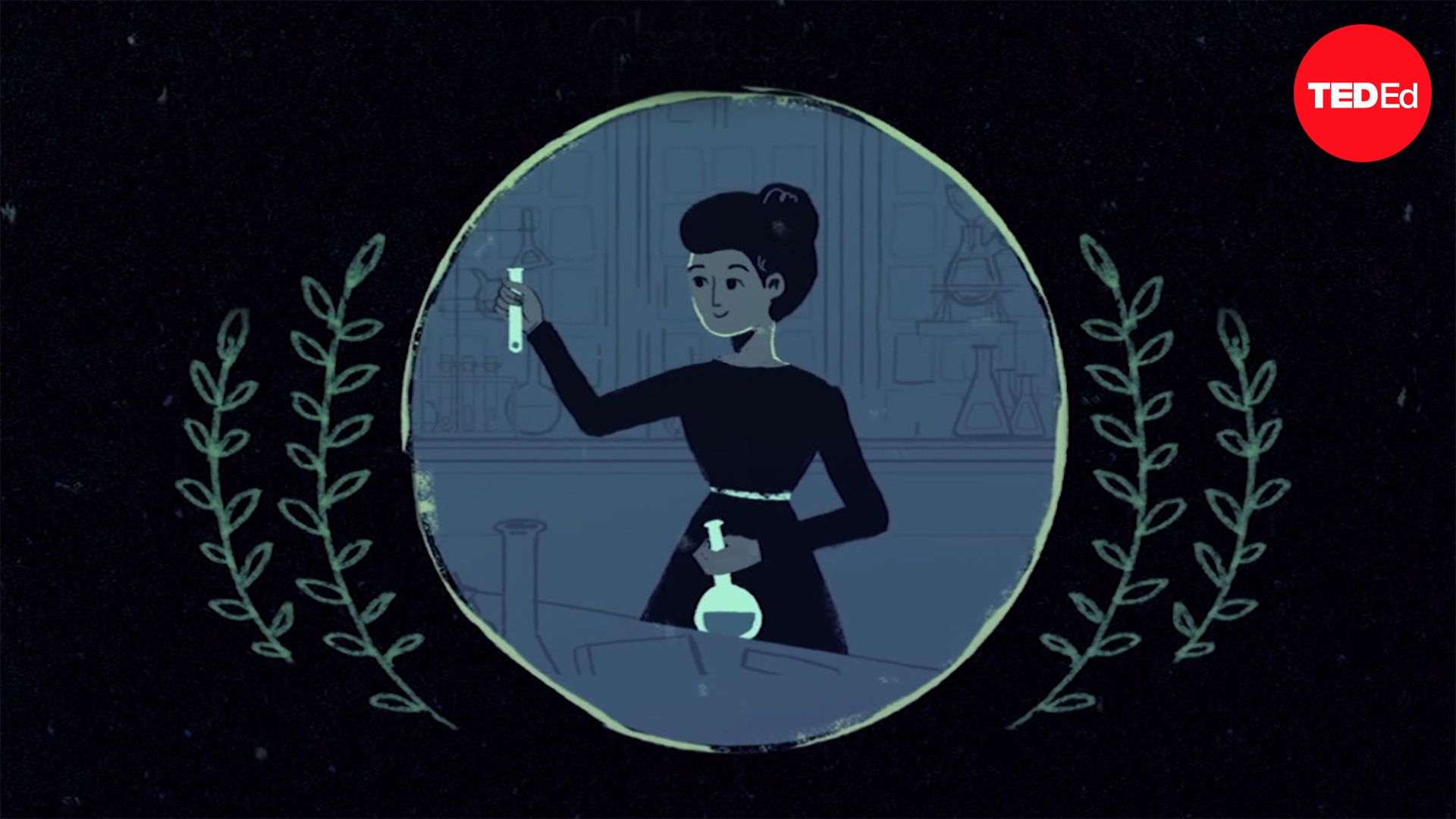
The genius of Marie Curie

Marie Skłodowska Curie's revolutionary research laid the groundwork for our understanding of physics and chemistry, blazing trails in oncology, technology, medicine, and nuclear physics, to name a few. But what did she actually do? Shohini Ghose expounds on some of Marie Skłodowska Curie's most revolutionary discoveries. [Directed by Anna Nowakowska, narrated by Julianna Zarzycki, music by Matthias Runge].

2019

Other

Canada
Quantum Algorithms Institute; Wilfrid Laurier University
The organization is led by a Professor of Physics and Computer Science who is also the NSERC Chair for Women in Science and Engineering. Their research focuses on quantum information science, exploring the applications of quantum physics in computation and communication. They also investigate the relationship between classical chaos theory and quantum physics. The organization is involved in initiatives addressing gender issues and diversity in science. The professor teaches courses on quantum mechanics and quantum computing. Their work includes publications, book chapters, and conference proceedings on topics such as blockchain platforms, quantum protocols, chaos theory, and quantum entanglement. // Quantum Algorithms Institute; Wilfrid Laurier University // Quantum technologies have the potential to transform computing, communication and sensors, and could impact healthcare, finance, IT, environment and much more. I am working to help build a global quantum-powered ecosystem that will benefit society while avoiding the many dangers of emerging technologies. // Shohini Ghose is a Professor of Physics and Computer Science, as well as the NSERC Chair for Women in Science and Engineering. Her research primarily revolves around quantum information science, delving into the practical applications of quantum physics in computation and communication. She also explores the interplay between classical chaos theory and quantum physics. Beyond her academic pursuits, Ghose is actively engaged in initiatives aimed at addressing gender disparities and promoting diversity in the field of science. She imparts her knowledge through teaching courses on quantum mechanics and quantum computing. Ghose's scholarly contributions span various publications, book chapters, and conference proceedings covering diverse topics such as blockchain platforms, quantum protocols, chaos theory, and quantum entanglement. // Quantum physicist, equity advocate // I always wanted to be an explorer like Rakesh Sharma, the first Indian to go to space. I haven’t made it to space yet, but I did become an explorer of the quantum world as a physics Professor in Waterloo, Canada. I examine how quantum physics can transform computing and communication. My colleagues and I were the first to observe the effect of chaos on quantum entanglement. I am passionate about building an inclusive science community as the Founding Director of the Laurier Centre for Women in Science (WinS) and the NSERC Chair for Women in Science and Engineering in Ontario. I was thrilled to become a 2014 TED Fellow and a 2018 TED Senior Fellow. I currently serve on the Scientific Board of the UNESCO International Basic Sciences Program. I still dream of going to space. // A quantum computer isn't just a more powerful version of the computers we use today; it's something else entirely, based on emerging scientific understanding -- and more than a bit of uncertainty. Enter the quantum wonderland with TED Fellow Shohini Ghose and learn how this technology holds the potential to transform medicine, create unbreakable encryption and even teleport information. // Shohini Ghose is a Professor of Physics and Computer Science, as well as the NSERC Chair for Women in Science and Engineering. Her research primarily revolves around quantum information science, delving into the practical applications of quantum physics in computation and communication. She also explores the interplay between classical chaos theory and quantum physics. Beyond her academic pursuits, Ghose is actively engaged in initiatives aimed at addressing gender disparities and promoting diversity in the field of science. She imparts her knowledge through teaching courses on quantum mechanics and quantum computing. Ghose's scholarly contributions span various publications, book chapters, and conference proceedings covering diverse topics such as blockchain platforms, quantum protocols, chaos theory, and quantum entanglement. // Quantum physicist, equity advocate // technology, led, diversity, chaos theory, equity, finance, research, inclusion, women, quantum physics, gender, blockchain, diversity and inclusion, sensor, quantum internet, science communication, science, quantum computing, communication, gender issues in science // Waterloo|Vancouver|Ontario|Toronto|Canada
Waterloo|Vancouver|Ontario|Toronto|Canada

Shohini Ghose

No items found.
2019

03:36

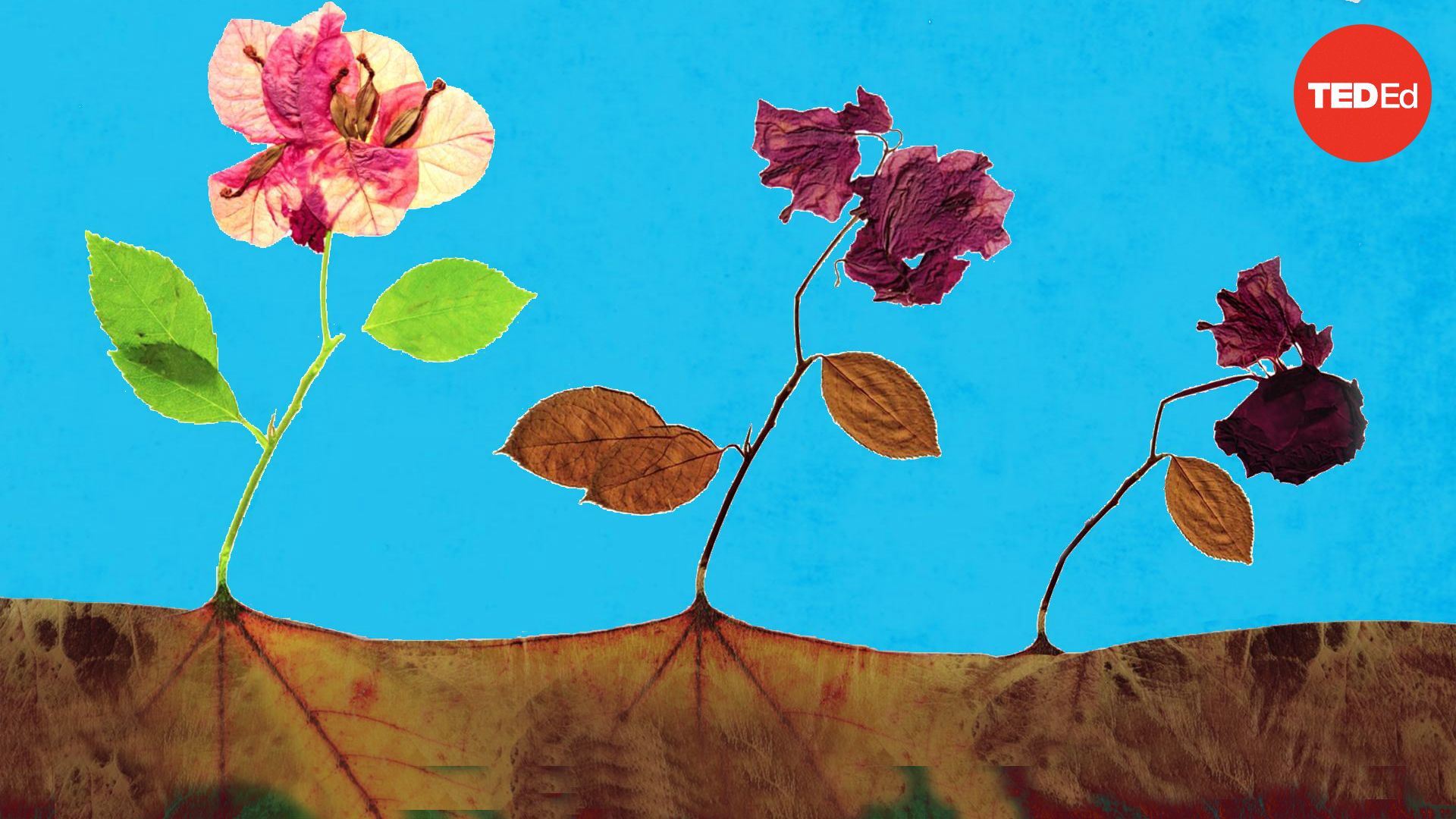
Dead stuff: The secret ingredient in our food chain

When you picture the lowest levels of the food chain, you might imagine herbivores happily munching on lush, living green plants. But this idyllic image leaves out a huge (and slightly less appetizing) source of nourishment: dead stuff. John C. Moore details the "brown food chain," explaining how such unlikely delicacies as pond scum and animal poop contribute enormous amounts of energy to our ecosystems. [Directed by TED-Ed, narrated by George Zaidan].

2019

Other

United States
University of California San Diego; University of California, Berkeley and University of California, San Diego; Rakuten Intelligence; Brown University; Pacific Ecoinformatics and Computational Ecology Lab; Vibrant Data Inc.; Sierra Nevada Research Institute, Yosemite Field Station; Oregon State University; University of California, Berkeley; U.S. Geological Survey (USGS); National Center for Ecological Analysis and Synthesis (NCEAS); TED Conferences; Vibrant Data Labs
Dr. Eric L. Berlow is the CEO of Vibrant Data Labs, a social impact data science company focused on building open-source tools for tracking funding flows to climate mitigation and resilience efforts. With a background in ecology and complexity science, he collaborates with various partners and collaborators to address complex problems like climate change. Dr. Berlow's work involves leveraging data and computation for evidence-based stewardship of nature, with a focus on finding simplicity within complexity. Additionally, he hosts creative work gatherings at Swall Institute, where he has facilitated collaborations with artists, scientists, and activists. // Vibrant Data Labs utilizes machine learning, natural language processing, and computational statistics to enhance the impact of climate funders. Their tools convert complex data into accessible formats, highlighting funding gaps in various capital types. They offer free public tools to map climate investments, custom insights for climate finance leaders, and collaborate with fund managers to develop impactful investment strategies. The organization aims to amplify the collective impact of climate funding through data tools and insights. // Vibrant Data Labs is a social impact data science group that applies creative data synthesis, computational statistics, machine learning, network theory, and data visualization to (hopefully) empower evidence-based decisions that benefit humanity (and other species too).We focus on using Data Science to:• see the big picture and provide context• prioritize resources to maximize impact• test assumptions and ask the right questions• augment human intelligence and increase human agencyWe explicitly avoid using Data Science to:• identify and exploit human vulnerabilities• secretly persuade opinions• automate solutions to the wrong problem // Collaborating with Rich Williams to develop tools for synthesizing and visualizing themes in the scientific literature. These tool are based on open-source projects (openmappr.org and tag2network) that enable the creation and interactive exploration of document networks. See the linked publication for an example of that work. // Acquired by Rakuten Inc. (June 2016). Vibrant Data's data discovery platform leverages machine learning to see and understand, not just predict, patterns in complex networks and high dimensional data. A version of that tool (openmappr) and the basic algorithms (tag2network) have since open-sourced - see https://openmappr.org // I've had the wonderful privilege of being part of the TED Fellows community since 2010. To learn more about the program or apply, see the link below. // This collaborative research focused on leveraging data and computation (including machine learning) to support evidence-based conservation policy in Yosemite National Park. Focal areas included: Alpine meadow ecology, conservation ecology, threatened species, and climate change. // I helped found and directed this University of California environmental science center inside Yosemite National Park - the first of it's kind in the history of Yosemite. I helped develop and implement the vision of this center to facilitate synergistic links between science and education to help inform data-driven management of natural ecosystems. // Collaborative research on food webs and complex ecological networks. // Research on ecology, conservation, and evidence-based management of alpine meadow ecosystems of Sierra Nevada Wilderness Areas. // The nature of collaboration is interdisciplinary and exponential. Ecological networks scientist Eric Berlow works with other TED Fellows to map out the collaborations that occur in their network. Through this, a diversity of ideas from different disciplines, places, races and ethnicities is cultivated and displayed. TEDArchive presents previously unpublished talks from TED conferences. Filmed at TED2014 - // This was a collaborative project with the wonderful team at Quid. From TED.com: "What do 24,000 ideas look like? Ecologist Eric Berlow and physicist Sean Gourley apply algorithms to the entire archive of TEDx Talks, taking us on a stimulating visual tour to show how ideas connect globally." // #WETHEDATA is a collaborative effort to help spark a new Personal Data Economy that works for everyday people by focusing innovation on core challenges at the root of this complex problem. Vibrant Data Labs' primary contribution to this project was the network analysis of collective expert input to identify 4 'grand challenge' areas that, if solved together, could have the most far-reaching positive impact. // From TED.com: Ecologist Eric Berlow doesn't feel overwhelmed when faced with complex systems. He knows that more information can lead to a better, simpler solution. Illustrating the tips and tricks for breaking down big issues, he distills an overwhelming infographic on U.S. strategy in Afghanistan to a few elementary points. // This was a collaborative project to with Bethanie Maples and Srini Kadamati to explore the thematic landscape of all SciFi books published in the past century. The interactive visualization mentioned in this Wired story is here: http://app.openmappr.org/play/100YrsOfSciFi More details:All Sci Fi novels published since 1900 were scraped from Good Reads, and for each novel, all reader comments, plot descriptions, and user-generated tags were compiled. Keywords and concepts were added to each novel by parsing the text described above and mapping them to a curated dictionary of SciFi keywords and concepts. 2,633 novels published since 1990 had at least 50 reviews and contained at least one keyword from the keyword corpus.After keyword enhancement, a book network was created by linking novels if they shared similar keyword signatures. Network clusters identify Keyword Themes - or groups of similar books that are labeled by the top 5 most commonly shared keywords in the group. The network was generated using the open source python 'tag2network' package, and visualized here using 'openmappr''. The scripts for analyzing this dataset are available at https://github.com/ericberlow/SciFiNOTE - This visualization performs best in Chrome and Safari browsers full screen - and is not optimized for the small screens of mobile devices. // Collaboration with 100Kin10.org and Kumu.io to map the complex relationships between root problems for shortages in PK-12 STEM teachers. 104 root causes were identified by thousands of stakeholders. We then surveyed 100's of experts to compile over 35,000 votes on what root causes, if solved, influence which other root causes. Network analysis was used to identify potential structural 'keystone' problems with high leverage. Re-sampling was used to evaluate consequences of errors in the voting data. // HackingCreativity, a collaboration with Red Bull High Performance, is the largest study of Creative Styles in history. Ongoing... // Einstein once said, "If I had an hour to save the world, I'd spend 55 minutes defining the problem, and 5 minutes on the solution." Most big problems are made of many smaller problems that all influence one another - solving one may solve (or cause) others. How do we define the winning problems to solve? This video describes an ecological network approach developed by Vibrant Data Labs in collaboration with Intel Labs and Brainvise for #WETHEDATA (wethedata.org) to gather collective expert input about the network structure of a problem, and boil it down to a few core principles for catalyzing change. The example focuses on the complex problem of sparking a new Personal Data Economy that actually works for people and not against them. This work was presented at the World Economic Forum in Davos 2013 to help set the agenda on personal data. // Over 35 peer-reviewed research publications in ecology, ecological networks, and conservation science - including papers in Nature, Science, and the Proceedings of the National Academy of Science. One paper was awarded ISI's "Top 20 most cited ecology/evolution paper of the decade" (1998-2008). Another was awarded ISI's "Fast moving fronts". Numerous others are on ISI's "Highly Cited" lists. Total Citations >10,000, H-Index = 23, i10-index = 28. // University of California San Diego; University of California, Berkeley and University of California, San Diego; Rakuten Intelligence; Brown University; Pacific Ecoinformatics and Computational Ecology Lab; Vibrant Data Inc.; Sierra Nevada Research Institute, Yosemite Field Station; Oregon State University; University of California, Berkeley; U.S. Geological Survey (USGS); National Center for Ecological Analysis and Synthesis (NCEAS); TED Conferences; Vibrant Data Labs // Eric Berlow is an ecological networks scientist with a strong background in ecology, conservation, and evidence-based management. He is the co-founder of Vibrant Data Labs, a social impact data science group that leverages creative data synthesis, computational statistics, machine learning, network theory, and data visualization to empower evidence-based decisions for the betterment of humanity and the environment. Eric's work focuses on using data science to provide context, maximize impact, ask the right questions, and augment human intelligence. He has collaborated on various projects, including developing tools for synthesizing and visualizing themes in scientific literature, contributing to the Personal Data Economy initiative, and mapping complex relationships in STEM education. With over 35 peer-reviewed research publications in prestigious journals, Eric's expertise is widely recognized in the field of ecology and conservation science. // My grand hope is to help *overcome myopia* and encourage people to embrace the Big Picture View in order to successfully and tackle complex problems facing humanity. My current focus is on climate change - and the question that drives me is: "How can we solve the climate crisis - on the first try?" My goal is to help maximize the collective impact of many independent funders working to address this complex existential threat to human civilization - a problem that we only have one chance to solve before it's too late. // Dr. Eric Berlow is a data scientist and ecological networks expert known for his work in leveraging data and computation to address complex environmental challenges, particularly in the realm of climate change. As the CEO of Vibrant Data Labs, he leads a team that develops open-source tools using machine learning, computational statistics, and data visualization to track funding flows for climate mitigation and resilience efforts. Dr. Berlow's expertise lies in simplifying complex data to provide actionable insights for evidence-based stewardship of nature. Through collaborations with various partners, he aims to amplify the collective impact of climate funding by identifying funding gaps and developing impactful investment strategies. With a background in ecology and conservation, Dr. Berlow's work is underpinned by a commitment to maximizing the impact of data-driven decision-making for the betterment of humanity and the environment. // Ecologist, Data scientist // Eric Berlow, PhD, is an ecologist and network scientist who specializes in not specializing. A TED Senior Fellow and Adjunct Professor at UC Berkeley, Eric is internationally recognized for his research on ecological complexity and for creative approaches to simplifying complex problems. His publications in Science, Nature, and the Proceedings of the National Academy of Science and elsewhere have been recognized among the Top 1% Most Highly Cited Papers in the field. His two TED talks on TED.com have together received over 1.1 million views. Eric was the founding director of the University of California's first environmental science center inside Yosemite National Park, where he continues to develop data-driven approaches to managing natural ecosystems. Eric co-founded Vibrant Data with two other TED Fellows to empower collaborative exploration of complex networks. Their current projects include mapping the network structure of the Syrian conflict and the ecology of human creativity // Dr. Eric L. Berlow is a community ecologist and network scientist and CEO of Vibrant Data Labs - a social impact data science company developing an open-source framework for tracking the ecosystem of money flowing to climate solutions. Eric previously co-founded a visual data interface company which was acquired by Rakuten in 2016 - where he then led data product innovation. Berlow was the founding director of the University of California’s first science institute in Yosemite National Park, where he co-led efforts to leverage data and machine learning for species conservation policy. Berlow is internationally recognized for his research on ecological complexity – with articles in Nature, Science, and the Proceedings of the National Academy of Sciences. His two talks on TED.com focus on simplifying complexity and finding hidden patterns in complex data. Berlow is currently an Emerson Collective Climate Fellow - and previously was awarded a TED Fellowship, a TED Senior Fellowship, an Alexander von Humboldt Fellowship, and a National Science Foundation Post-Doctoral Fellowship. He was named one of the Top 100 Creatives by Origin Magazine and named one of ImpactAlpa’s “Agents of Impact”. Berlow holds a B.A. from Brown University and a PhD in Ecology from Oregon State University. // What do 24,000 ideas look like? Ecologist Eric Berlow and physicist Sean Gourley apply algorithms to the entire archive of TEDx Talks, taking us on a stimulating visual tour to show how ideas connect globally. // Ecologist Eric Berlow doesn't feel overwhelmed when faced with complex systems. He knows that more information can lead to a better, simpler solution. Illustrating the tips and tricks for breaking down big issues, he distills an overwhelming infographic on U.S. strategy in Afghanistan to a few elementary points. // Dr. Eric Berlow is a data scientist and ecological networks expert known for his work in leveraging data and computation to address complex environmental challenges, particularly in the realm of climate change. As the CEO of Vibrant Data Labs, he leads a team that develops open-source tools using machine learning, computational statistics, and data visualization to track funding flows for climate mitigation and resilience efforts. Dr. Berlow's expertise lies in simplifying complex data to provide actionable insights for evidence-based stewardship of nature. Through collaborations with various partners, he aims to amplify the collective impact of climate funding by identifying funding gaps and developing impactful investment strategies. With a background in ecology and conservation, Dr. Berlow's work is underpinned by a commitment to maximizing the impact of data-driven decision-making for the betterment of humanity and the environment. // Ecologist, Data scientist // interdisciplinary collaboration, sustainability, education, biodiversity, paper, led, data, tourism, machine learning, wilderness, finance, geospatial analysis, research, food webs, resilience, activism, ecosystem, climate, data and analytics, environmental education, sustainable development , resource conservation, natural resources, policy, species, stewardship and restoration, mitigation, stem, oceans, open source, data visualization, mobile phones, data analysis, climate change, data-driven, data science, eco tourism, environment, voting, network theory, philanthropy, climate mitigation, teachers, conservation, social impact, climate finance, big data, nature, science, food, environmental conservation, complex networks, biological conservation, restoration, artificial intelligence, ecology, complexity, ecosystems, marine ecology, endangered species // Bishop|USA|France|Paris|California|Berkeley|United States
Bishop|USA|France|Paris|California|Berkeley|United States

Eric Berlow

No items found.
2019

14:28

Why we need to imagine different futures

Anab Jain brings the future to life, creating experiences where people can touch, see and feel the potential of the world we're creating. Do we want a world where intelligent machines patrol our streets, for instance, or where our genetic heritage determines our health care? Jain's projects show why it's important to fight for the world we want. Catch a glimpse of possible futures in this eye-opening talk.

2017

TED Talk

United Kingdom
Multicultural designer // Designer, filmmaker, entrepreneur, inventor, futurescaper: Anab wears many hats, and brings them all together at her multidisciplinary future-facing design studio Superflux. Based in east London, UK and also has a small studio in Ahmedabad, India, Superflux works both a consultancy and a lab, operating in the realm of emerging technologies and experiences, for business, cultural and social purposes. Clients include Nokia, Microsoft, Mattel, NESTA amongst others. Projects include the design of neural prosthetics and augmented vision for the blind, internet-of-things products for the home, alternate autonomous weather systems, ecological robots, RFID-enabled electronic jewellery, prototypes for visualising quantum computing and community-enabling services for urban worlds. Anab regularly speaks on design futurescaping, elastic cities, new technologies and innovation at conferences such as LIFT, World Congress for Information Technology, PICNIC and SIGGRAPH. Honours include the Award of Excellence ICSID, UNESCO Digital Arts Award, and Grand Prix Geneva Human Rights Festival. She has exhibited at MoMA, NY, Apple Computers Inc, Mattel HQ, London Design Festival and British Council. Her work has been profiled in WIRED, Guardian, Popular Science, Marie Claire and Blueprint. Educated in India, Vienna and London, Anab has an MA with distinction in Interaction Design from the Royal College of Art, London. // Anab is Director and Co-founder of critically acclaimed design firm Superflux. The firm works with governments, organisations and communities to translate future uncertainties into present day choices. Superflux’s clients and partners include Govt. of UAE, UNDP, Suncorp, Cabinet Office, Govt. of UK, Microsoft Research, and the V&A Museum. Anab has received awards from ICSID, UNESCO, Geneva Human Rights Festival, Apple Inc., and the UK Government’s Innovation Department. Her work has been shown at MoMA New York, V&A London, Vitra Design Museum and the National Museum of China amongst others. Anab is also Professor of Industrial Design at the University of Applied Arts in Vienna, where she is currently curating a project ‘How Will We Work’ investigating how AI, automation, alternative economies and invisible market forces are transforming the nature of work. Anab sits on the Boards of the Humanitarian Innovation Fund, Media & Journalism at London School of Economics and Participatory City. // Anab Jain brings the future to life, creating experiences where people can touch, see and feel the potential of the world we're creating. Do we want a world where intelligent machines patrol our streets, for instance, or where our genetic heritage determines our health care? Jain's projects show why it's important to fight for the world we want. Catch a glimpse of possible futures in this eye-opening talk. // Anab is Director and Co-founder of critically acclaimed design firm Superflux. The firm works with governments, organisations and communities to translate future uncertainties into present day choices. Superflux’s clients and partners include Govt. of UAE, UNDP, Suncorp, Cabinet Office, Govt. of UK, Microsoft Research, and the V&A Museum. Anab has received awards from ICSID, UNESCO, Geneva Human Rights Festival, Apple Inc., and the UK Government’s Innovation Department. Her work has been shown at MoMA New York, V&A London, Vitra Design Museum and the National Museum of China amongst others. Anab is also Professor of Industrial Design at the University of Applied Arts in Vienna, where she is currently curating a project ‘How Will We Work’ investigating how AI, automation, alternative economies and invisible market forces are transforming the nature of work. Anab sits on the Boards of the Humanitarian Innovation Fund, Media & Journalism at London School of Economics and Participatory City. // Multicultural designer // technology, automation, cities, urban, research, participatory, design, human rights, rights, weather, humanitarian, interaction design, thought leadership, robotics, future visioning and purposing, industrial design, nature, emerging technologies, science, design innovation & strategy, industrial, artificial intelligence, ecology // United Kingdom|England|London
United Kingdom|England|London

Anab Jain

No items found.
2017

03:09

Photos from a storm chaser

Photographer Camille Seaman has been chasing storms for 5 years. In this talk she shows stunning, surreal photos of the heavens in tumult.

2013

TED Talk

Ireland
Camille Seaman is a photographer known for her captivating work capturing the beauty and changing landscapes of Earth's polar regions. Her photographs, featured in various publications, showcase the dramatic and sublime nature of weather phenomena and icebergs. Seaman's images convey a deep connection to nature, emphasizing the importance of preserving these environments. Through exhibitions, books, and speaking engagements, she shares her unique perspective and experiences, highlighting the intricate relationship between humans and the natural world. // My aim is to inspire, to encourage humanity to understand it's interconnectedness to all things. That we are not separate from Nature. // Camille Seaman is a photographer renowned for her compelling work capturing the mesmerizing landscapes of Earth's polar regions. Through her visually striking photographs, she skillfully portrays the beauty and dynamism of weather phenomena and icebergs, emphasizing the fragile yet awe-inspiring nature of these environments. Seaman's artistry not only showcases the magnificence of the natural world but also serves as a poignant reminder of the urgent need for environmental conservation. By sharing her unique perspective through exhibitions, books, and public speaking engagements, she aims to foster a deeper understanding of humanity's interconnectedness with nature, encouraging a sense of stewardship towards our planet. // Photographer // A Native American photographer whose work captures the harsh beauty of remote Arctic landscapes // Camille Seaman was born in 1969 to a Native American (Shinnecock tribe) father and African American mother. She graduated in 1992 from the State University of New York at Purchase, where she studied photography with Jan Groover and has since taken master workshops with Steve McCurry, Sebastiao Salgado, and Paul Fusco. Her photographs have been published in National Geographic Magazine, Italian Geo, The New York TimesSunday magazine, Newsweek, Outside, Zeit Wissen, Mens Journal, Camera Arts, Issues, PDN, and American Photo among many others, She frequently leads photographic and self-publishing workshops. Her photographs have received many awards including: a National Geographic Award, 2006; and the Critical Mass Top Monograph Award, 2007. She is a TED Senior Fellow (2013) as well as a Stanford Knight Fellow 2013-14. // Photographer Camille Seaman has been chasing storms for 5 years. In this talk she shows stunning, surreal photos of the heavens in tumult. // Photographer Camille Seaman shoots icebergs, showing the world the complex beauty of these massive, ancient chunks of ice. Dive in to her photo slideshow, "The Last Iceberg." // Camille Seaman is a photographer renowned for her compelling work capturing the mesmerizing landscapes of Earth's polar regions. Through her visually striking photographs, she skillfully portrays the beauty and dynamism of weather phenomena and icebergs, emphasizing the fragile yet awe-inspiring nature of these environments. Seaman's artistry not only showcases the magnificence of the natural world but also serves as a poignant reminder of the urgent need for environmental conservation. By sharing her unique perspective through exhibitions, books, and public speaking engagements, she aims to foster a deeper understanding of humanity's interconnectedness with nature, encouraging a sense of stewardship towards our planet. // Photographer // extreme photography, nature, exploration, climate, arctic, climate change, sustainability, weather, antarctica, polar environments, explorer, hurricanes, polar photography, creativity, storms, hurricanes and tornadoes, master of light, extreme weather // Denmark|Ireland|Kilkee|√òlgod|Earth's Polar Regions
Denmark|Ireland|Kilkee|√òlgod|Earth's Polar Regions

Camille Seaman

No items found.
2013

13:29

How I fell in love with quasars, blazars and our incredible universe

Jedidah Isler first fell in love with the night sky as a little girl. Now she's an astrophysicist who studies supermassive hyperactive black holes. In a charming talk, she takes us trillions of kilometers from Earth to introduce us to objects that can be 1 to 10 billion times the mass of the sun — and which shoot powerful jet streams of particles in our direction.

2015

TED Talk

United States
Astrophysicist + inclusion activist // Astrophysicist studying blazars, supermassive, hyperactive black holes at the center of massive galaxies. She is also working to make STEM accessible to underrepresented communities. // I'm a thinker and a doer. I love people and I love helping people be their best selves. I'm particularly invested in helping people who seem not to "belong", who are stitching together their identity and their interests in ways that lead to their own freedom -- and often the freedom of those around them. You can catch me thinking about anything from the recent black hole photo (miss me with the "fuzzy" thing), how black holes can also be such efficient particle accelerators, creating an online community by/for women of color in STEM, what shoes I'm going to buy next, which (US) National Park Service stamp is closest to my next speaking gig, and/or which direction I'm going to point my twists (always counterclockwise). I've learned a lot so far and have a lot more to learn, so let's be bout that life! :) // Jedidah Isler dreamt of becoming an astrophysicist since she was a young girl, but the odds were against her: At that time, only 18 black women in the United States had ever earned a PhD in a physics-related discipline. In this personal talk, she shares the story of how she became the first black woman to earn a PhD in astrophysics from Yale -- and her deep belief in the value of diversity to science and other STEM fields. "Do not think for one minute that because you are who you are, you cannot be who you imagine yourself to be," she says. "Hold fast to those dreams and let them carry you into a world you can't even imagine." // Jedidah Isler first fell in love with the night sky as a little girl. Now she's an astrophysicist who studies supermassive hyperactive black holes. In a charming talk, she takes us trillions of kilometers from Earth to introduce us to objects that can be 1 to 10 billion times the mass of the sun — and which shoot powerful jet streams of particles in our direction. // I'm a thinker and a doer. I love people and I love helping people be their best selves. I'm particularly invested in helping people who seem not to "belong", who are stitching together their identity and their interests in ways that lead to their own freedom -- and often the freedom of those around them. You can catch me thinking about anything from the recent black hole photo (miss me with the "fuzzy" thing), how black holes can also be such efficient particle accelerators, creating an online community by/for women of color in STEM, what shoes I'm going to buy next, which (US) National Park Service stamp is closest to my next speaking gig, and/or which direction I'm going to point my twists (always counterclockwise). I've learned a lot so far and have a lot more to learn, so let's be bout that life! :) // Astrophysicist + inclusion activist // supermassive black holes, science, underrepresented, stem equity, astrophysics, streams and rivers, women, stem // Hanover|United States|New Hampshire|USA
Hanover|United States|New Hampshire|USA

Jedidah Isler

No items found.
2015

13:18

The Narrative Origins of Spaceflight

Dr. Alexander MacDonald, Senior Economic Advisor at NASA, describes the history of spaceflight stories, how they inspired and influenced the development of space launch vehicles, and how the stories we tell as a society shape our collective future.

2018

TED Talk

United States
NASA Jet Propulsion Laboratory; The University of British Columbia; University of Oxford; Queen's University; JPL (NASA's Jet Propulsion Laboratory); NASA Ames Research Center; NASA - National Aeronautics and Space Administration
The Chief Economist at NASA, Alexander MacDonald, has a background in economics and a strong history of involvement in various NASA programs and reports. He has held positions at NASA's Jet Propulsion Laboratory and Ames Research Center, as well as at Carnegie Mellon University. MacDonald has authored and edited several NASA reports and received recognition for his work, including the AIAA History Manuscript of the Year Award in 2016. NASA's mission involves exploring the unknown in air and space, innovating for humanity's benefit, and inspiring discovery worldwide. // NASA Jet Propulsion Laboratory; The University of British Columbia; University of Oxford; Queen's University; JPL (NASA's Jet Propulsion Laboratory); NASA Ames Research Center; NASA - National Aeronautics and Space Administration // Trying to advance humanity out into space in a collaborative, international, and peaceful manner. What role does the private sector play in space? What role does art play in space/ // Alexander MacDonald, the Chief Economist at NASA, is a distinguished professional with a strong background in economics and extensive experience in various NASA programs. With a notable history of contributions to NASA reports and projects, MacDonald has held key positions at NASA's Jet Propulsion Laboratory, Ames Research Center, and Carnegie Mellon University. His expertise lies in exploring the economic aspects of space exploration and understanding the role of the private sector in advancing humanity's presence beyond Earth. MacDonald's work reflects a commitment to fostering international collaboration and peaceful exploration of space while also exploring the intersection of art and space exploration. // Aerospace economist // Space economist currrently working at NASA on private space exploration // Alexander MacDonald is the Chief Economist at NASA. He is also the Program Executive for the International Space Station National Laboratory. He was previously the Senior Economic Advisor in the Office of the Administrator and was the founding program executive of NASA's Emerging Space Office within the Office of the Chief Technologist. He is the author and editor of a number of NASA reports including Emerging Space: The Evolving Landscape of 21st Century American Spaceflight, Public-Private Partnerships for Space Capability Development, and Economic Development of Low-Earth Orbit. He is also a former executive staff specialist on commercial space at NASA’s Jet Propulsion Laboratory, a former research faculty member at Carnegie Mellon University, and has worked for the Universities Space Research Association while at NASA’s Ames Research Center where he worked on small satellite mission designs and served as the center's first research economist. He received his undergraduate degree in economics from Queen's University in Canada, his master's degree in economics from the University of British Columbia, and was a Clarendon Scholar at the University of Oxford where he obtained his doctorate on the long-run economic history of American space exploration. He was also an inaugural TED Senior Fellow and received the AIAA History Manuscript of the Year Award in 2016. // Long before we had rocket scientists, the idea of spaceflight traveled from mind to mind across generations. With great visuals, TED Fellow and NASA economist Alexander MacDonald shows how 300 years of sci-fi tales -- from Edgar Allan Poe to Jules Verne to H.G. Wells and beyond -- sparked a culture of space exploration. A fascinating look at how stories become reality, featuring a goose machine sent to the Moon. // Alexander MacDonald, the Chief Economist at NASA, is a distinguished professional with a strong background in economics and extensive experience in various NASA programs. With a notable history of contributions to NASA reports and projects, MacDonald has held key positions at NASA's Jet Propulsion Laboratory, Ames Research Center, and Carnegie Mellon University. His expertise lies in exploring the economic aspects of space exploration and understanding the role of the private sector in advancing humanity's presence beyond Earth. MacDonald's work reflects a commitment to fostering international collaboration and peaceful exploration of space while also exploring the intersection of art and space exploration. // Aerospace economist // research, history of astronomy and space exploration, space policy, economic growth, space art, space economics, space history, propulsion, economics of space development, policy, satellite, space exploration // USA|Washington|United States|Arlington|Virginia|District of Columbia
USA|Washington|United States|Arlington|Virginia|District of Columbia

Alexander Macdonald

No items found.
2018