

ted fellows media library

Watch the TED Fellows in action

Watch, listen and connect with the Fellows changing the world through science, art, invention and imagination. 

TED Talks

From unbelievable science to awe-inspiring art, watch powerful talks from our global community of 500+ TED Fellows.

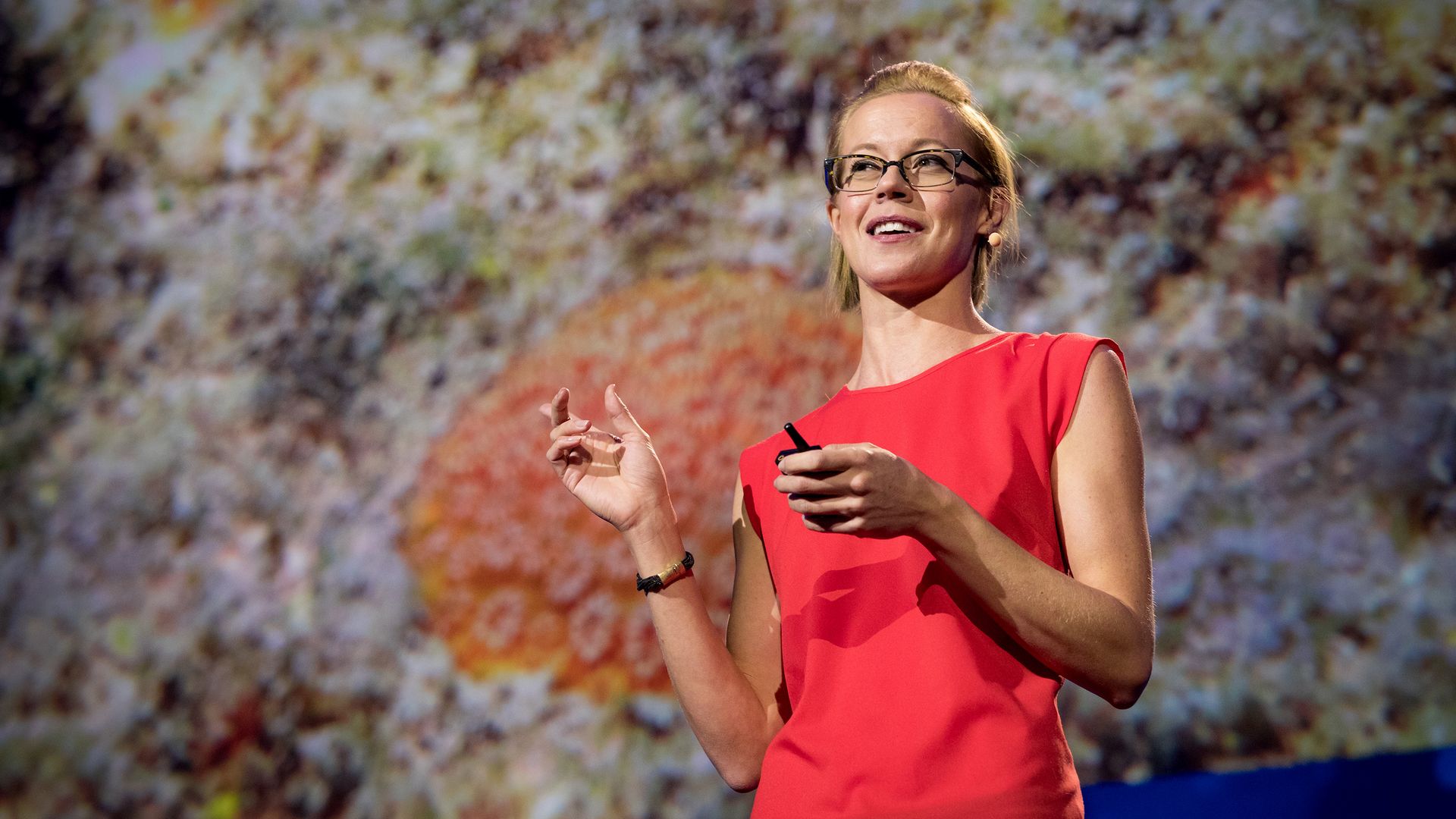
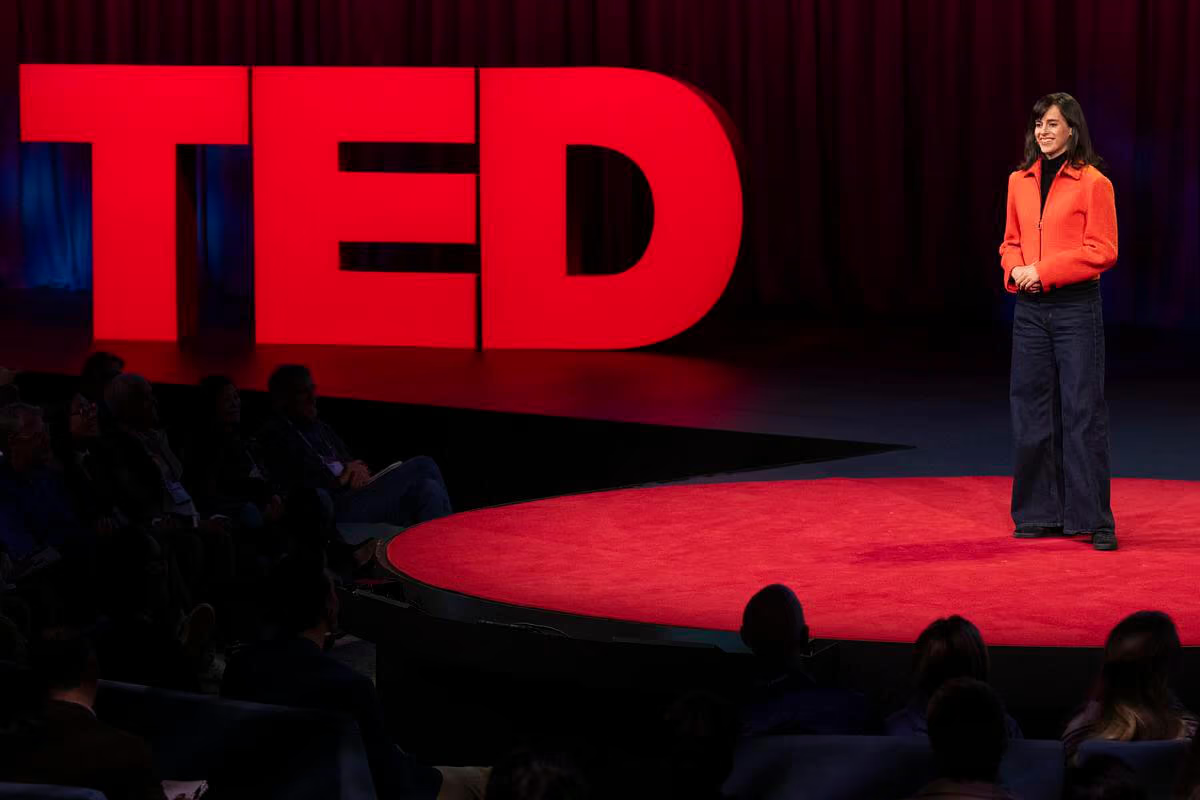
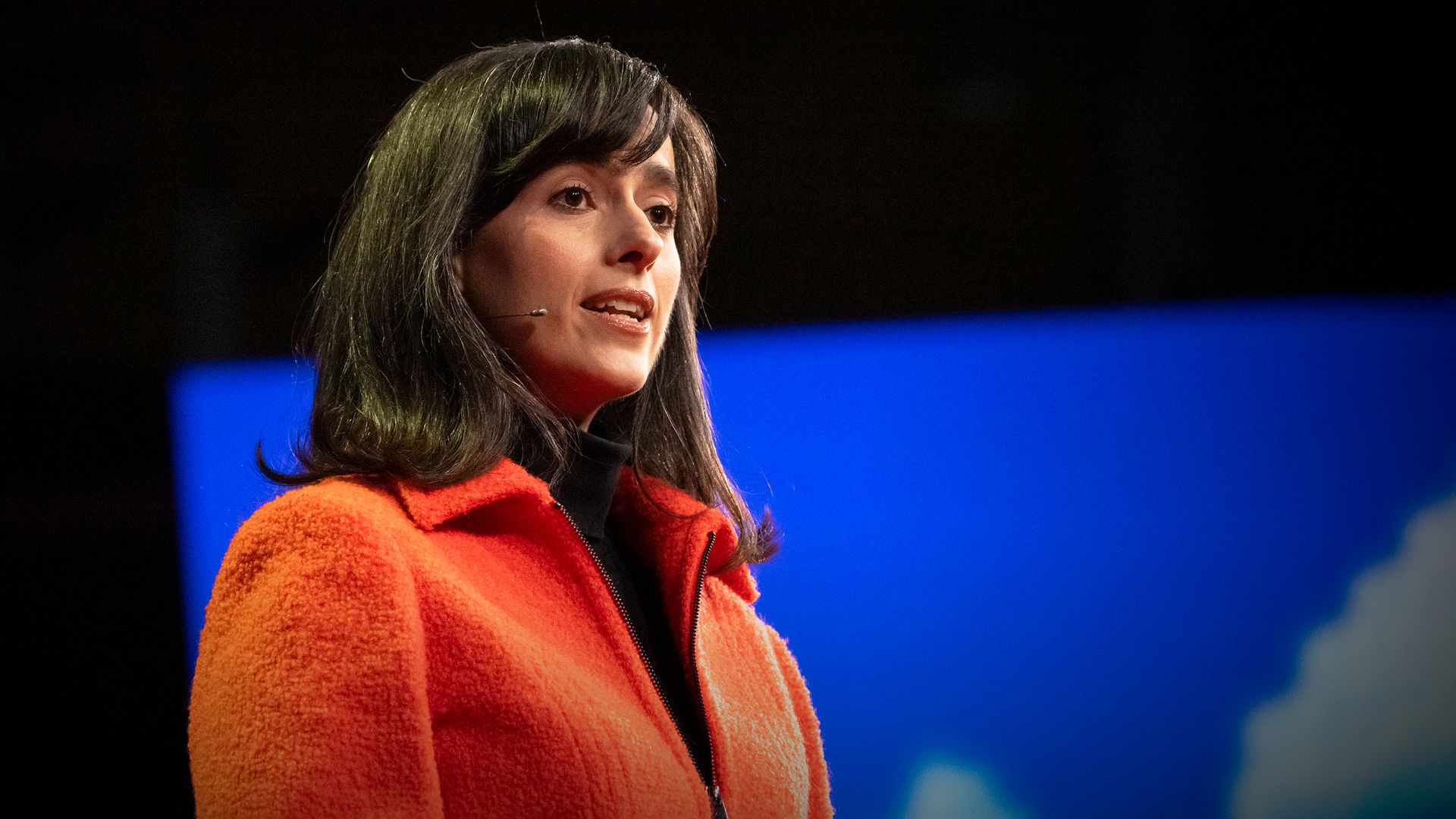
Carissa Véliz

Beware the power of prediction

Podcasts

Hear TED Fellows tell their stories in intimate interviews and learn more about what lies behind their big ideas.

Trinity Tran

Who controls your city's money? | Trinity Tran

What if your city could borrow money from its own bank instead of private lenders? TED Fellow Trinity Tran is leading the push for public banks — which are owned by the people through their local governments — and shows how this model could ensure your local tax dollars stay in your community. 

Ryosuke Takashima

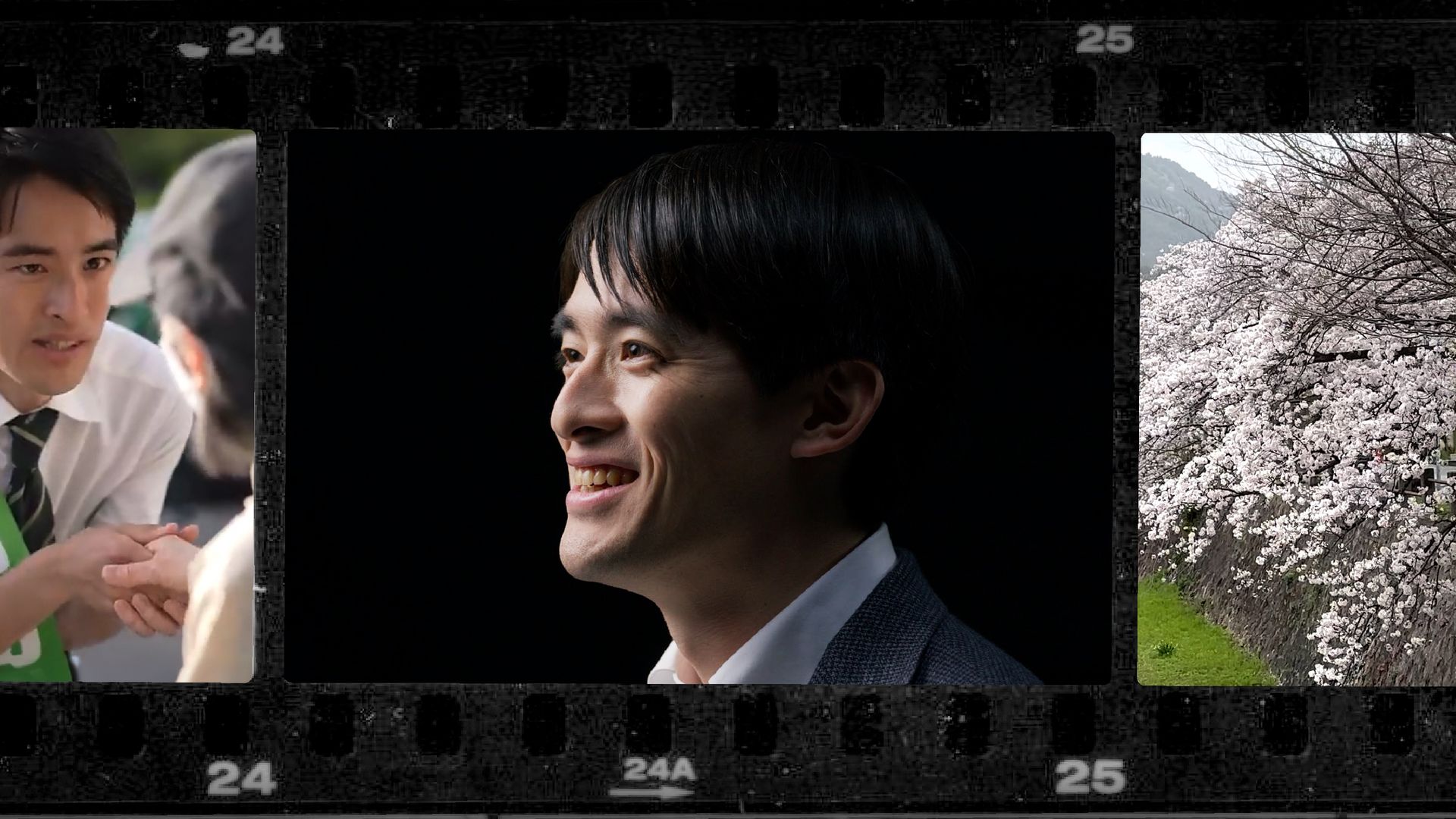
Meet the youngest-ever mayor in Japan's history | Ryosuke Takashima

TED Fellow Ryosuke Takashima is the youngest-ever mayor in Japan's history — but he doesn't consider himself a politician. His approach to leadership is simple: listen to as many voices as possible (from students to elders) in order to figure out what needs fixing. Hear why he thinks inviting citizens to participate in reforming their own communities is the best way to get things done.

Schendy Kernizan

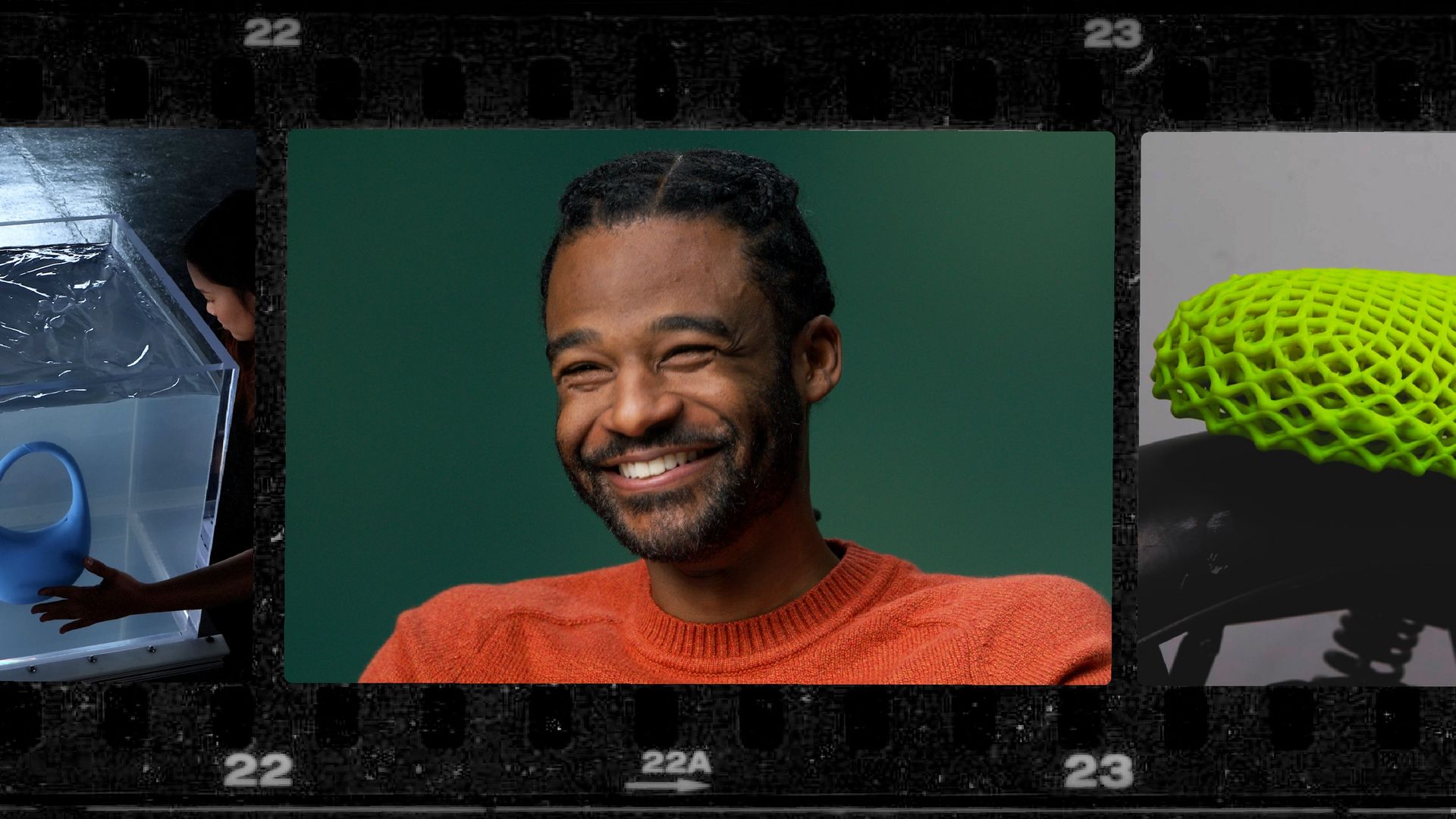
The gravity-defying future of manufacturing | Schendy Kernizan

3D printing promised to reinvent how we make things, but it's mostly stuck producing prototypes with a high level of waste. Designer and TED Fellow Schendy Kernizan found a different way — by printing objects directly into a tub of gel. He explains how this technique eliminates the constraints of gravity, pushing the limits of how we can manufacture objects across medicine, fashion, space travel and more.
Listen to all
Podcast episodes

TED Fellows Films

TED Talks meet documentaries in these short films that explore TED Fellows’ ideas. Dive into all three seasons to explore their mind-blowing innovations. 

05:39

FELLOWS FILM

Meet the youngest-ever mayor in Japan's history

TED Fellow Ryosuke Takashima is the youngest-ever mayor in Japan's history — but he doesn't consider himself a politician. His approach to leadership is simple: listen to as many voices as possible (from students to elders) in order to figure out what needs fixing. Hear why he thinks inviting citizens to participate in reforming their own communities is the best way to get things done.

2026

TED Fellows Film

Ryosuke Takashima
04:47

FELLOWS FILM

The gravity-defying future of manufacturing

3D printing promised to reinvent how we make things, but it's mostly stuck producing prototypes with a high level of waste. Designer and TED Fellow Schendy Kernizan found a different way — by printing objects directly into a tub of gel. He explains how this technique eliminates the constraints of gravity, pushing the limits of how we can manufacture objects across medicine, fashion, space travel and more.

2026

TED Fellows Film

Schendy Kernizan

Fellows Media Library

With 500+ TED Fellows and counting, we’ve got an entire world of media for you to explore. Dive into these talks, short films and podcasts showcasing Fellows turning ideas into action.

Clear
Sort
Thank you! Your submission has been received!
Oops! Something went wrong while submitting the form.

A king cobra bite -- and a scientific discovery | Gowri Shankar

A king cobra has enough venom to kill 10 people in a single bite. Recounting his near-death experience after being bitten by one of these majestic yet deadly snakes, conservationist and TED Fellow Gowri Shankar shares the epiphany he had when the antivenom failed: there's more than one unique species of king cobra. Hosted on Acast. See acast.com/privacy for more information.

2021

Podcasts

India
King cobra conservationist // I am a king cobra conservationist studying king cobras for two decades. MY WORK: My Ph.D. study reconstructs the biogeographic history of king cobras in Southeast Asia demarcating them into more than one species. I regularly rescue king cobras from distress situations which helps both humans and the king cobra. I conduct specialized workshops called Scientific Training On Reptile Management(STORM) and the King Cobra Bionomics for varied audiences to create awareness and garner support for king cobra conservation. PUBLICATIONS: I have authored and co-authored 15 peer-reviewed scientific papers on king cobras where six were part of a special issue for the 'Hamadryad', a herpetological journal. WILDLIFE DOCUMENTARIES My work has been documented most recently in a wildlife documentary titled, 'Cobra King' on NatGeoWild and Smithsonian Channels respectively. I also feature in wildlife documentaries like the King Cobra and I, Secrets of the King Cobra, One million snake bites, Asia's deadliest snakes, Wildest India, Wild India and Mysteries of Wild India by channels like the BBC, Discovery, NatGeo Wild, Animal Planet, Smithsonian and the National Geographic Channel. ORGANIZATIONS I run two organizations-Kalinga Centre for Rainforest Ecology and Kalinga Foundation (named 'Kaalinga' i.e. king cobra in Kannada) which are an environmental education company and a non-profit organization respectively. Both organizations are based out of Agumbe, Karnataka, India. // A king cobra has enough venom to kill 10 people in a single bite. Recounting his near-death experience after being bitten by one of these majestic yet deadly snakes, conservationist and TED Fellow Gowri Shankar shares the epiphany he had when the antivenom failed: there's more than one unique species of king cobra. // I am a king cobra conservationist studying king cobras for two decades. MY WORK: My Ph.D. study reconstructs the biogeographic history of king cobras in Southeast Asia demarcating them into more than one species. I regularly rescue king cobras from distress situations which helps both humans and the king cobra. I conduct specialized workshops called Scientific Training On Reptile Management(STORM) and the King Cobra Bionomics for varied audiences to create awareness and garner support for king cobra conservation. PUBLICATIONS: I have authored and co-authored 15 peer-reviewed scientific papers on king cobras where six were part of a special issue for the 'Hamadryad', a herpetological journal. WILDLIFE DOCUMENTARIES My work has been documented most recently in a wildlife documentary titled, 'Cobra King' on NatGeoWild and Smithsonian Channels respectively. I also feature in wildlife documentaries like the King Cobra and I, Secrets of the King Cobra, One million snake bites, Asia's deadliest snakes, Wildest India, Wild India and Mysteries of Wild India by channels like the BBC, Discovery, NatGeo Wild, Animal Planet, Smithsonian and the National Geographic Channel. ORGANIZATIONS I run two organizations-Kalinga Centre for Rainforest Ecology and Kalinga Foundation (named 'Kaalinga' i.e. king cobra in Kannada) which are an environmental education company and a non-profit organization respectively. Both organizations are based out of Agumbe, Karnataka, India. // King cobra conservationist // herpetology, environmental education, education, rainforest, evolutionary biology, species, documentary, job skills training, ecology, wildlife // Bengaluru|India|Karnataka
Bengaluru|India|Karnataka

Gowri Shankar

No items found.
2021

04:23

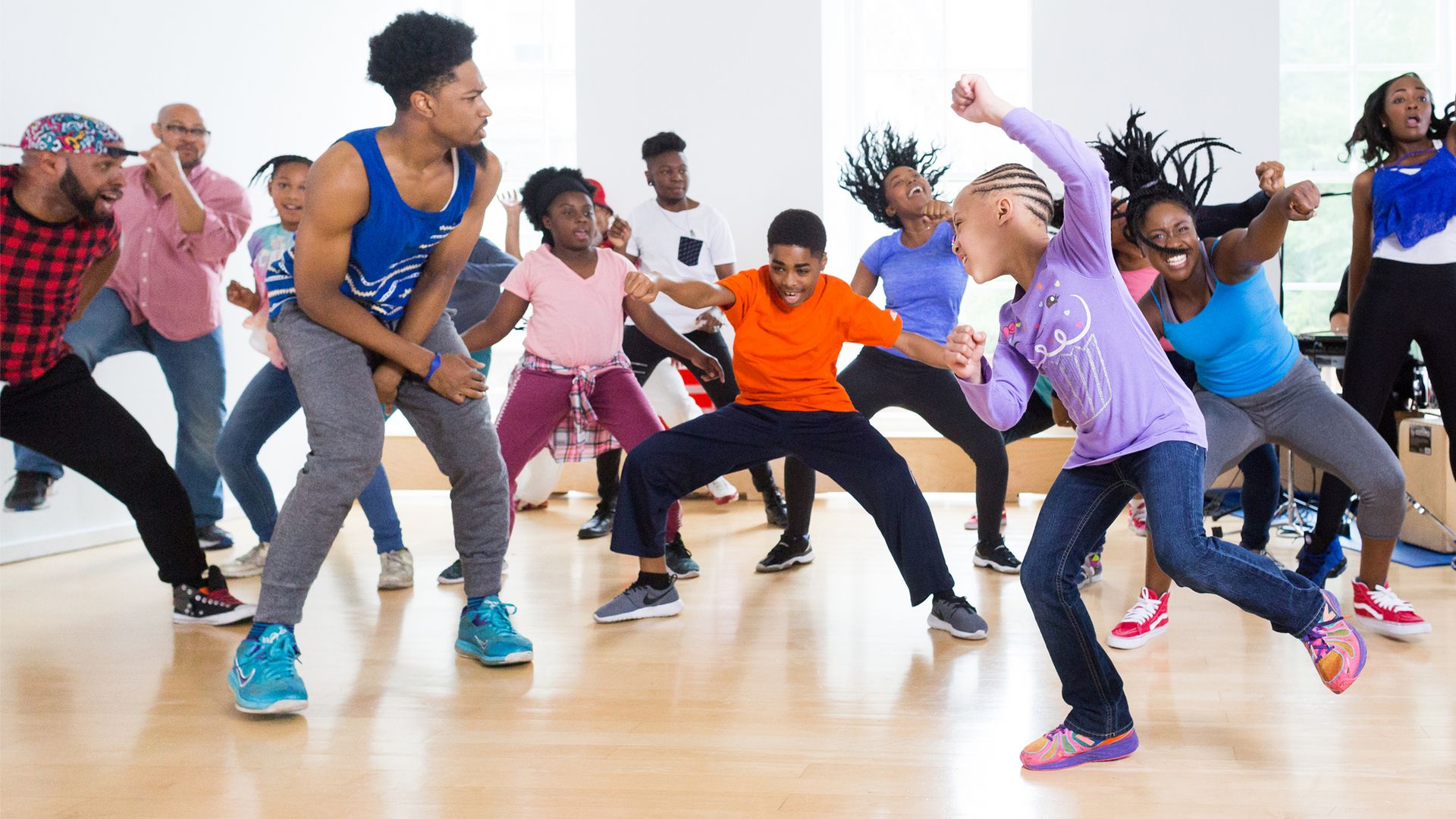
A visual history of social dance in 25 moves

Why do we dance? African-American social dances started as a way for enslaved Africans to keep cultural traditions alive and retain a sense of inner freedom. They remain an affirmation of identity and independence. In this electric demonstration, packed with live performances, choreographer, educator and TED Fellow Camille A. Brown explores what happens when communities let loose and express themselves by dancing together.

2016

TED Talk

Choreographer + dancer // Choreographer fusing dance and social commentary to explore race, sexuality and femininity. // www.camilleabrown.org // Inspired by the events of Hurricane Katrina in 2005, TED Fellow Camille A. Brown choreographed "New Second Line," a celebration of the culture of New Orleans and the perseverance of Black people in the midst of devastation. The performance borrows its name from the energetic, spirited people who follow the traditional brass band parades for weddings, social events and, most notably, funerals in New Orleans. "It honors our ability to rise and keep rising," Brown says. (Music includes "New Second Line" by Los Hombres Calientes featuring Kermit Ruffins) // Why do we dance? African-American social dances started as a way for enslaved Africans to keep cultural traditions alive and retain a sense of inner freedom. They remain an affirmation of identity and independence. In this electric demonstration, packed with live performances, choreographer, educator and TED Fellow Camille A. Brown explores what happens when communities let loose and express themselves by dancing together. // www.camilleabrown.org // Choreographer + dancer // hurricanes, electric, extreme weather

Camille A. Brown

No items found.
2016

How fungi recognize (and infect) plants | Mennat El Ghalid

Each year, the world loses enough food to feed half a billion people to fungi, the most destructive pathogens of plants. Mycologist and TED fellow Mennat El Ghalid explains how a breakthrough in our understanding of the molecular signals fungi use to attack plants could disrupt this interaction -- and save our crops.

2018

Podcasts

France
Mycologist // She is an Egyptian research mycologist. Her work focuses on the identification of biological mechanisms involved in fungal pathogenecity - in an effort to develop more efficient strategies to combat fungal infections. She is currently working in the Biology and Pathogenicity Unit at Institut Pasteur (France) to study Candida albicans, an opportunistic pathogenic fungus and the main cause of fungal infections in immunocompromised humans. She received an Initial Training Networks (ITN) - Marie Skłodowska-Curie fellowship to pursue her PhD project in the Molecular Genetics of Fungal Pathogenicity Unit and the International Campus of Excellence in Agrifood CeiA3 at the Universidad de Cordoba (Spain). During her PhD, her former team (Pr. Antonio Di Pietro and Dr. David Turra, PhD director and co-director respectively) and herself identified the compounds secreted from the plant roots attracting Fusarium oxysporum, a soilborne plant pathogenic fungus and characterized the underlying mechanisms of attraction. Such compounds were tracked since the 19th century. The discovery was published in the Nature Journal. She co-founded ConScience (means WithKnowledge in latin), a non-profit organisation which purpose is promote Science, Technology, Engineering and Mathematics STEM education in Egypt through innovative, effective, exciting and transparent learning promoting curiosity and critical thinking. // Each year, the world loses enough food to feed half a billion people to fungi, the most destructive pathogens of plants. Mycologist and TED Fellow Mennat El Ghalid explains how a breakthrough in our understanding of the molecular signals fungi use to attack plants could disrupt this interaction -- and save our crops. // She is an Egyptian research mycologist. Her work focuses on the identification of biological mechanisms involved in fungal pathogenecity - in an effort to develop more efficient strategies to combat fungal infections. She is currently working in the Biology and Pathogenicity Unit at Institut Pasteur (France) to study Candida albicans, an opportunistic pathogenic fungus and the main cause of fungal infections in immunocompromised humans. She received an Initial Training Networks (ITN) - Marie Skłodowska-Curie fellowship to pursue her PhD project in the Molecular Genetics of Fungal Pathogenicity Unit and the International Campus of Excellence in Agrifood CeiA3 at the Universidad de Cordoba (Spain). During her PhD, her former team (Pr. Antonio Di Pietro and Dr. David Turra, PhD director and co-director respectively) and herself identified the compounds secreted from the plant roots attracting Fusarium oxysporum, a soilborne plant pathogenic fungus and characterized the underlying mechanisms of attraction. Such compounds were tracked since the 19th century. The discovery was published in the Nature Journal. She co-founded ConScience (means WithKnowledge in latin), a non-profit organisation which purpose is promote Science, Technology, Engineering and Mathematics STEM education in Egypt through innovative, effective, exciting and transparent learning promoting curiosity and critical thinking. // Mycologist // research, technology, nature, science, education, food, plants, crops, job skills training, stem // Île-de-France|Paris|France
Île-de-France|Paris|France

Mennat El Ghalid

No items found.
2018

How community-led research drives social change | Monica Malta

What's the best way to develop and implement solutions to social problems? TED Fellow and human rights activist Monica Malta discusses why traditional, top-down policymaking often fails by excluding key voices and missing root causes. She shows why community-based participatory research — a method that empowers communities to co-create solutions to their own challenges — taps into the resilience and strength of everyday people to be leaders of change.

2025

Podcasts

Canada
CAMH; University of Toronto; FIOCRUZ - Fundação Oswaldo Cruz; Johns Hopkins Bloomberg School of Public Health
Dr. Monica Malta is an Assistant Professor in the Department of Psychiatry at the University of Toronto and a Scientist at the Centre for Addiction and Mental Health (CAMH). Her research focuses on social and structural factors influencing health-promoting behaviors related to mental health and HIV prevention/care, particularly among marginalized groups such as transgender women, people who use/abuse drugs, people living with HIV, and female sex workers. Dr. Malta has directed research projects funded by organizations like UNESCO, addressing mental health, gender-based violence, and HIV vulnerability among transgender women in Brazil. She has a strong publication record and her studies have influenced updates in Brazilian guidelines on HIV prevention and treatment. Dr. Malta's work is supported by prestigious institutions and she has received several awards for her contributions to public health research, including recognition from NIH, CDC, UN, and various universities. // Monica Malta is a Brazilian researcher and professor at the University of Toronto and a scientist at the Centre for Addiction and Mental Health. Her work focuses on addressing health inequalities faced by LGBTQ persons. Malta has a background in social psychology and public health, with a particular emphasis on improving the lives of marginalized groups such as people living with HIV/AIDS and LGBTQ+ individuals. She has received international recognition for her work, including awards from organizations like the National Institute on Drug Abuse and the World Health Organization. Malta has also conducted research on the impact of societal structures on public health behavior and has developed resources for LGBTQ+ individuals, including an app that provides information on safe spaces in Brazil. During the COVID-19 pandemic, she shifted her focus to studying the response to the virus in South America. Malta has been recognized for her contributions to global health and gender equality, and she continues to advocate for human rights and the mitigation of gender-based violence. // Global Health Researcher with expertise in epidemiology, social and behavioral aspects of global health. Experience in Latin America, Africa, US and Canada. // CAMH; University of Toronto; FIOCRUZ - Fundação Oswaldo Cruz; Johns Hopkins Bloomberg School of Public Health // Monica Malta is a Global Health Researcher specializing in epidemiology and the social and behavioral aspects of global health. With a wealth of experience in regions such as Latin America, Africa, the US, and Canada, Monica has a strong foundation in conducting research and analyzing health trends on a global scale. Her work focuses on understanding the complexities of health issues and implementing strategies to address them effectively. Monica's expertise lies in contributing valuable insights to the field of public health through her research and data analysis skills. // As a survivor of HIV/AIDS and domestic violence, I aim to empower fellow survivors to speak out and collaborate to transform a world where it is still deemed acceptable for 35% of women globally to experience violence each year. My work is driven by the desire to create a safer, more supportive environment for all survivors, fostering a collective effort to challenge and change these harmful norms. // Dr. Monica Malta, an Assistant Professor at the University of Toronto and Scientist at the Centre for Addiction and Mental Health, is a dedicated researcher focusing on social and structural factors influencing health behaviors related to mental health and HIV prevention/care, particularly among marginalized groups like transgender women, people who use drugs, and female sex workers. Her work, supported by prestigious institutions and recognized internationally, has influenced updates in Brazilian guidelines on HIV prevention and treatment. With a background in social psychology and public health, Dr. Malta's expertise lies in addressing health inequalities faced by LGBTQ individuals and advocating for human rights and gender equality. Her research spans global health issues, with a focus on epidemiology and behavioral aspects, contributing valuable insights to public health efforts worldwide. // Human rights champion // Dr. Malta is a Social Epidemiologist who works in low and middle income countries. During the last 20 years she has been a strong human rights activist, working mostly to address the impact of violence and discrimination against LGBTQ+ persons. In addition to providing resources mitigating the impacts of violence, disease and addiction, Malta advocates for protection for these communities by scholarly research in service of policy change and legal protections. Her studies influenced several key changes in Brazilian policies, including the decision to make homophobia and transphobia hate crimes in 2019. She is the leader of interventions tackling the mental health impact of discrimination and violence among queer women, education initiatives for queer people living in slums, and several mobile health strategies that have improved the access to healthcare, shelter, psychological, social and legal support for thousands of queer people. All her studies include queer people as advisors and employees, aiming at decreasing this population lack of employment opportunities and deep poverty. As a survivor of violence herself, her motto is “Nothing about us, without us” // Dr. Monica Malta, an Assistant Professor at the University of Toronto and Scientist at the Centre for Addiction and Mental Health, is a dedicated researcher focusing on social and structural factors influencing health behaviors related to mental health and HIV prevention/care, particularly among marginalized groups like transgender women, people who use drugs, and female sex workers. Her work, supported by prestigious institutions and recognized internationally, has influenced updates in Brazilian guidelines on HIV prevention and treatment. With a background in social psychology and public health, Dr. Malta's expertise lies in addressing health inequalities faced by LGBTQ individuals and advocating for human rights and gender equality. Her research spans global health issues, with a focus on epidemiology and behavioral aspects, contributing valuable insights to public health efforts worldwide. // Human rights champion // violence, gender based violence, education, public health, jobs, equity, gender equity, research, hiv, activism, human rights, rights, women's rights, policy, covid, women, mitigation, discrimination, marginalized, gender, advocacy, aids, disease, workers, global health, gender-based violence, health impact, lgbtq+ health, law, vulnerability, equality, poverty, pandemic, slum, income // Mozambique|Brazil|Nairobi|Rio de Janeiro|Maputo|Ontario|Toronto|Canada|Kenya
Mozambique|Brazil|Nairobi|Rio de Janeiro|Maputo|Ontario|Toronto|Canada|Kenya

Monica Malta

No items found.
2025

How to revitalize a neighborhood -- without gentrification | Bree Jones

The housing market can be vexing: while some neighborhoods get ridiculously expensive and price out longtime residents, others have historic homes sitting vacant without demand. Equitable housing developer and TED Fellow Bree Jones shares how she found a way to revitalize neighborhoods experiencing hyper-vacancy while preventing gentrification -- supporting home buyers and transforming communities along the way. After the talk, Modupe shares some more organizations uplifting communities. Hosted on Acast. See acast.com/privacy for more information.

2023

Podcasts

United States
Equitable Housing Developer // The housing market can be vexing: while some neighborhoods get ridiculously expensive and price out longtime residents, others have historic homes sitting vacant without demand. Equitable housing developer and TED Fellow Bree Jones shares how she found a way to revitalize neighborhoods experiencing hyper-vacancy while preventing gentrification -- supporting home buyers and transforming communities along the way. // Equitable Housing Developer // equity, housing

Bree Jones

No items found.
2023

09:10

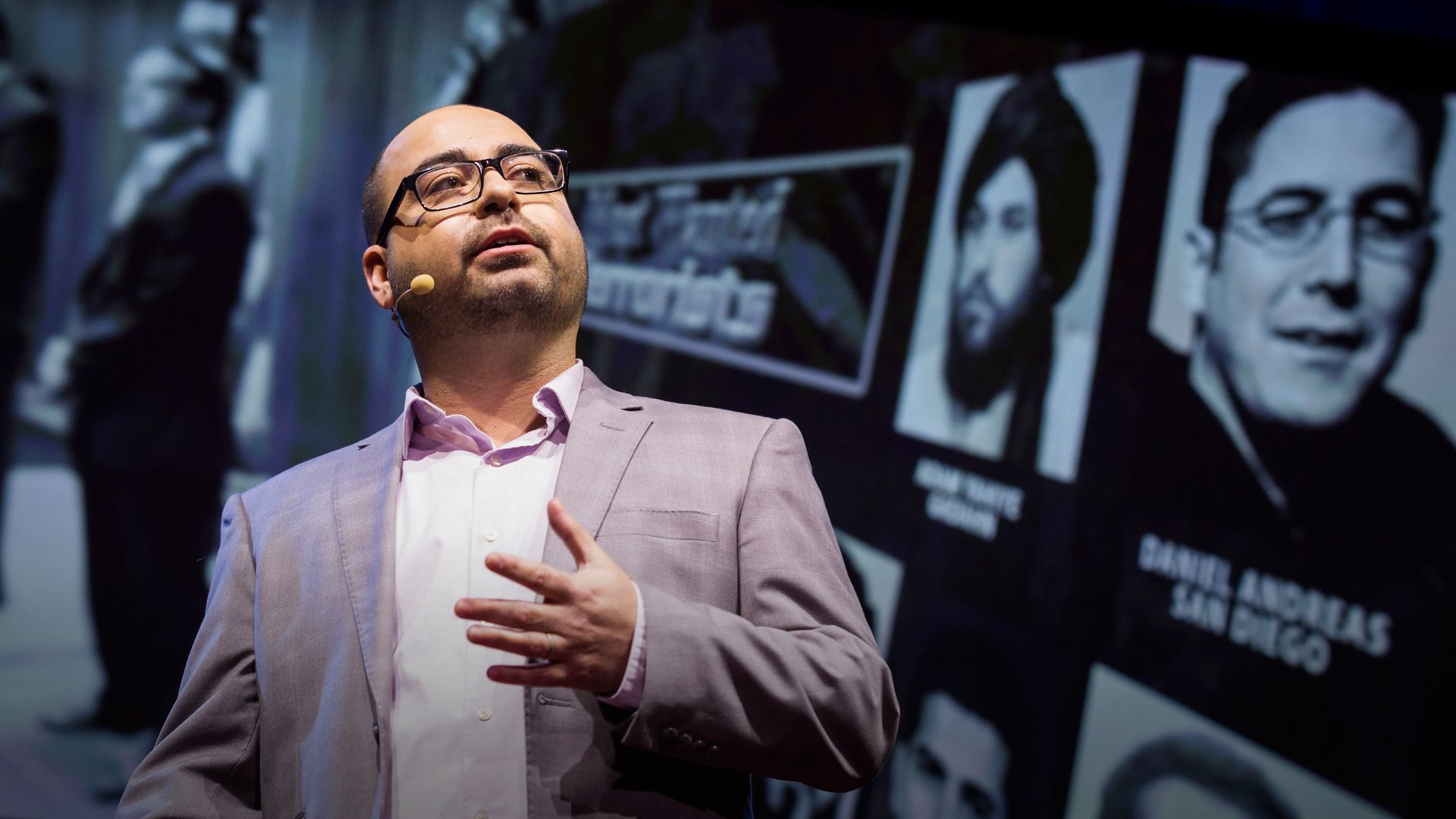
How this FBI strategy is actually creating US-based terrorists

There's an organization responsible for more terrorism plots in the United States than al-Qaeda, al-Shabaab and ISIS combined: The FBI. How? Why? In an eye-opening talk, investigative journalist Trevor Aaronson reveals a disturbing FBI practice that breeds terrorist plots by exploiting Muslim-Americans with mental health problems.

2015

TED Talk

Investigative journalist // Trevor Aaronson is the executive director of the Florida Center for Investigative Reporting and author of The Terror Factory: Inside the FBI’s Manufactured War on Terrorism. Aaronson reported and produced a one-hour documentary for Al Jazeera Media Network, “Informants,” about the FBI’s counterterrorism program. He co-founded the nonprofit Florida Center for Investigative Reporting, which won national and regional journalism awards under his leadership. A two-time finalist for the Livingston Awards, Aaronson has won more than two dozen national and regional awards, including the Molly National Journalism Prize, the international Data Journalism Award and the John Jay College/Harry Frank Guggenheim Excellence in Criminal Justice Reporting Award. Aaronson has been featured on CBS This Morning, NPR’s All Things Considered, MSNBC, This American Life, C-SPAN’s Washington Journal, WNYC’s On the Media and The Leonard Lopate Show, among others. // Trevor Aaronson is the executive director of the Florida Center for Investigative Reporting and author of The Terror Factory: Inside the FBI’s Manufactured War on Terrorism. Aaronson reported and produced a one-hour documentary for Al Jazeera Media Network, “Informants,” about the FBI’s counterterrorism program. He co-founded the nonprofit Florida Center for Investigative Reporting, which won national and regional journalism awards under his leadership. A two-time finalist for the Livingston Awards, Aaronson has won more than two dozen national and regional awards, including the Molly National Journalism Prize, the international Data Journalism Award and the John Jay College/Harry Frank Guggenheim Excellence in Criminal Justice Reporting Award. Aaronson has been featured on CBS This Morning, NPR’s All Things Considered, MSNBC, This American Life, C-SPAN’s Washington Journal, WNYC’s On the Media and The Leonard Lopate Show, among others. // There's an organization responsible for more terrorism plots in the United States than al-Qaeda, al-Shabaab and ISIS combined: The FBI. How? Why? In an eye-opening talk, investigative journalist Trevor Aaronson reveals a disturbing FBI practice that breeds terrorist plots by exploiting Muslim-Americans with mental health problems. // Trevor Aaronson is the executive director of the Florida Center for Investigative Reporting and author of The Terror Factory: Inside the FBI’s Manufactured War on Terrorism. Aaronson reported and produced a one-hour documentary for Al Jazeera Media Network, “Informants,” about the FBI’s counterterrorism program. He co-founded the nonprofit Florida Center for Investigative Reporting, which won national and regional journalism awards under his leadership. A two-time finalist for the Livingston Awards, Aaronson has won more than two dozen national and regional awards, including the Molly National Journalism Prize, the international Data Journalism Award and the John Jay College/Harry Frank Guggenheim Excellence in Criminal Justice Reporting Award. Aaronson has been featured on CBS This Morning, NPR’s All Things Considered, MSNBC, This American Life, C-SPAN’s Washington Journal, WNYC’s On the Media and The Leonard Lopate Show, among others. // Investigative journalist // fbi, data journalism, nonprofit journalism, investigative reporting, documentary, data, war, justice

Trevor Aaronson

No items found.
2015

Quantum computing explained in 10 minutes | Shohini Ghose

A quantum computer isn't just a more powerful version of the computers we use today; it's something else entirely, based on emerging scientific understanding -- and more than a bit of uncertainty. Enter the quantum wonderland with TED Fellow Shohini Ghose and learn how this technology holds the potential to transform medicine, create unbreakable encryption and even teleport information. Hosted on Acast. See acast.com/privacy for more information.

2023

Podcasts

Canada
Quantum Algorithms Institute; Wilfrid Laurier University
The organization is led by a Professor of Physics and Computer Science who is also the NSERC Chair for Women in Science and Engineering. Their research focuses on quantum information science, exploring the applications of quantum physics in computation and communication. They also investigate the relationship between classical chaos theory and quantum physics. The organization is involved in initiatives addressing gender issues and diversity in science. The professor teaches courses on quantum mechanics and quantum computing. Their work includes publications, book chapters, and conference proceedings on topics such as blockchain platforms, quantum protocols, chaos theory, and quantum entanglement. // Quantum Algorithms Institute; Wilfrid Laurier University // Quantum technologies have the potential to transform computing, communication and sensors, and could impact healthcare, finance, IT, environment and much more. I am working to help build a global quantum-powered ecosystem that will benefit society while avoiding the many dangers of emerging technologies. // Shohini Ghose is a Professor of Physics and Computer Science, as well as the NSERC Chair for Women in Science and Engineering. Her research primarily revolves around quantum information science, delving into the practical applications of quantum physics in computation and communication. She also explores the interplay between classical chaos theory and quantum physics. Beyond her academic pursuits, Ghose is actively engaged in initiatives aimed at addressing gender disparities and promoting diversity in the field of science. She imparts her knowledge through teaching courses on quantum mechanics and quantum computing. Ghose's scholarly contributions span various publications, book chapters, and conference proceedings covering diverse topics such as blockchain platforms, quantum protocols, chaos theory, and quantum entanglement. // Quantum physicist, equity advocate // I always wanted to be an explorer like Rakesh Sharma, the first Indian to go to space. I haven’t made it to space yet, but I did become an explorer of the quantum world as a physics Professor in Waterloo, Canada. I examine how quantum physics can transform computing and communication. My colleagues and I were the first to observe the effect of chaos on quantum entanglement. I am passionate about building an inclusive science community as the Founding Director of the Laurier Centre for Women in Science (WinS) and the NSERC Chair for Women in Science and Engineering in Ontario. I was thrilled to become a 2014 TED Fellow and a 2018 TED Senior Fellow. I currently serve on the Scientific Board of the UNESCO International Basic Sciences Program. I still dream of going to space. // A quantum computer isn't just a more powerful version of the computers we use today; it's something else entirely, based on emerging scientific understanding -- and more than a bit of uncertainty. Enter the quantum wonderland with TED Fellow Shohini Ghose and learn how this technology holds the potential to transform medicine, create unbreakable encryption and even teleport information. // Shohini Ghose is a Professor of Physics and Computer Science, as well as the NSERC Chair for Women in Science and Engineering. Her research primarily revolves around quantum information science, delving into the practical applications of quantum physics in computation and communication. She also explores the interplay between classical chaos theory and quantum physics. Beyond her academic pursuits, Ghose is actively engaged in initiatives aimed at addressing gender disparities and promoting diversity in the field of science. She imparts her knowledge through teaching courses on quantum mechanics and quantum computing. Ghose's scholarly contributions span various publications, book chapters, and conference proceedings covering diverse topics such as blockchain platforms, quantum protocols, chaos theory, and quantum entanglement. // Quantum physicist, equity advocate // technology, led, diversity, chaos theory, equity, finance, research, inclusion, women, quantum physics, gender, blockchain, diversity and inclusion, sensor, quantum internet, science communication, science, quantum computing, communication, gender issues in science // Waterloo|Vancouver|Ontario|Toronto|Canada
Waterloo|Vancouver|Ontario|Toronto|Canada

Shohini Ghose

No items found.
2023

How to revitalize a neighborhood -- without gentrification | Bree Jones

The housing market can be vexing: while some neighborhoods get ridiculously expensive and price out longtime residents, others have historic homes sitting vacant without demand. Equitable housing developer and TED Fellow Bree Jones shares how she found a way to revitalize neighborhoods experiencing hyper-vacancy while preventing gentrification -- supporting home buyers and transforming communities along the way. Hosted on Acast. See acast.com/privacy for more information.

2023

Podcasts

United States
Equitable Housing Developer // The housing market can be vexing: while some neighborhoods get ridiculously expensive and price out longtime residents, others have historic homes sitting vacant without demand. Equitable housing developer and TED Fellow Bree Jones shares how she found a way to revitalize neighborhoods experiencing hyper-vacancy while preventing gentrification -- supporting home buyers and transforming communities along the way. // Equitable Housing Developer // equity, housing

Bree Jones

No items found.
2023

07:02

Why I still have hope for coral reefs

Corals in the Pacific Ocean have been dying at an alarming rate, particularly from bleaching brought on by increased water temperatures. But it's not too late to act, says TED Fellow Kristen Marhaver. She points to the Caribbean -- given time, stable temperatures and strong protection, corals there have shown the ability to survive and recover from trauma. Marhaver reminds us why we need to keep working to protect the precious corals we have left. "Corals have always been playing the long game," she says, "and now so are we."

2017

TED Talk

FDA; University of California San Diego; Scripps Institution of Oceanography, UCSD; The Marhaver Lab at CARMABI; Wichita Collegiate School; CARMABI (Caribbean Research and Management of Biodiversity); Birch Aquarium at Scripps; University of California, San Diego; NYU School of Medicine; UC San Diego; University of California, Merced; TED Conferences; Georgia Institute of Technology; University of California at Merced
The Marhaver Lab is a marine biology research lab focused on coral reef recovery. Led by Dr. Kristen Marhaver, the lab conducts research on coral breeding, reproduction, and restoration. They collaborate with various organizations globally to share solutions for growing corals faster. The lab hosts students and collaborators to study coral reef ecology and restoration. Their work includes establishing a global coral cryopreservation network and conducting field research on coral settlement materials. The lab also engages in science communication efforts to raise awareness about coral restoration and ocean conservation. // The organization TED Conferences, LLC facilitates translations through volunteer translators for their Open Translation Project. // Coral scientist known for pioneering coral breeding methods that are now used globally in science and restoration, first person to grow baby pillar coral (photo above) and pineapple coral, achieved the first assisted gene flow in corals using cryopreserved sperm // • Designing and leading research on coral reproduction, beneficial microbes, materials engineering for reef restoration, coral cryopreservation, ecology, and natural history• National Geographic Explorer, World Economic Forum Young Scientist, WINGS Fellow• Invited Talks: Reef Futures Plenary, WEF AMNC 2018, TED2017, Harvard MCZ, ISRS 2017, WEF AMNC 2016, Cozumel Scuba Fest, ASMS Plenary, ICRS 2016• >2M TED Talk views• Supervising student research interns (19 and counting)• Providing advice to governments, NGOs, and companies on innovation for marine conservation• Still absorbing too much UVB // • Designed and managed research on coral microbial ecology, larval behavior, reproductive ecology, and coral evolution• Taught and mentored students and guest scientists at CARMABI• NSF Postdoctoral Research Fellowship in Ocean Sciences (PRF-OCE)• Absorbed unreasonable amounts of UVA and UVB• Invited Talks: TED Mission Blue II, TED2015, World Economic Forum, Mendeley,​ Science Foo Camp, San Francisco Exploratorium, San Diego Zoo Institute for Conservation Research, Cancun Festival de los Oceanos• Guest Author, Wired UK• Press: NPR Morning Edition, BBC World News, Scientific American, The Atlantic, New Scientist, Popular Science, 52 Insights, Marine Life, Vancouver Sun, Dolfijn FM, RTL News, WWF-NL, Roots Magazine, TakePart, OnEarth, Climate Wire // • Designed and conducted research on coral-associated viral communities, Janzen-Connell effects in reef corals, coral-microbe interactions, marine larval behavior• NSF Graduate Research Fellowship, NSF IGERT Fellowship, NSF DDIG (IOS - Animal Behavior), SIO Stout Fellowship, WSN Best Student Paper, ASLO/AGU Outstanding Student Paper• Sci-Comm: Science Progress, The Oyster's Garter, WSN Sci-Comm workshop, Nerd Nite San Diego, "The Open Laboratory: The Best Science Writing on the Web"• UCSD Outstanding Teacher Rating (Biochemistry of Nutrition), Course Assistant for Marine Biodiversity and Conservation // Performed in vitro experiments on human ductal carcinoma cell lines to quantify effects of cancer drugs on protein translation rate (SURP program, lab of Robert Schneider) // • Oversaw field and lab research on coral-microbe interactions, larval behavior, gene expression, and coral out-planting• NSF Research Grant (IOS - Behavioral Systems)• TED Global Fellow• Invited Talks: TEDGlobal 2012, Google, ICES, FIDALMAR, TEDxHoogstraat, Curacao Sustainable Business Council // • This was my weekly volunteer gig with the wonderful aquarists at Birch• Skills gained: coral propagation, coral feeding, coral mind reading, coral zen, coral interior decorating, outsmarting algae, understanding plumbing, observing the very slow arguments corals have with their neighbors• 400 hours // Awards and Honors• School of Biology Williams-Walls Award• School of Biology John H. Ridley Award• Tri-Beta Biology Honors Society President '03-'04• College of Sciences President's Undergraduate Research Fellowship• HHMI Undergraduate Research Fellowships (2)Research• Research assistant for a three-year study of coral stress genes (assistant to Ph.D. student Sara Edge, lab of Terry Snell)• Research assistant for a population genetic study of Indonesian coral reef fish (assistant to postdoc Eric Hoffman, lab of Adam Jones)• Field assistant for coral reef ecology research in the Florida Keys (lab of Mark Hay) // Prepared high-volume stocks of laboratory media for use by FDA analysts testing the food supply for bacterial pathogens // • Oversaw field and lab research on coral-microbe interactions, larval behavior, gene expression, and coral out-planting• NSF Research Grant (IOS - Behavioral Systems)• TED Global Fellow• Invited Talks: TEDGlobal 2012, Google, ICES, FIDALMAR, TEDxHoogstraat, Curacao Sustainable Business Council // FDA; University of California San Diego; Scripps Institution of Oceanography, UCSD; The Marhaver Lab at CARMABI; Wichita Collegiate School; CARMABI (Caribbean Research and Management of Biodiversity); Birch Aquarium at Scripps; University of California, San Diego; NYU School of Medicine; UC San Diego; University of California, Merced; TED Conferences; Georgia Institute of Technology; University of California at Merced // Kristen Marhaver is a coral scientist recognized for her innovative work in coral breeding methods and restoration efforts. She has achieved significant milestones in coral research, including being the first to grow baby pillar coral and pineapple coral, as well as accomplishing the first assisted gene flow in corals using cryopreserved sperm. Kristen's expertise spans various areas such as coral reproduction, beneficial microbes, materials engineering for reef restoration, and coral cryopreservation. She has been a National Geographic Explorer, a World Economic Forum Young Scientist, and a WINGS Fellow, and has delivered invited talks at prestigious events and institutions worldwide. Kristen has also supervised numerous student research interns and provided valuable insights to governments, NGOs, and companies on marine conservation innovation. // We fight for baby corals because they have very short arms. The Marhaver Lab solves the trickiest puzzles in coral breeding and shares the solutions globally so that everyone can grow more corals, faster. We're a gene bank, IVF clinic, neonatal ICU, and daycare, except for baby endangered corals so of course it's super easy and nothing ever goes wrong. // Dr. Kristen Marhaver is a distinguished coral scientist renowned for her groundbreaking work in coral breeding techniques and restoration initiatives. Leading the Marhaver Lab, she spearheads research on coral reproduction, restoration, and the establishment of a global coral cryopreservation network. Kristen's expertise encompasses coral ecology, beneficial microorganisms, materials engineering for reef rehabilitation, and cryopreservation methods. She has achieved notable milestones in coral research, including pioneering the growth of baby pillar coral and pineapple coral, as well as conducting the first assisted gene flow in corals using cryopreserved sperm. Through collaborations with organizations worldwide, Kristen and her lab are at the forefront of efforts to accelerate coral reef recovery and raise awareness about marine conservation. // Coral reef biologist // I'm a Caribbean marine biologist developing 'assisted reproduction' methods for threatened coral species. My research is 50% basic (studying ecology, behavior, and reproduction) and 50% applied (inventing probiotics, settlement surfaces, outplanting strategies, and preservation methods for corals). By learning what keeps juvenile corals alive, we can bias reef ecosystems back toward corals and recover the wealth they produce for society. I'm also working to increase the power of science in society by challenging scientists and journalists to re-examine the inefficient publishing and communication traditions of the past. // We fight for baby corals because they have very short arms. The Marhaver Lab solves the trickiest puzzles in coral breeding and shares the solutions globally so that everyone can grow more corals, faster. We're a gene bank, IVF clinic, neonatal ICU, and daycare, except for baby endangered corals so of course it's super easy and nothing ever goes wrong. We were the first team to breed endangered Pillar Corals and the first to breed endangered Elkhorn Corals from cryopreserved sperm. (Both were considered impossible but turned out very cute.) We also run the world's largest gene bank of Caribbean coral. Our conservation antics have been featured by NPR, BBC, and other acronyms. Leading the skunkworks, Dr. Kristen Marhaver is a TED Senior Fellow, National Geographic Explorer, World Economic Forum Young Scientist, and Georgia Tech 40 Under 40 honoree. The Marhaver Lab is based at CARMABI on the island of Curaçao and you should definitely visit because it's the island of Curaçao. // Corals in the Pacific Ocean have been dying at an alarming rate, particularly from bleaching brought on by increased water temperatures. But it's not too late to act, says TED Fellow Kristen Marhaver. She points to the Caribbean -- given time, stable temperatures and strong protection, corals there have shown the ability to survive and recover from trauma. Marhaver reminds us why we need to keep working to protect the precious corals we have left. "Corals have always been playing the long game," she says, "and now so are we." // Kristen Marhaver studies corals, tiny creatures the size of a poppyseed that, over hundreds of slow years, create beautiful, life-sustaining ocean structures hundreds of miles long. As she admits, it's easy to get sad about the state of coral reefs; they're in the news lately because of how quickly they're bleaching, dying and turning to slime. But the good news is that we're learning more and more about these amazing marine invertebrates -- including how to help them (and help them help us). This biologist and TED Senior Fellow offers a glimpse into the wonderful and mysterious lives of these hard-working and fragile creatures. // Dr. Kristen Marhaver is a distinguished coral scientist renowned for her groundbreaking work in coral breeding techniques and restoration initiatives. Leading the Marhaver Lab, she spearheads research on coral reproduction, restoration, and the establishment of a global coral cryopreservation network. Kristen's expertise encompasses coral ecology, beneficial microorganisms, materials engineering for reef rehabilitation, and cryopreservation methods. She has achieved notable milestones in coral research, including pioneering the growth of baby pillar coral and pineapple coral, as well as conducting the first assisted gene flow in corals using cryopreserved sperm. Through collaborations with organizations worldwide, Kristen and her lab are at the forefront of efforts to accelerate coral reef recovery and raise awareness about marine conservation. // Coral reef biologist // technology, photomicroscopy, water, ocean conservation, education, nutrition, biodiversity, led, paper, fish, gene bank, cryopreservation, microscopy, marine life, food supply, coral reef conservation, research, reef conservation, fishing, coral reef, reef restoration, photography, ecosystem, climate, design, microbes, environmental policy and advocacy, volunteerism, coral reefs, policy, advocacy campaigns, species, coral, coral reproduction, coral species, coral reef restoration, oceans, environmental consciousness, underwater photography and photomicroscopy, advocacy, island, teachers, campaigns, conservation, photography in the dark, reef, underwater photography, coral breeding, science, food, restoration, oceanography, communication, microbiology, baby corals, ecology, coral restoration, algae, marine ecology // Willemstad|Curaçao|USA|Curacao|Netherlands Antilles|Minneapolis|Minnesota
Willemstad|Curaçao|USA|Curacao|Netherlands Antilles|Minneapolis|Minnesota

Kristen Marhaver

No items found.
2017

03:54

How sound can hack your memory while you sleep

Can you cram for a test while you sleep? Our intrepid neuroscientists attempt to enhance memory by running experiments on subjects while they sleep. You'll be surprised by the results.

2018

Other

United States
Michigan State University; Backyard Brains; University of Michigan; University of South Carolina
Backyard Brains is a company founded by neuroscience Ph.D. students with a mission to democratize neuroscience education. They have developed kits that allow individuals, including children, to learn about neuroscience at an early age using off-the-shelf electronics. Their products focus on neuroscience but have expanded into various STEM research fields. The kits enable users to record from neurons in invertebrates, human physiology, neuroengineering devices, and even plant signaling. Backyard Brains has received recognition for their work, including awards from prestigious organizations and the U.S. National Institutes of Health. They have a strong community presence, with TED Talks and collaborations with popular science shows. The company is open-source, transparent about their finances, and offers a range of experiments and lesson plans for educators and enthusiasts. // Adjunct Professor in the Department of Molecular & Integrative Physiology at the University of Michigan // Adjunct Assistant Professor of Neuroscience, Michigan State University // Greg Gage is the co-founder and CEO of Backyard Brains, an organization that develops open-source tools that allow amateurs and students to participate in neural discovery. Greg is an NIH-award winning neuroscientist with 9 popular TED Talks and dozens of peer-reviewed publications. Greg is a Senior Fellow at TED and the recipient of the White House Champion of Change from Barack Obama award for his commitment to citizen science. // Michigan State University; Backyard Brains; University of Michigan; University of South Carolina // Gregory Gage is a seasoned neuroscientist and educator with a strong focus on democratizing neuroscience research. With a background in academia as an Adjunct Professor at the University of Michigan and Michigan State University, Gregory has also made significant contributions as the co-founder and CEO of Backyard Brains. Through this organization, he has spearheaded the development of open-source tools that enable individuals, including students and amateurs, to engage in neural exploration. Gregory's work has been recognized with prestigious accolades such as the White House Champion of Change award, highlighting his dedication to promoting citizen science. His extensive experience is underscored by numerous peer-reviewed publications and engaging TED Talks that have garnered widespread acclaim. // I develop low-fi, hands-on tools to teach neuroscience to students before university. The goal is to track the best students into neuroscience research careers despite their economic backgrounds. // Gregory Gage is a seasoned neuroscientist and educator known for his dedication to democratizing neuroscience education. As the co-founder and CEO of Backyard Brains, he has led the development of open-source kits that make neuroscience accessible to individuals of all ages, including students and amateurs. Gregory's work emphasizes hands-on learning and aims to inspire a new generation of neuroscientists by providing affordable tools for neural exploration. His contributions have been recognized with prestigious awards, such as the White House Champion of Change award, showcasing his commitment to promoting citizen science. Through his extensive experience in academia and innovative approach to teaching neuroscience, Gregory Gage continues to make significant strides in bridging the gap between science education and research opportunities. // Neuroscientist + roboticist // Neuroscientist and co-founder of Backyard Brains, an organization teaching kids and amateurs neuroscience through hands-on experiments to see and hear brain signals from living neurons and also via robotic control of ordinary cockroaches. // Greg Gage is a neuroscientist, engineer and the CEO of Backyard Brains. Greg develops tools, curriculum and experiments that allow the general public participate, hands-on, in neural discovery. He is senior fellow at TED and has given many TED talks (9 online), received the director's innovation award as an investigator at the National Institute of Health (NIH), and was recognized in a White House ceremony for being Obama’s Champion of Change for his commitment to citizen science. In his free time, he enjoys changing diapers of his 2 young daughters. // Them's fighting words if you're an octopus, in that more than one octopus in a space often means a rumble. Our intrepid neuroscientists analyze aggression by observing the fighting behavior of two-spotted octopuses or, if you prefer, octopodes. // What does the love song of a mosquito sound like? Find out as our intrepid neuroscientists explore the meaning of all that annoying buzzing in your ear. // Modern technology lets neuroscientists peer into the human brain, but can it also read minds? Armed with the device known as an electroencephalogram, or EEG, and some computing wizardry, our intrepid neuroscientists attempt to peer into a subject's thoughts. // Gregory Gage is a seasoned neuroscientist and educator known for his dedication to democratizing neuroscience education. As the co-founder and CEO of Backyard Brains, he has led the development of open-source kits that make neuroscience accessible to individuals of all ages, including students and amateurs. Gregory's work emphasizes hands-on learning and aims to inspire a new generation of neuroscientists by providing affordable tools for neural exploration. His contributions have been recognized with prestigious awards, such as the White House Champion of Change award, showcasing his commitment to promoting citizen science. Through his extensive experience in academia and innovative approach to teaching neuroscience, Gregory Gage continues to make significant strides in bridging the gap between science education and research opportunities. // Neuroscientist + roboticist // technology, education, entrepreneurship, electronics, electrical engineering, data, research, citizen scientist, engineering, robots, stem, data analysis, robotics, neuroscience, children, software development, science, software // Michigan|Ann Arbor|United States|USA
Michigan|Ann Arbor|United States|USA

Greg Gage

No items found.
2018

12:08

Building Thousands of Communities, Not Millions of Homes

Architect Sandhya Janardhan reveals an innovative approach to transform slums into thriving communities, not just physical homes. Learn how empathic design and social capital can reshape the lives of slum dwellers, creating 135,000 communities within 20 years in India.

2023

TED Talk

India
Architecture for Humanity; Sri Aurobindo Memorial School; InFORM Architects; Community Design Agency; Tierra Design; R. V. College of Engineering, Bangalore; Columbia University in the City of New York; Curry Stone Foundation; Curry Stone Design Collaborative Private Limited; Curry Stone Design Collaborative
Community Design Agency is an organization that focuses on transforming communities through architecture, engineering, social support, and more. They work with marginalized communities to create safe, healthy, and vibrant spaces for individuals to live, work, and play. The agency conducts research on socio-cultural aspects of urban areas and uses participatory tools to influence policies on urban design and spatial equality. They have projects such as slum redevelopment, neighborhood regeneration, and creating dignified workspaces. The team includes architects, engineers, artists, designers, and researchers who collaborate with various stakeholders to bring about positive change in communities. // Sandhya Naidu Janardhan is Programme Director for the Curry Stone Foundation with special assignment in India to support the efforts of housing and development advocates, including Curry Stone Design Prize winners SPARC and Hunnarshala. Through this programme the foundation envisages to create a design studio in collaboration with the prize winners to represent and enhance the built environment of the economically weaker sections in Indian cities and towns. This studio will eventually engage with various civic agencies and nonprofits across the country to help incorporate technical support in the form of planning, architecture and engineering. // Sandhya Naidu Janardhan is an architect with 12 years of experience in community-led design and sustainable architecture. At Community Design Agency, she is working with a diverse group of disadvantaged communities, civic agencies and designers to address inequities in the built environment. // Developing the Collaborative to serve as a platform bringing prize winners of the Curry Stone Design Prize, young architects and designers and communities in need, to a common cause – develop and use design and technical tools to address inequalities in the built environment. Currently working with a diverse group of communities across India using simple design interventions helping create dignified places to live, learn, play and work.The Collaborative intends to equip people from poor communities with tools to design and develop their built environment. As well as engage and collaborate with young professionals and students. Local aspiring architects and engineers will be trained to work with these communities, understand the complexities of their living conditions and collaborate on life improving solutions. Through the Curry Stone network, relevant professionals and agencies will be invited to participate in the studio with potential to address underserved communities across different countries. // Developing the Collaborative to serve as a platform bringing prize winners of the Curry Stone Design Prize, young architects and designers and communities in need, to a common cause – develop and use design and technical tools to address inequalities in the built environment. Currently working with a diverse group of communities across India using simple design interventions helping create dignified places to live, learn, play and work.The Collaborative intends to equip people from poor communities with tools to design and develop their built environment. As well as engage and collaborate with young professionals and students. Local aspiring architects and engineers will be trained to work with these communities, understand the complexities of their living conditions and collaborate on life improving solutions. Through the Curry Stone network, relevant professionals and agencies will be invited to participate in the studio with potential to address underserved communities across different countries. // Designed and provided construction oversight for 10 health clinics over a period of 6 months in partnership with a local design firm. A project based on affordable healthcare in low-income neighborhoods in Hyderabad, this Design Fellowship focused on the development of a low-cost model clinic that used an evidence-based design methodology and integrated the business model and branding for affordable healthcare. Developed a facility guide for local contractors to upgrade clinics. // Curated and reviewed 400 architectural solutions for classroom designs from over 60 countries with a focus on upgrade and retrofit of existing schools. The Fellowship focused on the development and management of an international design competition, ‘Open Architecture Challenge 2009: Classroom of the Future’. Worked on advocacy and community engagement to raise awareness about safe and sustainable learning spaces including developing a curriculum to introduce architecture to K-12 students. // Worked on research and design of healthcare projects, and developed technical drawings for residential and office buildings located in different parts of South India. // Held various positions managing design projects, programme development, operations, and lean innovation interventions with a focus on community-led design. Sandhya worked in multiple countries with a particular focus on education and healthcare, including Haiti where she addressed post-disaster reconstruction work after the 2010 earthquake. // Architecture for Humanity; Sri Aurobindo Memorial School; InFORM Architects; Community Design Agency; Tierra Design; R. V. College of Engineering, Bangalore; Columbia University in the City of New York; Curry Stone Foundation; Curry Stone Design Collaborative Private Limited; Curry Stone Design Collaborative // Sandhya Naidu Janardhan is a seasoned architect with 12 years of experience in community-led design and sustainable architecture. Currently serving as Programme Director for the Curry Stone Foundation, she focuses on supporting housing and development advocates in India, collaborating with organizations like SPARC and Hunnarshala. Her work involves creating design studios to enhance the built environment for economically weaker sections in Indian cities. Sandhya has a strong background in managing design projects, program development, and lean innovation interventions, with a particular emphasis on education and healthcare. She has worked on diverse projects ranging from healthcare facilities to classroom designs, showcasing her expertise in addressing inequalities in the built environment through thoughtful design interventions. // I founded Community Design Agency with the intention to uncover what it truly means to create spaces where marginalised communities live, work and play and collectively build them. My life's mission to make design and architecture accessible to all, working alongside the disenfranchised to drive social and spatial improvements in their built environment. // Sandhya Naidu Janardhan is a seasoned architect with a strong focus on community-led design and sustainable architecture. With 12 years of experience, she currently serves as the Programme Director for the Curry Stone Foundation, collaborating with organizations like SPARC and Hunnarshala to support housing and development advocates in India. Her expertise lies in creating design studios that enhance the built environment for economically weaker sections in Indian cities. Sandhya's work spans diverse projects, from healthcare facilities to classroom designs, showcasing her commitment to addressing inequalities through thoughtful design interventions. She is dedicated to making design and architecture accessible to marginalized communities, driving social and spatial improvements in their living environments. // Architect // Worked with Architecture for Humanity, a nonprofit sustainable design services firm. // Sandhya Naidu Janardhan, is the Founder of Community Design Agency, a social enterprise that envisions an inclusive world where every human enjoys access to vibrant, safe and healthy spaces to live, work and play. For Sandhya, spatial equity is inextricably linked to dismantling systemic issues including gender, social and health inequity, climate vulnerability, economic inclusion and identity. Most of Sandhya's 15-year professional career has been about cultivating processes that provide the marginalized communities with clear agency and voice over where and how they live. Her participatory methodology is rooted in intentional deep listening and empathy, democratizing access to architecture and design. Licensed and educated in India, Sandhya is also a graduate of Columbia University’s Graduate School of Architecture, Planning and Preservation. She is a TEDIndia Fellow, a Young Climate Prize Design Champion and a Regional Leader, Placemaking India. Sandhya’s previous work spans multiple countries including landscape architecture and design for a Singapore-based interdisciplinary design firm, and post-earthquake reconstruction in Haiti for a US Based non-profit. Okay // Sandhya Naidu Janardhan is a seasoned architect with a strong focus on community-led design and sustainable architecture. With 12 years of experience, she currently serves as the Programme Director for the Curry Stone Foundation, collaborating with organizations like SPARC and Hunnarshala to support housing and development advocates in India. Her expertise lies in creating design studios that enhance the built environment for economically weaker sections in Indian cities. Sandhya's work spans diverse projects, from healthcare facilities to classroom designs, showcasing her commitment to addressing inequalities through thoughtful design interventions. She is dedicated to making design and architecture accessible to marginalized communities, driving social and spatial improvements in their living environments. // Architect // community-led architecture, education, architecture, urban areas, buildings, landscape architecture, cities, economic inclusion, social design, urban, marginalized communities, climate vulnerability, research, inequity, underserved communities, inclusion, participatory, climate, design, sustainable development , community engagement, advocacy campaigns, post-disaster reconstruction, social impact design, regenerative, urban design, marginalized, built environment, construction, affordable, gender, low income, advocacy, underserved, sustainable design, campaigns, landscaping, affodable housing, housing, urban poor, vulnerability, equality, educational design, design and architecture, low-cost, slum, income // San Francisco|India|USA|Maharashtra|Mumbai
San Francisco|India|USA|Maharashtra|Mumbai

Sandhya Naidu Janardhan

No items found.
2023

05:39

How to control someone else's arm with your brain

Greg Gage is on a mission to make brain science accessible to all. In this fun, kind of creepy demo, the neuroscientist and TED Senior Fellow uses a simple, inexpensive DIY kit to take away the free will of an audience member. It's not a parlor trick; it actually works. You have to see it to believe it.

2015

TED Talk

United States
Michigan State University; Backyard Brains; University of Michigan; University of South Carolina
Backyard Brains is a company founded by neuroscience Ph.D. students with a mission to democratize neuroscience education. They have developed kits that allow individuals, including children, to learn about neuroscience at an early age using off-the-shelf electronics. Their products focus on neuroscience but have expanded into various STEM research fields. The kits enable users to record from neurons in invertebrates, human physiology, neuroengineering devices, and even plant signaling. Backyard Brains has received recognition for their work, including awards from prestigious organizations and the U.S. National Institutes of Health. They have a strong community presence, with TED Talks and collaborations with popular science shows. The company is open-source, transparent about their finances, and offers a range of experiments and lesson plans for educators and enthusiasts. // Adjunct Professor in the Department of Molecular & Integrative Physiology at the University of Michigan // Adjunct Assistant Professor of Neuroscience, Michigan State University // Greg Gage is the co-founder and CEO of Backyard Brains, an organization that develops open-source tools that allow amateurs and students to participate in neural discovery. Greg is an NIH-award winning neuroscientist with 9 popular TED Talks and dozens of peer-reviewed publications. Greg is a Senior Fellow at TED and the recipient of the White House Champion of Change from Barack Obama award for his commitment to citizen science. // Michigan State University; Backyard Brains; University of Michigan; University of South Carolina // Gregory Gage is a seasoned neuroscientist and educator with a strong focus on democratizing neuroscience research. With a background in academia as an Adjunct Professor at the University of Michigan and Michigan State University, Gregory has also made significant contributions as the co-founder and CEO of Backyard Brains. Through this organization, he has spearheaded the development of open-source tools that enable individuals, including students and amateurs, to engage in neural exploration. Gregory's work has been recognized with prestigious accolades such as the White House Champion of Change award, highlighting his dedication to promoting citizen science. His extensive experience is underscored by numerous peer-reviewed publications and engaging TED Talks that have garnered widespread acclaim. // I develop low-fi, hands-on tools to teach neuroscience to students before university. The goal is to track the best students into neuroscience research careers despite their economic backgrounds. // Gregory Gage is a seasoned neuroscientist and educator known for his dedication to democratizing neuroscience education. As the co-founder and CEO of Backyard Brains, he has led the development of open-source kits that make neuroscience accessible to individuals of all ages, including students and amateurs. Gregory's work emphasizes hands-on learning and aims to inspire a new generation of neuroscientists by providing affordable tools for neural exploration. His contributions have been recognized with prestigious awards, such as the White House Champion of Change award, showcasing his commitment to promoting citizen science. Through his extensive experience in academia and innovative approach to teaching neuroscience, Gregory Gage continues to make significant strides in bridging the gap between science education and research opportunities. // Neuroscientist + roboticist // Neuroscientist and co-founder of Backyard Brains, an organization teaching kids and amateurs neuroscience through hands-on experiments to see and hear brain signals from living neurons and also via robotic control of ordinary cockroaches. // Greg Gage is a neuroscientist, engineer and the CEO of Backyard Brains. Greg develops tools, curriculum and experiments that allow the general public participate, hands-on, in neural discovery. He is senior fellow at TED and has given many TED talks (9 online), received the director's innovation award as an investigator at the National Institute of Health (NIH), and was recognized in a White House ceremony for being Obama’s Champion of Change for his commitment to citizen science. In his free time, he enjoys changing diapers of his 2 young daughters. // Them's fighting words if you're an octopus, in that more than one octopus in a space often means a rumble. Our intrepid neuroscientists analyze aggression by observing the fighting behavior of two-spotted octopuses or, if you prefer, octopodes. // What does the love song of a mosquito sound like? Find out as our intrepid neuroscientists explore the meaning of all that annoying buzzing in your ear. // Modern technology lets neuroscientists peer into the human brain, but can it also read minds? Armed with the device known as an electroencephalogram, or EEG, and some computing wizardry, our intrepid neuroscientists attempt to peer into a subject's thoughts. // Gregory Gage is a seasoned neuroscientist and educator known for his dedication to democratizing neuroscience education. As the co-founder and CEO of Backyard Brains, he has led the development of open-source kits that make neuroscience accessible to individuals of all ages, including students and amateurs. Gregory's work emphasizes hands-on learning and aims to inspire a new generation of neuroscientists by providing affordable tools for neural exploration. His contributions have been recognized with prestigious awards, such as the White House Champion of Change award, showcasing his commitment to promoting citizen science. Through his extensive experience in academia and innovative approach to teaching neuroscience, Gregory Gage continues to make significant strides in bridging the gap between science education and research opportunities. // Neuroscientist + roboticist // technology, education, entrepreneurship, electronics, electrical engineering, data, research, citizen scientist, engineering, robots, stem, data analysis, robotics, neuroscience, children, software development, science, software // Michigan|Ann Arbor|United States|USA
Michigan|Ann Arbor|United States|USA

Greg Gage

No items found.
2015

A smart bra for better heart health | Alicia Chong Rodriguez

Could an everyday clothing item help protect your health? In this quick talk, TED Fellow Alicia Chong Rodriguez introduces us to a smart bra designed to gather real-time data on biomarkers like heartbeat, breath and temperature. Learn how this life-saving gadget could help close the gender gap in cardiovascular research -- and, finally, usher women's health care into the 21st century. Hosted on Acast. See acast.com/privacy for more information.

2022

Podcasts

United States
Health care technology entrepreneur // Alicia Chong Rodriguez Health care technology entrepreneur | Costa Rica + Peru Engineer and founder of Bloomer Tech, a company transforming everyday bras into smart medical devices that gather often overlooked data on heart disease in women, a frequently misdiagnosed and under-researched killer. Alicia is the CEO at Bloomer Tech, a company ushering in a new age of personalized healthcare. She graduated from the MIT Electrical Engineering & Computer Science program and MIT IDM, where her research focused on sex-specific, computationally-generated, cardiac biomarkers at the MIT Computational Cardiovascular Research Group. She received the MIT Legatum Fellowship and the MIT Graduate Women of Excellence Award. She has also been recognized as a 2021 TED Fellow, 2018 Medtech Boston 40 under 40 Healthcare Innovator, and in the top 100 Female Founders across the U.S. by Inc Magazine. Prior to MIT she worked in the semiconductor industry at companies such as HP and Teradyne and co-founded MenTe en Acción (Mujeres en Tecnología) where she currently serves on the board as a technical advisor // Could an everyday clothing item help protect your health? In this quick talk, TED Fellow Alicia Chong Rodriguez introduces us to a smart bra designed to gather real-time data on biomarkers like heartbeat, breath and temperature. Learn how this life-saving gadget could help close the gender gap in cardiovascular research -- and, finally, usher women's health care into the 21st century. // Alicia Chong Rodriguez Health care technology entrepreneur | Costa Rica + Peru Engineer and founder of Bloomer Tech, a company transforming everyday bras into smart medical devices that gather often overlooked data on heart disease in women, a frequently misdiagnosed and under-researched killer. Alicia is the CEO at Bloomer Tech, a company ushering in a new age of personalized healthcare. She graduated from the MIT Electrical Engineering & Computer Science program and MIT IDM, where her research focused on sex-specific, computationally-generated, cardiac biomarkers at the MIT Computational Cardiovascular Research Group. She received the MIT Legatum Fellowship and the MIT Graduate Women of Excellence Award. She has also been recognized as a 2021 TED Fellow, 2018 Medtech Boston 40 under 40 Healthcare Innovator, and in the top 100 Female Founders across the U.S. by Inc Magazine. Prior to MIT she worked in the semiconductor industry at companies such as HP and Teradyne and co-founded MenTe en Acción (Mujeres en Tecnología) where she currently serves on the board as a technical advisor // Health care technology entrepreneur // technology, femtech, electrical engineering, medical devices, data, research, semiconductor industry, engineering, digital health, women, gender, women's health, disease, ai, science, artificial intelligence, digital biomarkers, semiconductor // Boston|Massachusetts|United States|USA
Boston|Massachusetts|United States|USA

Alicia Chong Rodriguez

No items found.
2022

07:45

How adoption worked for me

Talent is universal, but opportunity isn't, says TED Fellow Christopher Ategeka. In this charming, hopeful talk, Ategeka tells his story of being orphaned at a young age -- and how being adopted gave him the chance to experience a new culture, acquire an education and live up to his full potential. "We may not be able to solve the bigotry and the racism of this world today," Ategeka says, "But certainly we can raise children to create a positive, inclusive, connected world full of empathy, love and compassion."

2018

TED Talk

United States
Healthcare entrepreneur // Chris is an award-winning serial-entrepreneur, engineer, and a futurist. He is the founder/ CEO at UCOT Inc. [www.helloucot.com], an innovation studio exclusively for startups solving unintended consequences of technology. UCOT supports entrepreneurs to create and launch new companies solving problems at the intersection of technology and humanity. Chris also founded UCOT FORUM a conference whose main objective is to have authentic discussions around exponential technology development and usage, that may not be serving humanity's best interests. Before that, he founded Hourglass ventures a fund that supports visionary entrepreneurs from the African continent who come from the underprivileged background- and need a Friends and Family round of financing to get their ideas off the ground. He also founded the Health Access Corps, a social enterprise that works to establish sustainable health care systems on the African continent. Chris has been invited to speak at some of the world’s most prestigious platforms such as TED, Clinton Global Initiative and United Nations. He has won many international awards for his work, most recently 2016 World Economic Forum Young Global Leader; TEDFellow; Forbes Magazine 30Under30, Ashoka fellow and Echoing Green fellow. Chris' work has been featured in many major media publications both locally and Internationally such as BBC, Forbes, and NPR. Chris holds a Bachelor’s of Science, and Master’s of Science in Mechanical Engineering from the University of California, Berkeley. He also completed an intensive executive program on Global Leadership and Public Policy for the 21st Century, at John F. Kennedy School of Government, Harvard University. // Talent is universal, but opportunity isn't, says TED Fellow Christopher Ategeka. In this charming, hopeful talk, Ategeka tells his story of being orphaned at a young age -- and how being adopted gave him the chance to experience a new culture, acquire an education and live up to his full potential. "We may not be able to solve the bigotry and the racism of this world today," Ategeka says, "But certainly we can raise children to create a positive, inclusive, connected world full of empathy, love and compassion." // Chris is an award-winning serial-entrepreneur, engineer, and a futurist. He is the founder/ CEO at UCOT Inc. [www.helloucot.com], an innovation studio exclusively for startups solving unintended consequences of technology. UCOT supports entrepreneurs to create and launch new companies solving problems at the intersection of technology and humanity. Chris also founded UCOT FORUM a conference whose main objective is to have authentic discussions around exponential technology development and usage, that may not be serving humanity's best interests. Before that, he founded Hourglass ventures a fund that supports visionary entrepreneurs from the African continent who come from the underprivileged background- and need a Friends and Family round of financing to get their ideas off the ground. He also founded the Health Access Corps, a social enterprise that works to establish sustainable health care systems on the African continent. Chris has been invited to speak at some of the world’s most prestigious platforms such as TED, Clinton Global Initiative and United Nations. He has won many international awards for his work, most recently 2016 World Economic Forum Young Global Leader; TEDFellow; Forbes Magazine 30Under30, Ashoka fellow and Echoing Green fellow. Chris' work has been featured in many major media publications both locally and Internationally such as BBC, Forbes, and NPR. Chris holds a Bachelor’s of Science, and Master’s of Science in Mechanical Engineering from the University of California, Berkeley. He also completed an intensive executive program on Global Leadership and Public Policy for the 21st Century, at John F. Kennedy School of Government, Harvard University. // Healthcare entrepreneur // technology, ucottribe, entrepreneurship, education, beatucot, ucot, ucot world forum, finance, social entrepreneurship, inclusion, helloucot, leadership, policy, fundraising, unintended consequences, public policy, impact investing, racism, non profits, public speaking, children, startups, science, government, mechancial engineering // California|Oakland|United States|USA
California|Oakland|United States|USA

Christopher Ategeka

No items found.
2018

06:14

Building US-China relations ... by banjo

Abigail Washburn wanted to be a lawyer improving US-China relations -- until she picked up a banjo. The TED Fellow tells a moving story of the connections she's formed touring across the US and China while playing that banjo and singing in Chinese.

2012

TED Talk

United States
Clawhammer banjo player // Singer, songwriter, clawhammer banjo player, and recording artist who performs in both English and Chinese. Previously she studied law in Beijing, though she left to sing and play. // If American old-time music is about taking earlier, simpler ways of life and music-making as one’s model, Abigail Washburn has proven herself to be a bracing revelation to that tradition. She—a singing, songwriting, Illinois-born, Nashville-based clawhammer banjo player—is every bit as interested in the present and the future as she is in the past, and every bit as attuned to the global as she is to the local. Abigail pairs venerable folk elements with far-flung sounds, and the results feel both strangely familiar and unlike anything anybody’s ever heard before. To put it another way, she changes what seems possible. Abigail has circled the globe performing at festivals, clubs, theaters and universities around the world including 10 tours of China in the past 8 years. She led the first and only official musical tour of Americans to Tibet in 2006, performed at the 2008 Olympic Games in Beijing and the World Expo in Shanghai 2010, produced & released a record of healing from Sichuan's earthquake disaster zone in 2009 as well as leading a month-long State Dept and Chinese government sponsored tour of the Silk Road in winter 2011. She is a 2012 TED Fellow and will likely be performing somewhere near you soon with 2 tours of Europe, festivals in Canada and the US as well as tours of Indonesia and China in the near future. Her discography includes: 2011 City of Refuge (Rounder Records) 2009 w/ Shanghai Restoration Project - Afterquake (self-release charity CD) 2008 Abigail Washburn & The Sparrow Quartet (Nettwerk Records) 2007 w/ all-g'earl stringband 'Uncle Earl' - Waterloo, Tennessee (Rounder Records) 2006 The Sparrow Quartet EP (Nettwerk Records) 2005 Song of the Traveling Daughter (Nettwerk records) 2005 w/ all-g'earl stringband 'Uncle Earl' - She Waits for Night (Rounder Records) // Abigail Washburn wanted to be a lawyer improving US-China relations -- until she picked up a banjo. The TED Fellow tells a moving story of the connections she's formed touring across the US and China while playing that banjo and singing in Chinese. // If American old-time music is about taking earlier, simpler ways of life and music-making as one’s model, Abigail Washburn has proven herself to be a bracing revelation to that tradition. She—a singing, songwriting, Illinois-born, Nashville-based clawhammer banjo player—is every bit as interested in the present and the future as she is in the past, and every bit as attuned to the global as she is to the local. Abigail pairs venerable folk elements with far-flung sounds, and the results feel both strangely familiar and unlike anything anybody’s ever heard before. To put it another way, she changes what seems possible. Abigail has circled the globe performing at festivals, clubs, theaters and universities around the world including 10 tours of China in the past 8 years. She led the first and only official musical tour of Americans to Tibet in 2006, performed at the 2008 Olympic Games in Beijing and the World Expo in Shanghai 2010, produced & released a record of healing from Sichuan's earthquake disaster zone in 2009 as well as leading a month-long State Dept and Chinese government sponsored tour of the Silk Road in winter 2011. She is a 2012 TED Fellow and will likely be performing somewhere near you soon with 2 tours of Europe, festivals in Canada and the US as well as tours of Indonesia and China in the near future. Her discography includes: 2011 City of Refuge (Rounder Records) 2009 w/ Shanghai Restoration Project - Afterquake (self-release charity CD) 2008 Abigail Washburn & The Sparrow Quartet (Nettwerk Records) 2007 w/ all-g'earl stringband 'Uncle Earl' - Waterloo, Tennessee (Rounder Records) 2006 The Sparrow Quartet EP (Nettwerk Records) 2005 Song of the Traveling Daughter (Nettwerk records) 2005 w/ all-g'earl stringband 'Uncle Earl' - She Waits for Night (Rounder Records) // Clawhammer banjo player // led, law, restoration, government

Abigail Washburn

No items found.
2012