
ted fellows media library

Watch the TED Fellows in action

Watch, listen and connect with the Fellows changing the world through science, art, invention and imagination. 

TED Talks

From unbelievable science to awe-inspiring art, watch powerful talks from our global community of 500+ TED Fellows.

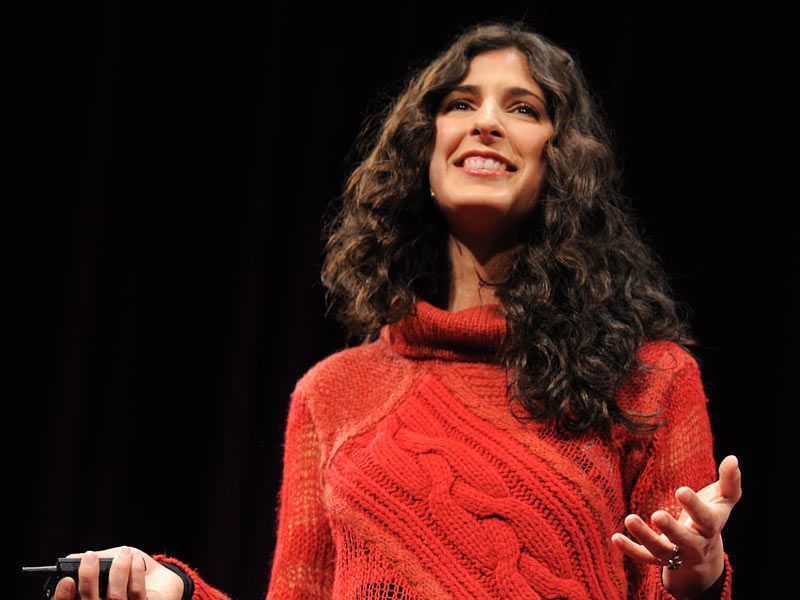
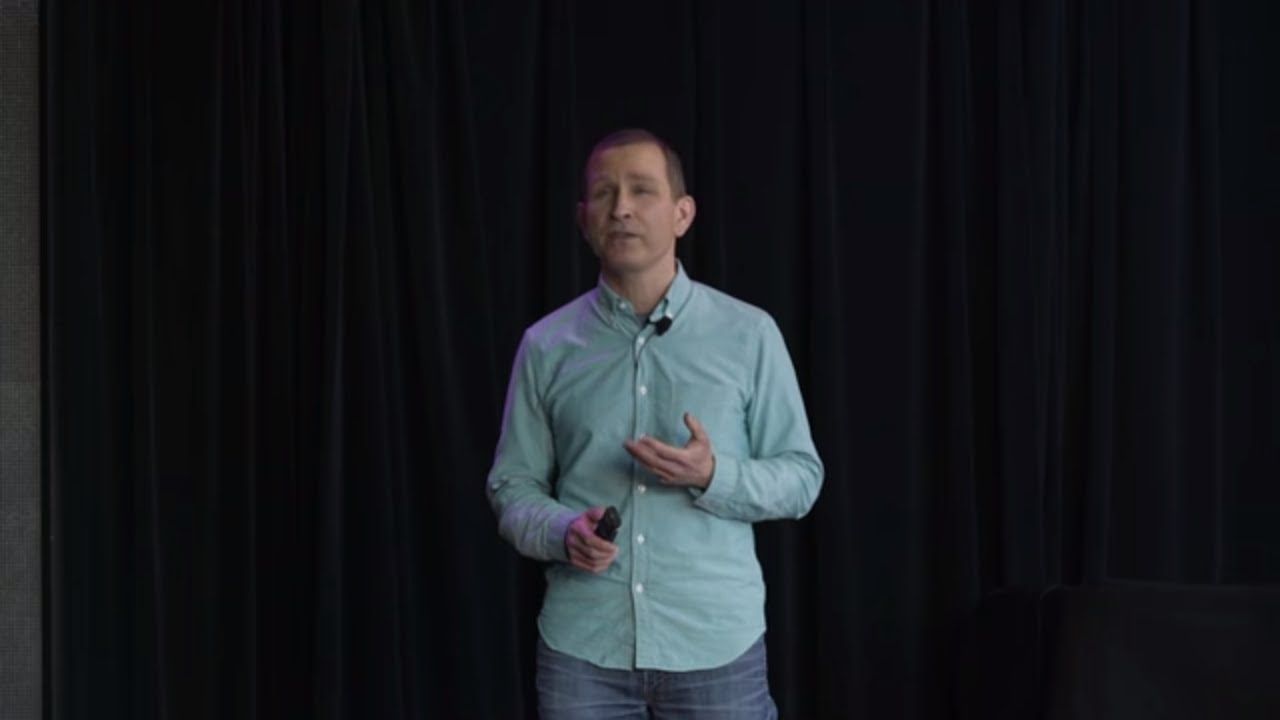
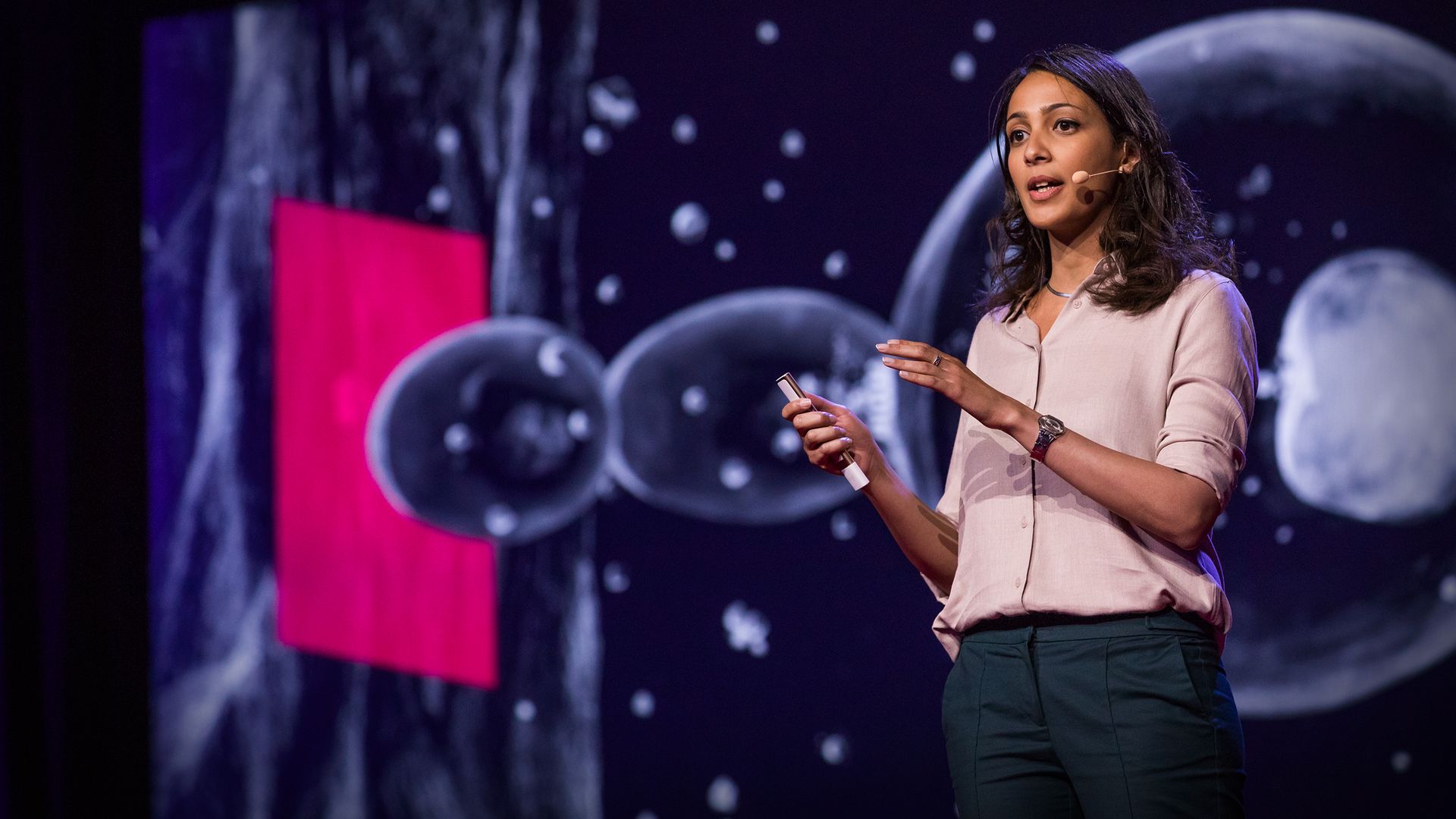
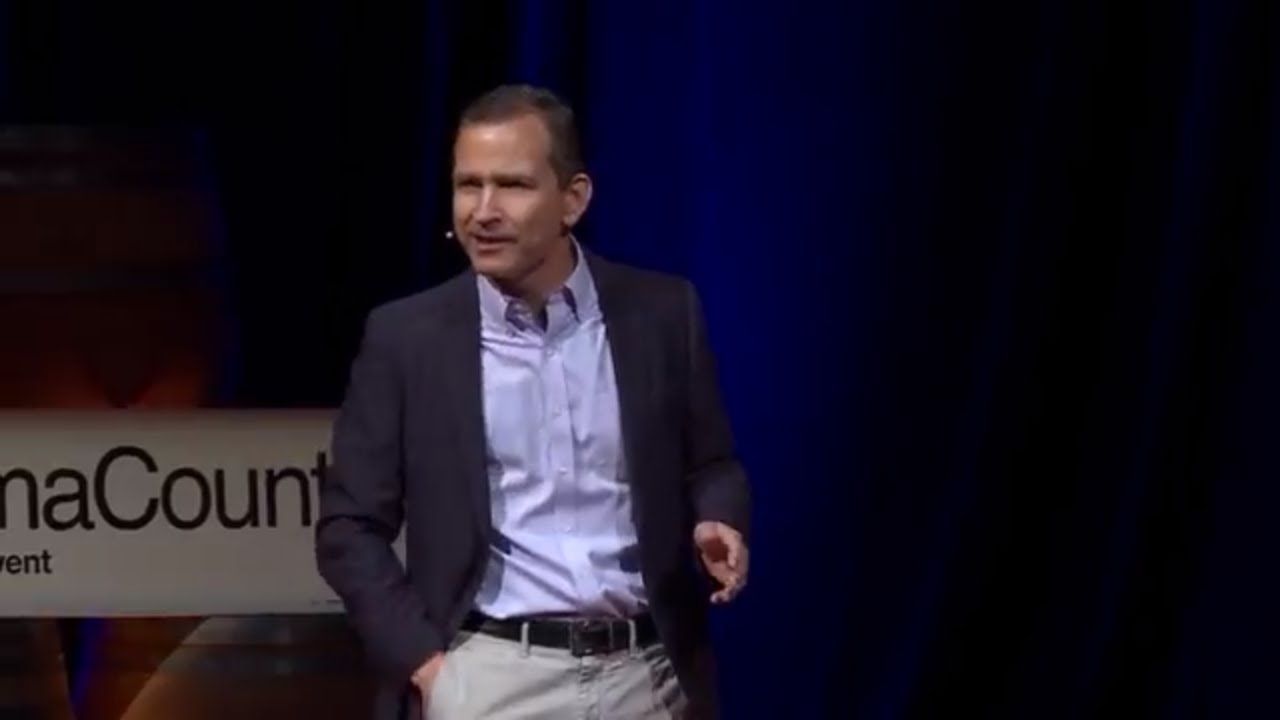
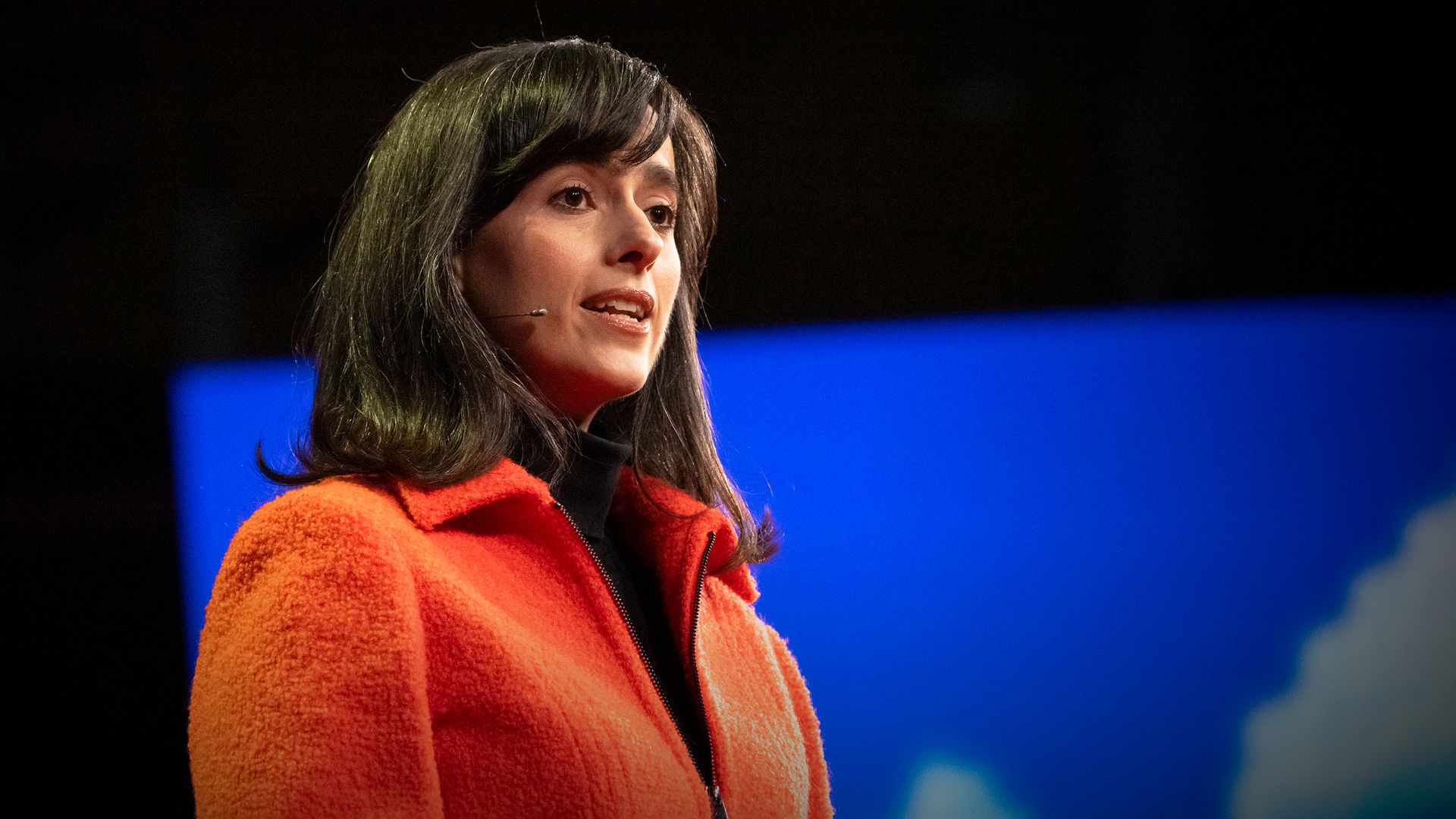
Carissa Véliz

Beware the power of prediction

Podcasts

Hear TED Fellows tell their stories in intimate interviews and learn more about what lies behind their big ideas.

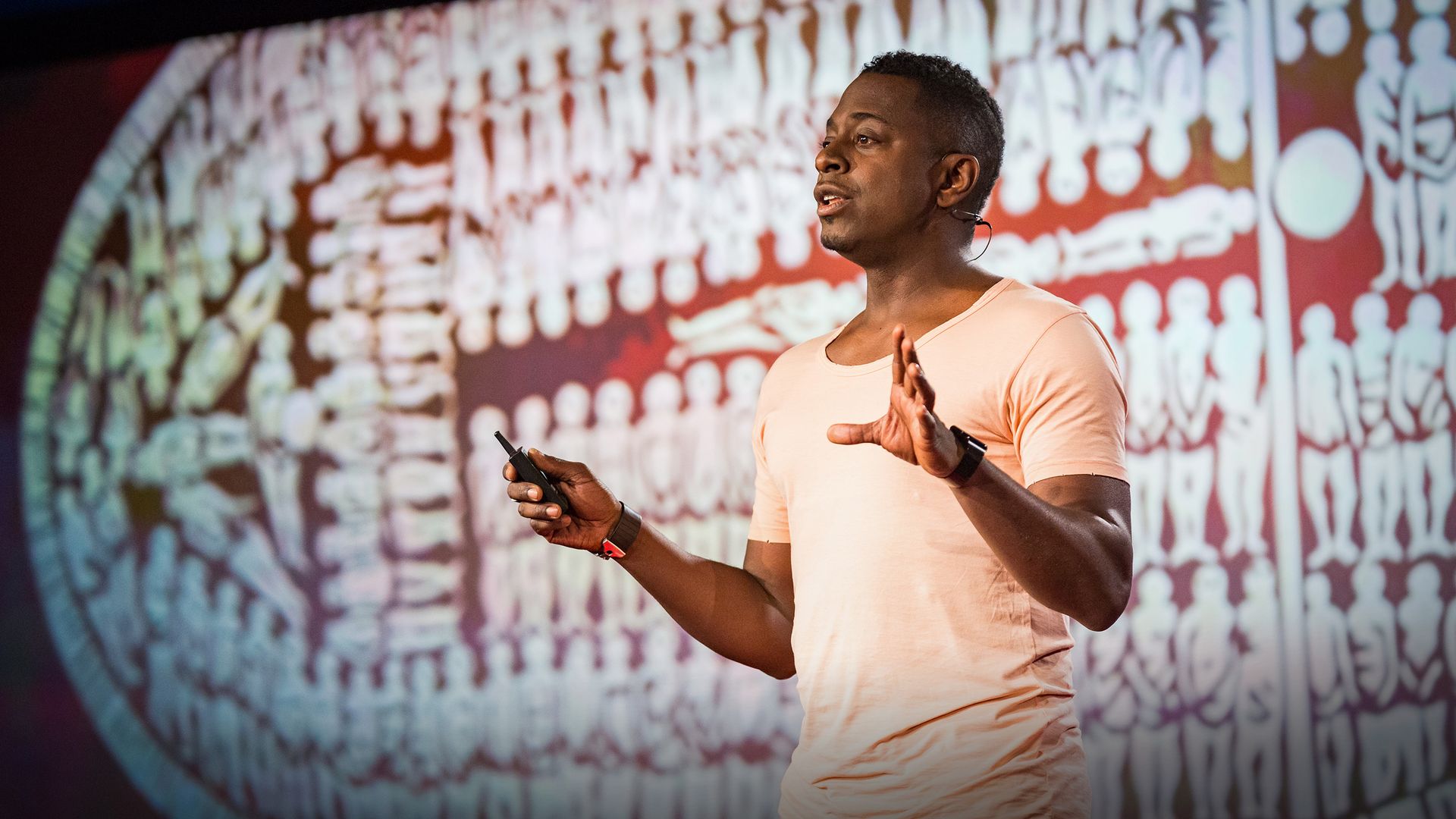
Trinity Tran

Who controls your city's money? | Trinity Tran

What if your city could borrow money from its own bank instead of private lenders? TED Fellow Trinity Tran is leading the push for public banks — which are owned by the people through their local governments — and shows how this model could ensure your local tax dollars stay in your community. 

Ryosuke Takashima

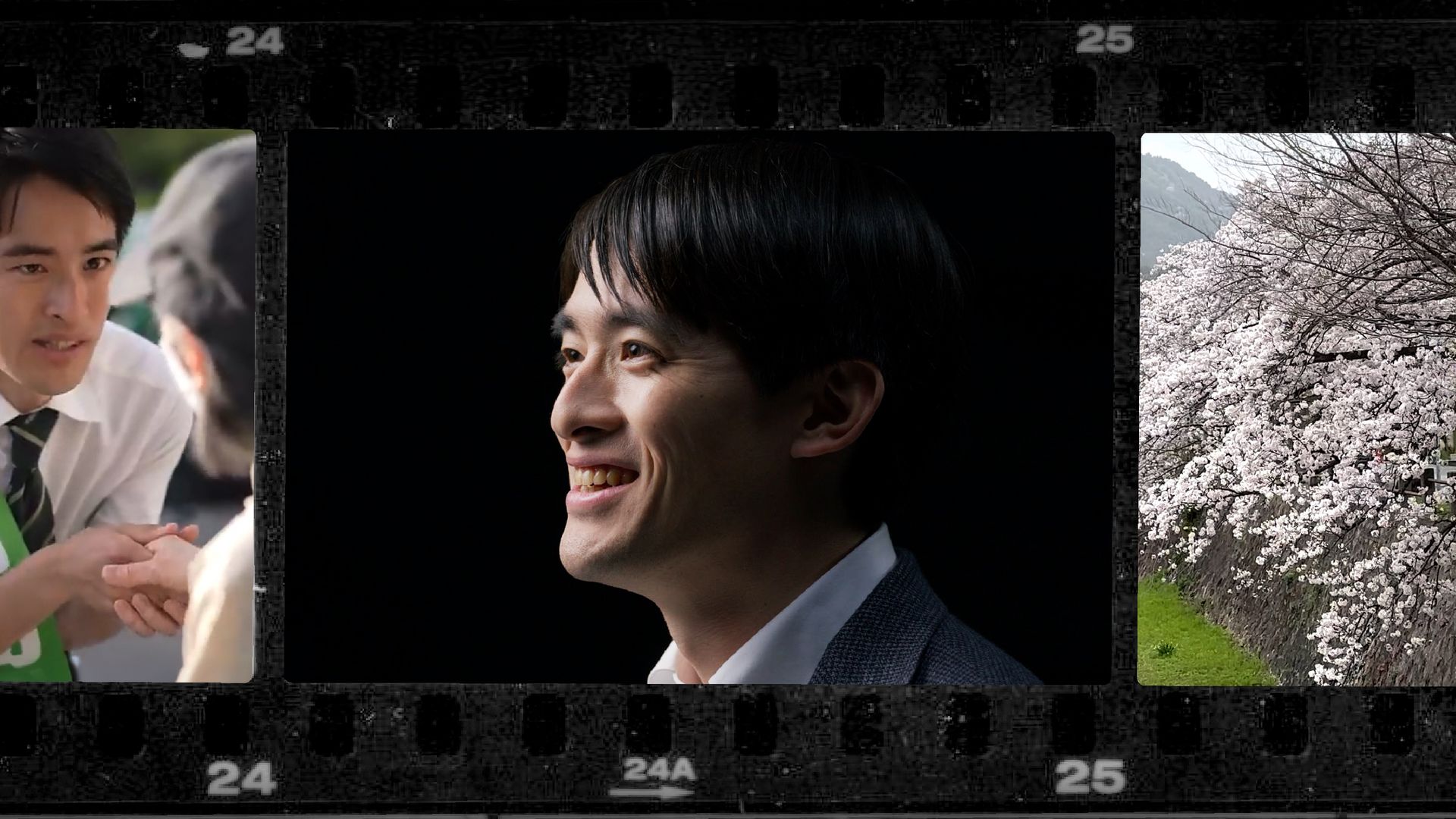
Meet the youngest-ever mayor in Japan's history | Ryosuke Takashima

TED Fellow Ryosuke Takashima is the youngest-ever mayor in Japan's history — but he doesn't consider himself a politician. His approach to leadership is simple: listen to as many voices as possible (from students to elders) in order to figure out what needs fixing. Hear why he thinks inviting citizens to participate in reforming their own communities is the best way to get things done.

Schendy Kernizan

The gravity-defying future of manufacturing | Schendy Kernizan

3D printing promised to reinvent how we make things, but it's mostly stuck producing prototypes with a high level of waste. Designer and TED Fellow Schendy Kernizan found a different way — by printing objects directly into a tub of gel. He explains how this technique eliminates the constraints of gravity, pushing the limits of how we can manufacture objects across medicine, fashion, space travel and more.
Listen to all
Podcast episodes

TED Fellows Films

TED Talks meet documentaries in these short films that explore TED Fellows’ ideas. Dive into all three seasons to explore their mind-blowing innovations. 

05:39

FELLOWS FILM

Meet the youngest-ever mayor in Japan's history

TED Fellow Ryosuke Takashima is the youngest-ever mayor in Japan's history — but he doesn't consider himself a politician. His approach to leadership is simple: listen to as many voices as possible (from students to elders) in order to figure out what needs fixing. Hear why he thinks inviting citizens to participate in reforming their own communities is the best way to get things done.

2026

TED Fellows Film

Ryosuke Takashima
04:47

FELLOWS FILM

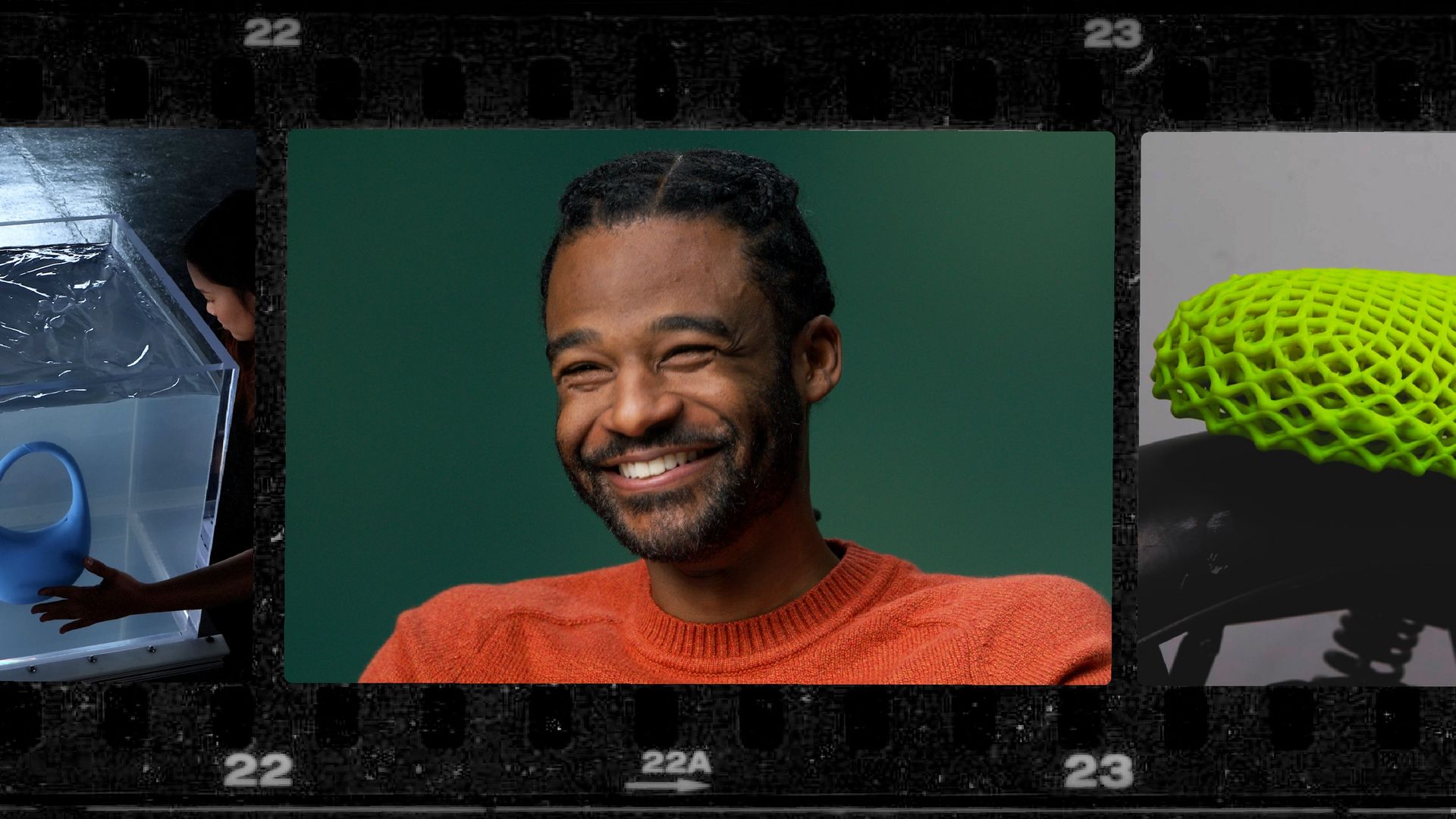
The gravity-defying future of manufacturing

3D printing promised to reinvent how we make things, but it's mostly stuck producing prototypes with a high level of waste. Designer and TED Fellow Schendy Kernizan found a different way — by printing objects directly into a tub of gel. He explains how this technique eliminates the constraints of gravity, pushing the limits of how we can manufacture objects across medicine, fashion, space travel and more.

2026

TED Fellows Film

Schendy Kernizan

Fellows Media Library
With 500+ TED Fellows and counting, we’ve got an entire world of media for you to explore. Dive into these talks, short films and podcasts showcasing Fellows turning ideas into action.

Clear
Sort
Thank you! Your submission has been received!
Oops! Something went wrong while submitting the form.

08:53

There's no shame in taking care of your mental health

When stress got to be too much for TED Fellow Sangu Delle, he had to confront his own deep prejudice: that men shouldn't take care of their mental health. In a personal talk, Delle shares how he learned to handle anxiety in a society that's uncomfortable with emotions. As he says: "Being honest about how we feel doesn't make us weak -- it makes us human."

2017

TED Talk

United States
Meridian Health Group Ltd; Lily Hospitals; Morgan Stanley; Rabito Clinic Limited; mPharma; Council on Foreign Relations; Carepoint Hospitals; Golden Palm Investments; Harvard University; Goldman Sachs; University of Oxford; Andela; Harvard Law School; Ghana International School; CarePoint; Christ The King International School; YPO; Harvard Kennedy School; Peddie School; AXA; Eisenhower Fellowships; University of Birmingham; Harvard Business School; Valiant Capital Partners; Saïd Business School, University of Oxford
Dr. Sangu Delle is an Entrepreneur, Investor, and Author known for his work in building Africa's healthcare future through CarePoint and Golden Palm Investments Corporation. He has also been involved in philanthropic efforts, such as co-founding Cleanacwa and launching the Sangu Delle Foundation focused on education, mental health, and job creation. Additionally, he is actively engaged in various organizations and initiatives, including serving as a Trustee of the Peddie School and being a member of the Harvard Medical School Dean's Global Health and Service Advisory Council. Through his work, Dr. Delle has received numerous international accolades and awards for his contributions to entrepreneurship and social impact in Africa. // Entrepreneur. Investor. Author. All about Africa // We are a Pan-African tech forward healthcare group building Africa's healthcare future using technology and innovation. We currently serve 1 million patients via our 65+ healthcare facilities in Egypt, Ghana, Kenya and Nigeria. We have an ambitious goal to serve 100 million Africans by 2030, primiarly driven by our technology platform. Our Group includes: Seha Healthcare (https://www.seha.healthcare/) Lily Hospitals (https://lilyhospitals.com/) Rabito Clinic (https://www.rabitoclinic.com/) Meridian Health Group (https://mhg.co.ke/) CarePoint Hospitals (https://www.carepointhospitals.com/) MyCareMobile (https://www.mycaremobile.com/) Show less // Investment holding company focused on early stage opportunities in Africa (primarily technology and technology enabled businesses). Portfolio companies: Healthcare Africa Health Holdings (http://africahealthholdings.com/) - Pan-African mPharma (http://mpharma.co) - Pan-African Reliance HMO (https://www.reliancehmo.com/) - Nigeria Education Andela (http://www.andela.co/) - Nigeria, Egypt, Rwanda, Kenya & Uganda Automotive/Transport Autocheck (https://autocheck.com.ng/) - Nigeria Frontier Car Group (www.frontiercargroup.com) - Pan-EM [EXITED] FinTech Chaka (https://chaka.ng/) - Nigeria Flutterwave (https://www.flutterwave.com/) - Pan-Africa Mono (https://techpoint.africa/2020/09/21/mono-raises-500k/) - Nigeria Nestcoin - Nigeria WapiPay - Kenya Touch and Pay - Nigeria Sabi Cash - Nigeria Infrastructure / Supply Chain / Marketplaces Fibre.ng (http://www.fibre.ng) - Nigeria GoldenEye Precision (http://www.goldeneye-pas.com/)- Ghana Jetstream (https://jetstreamafrica.com/) - Ghana Sokowatch (https://sokowatch.com/) - East Africa SOLO Mobile (http://www.gosolo.ng/about-solo.html) - Nigeria Tizeti (https://www.tizeti.com/) - West Africa Eksab - Egypt ILLA - Egypt Minly - Egypt Appetito - Egypt Sendbox - Nigeria Others AJUA (https://ajua.com/) - Pan-Africa Supermart (http://www.supermart.ng/) - Nigeria // Investment holding company focused on early stage opportunities in Africa (primarily technology and technology enabled businesses).Portfolio companies:Africa Health Holdings (http://africahealthholdings.com/) Andela (http://www.andela.co/) - Nigeria, Egypt, Rwanda, Kenya & UgandaFlutterwave (https://www.flutterwave.com/) - Pan-Africa Frontier Car Group (www.frontiercargroup.com) - Pan-EMFibre.ng (http://www.fibre.ng) - NigeriaGoldenEye Precision (http://www.goldeneye-pas.com/)- GhanaJetstream (https://jetstreamafrica.com/)mPharma (http://mpharma.co) - Ghana, Zambia, Nigeria, Zimbabwe, Kenya & IsraelmSurvey (http://msurvey.co.ke/) - KenyaSupermart (http://www.supermart.ng/) - Nigeria Sokowatch (https://sokowatch.com/) - East Africa Reliance HMO (https://www.reliancehmo.com/) - Nigeria SOLO Mobile (http://www.gosolo.ng/about-solo.html) - NigeriaTizeti (https://www.tizeti.com/) - West Africa ZamSolar (http://www.zamsolar.com/) - Zambia // Lily Hospitals is one of Nigeria’s growing networks of private healthcare institutions with an outstanding reputation for delivering excellent clinical services. Since our inception under the current management (1998), we have remained at the forefront of providing and delivering quality patient-centered, responsive, and technology-driven care across various locations in Nigeria to both citizens and foreign nationals. // With a growing country wide network of one – stop medical centres and hospitals, Meridian is one of the market leaders in the provision of quality, cost effective accessible health care in Kenya and East Africa region. At the heart of our corporate philosophy is a devotion to patient – centric care and service excellence. We are dedicated to providing effective and efficient care in a safe, friendly and comfortable environment. This is our promise to you. // We believe, as Dwight Eisenhower did, that Eisenhower Fellowships exists to inspire leaders around the world to challenge themselves, to envision how they can effect positive change, to engage others beyond their existing networks and to collaborate with other like-minded leaders across national borders and regions to better the world around them. Eisenhower Fellows and the positive impact they can have on their societies are at the heart of everything we do. We bring together innovative leaders from all fields and regions of the world, women and men of notable achievement who have the potential to do even more. We strive to ensure the professional, ethnic, racial, gender and geographic diversity of the Fellows and of the regions and nations where we operate. Our mission begins with identifying outstanding ascendant leaders who share President Eisenhower’s belief in the powerful possibilities of a more peaceful, prosperous and just world. We work with mid-career leaders who display the vision and passion to pursue concrete projects with real impact on their societies. We believe our work transcends national boundaries, linking outstanding international leaders with their counterparts in the United States to enhance international understanding and provide rich opportunities for collaboration within the influential Eisenhower Fellows global network. Successful candidates for our program are leaders hungry to advance their personal and professional growth, who can articulate how they can use the fellowship to produce impactful change and who commit to lifelong engagement with the organization and its Fellows around the world. They apply what they learn from their peers and in their meetings with experts in their respective fields to maximize their potential and produce sustained impact through a transformative fellowship experience and collaboration with the netwo // The Council on Foreign Relations (CFR) is an independent, nonpartisan member organization, think tank, and publisher. // CarePoint is a chain of healthcare facilities dedicated to offering the highest quality of health care services at an affordable cost. CarePoint health facilities are situated across several local government and communities in Lagos State. CarePoint - "care you can trust." // Andela is a global talent accelerator that produces world-class remote developers and connects them with top employers. Andela finds the brightest young people in Africa and gives them the training and mentorship needed to thrive as full-time, remote developers for companies around the world. The company is backed by investors including Steve Case, Omidyar Network, Founder Collective, Rothenberg Ventures, Learn Capital, Melo7 Tech Partners, Chris Hughes and Susa Ventures. Andela has offices in North America and Africa. // The leading private healthcare chain in Ghana offering general healthcare services, dermatology and cosmetic dermatology, gynecology and neurology services. // mPharma is re-defining how pharmaceuticals are prescribed, delivered and monitored in Africa // The Panel is designed to provide an informal forum for deep discussions on global trends shaping the world in which AXA operates; to identify ways that AXA can shape its vision and strategy consistent with these trends; and to enable AXA to maximize its positive impact on clients and the communities in which it operates. // Long/short global equities & private equity/venture capital // Distressed investing // Multi-strategy investing (long/short, credit, private equity) // Meridian Health Group Ltd; Lily Hospitals; Morgan Stanley; Rabito Clinic Limited; mPharma; Council on Foreign Relations; Carepoint Hospitals; Golden Palm Investments; Harvard University; Goldman Sachs; University of Oxford; Andela; Harvard Law School; Ghana International School; CarePoint; Christ The King International School; YPO; Harvard Kennedy School; Peddie School; AXA; Eisenhower Fellowships; University of Birmingham; Harvard Business School; Valiant Capital Partners; Saïd Business School, University of Oxford // Sangu Delle is a versatile professional with a focus on entrepreneurship, investment, and authorship, particularly within the African context. He is deeply involved in shaping Africa's healthcare future through technology and innovation, as evidenced by his leadership in a Pan-African tech-forward healthcare group serving millions of patients across multiple countries. Sangu's investment holding company concentrates on early-stage opportunities in Africa, primarily in technology and technology-enabled businesses, with a diverse portfolio spanning healthcare, education, fintech, infrastructure, and more. His work reflects a commitment to driving positive change and impactful projects across various sectors in Africa and beyond. // I am trying to build Africa's future: through entrepreneurship to create jobs and opportunity and through building a sustainable healthcare system. To solve the intractable problems of bad leadership and poor governance, I will be running for office next election cycle. // Dr. Sangu Delle is a multifaceted professional deeply engaged in entrepreneurship, investment, and authorship, with a strong focus on advancing Africa's healthcare landscape. Through his roles in CarePoint, Golden Palm Investments Corporation, and a Pan-African tech-forward healthcare group, he is actively shaping the future of healthcare in Africa through innovation and technology. Dr. Delle's investment endeavors primarily target early-stage opportunities in technology and technology-enabled businesses across diverse sectors like healthcare, education, and fintech. Committed to driving positive change, he has also spearheaded philanthropic initiatives such as Cleanacwa and the Sangu Delle Foundation, emphasizing education, mental health, and job creation. Additionally, his involvement in various organizations and advisory roles underscores his dedication to fostering social impact and entrepreneurship in Africa and beyond. // Investor // An entrepreneur and investor from Ghana who founded Golden Palm Investments to fund promising start-ups and build world-class businesses in Africa. // Biography of DR. SANGU JULIUS DELLE Born in Ghana, Sangu’s childhood home was a refuge for victims of torture and violence from neighboring Liberia and Sierra Leone. Sangu graduated with a Bachelor of Arts (highest honors) in Economics and African Studies, a Doctor of Law and a Master of Business Administration from Harvard University. At Harvard, he received many academic honors including the Thomas Hoopes Prize, the Reverend Peter Gomes Prize, the Philippe Wamba Prize, the Deshaun Hill & Harvard Stephens, the Maurice Sedwell Prize, the Harvard Law School Dean’s Award for Leadership and the Soros Fellowship. Sangu also graduated merit-equivalent with a Master in International Human Rights Law from Oxford University, where he was an Oxford-Allan and Nesta Ferguson scholar. He further graduated with a PhD in Economic Anthropology and African Studies from the University of Birmingham where he was awarded a College of Arts and Law Scholarship. He has obtained Executive Education Certificates in Leadership from the Oxford University Said Business School and the Harvard Kennedy School of Government. As a freshman in college, Sangu founded Golden Palm Investments Corporation (“Golden Palm”) in 2006 with $100 to invest in projects to generate social impact and create jobs in Africa. Today Golden Palm is a leading venture capital firm with over $100 million of assets under management across Africa and the Middle East and has backed leading tech startups such as Andela, Flutterwave, Wasoko, Autochek and mPharma. In 2017, Sangu founded a tech-forward healthcare system called CarePoint, with a vision to “build Africa’s healthcare future.” Sangu currently serves as its Chairman and Chief Executive Officer. CarePoint serves 1 million+ patients a year through its portfolio of 65+ hospitals and clinics in Egypt, Ghana, Nigeria and Kenya and through its telemedicine platform. Sangu previously founded the non-profit Cleanacwa in 2006, which worked on clean water and sanitation initiatives to impact over 200,000 people in 160 villages across Ghana. In 2022, in honor of his 35th birthday, Sangu established the Sangu Delle Foundation to make philanthropic investments in health, education and economic empowerment in Ghana. Sangu has served on several boards and advisory boards including the Peddie School, Flutterwave, mPharma, Autochek and AXA. At Harvard University, Sangu has served on the boards of the Harvard Alumni Association, the Harvard Medical School Dean’s Global Health and Service Advisory Council, the Harvard Business School Fund Council and the Harvard Center for African Studies. He currently serves on Harvard University’s Board of Overseers as the second African (after the late Archbishop Desmond Tutu) to be elected since 1637. He is the President of the Harvard Club of Ghana and chairs Harvard interviews in Ghana. He is also a member of the West Africa Advisory Group of the Rhodes Scholarship at Oxford and the Selection Committee of the West Africa Rhodes Scholarship, for which he was awarded the George Parkin Service Award by the Rhodes Trust at Oxford University in 2019. Sangu serves on the Board of Directors of Ashesi University where he chairs the Audit and Risk Committee and the Legal Committee; and the Board of Directors of his alma mater, Ghana International School. Sangu has received several international accolades including 2023 Institut Choiseul “Digital Entrepreneur of the Year”, 2023 Top 100 Economic Leaders in Africa, RoW 2022 “100 Global Tech Changemakers”, The Root 100 Most Influential Black Americans (2022), 2022 African Young Business Leader of the Year, 2022 Eisenhower Fellow, 2021 World Economic Forum Young Global Leader, Harvard Black Students’ Association 2020 Legacy Award, New Africa Magazine “100 Most Influential Africans of 2019,” Africa CEO Forum Finalist for “Young CEO of the Year”, 2016 GOOD 100 List of “100 people who are improving the world through creativity and innovation,” three times winner of Forbes top 30 most promising entrepreneurs in Africa, Future Africa Awards 2014 “Young Person of the Year,” and Euromoney’s “Africa’s Rising Stars” award. He is a TED Fellow, an Archbishop Desmond Tutu Fellow and a GLG Social Impact Fellow. In 2005, as a high school student, Sangu was featured in TIME magazine’s Tomorrow25 as one of 25 future world leaders. Sangu is a licensed attorney, admitted to practice law in the Commonwealth of Massachusetts and the District of Columbia. He has traveled to over 100 countries globally including 47 in Africa and is the award-winning author of Making Futures: Young Entrepreneurs in a Dynamic Africa, which was shortlisted for the Financial Times / McKinsey Bracken Bower Prize for best business book by an author under age 40. Sangu’s Catholic faith is very important to him and he serves the church ministry as a lector and a member of the Noble Order of the Knights of Marshall and the Knights of Colombus. // When stress got to be too much for TED Fellow Sangu Delle, he had to confront his own deep prejudice: that men shouldn't take care of their mental health. In a personal talk, Delle shares how he learned to handle anxiety in a society that's uncomfortable with emotions. As he says: "Being honest about how we feel doesn't make us weak -- it makes us human." // In this short, provocative talk, financier Sangu Delle questions whether microfinance — small loans to small entrepreneurs -- is the best way to drive growth in developing countries. "We seem to be fixated on this romanticized idea that every poor person in Africa is an entrepreneur,” he says. "Yet, my work has taught me that most people want jobs.” Delle, a TED Fellow, makes the case for supporting large companies and factories — and clearing away the obstacles to pan-African trade. // Dr. Sangu Delle is a multifaceted professional deeply engaged in entrepreneurship, investment, and authorship, with a strong focus on advancing Africa's healthcare landscape. Through his roles in CarePoint, Golden Palm Investments Corporation, and a Pan-African tech-forward healthcare group, he is actively shaping the future of healthcare in Africa through innovation and technology. Dr. Delle's investment endeavors primarily target early-stage opportunities in technology and technology-enabled businesses across diverse sectors like healthcare, education, and fintech. Committed to driving positive change, he has also spearheaded philanthropic initiatives such as Cleanacwa and the Sangu Delle Foundation, emphasizing education, mental health, and job creation. Additionally, his involvement in various organizations and advisory roles underscores his dedication to fostering social impact and entrepreneurship in Africa and beyond. // Investor // technology, infrastructure, mental health, violence, water, sanitation, telemedicine, education, entrepreneurship, auditing, workforce, fintech, venture capital, capital markets, jobs, job skills training, water sanitation, finance, africa, research, developing countries, supply chain, human rights, race, rights, international human rights law, economic anthropology, youth entrepreneurship, women, impact investing, rural villages, affordable, gender, youth, healthcare, economic empowerment, microfinance, cars, children, workforce development, rural, empowerment, investments in africa, governance, law, rain water, clean water, government, investing in startup companies, income // Nigeria|Washington|United States|Ghana|Egypt|Kenya|District of Columbia
Nigeria|Washington|United States|Ghana|Egypt|Kenya|District of Columbia

Sangu Delle

No items found.
2017

03:53

Caring for engineered tissue

Tissue engineer and TED Fellow Nina Tandon is growing artificial hearts and bones. To do that, she needs new ways of caring for artificially grown cells -- techniques she's developed by the simple but powerful method of copying their natural environments.

2011

TED Talk

United States
Tissue engineering researcher // An American electrical engineer and research scientist who explores how electrical stimulation encourages tissue growth. She is also a certified yoga instructor who explores the intersections between mindfulness, education and the scientific process in her own life, and, increasingly, with her students! // Nina Tandon is CEO and co-founder of EpiBone, the world’s first company growing living human bones for skeletal reconstruction. She is the co-author of Super Cells: Building with Biology, a book that explores the new frontier of biotech. Nina has also been awarded Crain's New York, Forty Under 40; Ernst & Young, Winning Woman; and Goldman Sachs, 100 Most Intriguing Entrepreneurs. She has a Bachelor’s in Electrical Engineering from the Cooper Union, a Master’s in Bioelectrical Engineering from MIT, a PhD in Biomedical Engineering, as well as an MBA from Columbia University. Her PhD research focused on studying electrical signaling in the context of tissue engineering, and has worked with cardiac, skin, bone, and neural tissue. // As humans live longer than ever before, we need our implants to last as long as we do, says bioengineer Nina Tandon. Using stem cells and digital fabrication, she's working on growing anatomically precise spare parts for the human body, replacing damaged bones, cartilage and more with implants that fit perfectly and hold up for a lifetime. // Each of our bodies is utterly unique, which is a lovely thought until it comes to treating an illness -- when every body reacts differently, often unpredictably, to standard treatment. Tissue engineer Nina Tandon talks about a possible solution: Using pluripotent stem cells to make personalized models of organs on which to test new drugs and treatments, and storing them on computer chips. (Call it extremely personalized medicine.) // Tissue engineer and TED Fellow Nina Tandon is growing artificial hearts and bones. To do that, she needs new ways of caring for artificially grown cells -- techniques she's developed by the simple but powerful method of copying their natural environments. // Nina Tandon is CEO and co-founder of EpiBone, the world’s first company growing living human bones for skeletal reconstruction. She is the co-author of Super Cells: Building with Biology, a book that explores the new frontier of biotech. Nina has also been awarded Crain's New York, Forty Under 40; Ernst & Young, Winning Woman; and Goldman Sachs, 100 Most Intriguing Entrepreneurs. She has a Bachelor’s in Electrical Engineering from the Cooper Union, a Master’s in Bioelectrical Engineering from MIT, a PhD in Biomedical Engineering, as well as an MBA from Columbia University. Her PhD research focused on studying electrical signaling in the context of tissue engineering, and has worked with cardiac, skin, bone, and neural tissue. // Tissue engineering researcher // jewelry design & silversmithing, education, entrepreneurship, electrical engineering, making fresh pasta, research, watergun assassination, design, stem, bioreactors, stem cells, biotech, jewelry, bioelectricity, climbing fences, tissue engineering, biomimicry, headstands // United States|New York
United States|New York

Nina Tandon

No items found.
2011

04:06

An artist's unflinching look at racial violence

Conceptual artist and TED Fellow Sanford Biggers uses painting, sculpture, video and performance to spark challenging conversations about the history and trauma of black America. Join him as he details two compelling works and shares the motivation behind his art. "Only through more thoughtful dialogue about history and race can we evolve as individuals and society," Biggers says.

2016

TED Talk

United States
School of the Art Institute of Chicago; Syracuse Univ.; The School of the Art Institute of Chicago; Morehouse College; Skowhegan School of Painting & Sculpture
Sanford Biggers is an artist whose work delves into narrative, perspective, and history to address current social, political, and economic issues. He collaborates with the past by exploring cultural and political narratives from American history. Biggers works with antique quilts, drawing and painting on them to contribute to the narrative of the Underground Railroad. His BAM series memorializes victims of police violence by sculpting bronze remnants of wooden African statues. He also creates hybridized forms in marble, blending classical and historical subjects. As the creative director of Moon Medicin, a multimedia concept band, he combines visual arts and music in performances. Biggers has received numerous awards and accolades, including a Guggenheim Fellowship. His work has been exhibited in various museums and institutions, and he has solo exhibitions showcasing his diverse artistic practice. // Sanford Biggers, an artist represented by Marianne Boesky Gallery, incorporates a wide range of influences in his work, including Los Angeles graffiti culture, African American folk traditions, Buddhism, and African and European sculptural traditions. His visual motifs often include pianos, trees, Cheshire Cat smiles, and lotus flowers, each carrying multiple meanings that evolve with each new interpretation. // School of the Art Institute of Chicago; Syracuse Univ.; The School of the Art Institute of Chicago; Morehouse College; Skowhegan School of Painting & Sculpture // Sanford Biggers is a versatile artist whose work spans various mediums and themes, blending historical narratives with contemporary social issues. Through his unique approach to art, he explores American history, cultural narratives, and political themes, often using antique quilts and bronze sculptures to convey powerful messages. Biggers' artistic practice also extends to music, as seen in his role as the creative director of Moon Medicin, a multimedia concept band that combines visual arts with musical performances. His diverse influences, ranging from graffiti culture to African American folk traditions, Buddhism, and European sculptural traditions, contribute to the rich tapestry of his work. With a notable Guggenheim Fellowship and a strong presence in prestigious museums and galleries, Biggers continues to captivate audiences with his thought-provoking and multi-faceted artistic expressions. // Interdisciplinary artist // An LA native working in NYC, Sanford Biggers creates artworks that integrate film, video, installation, sculpture, drawing, original music and performance. He intentionally complicates issues such as hip hop, Buddhism, politics, identity and art history in order to offer new perspectives and associations for established symbols. Through a multi-disciplinary formal process and a syncretic creative approach he makes works that are as aesthetically pleasing as they are conceptual. The significance of Biggers’ work within contemporary society has been celebrated through solo exhibitions both nationally and internationally, most recently at the Brooklyn Museum, Sculpture Center and Mass MoCA. He has participated in prestigious residencies and fellowships including: Akademie Schloss Solitude, Stuttgart, Germany; Ujazdowski Castle, Warsaw, Poland; Headlands Center for the Arts, Sausalito, California; ARCUS Project Foundation, Ibaraki, Japan; and the Art in General/ Trafo Gallery Eastern European Exchange in Budapest, Hungary. He has been a fellow of the Creative Time Global Residency, the Socrates Sculpture Park Residency, the Lower Manhattan Cultural Council World Views AIR Program, the Eyebeam Atelier Teaching Residency, the Studio Museum AIR Program, the P.S. 1 International Studio Program, and the Skowhegan School of Painting and Sculpture residency. Sanford Biggers’ installations, videos, and performances have appeared in venues worldwide including Tate Britain and Tate Modern in London, the Whitney Museum and Studio Museum in Harlem, New York, and the Yerba Bue a Center for the Arts in San Francisco, as well as institutions in China, Germany, Hungary, Japan, Poland and Russia. The artist’s works have been included in notable exhibitions such as: Prospect 1 New Orleans Biennial, Illuminations at the Tate Modern, Performa 07 in NY, the Whitney Biennial, and Freestyle at the Studio Museum in Harlem. His works are included in the collections of the Museum of Modern Art, Walker Art Center, Whitney Museum, Brooklyn Museum and Bronx Museum. Biggers has won awards including: the American Academy in Berlin Prize, Greenfield Prize, New York City Art Teachers Association Artist-of-the-Year, Creative Time Travel Grant, Creative Capital Project Grant, New York Percent for the Arts Commission, Art Matters Grant, New York Foundation for the Arts Award, the Lambent Fellowship in the Arts, the Pennies From Heaven/ New York Community Trust Award, Tanne Foundation Award, and Rema Hort Mann Foundation Award Grant. Biggers is Associate Professor at Columbia University's Visual Arts program and a board member of Sculpture Center, Neuehouse, Soho House and the CUE Foundation. He has also taught at Virginia Commonwealth University’s Sculpture and Expanded Media program and was a visiting professor at Harvard University // Conceptual artist and TED Fellow Sanford Biggers uses painting, sculpture, video and performance to spark challenging conversations about the history and trauma of black America. Join him as he details two compelling works and shares the motivation behind his art. "Only through more thoughtful dialogue about history and race can we evolve as individuals and society," Biggers says. // Sanford Biggers is a versatile artist whose work spans various mediums and themes, blending historical narratives with contemporary social issues. Through his unique approach to art, he explores American history, cultural narratives, and political themes, often using antique quilts and bronze sculptures to convey powerful messages. Biggers' artistic practice also extends to music, as seen in his role as the creative director of Moon Medicin, a multimedia concept band that combines visual arts with musical performances. His diverse influences, ranging from graffiti culture to African American folk traditions, Buddhism, and European sculptural traditions, contribute to the rich tapestry of his work. With a notable Guggenheim Fellowship and a strong presence in prestigious museums and galleries, Biggers continues to captivate audiences with his thought-provoking and multi-faceted artistic expressions. // Interdisciplinary artist // violence, design, education, politics, teachers, contemporary art, railroad, trees // New York|United States|USA
New York|United States|USA

Sanford Biggers

No items found.
2016

05:14

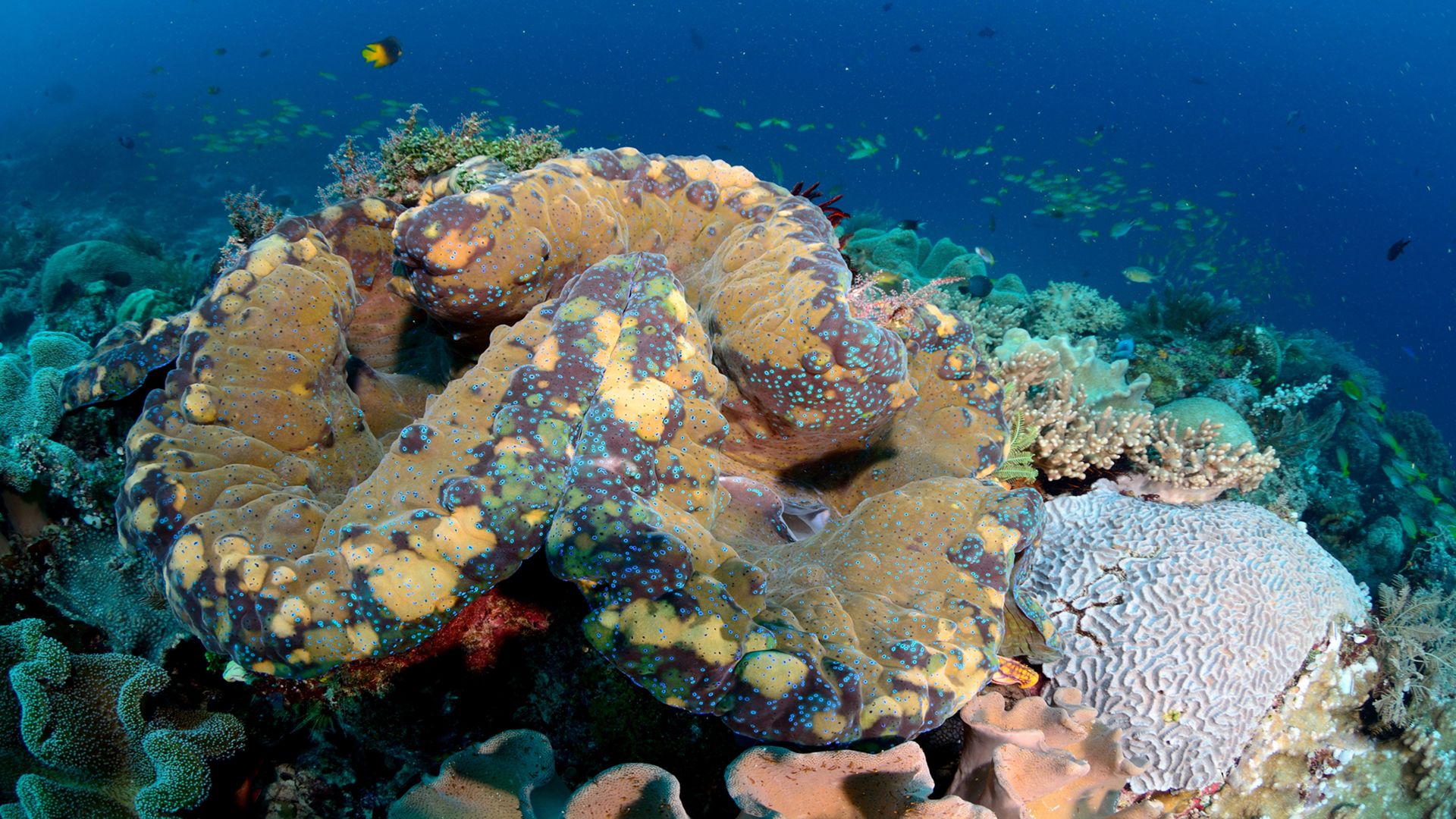
The fascinating secret lives of giant clams

When you think about the deep blue sea, you might instantly think of whales or coral reefs. But spare a thought for giant clams, the world's largest living shellfish. These incredible creatures can live to 100, grow up to four and a half feet long and weigh as much as three baby elephants. In this charming talk, marine biologist Mei Lin Neo shares why she's obsessively trying to turn these legendary sea creatures into heroes of the oceans.

2017

TED Talk

Singapore
Mothers in Science; DHI; Large Marine Vertebrates (LAMAVE) Philippines, PHYSALUS; National University of Singapore
Mei Lin Neo is a Marine Ecologist, Science Communicator, TED Fellow, WEF Young Scientist, and advocate for Mothers in Science. She is known as the "Giant Clam Girl" due to her research on giant clams, which are the world's largest living marine bivalves. Mei Lin's work involves advancing mariculture for tropical marine organisms, including sea snails. Her research team has achieved significant milestones in the reproduction and husbandry of cowries, a type of sea snail. Mei Lin is actively involved in various conferences, symposiums, and workshops related to marine conservation, science communication, and sustainability. She has also been featured in media outlets for her work, such as documentaries, publications, and public speaking engagements. Additionally, Mei Lin is engaged in educational outreach, sharing her passion for marine conservation and the natural world with a global audience. // Tropical Marine Science Institute, National University of Singapore• Responsible for the development and management of numerous research projects focusing on the conservation research of the giant clams, invertebrate larval reproduction and ecology (i.e. giant clams, sea urchins), science communication and citizen science, marine plastic pollution, etc.• Oversees the science communication efforts at the institute, through developing outreach and education programmes, co-organising school camps, giving public talks, etc. // Department of Biological Sciences, National University of Singapore• Responsible for the project “Giant clam (family Tridacnidae) conservation in Singapore: Re-introducing Tridacna gigas, the world’s largest living bivalve mollusc”.• Carried out research resulting in the transplantation of cultured giant clams onto Singapore’s reefs for restocking purposes.• Developed outreach materials to share about the giant clam species and its natural history in Singapore.• Participated in outreach talks to promote awareness of giant clam conservation research in Singapore. // Tropical Marine Science Institute, National University of SingaporeBased at the St John's Island National Marine Laboratory (sjinml.nus.edu.sg) // • Climate Change Project.• To conduct comprehensive search for journal and grey publications, and summarise key information gleaned from publication search.• To support the technical team.• To assist in creating a climate change database. // • Whale shark project – conducted field research to examine the effects of provisioning on whale shark behaviour in Oslob, Cebu, Philippines.• Education campaigns for local elementary schools.• Community mural painting. // • Tutored undergraduate modules in Biodiversity (LSM1103), Animal Behaviour (LSM1301), Ecology and Environment (LSM2251), Ecology of Aquatic Environments (LSM3254), Life Form and Function (LSM3261), Marine Biology (LSM4261), Field Studies in Biodiversity (LSM4263), and Topics in Aquatic Biodiversity (LSM4266).• Mentored and supervised students in the Experimental Marine Ecology Laboratory for Honours and UROPS research projects. // • Restocking of giant clams in Singapore // Mothers in Science; DHI; Large Marine Vertebrates (LAMAVE) Philippines, PHYSALUS; National University of Singapore // Mei Lin Neo is a dedicated marine scientist with a focus on conservation research, particularly in the areas of giant clam species, invertebrate larval reproduction, and marine plastic pollution. With a background in leading research projects at the Tropical Marine Science Institute at the National University of Singapore, Mei Lin has been instrumental in initiatives such as the reintroduction of Tridacna gigas, the world's largest bivalve mollusc, to Singaporean reefs. Mei Lin's expertise also extends to science communication and citizen science, where she has developed outreach programs and educational materials to raise awareness about marine conservation. With a strong commitment to academia, Mei Lin has also contributed to teaching and mentoring undergraduate students in various biology and ecology modules. // Right now, I’m using various science communication tools to engage with local communities on marine conservation. My work still heavily revolves around the conservation of giant clams, and using them as a model to drive meaningful conservation impacts. // Mei Lin Neo is a Marine Ecologist and Science Communicator known for her research on giant clams and other tropical marine organisms. Her work focuses on advancing mariculture techniques and conservation efforts for these species, including sea snails. Mei Lin has made significant contributions to the reproduction and husbandry of cowries, a type of sea snail, and has been actively involved in marine conservation initiatives. She is dedicated to science communication and educational outreach, using various platforms to engage with global audiences on marine conservation issues. Mei Lin's expertise also extends to citizen science and mentoring undergraduate students in biology and ecology. // Marine biologist // Affectionately called the 'giant clam girl', Mei Lin is studying the endangered giant clams of the Indo-Pacific oceans, and promoting ways to protect these rare marine species from going extinct. Beginning her work ten years ago in Singapore, she spearheaded the Singapore's giant clam breeding and restocking program in 2011 during her Ph.D. Mei Lin now oversees the transplantation of baby clams in Singapore's reefs, and monitors their growth and survivorship. She hopes to use science communication to inspire others to join her in protecting the oceans. Mei Lin has received several honors and awards for her research efforts such as the World Future Foundation PhD Prize in Environment and Sustainability (2014), the L'Oréal for Women in Science National Fellowship (2015), The Singapore's Women Weekly Great Women of our Time honoree (2015), Forbes Asia 30 Under 30 (2016), a Young Scientist at the World Economic Forum (2016, 2017), AsianScientist 100 (2017). Mei Lin is recently named a TED Fellow (2017)! // When you think about the deep blue sea, you might instantly think of whales or coral reefs. But spare a thought for giant clams, the world's largest living shellfish. These incredible creatures can live to 100, grow up to four and a half feet long and weigh as much as three baby elephants. In this charming talk, marine biologist Mei Lin Neo shares why she's obsessively trying to turn these legendary sea creatures into heroes of the oceans. // Mei Lin Neo is a Marine Ecologist and Science Communicator known for her research on giant clams and other tropical marine organisms. Her work focuses on advancing mariculture techniques and conservation efforts for these species, including sea snails. Mei Lin has made significant contributions to the reproduction and husbandry of cowries, a type of sea snail, and has been actively involved in marine conservation initiatives. She is dedicated to science communication and educational outreach, using various platforms to engage with global audiences on marine conservation issues. Mei Lin's expertise also extends to citizen science and mentoring undergraduate students in biology and ecology. // Marine biologist // water, education, biodiversity, water quality, mariculture, coastal, data, geospatial analysis, research, climate, design, citizen scientist, marine biology, resource conservation, coral reefs, species, coral, aquatic, women, oceans, pollution, marine plastic pollution, giant clams, education and outreach, marine research, marine conservation, advocacy, environmental impact, island, campaigns, conservation, plastic, plastic pollution, science communication, whale shark, science, oceanography, local communities, communication, aquatic ecosystems, ecology, marine ecology, marine laboratory // Singapore
Singapore

Mei Lin Neo

No items found.
2017

Maternal and child health is a human right | Aparna Hegde

Overcrowded clinics, extensive wait times and overworked doctors are taking a devastating toll on mothers and children in India. In this eye-opening talk, urogynecologist and TED Fellow Aparna Hegde exposes the systemic gaps that lead to preventable deaths every minute -- and introduces a scalable, affordable and empowering tech solution that improves maternal and child health habits, upends patriarchal family dynamics and saves lives. Hosted on Acast. See acast.com/privacy for more information.

2025

Podcasts

Vietnam
UROGYNECOLOGIST, MATERNAL AND CHILD HEALTH INNOVATOR // Urogynecologist and founder of ARMMAN, an organization leveraging mobile technology to empower, inform and serve the more than 14 million Indian women and children plagued by gaps in healthcare infrastructure. // Overcrowded clinics, extensive wait times and overworked doctors are taking a devastating toll on mothers and children in India. In this eye-opening talk, urogynecologist and TED Fellow Aparna Hegde exposes the systemic gaps that lead to preventable deaths every minute -- and introduces scalable, affordable and empowering tech solutions that improve maternal and child health outcomes, upend patriarchal family dynamics and save lives. // Urogynecologist and founder of ARMMAN, an organization leveraging mobile technology to empower, inform and serve the more than 14 million Indian women and children plagued by gaps in healthcare infrastructure. // UROGYNECOLOGIST, MATERNAL AND CHILD HEALTH INNOVATOR // technology, children, infrastructure, affordable, women

Aparna Hegde

No items found.
2025

04:36

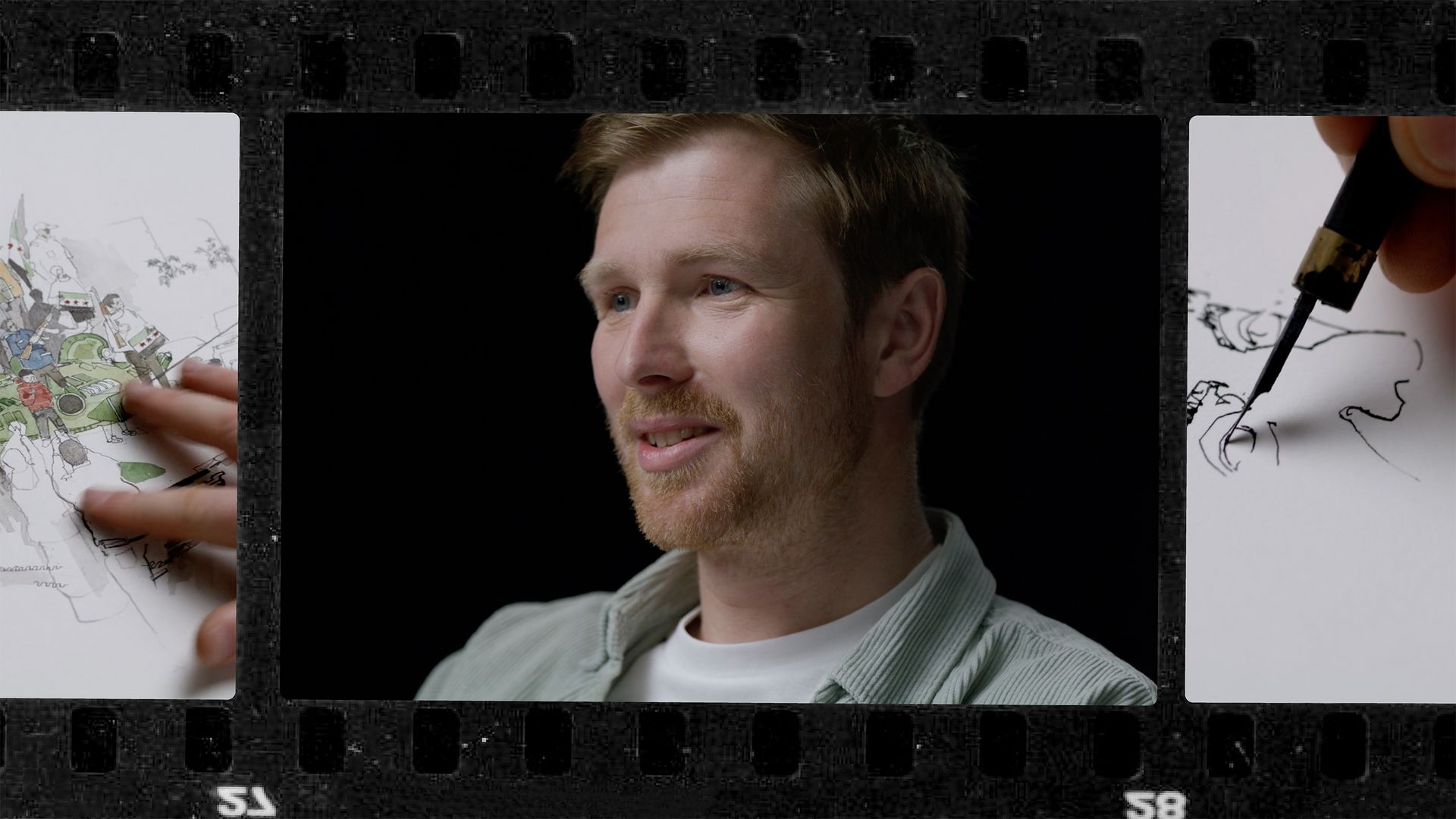
Why I spend hours sketching in conflict zones

Illustrator and TED Fellow George Butler reports on the ground from conflict zones, climate hotspots and humanitarian crises, using pen, ink and watercolors to highlight personal stories of perseverance. By slowing down and going deeper than the headlines, his humanistic approach is shifting how we think about the news.

2025

TED Fellows Film

United Kingdom

George Butler

No items found.
2025

This refrigerator is saving lives | Norah Magero

TED Fellow and renewable energy expert Norah Magero envisions an Africa that pioneers its own technological future, shifting the narrative from dependence and consumption to self-reliance and innovation. She shares how she developed VacciBox — a solar-powered refrigeration system made in Kenya to keep vaccines cold in off-grid areas — and highlights the power of homegrown solutions to transform health care. Hosted on Acast. See acast.com/privacy for more information.

2024

Podcasts

Kenya

Norah Magero

No items found.
Extended interview Lily James Olds Season 1 Fellows Films
2024

15:09

From Agitator to Innovator: Why I Swapped Activism for Food Technology

As the old Socratic adage says, "the unexamined life is not worth living." The more Bruce Friedrich examined his own life, the more he was drawn towards veganism, food technology, and culinary innovation. In this talk, Bruce explains the key considerations we should all make about our dietary choices, and how that same Socratic saying led him to change his approach to vegan advocacy.

2018

TED Talk

United States
The Good Food Institute APAC; Farm Sanctuary; The Good Food Institute India; Grinnell College; The Good Food Institute Israel; The Good Food Institute; The London School of Economics and Political Science (LSE); Baltimore City Public Schools; The Johns Hopkins University; Georgetown University Law Center; The Good Food Institute Europe; Food Solutions Action; The Good Food Institute Brasil
The organization is focused on accelerating the development and adoption of alternative proteins to address global challenges in the food system. They work across science, policy, and industry to advance alternative protein innovation, with a particular emphasis on plant-based, fermentation-derived, and cultivated meats. The organization provides resources, support, and funding opportunities for researchers, entrepreneurs, investors, and companies in the alternative protein space. Their efforts aim to improve food security, reduce environmental impact, and enhance national security by promoting the shift towards alternative proteins as a sustainable and resilient food source. // The Good Food Institute (GFI) is led by President and Founder Bruce Friedrich, who is a prominent figure in the alternative protein industry. Bruce oversees GFI's global strategy and is recognized for his expertise in alternative proteins, global programs, and food innovation. He has been featured in various media outlets and podcasts discussing the importance of modernizing meat production to mitigate climate change and prevent future pandemics. GFI focuses on promoting plant-based and clean meat as sustainable and just protein sources, advocating for government support and investment in alternative proteins to achieve climate goals. // With more than 100 full-time team members across six regions of the world, the Good Food Institute is a 501(c)(3) nonprofit working internationally to make alternative proteins delicious, affordable, and accessible. GFI advances open-access research; mobilizes resources and talent; and empowers partners across the food system to create a sustainable, secure, and just protein supply. GFI is funded entirely by private philanthropic support. See gfi.org.***Team: gfi.org/our-teamJobs: gfi.org/careersStrategy: gfi.org/planYIR: gfi.org/2020 // Taught English and government to 10th and 11th graders in inner-city Baltimore. Named "Teacher of the Year" for my school. Awarded “Recognition of Excellence” for perfect score (200/200) on Praxis II English teacher proficiency exam. // With more than 120 full-time team members across six regions of the world, the Good Food Institute is a 501(c)(3) nonprofit working internationally to make alternative proteins delicious, affordable, and accessible. GFI advances open-access research; mobilizes resources and talent; and empowers partners across the food system to create a sustainable, secure, and just protein supply. GFI is funded entirely by private philanthropic support. See gfi.org. *** Team: gfi.org/our-team Jobs: gfi.org/careers Strategy: gfi.org/plan YIR: gfi.org/2020 // Securing the future of our food system requires action today. With its growing population, America needs a more resilient approach to agriculture - one that prioritizes strengthening all levels of the supply chain. Our mission is to promote solutions that enable our food system to continue supporting farmers and feeding the world in the face of evolving challenges. // Studies consistently show that the primary factors in any consumer’s eating choices are taste, price, and convenience. The Good Food Institute is laser-focused on working to make plant-based and clean meat, dairy, and eggs (real meat, dairy, and eggs, but produced without the use of animals) as delicious, price-competitive, and convenient as possible, through the following:Fostering Innovation: Outreach to top universities for entrepreneurship, synthetic and plant biology, and tissue engineering—to create private and public sector activity focused on advancing innovative alternatives to the products of industrial animal agriculture. Supporting Innovation: Working with the most transformational companies on communications, regulatory work, business plans, venture capital support, and all aspects of their success—to mobilize markets and food technology for maximum transformation away from industrialized animal agriculture. Corporate Engagement: Creating collaborative relationships with food companies, restaurants, and grocery stores to maximize the quality, quantity, and promotion of plant-based alternatives.Institutional Outreach: Educating large grant-making institutions, investors, corporations, and governments about the value of R&D in this field as a critical component in addressing sustainability, climate change, and global hunger—to steer tens of millions of dollars toward alternatives to conventional animal products.Check us out at www.gfi.org, meet our team at www.gfi.org/our-team, and apply to work with us at www.gfi.org/jobs. // Oversaw all legislative, regulatory, and litigation work. // The Good Food Institute APAC; Farm Sanctuary; The Good Food Institute India; Grinnell College; The Good Food Institute Israel; The Good Food Institute; The London School of Economics and Political Science (LSE); Baltimore City Public Schools; The Johns Hopkins University; Georgetown University Law Center; The Good Food Institute Europe; Food Solutions Action; The Good Food Institute Brasil // Bruce Friedrich is a dedicated professional with a background in education and a strong commitment to sustainable food systems. With experience in teaching English and government, he has been recognized for his excellence in the field. Currently, Bruce is a key figure at the Good Food Institute, a nonprofit organization focused on promoting alternative proteins globally. At the institute, he leads a team of over 100 members across multiple regions, working towards making plant-based and clean meat, dairy, and eggs more accessible and affordable. Bruce's expertise lies in fostering innovation, supporting transformative companies, engaging with the corporate sector, and advocating for sustainable food practices. His work involves strategic planning, team management, and collaboration with various stakeholders to drive positive change in the food industry. // I founded the Good Food Institute, a global network of nonprofit science-focused think tanks with more than 225 full-time team members across affiliates in the U.S., India, Israel, Brazil, Singapore, and Europe (UK, Germany, & EC). GFI works on alternative protein policy, science, and corporate engagement - to accelerate the production of plant-based and cultivated meat in order to bolster the global protein supply while protecting our environment, promoting global health, and preventing food insecurity. // Bruce Friedrich is a respected figure in the alternative protein industry, known for his leadership as the President and Founder of The Good Food Institute (GFI). Through GFI, Bruce spearheads global initiatives aimed at advancing plant-based, fermentation-derived, and cultivated meats to address pressing challenges in the food system. His expertise lies in advocating for sustainable and just protein sources, emphasizing the importance of modernizing meat production to combat climate change and enhance food security. With a background in education and a strong commitment to sustainable food systems, Bruce leads a dedicated team at GFI, working tirelessly to promote alternative proteins and drive positive change in the food industry through strategic planning, team management, and collaboration with stakeholders worldwide. // Food innovator // Founder of the Good Food Institute, an organization supporting the creation of plant and cell-based meat for a more healthy and sustainable food system. // Bruce Friedrich is founder & CEO of the Good Food Institute, a global network of nonprofit organizations, with affiliates in the U.S., India, Israel, Brazil, Singapore, and Europe (UK & EU), that works on alternative protein policy, science, and corporate engagement. GFI is accelerating the production of plant-based and cultivated meat in order to bolster the global protein supply while protecting our environment, promoting global health, and preventing food insecurity. Bruce is a TED Fellow, Y Combinator alum, 2021 "American Food Hero" (EatingWell Magazine), and popular speaker on food innovation. He has penned op-eds for the Wall Street Journal, Guardian, USA Today, Los Angeles Times, Wired, CNN, and many other publications. He has represented GFI on the TED Radio Hour, New Yorker Radio Hour, Recode Decode, the Ezra Klein Show, Making Sense (Sam Harris), and a variety of other podcasts and TV programs. Bruce's 2019 TED talk has been viewed more than 2.4 million times and translated into 30 languages. He co-authored two books, contributed chapters or forewords to ten more, and has written seven law review articles. Bruce is also on the board of Food Solutions Action, a 501(c)(4) nonprofit, nonpartisan organization dedicated to accelerating agricultural innovation; he co-founded impact venture funds New Crop Capital and Clear Current Capital, though he has no financial interest in either fund; and he serves on the UN Climate Change Global Innovation Hub Working Group on Nutrition and Health. Bruce graduated magna cum laude from Georgetown Law and also holds degrees from Johns Hopkins University, the London School of Economics, and Grinnell College. // Bruce Friedrich is a respected figure in the alternative protein industry, known for his leadership as the President and Founder of The Good Food Institute (GFI). Through GFI, Bruce spearheads global initiatives aimed at advancing plant-based, fermentation-derived, and cultivated meats to address pressing challenges in the food system. His expertise lies in advocating for sustainable and just protein sources, emphasizing the importance of modernizing meat production to combat climate change and enhance food security. With a background in education and a strong commitment to sustainable food systems, Bruce leads a dedicated team at GFI, working tirelessly to promote alternative proteins and drive positive change in the food industry through strategic planning, team management, and collaboration with stakeholders worldwide. // Food innovator // technology, grassroots, entrepreneurship, food security, education, food technology, led, nutrition, biodiversity, dairy, alternative proteins, biodiversity loss, jobs, finance, cultivated meat, animal agriculture, research, meat, agriculture, resilience, climate, supply chain, food systems, volunteerism, policy, sustainable food, farmers, plant-based, food system, plant-based alternatives, affordable, food policy, climate change, pandemic, plants, environmental impact, teachers, insecurity, alternative protein, litigation, global health, corporate engagement, amr, grassroots organizing, plant-based meat, science, food, national security, law, crops, government, industrial, communication, ecology, pandemic risk // Washington|United States|District of Columbia
Washington|United States|District of Columbia

Bruce Friedrich

No items found.
2018

Keenan Scott II

2021

Podcasts

United States
Theater artist // Keenan Scott II is a playwright, poet, actor, director, and producer of original work from Queens, New York. His work has been produced at Howard University, Gala Hispanic Theatre, National Black Theater, Woolly Mammoth and the NYC Fringe Festival. Keenan’s critically acclaimed piece Thoughts of a Colored Man has been workshopped and developed at The Arena Stage and the historic New York Theatre Workshop for private readings. The play had its World Premiere at Syracuse Stage for their 2019-2020 season and transferred to Baltimore Center Stage to finish its regional run. Thoughts of a Colored Man found its home at the Golden Theater for the 2021-2022 Broadway Season. Through his production company PROJECT TOYS, the mission is to put black and brown people at the center of diverse stories, no matter the orientation or background, to broaden the spectrum of their existence across multiple genres in an authentic and purposeful way. His latest works The Migration LP and The Return of Young Boy is currently being developed at New York Stage & Film. He is currently developing a series for TV with UCP of Universal, and many other projects at major studios. // Keenan Scott Il's passion for words, stories and superheroes fueled his journey to becoming a celebrated playwright, producer, director and actor. Showing how language can illuminate the superhero in all of us, Scott performs three spoken word pieces that seamlessly weave together literary devices like simile, assonance and slant rhyme, sharing the talent he's cultivated despite the obstacles (read: kryptonite). // Keenan Scott II is a playwright, poet, actor, director, and producer of original work from Queens, New York. His work has been produced at Howard University, Gala Hispanic Theatre, National Black Theater, Woolly Mammoth and the NYC Fringe Festival. Keenan’s critically acclaimed piece Thoughts of a Colored Man has been workshopped and developed at The Arena Stage and the historic New York Theatre Workshop for private readings. The play had its World Premiere at Syracuse Stage for their 2019-2020 season and transferred to Baltimore Center Stage to finish its regional run. Thoughts of a Colored Man found its home at the Golden Theater for the 2021-2022 Broadway Season. Through his production company PROJECT TOYS, the mission is to put black and brown people at the center of diverse stories, no matter the orientation or background, to broaden the spectrum of their existence across multiple genres in an authentic and purposeful way. His latest works The Migration LP and The Return of Young Boy is currently being developed at New York Stage & Film. He is currently developing a series for TV with UCP of Universal, and many other projects at major studios. // Theater artist // directing, acting, writing, migration, producing // New York|United States|Brooklyn|USA
New York|United States|Brooklyn|USA

Keenan Scott Ii

No items found.
2021

The symbols of systemic racism -- and how to take away their power | Paul Rucker

Multidisciplinary artist and TED Fellow Paul Rucker is unstitching the legacy of systemic racism in the United States. A collector of artifacts connected to the history of slavery -- from branding irons and shackles to postcards depicting lynchings -- Rucker couldn't find an undamaged Ku Klux Klan robe for his collection, so he began making his own. The result: striking garments in non-traditional fabrics like kente cloth, camouflage and silk that confront the normalization of systemic racism in the US. "If we as a people collectively look at these objects and realize that they are part of our history, we can find a way to where they have no more power over us," Rucker says. (This talk contains graphic images.)

2018

Podcasts

United States
Paul Rucker is a multimedia visual artist, composer, and musician known for integrating live performance, original musical compositions, and visual art installations. His work focuses on illuminating the legacy of enslavement in America and its connection to current socio-political issues. Rucker has received numerous grants, awards, and residencies for his work in visual art and music. He is recognized for his innovative approach to art making, which involves exploring community impacts, human rights issues, historical research, and human emotions. Additionally, Rucker holds various fellowships and teaching positions, including being an Assistant Professor at Virginia Commonwealth University. // Paul Rucker is a visual artist, composer, and musician known for his work that combines various media to explore community impacts, human rights issues, historical research, and human emotions. His current focus is on the prison-industrial complex and the connection between incarceration and slavery. Rucker has exhibited his work nationally, including in educational institutions and prisons, and has collaborated with organizations to address mass incarceration. He holds prestigious fellowships and is currently an Assistant Professor and Curator for Creative Collaboration at VCUarts, Virginia Commonwealth University. // Bring attention to false narratives in history and people left out of the story. Address coordinated exclusion. // Paul Rucker is a multimedia visual artist, composer, and musician whose work delves into the intersections of art, history, and social justice. He is recognized for his innovative approach in integrating live performance, original musical compositions, and visual art installations to shed light on the legacy of enslavement in America and its contemporary socio-political implications. Rucker's artistry extends to exploring community impacts, human rights issues, historical research, and human emotions, with a particular focus on the prison-industrial complex and the ties between incarceration and slavery. Through his exhibitions, collaborations with organizations, and teaching positions at Virginia Commonwealth University, Rucker actively engages in challenging false historical narratives and advocating for marginalized voices in society. // Visual artist + cellist // Paul Rucker is a multimedia visual artist, composer, and musician. His practice often integrates live performance, original musical compositions, and visual art installation. For nearly two decades, Rucker has used his own brand of art making as a social practice, which illuminates the legacy of enslavement in America and its relationship to the current socio-political moment. His work is the product of a rich interactive process, through which he investigates community impacts, human rights issues, historical research, and basic human emotions. Rucker has received numerous grants, awards and residencies for visual art and music. He is a 2012 Creative Capital Grantee in visual art as well as a 2014, 2018, 2019 MAP (Multi-Arts Production) Fund Grantee for performance. In 2015 he received a prestigious Joan Mitchell Painters & Sculptors Grant as well as the Mary Sawyer Baker Award. In 2016 Paul received the Rauschenberg Artist as Activist fellowship and the Smithsonian Artist Research Fellowship, for which he is the first artist in residence at the new National Museum of African American Culture. Residencies include MacDowell Colony, Blue Mountain Center, Ucross Foundation, Art OMI, Banff Centre, Pilchuck Glass School, Rauschenberg Residency, Joan Mitchell Residency, Loghave, Montalvo, Hermitage, Hemera Artist Retreat, Air Serembe, Creative Alliance and the Rockefeller Foundation Study Center in Bellagio, Italy. He will be a Master Teacher at the Atlantic Center for the Arts in 2021. In 2013-2015, he was the Robert W. Deutsch Foundation Artist in Residence and Research Fellow at the Maryland Institute College of Art. He was awarded a 2017 John Simon Guggenheim Fellowship, a 2018 TED Fellowship, a 2020 TED Senior Fellowship and the 2018 Arts Innovator Award from the Dale and Leslie Chihuly Foundation and Artist Trust. His most recent award is a 2020 Art for Justice Fund Fellowship. Rucker is an iCubed Arts Research Fellow and Assistant Professor at Virginia Commonwealth University in Richmond, Virginia and Curator for Creative Collaboration for VCUarts. // Visual artist, cellist and TED Fellow Paul Rucker performs a disarming rendition of "Criminalization of Survival," a piece he created to explore the fragile journey of life in light of the brutality of the immigration crisis. // Multidisciplinary artist and TED Fellow Paul Rucker has developed his own style of cello; he puts chopsticks between his strings, uses the instrument as a drum and experiments with electronics like loop pedals. Moving between reflective storytelling and performance, Rucker shares his inspiration -- and definitely doesn't play the same old Bach. // Multidisciplinary artist and TED Fellow Paul Rucker is unstitching the legacy of systemic racism in the United States. A collector of artifacts connected to the history of slavery -- from branding irons and shackles to postcards depicting lynchings -- Rucker couldn't find an undamaged Ku Klux Klan robe for his collection, so he began making his own. The result: striking garments in non-traditional fabrics like kente cloth, camouflage and silk that confront the normalization of systemic racism in the US. "If we as a people collectively look at these objects and realize that they are part of our history, we can find a way to where they have no more power over us," Rucker says. (This talk contains graphic images.) // Paul Rucker is a multimedia visual artist, composer, and musician whose work delves into the intersections of art, history, and social justice. He is recognized for his innovative approach in integrating live performance, original musical compositions, and visual art installations to shed light on the legacy of enslavement in America and its contemporary socio-political implications. Rucker's artistry extends to exploring community impacts, human rights issues, historical research, and human emotions, with a particular focus on the prison-industrial complex and the ties between incarceration and slavery. Through his exhibitions, collaborations with organizations, and teaching positions at Virginia Commonwealth University, Rucker actively engages in challenging false historical narratives and advocating for marginalized voices in society. // Visual artist + cellist // research, glass, racism, activism, history, human rights, rights, education, immigration, address false narratives, teachers, justice, coordinated exclusion // Maryland|United Kingdom|USA|Richmond|England|Baltimore|Virginia
Maryland|United Kingdom|USA|Richmond|England|Baltimore|Virginia

Paul Rucker

No items found.
2018

The next global agricultural revolution | Bruce Friedrich

Meat production is destroying the planet and jeopardizing our health -- but people aren't going to eat less meat unless we give them alternatives that cost the same (or less) and that taste the same (or better). In an eye-opening talk, food innovator and TED Fellow Bruce Friedrich shows the plant- and cell-based products that could soon transform the global meat industry -- and your dinner plate. Hosted on Acast. See acast.com/privacy for more information.

2023

Podcasts

United States
The Good Food Institute APAC; Farm Sanctuary; The Good Food Institute India; Grinnell College; The Good Food Institute Israel; The Good Food Institute; The London School of Economics and Political Science (LSE); Baltimore City Public Schools; The Johns Hopkins University; Georgetown University Law Center; The Good Food Institute Europe; Food Solutions Action; The Good Food Institute Brasil
The organization is focused on accelerating the development and adoption of alternative proteins to address global challenges in the food system. They work across science, policy, and industry to advance alternative protein innovation, with a particular emphasis on plant-based, fermentation-derived, and cultivated meats. The organization provides resources, support, and funding opportunities for researchers, entrepreneurs, investors, and companies in the alternative protein space. Their efforts aim to improve food security, reduce environmental impact, and enhance national security by promoting the shift towards alternative proteins as a sustainable and resilient food source. // The Good Food Institute (GFI) is led by President and Founder Bruce Friedrich, who is a prominent figure in the alternative protein industry. Bruce oversees GFI's global strategy and is recognized for his expertise in alternative proteins, global programs, and food innovation. He has been featured in various media outlets and podcasts discussing the importance of modernizing meat production to mitigate climate change and prevent future pandemics. GFI focuses on promoting plant-based and clean meat as sustainable and just protein sources, advocating for government support and investment in alternative proteins to achieve climate goals. // With more than 100 full-time team members across six regions of the world, the Good Food Institute is a 501(c)(3) nonprofit working internationally to make alternative proteins delicious, affordable, and accessible. GFI advances open-access research; mobilizes resources and talent; and empowers partners across the food system to create a sustainable, secure, and just protein supply. GFI is funded entirely by private philanthropic support. See gfi.org.***Team: gfi.org/our-teamJobs: gfi.org/careersStrategy: gfi.org/planYIR: gfi.org/2020 // Taught English and government to 10th and 11th graders in inner-city Baltimore. Named "Teacher of the Year" for my school. Awarded “Recognition of Excellence” for perfect score (200/200) on Praxis II English teacher proficiency exam. // With more than 120 full-time team members across six regions of the world, the Good Food Institute is a 501(c)(3) nonprofit working internationally to make alternative proteins delicious, affordable, and accessible. GFI advances open-access research; mobilizes resources and talent; and empowers partners across the food system to create a sustainable, secure, and just protein supply. GFI is funded entirely by private philanthropic support. See gfi.org. *** Team: gfi.org/our-team Jobs: gfi.org/careers Strategy: gfi.org/plan YIR: gfi.org/2020 // Securing the future of our food system requires action today. With its growing population, America needs a more resilient approach to agriculture - one that prioritizes strengthening all levels of the supply chain. Our mission is to promote solutions that enable our food system to continue supporting farmers and feeding the world in the face of evolving challenges. // Studies consistently show that the primary factors in any consumer’s eating choices are taste, price, and convenience. The Good Food Institute is laser-focused on working to make plant-based and clean meat, dairy, and eggs (real meat, dairy, and eggs, but produced without the use of animals) as delicious, price-competitive, and convenient as possible, through the following:Fostering Innovation: Outreach to top universities for entrepreneurship, synthetic and plant biology, and tissue engineering—to create private and public sector activity focused on advancing innovative alternatives to the products of industrial animal agriculture. Supporting Innovation: Working with the most transformational companies on communications, regulatory work, business plans, venture capital support, and all aspects of their success—to mobilize markets and food technology for maximum transformation away from industrialized animal agriculture. Corporate Engagement: Creating collaborative relationships with food companies, restaurants, and grocery stores to maximize the quality, quantity, and promotion of plant-based alternatives.Institutional Outreach: Educating large grant-making institutions, investors, corporations, and governments about the value of R&D in this field as a critical component in addressing sustainability, climate change, and global hunger—to steer tens of millions of dollars toward alternatives to conventional animal products.Check us out at www.gfi.org, meet our team at www.gfi.org/our-team, and apply to work with us at www.gfi.org/jobs. // Oversaw all legislative, regulatory, and litigation work. // The Good Food Institute APAC; Farm Sanctuary; The Good Food Institute India; Grinnell College; The Good Food Institute Israel; The Good Food Institute; The London School of Economics and Political Science (LSE); Baltimore City Public Schools; The Johns Hopkins University; Georgetown University Law Center; The Good Food Institute Europe; Food Solutions Action; The Good Food Institute Brasil // Bruce Friedrich is a dedicated professional with a background in education and a strong commitment to sustainable food systems. With experience in teaching English and government, he has been recognized for his excellence in the field. Currently, Bruce is a key figure at the Good Food Institute, a nonprofit organization focused on promoting alternative proteins globally. At the institute, he leads a team of over 100 members across multiple regions, working towards making plant-based and clean meat, dairy, and eggs more accessible and affordable. Bruce's expertise lies in fostering innovation, supporting transformative companies, engaging with the corporate sector, and advocating for sustainable food practices. His work involves strategic planning, team management, and collaboration with various stakeholders to drive positive change in the food industry. // I founded the Good Food Institute, a global network of nonprofit science-focused think tanks with more than 225 full-time team members across affiliates in the U.S., India, Israel, Brazil, Singapore, and Europe (UK, Germany, & EC). GFI works on alternative protein policy, science, and corporate engagement - to accelerate the production of plant-based and cultivated meat in order to bolster the global protein supply while protecting our environment, promoting global health, and preventing food insecurity. // Bruce Friedrich is a respected figure in the alternative protein industry, known for his leadership as the President and Founder of The Good Food Institute (GFI). Through GFI, Bruce spearheads global initiatives aimed at advancing plant-based, fermentation-derived, and cultivated meats to address pressing challenges in the food system. His expertise lies in advocating for sustainable and just protein sources, emphasizing the importance of modernizing meat production to combat climate change and enhance food security. With a background in education and a strong commitment to sustainable food systems, Bruce leads a dedicated team at GFI, working tirelessly to promote alternative proteins and drive positive change in the food industry through strategic planning, team management, and collaboration with stakeholders worldwide. // Food innovator // Founder of the Good Food Institute, an organization supporting the creation of plant and cell-based meat for a more healthy and sustainable food system. // Bruce Friedrich is founder & CEO of the Good Food Institute, a global network of nonprofit organizations, with affiliates in the U.S., India, Israel, Brazil, Singapore, and Europe (UK & EU), that works on alternative protein policy, science, and corporate engagement. GFI is accelerating the production of plant-based and cultivated meat in order to bolster the global protein supply while protecting our environment, promoting global health, and preventing food insecurity. Bruce is a TED Fellow, Y Combinator alum, 2021 "American Food Hero" (EatingWell Magazine), and popular speaker on food innovation. He has penned op-eds for the Wall Street Journal, Guardian, USA Today, Los Angeles Times, Wired, CNN, and many other publications. He has represented GFI on the TED Radio Hour, New Yorker Radio Hour, Recode Decode, the Ezra Klein Show, Making Sense (Sam Harris), and a variety of other podcasts and TV programs. Bruce's 2019 TED talk has been viewed more than 2.4 million times and translated into 30 languages. He co-authored two books, contributed chapters or forewords to ten more, and has written seven law review articles. Bruce is also on the board of Food Solutions Action, a 501(c)(4) nonprofit, nonpartisan organization dedicated to accelerating agricultural innovation; he co-founded impact venture funds New Crop Capital and Clear Current Capital, though he has no financial interest in either fund; and he serves on the UN Climate Change Global Innovation Hub Working Group on Nutrition and Health. Bruce graduated magna cum laude from Georgetown Law and also holds degrees from Johns Hopkins University, the London School of Economics, and Grinnell College. // Bruce Friedrich is a respected figure in the alternative protein industry, known for his leadership as the President and Founder of The Good Food Institute (GFI). Through GFI, Bruce spearheads global initiatives aimed at advancing plant-based, fermentation-derived, and cultivated meats to address pressing challenges in the food system. His expertise lies in advocating for sustainable and just protein sources, emphasizing the importance of modernizing meat production to combat climate change and enhance food security. With a background in education and a strong commitment to sustainable food systems, Bruce leads a dedicated team at GFI, working tirelessly to promote alternative proteins and drive positive change in the food industry through strategic planning, team management, and collaboration with stakeholders worldwide. // Food innovator // technology, grassroots, entrepreneurship, food security, education, food technology, led, nutrition, biodiversity, dairy, alternative proteins, biodiversity loss, jobs, finance, cultivated meat, animal agriculture, research, meat, agriculture, resilience, climate, supply chain, food systems, volunteerism, policy, sustainable food, farmers, plant-based, food system, plant-based alternatives, affordable, food policy, climate change, pandemic, plants, environmental impact, teachers, insecurity, alternative protein, litigation, global health, corporate engagement, amr, grassroots organizing, plant-based meat, science, food, national security, law, crops, government, industrial, communication, ecology, pandemic risk // Washington|United States|District of Columbia
Washington|United States|District of Columbia

Bruce Friedrich

No items found.
2023

04:55

A hospital in the cloud bringing health care anywhere in the world

What if AI could help connect you with the right medical care, exactly when you need it? Health systems entrepreneur, surgeon and TED Fellow Mohamed Aburawi explores how his digital health platform, Speetar, uses AI to bridge the healthcare gap in underserved regions, like his native Libya, by connecting patients with doctors who truly understand their needs.

2024

TED Fellows Film

United States
Harvard Kennedy School; Harvard Medical School; Al Margeb University Faculty of Medicine; Ashoka Visionary Program; Harvard Business School; Echoing Green; Legatum Center for Development and Entrepreneurship at MIT; Cairo University; Speetar; Social Innovation + Change Initiative; MIT Sloan School of Management
Harvard Kennedy School; Harvard Medical School; Al Margeb University Faculty of Medicine; Ashoka Visionary Program; Harvard Business School; Echoing Green; Legatum Center for Development and Entrepreneurship at MIT; Cairo University; Speetar; Social Innovation + Change Initiative; MIT Sloan School of Management // I'm driven by a vision to revolutionize healthcare accessibility and education in regions overwhelmed by conflict and economic instability. Through innovative technology ventures like Speetar, my goal is to build resilient care systems that do more than deliver immediate medical services—they empower entire communities for sustainable growth. We focus particularly on supporting women and children, who are disproportionately affected in crisis situations. By harnessing cutting-edge technology and forming global partnerships, we aim to ensure that every individual has the opportunity to thrive, regardless of their circumstances. What if we could make the right to health and education universal, no matter where you are born? // Mohamed Aburawi is a visionary entrepreneur dedicated to revolutionizing healthcare accessibility and education in regions facing conflict and economic challenges. Through initiatives like Speetar, he aims to establish resilient care systems that not only provide immediate medical services but also empower communities for sustainable development. His focus on supporting vulnerable groups like women and children in crisis situations underscores his commitment to equitable healthcare and education opportunities. By leveraging innovative technology and forging global partnerships, Mohamed strives to ensure that every individual has the chance to thrive, irrespective of their circumstances. His work embodies a mission to make universal access to healthcare and education a reality worldwide. // Digital healthcare entrepreneur // Mohamed Aburawi is a visionary entrepreneur dedicated to revolutionizing healthcare accessibility and education in regions facing conflict and economic challenges. Through initiatives like Speetar, he aims to establish resilient care systems that not only provide immediate medical services but also empower communities for sustainable development. His focus on supporting vulnerable groups like women and children in crisis situations underscores his commitment to equitable healthcare and education opportunities. By leveraging innovative technology and forging global partnerships, Mohamed strives to ensure that every individual has the chance to thrive, irrespective of their circumstances. His work embodies a mission to make universal access to healthcare and education a reality worldwide. // Digital healthcare entrepreneur // technology, children, global health, social innovation, resilience, capacity building , accessibility, e-learning, education, digital health, women, capacity building // Cambridge|Seattle|Libya|USA|Vancouver|Washington|United States|Massachusetts|Canada|British Columbia|Tripoli
Cambridge|Seattle|Libya|USA|Vancouver|Washington|United States|Massachusetts|Canada|British Columbia|Tripoli

Mohamed Aburawi

No items found.
2024

04:23

How fungi recognize (and infect) plants

Each year, the world loses enough food to feed half a billion people to fungi, the most destructive pathogens of plants. Mycologist and TED Fellow Mennat El Ghalid explains how a breakthrough in our understanding of the molecular signals fungi use to attack plants could disrupt this interaction -- and save our crops.

2018

TED Talk

France
Mycologist // She is an Egyptian research mycologist. Her work focuses on the identification of biological mechanisms involved in fungal pathogenecity - in an effort to develop more efficient strategies to combat fungal infections. She is currently working in the Biology and Pathogenicity Unit at Institut Pasteur (France) to study Candida albicans, an opportunistic pathogenic fungus and the main cause of fungal infections in immunocompromised humans. She received an Initial Training Networks (ITN) - Marie Skłodowska-Curie fellowship to pursue her PhD project in the Molecular Genetics of Fungal Pathogenicity Unit and the International Campus of Excellence in Agrifood CeiA3 at the Universidad de Cordoba (Spain). During her PhD, her former team (Pr. Antonio Di Pietro and Dr. David Turra, PhD director and co-director respectively) and herself identified the compounds secreted from the plant roots attracting Fusarium oxysporum, a soilborne plant pathogenic fungus and characterized the underlying mechanisms of attraction. Such compounds were tracked since the 19th century. The discovery was published in the Nature Journal. She co-founded ConScience (means WithKnowledge in latin), a non-profit organisation which purpose is promote Science, Technology, Engineering and Mathematics STEM education in Egypt through innovative, effective, exciting and transparent learning promoting curiosity and critical thinking. // Each year, the world loses enough food to feed half a billion people to fungi, the most destructive pathogens of plants. Mycologist and TED Fellow Mennat El Ghalid explains how a breakthrough in our understanding of the molecular signals fungi use to attack plants could disrupt this interaction -- and save our crops. // She is an Egyptian research mycologist. Her work focuses on the identification of biological mechanisms involved in fungal pathogenecity - in an effort to develop more efficient strategies to combat fungal infections. She is currently working in the Biology and Pathogenicity Unit at Institut Pasteur (France) to study Candida albicans, an opportunistic pathogenic fungus and the main cause of fungal infections in immunocompromised humans. She received an Initial Training Networks (ITN) - Marie Skłodowska-Curie fellowship to pursue her PhD project in the Molecular Genetics of Fungal Pathogenicity Unit and the International Campus of Excellence in Agrifood CeiA3 at the Universidad de Cordoba (Spain). During her PhD, her former team (Pr. Antonio Di Pietro and Dr. David Turra, PhD director and co-director respectively) and herself identified the compounds secreted from the plant roots attracting Fusarium oxysporum, a soilborne plant pathogenic fungus and characterized the underlying mechanisms of attraction. Such compounds were tracked since the 19th century. The discovery was published in the Nature Journal. She co-founded ConScience (means WithKnowledge in latin), a non-profit organisation which purpose is promote Science, Technology, Engineering and Mathematics STEM education in Egypt through innovative, effective, exciting and transparent learning promoting curiosity and critical thinking. // Mycologist // research, technology, nature, science, education, food, plants, crops, job skills training, stem // Île-de-France|Paris|France
Île-de-France|Paris|France

Mennat El Ghalid

No items found.
2018

The "greenhouse-in-a-box" empowering farmers in India | Sathya Raghu Mokkapati

For smallholder farmers in India, agriculture has long been an unreliable source of income -- crops that flourish one season can fail the next, thanks to heat, pests and disease. But climate risk is now making the profession nearly impossible. TED Fellow Sathya Raghu Mokkapati is determined to change that with "greenhouse-in-a-box": a small, low-cost, easy-to-build structure aimed at helping farmers weather sizzling summers, increase monthly revenues and grow more food with less water. Hosted on Acast. See acast.com/privacy for more information.

2022

Podcasts

India
Soul Forest is an organization dedicated to transforming barren lands into vibrant ecosystems that support nature, communities, and future generations. They focus on biodiversity conservation, blending ancient Vedic wisdom with modern ecological methods. Their mission aims to inspire ecological transformations across diverse landscapes, creating a greener and more sustainable world. Soul Forest's approach includes dedicating 80% of land to biodiversity conservation and 20% to sustainable economic initiatives, integrating nature-centered commercial activities. They collaborate with local communities to generate job opportunities and sustainable livelihoods, emphasizing indigenous wisdom in forest creation and conservation. Founded by individuals who left corporate careers to revolutionize agriculture and biodiversity conservation, Soul Forest has a proven track record of success in restoring nature and promoting environmental sustainability. // Kheyti is an organization that focuses on providing technology solutions for small farmers, particularly in India. They have developed a Greenhouse-in-a-Box, which is an affordable, modular greenhouse bundled with full-stack agronomy services. This innovative solution uses 90% less water, grows 7 times more food, increases climate resilience, and provides farmers with a steady income. Kheyti aims to empower smallholder farmers by helping them reduce climate risk and increase yields. They are currently working with 5000 farmers in 8 states of India and have ambitious plans to reach one million farmers by 2033. The organization has received recognition and awards for their impactful work, including being named winners of The Earthshot Prize. Kheyti values collaboration, farmer-centric solutions, continuous learning, and diversity in their team. They offer opportunities for growth, flexibility, and a supportive work environment for those who are passionate about making a difference in agriculture. // Sathya Raghu is a dedicated individual who co-founded Soul Forest, an organization committed to transforming barren lands into thriving ecosystems that support biodiversity and communities. Through a blend of ancient Vedic wisdom and modern ecological methods, Soul Forest focuses on biodiversity conservation and sustainable economic initiatives. Sathya's work involves dedicating a significant portion of land to conservation efforts while integrating nature-centered commercial activities to support local communities. Additionally, Sathya's passion for revolutionizing agriculture and biodiversity conservation is evident in Soul Forest's successful track record of restoring nature and promoting environmental sustainability. // Green farming innovator // I am the Co-Founder of Kheyti, which delivers climate resilient incomes to the smallholder farmers. I am the cofounder of Cosmos Green, which builds climate smart farms, that promote nature friendly living. We are currently developing an economically viable model for a biodiverse agroforest. Our work is one of the winners of Earthshot Prize 2022. I am a TED Speaker. I write Opinion Editorials for major Media Outlets like Huff post, Stanford Social innovation review, HinduBusinessLine, SciDevnet and Yourstory on issues involving farmers, climate change and economy. I was lucky to have been a part of 4 remarkable fellowships which added tremendous value to my life – Acumen India Fellowship, Aspen NewVoices fellowship, Mulago’s Rainer Arnhold Fellowship and TED Fellowship. // For smallholder farmers in India, agriculture has long been an unreliable source of income -- crops that flourish one season can fail the next, thanks to heat, pests and disease. But climate risk is now making the profession nearly impossible. TED Fellow Sathya Raghu Mokkapati is determined to change that with "greenhouse-in-a-box": a small, low-cost, easy-to-build structure aimed at helping farmers weather sizzling summers, increase monthly revenues and grow more food with less water. // Sathya Raghu is a dedicated individual who co-founded Soul Forest, an organization committed to transforming barren lands into thriving ecosystems that support biodiversity and communities. Through a blend of ancient Vedic wisdom and modern ecological methods, Soul Forest focuses on biodiversity conservation and sustainable economic initiatives. Sathya's work involves dedicating a significant portion of land to conservation efforts while integrating nature-centered commercial activities to support local communities. Additionally, Sathya's passion for revolutionizing agriculture and biodiversity conservation is evident in Soul Forest's successful track record of restoring nature and promoting environmental sustainability. // Green farming innovator // technology, water, forest, entrepreneurship, biodiversity, farmer financing, innovation for the poor, jobs, climate resilience, finance, social entrepreneurship, agriculture, resilience, ecosystem, climate, farming, agri policy, weather, policy, farmers, livelihoods, affordable, climate change, smallholder, small-scale farmers, greenhouse, climate investments, disease, conservation, nature, smallholder farmers, climate risk, food, climate-smart, pests, sustainable livelihoods, indigenous, biological conservation, india, agronomy, crops, local communities, low-cost, smallholder farming, ecology, land, income // India|Hyderabad|Telangana
India|Hyderabad|Telangana

Sathya Raghu V. Mokkapati

No items found.
2022

17:40

Market Forces and Food Technology Will Save the World

Governments, environmental scientists, and economists are facing down the two biggest questions of our era: How will we feed 9.7 billion people by 2050, and what are we going to do about climate change? Venture capital firms, entrepreneurs, and major corporations are rising to the challenge with groundbreaking innovations that will transform one of the oldest industries known to humankind: meat production. Bruce Friedrich is executive director of The Good Food Institute (GFI), a nonprofit organization that promotes innovative alternatives to conventional meat, dairy products, and eggs. Bruce has penned opinion pieces for the Wall Street Journal, Los Angeles Times, and many other publications, and is a popular speaker at most of the nation’s top universities. Bruce graduated from Georgetown Law and Grinnell College, and also holds degrees from Johns Hopkins University and the London School of Economics.

2018

TED Talk

United States
The Good Food Institute APAC; Farm Sanctuary; The Good Food Institute India; Grinnell College; The Good Food Institute Israel; The Good Food Institute; The London School of Economics and Political Science (LSE); Baltimore City Public Schools; The Johns Hopkins University; Georgetown University Law Center; The Good Food Institute Europe; Food Solutions Action; The Good Food Institute Brasil
The organization is focused on accelerating the development and adoption of alternative proteins to address global challenges in the food system. They work across science, policy, and industry to advance alternative protein innovation, with a particular emphasis on plant-based, fermentation-derived, and cultivated meats. The organization provides resources, support, and funding opportunities for researchers, entrepreneurs, investors, and companies in the alternative protein space. Their efforts aim to improve food security, reduce environmental impact, and enhance national security by promoting the shift towards alternative proteins as a sustainable and resilient food source. // The Good Food Institute (GFI) is led by President and Founder Bruce Friedrich, who is a prominent figure in the alternative protein industry. Bruce oversees GFI's global strategy and is recognized for his expertise in alternative proteins, global programs, and food innovation. He has been featured in various media outlets and podcasts discussing the importance of modernizing meat production to mitigate climate change and prevent future pandemics. GFI focuses on promoting plant-based and clean meat as sustainable and just protein sources, advocating for government support and investment in alternative proteins to achieve climate goals. // With more than 100 full-time team members across six regions of the world, the Good Food Institute is a 501(c)(3) nonprofit working internationally to make alternative proteins delicious, affordable, and accessible. GFI advances open-access research; mobilizes resources and talent; and empowers partners across the food system to create a sustainable, secure, and just protein supply. GFI is funded entirely by private philanthropic support. See gfi.org.***Team: gfi.org/our-teamJobs: gfi.org/careersStrategy: gfi.org/planYIR: gfi.org/2020 // Taught English and government to 10th and 11th graders in inner-city Baltimore. Named "Teacher of the Year" for my school. Awarded “Recognition of Excellence” for perfect score (200/200) on Praxis II English teacher proficiency exam. // With more than 120 full-time team members across six regions of the world, the Good Food Institute is a 501(c)(3) nonprofit working internationally to make alternative proteins delicious, affordable, and accessible. GFI advances open-access research; mobilizes resources and talent; and empowers partners across the food system to create a sustainable, secure, and just protein supply. GFI is funded entirely by private philanthropic support. See gfi.org. *** Team: gfi.org/our-team Jobs: gfi.org/careers Strategy: gfi.org/plan YIR: gfi.org/2020 // Securing the future of our food system requires action today. With its growing population, America needs a more resilient approach to agriculture - one that prioritizes strengthening all levels of the supply chain. Our mission is to promote solutions that enable our food system to continue supporting farmers and feeding the world in the face of evolving challenges. // Studies consistently show that the primary factors in any consumer’s eating choices are taste, price, and convenience. The Good Food Institute is laser-focused on working to make plant-based and clean meat, dairy, and eggs (real meat, dairy, and eggs, but produced without the use of animals) as delicious, price-competitive, and convenient as possible, through the following:Fostering Innovation: Outreach to top universities for entrepreneurship, synthetic and plant biology, and tissue engineering—to create private and public sector activity focused on advancing innovative alternatives to the products of industrial animal agriculture. Supporting Innovation: Working with the most transformational companies on communications, regulatory work, business plans, venture capital support, and all aspects of their success—to mobilize markets and food technology for maximum transformation away from industrialized animal agriculture. Corporate Engagement: Creating collaborative relationships with food companies, restaurants, and grocery stores to maximize the quality, quantity, and promotion of plant-based alternatives.Institutional Outreach: Educating large grant-making institutions, investors, corporations, and governments about the value of R&D in this field as a critical component in addressing sustainability, climate change, and global hunger—to steer tens of millions of dollars toward alternatives to conventional animal products.Check us out at www.gfi.org, meet our team at www.gfi.org/our-team, and apply to work with us at www.gfi.org/jobs. // Oversaw all legislative, regulatory, and litigation work. // The Good Food Institute APAC; Farm Sanctuary; The Good Food Institute India; Grinnell College; The Good Food Institute Israel; The Good Food Institute; The London School of Economics and Political Science (LSE); Baltimore City Public Schools; The Johns Hopkins University; Georgetown University Law Center; The Good Food Institute Europe; Food Solutions Action; The Good Food Institute Brasil // Bruce Friedrich is a dedicated professional with a background in education and a strong commitment to sustainable food systems. With experience in teaching English and government, he has been recognized for his excellence in the field. Currently, Bruce is a key figure at the Good Food Institute, a nonprofit organization focused on promoting alternative proteins globally. At the institute, he leads a team of over 100 members across multiple regions, working towards making plant-based and clean meat, dairy, and eggs more accessible and affordable. Bruce's expertise lies in fostering innovation, supporting transformative companies, engaging with the corporate sector, and advocating for sustainable food practices. His work involves strategic planning, team management, and collaboration with various stakeholders to drive positive change in the food industry. // I founded the Good Food Institute, a global network of nonprofit science-focused think tanks with more than 225 full-time team members across affiliates in the U.S., India, Israel, Brazil, Singapore, and Europe (UK, Germany, & EC). GFI works on alternative protein policy, science, and corporate engagement - to accelerate the production of plant-based and cultivated meat in order to bolster the global protein supply while protecting our environment, promoting global health, and preventing food insecurity. // Bruce Friedrich is a respected figure in the alternative protein industry, known for his leadership as the President and Founder of The Good Food Institute (GFI). Through GFI, Bruce spearheads global initiatives aimed at advancing plant-based, fermentation-derived, and cultivated meats to address pressing challenges in the food system. His expertise lies in advocating for sustainable and just protein sources, emphasizing the importance of modernizing meat production to combat climate change and enhance food security. With a background in education and a strong commitment to sustainable food systems, Bruce leads a dedicated team at GFI, working tirelessly to promote alternative proteins and drive positive change in the food industry through strategic planning, team management, and collaboration with stakeholders worldwide. // Food innovator // Founder of the Good Food Institute, an organization supporting the creation of plant and cell-based meat for a more healthy and sustainable food system. // Bruce Friedrich is founder & CEO of the Good Food Institute, a global network of nonprofit organizations, with affiliates in the U.S., India, Israel, Brazil, Singapore, and Europe (UK & EU), that works on alternative protein policy, science, and corporate engagement. GFI is accelerating the production of plant-based and cultivated meat in order to bolster the global protein supply while protecting our environment, promoting global health, and preventing food insecurity. Bruce is a TED Fellow, Y Combinator alum, 2021 "American Food Hero" (EatingWell Magazine), and popular speaker on food innovation. He has penned op-eds for the Wall Street Journal, Guardian, USA Today, Los Angeles Times, Wired, CNN, and many other publications. He has represented GFI on the TED Radio Hour, New Yorker Radio Hour, Recode Decode, the Ezra Klein Show, Making Sense (Sam Harris), and a variety of other podcasts and TV programs. Bruce's 2019 TED talk has been viewed more than 2.4 million times and translated into 30 languages. He co-authored two books, contributed chapters or forewords to ten more, and has written seven law review articles. Bruce is also on the board of Food Solutions Action, a 501(c)(4) nonprofit, nonpartisan organization dedicated to accelerating agricultural innovation; he co-founded impact venture funds New Crop Capital and Clear Current Capital, though he has no financial interest in either fund; and he serves on the UN Climate Change Global Innovation Hub Working Group on Nutrition and Health. Bruce graduated magna cum laude from Georgetown Law and also holds degrees from Johns Hopkins University, the London School of Economics, and Grinnell College. // Bruce Friedrich is a respected figure in the alternative protein industry, known for his leadership as the President and Founder of The Good Food Institute (GFI). Through GFI, Bruce spearheads global initiatives aimed at advancing plant-based, fermentation-derived, and cultivated meats to address pressing challenges in the food system. His expertise lies in advocating for sustainable and just protein sources, emphasizing the importance of modernizing meat production to combat climate change and enhance food security. With a background in education and a strong commitment to sustainable food systems, Bruce leads a dedicated team at GFI, working tirelessly to promote alternative proteins and drive positive change in the food industry through strategic planning, team management, and collaboration with stakeholders worldwide. // Food innovator // technology, grassroots, entrepreneurship, food security, education, food technology, led, nutrition, biodiversity, dairy, alternative proteins, biodiversity loss, jobs, finance, cultivated meat, animal agriculture, research, meat, agriculture, resilience, climate, supply chain, food systems, volunteerism, policy, sustainable food, farmers, plant-based, food system, plant-based alternatives, affordable, food policy, climate change, pandemic, plants, environmental impact, teachers, insecurity, alternative protein, litigation, global health, corporate engagement, amr, grassroots organizing, plant-based meat, science, food, national security, law, crops, government, industrial, communication, ecology, pandemic risk // Washington|United States|District of Columbia
Washington|United States|District of Columbia

Bruce Friedrich

No items found.
2018