


ted fellows media library

Watch the TED Fellows in action

Watch, listen and connect with the Fellows changing the world through science, art, invention and imagination. 

TED Talks

From unbelievable science to awe-inspiring art, watch powerful talks from our global community of 500+ TED Fellows.

Carissa Véliz

Beware the power of prediction

Podcasts

Hear TED Fellows tell their stories in intimate interviews and learn more about what lies behind their big ideas.

Trinity Tran

Who controls your city's money? | Trinity Tran

What if your city could borrow money from its own bank instead of private lenders? TED Fellow Trinity Tran is leading the push for public banks — which are owned by the people through their local governments — and shows how this model could ensure your local tax dollars stay in your community. 

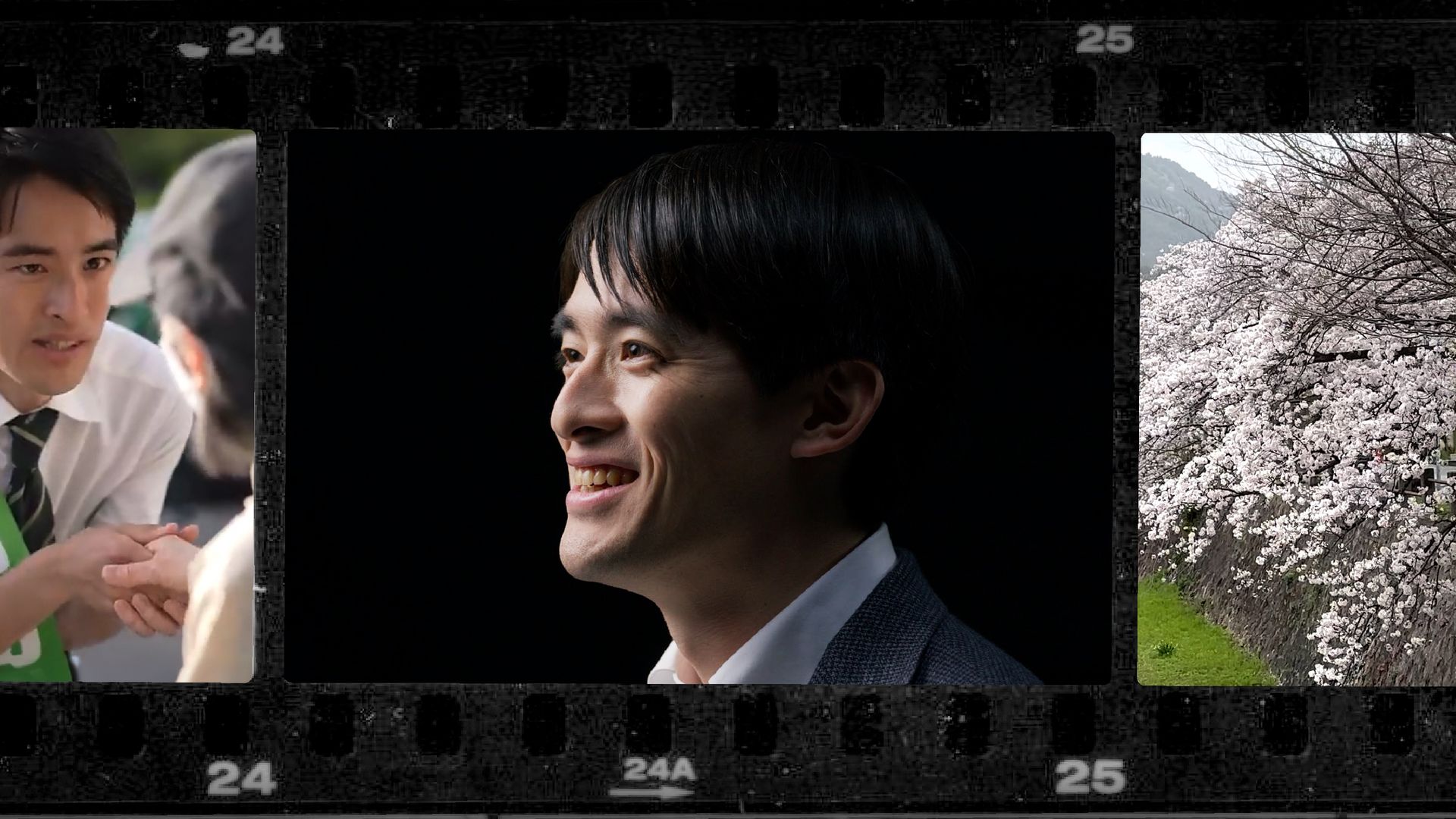
Ryosuke Takashima

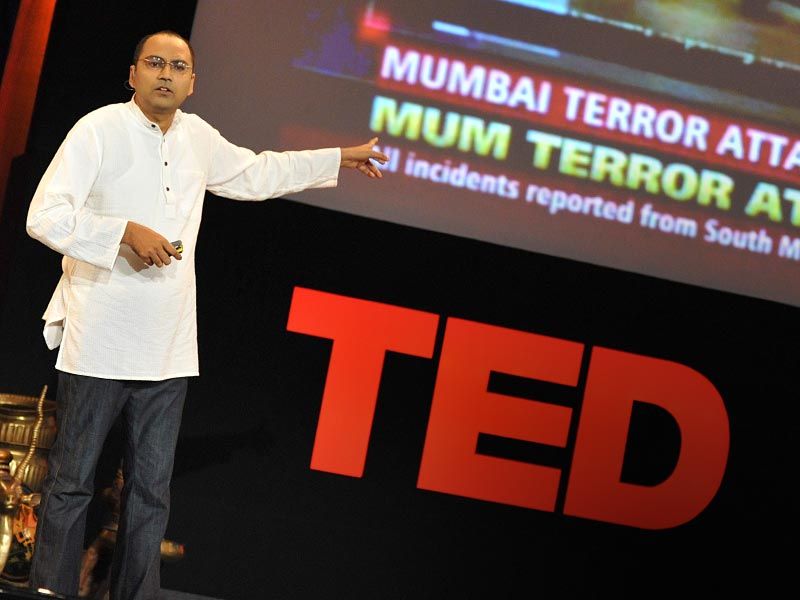
Meet the youngest-ever mayor in Japan's history | Ryosuke Takashima

TED Fellow Ryosuke Takashima is the youngest-ever mayor in Japan's history — but he doesn't consider himself a politician. His approach to leadership is simple: listen to as many voices as possible (from students to elders) in order to figure out what needs fixing. Hear why he thinks inviting citizens to participate in reforming their own communities is the best way to get things done.

Schendy Kernizan

The gravity-defying future of manufacturing | Schendy Kernizan

3D printing promised to reinvent how we make things, but it's mostly stuck producing prototypes with a high level of waste. Designer and TED Fellow Schendy Kernizan found a different way — by printing objects directly into a tub of gel. He explains how this technique eliminates the constraints of gravity, pushing the limits of how we can manufacture objects across medicine, fashion, space travel and more.
Listen to all
Podcast episodes

TED Fellows Films

TED Talks meet documentaries in these short films that explore TED Fellows’ ideas. Dive into all three seasons to explore their mind-blowing innovations. 

05:39

FELLOWS FILM

Meet the youngest-ever mayor in Japan's history

TED Fellow Ryosuke Takashima is the youngest-ever mayor in Japan's history — but he doesn't consider himself a politician. His approach to leadership is simple: listen to as many voices as possible (from students to elders) in order to figure out what needs fixing. Hear why he thinks inviting citizens to participate in reforming their own communities is the best way to get things done.

2026

TED Fellows Film

Ryosuke Takashima
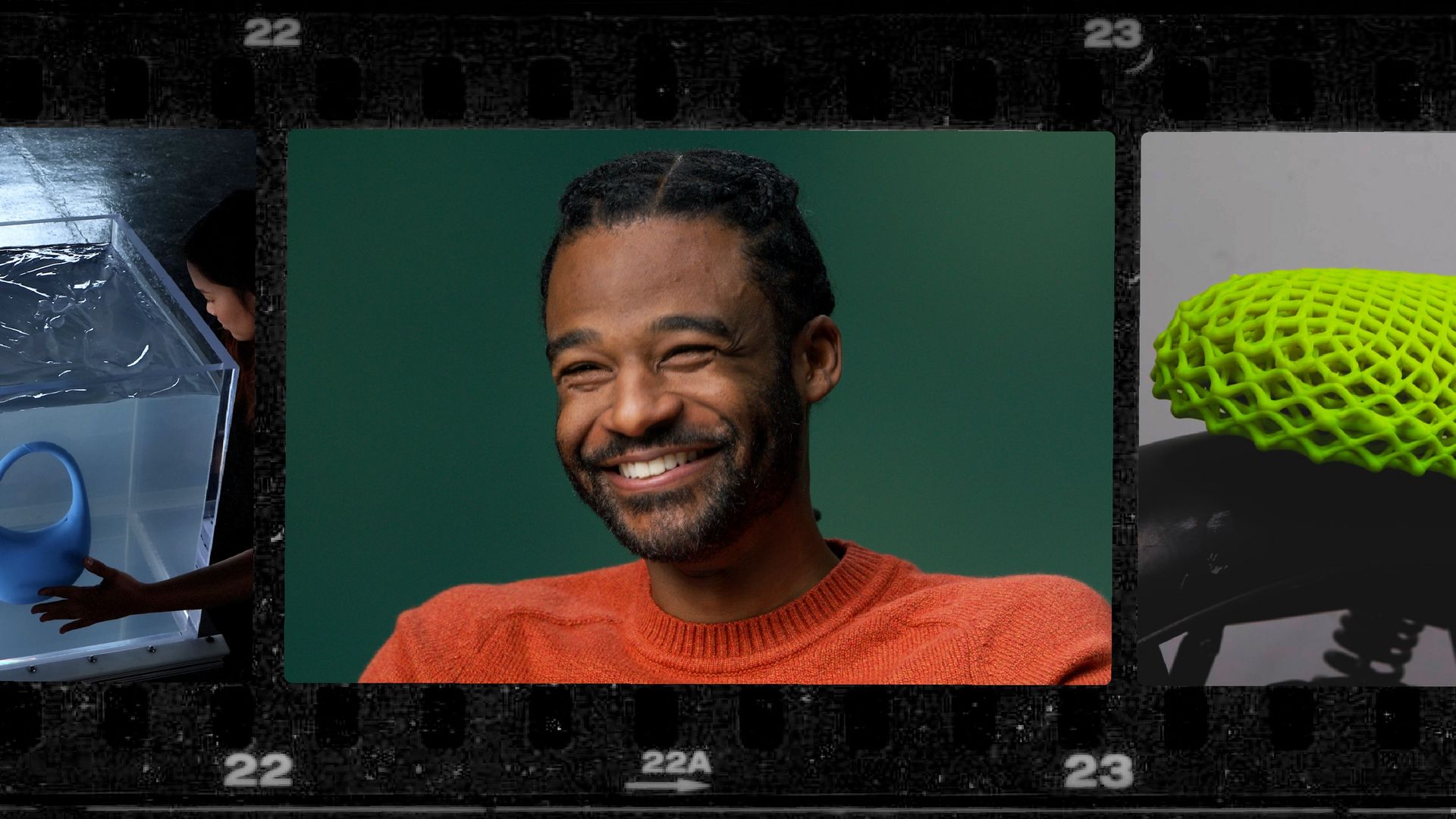
04:47

FELLOWS FILM

The gravity-defying future of manufacturing

3D printing promised to reinvent how we make things, but it's mostly stuck producing prototypes with a high level of waste. Designer and TED Fellow Schendy Kernizan found a different way — by printing objects directly into a tub of gel. He explains how this technique eliminates the constraints of gravity, pushing the limits of how we can manufacture objects across medicine, fashion, space travel and more.

2026

TED Fellows Film

Schendy Kernizan

Fellows Media Library
With 500+ TED Fellows and counting, we’ve got an entire world of media for you to explore. Dive into these talks, short films and podcasts showcasing Fellows turning ideas into action.

Clear
Sort
Thank you! Your submission has been received!
Oops! Something went wrong while submitting the form.

04:36

Clues to prehistoric times, found in blind cavefish

TED Fellow Prosanta Chakrabarty explores hidden parts of the world in search of new species of cave-dwelling fish. These subterranean creatures have developed fascinating adaptations, and they provide biological insights into blindness as well as geological clues about how the continents broke apart million of years ago. Contemplate deep time in this short talk.

2016

TED Talk

United States
Smithsonian Institution; Fulbright Association; Canadian Museum of Nature; AAAS; University of Michigan; McGill University; National Science Foundation; American Museum of Natural History; TED Conferences; Louisiana State University
Prosanta Chakrabarty, Ph.D., is a renowned ichthyologist and evolutionary biologist known for his work on the biodiversity, biogeography, phylogenomics, and taxonomy of fishes. He has described over a dozen new fish species from various countries and has conducted natural history research in more than 35 countries. As the principal investigator of a lab focusing on fish research, he has collaborated with postdocs and graduate students from diverse backgrounds. Dr. Chakrabarty has held various prestigious positions, including serving as the President of the American Society of Ichthyologists and Herpetologists, a Program Director at the National Science Foundation, and a Fulbright Distinguished Chair in Ottawa. He is a TED Senior Fellow and a National Geographic Certified Educator, known for his engaging presentations that blend solid science with historical context and humor. Dr. Chakrabarty's public science outreach efforts aim to inspire curiosity and understanding of evolution and natural history research among audiences of all ages. He is available as a keynote speaker on topics such as STEM, diversity, academia, and collaboration in science, tailoring his talks and workshops to specific audiences. Dr. Chakrabarty has spoken at prestigious institutions // I study fishes to better understand Earth history and evolution. I am a Public Speaker available to speak at your graduation, or as a keynote. I can speak about STEM, STEAM, diversity, academia, and collaboration. https://www.prosanta.org/ // I am an ichthyologist, evolutionary biologist and systematist. I have authored more than 50 scientific publications and wrote "A Guide to Academia: Getting into and Surviving Grad School, Postdocs, and a Research Job." // Elected in 2018 for "distinguished contributions to evolutionary biology, focusing on the bioluminescent systems and historical biogeography of freshwater fishes, and for effectively communicating science to the public." https://www.lsu.edu/mediacenter/news/2018/11/27aaas2018.php // https://blog.ted.com/meet-the-2018-class-of-ted-fellows-and-senior-fellows/ // DEB Cluster // Research on bioluminescent fishes // Smithsonian Institution; Fulbright Association; Canadian Museum of Nature; AAAS; University of Michigan; McGill University; National Science Foundation; American Museum of Natural History; TED Conferences; Louisiana State University // Prosanta Chakrabarty is an accomplished ichthyologist, evolutionary biologist, and systematist with a focus on studying fishes to unravel Earth's history and evolution. With over 50 scientific publications to his name, he is recognized for his distinguished contributions to evolutionary biology, particularly in the realms of bioluminescent systems and historical biogeography of freshwater fishes. Prosanta is also a proficient public speaker, offering engaging talks on STEM, STEAM, diversity, academia, and collaboration. His expertise extends to academia, as evidenced by his book "A Guide to Academia," which provides insights into navigating graduate school, postdocs, and research careers. // I'd like more people to understand evolution, including the parts related to gender, race, sex and sexuality. I wrote a recent book, 'Explaining Life Through Evolution' that was based on one of my talks. I'd also like for more people to understand biodiversity and how natural historians like myself aren't just swashbuckling but also careful and mindful recorders of the Earth's biodiversity. // Prosanta Chakrabarty, Ph.D., is a distinguished ichthyologist and evolutionary biologist whose work focuses on the biodiversity, biogeography, phylogenomics, and taxonomy of fishes. With over a dozen newly described fish species and research spanning more than 35 countries, he has made significant contributions to the field. Dr. Chakrabarty's expertise extends to public speaking, where he delivers engaging presentations on STEM, diversity, academia, and collaboration, aiming to inspire curiosity and understanding of evolution and natural history research. He is also the author of "A Guide to Academia," offering valuable insights into navigating academic careers. Through his work and outreach efforts, Dr. Chakrabarty seeks to promote a deeper appreciation for evolution, biodiversity, and the importance of natural history research. // Ichthyologist // Ichthyologist (I study fishes!) Evolutionary biologist and natural historian researching and discovering new species while exploring the world in an effort to understand fundamental aspects of biological diversity. Also a former Program Director at the National Science Foundation so ask me about fundamental basic science research. I am also a Fulbright Distinguished Chair, a AAAS Fellow, and Chair of LSU's Center for Collaborative Knowledge (so ask me about making connections between scientists and humanists/artists). Watch my TED talks — “4 billion years of evolution in six minutes” & “Clues to prehistoric times, found in blind cavefish” And my TEDed — "What can DNA tests really tell us about our ancestry?" Also my new book ‘Explaining Life Through Evolution’ is available at the TED2022 Bookstore // Prosanta Chakrabarty, Ph.D., is a distinguished ichthyologist and evolutionary biologist whose work focuses on the biodiversity, biogeography, phylogenomics, and taxonomy of fishes. With over a dozen newly described fish species and research spanning more than 35 countries, he has made significant contributions to the field. Dr. Chakrabarty's expertise extends to public speaking, where he delivers engaging presentations on STEM, diversity, academia, and collaboration, aiming to inspire curiosity and understanding of evolution and natural history research. He is also the author of "A Guide to Academia," offering valuable insights into navigating academic careers. Through his work and outreach efforts, Dr. Chakrabarty seeks to promote a deeper appreciation for evolution, biodiversity, and the importance of natural history research. // Ichthyologist // freshwater, rivers and lakes, marine, education, fish, biodiversity, rivers, evolution, natural history, ichthyology, evolution research, freshwaters, research, design, bioinformatics, species, wildlife, stem, oceans, gender, science communication, science, genetics, communication, curation, ecology // Louisiana|United States|Baton Rouge|USA
Louisiana|United States|Baton Rouge|USA

Prosanta Chakrabarty

No items found.
2016

05:36

The next global agricultural revolution

Conventional meat production causes harm to our environment and presents risks to global health, but people aren't going to eat less meat unless we give them alternatives that cost the same (or less) and that taste the same (or better). In an eye-opening talk, food innovator and TED Fellow Bruce Friedrich shows the plant- and cell-based products that could soon transform the global meat industry -- and your dinner plate.

2019

TED Talk

United States
The Good Food Institute APAC; Farm Sanctuary; The Good Food Institute India; Grinnell College; The Good Food Institute Israel; The Good Food Institute; The London School of Economics and Political Science (LSE); Baltimore City Public Schools; The Johns Hopkins University; Georgetown University Law Center; The Good Food Institute Europe; Food Solutions Action; The Good Food Institute Brasil
The organization is focused on accelerating the development and adoption of alternative proteins to address global challenges in the food system. They work across science, policy, and industry to advance alternative protein innovation, with a particular emphasis on plant-based, fermentation-derived, and cultivated meats. The organization provides resources, support, and funding opportunities for researchers, entrepreneurs, investors, and companies in the alternative protein space. Their efforts aim to improve food security, reduce environmental impact, and enhance national security by promoting the shift towards alternative proteins as a sustainable and resilient food source. // The Good Food Institute (GFI) is led by President and Founder Bruce Friedrich, who is a prominent figure in the alternative protein industry. Bruce oversees GFI's global strategy and is recognized for his expertise in alternative proteins, global programs, and food innovation. He has been featured in various media outlets and podcasts discussing the importance of modernizing meat production to mitigate climate change and prevent future pandemics. GFI focuses on promoting plant-based and clean meat as sustainable and just protein sources, advocating for government support and investment in alternative proteins to achieve climate goals. // With more than 100 full-time team members across six regions of the world, the Good Food Institute is a 501(c)(3) nonprofit working internationally to make alternative proteins delicious, affordable, and accessible. GFI advances open-access research; mobilizes resources and talent; and empowers partners across the food system to create a sustainable, secure, and just protein supply. GFI is funded entirely by private philanthropic support. See gfi.org.***Team: gfi.org/our-teamJobs: gfi.org/careersStrategy: gfi.org/planYIR: gfi.org/2020 // Taught English and government to 10th and 11th graders in inner-city Baltimore. Named "Teacher of the Year" for my school. Awarded “Recognition of Excellence” for perfect score (200/200) on Praxis II English teacher proficiency exam. // With more than 120 full-time team members across six regions of the world, the Good Food Institute is a 501(c)(3) nonprofit working internationally to make alternative proteins delicious, affordable, and accessible. GFI advances open-access research; mobilizes resources and talent; and empowers partners across the food system to create a sustainable, secure, and just protein supply. GFI is funded entirely by private philanthropic support. See gfi.org. *** Team: gfi.org/our-team Jobs: gfi.org/careers Strategy: gfi.org/plan YIR: gfi.org/2020 // Securing the future of our food system requires action today. With its growing population, America needs a more resilient approach to agriculture - one that prioritizes strengthening all levels of the supply chain. Our mission is to promote solutions that enable our food system to continue supporting farmers and feeding the world in the face of evolving challenges. // Studies consistently show that the primary factors in any consumer’s eating choices are taste, price, and convenience. The Good Food Institute is laser-focused on working to make plant-based and clean meat, dairy, and eggs (real meat, dairy, and eggs, but produced without the use of animals) as delicious, price-competitive, and convenient as possible, through the following:Fostering Innovation: Outreach to top universities for entrepreneurship, synthetic and plant biology, and tissue engineering—to create private and public sector activity focused on advancing innovative alternatives to the products of industrial animal agriculture. Supporting Innovation: Working with the most transformational companies on communications, regulatory work, business plans, venture capital support, and all aspects of their success—to mobilize markets and food technology for maximum transformation away from industrialized animal agriculture. Corporate Engagement: Creating collaborative relationships with food companies, restaurants, and grocery stores to maximize the quality, quantity, and promotion of plant-based alternatives.Institutional Outreach: Educating large grant-making institutions, investors, corporations, and governments about the value of R&D in this field as a critical component in addressing sustainability, climate change, and global hunger—to steer tens of millions of dollars toward alternatives to conventional animal products.Check us out at www.gfi.org, meet our team at www.gfi.org/our-team, and apply to work with us at www.gfi.org/jobs. // Oversaw all legislative, regulatory, and litigation work. // The Good Food Institute APAC; Farm Sanctuary; The Good Food Institute India; Grinnell College; The Good Food Institute Israel; The Good Food Institute; The London School of Economics and Political Science (LSE); Baltimore City Public Schools; The Johns Hopkins University; Georgetown University Law Center; The Good Food Institute Europe; Food Solutions Action; The Good Food Institute Brasil // Bruce Friedrich is a dedicated professional with a background in education and a strong commitment to sustainable food systems. With experience in teaching English and government, he has been recognized for his excellence in the field. Currently, Bruce is a key figure at the Good Food Institute, a nonprofit organization focused on promoting alternative proteins globally. At the institute, he leads a team of over 100 members across multiple regions, working towards making plant-based and clean meat, dairy, and eggs more accessible and affordable. Bruce's expertise lies in fostering innovation, supporting transformative companies, engaging with the corporate sector, and advocating for sustainable food practices. His work involves strategic planning, team management, and collaboration with various stakeholders to drive positive change in the food industry. // I founded the Good Food Institute, a global network of nonprofit science-focused think tanks with more than 225 full-time team members across affiliates in the U.S., India, Israel, Brazil, Singapore, and Europe (UK, Germany, & EC). GFI works on alternative protein policy, science, and corporate engagement - to accelerate the production of plant-based and cultivated meat in order to bolster the global protein supply while protecting our environment, promoting global health, and preventing food insecurity. // Bruce Friedrich is a respected figure in the alternative protein industry, known for his leadership as the President and Founder of The Good Food Institute (GFI). Through GFI, Bruce spearheads global initiatives aimed at advancing plant-based, fermentation-derived, and cultivated meats to address pressing challenges in the food system. His expertise lies in advocating for sustainable and just protein sources, emphasizing the importance of modernizing meat production to combat climate change and enhance food security. With a background in education and a strong commitment to sustainable food systems, Bruce leads a dedicated team at GFI, working tirelessly to promote alternative proteins and drive positive change in the food industry through strategic planning, team management, and collaboration with stakeholders worldwide. // Food innovator // Founder of the Good Food Institute, an organization supporting the creation of plant and cell-based meat for a more healthy and sustainable food system. // Bruce Friedrich is founder & CEO of the Good Food Institute, a global network of nonprofit organizations, with affiliates in the U.S., India, Israel, Brazil, Singapore, and Europe (UK & EU), that works on alternative protein policy, science, and corporate engagement. GFI is accelerating the production of plant-based and cultivated meat in order to bolster the global protein supply while protecting our environment, promoting global health, and preventing food insecurity. Bruce is a TED Fellow, Y Combinator alum, 2021 "American Food Hero" (EatingWell Magazine), and popular speaker on food innovation. He has penned op-eds for the Wall Street Journal, Guardian, USA Today, Los Angeles Times, Wired, CNN, and many other publications. He has represented GFI on the TED Radio Hour, New Yorker Radio Hour, Recode Decode, the Ezra Klein Show, Making Sense (Sam Harris), and a variety of other podcasts and TV programs. Bruce's 2019 TED talk has been viewed more than 2.4 million times and translated into 30 languages. He co-authored two books, contributed chapters or forewords to ten more, and has written seven law review articles. Bruce is also on the board of Food Solutions Action, a 501(c)(4) nonprofit, nonpartisan organization dedicated to accelerating agricultural innovation; he co-founded impact venture funds New Crop Capital and Clear Current Capital, though he has no financial interest in either fund; and he serves on the UN Climate Change Global Innovation Hub Working Group on Nutrition and Health. Bruce graduated magna cum laude from Georgetown Law and also holds degrees from Johns Hopkins University, the London School of Economics, and Grinnell College. // Bruce Friedrich is a respected figure in the alternative protein industry, known for his leadership as the President and Founder of The Good Food Institute (GFI). Through GFI, Bruce spearheads global initiatives aimed at advancing plant-based, fermentation-derived, and cultivated meats to address pressing challenges in the food system. His expertise lies in advocating for sustainable and just protein sources, emphasizing the importance of modernizing meat production to combat climate change and enhance food security. With a background in education and a strong commitment to sustainable food systems, Bruce leads a dedicated team at GFI, working tirelessly to promote alternative proteins and drive positive change in the food industry through strategic planning, team management, and collaboration with stakeholders worldwide. // Food innovator // technology, grassroots, entrepreneurship, food security, education, food technology, led, nutrition, biodiversity, dairy, alternative proteins, biodiversity loss, jobs, finance, cultivated meat, animal agriculture, research, meat, agriculture, resilience, climate, supply chain, food systems, volunteerism, policy, sustainable food, farmers, plant-based, food system, plant-based alternatives, affordable, food policy, climate change, pandemic, plants, environmental impact, teachers, insecurity, alternative protein, litigation, global health, corporate engagement, amr, grassroots organizing, plant-based meat, science, food, national security, law, crops, government, industrial, communication, ecology, pandemic risk // Washington|United States|District of Columbia
Washington|United States|District of Columbia

Bruce Friedrich

No items found.
2019

05:28

Four billion years of evolution in six minutes

Did humans evolve from monkeys or from fish? In this enlightening talk, ichthyologist and TED Fellow Prosanta Chakrabarty dispels some hardwired myths about evolution, encouraging us to remember that we're a small part of a complex, four-billion-year process -- and not the end of the line. "We're not the goal of evolution," Chakrabarty says. "Think of us all as young leaves on this ancient and gigantic tree of life -- connected by invisible branches not just to each other, but to our extinct relatives and our evolutionary ancestors."

2018

TED Talk

United States
Smithsonian Institution; Fulbright Association; Canadian Museum of Nature; AAAS; University of Michigan; McGill University; National Science Foundation; American Museum of Natural History; TED Conferences; Louisiana State University
Prosanta Chakrabarty, Ph.D., is a renowned ichthyologist and evolutionary biologist known for his work on the biodiversity, biogeography, phylogenomics, and taxonomy of fishes. He has described over a dozen new fish species from various countries and has conducted natural history research in more than 35 countries. As the principal investigator of a lab focusing on fish research, he has collaborated with postdocs and graduate students from diverse backgrounds. Dr. Chakrabarty has held various prestigious positions, including serving as the President of the American Society of Ichthyologists and Herpetologists, a Program Director at the National Science Foundation, and a Fulbright Distinguished Chair in Ottawa. He is a TED Senior Fellow and a National Geographic Certified Educator, known for his engaging presentations that blend solid science with historical context and humor. Dr. Chakrabarty's public science outreach efforts aim to inspire curiosity and understanding of evolution and natural history research among audiences of all ages. He is available as a keynote speaker on topics such as STEM, diversity, academia, and collaboration in science, tailoring his talks and workshops to specific audiences. Dr. Chakrabarty has spoken at prestigious institutions // I study fishes to better understand Earth history and evolution. I am a Public Speaker available to speak at your graduation, or as a keynote. I can speak about STEM, STEAM, diversity, academia, and collaboration. https://www.prosanta.org/ // I am an ichthyologist, evolutionary biologist and systematist. I have authored more than 50 scientific publications and wrote "A Guide to Academia: Getting into and Surviving Grad School, Postdocs, and a Research Job." // Elected in 2018 for "distinguished contributions to evolutionary biology, focusing on the bioluminescent systems and historical biogeography of freshwater fishes, and for effectively communicating science to the public." https://www.lsu.edu/mediacenter/news/2018/11/27aaas2018.php // https://blog.ted.com/meet-the-2018-class-of-ted-fellows-and-senior-fellows/ // DEB Cluster // Research on bioluminescent fishes // Smithsonian Institution; Fulbright Association; Canadian Museum of Nature; AAAS; University of Michigan; McGill University; National Science Foundation; American Museum of Natural History; TED Conferences; Louisiana State University // Prosanta Chakrabarty is an accomplished ichthyologist, evolutionary biologist, and systematist with a focus on studying fishes to unravel Earth's history and evolution. With over 50 scientific publications to his name, he is recognized for his distinguished contributions to evolutionary biology, particularly in the realms of bioluminescent systems and historical biogeography of freshwater fishes. Prosanta is also a proficient public speaker, offering engaging talks on STEM, STEAM, diversity, academia, and collaboration. His expertise extends to academia, as evidenced by his book "A Guide to Academia," which provides insights into navigating graduate school, postdocs, and research careers. // I'd like more people to understand evolution, including the parts related to gender, race, sex and sexuality. I wrote a recent book, 'Explaining Life Through Evolution' that was based on one of my talks. I'd also like for more people to understand biodiversity and how natural historians like myself aren't just swashbuckling but also careful and mindful recorders of the Earth's biodiversity. // Prosanta Chakrabarty, Ph.D., is a distinguished ichthyologist and evolutionary biologist whose work focuses on the biodiversity, biogeography, phylogenomics, and taxonomy of fishes. With over a dozen newly described fish species and research spanning more than 35 countries, he has made significant contributions to the field. Dr. Chakrabarty's expertise extends to public speaking, where he delivers engaging presentations on STEM, diversity, academia, and collaboration, aiming to inspire curiosity and understanding of evolution and natural history research. He is also the author of "A Guide to Academia," offering valuable insights into navigating academic careers. Through his work and outreach efforts, Dr. Chakrabarty seeks to promote a deeper appreciation for evolution, biodiversity, and the importance of natural history research. // Ichthyologist // Ichthyologist (I study fishes!) Evolutionary biologist and natural historian researching and discovering new species while exploring the world in an effort to understand fundamental aspects of biological diversity. Also a former Program Director at the National Science Foundation so ask me about fundamental basic science research. I am also a Fulbright Distinguished Chair, a AAAS Fellow, and Chair of LSU's Center for Collaborative Knowledge (so ask me about making connections between scientists and humanists/artists). Watch my TED talks — “4 billion years of evolution in six minutes” & “Clues to prehistoric times, found in blind cavefish” And my TEDed — "What can DNA tests really tell us about our ancestry?" Also my new book ‘Explaining Life Through Evolution’ is available at the TED2022 Bookstore // Prosanta Chakrabarty, Ph.D., is a distinguished ichthyologist and evolutionary biologist whose work focuses on the biodiversity, biogeography, phylogenomics, and taxonomy of fishes. With over a dozen newly described fish species and research spanning more than 35 countries, he has made significant contributions to the field. Dr. Chakrabarty's expertise extends to public speaking, where he delivers engaging presentations on STEM, diversity, academia, and collaboration, aiming to inspire curiosity and understanding of evolution and natural history research. He is also the author of "A Guide to Academia," offering valuable insights into navigating academic careers. Through his work and outreach efforts, Dr. Chakrabarty seeks to promote a deeper appreciation for evolution, biodiversity, and the importance of natural history research. // Ichthyologist // freshwater, rivers and lakes, marine, education, fish, biodiversity, rivers, evolution, natural history, ichthyology, evolution research, freshwaters, research, design, bioinformatics, species, wildlife, stem, oceans, gender, science communication, science, genetics, communication, curation, ecology // Louisiana|United States|Baton Rouge|USA
Louisiana|United States|Baton Rouge|USA

Prosanta Chakrabarty

No items found.
2018

06:21

What can DNA tests really tell us about our ancestry?

Two sisters take the same DNA test. The results show that one sister is 10% French, the other 0%. Both sisters share the same two parents, and therefore the same set of ancestors. So how can one be 10% more French than the other? Tests like these rely on our DNA to answer questions about our ancestry, but DNA actually can't tell us everything. Prosanta Chakrabarty explores the accuracy of DNA tests. [Directed by Artrake Studio, narrated Adrian Dannatt, music by Cem Misirlioglu, WORKPLAYWORK].

2020

Other

United States
Smithsonian Institution; Fulbright Association; Canadian Museum of Nature; AAAS; University of Michigan; McGill University; National Science Foundation; American Museum of Natural History; TED Conferences; Louisiana State University
Prosanta Chakrabarty, Ph.D., is a renowned ichthyologist and evolutionary biologist known for his work on the biodiversity, biogeography, phylogenomics, and taxonomy of fishes. He has described over a dozen new fish species from various countries and has conducted natural history research in more than 35 countries. As the principal investigator of a lab focusing on fish research, he has collaborated with postdocs and graduate students from diverse backgrounds. Dr. Chakrabarty has held various prestigious positions, including serving as the President of the American Society of Ichthyologists and Herpetologists, a Program Director at the National Science Foundation, and a Fulbright Distinguished Chair in Ottawa. He is a TED Senior Fellow and a National Geographic Certified Educator, known for his engaging presentations that blend solid science with historical context and humor. Dr. Chakrabarty's public science outreach efforts aim to inspire curiosity and understanding of evolution and natural history research among audiences of all ages. He is available as a keynote speaker on topics such as STEM, diversity, academia, and collaboration in science, tailoring his talks and workshops to specific audiences. Dr. Chakrabarty has spoken at prestigious institutions // I study fishes to better understand Earth history and evolution. I am a Public Speaker available to speak at your graduation, or as a keynote. I can speak about STEM, STEAM, diversity, academia, and collaboration. https://www.prosanta.org/ // I am an ichthyologist, evolutionary biologist and systematist. I have authored more than 50 scientific publications and wrote "A Guide to Academia: Getting into and Surviving Grad School, Postdocs, and a Research Job." // Elected in 2018 for "distinguished contributions to evolutionary biology, focusing on the bioluminescent systems and historical biogeography of freshwater fishes, and for effectively communicating science to the public." https://www.lsu.edu/mediacenter/news/2018/11/27aaas2018.php // https://blog.ted.com/meet-the-2018-class-of-ted-fellows-and-senior-fellows/ // DEB Cluster // Research on bioluminescent fishes // Smithsonian Institution; Fulbright Association; Canadian Museum of Nature; AAAS; University of Michigan; McGill University; National Science Foundation; American Museum of Natural History; TED Conferences; Louisiana State University // Prosanta Chakrabarty is an accomplished ichthyologist, evolutionary biologist, and systematist with a focus on studying fishes to unravel Earth's history and evolution. With over 50 scientific publications to his name, he is recognized for his distinguished contributions to evolutionary biology, particularly in the realms of bioluminescent systems and historical biogeography of freshwater fishes. Prosanta is also a proficient public speaker, offering engaging talks on STEM, STEAM, diversity, academia, and collaboration. His expertise extends to academia, as evidenced by his book "A Guide to Academia," which provides insights into navigating graduate school, postdocs, and research careers. // I'd like more people to understand evolution, including the parts related to gender, race, sex and sexuality. I wrote a recent book, 'Explaining Life Through Evolution' that was based on one of my talks. I'd also like for more people to understand biodiversity and how natural historians like myself aren't just swashbuckling but also careful and mindful recorders of the Earth's biodiversity. // Prosanta Chakrabarty, Ph.D., is a distinguished ichthyologist and evolutionary biologist whose work focuses on the biodiversity, biogeography, phylogenomics, and taxonomy of fishes. With over a dozen newly described fish species and research spanning more than 35 countries, he has made significant contributions to the field. Dr. Chakrabarty's expertise extends to public speaking, where he delivers engaging presentations on STEM, diversity, academia, and collaboration, aiming to inspire curiosity and understanding of evolution and natural history research. He is also the author of "A Guide to Academia," offering valuable insights into navigating academic careers. Through his work and outreach efforts, Dr. Chakrabarty seeks to promote a deeper appreciation for evolution, biodiversity, and the importance of natural history research. // Ichthyologist // Ichthyologist (I study fishes!) Evolutionary biologist and natural historian researching and discovering new species while exploring the world in an effort to understand fundamental aspects of biological diversity. Also a former Program Director at the National Science Foundation so ask me about fundamental basic science research. I am also a Fulbright Distinguished Chair, a AAAS Fellow, and Chair of LSU's Center for Collaborative Knowledge (so ask me about making connections between scientists and humanists/artists). Watch my TED talks — “4 billion years of evolution in six minutes” & “Clues to prehistoric times, found in blind cavefish” And my TEDed — "What can DNA tests really tell us about our ancestry?" Also my new book ‘Explaining Life Through Evolution’ is available at the TED2022 Bookstore // Prosanta Chakrabarty, Ph.D., is a distinguished ichthyologist and evolutionary biologist whose work focuses on the biodiversity, biogeography, phylogenomics, and taxonomy of fishes. With over a dozen newly described fish species and research spanning more than 35 countries, he has made significant contributions to the field. Dr. Chakrabarty's expertise extends to public speaking, where he delivers engaging presentations on STEM, diversity, academia, and collaboration, aiming to inspire curiosity and understanding of evolution and natural history research. He is also the author of "A Guide to Academia," offering valuable insights into navigating academic careers. Through his work and outreach efforts, Dr. Chakrabarty seeks to promote a deeper appreciation for evolution, biodiversity, and the importance of natural history research. // Ichthyologist // freshwater, rivers and lakes, marine, education, fish, biodiversity, rivers, evolution, natural history, ichthyology, evolution research, freshwaters, research, design, bioinformatics, species, wildlife, stem, oceans, gender, science communication, science, genetics, communication, curation, ecology // Louisiana|United States|Baton Rouge|USA
Louisiana|United States|Baton Rouge|USA

Prosanta Chakrabarty

No items found.
2020

11:57

A simple new blood test that can catch cancer early

Jimmy Lin is developing technologies to catch cancer months to years before current methods. He shares a breakthrough technique that looks for small signals of cancer's presence via a simple blood test, detecting the recurrence of some forms of the disease 100 days earlier than traditional methods. It could be a ray of hope in a fight where early detection makes all the difference.

2017

TED Talk

United States
St. George's School; Natera; Yale University; Washington University in St. Louis; National Institutes of Health; Johns Hopkins School of Medicine; The Mission Center; The Johns Hopkins University School of Medicine; The Johns Hopkins School of Public Health; National Cancer Institute (NCI) / National Institutes of Health (NIH); Freenome; Johns Hopkins Bloomberg School of Public Health; Reformed Theological Seminary; TED Conferences; Rare Genomics Institute
Dr. Jimmy Lin, MD, PhD, MHS, is a Cancer Genomics Pioneer who has dedicated his career to advancing cancer research and treatment. He has been involved in groundbreaking projects such as the first genome-wide sequencing of various human cancers and the development of liquid biopsy cancer monitoring diagnostics. Dr. Lin's work spans across prestigious institutions like Johns Hopkins, Washington University in St. Louis, the National Cancer Institute, and companies like Natera and Freenome. His research focuses on applying computational and genomics methods to understand cancer, translating scientific discoveries into clinical diagnostics and therapies. Dr. Lin has published extensively in renowned academic journals, spoken at prestigious universities and conferences worldwide, and been featured in numerous media outlets. He is also the Founder and President of the Rare Genomics Institute, where he leverages technological advances in cancer to combat rare diseases. Dr. Lin's work encompasses a wide range of studies, from identifying genetic alterations in various cancers to developing new approaches for cancer therapy. His contributions have significantly advanced the field of cancer genomics and have the potential to impact the diagnosis and treatment of cancer patients globally. // Freenome is dedicated to early cancer detection and improving screening accessibility. Their scientific approach combines computational biology, machine learning, and various data types to detect cancer at its earliest stages. They focus on colorectal cancer, aiming to provide accessible screening options. Freenome conducts large prospective studies to validate their blood-based screening tests for different types of cancer. Their clinical research program includes studies for colorectal and lung cancer, as well as expanding into other cancer types. Freenome values trust, accountability, diversity, and doing what is right. The company's leadership team includes individuals with expertise in various fields related to healthcare and biotechnology. // Freenome is an AI genomics company on a mission to empower everyone with the tools they need to detect, treat, and ultimately prevent their diseases. By applying advanced machine learning techniques to recent breakthroughs in genomic science, Freenome is developing noninvasive blood tests to detect early-stage cancer and improve precision oncology treatments for patients everywhere. The company has raised more than $500 million from investors such as Andreessen Horowitz, Google Ventures, Polaris Partners, and Founders Fund.‚Äã // Natera (NASDAQ: NTRA) is a genetic testing company that develops and commercializes non-invasive methods for analyzing DNA. The mission of the company is to transform the diagnosis and management of genetic disease. In pursuit of that mission, Natera operates a CAP-accredited laboratory certified under the Clinical Laboratory Improvement Amendments (CLIA) in San Carlos, CA. Natera is also applying its unique technologies to develop non-invasive screening and diagnostic tools for earlier detection and improved treatment of cancer - finding circulating DNA (ctDNA) based on liquid biopsy methods. // TED Fellows program handpicks world-changing innovators from around the globe and brings them to the TED stage -- literally and figuratively -- to raise international awareness of their remarkable work.http://www.ted.com/pages/ted2012_fellows // We created a new clinical sequencing capability at the NIH/NCI to help more cancer patients access more accurate therapies and cures. // The Mission Center L3C is a think tank for social entrepreneurs, academics, foundations and impact investors who are passionate about finding innovative, business-minded, and sustainable solutions to social problems. // I led the clinical exome sequencing initiative in the Genomic & Pathology Services. // Melanoma Cancer Genomics // We help patients with orphan diseases initiate and fund personalized research projects through a dedicated microfunding platform and highly-selective network of leading academic scientists and commercial institutions. // Advisors: Bert Vogelstein, MD & Victor Velculescu, MD, PhDThesis: Genome-wide Sequencing of Breast, Colorectal, Pancreatic, and Brain Cancers // Advisor: Giovanni Parmigiani, PhDThesis: Computational & Statistical Methods for Cancer Genomics // St. George's School; Natera; Yale University; Washington University in St. Louis; National Institutes of Health; Johns Hopkins School of Medicine; The Mission Center; The Johns Hopkins University School of Medicine; The Johns Hopkins School of Public Health; National Cancer Institute (NCI) / National Institutes of Health (NIH); Freenome; Johns Hopkins Bloomberg School of Public Health; Reformed Theological Seminary; TED Conferences; Rare Genomics Institute // Jimmy Lin is a seasoned professional with a diverse background in genomics, AI, and healthcare. With experience at companies like Freenome and Natera, he has been instrumental in developing non-invasive blood tests for early cancer detection and advancing precision oncology treatments. Jimmy has also been involved in creating clinical sequencing capabilities at prestigious institutions like the NIH/NCI, showcasing his expertise in the field. His work extends to initiatives in melanoma cancer genomics, orphan disease research, and collaborations with renowned experts in the field. Through his involvement with the TED Fellows program and The Mission Center L3C, Jimmy demonstrates a commitment to driving innovation and social impact in the genomics and healthcare sectors. // Detect cancer before it appears and when it can be treated. Democratize research to enable rare disease innovation. // Dr. Jimmy Lin, MD, PhD, MHS, is a distinguished figure in the field of cancer genomics, renowned for his pioneering work in advancing cancer research and treatment. With a career spanning prestigious institutions like Johns Hopkins and the National Cancer Institute, as well as companies like Natera and Freenome, Dr. Lin has been instrumental in groundbreaking projects such as genome-wide sequencing of human cancers and the development of liquid biopsy cancer monitoring diagnostics. His research focuses on applying computational and genomics methods to understand cancer, translating scientific discoveries into clinical diagnostics and therapies. Dr. Lin's contributions have significantly advanced the field of cancer genomics, with a focus on identifying genetic alterations in various cancers and developing new approaches for cancer therapy. Additionally, as the Founder and President of the Rare Genomics Institute, he leverages technological advances in cancer research to combat rare diseases, showcasing his commitment to driving innovation and social impact in the genomics and healthcare sectors. // Geneticist // Geneticist and founder of the Rare Genomics Institute, an organization that allows patients to crowdsource funds and genomes to accelerate research of their rare genetic diseases. Jimmy is the lead computational biologist for the ground-breaking cancer genome sequencing efforts from the Vogelstein Lab at Johns Hopkins. Their sequencing of the first 100+ cancer exomes in 5 different tissue types has helped lay the foundation for a revolution in cancer genomics. After completing his MD/PhD at Johns Hopkins, along with colleagues at Harvard and Yale, Jimmy started Rare Genomics Institute: a non-profit biotech venture that microfunds and enables genome sequencing for children with rare and orphan diseases. // Jimmy Lin, MD, PhD, MHS, has devoted his life to defeating cancer. As the Chief Scientific Officer (CSO), Oncology at Natera (NASDAQ: NTRA), he is leading development of new diagnostic technologies to detect cancer DNA in the blood years before current methods. Dr. Lin is also a 2016 TED Senior Fellow and Founder/President of Rare Genomics Institute, the world's first platform to enable any community to leverage cutting- edge biotechnology to advance understanding of any rare disease. Partnering with many of the top medical institutions, such as Harvard, Yale, Stanford, and Johns Hopkins, RG helps custom design personalized research projects for diseases so rare that no organization exists to help. Previously, Dr. Lin was the Director of Clinical Genomics at the National Cancer Institute at the NIH as well as a medical school faculty member at the Washington University in St. Louis. He led the computational analysis of the first ever exome sequenching studies for cancers with Bert Vogelstein at Johns Hopkins, including breast, colorectal, glioblastoma, melanoma, and pancreatic cancers. He has spoken at 8 TED and TEDx events, Aspen Ideas Festival, the Brookings Institute, Milken Institute FasterCures, among others. He has numerous publications in Science, Nature, Cell, Nature Genetics, and Nature Biotechnology, and has been featured in Forbes, Bloomberg, Wall Street Journal, Washington Post, and the Huffington Post. He has spoken at these TED events: TED 2012, TEDActive 2014, TEDxMidWest, TEDxMidAtlantic, TEDxBaltimore, TEDxRenfrewCollingwood, TEDxGatewayArch, TEDxTaipei. // Jimmy Lin is developing technologies to catch cancer months to years before current methods. He shares a breakthrough technique that looks for small signals of cancer's presence via a simple blood test, detecting the recurrence of some forms of the disease 100 days earlier than traditional methods. It could be a ray of hope in a fight where early detection makes all the difference. // Dr. Jimmy Lin, MD, PhD, MHS, is a distinguished figure in the field of cancer genomics, renowned for his pioneering work in advancing cancer research and treatment. With a career spanning prestigious institutions like Johns Hopkins and the National Cancer Institute, as well as companies like Natera and Freenome, Dr. Lin has been instrumental in groundbreaking projects such as genome-wide sequencing of human cancers and the development of liquid biopsy cancer monitoring diagnostics. His research focuses on applying computational and genomics methods to understand cancer, translating scientific discoveries into clinical diagnostics and therapies. Dr. Lin's contributions have significantly advanced the field of cancer genomics, with a focus on identifying genetic alterations in various cancers and developing new approaches for cancer therapy. Additionally, as the Founder and President of the Rare Genomics Institute, he leverages technological advances in cancer research to combat rare diseases, showcasing his commitment to driving innovation and social impact in the genomics and healthcare sectors. // Geneticist // technology, early cancer detection, entrepreneurship, led, cancer genomics, data, machine learning, research, design, bioinformatics, monitoring, rare diseases, impact investing, multiomics, accessibility, biotech, ml, children, ai, nature, science, computational biology, accountability, artificial intelligence, rare disease, disease // Maryland|Taiwan|San Carlos|San Francisco|USA|California|United States
Maryland|Taiwan|San Carlos|San Francisco|USA|California|United States

Jimmy Lin

No items found.
2017

11:20

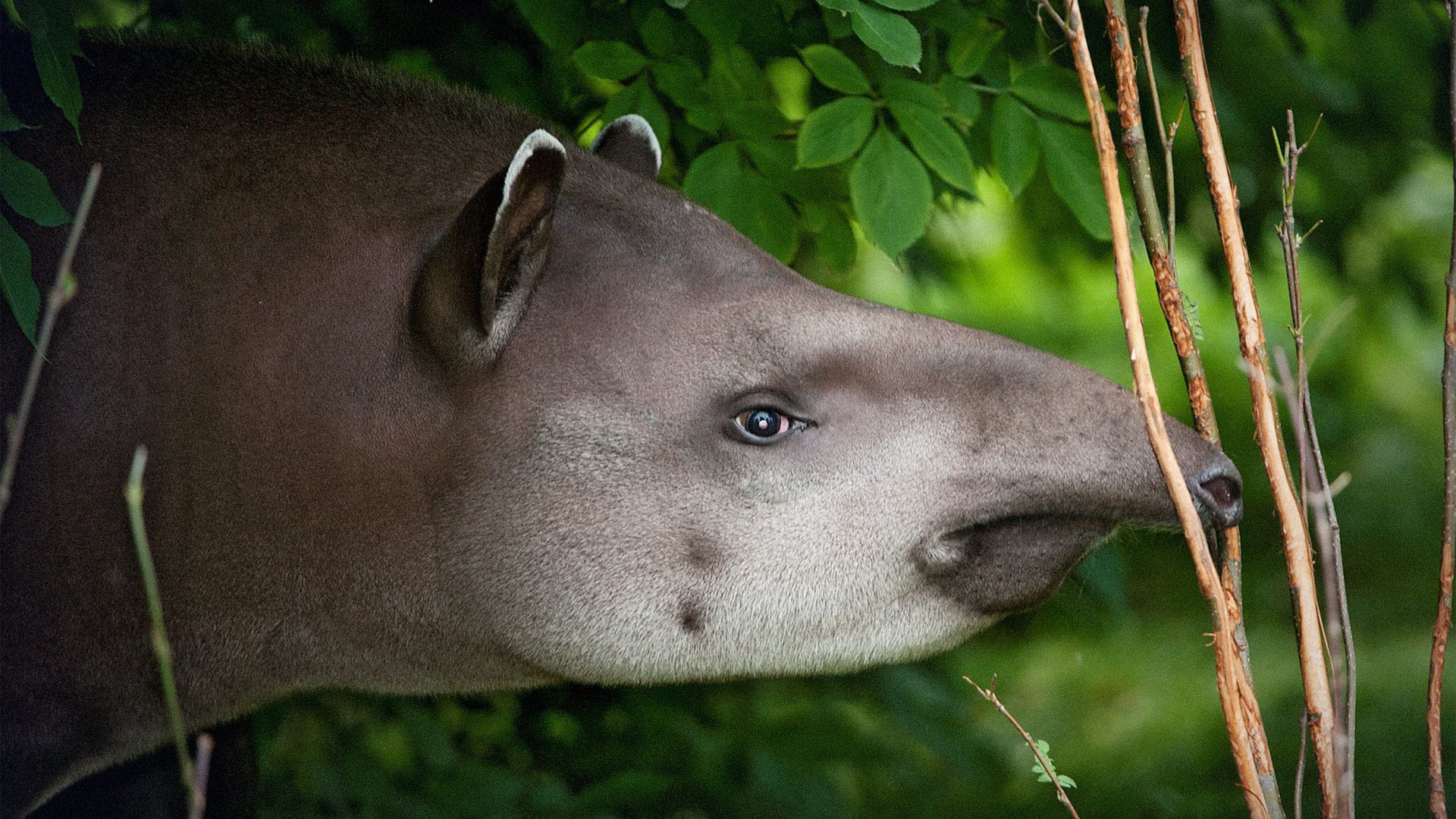
The coolest animal you know nothing about ... and how we can save it

Although the tapir is one of the world's largest land mammals, the lives of these solitary, nocturnal creatures have remained a mystery. Known as "the living fossil," the very same tapir that roams the forests and grasslands of South America today arrived on the evolutionary scene more than 5 million years ago. But threats from poachers, deforestation and pollution, especially in quickly industrializing Brazil, threaten this longevity. In this insightful talk, conservation biologist, tapir expert and TED Fellow Patrícia Medici shares her work with these amazing animals and challenges us with a question: Do we want to be responsible for their extinction?

2015

TED Talk

Brazil
Wildlife conservationist // A Brazilian wildlife conservationist leading the longest running conservation project to protect the threatened lowland tapir – the largest terrestrial mammal in South America, found in several biomes including the Amazon, Atlantic Forest, Cerrado and Pantanal in Brazil. // Patrícia Medici is a Brazilian conservationist whose main professional interests are tapir conservation, tropical forest conservation, landscape ecology, and communication. Patrícia has a Bachelor's Degree in Forestry Sciences from the São Paulo University (USP - Universidade de São Paulo), a Master's Degree in Wildlife Ecology, Conservation and Management from the Federal University of Minas Gerais (UFMG - Universidade Federal de Minas Gerais), Brazil, and a Ph.D. Degree in Biodiversity Management from the Durrell Institute of Conservation and Ecology (DICE), University of Kent, United Kingdom. For the past 25 years, Patrícia has been working for a Brazilian non-governmental organization called IPÊ - Instituto de Pesquisas Ecológicas (Institute for Ecological Research) of which she was one of the founding members. Since 1996, Patrícia coordinates the Lowland Tapir Conservation Initiative (LTCI) and dedicates her life to the conservation of tapirs and their remaining habitats in Brazil. Since 2000, Patrícia has been the Chairperson of the IUCN SSC Tapir Specialist Group (TSG), a network of over 130 tapir conservationists from 27 different countries worldwide. In 2014, Patrícia became a fellow of the TED Fellowship Program. Patrícia has been honored with several very prestigious conservation awards: Harry Messel Conservation Leadership Award from the International Union for Conservation of Nature in 2004; Future for Nature Award from the Future for Nature Foundation in the Netherlands in 2008; Whitley Award from the Whitley Fund for Nature in the United Kingdom also in 2008; Columbus Zoo Commitment to Conservation Award in 2017; William G. Conway International Conservation Award - Significant Achievement in 2018; and, National Geographic Society Howard Buffett Award for Leadership in Conservation in 2019. // Although the tapir is one of the world's largest land mammals, the lives of these solitary, nocturnal creatures have remained a mystery. Known as "the living fossil," the very same tapir that roams the forests and grasslands of South America today arrived on the evolutionary scene more than 5 million years ago. But threats from poachers, deforestation and pollution, especially in quickly industrializing Brazil, threaten this longevity. In this insightful talk, conservation biologist, tapir expert and TED Fellow Patrícia Medici shares her work with these amazing animals and challenges us with a question: Do we want to be responsible for their extinction? // Patrícia Medici is a Brazilian conservationist whose main professional interests are tapir conservation, tropical forest conservation, landscape ecology, and communication. Patrícia has a Bachelor's Degree in Forestry Sciences from the São Paulo University (USP - Universidade de São Paulo), a Master's Degree in Wildlife Ecology, Conservation and Management from the Federal University of Minas Gerais (UFMG - Universidade Federal de Minas Gerais), Brazil, and a Ph.D. Degree in Biodiversity Management from the Durrell Institute of Conservation and Ecology (DICE), University of Kent, United Kingdom. For the past 25 years, Patrícia has been working for a Brazilian non-governmental organization called IPÊ - Instituto de Pesquisas Ecológicas (Institute for Ecological Research) of which she was one of the founding members. Since 1996, Patrícia coordinates the Lowland Tapir Conservation Initiative (LTCI) and dedicates her life to the conservation of tapirs and their remaining habitats in Brazil. Since 2000, Patrícia has been the Chairperson of the IUCN SSC Tapir Specialist Group (TSG), a network of over 130 tapir conservationists from 27 different countries worldwide. In 2014, Patrícia became a fellow of the TED Fellowship Program. Patrícia has been honored with several very prestigious conservation awards: Harry Messel Conservation Leadership Award from the International Union for Conservation of Nature in 2004; Future for Nature Award from the Future for Nature Foundation in the Netherlands in 2008; Whitley Award from the Whitley Fund for Nature in the United Kingdom also in 2008; Columbus Zoo Commitment to Conservation Award in 2017; William G. Conway International Conservation Award - Significant Achievement in 2018; and, National Geographic Society Howard Buffett Award for Leadership in Conservation in 2019. // Wildlife conservationist // forest protection, forest, biodiversity, ecological studies, extinction, research, resource conservation, landscape conservation, conservation advocacy, tropical deciduous forest, forestry, wildlife, deforestation, pollution, advocacy, conservation, nature, communication, ecology, land // Campo Grande|State of Mato Grosso do Sul|Brazil|Mato Grosso do Sul
Campo Grande|State of Mato Grosso do Sul|Brazil|Mato Grosso do Sul

Patricia Medici

No items found.
2015

12:12

A new way to fight corruption

Shaffi Mather explains why he left his first career to become a social entrepreneur, providing life-saving transportation with his company 1298 for Ambulance. Now, he has a new idea and plans to begin a company to fight the booming business of corruption in public service, eliminating it one bribe at a time.

2009

TED Talk

India
Ambulance + anti-corruption entrepreneur // Shaffi Mather is Lawyer and a serial Social Entrepreneur. He is the founder of Ambulance Access for All (Dial 1298 for Ambulance – an Emergency Response Ambulance Service), Education Access for All (Newton Schools and E-tutor Digital Learning Support) and co-promoter of Moksha Yug Access (Rural Supply Chain Organization). Shaffi previously served as the Economic Advisor to the Chief Minister, Kerala Shaffi practice Law (mainly in the Supreme Court of India) focusing on litigation in Public Interest Matters especially battling for transparency in governance and use of public funds, human rights, civil rights and primacy of constitution. Shaffi is educated at the Mahatma Gandhi University, India, University of Pittsburgh, USA, University of Bridgeport, USA and the London School of Economics, UK where he was a Chevening Senior Scholar and currently, a Visiting Lecturer. He was also a Mason Fellow in Public Policy at the Harvard Kennedy School of Government, Harvard University in 2007-08 graduating with a MPA degree. Post his MBA, Shaffi took his family business in real estate to a leadership position in his State and then professionally worked with two of India's leading corporate leaders, Mr. Mukesh Ambani (Reliance Industries) and Mr. Subash Chandra (ZeeTV/Essel Group) in Retail and Telecom. He is part of an upcoming new generation of young leaders within Indian National Congress Party and an Asia Young Leader (Asia Society), Ted Fellow (TED), World Young Leader (BMW Foundation), Kenneth Galbraith Scholar (Harvard University), Member of Clinton Global Initiative (Clinton Foundation) and Winner of Godfrey Philips Bravery Award for Social Act of Courage. Shaffi has also beeen featured in case studies at Harvard Business School, University of Michigan Business School, Columbia University Business School and project studies at several leading business schools. He has also spoken at multiple international conferences and forums including World Justice Forum, Williamsburg Conference, Asian Young Leaders Summit, World Socialist Forum, Clinton Global Initiative etc. // Shaffi Mather Lawyer, Entrepreneur & Policy Analyst Shaffi Mather is Lawyer and a serial Social Entrepreneur. He is the founder of Ambulance Access for All (Dial 1298 for Ambulance – an Emergency Response Ambulance Service), Education Access for All (Newton Schools and E-tutor Digital Learning Support) and co-promoter of Moksha Yug Access (Rural Supply Chain Organization). Shaffi practice Law (mainly in New Delhi, Mumbai and Cochin) focusing on litigation in Public Interest Matters especially battling for transparency in governance and use of public funds, human rights, civil rights and primacy of constitution. Shaffi is educated at the Mahatma Gandhi University, India, University of Pittsburgh, USA, University of Bridgeport, USA and the London School of Economics, UK where he was a Chevening Senior Scholar and currently, a Visiting Lecturer. He was also a Mason Fellow in Public Policy at the Harvard Kennedy School of Government, Harvard University in 2007-08 graduating with a MPA degree. Post his MBA, Shaffi took his family business in real estate to a leadership position in his State and then professionally worked with two of India's leading corporate leaders, Mr. Mukesh Ambani (Reliance Industries) and Mr. Subash Chandra (ZeeTV/Essel Group) in Retail and Telecom. He is part of an upcoming new generation of young leaders within Indian National Congress Party and an Asia Young Leader (Asia Society), Ted Fellow (TED), World Young Leader (BMW Foundation), Kenneth Galbraith Scholar (Harvard University), Member of Clinton Global Initiative (Clinton Foundation) and Winner of Godfrey Philips Bravery Award for Social Act of Courage. Shaffi has also beeen featured in case studies at Harvard Business School, University of Michigan Business School, Columbia University Business School and project studies at several leading business schools. He has also spoken at multiple international conferences and forums including World Justice Forum, Williamsburg Conference, Asian Young Leaders Summit, World Socialist Forum, Clinton Global Initiative etc. // Shaffi Mather explains why he left his first career to become a social entrepreneur, providing life-saving transportation with his company 1298 for Ambulance. Now, he has a new idea and plans to begin a company to fight the booming business of corruption in public service, eliminating it one bribe at a time. // Shaffi Mather Lawyer, Entrepreneur & Policy Analyst Shaffi Mather is Lawyer and a serial Social Entrepreneur. He is the founder of Ambulance Access for All (Dial 1298 for Ambulance – an Emergency Response Ambulance Service), Education Access for All (Newton Schools and E-tutor Digital Learning Support) and co-promoter of Moksha Yug Access (Rural Supply Chain Organization). Shaffi practice Law (mainly in New Delhi, Mumbai and Cochin) focusing on litigation in Public Interest Matters especially battling for transparency in governance and use of public funds, human rights, civil rights and primacy of constitution. Shaffi is educated at the Mahatma Gandhi University, India, University of Pittsburgh, USA, University of Bridgeport, USA and the London School of Economics, UK where he was a Chevening Senior Scholar and currently, a Visiting Lecturer. He was also a Mason Fellow in Public Policy at the Harvard Kennedy School of Government, Harvard University in 2007-08 graduating with a MPA degree. Post his MBA, Shaffi took his family business in real estate to a leadership position in his State and then professionally worked with two of India's leading corporate leaders, Mr. Mukesh Ambani (Reliance Industries) and Mr. Subash Chandra (ZeeTV/Essel Group) in Retail and Telecom. He is part of an upcoming new generation of young leaders within Indian National Congress Party and an Asia Young Leader (Asia Society), Ted Fellow (TED), World Young Leader (BMW Foundation), Kenneth Galbraith Scholar (Harvard University), Member of Clinton Global Initiative (Clinton Foundation) and Winner of Godfrey Philips Bravery Award for Social Act of Courage. Shaffi has also beeen featured in case studies at Harvard Business School, University of Michigan Business School, Columbia University Business School and project studies at several leading business schools. He has also spoken at multiple international conferences and forums including World Justice Forum, Williamsburg Conference, Asian Young Leaders Summit, World Socialist Forum, Clinton Global Initiative etc. // Ambulance + anti-corruption entrepreneur // emergency response, education, mobility, supply chain, human rights, rights, policy, public policy, civil rights, transparency, litigation, rural, governance, law, transportation, government, real estate, justice // Kerala|Cochin|Kochi|India
Kerala|Cochin|Kochi|India

Shaffi Mather

No items found.
2009

Inside the fight against Russia's fake news empire | Olga Yurkova

When facts are false, decisions are wrong, says editor and TED Fellow Olga Yurkova. To stop the spread of fake news, she and a group of journalists launched StopFake.org, which exposes biased or inaccurate reporting in order to rebuild the trust we've lost in our journalists, leaders and institutions. Learn more about the fight against misinformation as well as two critical ways we can ensure we're not reading (or sharing) fake news. Hosted on Acast. See acast.com/privacy for more information.

2018

Podcasts

Ukraine
Ukrainian School of Political Studies; Kiivs'kij Nacional'nij Torgovel'no Ekonomicnij Universitet; Self-Employed; StopFake; Nova Informaciya; Kyiv national university of trade and economics (KNUTE); Mohyla school of journalism; IREX U-Media/Ukraine; RIA Media Corp; Mohyla school of journalism
Co-founder of StopFake.org, an independent Ukrainian organization that trains an international cohort of fact-checkers in an effort to curb propaganda and misinformation in the media. Experienced editor with a demonstrated history of working in the media production industry. Watch my TED Talk https://www.ted.com/talks/olga_yurkova_inside_the_fight_against_russia_s_fake_news_empire // Fact-checking website www.stopfake.org // Head of department that covers Donbas&Crimea topics in the weekly "Kraina" magazine, the "Gazeta po-ukrainsky" newspaper and the website www.gazeta.ua // Creating and conducting trainings and workshops for journalists and editors on new media, multimedia journalism, newsroom management, social media for journalists and editors, SEO and SMM for journalists and editors, fact-checking, media standards and ethics.Among the customers of trainings and seminars:‚óè Regional Press Development Institute‚óè Association of Independent Regional Publishers of Ukraine‚óè Publishing house "Burda Ukraine"‚óè A lot of non-governmental organizations and movements, including people with disabilities‚óè University Wisconsin - Milwaukee, University Wisconsin - Madison, the USA‚óè Donbass Media Forum, Mariupol‚óè Tech Camp, Warsaw Conducted a series of public seminars on new media "Facebook +", Kyiv // Full responsibility for the content and informalional policy of newspapers "20 hvylyn", "RIA" and website www.20minut.ua // Ukrainian School of Political Studies; Kiivs'kij Nacional'nij Torgovel'no Ekonomicnij Universitet; Self-Employed; StopFake; Nova Informaciya; Kyiv national university of trade and economics (KNUTE); Mohyla school of journalism; IREX U-Media/Ukraine; RIA Media Corp; Mohyla school of journalism // Olga Yurkova is a co-founder of StopFake.org, an independent organization dedicated to training fact-checkers globally to combat misinformation and propaganda in the media. With a background in media production, Olga has extensive experience as an editor. She has led initiatives covering topics related to Donbas and Crimea in various publications and websites. Olga is also known for her role in creating and delivering training programs for journalists and editors on a range of topics including new media, journalism ethics, and fact-checking. Her expertise has been sought after by a diverse range of organizations, including media outlets, NGOs, and educational institutions both in Ukraine and internationally. // I try to make governments and people in Ukraine and the world resistant to propaganda and disinformation from malicious actors that threaten democracy // Olga Yurkova is a co-founder of StopFake.org, an organization focused on training fact-checkers globally to combat misinformation and propaganda in the media. With a background in media production, she has extensive experience as an editor, particularly in covering topics related to Donbas and Crimea. Olga is recognized for her contributions to creating and implementing training programs for journalists and editors on various subjects such as new media, journalism ethics, and fact-checking. Her expertise is highly regarded by a wide array of organizations, including media outlets, NGOs, and educational institutions in Ukraine and beyond. Through her work, Olga aims to enhance resistance to propaganda and disinformation, safeguarding democracy in Ukraine and worldwide. // Journalist, editor // When facts are false, decisions are wrong, says editor and TED Fellow Olga Yurkova. To stop the spread of fake news, she and a group of journalists launched StopFake.org, which exposes biased or inaccurate reporting in order to rebuild the trust we've lost in our journalists, leaders and institutions. Learn more about the fight against misinformation as well as two critical ways we can ensure we're not reading (or sharing) fake news. // Olga Yurkova is a co-founder of StopFake.org, an organization focused on training fact-checkers globally to combat misinformation and propaganda in the media. With a background in media production, she has extensive experience as an editor, particularly in covering topics related to Donbas and Crimea. Olga is recognized for her contributions to creating and implementing training programs for journalists and editors on various subjects such as new media, journalism ethics, and fact-checking. Her expertise is highly regarded by a wide array of organizations, including media outlets, NGOs, and educational institutions in Ukraine and beyond. Through her work, Olga aims to enhance resistance to propaganda and disinformation, safeguarding democracy in Ukraine and worldwide. // Journalist, editor // trains, public transit, technology, standards, misinformation, ethics, countering propaganda, accounting standards, journalism, policy, social communications, media, communication, disinformation, rumors, job skills training, informal communications // Kyiv|Ukraine|Kyiv city
Kyiv|Ukraine|Kyiv city

Ольга Юркова

No items found.
2018

Goats, blockchain and the future of money | Fariel Salahuddin

What if smallholder farmers could use their produce and livestock to pay for goods and services? TED Fellow and alternative currency enthusiast Fariel Salahuddin is working to make this a reality in places including rural Pakistan, where basic necessities like water and electricity are often expensive or inaccessible. She explores how the way we exchange value has evolved over time -- from bartering to blockchain -- and shares a new perspective on currency that promotes self-reliance for farmers and creates a more inclusive economy. Hosted on Acast. See acast.com/privacy for more information.

2023

Podcasts

Pakistan
Knox College; Faber Capital; UNDP; Lahore University of Management Sciences; UpTrade(Goats for water); UpTrade (Goats for Water) ; Columbia | SIPA; Asian Development Bank (ADB); Cartier Women's Initiative; Karachi Grammar School; Columbia University - School of International and Public Affairs; Asian Development Bank; Energy Policy Project; USAID; JS Investments; Summit; USAID - Energy Policy Project - AEAI; The World Bank
UpTrade is an organization founded by Fariel Salahuddin that focuses on enabling smallholder rural, off-grid farming communities in Pakistan to meet their farming and household needs using livestock as currency. Recognizing the lack of access to electricity and expensive diesel-powered pumps in rural areas, UpTrade facilitates the exchange of livestock for solar water pumps and other solar devices. Through a three-party agreement with communities and an energy partner, UpTrade ensures the installation and maintenance of water pumps, while also selling livestock through its electronic market platform. The organization aims to empower farmers to use their produce and livestock as currency, expanding its reach to potentially reach one billion smallholder farmers globally. UpTrade's innovative approach has already doubled the number of people with access to electricity and water between 2019 and 2020, emphasizing self-reliance and community empowerment as key outcomes of their work. // Fariel has over 10 years of international experience in energy finance, project… // Project lead for development of Power Sector Integrated Model (PSIM). PSIM is a dynamic excel based tool to evaluate the quantitative impact of various policy interventions including tariff, operational and fuel mix and price changes on over all sector operational and financial performance. // The report quantifies the existing stock of circular debt within Pakistan's power sector while analyzing and quantifying the factors that have led to the accumulation of sector debt to over $8 billion. It examines the impact of debt on generation and efficient provisioning of electricity to the Public. The report recommends strategies to remove the existing stock of debt while preventing the accumulation debt in the future. // Business Plan for GENCO III comprehensively analyzes financial, technical, HR and Legal issues that have led to the entity's poor financial and technical performance. The BP recommends an action plan for re-vamping the entity to bring about technical and financial improvements. // Knox College; Faber Capital; UNDP; Lahore University of Management Sciences; UpTrade(Goats for water); UpTrade (Goats for Water) ; Columbia | SIPA; Asian Development Bank (ADB); Cartier Women's Initiative; Karachi Grammar School; Columbia University - School of International and Public Affairs; Asian Development Bank; Energy Policy Project; USAID; JS Investments; Summit; USAID - Energy Policy Project - AEAI; The World Bank // Fariel Salahuddin is an experienced professional with a background in energy finance and project management. With over a decade of international experience, Fariel has demonstrated expertise in developing tools and models to evaluate the impact of policy interventions on the operational and financial performance of the energy sector. Fariel has led projects such as the development of the Power Sector Integrated Model (PSIM), a dynamic tool that assesses the effects of various factors on the sector's performance. Additionally, Fariel has worked on reports analyzing and addressing issues such as circular debt within the power sector and devising strategies for financial and technical improvements in entities like GENCO III. // I and my team are changing the money systems of the world to make them inclusive of those that are currently left out of the traditional fiat-based, centralized money systems. We do this by enabling the use of non-traditional assets (goats, cows, maize) as a means of exchange for smallholder farmers in Pakistan and Kenya instead of fiat. By using use assets as money we have found their affordability for key productive assets moves from becoming out of affordability to easily affordable. // Fariel Salahuddin is a seasoned professional with a diverse background in energy finance, project management, and innovative economic models. As the founder of UpTrade, Fariel has spearheaded a groundbreaking initiative that empowers smallholder rural communities in Pakistan by facilitating the exchange of livestock for essential solar-powered devices. Through UpTrade's unique approach, Fariel aims to revolutionize traditional money systems, enabling farmers to utilize their produce and livestock as currency. With a strong focus on community empowerment and self-reliance, Fariel's work has already doubled access to electricity and water for numerous individuals. Fariel's expertise extends to developing tools like the Power Sector Integrated Model (PSIM) and addressing complex issues such as circular debt within the energy sector, showcasing a commitment to driving impactful change in the industry. // Barter economist // Fariel Salahuddin is the Founder and CEO of UpTrade (Goats for Water), a company that targets rural poverty in developing countries by enabling smallholder farmers to use their livestock as currency to purchase otherwise unaffordable assets such as solar water pumps, solar home lighting systems, smartphones etc. The model is based out of Pakistan and has been successfully tested in other developing countries. Fariel started her career as an energy professional and has worked in energy finance, project development and energy policy, advising private sector and government stakeholders in Pakistan, Egypt, Indonesia and the MENA region. She has a MPA from the School of International and Public Affairs, University of Columbia and a B.Sc. In Economics from the Lahore University of Management Sciences. She is a TED Fellow, Summit Fellow, Cartier Women’s Initiatives Fellow and a Fulbright Fellow. Her work has been featured by the BBC, Inc. Magazine, Vikatan Magazine. // What if smallholder farmers could use their produce and livestock to pay for goods and services? TED Fellow and alternative currency enthusiast Fariel Salahuddin is working to make this a reality in places including rural Pakistan, where basic necessities like water and electricity are often expensive or inaccessible. She explores how the way we exchange value has evolved over time -- from bartering to blockchain -- and shares a new perspective on currency that promotes self-reliance for farmers and creates a more inclusive economy. // Fariel Salahuddin is a seasoned professional with a diverse background in energy finance, project management, and innovative economic models. As the founder of UpTrade, Fariel has spearheaded a groundbreaking initiative that empowers smallholder rural communities in Pakistan by facilitating the exchange of livestock for essential solar-powered devices. Through UpTrade's unique approach, Fariel aims to revolutionize traditional money systems, enabling farmers to utilize their produce and livestock as currency. With a strong focus on community empowerment and self-reliance, Fariel's work has already doubled access to electricity and water for numerous individuals. Fariel's expertise extends to developing tools like the Power Sector Integrated Model (PSIM) and addressing complex issues such as circular debt within the energy sector, showcasing a commitment to driving impactful change in the industry. // Barter economist // renewable, infrastructure, water, maize, sustainable finance, entrepreneurship, alternate currency, led, inclusive finance, lighting, efficiency, finance, developing countries, inclusion, agriculture, solar thermal, climate, farming, sustainable development , infrastructure projects, sustainable agriculture, policy, alternate money systems, farmers, solar home power, off grid, clean energy, economics, heating, public policy, power, affordable, smallholder, blockchain, statistical analysis, solar, renewable energy, energy policy, rural poor, livestock, goats, energy finance, rural, smallholder farmers, energy efficiency, empowerment, rural areas, solar water, governance, law, electricity, poverty, electricity pricing, government, energy // Netherlands|Sindh|Paris|France|Bolivia|Pakistan|Santa Cruz|Karachi|Amsterdam
Netherlands|Sindh|Paris|France|Bolivia|Pakistan|Santa Cruz|Karachi|Amsterdam

Fariel Salahuddin

No items found.
2023

The renewable heating system right below your feet | Kathy Hannun

Of all the mundane yet astonishing marvels of human ingenuity, knowing what it takes to heat a room to a comfortable temperature is TED Fellow Kathy Hannun's favorite. She takes us on a journey across the planet and under the sea to emphasize the dangers of modern heating, and offers a safer, planet-friendly alternative that taps into the geothermal energy right below our feet. Hosted on Acast. See acast.com/privacy for more information.

2021

Podcasts

United States
Dandelion (Home Geothermal); The California Sustainable Energy Entrepreneur Development Initiative CalSEED; Stanford University; Google[x]; World Wildlife Fund/SARAR Transformacion
Dandelion Energy specializes in providing geothermal heating and cooling systems for homes. These systems utilize the constant temperature of the ground to efficiently heat and cool homes, reducing energy costs and carbon emissions. Geothermal systems offered by Dandelion can lead to significant savings on heating and cooling expenses, with reductions of up to 60% in annual costs. Additionally, these systems contribute to environmental sustainability by reducing reliance on fossil fuels and improving indoor air quality. Dandelion offers a streamlined process for homeowners, builders, and contractors to incorporate geothermal systems into residential projects, providing expert guidance and support throughout the installation process. // CalSEED is an early stage grant funding and professional development program for innovators working to bring clean energy concepts to market. CalSEED is a funding initiative of the California Energy Commission. // Stanford civil engineering fellow responsible for leading water quality monitoring project. The project utilized digital maps to track contamination through a municipal water network. // Dandelion (Home Geothermal); The California Sustainable Energy Entrepreneur Development Initiative CalSEED; Stanford University; Google[x]; World Wildlife Fund/SARAR Transformacion // Kathy Hannun is a dedicated professional with expertise in clean energy innovation and water quality monitoring. With a background in civil engineering, she has led projects focused on bringing clean energy concepts to market and tracking contamination in municipal water networks using digital mapping technologies. Kathy's experience includes managing early-stage grant funding programs and providing professional development opportunities for innovators in the clean energy sector. She is known for her commitment to advancing sustainable practices and driving impactful change in the energy and environmental fields. // I am working to electrify US buildings by elevating geothermal heat pumps from a niche product to a mainstream solution. // Kathy Hannun is a civil engineer with a strong focus on clean energy innovation and environmental sustainability. She is the co-founder of Dandelion Energy, a company specializing in geothermal heating and cooling systems for residential properties. Kathy's expertise lies in bringing clean energy concepts to market and promoting the adoption of geothermal systems to reduce energy costs and carbon emissions in homes. She is dedicated to advancing sustainable practices and driving impactful change in the energy and environmental sectors. Through her work at Dandelion Energy, Kathy is actively working to electrify buildings in the US by making geothermal heat pumps a mainstream solution for homeowners, builders, and contractors. // Geothermal entrepreneur // Cofounder of Dandelion, a green energy startup pioneering novel drilling techniques to make geothermal installations less expensive and intrusive. // Of all the mundane yet astonishing marvels of human ingenuity, knowing what it takes to heat a room to a comfortable temperature is TED Fellow Kathy Hannun's favorite. She takes us on a journey across the planet and under the sea to emphasize the dangers of modern heating, and offers a safer, planet-friendly alternative that taps into the geothermal energy right below our feet. // Kathy Hannun is a civil engineer with a strong focus on clean energy innovation and environmental sustainability. She is the co-founder of Dandelion Energy, a company specializing in geothermal heating and cooling systems for residential properties. Kathy's expertise lies in bringing clean energy concepts to market and promoting the adoption of geothermal systems to reduce energy costs and carbon emissions in homes. She is dedicated to advancing sustainable practices and driving impactful change in the energy and environmental sectors. Through her work at Dandelion Energy, Kathy is actively working to electrify buildings in the US by making geothermal heat pumps a mainstream solution for homeowners, builders, and contractors. // Geothermal entrepreneur // technology, geothermal, renewable, water, entrepreneurship, climate tech, geothermal heat pumps, buildings, cooling, water quality, heat pump, fuel, data, energy data analytics, electrification, energy data, research, alternative fuel, fossil fuel, climate, emissions, energy bills, monitoring, clean energy, carbon, heating, data analysis, drilling, renewable energy, air quality, climate technology, cooling systems, science, energy entrepreneurship, energy, water quality testing // USA|New York|California|Los Altos|United States
USA|New York|California|Los Altos|United States

Kathy Hannun

No items found.
2021

04:48

This gel can make you stop bleeding instantly

Forget stitches -- there's a better way to close wounds. In this talk, TED Fellow Joe Landolina talks about his invention -- a medical gel that can instantly stop traumatic bleeding without the need to apply pressure. (Contains medical images.)

2014

TED Talk

United States
Medical product inventor // A 21-year old inventor of VETI-GEL, a gel that can instantly stop traumatic bleeding without the need to apply pressure. He recently built a state of the art manufacturing facility in Brooklyn, New York to bring the product to market. // Forget stitches -- there's a better way to close wounds. In this talk, TED Fellow Joe Landolina talks about his invention -- a medical gel that can instantly stop traumatic bleeding without the need to apply pressure. (Contains medical images.) // A 21-year old inventor of VETI-GEL, a gel that can instantly stop traumatic bleeding without the need to apply pressure. He recently built a state of the art manufacturing facility in Brooklyn, New York to bring the product to market. // Medical product inventor // manufacturing // New York|United States|Brooklyn|USA
New York|United States|Brooklyn|USA

Joe Landolina

No items found.
2014

05:22

What happens in your body during a miscarriage?

Globally, around 23 million pregnancies end in miscarriage each year. Despite how common it is, miscarriage can still feel isolating, and for some, emotionally traumatizing. And myths about miscarriage add to the stigma, leading many to blame themselves for the loss. So what happens in the body during miscarriage? Nassim Assefi & Emily M. Godfrey take a closer look at pregnancy loss and treatment. [Directed by Lené van Heerden, We Are Batch TV, narrated by Alexandra Panzer, music Mocha Music].

2024

Other

Morocco
World Health Organization; University of Washington; Harvard Medical School; Wellesley College; Jhpiego; TEDMED; MEDICC - Medical Education Cooperation with Cuba; Country Doctor Community Health Clinics; Just Human Productions; Arc Health; TED Conferences; RoundGlass; ZocDoc
Nassim Assefi is a physician, global health specialist, health tech strategist, content curator, civic innovator, and novelist. She has a diverse background in internal medicine, gynecology, psychiatry, human rights, and public health. Nassim has worked on various projects ranging from COVID-19 advising to primary care health strategies for low-income countries and human rights medicine. She has authored novels exploring complex themes and has experience in academic and consulting roles. Nassim has a strong presence in global health missions and has lived in multiple countries across continents. She is a TED fellow and has received several awards and fellowships for her work. // As a global health physician, novelist, creative curator, and civic activist, I live at the intersection of many worlds. My primary care doctoring is a blend of internal medicine, gynecology, psychiatry, and travel medicine. During the pandemic, I was a full-time primary care doctor at Lummi Nation in 2021. My novels (Aria, published by Harcourt and 5 other foreign language presses, and forthcoming Kabubble) aim to bridge the gaps between East and West. In the fall of 2018, I returned from a blissful, year-long, creative sabbatical, during which time I was a visiting professor at Nagasaki University's School of Tropical Medicine and Global Health and immersed in Arabic study in Morocco. I loved it so much that I returned to Rabat as a base for my global health and refugee integration work. During a year home in the US, I was a medical and strategic advisor at a well-being company with a portfolio of 30+ projects, a perfect fit for a philomath with a broad background who loves big-picture thinking. My long-term dream is to design a regenerative village project that integrates refugees/migrants and studies how diverse, vulnerable populations can thrive together in a sustainable, rural context. My last big creative job was as Director of Stage Content for TEDMED, leading speaker and performer selection and coaching for TEDMED's annual event. I also consult in the health-tech sector and for global health organizations, defend human rights in a medical context, write and speak, and volunteer with the TED conferences (I've been a TEDGlobal Fellow since 2009). More distant past incarnations include: medical academic at the University of Washington in Seattle, health development worker (and underground salsa dance teacher) in Afghanistan, aspiring musician in Cuba, and artistic nomad in Turkey. // Advisor to on-boarding of medical specialties and individual practitioners, general medical counsel // I have curated a large TEDx (TEDxRainier in 2010), advised (in 2011-12) and emceed TEDxRainier (in 2012), nominated chosen speakers for TEDGlobal (2010-present), curated selections at the TEDGlobal bookstore in 2011, judged an Ads Worth Spreading competition and arts prize, organized a TEDFellows retreat, and occasionally advise TEDMED. // Leads speaker curation team for the health and medicine edition of the TED conferences (TEDMED), including co-directing the Editorial Advisory Board, coaching speakers on talk development and performance, and overall creative design of the stage program. // World Health Organization; University of Washington; Harvard Medical School; Wellesley College; Jhpiego; TEDMED; MEDICC - Medical Education Cooperation with Cuba; Country Doctor Community Health Clinics; Just Human Productions; Arc Health; TED Conferences; RoundGlass; ZocDoc // Nassim Assefi is a versatile professional with a diverse background in global health, creative writing, curation, and civic activism. With expertise in internal medicine, gynecology, psychiatry, and travel medicine, Nassim has served as a primary care doctor at Lummi Nation during the pandemic. As a published novelist and creative curator, Nassim aims to bridge cultural divides through literary works like "Aria" and upcoming projects. With experience as a visiting professor at Nagasaki University and a background in refugee integration work, Nassim is passionate about designing regenerative projects that support vulnerable populations. Additionally, Nassim has a strong presence in the TED community, having curated TEDx events, advised TED speakers, and led speaker curation for TEDMED, showcasing a commitment to advancing ideas in health and medicine. // 1: I'm trying to improve women's health and sexual and reproductive rights for all. Target areas: US, MENA region, Latin America. Impact is hard to measure since I have a portfolio career and do so many different things. The throughlines have been consistent but the metrics aren't. Do you count views of my TEDEd talk (over 3 million; 2nd one about to be published)? Number of abortions done? Number of students taught to do abortions? etc. 2: to be a conscious and outspoken global citizen whose art and activism can take on humanitarian colonialism (subject of my 2nd novel and film), women's rights worldwide (esp Iran and Afghanistan and the US), build international community, and educate. // Dr. Nassim Assefi is a multi-talented professional with a diverse skill set spanning global health, creative writing, curation, and civic activism. With a background in internal medicine, gynecology, psychiatry, and travel medicine, she has contributed significantly to primary care efforts during the pandemic, notably at Lummi Nation. As a published novelist and creative curator, Nassim uses her literary works, such as "Aria," to bridge cultural divides and advocate for women's health and rights globally. Her commitment to supporting vulnerable populations is evident through her work in refugee integration and designing regenerative projects. With a strong presence in the TED community, Nassim's efforts in curating events and advising speakers demonstrate her dedication to advancing ideas in health and medicine on a global scale. // global women's health specialist // Nassim Assefi, MD is a novelist, women’s health specialist, creative curator, civic activist, and thrillionaire currently serving as Director of Stage Content for TEDMED. Past incarnations include: medical academic in Seattle, humanitarian aid worker (and underground salsa dance teacher) in Kabul, aspiring musician in Havana and writer in Istanbul. She is the author of Aria (Harcourt 2007, audiobook in 2013 & 5 foreign translations) and Say I Am You (forthcoming, about the promises and perils of humanitarianism in Afghanistan). Other projects have included: defending prisoners' rights to basic health care (with the Public Interest Law Group), caring for vulnerable urban patients at The Country Doctor Community Health Clinics, doing pro-bono torture evaluations of refugees seeking political asylum, medical advising at health care start-up ZocDoc, serving on advisory boards for Hedgebrook and Afghan Vision Network, and passionate projects as a TEDGlobal Fellow and TEDx organizer. Nassim is a graduate of Wellesley College, University of Washington Medical School, and Harvard’s Brigham and Women’s residency program. A second generation Iranian-American, bridge-builder and global-nomad, she has traveled to more than 50 countries and speaks and sometimes sings in five languages. She is a 2011 Jack Straw Writing Fellow, was recently given a Woman of Courage award by the University of Washington, and was named one of the top 40 under 40 feminists by Feminist Press. // TED Fellow Nassim Assefi is a physician, global health specialist, content curator, health tech consultant, civic entrepreneur, and novelist who enjoys living at the intersection of many worlds. Her most passionate project is to reimagine the "refugee crisis" in Europe as an opportunity to reinvent rural livelihoods. Her doctoring is a blend of internal medicine, gynecology, psychiatry, human rights, and public health. Her consulting work ranges from primary health care and development strategies for the low income world to health tech start-ups and COVID-19 occupational safety. Her novels (Aria, published by Harcourt and translated into 5 other languages, and forthcoming Kabubble) explore complex issues like grief and humanitarianism. A second generation Iranian-American and soloist parent based in Seattle, Nassim has traveled to more than 60 countries and has lived on the 5 major continents. When asked the inevitable "What do you do?" question, Nassim has fun making up futuristic-sounding job titles like philomath, expert generalist, social justice entrepreneur, and thrillionaire. Thanks to a TEDGlobal Fellowship in 2009, Nassim was introduced to TED's remarkable, worldwide ideas community and has been a diehard TEDHead ever since then. She is living her best life in North Africa, possibly her forever home. // Dr. Nassim Assefi is a multi-talented professional with a diverse skill set spanning global health, creative writing, curation, and civic activism. With a background in internal medicine, gynecology, psychiatry, and travel medicine, she has contributed significantly to primary care efforts during the pandemic, notably at Lummi Nation. As a published novelist and creative curator, Nassim uses her literary works, such as "Aria," to bridge cultural divides and advocate for women's health and rights globally. Her commitment to supporting vulnerable populations is evident through her work in refugee integration and designing regenerative projects. With a strong presence in the TED community, Nassim's efforts in curating events and advising speakers demonstrate her dedication to advancing ideas in health and medicine on a global scale. // global women's health specialist // technology, creative curator, turkey, education, refugee crisis, ecovillages, public health, diagnosing courage, curating conferences, mena region, urban, running for peace, afghanistan, research, speaker coaching, activism, human rights, design, rights, women's rights, speaker coach, volunteerism, tech tech strategist, refugees, physician, covid, women, humanitarian, migration, livelihoods, regenerative, low income, covid-19, women's health, teachers, public interest law, social justice, global women's health, global health, intentional communities, rural, single motherhood, cuba, writing novels, novelist, reproductive rights, law, vulnerability, refugee integration, iran, pandemic, justice, income, capacity building // Morocco|Seattle|USA|Washington|Rabat|United States
Morocco|Seattle|USA|Washington|Rabat|United States

Nassim Assefi

No items found.
2024

Lifesaving scientific tools made of paper | Manu Prakash

Inventor Manu Prakash turns everyday materials into powerful scientific devices, from paper microscopes to a clever new mosquito tracker. From the TED Fellows stage, he demos Paperfuge, a hand-powered centrifuge inspired by a spinning toy that costs 20 cents to make and can do the work of a $1,000 machine, no electricity required.

2017

Podcasts

United States
Physicist + inventor // Assistant Professor, BioEngineering, Stanford University Junior Fellow (Physics) at Harvard Society of Fellows, Physicist pursuing research to elucidate physical principles of biological matter at molecular, cellular and organismic scale and working to understand what makes animate matter so special. Inventor of technologies for Global Health that are appropriate to implement in developing countries with close feedback from users around the world. // Manu Prakash is an Assistant Professor in the Department of Bioengineering at Stanford University where he runs a curiosity driven research group in the field of Physical Biology - with goals to elucidate physical design principles in biology at organismic, cellular and molecular scales. A significant effort is spent in designing and building precision tools to probe and perturb biological machines. This approach brings together experimental and theoretical techniques from soft-condensed matter physics, theory of computation and unconventional fabrication to open problems in biology. He is also an inventor at heart and is currently focusing on technological solutions to problems in global health. Jokingly - he was once heard saying "We work on 19th century problems with 21st century tools". // Inventor Manu Prakash turns everyday materials into powerful scientific devices, from paper microscopes to a clever new mosquito tracker. From the TED Fellows stage, he demos Paperfuge, a hand-powered centrifuge inspired by a spinning toy that costs 20 cents to make and can do the work of a $1,000 machine, no electricity required. // Perhaps you’ve punched out a paper doll or folded an origami swan? TED Fellow Manu Prakash and his team have created a microscope made of paper that's just as easy to fold and use. A sparkling demo that shows how this invention could revolutionize healthcare in developing countries … and turn almost anything into a fun, hands-on science experiment. // Manu Prakash is an Assistant Professor in the Department of Bioengineering at Stanford University where he runs a curiosity driven research group in the field of Physical Biology - with goals to elucidate physical design principles in biology at organismic, cellular and molecular scales. A significant effort is spent in designing and building precision tools to probe and perturb biological machines. This approach brings together experimental and theoretical techniques from soft-condensed matter physics, theory of computation and unconventional fabrication to open problems in biology. He is also an inventor at heart and is currently focusing on technological solutions to problems in global health. Jokingly - he was once heard saying "We work on 19th century problems with 21st century tools". // Physicist + inventor // technology, physical biology, biodiversity, paper, fluid mechanics, bioengineering, research, developing countries, applied physics, design, developmental biology, microfluidics, global health, science, biophysics, electricity, invention, ecology, scaling laws // California|United States|Stanford|USA
California|United States|Stanford|USA

Manu Prakash

No items found.
2017

05:44

What it was like to grow up under China's one-child policy

China's one-child policy ended in 2015, but we're just beginning to understand what it was like to live under the program, says TED Fellow and documentary filmmaker Nanfu Wang. With footage from her film "One Child Nation," she shares untold stories that reveal the policy's complex consequences and expose the creeping power of propaganda.

2019

TED Talk

United States
Documentary filmmaker // Documentary filmmaker uncovering stories of human rights and untold histories in China through a characteristic immersive approach. // Nanfu Wang is a Chinese filmmaker based in New York City. She directed, produced, filmed, and edited feature documentaries Hooligan Sparrow (Sundance 2016, shortlisted for the 2017 Academy Award for Best documentary feature), I Am Another You (SXSW 2017, Special Jury Prize winner), and One Child Nation (Sundance 2019, Grand Jury Prize Winner). Wang has won over twenty awards, including a Peabody Award, a Cinema Eye Honor, a George Polk Award, an IDA award, and an Independent Spirit Award. Wang teaches editing at the School of Visual Arts as well as cinematography at New York University. // China's one-child policy ended in 2015, but we're just beginning to understand what it was like to live under the program, says TED Fellow and documentary filmmaker Nanfu Wang. With footage from her film "One Child Nation," she shares untold stories that reveal the policy's complex consequences and expose the creeping power of propaganda. // Nanfu Wang is a Chinese filmmaker based in New York City. She directed, produced, filmed, and edited feature documentaries Hooligan Sparrow (Sundance 2016, shortlisted for the 2017 Academy Award for Best documentary feature), I Am Another You (SXSW 2017, Special Jury Prize winner), and One Child Nation (Sundance 2019, Grand Jury Prize Winner). Wang has won over twenty awards, including a Peabody Award, a Cinema Eye Honor, a George Polk Award, an IDA award, and an Independent Spirit Award. Wang teaches editing at the School of Visual Arts as well as cinematography at New York University. // Documentary filmmaker // children, human rights, rights, expose, policy, documentary

Nanfu Wang

No items found.
2019

08:06

The emergence of "4D printing"

3D printing has grown in sophistication since the late 1970s; TED Fellow Skylar Tibbits is shaping the next development, which he calls 4D printing, where the fourth dimension is time. This emerging technology will allow us to print objects that then reshape themselves or self-assemble over time. Think: a printed cube that folds before your eyes, or a printed pipe able to sense the need to expand or contract.

2013

TED Talk

United States
Inventor // SKYLAR TIBBITS is a trained Architect, Designer and Computer Scientist whose research currently focuses on developing self-assembly technologies for large-scale structures in our physical environment. Skylar graduated from Philadelphia University with a 5 yr. Bachelor of Architecture degree and minor in experimental computation. Continuing his education at MIT, he received a Masters of Science in Design + Computation and a Masters of Science in Computer Science. Skylar is currently a lecturer in MIT's Department of Architecture, teaching graduate and undergraduate design studios and co-teaching How to Make (Almost) Anything, a seminar at MIT's Media Lab. Skylar was recently awarded a TED2012 Senior Fellowship, a TED2011 Fellowship and has been named a Revolutionary Mind in SEED Magazine's 2008 Design Issue. His previous work experience includes: Zaha Hadid Architects, Asymptote Architecture, SKIII Space Variations and Point b Design. Skylar has exhibited work at a number of venues around the world including: the Guggenheim Museum NY and the Beijing Biennale, lectured at MoMA and SEED Media Group's MIND08 Conference, Storefront for Art and Architecture, the Rhode Island School of Design, the Institute for Computational Design in Stuttgart and The Center for Architecture NY. He has been published in numerous articles and built large-scale installations around the world from Paris, Calgary, NY to Frankfurt and MIT. As a guest critic, Skylar has visited a range of schools from the University of Pennsylvania, Pratt Institute and Harvard's Graduate School of Design. Skylar has collaborated with a number of influential people over the years including: Neil Gershenfeld and The Center for Bits and Atoms, Erik and Marty Demaine at MIT, Adam Bly at SEED Media Group and Marc Fornes of THEVERYMANY. In 2007, Skylar Tibbits and Marc Fornes co-curated Scriptedbypurpose, the first exhibition focused exclusively on scripted processes within design. SJET LLC, founded by Skylar Tibbits in 2007, was initiated as platform for experimental computation + design and has grown into a multidisciplinary research based practice. SJET crosses disciplines from architecture + design, fabrication, computer science to robotics... SJET is a direct result of an endless search for more... // Skylar Tibbits is a designer and computer scientist whose research focuses on developing self-assembly and programmable materials within the built environment. Tibbits is the founder and co-director of the Self-Assembly Lab at MIT, and Associate Professor of Design Research in the Department of Architecture. Tibbits has a professional degree in architecture and a minor in experimental computation from Philadelphia University, and a masters in design computation and masters computer science from MIT. He has worked at a number of design offices including Zaha Hadid Architects, Asymptote Architecture and Point b Design. He has designed and built large-scale installations and exhibited in galleries around the world, including the Centre Pompidou, Philadelphia Museum of Art, Cooper Hewitt Smithsonian Design Museum, Victoria and Albert Museum and various others. He is the author of the book Self-Assembly Lab: Experiments in Programming Matter (Routledge, 2016), Active Matter (MIT Press, 2017), co-editor of Being Material (MIT Press 2019) and the Editor-In-Chief of the journal 3D Printing and Additive Manufacturing. Awards include LinkedIn's Next Wave Award for Top Professionals under 35 (2016), R&D Innovator of the Year (2015), National Geographic Emerging Explorer (2015), an Inaugural WIRED Fellowship (2014), the Architectural League Prize (2013), Ars Electronica Next Idea Award (2013), TED Senior Fellow (2012) and 2008 he was named a Revolutionary Mind by SEED magazine. // What if we could harness the ocean's movement to protect coastal communities from rising sea levels? Designer and TED Fellow Skylar Tibbits shows how his lab is creating a dynamic, adaptable system of underwater structures that uses energy from ocean waves to accumulate sand and restore eroding shorelines -- working with the forces of nature to build rather than destroy. // 3D printing has grown in sophistication since the late 1970s; TED Fellow Skylar Tibbits is shaping the next development, which he calls 4D printing, where the fourth dimension is time. This emerging technology will allow us to print objects that then reshape themselves or self-assemble over time. Think: a printed cube that folds before your eyes, or a printed pipe able to sense the need to expand or contract. // MIT researcher Skylar Tibbits works on self-assembly -- the idea that instead of building something (a chair, a skyscraper), we can create materials that build themselves, much the way a strand of DNA zips itself together. It's a big concept at early stages; Tibbits shows us three in-the-lab projects that hint at what a self-assembling future might look like. // Skylar Tibbits is a designer and computer scientist whose research focuses on developing self-assembly and programmable materials within the built environment. Tibbits is the founder and co-director of the Self-Assembly Lab at MIT, and Associate Professor of Design Research in the Department of Architecture. Tibbits has a professional degree in architecture and a minor in experimental computation from Philadelphia University, and a masters in design computation and masters computer science from MIT. He has worked at a number of design offices including Zaha Hadid Architects, Asymptote Architecture and Point b Design. He has designed and built large-scale installations and exhibited in galleries around the world, including the Centre Pompidou, Philadelphia Museum of Art, Cooper Hewitt Smithsonian Design Museum, Victoria and Albert Museum and various others. He is the author of the book Self-Assembly Lab: Experiments in Programming Matter (Routledge, 2016), Active Matter (MIT Press, 2017), co-editor of Being Material (MIT Press 2019) and the Editor-In-Chief of the journal 3D Printing and Additive Manufacturing. Awards include LinkedIn's Next Wave Award for Top Professionals under 35 (2016), R&D Innovator of the Year (2015), National Geographic Emerging Explorer (2015), an Inaugural WIRED Fellowship (2014), the Architectural League Prize (2013), Ars Electronica Next Idea Award (2013), TED Senior Fellow (2012) and 2008 he was named a Revolutionary Mind by SEED magazine. // Inventor // technology, sea level, education, architecture, buildings, coastal communities, coastal, research, design, 3d printing, emerging technology, oceans, built environment, natural shorelines, robotics, island, ocean waves, nature, additive manufacturing, science, sea level rise, manufacturing // Boston|Massachusetts|United States|USA
Boston|Massachusetts|United States|USA

Skylar Tibbits

No items found.
2013