


ted fellows media library

Watch the TED Fellows in action

Watch, listen and connect with the Fellows changing the world through science, art, invention and imagination. 

TED Talks

From unbelievable science to awe-inspiring art, watch powerful talks from our global community of 500+ TED Fellows.

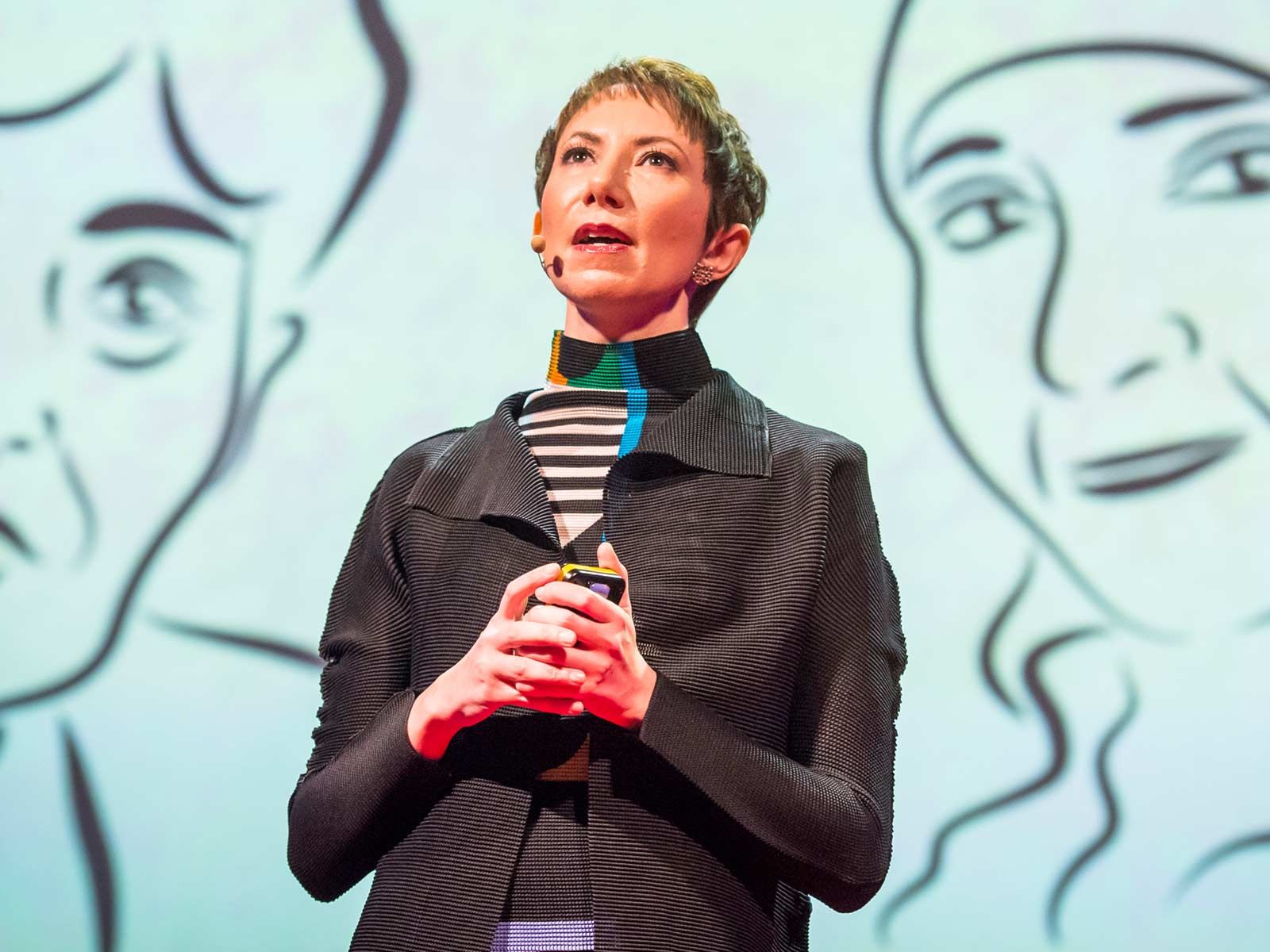
Carissa Véliz

Beware the power of prediction

Podcasts

Hear TED Fellows tell their stories in intimate interviews and learn more about what lies behind their big ideas.

Trinity Tran

Who controls your city's money? | Trinity Tran

What if your city could borrow money from its own bank instead of private lenders? TED Fellow Trinity Tran is leading the push for public banks — which are owned by the people through their local governments — and shows how this model could ensure your local tax dollars stay in your community. 

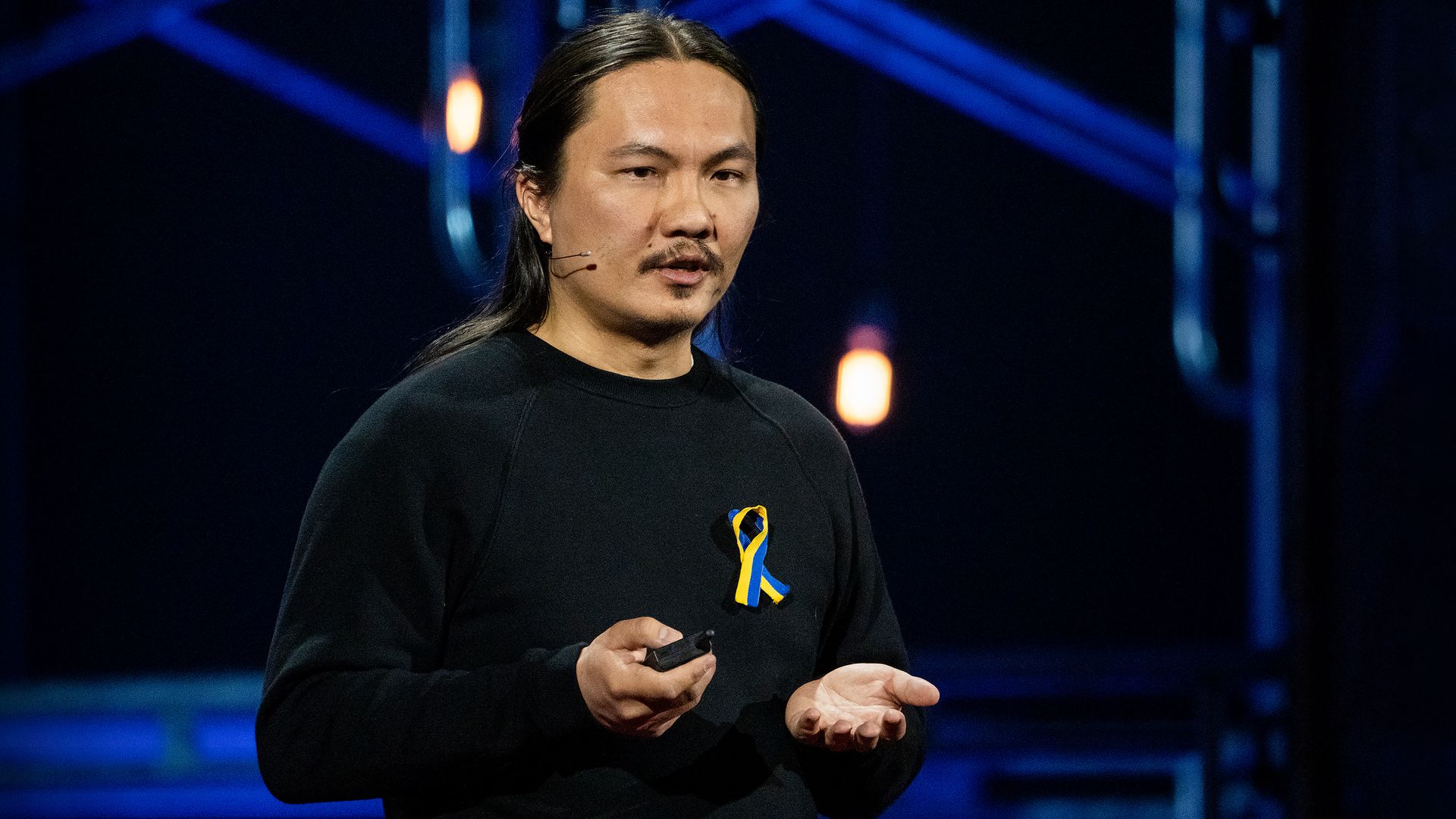
Ryosuke Takashima

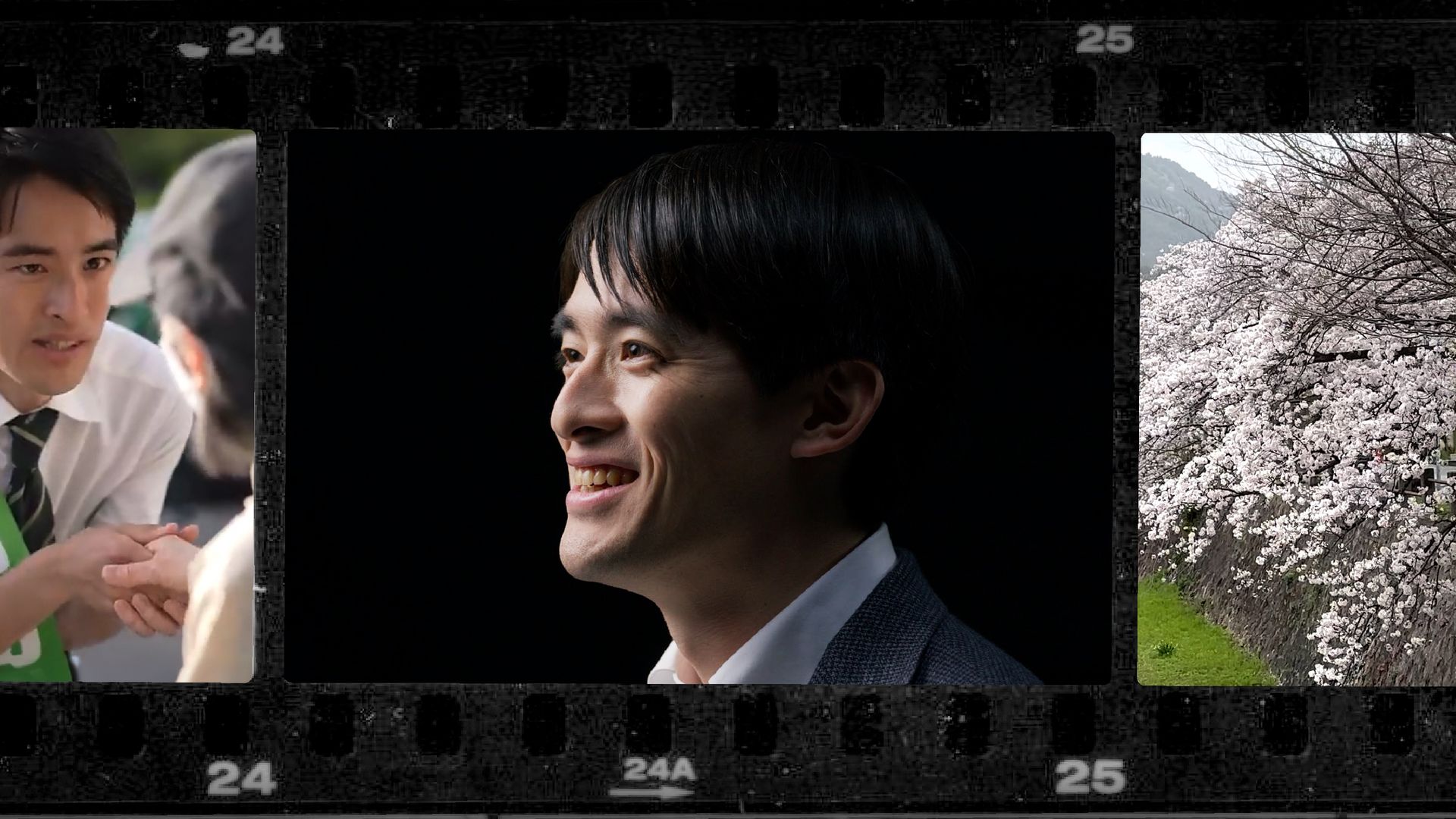
Meet the youngest-ever mayor in Japan's history | Ryosuke Takashima

TED Fellow Ryosuke Takashima is the youngest-ever mayor in Japan's history — but he doesn't consider himself a politician. His approach to leadership is simple: listen to as many voices as possible (from students to elders) in order to figure out what needs fixing. Hear why he thinks inviting citizens to participate in reforming their own communities is the best way to get things done.

Schendy Kernizan

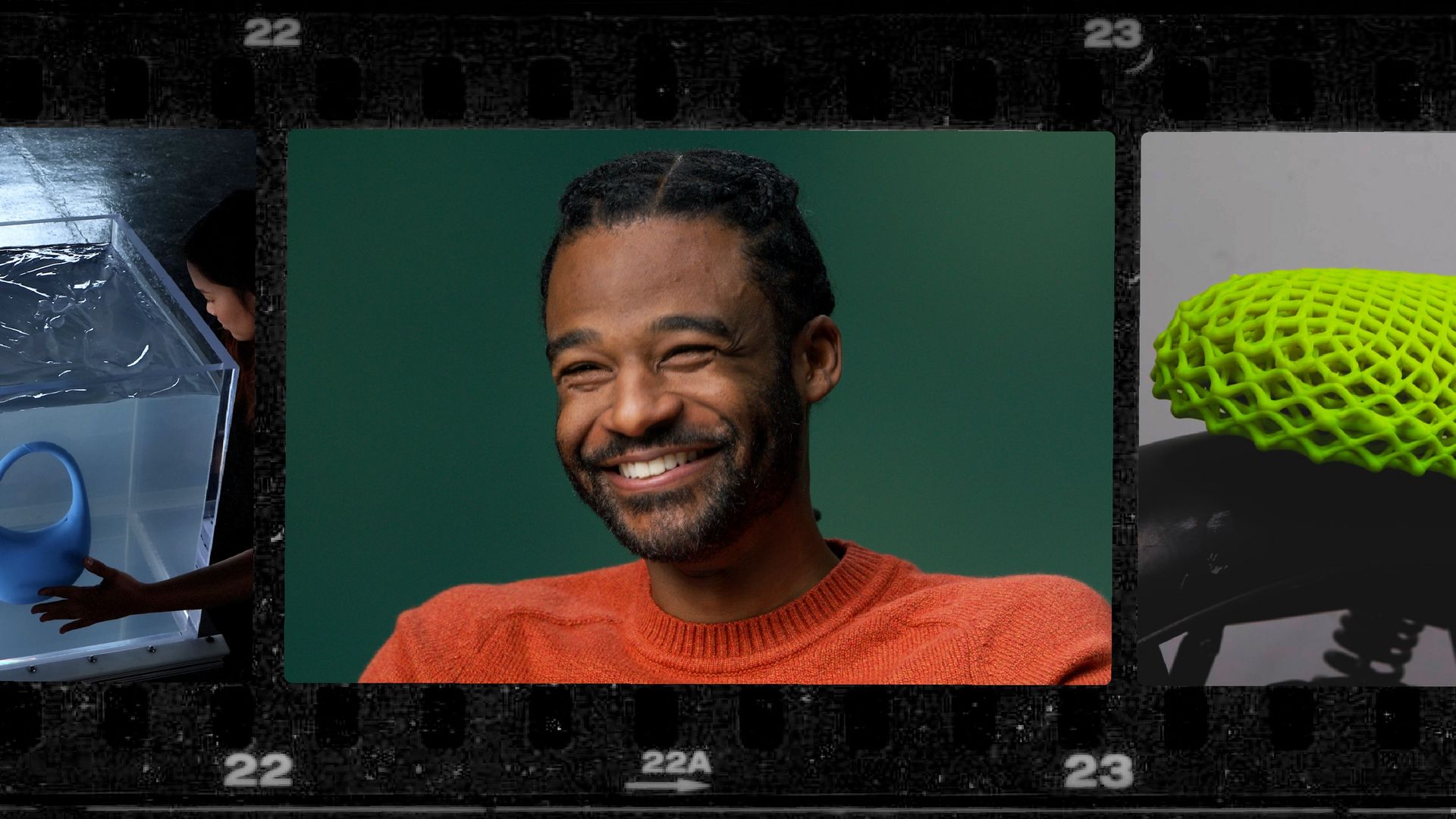
The gravity-defying future of manufacturing | Schendy Kernizan

3D printing promised to reinvent how we make things, but it's mostly stuck producing prototypes with a high level of waste. Designer and TED Fellow Schendy Kernizan found a different way — by printing objects directly into a tub of gel. He explains how this technique eliminates the constraints of gravity, pushing the limits of how we can manufacture objects across medicine, fashion, space travel and more.
Listen to all
Podcast episodes

TED Fellows Films

TED Talks meet documentaries in these short films that explore TED Fellows’ ideas. Dive into all three seasons to explore their mind-blowing innovations. 

05:39

FELLOWS FILM

Meet the youngest-ever mayor in Japan's history

TED Fellow Ryosuke Takashima is the youngest-ever mayor in Japan's history — but he doesn't consider himself a politician. His approach to leadership is simple: listen to as many voices as possible (from students to elders) in order to figure out what needs fixing. Hear why he thinks inviting citizens to participate in reforming their own communities is the best way to get things done.

2026

TED Fellows Film

Ryosuke Takashima
04:47

FELLOWS FILM

The gravity-defying future of manufacturing

3D printing promised to reinvent how we make things, but it's mostly stuck producing prototypes with a high level of waste. Designer and TED Fellow Schendy Kernizan found a different way — by printing objects directly into a tub of gel. He explains how this technique eliminates the constraints of gravity, pushing the limits of how we can manufacture objects across medicine, fashion, space travel and more.

2026

TED Fellows Film

Schendy Kernizan

Fellows Media Library
With 500+ TED Fellows and counting, we’ve got an entire world of media for you to explore. Dive into these talks, short films and podcasts showcasing Fellows turning ideas into action.

Clear
Sort
Thank you! Your submission has been received!
Oops! Something went wrong while submitting the form.

05:49

A disability-inclusive future of work

One billion people worldwide are living with a disability, and too many of them are left unemployed or feeling like they need to hide their conditions due to discriminatory hiring practices, says social innovator and TED Fellow Ryan Gersava. With a focus on healing and disclosure, he created an online school to provide people like him with the technical skills and employment aid they need to thrive. Now he's calling for every company to initiate efforts to welcome and support those with disabilities, creating a future of work that leaves no one behind.

2022

TED Talk

Philippines
HepaHealth; Globe Telecom; Kabataang Pilipino Inc.; Hope Radio Philippines; Adventist Medical Center- Iligan; World Economic Forum; Activating Rural Changemakers (ARC); Virtualahan; Adventist Medical Center and Colleges; British Council; Japan International Cooperation Agency (JICA), National Youth Commission of the Philippines; The DO School; Philippine Red Cross Youth Iligan City Chapter; Watson Institute Philippines; The Global Good Fund; U.S. Department of State; Ashoka Philippines; ChangemakerXchange; TED Fellows Program; Forbes
Ryan Gersava, through his organization Virtualahan, focuses on providing equal opportunities for socially excluded populations in the new digital economy. He designs a social technology that integrates well-being sessions and digital job skills training tailored for individuals facing social stigma. By offering virtual training and coaching, Virtualahan empowers individuals to access high-value work from home, fostering economic independence and community support. Ryan advocates for redefining disability and promoting inclusive employment practices, aiming to shift mindsets and create opportunities for marginalized populations. Through partnerships and innovative strategies, Virtualahan is making a significant impact in empowering individuals to overcome social and economic exclusion. // Virtualahan is a tech social enterprise founded by Ryan Gersava that focuses on equipping people with disabilities and other disadvantaged groups with the skills and mindset to become successful employees and entrepreneurs. Through a combination of life-coaching, community building, and digital skills training, Virtualahan aims to break down employment barriers and create a future of work where no one is left behind. The organization has over 400 graduates from various cities and provinces in the Philippines and has received recognition for its impactful work, including being awarded as one of the Ten Accomplished Youth Organizations and winning the Google Business Stories Award. Additionally, Virtualahan has been commended for its inclusive employment practices and was honored as a Global Champion at the World Summit Awards, becoming the first Filipino company to receive this recognition. // Social entrepreneur, educator, and diversity and inclusion champion. Ryan is the Founder and Chairman of Virtualahan, an online vocational school providing inclusive training to people with disabilities, recovering addicts, and others who struggle to find employment, while simultaneously empowering companies to become inclusive employers. He is also an Ashoka Fellow, an honoree for Forbes 30 under 30 Asia for Social Impact and a 2022 TED Fellow. Specialties: Diversity, Equity, Inclusion and Accessibility, Social Entrepreneurship, Design Thinking, Systems Change, Innovative Education, Impact Sourcing // A lifetime fellow at Ashoka, the oldest and largest network of social entrepreneurs in the world. It was founded in 1980 by Bill Drayton based on the idea that the most powerful force for good in the world is a social entrepreneur: a person driven by an innovative idea that can help correct an entrenched global problem. The world’s leading social entrepreneurs pursue system-changing solutions that permanently alter existing patterns of activity. // A global and well-being facilitator in-charge of holding the space and orchestrating the magic of every ChangemakerXchange summit. I am also a social media community manager that brings together the alumni of the program and engaging them in the community's Facebook group.----The ChangemakerXchange is a global collaborative community and series of retreats for young social innovators, co-created by Ashoka and the Robert Bosch Stiftung. It provides social innovators from around the world with the chance to come together in person, learn from each other, refine existing ideas and start collaborations. The community has now become >250 people following summits around the world. Together these Changemakers have developed over 50 cross-border collaborations reaching many thousands of people. // Active Citizens is a social leadership training programme that promotes intercultural dialogue and community-led social development.Through the programme, we bring together people with different beliefs and perspectives to learn from and share with each other. Working with our partners around the globe, we train participants in the skills and knowledge needed to affect social change in their communities.Active Citizens connects thousands of like-minded people around the world who collectively want to make a fairer and more inclusive society. https://www.britishcouncil.org/active-citizens // One of the chosen 12 Fellows (out of 2,400+ candidates) of The Global Good Fund’s 2017 Leadership Development Fellowship Program for Social Entrepreneurs. I'm the only one representing South-east Asia for this cohort and also the youngest.The Global Good Fund is a leadership development enterprise built by and for social entrepreneurs. We identify high-potential leaders and accelerate their success through proven and proprietary development methods. We believe growing leaders is the best strategy for solving complex social problems and achieving global good.http://www.globalgoodfund.org/ // Watson Institute - Philippines is an 8-week long incubator in Manila, Philippines for student innovators, leaders, and entrepreneurs. It includes mentorship and short courses from some of the world's foremost practitioners including the country director of Ashoka Philippines and world-renowned entrepreneurs; award winning training inspired by the Transformative Action Institute in the skills of empathy, creativity, resilience, fundraising, team-building, human-centered design, and social aikido; and the Watson Lab in which scholars receive personalized coaching and connections to world-class mentors, partners and funders to pilot, prototype, and scale their ideas to shape the future. // Hope Channel Philippines is a religious network of the Seventh-day Adventist Church & Gateway UHF Broadcasting in the Philippines. Founded and launched on September 26, 2011 in Southern Mindanao (its main service broadcast provider), and on January 2012 in Luzon and Visayas. It was first seen on UHF Channel 25 in Davao in Mindanao Region.It had also its first radio station named Hope Radio Philippines which will be heard on 101.9 Hope radio Iligan, DXCR on MVC and DXHR-AM in Butuan City. In Luzon, this station is broadcast from 7pm-7am while its sharing network station form U.S. 3ABN International which aired from 7am-7pm on UHF Channel 45, Manila. The network programming is similar to Hope Channel International programming but in Filipino language. // The Red Cross Youth (RCY) is the youth volunteering program of the Philippine Red Cross. Its mission is to educate and empower children and youth in the spirit of the Red Cross through constructive trainings and effective leadership and provide opportunities for directing and harnessing their energies and idealism into worthwhile humanitarian activities.The Philippine Red Cross Youth seeks to:Inculcate humanitarian valuesInstill the practice of healthy lifestyleEnhance youth leadership through serviceAdvocate National/International friendshipLink: https://www.facebook.com/Iligan.RCY?fref=ts // The JENESYS Programme is organized by The Government of Japan through the Japan Information and Culture Center (JICC) of the Embassy of Japan as well as the Japan International Cooperation Center (JICE), in close cooperation with the National Youth Commission (NYC) of the Republic of the Philippines. By fostering strong networks among the youths of Japan and the Philippines, the JENESYS Programme endeavors to promote cultural appreciation and mutual understanding between our two countries. The Philippine-Tohoku Goodwill Ambassadors are expected to gain a deeper understanding of Japanese culture, as well as visit Kesennuma City in Tohoku region and learn from Japan's recovery efforts, disaster risk management and the concept of a “greener environment”. The said programme was agreed upon in a joint statement by both the Government of Japan and the Government of the Republic of the Philippines on September 27, 2011, with Prime Minister Yoshihiko Noda stating that Japan will invite 400 Filipino college students to Japan this year as “Philippine-Tohoku Goodwill Ambassadors.” // Virtualahan is a social enterprise that eliminates employment barriers for People with Disabilities, former sex workers and drug addicts, persons in jail, indigenous people, and other disadvantaged communities who are socially excluded in the workplace. We do this through online training, remote work, life-coaching, and community building using cost-effective and transferrable social technology. // Part of the 2022 cohort of TED Fellows, whose work spans five continents and represents 14 countries Learn more here-- https://blog.ted.com/meet-the-2022-class-of-ted-fellows/ // Virtualahan is a social enterprise that eliminates employment barriers for People with Disabilities, former sex workers and drug addicts, persons in jail, indigenous people, and other disadvantaged communities who are socially excluded in the workplace. We do this through online training, remote work, life-coaching, and community building using cost-effective and transferrable social technology. // Ryan Gersava founded Virtualahan to break down employment barriers for stigmatized people, including those with disabilities and recovering drug addicts, by providing digital-focused job-skills training for roles that can be done remotely. // HepaHealth works on eradicating viral Hepatitis in The Philippines by connecting communities to care. www.hepahealth.org // An active Global Shaper from Davao Hub of the Global Shapers Community of the World Economic Forum. The Global Shapers Community is a network of young people driving dialogue, action and change. We believe in a world where young people are central to solution building, policy-making and lasting change. // Developed a framework that ignites the change making potential of indigenes Filipino youth using design thinking and systems change principles. // I'm working with MAINSTAY and SAILS at Seattle Central College focusing on developing new strategies, integration of technology in their programs, and harvesting 30 years of knowledge and experience in supporting Persons with Disabilities become successful in their careers. // Winner of the 2017 Asia-Pacific Future Makers Program, a social innovation program of the Singtel Group of Companies for Asia Pacific. It aims to influence and build an ecosystem of social innovators who can help create a positive impact on society with the help of technology. // The DO School offers excellent educational programs that empower talented leaders to learn how to turn ideas into action. All participants learn how to create social innovation hands- on, learn from passionate peers, engage with current experts and create impact for leading organizations. The DO School offers different high impact programs, online courses as well as innovation workshops for leading companies.Learn more: http://www.thedoschool.org // I worked as a Medical Laboratory Science Intern performing different laboratory tests, patient care, and quality control. I was specially trained in Histopathology, Blood Banking and laboratory machine operations. // KPI's flagship program aims to provide an opportunity to financially challenged Filipino youth to finish their primary and/or secondary education through financial assistance, sponsor networking, or scholarship information and assistance.KPI envisions itself to be a catalyst of Philippine development through education and become a model organization for other individuals or organizations in conveying the message that the Filipino youth is worth helping. // HepaHealth; Globe Telecom; Kabataang Pilipino Inc.; Hope Radio Philippines; Adventist Medical Center- Iligan; World Economic Forum; Activating Rural Changemakers (ARC); Virtualahan; Adventist Medical Center and Colleges; British Council; Japan International Cooperation Agency (JICA), National Youth Commission of the Philippines; The DO School; Philippine Red Cross Youth Iligan City Chapter; Watson Institute Philippines; The Global Good Fund; U.S. Department of State; Ashoka Philippines; ChangemakerXchange; TED Fellows Program; Forbes // Ryan Gersava is a social entrepreneur, educator, and diversity and inclusion champion known for founding Virtualahan, an online vocational school that provides inclusive training to marginalized communities, including people with disabilities and recovering addicts. His expertise lies in areas such as Diversity, Equity, Inclusion, and Accessibility, Social Entrepreneurship, Design Thinking, Systems Change, and Innovative Education. Ryan's impactful work has been recognized through accolades like being an Ashoka Fellow, a Forbes 30 under 30 Asia honoree for Social Impact, and a 2022 TED Fellow. With a strong commitment to empowering individuals facing barriers to employment, Ryan's initiatives focus on leveraging technology and community building to create opportunities for those often excluded from the workforce. // My mission is to break down the barriers that prevent Persons with Disabilities (PWDs) from accessing quality education and meaningful employment. By driving the adoption of inclusive practices across all sectors, ensuring equitable resource allocation, and enforcing strong legal protections, I aim to create a world where PWDs can thrive. My goal is to significantly reduce the global unemployment rate for PWDs and increase school attendance for children with disabilities. Through systems change and leveraging accurate data for informed policy-making, I envision a future where the PWD community is equipped to reach their full potential and contribute actively to a more diverse, equitable, accessible, and inclusive society. The core of my work is to enable PWDs to become leaders in our society and to build the future of work where no one is left behind // Ryan Gersava is a social entrepreneur and advocate for diversity and inclusion, best known for founding Virtualahan, a tech social enterprise that provides inclusive training to marginalized communities, including people with disabilities and recovering addicts. Through Virtualahan, Ryan focuses on equipping individuals with the skills and mindset needed to thrive in the digital economy, offering virtual training, coaching, and community support to empower economic independence. His expertise spans areas such as Diversity, Equity, Inclusion, and Accessibility, Social Entrepreneurship, Design Thinking, and Systems Change. Recognized for his impactful work, Ryan has received accolades such as being an Ashoka Fellow, a Forbes 30 under 30 Asia honoree for Social Impact, and a 2022 TED Fellow. Through innovative strategies and a commitment to creating opportunities for marginalized populations, Ryan is dedicated to reshaping mindsets and promoting inclusive employment practices to empower individuals facing social and economic exclusion. // Social innovator + educator // Social entrepreneur, educator, and diversity and inclusion champion. He is the Founder and President of Virtualahan, an impact driven company that breaks down employment barriers for Persons with Disabilities and other excluded communities using the equalizing power of technology. He is also an Ashoka Fellow and a Forbes 30 under 30 honoree. // One billion people worldwide are living with a disability, and too many of them are left unemployed or feeling like they need to hide their conditions due to discriminatory hiring practices, says social innovator and TED Fellow Ryan Gersava. With a focus on healing and disclosure, he created an online school to provide people like him with the technical skills and employment aid they need to thrive. Now he's calling for every company to initiate efforts to welcome and support those with disabilities, creating a future of work that leaves no one behind. // Ryan Gersava is a social entrepreneur and advocate for diversity and inclusion, best known for founding Virtualahan, a tech social enterprise that provides inclusive training to marginalized communities, including people with disabilities and recovering addicts. Through Virtualahan, Ryan focuses on equipping individuals with the skills and mindset needed to thrive in the digital economy, offering virtual training, coaching, and community support to empower economic independence. His expertise spans areas such as Diversity, Equity, Inclusion, and Accessibility, Social Entrepreneurship, Design Thinking, and Systems Change. Recognized for his impactful work, Ryan has received accolades such as being an Ashoka Fellow, a Forbes 30 under 30 Asia honoree for Social Impact, and a 2022 TED Fellow. Through innovative strategies and a commitment to creating opportunities for marginalized populations, Ryan is dedicated to reshaping mindsets and promoting inclusive employment practices to empower individuals facing social and economic exclusion. // Social innovator + educator // technology, tech for good, disability inclusion, entrepreneurship, education, diversity, risk management, cities, youth leadership, data, jobs, equity, job skills training, urban, finance, social entrepreneurship, research, inclusion, resilience, disability, design, volunteerism, digital economy, humanitarian, disclosures, outsourcing, marginalized, accessibility, systems change, youth, diversity and inclusion, community development, community organizing, consulting, workers, indigenous people, social impact, children, impact sourcing, science, experience design, disaster risk management, urban poor, economic independence, indigenous, law, tech visionary, communication, government // Davao Region|Philippines|Davao City
Davao Region|Philippines|Davao City

Ryan Gersava

No items found.
2022

15:53

A little-told tale of sex and sensuality

“If you really want to know a people, start by looking inside their bedrooms," says Shereen El Feki, who traveled through the Middle East for five years, talking to people about sex. While those conversations reflected rigid norms and deep repression, El Feki also discovered that sexual conservatism in the Arab world is a relatively new thing. She wonders: could a re-emergence of public dialogue lead to more satisfying, and safer, sex lives?

2014

TED Talk

Egypt
Journalist + professor // Shereen El Feki is based in Cairo, where she works on issues related to health and social welfare in the Arab region. Half-Egyptian, half-Welsh, Shereen was brought up in Canada. She started her professional life in medical science, with a PhD in molecular immunology from the University of Cambridge, and later worked as Healthcare Correspondent at The Economist magazine. In recent years, however, Shereen has re-oriented her career towards the Arab world. While she has worked in regional media, as a presenter with the Al Jazeera Network, and continues to write on social issues in the Arab world, her passion lies in the many projects in which she is involved which aim to better understand, and surmount, the social challenges facing Arabs, particularly young people. // Shereen El Feki is based in Cairo, where she works on issues related to health and social welfare in the Arab region. Half-Egyptian, half-Welsh, Shereen was brought up in Canada. She started her professional life in medical science, with a PhD in molecular immunology from the University of Cambridge. She later worked as Healthcare Correspondent at The Economist magazine, writing on biomedical research, the pharmaceutical and biotechnology industries, international public health with a special focus on reproductive health and HIV/AIDS, biomedical ethics, intellectual property rights and development. In recent years, however, Shereen has re-oriented her career towards the Arab world. Before joining the American University in Cairo, she was a presenter/reporter with Al Jazeera (English). Shereen is a senior fellow of the 21st Century Trust-Salzburg Global Seminar, the International Science and Technology Practice and Policy Center at the University of Minnesota and the Royal Society for Arts and Manufactures (RSA). She is an advisor to Meedan, a Web initiative to promote dialogue between Arabic and non-Arabic speaking communities around the world. She is also a contributor to the Index of Islamic Innovation, a project which aims to map science and technology across member states of the OIC. Shereen holds a B.Sc. from the University of Toronto, as well as an M.Phil in biochemistry and a Ph.D in molecular immunology from the University of Cambridge. // “If you really want to know a people, start by looking inside their bedrooms," says Shereen El Feki, who traveled through the Middle East for five years, talking to people about sex. While those conversations reflected rigid norms and deep repression, El Feki also discovered that sexual conservatism in the Arab world is a relatively new thing. She wonders: could a re-emergence of public dialogue lead to more satisfying, and safer, sex lives? // There is an epidemic of HIV, and with it an epidemic of bad laws -- laws that effectively criminalize being HIV positive. At the TEDxSummit in Doha, TED Fellow Shereen El Feki gives a forceful argument that these laws, based in stigma, are actually helping the disease spread. // Shereen El Feki shows how some Arab cultures are borrowing trademarks of Western pop culture -- music videos, comics, even Barbie -- and adding a culturally appropriate twist. The hybridized media shows how two civilizations, rather than dividing, can dovetail. // Shereen El Feki is based in Cairo, where she works on issues related to health and social welfare in the Arab region. Half-Egyptian, half-Welsh, Shereen was brought up in Canada. She started her professional life in medical science, with a PhD in molecular immunology from the University of Cambridge. She later worked as Healthcare Correspondent at The Economist magazine, writing on biomedical research, the pharmaceutical and biotechnology industries, international public health with a special focus on reproductive health and HIV/AIDS, biomedical ethics, intellectual property rights and development. In recent years, however, Shereen has re-oriented her career towards the Arab world. Before joining the American University in Cairo, she was a presenter/reporter with Al Jazeera (English). Shereen is a senior fellow of the 21st Century Trust-Salzburg Global Seminar, the International Science and Technology Practice and Policy Center at the University of Minnesota and the Royal Society for Arts and Manufactures (RSA). She is an advisor to Meedan, a Web initiative to promote dialogue between Arabic and non-Arabic speaking communities around the world. She is also a contributor to the Index of Islamic Innovation, a project which aims to map science and technology across member states of the OIC. Shereen holds a B.Sc. from the University of Toronto, as well as an M.Phil in biochemistry and a Ph.D in molecular immunology from the University of Cambridge. // Journalist + professor // research, technology, global health, women's and children's issues, ethics, women, science, biotech, rights, policy, public health, science-policy linkages, middle east & north africa, communication, property rights, disease, science communication // Egypt|Cairo|Cairo Governorate
Egypt|Cairo|Cairo Governorate

Shereen El Feki

No items found.
2014

04:37

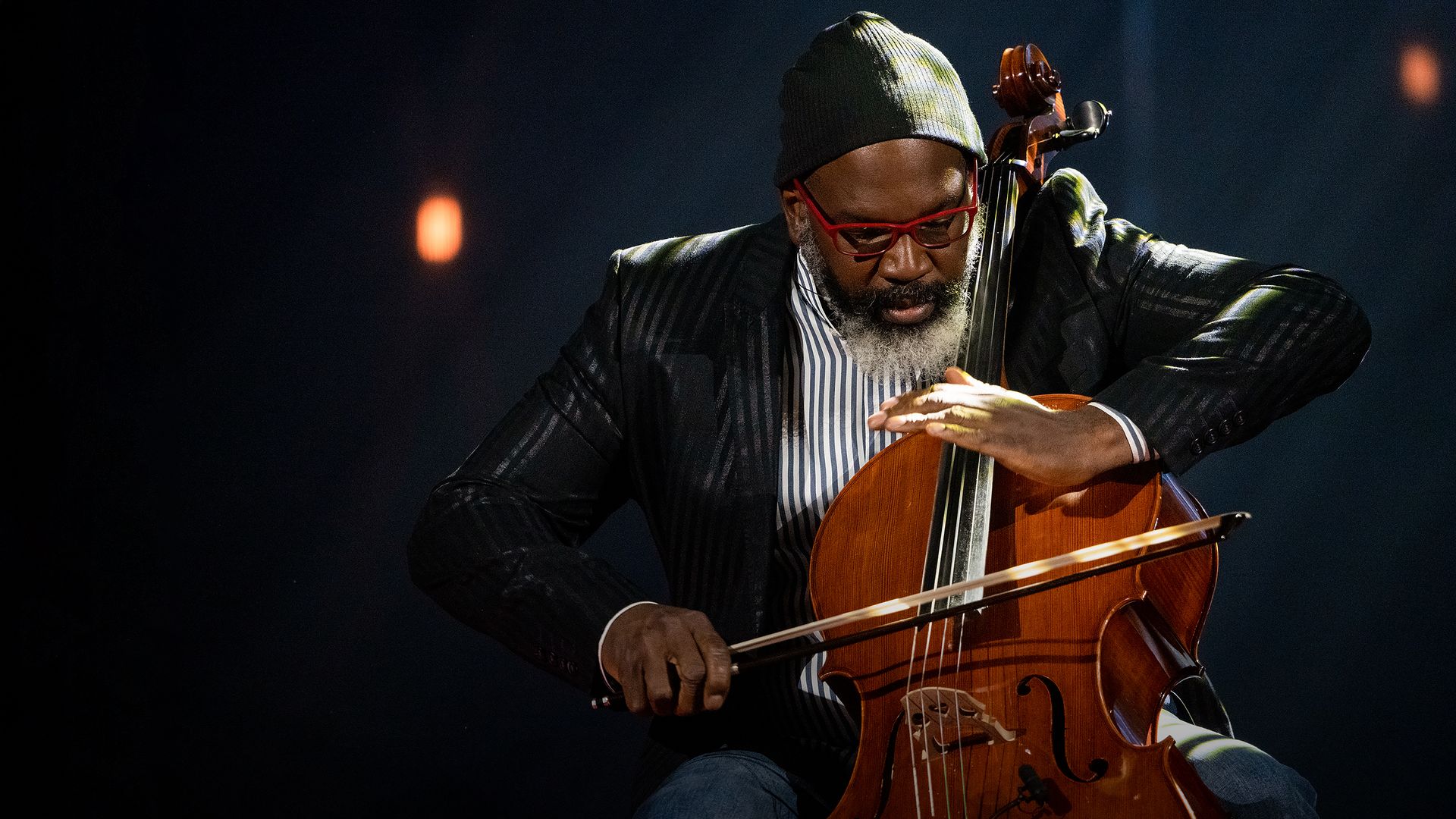
"Giving Space"

Tune into TED Fellow and multidisciplinary artist Paul Rucker's eerie, textured cello piece "Giving Space: Reflecting on the Past Few Years."

2022

TED Talk

United States
Paul Rucker is a multimedia visual artist, composer, and musician known for integrating live performance, original musical compositions, and visual art installations. His work focuses on illuminating the legacy of enslavement in America and its connection to current socio-political issues. Rucker has received numerous grants, awards, and residencies for his work in visual art and music. He is recognized for his innovative approach to art making, which involves exploring community impacts, human rights issues, historical research, and human emotions. Additionally, Rucker holds various fellowships and teaching positions, including being an Assistant Professor at Virginia Commonwealth University. // Paul Rucker is a visual artist, composer, and musician known for his work that combines various media to explore community impacts, human rights issues, historical research, and human emotions. His current focus is on the prison-industrial complex and the connection between incarceration and slavery. Rucker has exhibited his work nationally, including in educational institutions and prisons, and has collaborated with organizations to address mass incarceration. He holds prestigious fellowships and is currently an Assistant Professor and Curator for Creative Collaboration at VCUarts, Virginia Commonwealth University. // Bring attention to false narratives in history and people left out of the story. Address coordinated exclusion. // Paul Rucker is a multimedia visual artist, composer, and musician whose work delves into the intersections of art, history, and social justice. He is recognized for his innovative approach in integrating live performance, original musical compositions, and visual art installations to shed light on the legacy of enslavement in America and its contemporary socio-political implications. Rucker's artistry extends to exploring community impacts, human rights issues, historical research, and human emotions, with a particular focus on the prison-industrial complex and the ties between incarceration and slavery. Through his exhibitions, collaborations with organizations, and teaching positions at Virginia Commonwealth University, Rucker actively engages in challenging false historical narratives and advocating for marginalized voices in society. // Visual artist + cellist // Paul Rucker is a multimedia visual artist, composer, and musician. His practice often integrates live performance, original musical compositions, and visual art installation. For nearly two decades, Rucker has used his own brand of art making as a social practice, which illuminates the legacy of enslavement in America and its relationship to the current socio-political moment. His work is the product of a rich interactive process, through which he investigates community impacts, human rights issues, historical research, and basic human emotions. Rucker has received numerous grants, awards and residencies for visual art and music. He is a 2012 Creative Capital Grantee in visual art as well as a 2014, 2018, 2019 MAP (Multi-Arts Production) Fund Grantee for performance. In 2015 he received a prestigious Joan Mitchell Painters & Sculptors Grant as well as the Mary Sawyer Baker Award. In 2016 Paul received the Rauschenberg Artist as Activist fellowship and the Smithsonian Artist Research Fellowship, for which he is the first artist in residence at the new National Museum of African American Culture. Residencies include MacDowell Colony, Blue Mountain Center, Ucross Foundation, Art OMI, Banff Centre, Pilchuck Glass School, Rauschenberg Residency, Joan Mitchell Residency, Loghave, Montalvo, Hermitage, Hemera Artist Retreat, Air Serembe, Creative Alliance and the Rockefeller Foundation Study Center in Bellagio, Italy. He will be a Master Teacher at the Atlantic Center for the Arts in 2021. In 2013-2015, he was the Robert W. Deutsch Foundation Artist in Residence and Research Fellow at the Maryland Institute College of Art. He was awarded a 2017 John Simon Guggenheim Fellowship, a 2018 TED Fellowship, a 2020 TED Senior Fellowship and the 2018 Arts Innovator Award from the Dale and Leslie Chihuly Foundation and Artist Trust. His most recent award is a 2020 Art for Justice Fund Fellowship. Rucker is an iCubed Arts Research Fellow and Assistant Professor at Virginia Commonwealth University in Richmond, Virginia and Curator for Creative Collaboration for VCUarts. // Visual artist, cellist and TED Fellow Paul Rucker performs a disarming rendition of "Criminalization of Survival," a piece he created to explore the fragile journey of life in light of the brutality of the immigration crisis. // Multidisciplinary artist and TED Fellow Paul Rucker has developed his own style of cello; he puts chopsticks between his strings, uses the instrument as a drum and experiments with electronics like loop pedals. Moving between reflective storytelling and performance, Rucker shares his inspiration -- and definitely doesn't play the same old Bach. // Multidisciplinary artist and TED Fellow Paul Rucker is unstitching the legacy of systemic racism in the United States. A collector of artifacts connected to the history of slavery -- from branding irons and shackles to postcards depicting lynchings -- Rucker couldn't find an undamaged Ku Klux Klan robe for his collection, so he began making his own. The result: striking garments in non-traditional fabrics like kente cloth, camouflage and silk that confront the normalization of systemic racism in the US. "If we as a people collectively look at these objects and realize that they are part of our history, we can find a way to where they have no more power over us," Rucker says. (This talk contains graphic images.) // Paul Rucker is a multimedia visual artist, composer, and musician whose work delves into the intersections of art, history, and social justice. He is recognized for his innovative approach in integrating live performance, original musical compositions, and visual art installations to shed light on the legacy of enslavement in America and its contemporary socio-political implications. Rucker's artistry extends to exploring community impacts, human rights issues, historical research, and human emotions, with a particular focus on the prison-industrial complex and the ties between incarceration and slavery. Through his exhibitions, collaborations with organizations, and teaching positions at Virginia Commonwealth University, Rucker actively engages in challenging false historical narratives and advocating for marginalized voices in society. // Visual artist + cellist // research, glass, racism, activism, history, human rights, rights, education, immigration, address false narratives, teachers, justice, coordinated exclusion // Maryland|United Kingdom|USA|Richmond|England|Baltimore|Virginia
Maryland|United Kingdom|USA|Richmond|England|Baltimore|Virginia

Paul Rucker

No items found.
2022

A creative solution for the water crisis in Flint, Michigan | LaToya Ruby Frazier

Artist LaToya Ruby Frazier spent five months living in Flint, Michigan, documenting the lives of those affected by the city’s water crisis for her photo essay “Flint is Family.” As the crisis dragged on, she realized it was going to take more than a series of photos to bring relief. In this inspiring, surprising talk, she shares the creative lengths she went to in order to bring free, clean water to the people of Flint. Hosted on Acast. See acast.com/privacy for more information.

2023

Podcasts

United States
Visual artist + photographer // I am an artist primarily working with photography to explore issues around environmental justice, family and communal history, and private/public space, often blurring the lines between self-portraiture and documentary. My work has a deep concern for the mother/ daughter relationship. Relentlessly documenting encounters with Grandma Ruby (b.1925-2009), Mom (b.1959) and myself (b.1982) enables me to break unspoken intergenerational cycles. We are wrestling with internalized life experiences, perceptions of our-selves and familial personas developed by sociopolitical baggage. All of my photographs are created in Braddock, Pennsylvania, a historical steel mill town from America’s Industrial period. It is home of Andrew Carnegie’s first Steel Mill, The Edgar Thomson Works, (which still functions today). Grandma Ruby, Mom and myself grew up in significantly different social and economic climates in Braddock. Grandma Ruby witnessed Braddock’s prosperous days of Department stores, theaters and restaurants. Mom witnessed the steel mills close and white flight to suburban developments. I witnessed the War on Drugs decimate my family and community. Between our three generations we not only witnessed, we experienced and internalized the end of industrialization and rise of gentrification. Lately I have created photographs and videos that address class inequity, access to health care, and environmental racism. Grandma Ruby died from pancreatic cancer and diabetes, Mom currently suffers from an unknown neurological disorder and cancer and I was diagnosed with lupus fourteen years ago. The underpinning element in my photographs is the collaborative process between my mother and myself. Mom is co-author, artist and subject. She turns the camera on me to document us. I am also the subject and content of the work. This work is not solely social documentary. These are psychological portraits of the identity of the body and how surrounding outside space shapes and forms it physically. I view Grandma Ruby, Mom and myself as one entity. There is an intergenerational transference of our identities existing in the history of Braddock Pennsylvania. // LaToya Ruby Frazier’s artistic practice spans a range of media, including photography, video, performance, installation art and books, and centers on the nexus of social justice, cultural change, and commentary on the American experience. In various interconnected bodies of work, Frazier uses collaborative storytelling with the people who appear in her artwork to address topics of industrialism, rust belt revitalization, environmental justice, access to healthcare, access to clean water, workers’ rights, human rights, family, and communal history. This builds on her commitment to the legacy of 1930s social documentary work and 1960s and ’70s conceptual photography that address urgent social and political issues of everyday life. Frazier’s work has been the subject of many solo exhibitions at institutions in the US and Europe and her work is held in numerous public collections. LaToya Ruby Frazier is a 2015 MacArthur Foundation Fellowship recipient. In 2024 The Museum of Modern Art will exhibit the largest survey on her artwork and practice May 12, 2024 - September 07, 2024. // Artist and TED Fellow LaToya Ruby Frazier spent five months living in Flint, Michigan, documenting the lives of those affected by the city's water crisis for her photo essay "Flint is Family." As the crisis dragged on, she realized it was going to take more than a series of photos to bring relief. In this inspiring, surprising talk, she shares the creative lengths she went to in order to bring free, clean water to the people of Flint. // For the last 12 years, artist and TED Fellow LaToya Ruby Frazier has photographed friends, neighbors and family in Braddock, Pennsylvania. But though the steel town has lately been hailed as a posterchild of "rustbelt revitalization," Frazier's pictures tell a different story, of the real impact of inequality and environmental toxicity. In this short, powerful talk, the TED Fellow shares a deeply personal glimpse of an often-unseen world. // LaToya Ruby Frazier’s artistic practice spans a range of media, including photography, video, performance, installation art and books, and centers on the nexus of social justice, cultural change, and commentary on the American experience. In various interconnected bodies of work, Frazier uses collaborative storytelling with the people who appear in her artwork to address topics of industrialism, rust belt revitalization, environmental justice, access to healthcare, access to clean water, workers’ rights, human rights, family, and communal history. This builds on her commitment to the legacy of 1930s social documentary work and 1960s and ’70s conceptual photography that address urgent social and political issues of everyday life. Frazier’s work has been the subject of many solo exhibitions at institutions in the US and Europe and her work is held in numerous public collections. LaToya Ruby Frazier is a 2015 MacArthur Foundation Fellowship recipient. In 2024 The Museum of Modern Art will exhibit the largest survey on her artwork and practice May 12, 2024 - September 07, 2024. // Visual artist + photographer // water crisis, water, flight, storytelling, environmental racism, art, inequity, photogaphy, human rights, rights, environmental justice, justice, toxic substances, war, racism, documentary, social justice, steel, clean water, industrial, inequality // Alexandria|Virginia|United States|USA
Alexandria|Virginia|United States|USA

LaToya Ruby Frazier

No items found.
2023

13:00

Liquid Neural Networks

Liquid neural networks are a class of AI algorithms that can learn to stay adaptable even after training. Liquid neural networks are inspired by how brain cells communicate with each other. They are robust to perturbations, they do not need to be large to generate interesting behavior, and show promise in learning necessary skills from data to perform well beyond their training data. Liquid neural networks have the potential to alleviate many sociotechnical challenges of large-scale machine learning systems, such as interpretability, accountability, fairness, and carbon footprint.

2023

TED Talk

United States
AI engineer + innovator // AI engineer + innovator

Ramin Hasani

No items found.
2023

10:27

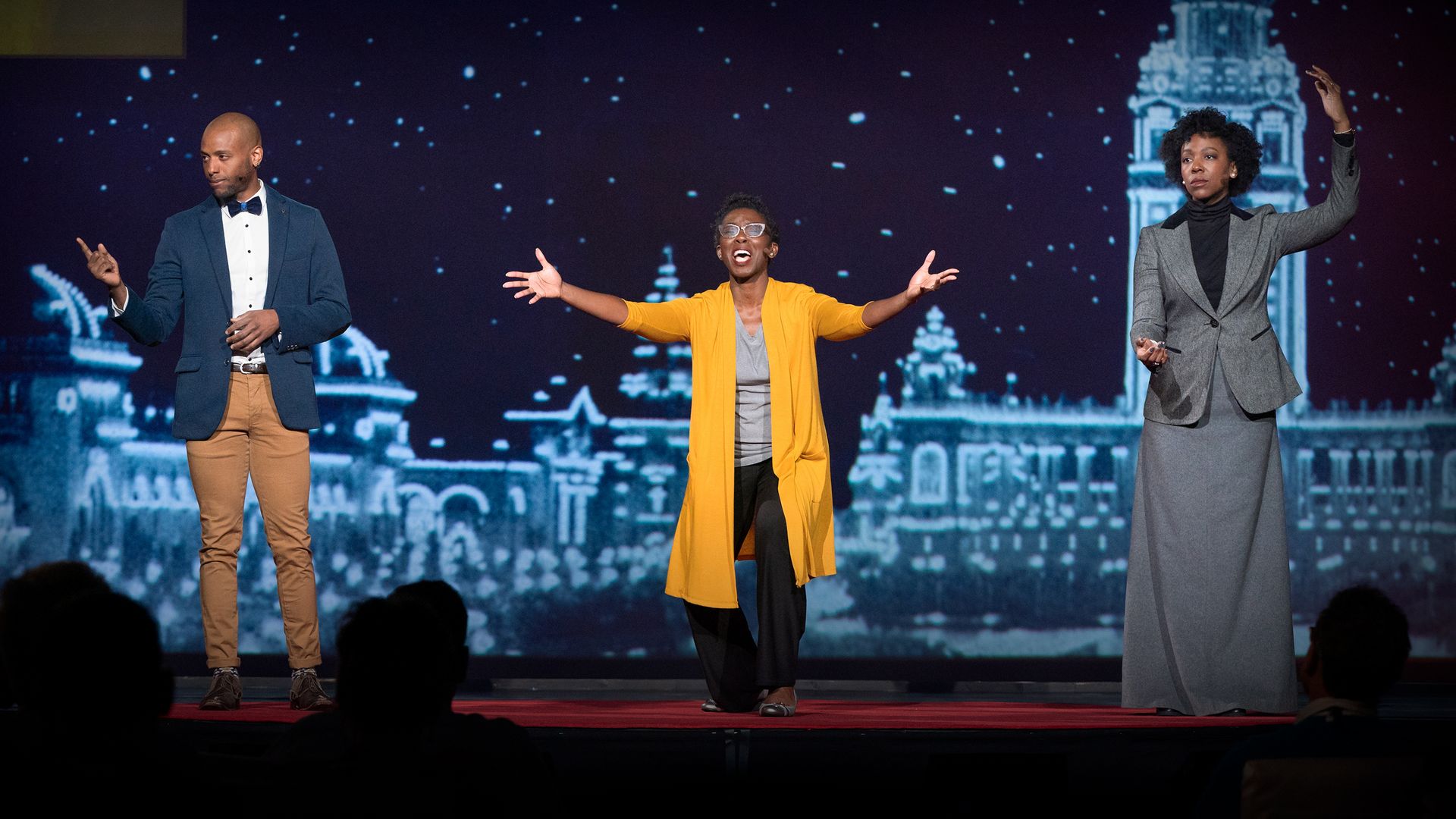
A historical musical that examines Black identity in the 1901 World's Fair

In this lively talk and performance, artist and TED Fellow Amma Y. Ghartey-Tagoe Kootin offers a sneak peek of her forthcoming musical "At Buffalo." Drawing on archival material from the 1901 Pan-American Exhibition, a world's fair held in Buffalo, New York, the show examines conflicting representations of Black identity exhibited at the fair -- highlighting unsettlingly familiar parallels between American society at the turn of the century and today, and asking: Are we all still part of the show?

2019

TED Talk

United States
Dr. Amma Y. Ghartey-Tagoe Kootin is a multidisciplinary scholartist, writer, performer, and producer known for transforming historical material about black identity into performances for the stage and screen. She has worked in academia and arts/entertainment, including as Vice President of Creative Affairs at JusticeRx. Dr. Amma is recognized for her work on projects like AT BUFFALO: A NEW MUSICAL, which explores themes of America, race, and the 1901 Buffalo, NY Worlds Fair. Her collaborative research projects have received numerous awards and fellowships, and she holds degrees from Harvard University and NYU's Tisch School of the Arts. // AT BUFFALO is an immersive and evocative musical journey through conflicting performances of race in post-Civil War America, tracking historical figures through the tumult of the fair. The organization uses collections from over 30 archives to perform stories virtually verbatim from the fragmented archive of the 1901 Pan-American Exposition. The musical aims to reconstruct the American character in the wake of national crisis by bringing to life historical names like W.E.B. Du Bois, Leon Czolgosz, and William McKinley, as well as lesser-known figures. Through a rich soundscape and innovative storytelling, AT BUFFALO aims to engage audiences with the complex narratives of race and identity during a critical moment in American history. // History helps us understand the roots of the problems we face, if we’d only face it. I transform verbatim archival material – the stuff of history – into works for theatre, television, and other story-driven formats. My work disrupts Hollywood and Broadway's convention of taking creative license with history. I ask: How can we use the best of mass entertainment to help audiences know and confront the truth of the past? My process of “performing the archive” helps us to literally face the past so that we can create new realities for our future. // Dr. Amma Y. Ghartey-Tagoe Kootin is a multidisciplinary scholartist, writer, performer, and producer who specializes in transforming historical material about black identity into compelling performances for the stage and screen. With a background in academia and arts/entertainment, she has notably served as the Vice President of Creative Affairs at JusticeRx. Dr. Amma is best known for her work on projects like AT BUFFALO: A NEW MUSICAL, which delves into themes of America, race, and the 1901 Buffalo, NY Worlds Fair. Her innovative approach involves using verbatim archival material to challenge traditional narratives and engage audiences in critical reflections on history, race, and identity. Through her unique process of "performing the archive," Dr. Amma aims to prompt audiences to confront the truth of the past and envision new possibilities for the future. // Scholar + artist // Scholar and artist working across academia and the entertainment industry to transform archival material about black identity into theatrical performances. http://www.atbuffalomusical.com // JOY All: I am the third daughter of Ghanaian immigrants who came to North America during the height of the U.S. Civil Rights Movement. Born in Tuskegee, Alabama and raised in Manhattan “The Little Apple,” Kansas, I grew up on university campuses as my childhood playground. I am Dr. Amma — a scholartist* and TED Fellow who transforms history + archival material into entertaining works for theatre, television, and film. A Harvard and NYU-Tisch alum, I “perform the archive” through music, dance, emerging technologies, and more so that nations can come together around difficult histories and face the triumphs and tragedies of our collective past. I have worked across academia and the entertainment industry, including previous stints as a professor and VP / head of Creative Affairs for JusticeRx, a production company that had a two-year overall deal with Warner Bros. TV. I am the founder of the national creative team behind AT BUFFALO, a new musical in development about blackness, American identity, and a presidential assassination at the 1901 Buffalo, NY world’s fair. Have a look at my TED talk on AT BUFFALO: https://www.ted.com/speakers/amma_ghartey_tagoe_kootin When I’m not in a writers room, archive, or rehearsal studio, I am resting. Or, working on creative justice initiatives to make Hollywood a more just space for all. Or, napping. Or, baking gluten-free, vegan desserts. Or, dancing full out to a Afrobeats song. Or, creatively dreaming. I am deeply loved by a fun, multi-generational household filled with my husband, parents, and millennial niece who comes to visit from time to time. Tacos and kelewele are my favorite food. I am exci-TED to meet you (and impressed if you’ve read this far.) Feel free to reach out to me on TEDConnect anytime or find me at a snack station. (*Scholartist coined by Joseph Shahadi and Mila Aponte-Gonzalez.) // In this lively talk and performance, artist and TED Fellow Amma Y. Ghartey-Tagoe Kootin offers a sneak peek of her forthcoming musical "At Buffalo." Drawing on archival material from the 1901 Pan-American Exhibition, a world's fair held in Buffalo, New York, the show examines conflicting representations of Black identity exhibited at the fair -- highlighting unsettlingly familiar parallels between American society at the turn of the century and today, and asking: Are we all still part of the show? // Dr. Amma Y. Ghartey-Tagoe Kootin is a multidisciplinary scholartist, writer, performer, and producer who specializes in transforming historical material about black identity into compelling performances for the stage and screen. With a background in academia and arts/entertainment, she has notably served as the Vice President of Creative Affairs at JusticeRx. Dr. Amma is best known for her work on projects like AT BUFFALO: A NEW MUSICAL, which delves into themes of America, race, and the 1901 Buffalo, NY Worlds Fair. Her innovative approach involves using verbatim archival material to challenge traditional narratives and engage audiences in critical reflections on history, race, and identity. Through her unique process of "performing the archive," Dr. Amma aims to prompt audiences to confront the truth of the past and envision new possibilities for the future. // Scholar + artist // technology, musical theatre, entertainment, immigration, research, film, tv, rights, u.s. history - late 19th/early 20th century, executive producer, war, plant-based, scholartist, scholartistry, plants, civil rights, plant-based diet, children, writer, food, creative historian, archival storyteller, justice, performing history // USA|New York|United States|Georgia|Buffalo
USA|New York|United States|Georgia|Buffalo

Amma Ghartey-Tagoe Kootin

No items found.
2019

The role of art and forgiveness in democracy | Marc Bamuthi Joseph and Wendy Whelan

Can art pave the way for a politically divided nation to move forward? Artist, cultural strategist and TED Fellow Marc Bamuthi Joseph reflects on the role of art, forgiveness and remembrance in the pursuit of public healing — especially at a time when trust is contested and community forums fractured. Wendy Whelan, associate artistic director of the New York City Ballet, joins him on stage for a rendition of “The Carnival of the Animals,” exploring how the cuckoo bird exemplifies the cycles of inaction that lead to injustice. It's more than a performance — it's a reckoning. 

2025

Podcasts

United States
Performer + Curator // Marc Bamuthi Joseph is a 2017 TED Global Fellow, an inaugural recipient of the Guggenheim Social Practice initiative, and an honoree of the United States Artists Rockefeller Fellowship. He is also the winner of the 2011 Herb Alpert Award in Theatre, and an inaugural recipient of the Doris Duke Performing Artist Award. In pursuit of affirmations of black life in the public realm, he co-founded the Life is Living Festival for Youth Speaks, and created the installation “Black Joy in the Hour of Chaos” for Creative Time. Joseph’s opera libretto, We Shall Not Be Moved, was named one of 2017’s “Best Classical Music Performances” by The New York Times. His evening length work, /peh-LO-tah/, successfully toured across North America for three years, including at BAM’s Harvey Theater as a part of the 2017 Next Wave Festival. His latest piece, “The Just and the Blind” investigates the crisis of over-sentencing in the prison industrial complex, and will premiere at Carnegie Hall in March 2019. Formerly the Chief of Program and Pedagogy at YBCA in San Francisco, Bamuthi currently serves as the Vice President and Artistic Director of Social Impact at The Kennedy Center. // In a breathtaking, jazz-inflected spoken-word performance, TED Fellow Marc Bamuthi Joseph shares a Black father's tender and wrenching internal reflection on the pride and terror of seeing his son enter adulthood. // "Soccer is the only thing on this planet that we can all agree to do together," says theater maker and TED Fellow Marc Bamuthi Joseph. Through his performances and an engagement initiative called "Moving and Passing," Joseph combines music, dance and soccer to reveal accessible, joyful connections between the arts and sports. Learn more about how he's using the beautiful game to foster community and highlight issues facing immigrants. // Marc Bamuthi Joseph is a 2017 TED Global Fellow, an inaugural recipient of the Guggenheim Social Practice initiative, and an honoree of the United States Artists Rockefeller Fellowship. He is also the winner of the 2011 Herb Alpert Award in Theatre, and an inaugural recipient of the Doris Duke Performing Artist Award. In pursuit of affirmations of black life in the public realm, he co-founded the Life is Living Festival for Youth Speaks, and created the installation “Black Joy in the Hour of Chaos” for Creative Time. Joseph’s opera libretto, We Shall Not Be Moved, was named one of 2017’s “Best Classical Music Performances” by The New York Times. His evening length work, /peh-LO-tah/, successfully toured across North America for three years, including at BAM’s Harvey Theater as a part of the 2017 Next Wave Festival. His latest piece, “The Just and the Blind” investigates the crisis of over-sentencing in the prison industrial complex, and will premiere at Carnegie Hall in March 2019. Formerly the Chief of Program and Pedagogy at YBCA in San Francisco, Bamuthi currently serves as the Vice President and Artistic Director of Social Impact at The Kennedy Center. // Performer + Curator // youth, immigration, industrial // California|Oakland|United States|USA
California|Oakland|United States|USA

Marc Bamuthi Joseph

No items found.
2025

09:15

The crime-fighting power of cross-border investigative journalism

Organized crime operates across national borders -- to keep up, investigative journalists need to do the same. TED Fellow Bektour Iskender gives the inside scoop on his efforts to unveil secret, insidious operations in his home country of Kyrgyzstan, and how he worked with a team of journalists to uncover corruption and spark a national movement. He shares three key insights on how global networks of investigative journalists protect the world not just from smugglers and thieves but from dictators and warmongers.

2022

TED Talk

Poland
ChatGPT I have dedicated the last eighteen years to developing journalism in my home country, Kyrgyzstan. Despite achieving significant successes, independent media now face unprecedented pressure from the authorities. One major challenge is the lack of access to resources and networks. I am seeking solutions to channel more resources into the media sector and support civil society as a whole. // Bektour Iskender is a dedicated individual who has spent nearly two decades working to advance journalism in Kyrgyzstan. Despite facing challenges such as government pressure and limited resources, Bektour remains committed to supporting independent media and civil society in the country. His focus lies in finding ways to increase resources and networks within the media sector to ensure its sustainability and growth. Through his work, Bektour Iskender aims to foster a vibrant and resilient media landscape in Kyrgyzstan. // Independent news publisher // Bektour Iskender is a co-founder of Kloop, one of the leading news websites in Kyrgyzstan. The most amazing thing about Kloop is that its authors are very young journalists, usually aged 14 to 25. Despite their age, they cover all the serious issues, including politics, human rights and corruption. (And not only bad stuff, of course, they cover sports and culture too.) This is a unique case for the whole world, when teenagers run one of the leading news outlets in a country. Bektour was behind launching Kloop's newsroom, served as the editor-in-chief of the website until 2014, and founded Kloop Journalism School, where are all these talented kids are being trained. // Organized crime operates across national borders -- to keep up, investigative journalists need to do the same. TED Fellow Bektour Iskender gives the inside scoop on his efforts to unveil secret, insidious operations in his home country of Kyrgyzstan, and how he worked with a team of journalists to uncover corruption and spark a national movement. He shares three key insights on how global networks of investigative journalists protect the world not just from smugglers and thieves but from dictators and warmongers. // Bektour Iskender is a dedicated individual who has spent nearly two decades working to advance journalism in Kyrgyzstan. Despite facing challenges such as government pressure and limited resources, Bektour remains committed to supporting independent media and civil society in the country. His focus lies in finding ways to increase resources and networks within the media sector to ensure its sustainability and growth. Through his work, Bektour Iskender aims to foster a vibrant and resilient media landscape in Kyrgyzstan. // Independent news publisher // journalism investigation, photography, human rights, rights, youth, journalism investigations, journalism, social media, media development, media management, politics, online journalism, fundraising, foreign reporting, youth journalism // Netherlands|Kyrgyzstan|Masovian Voivodeship|Warsaw|Ukraine|Bishkek|Kyiv|Poland|Amsterdam
Netherlands|Kyrgyzstan|Masovian Voivodeship|Warsaw|Ukraine|Bishkek|Kyiv|Poland|Amsterdam

Bektour Iskender

No items found.
2022

04:07

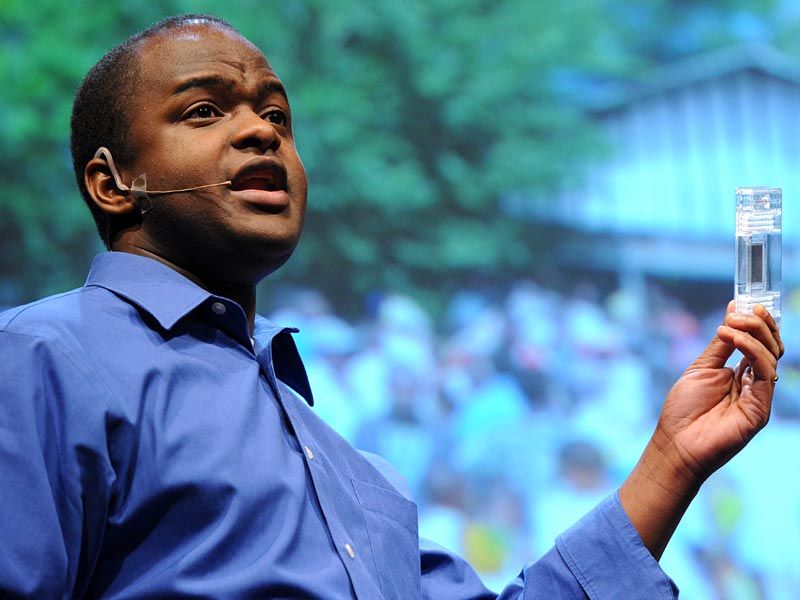
Bio-lab on a microchip

Drugs alone can't stop disease in sub-Saharan Africa: We need diagnostic tools to match. TED Senior Fellow Frederick Balagadde shows how we can multiply the power and availability of an unwieldy, expensive diagnostic lab -- by miniaturizing it to the size of a chip.

2010

TED Talk

United States
A company that I founded in 2017, Itherial Systems LLC, is committed to transforming how businesses operate by developing custom web applications that optimize workflow and automate business processes. Our mission is to enable organizations to become fully cloud-based information systems, accessible from anywhere, thereby increasing efficiency, flexibility, and scalability. We strive to have a significant impact by empowering businesses to operate seamlessly in the digital age. The questions that drive our work include: How can we harness the power of automation and the cloud to streamline operations? How can we help businesses become more agile and responsive to change? // Frederick Balagadde is the founder of Itherial Systems LLC, a company established in 2017 with a focus on revolutionizing business operations through the development of tailored web applications. Specializing in optimizing workflows and automating processes, Balagadde's work aims to facilitate the transition of organizations into fully cloud-based systems, enhancing efficiency, flexibility, and scalability. With a commitment to empowering businesses to thrive in the digital era, Balagadde and his team tackle challenges related to automation, cloud integration, and agility, seeking to drive impactful transformations in how businesses function and adapt to change. // Microfluidics inventor // Dr. Frederick Balagadde is an<a href="http://www.k-rith.org/scientists-research/investigators"> Assistant Investigator </a>at <a href="http://www.k-rith.org"> K-RITH</a>—the new Africa site of Howard Hughes Medical Institute—located in Durban, South Africa. At K-RITH (short for KwaZulu-Natal Research Institute for TB and HIV), Dr. Balagadde heads an independent, bioengineering research program aimed at leveraging the power of microfluidics large scale integration (MLSI) to multiply the output of clinical and laboratory scientists. Using specially designed microfluidic chips, the bioengineering program at K-RITH is working on low-cost, sample-in-answer-out diagnostic tools and high-throughput research platforms to address HIV and TB pathogenesis. This in turn will enable scientists to perform hundreds and thousands of diagnostics tests (or experimental measurements) simultaneously at low cost—a strategic initiative aimed at bridging the health resource gap in the developing world. As part of this vision, in December 2009, he was one of 20 individuals selected to comprise the inaugural class of the TED Senior Fellowship program. TED (or Technology Entertainment and Design) is a global network of the some of the world’s most innovative minds, determined to amplify the power of other ‘visionaries-in-the-making’ through its fellowship program. Prior to this, he worked at Lawrence Livermore National Laboratory as a research scientist in the Engineering Technologies Division from 2007 to 2010. In July of 2010 he joined Stanford University as a consulting assistant Professor in the Division of Infectious Diseases and embarked on an entrepreneurial odyssey involving the development of microfluidics technology towards low-cost disease diagnostic devices for the Developing World. He received his PhD in Applied Physics in 2007 from the <a href="http://www.caltech.edu">California Institute of Technology (Caltech)</a> located in Pasadena, California. In 2005, he developed the microchemostat–the first implementation of a microfluidic chip that cultures live bacterial cells in perpetuity. This seminal work, which was published in the Journal Science and<a href="http://www.npr.org/templates/story/story.php?storyId=4725132"> featured on National Public Radio</a>–a syndicated news network of 900 public radio stations in the United States–enabled discoveries about biological circuits that eluded detection in conventional settings. Dr. Balagadde also has experience in business intelligence gained through broad-based consulting roles at <a href="http://strategicbusinessinsights.com/"> Strategic Business Insights (SBI)</a>—an international consulting firm based in Menlo Park, California. // Frederick Balagadde received his PhD in Applied Physics from Caltech in 2007 and became a TED Fellow in 2009. While he was a graduate student, Frederick invented the microchemostat: a first-of-its-kind microfabricated fluidic chip for continuous bacterial cultivation. The microchemostat invention was featured on NPR, and published in the prestigious Science Magazine. In 2012, he pioneered the development of the first microfluidics Large Scale Integration (mLSI) research facility in Africa at K-RITH, where he was a Principal Investigator for 5 years. In 2015 he was awarded the Young Alumni Outstanding Achievement Award by Manchester University. His latest invention, ITHERIAL Systems LLC, is a software development company that develops innovative progressive web applications (Web Apps) and Data Analytics solutions. // Drugs alone can't stop disease in sub-Saharan Africa: We need diagnostic tools to match. TED Senior Fellow Frederick Balagadde shows how we can multiply the power and availability of an unwieldy, expensive diagnostic lab -- by miniaturizing it to the size of a chip. // Frederick Balagadde is the founder of Itherial Systems LLC, a company established in 2017 with a focus on revolutionizing business operations through the development of tailored web applications. Specializing in optimizing workflows and automating processes, Balagadde's work aims to facilitate the transition of organizations into fully cloud-based systems, enhancing efficiency, flexibility, and scalability. With a commitment to empowering businesses to thrive in the digital era, Balagadde and his team tackle challenges related to automation, cloud integration, and agility, seeking to drive impactful transformations in how businesses function and adapt to change. // Microfluidics inventor // technology, enterprise software development, automation, efficiency, data, bioengineering, infectious disease, research, design, data and analytics, business process automation, microfluidics, web apps, custom web applications, software development, science, software, low-cost, business consulting, disease // USA|Dracut|United States|Massachusetts|Boston
USA|Dracut|United States|Massachusetts|Boston

Frederick Balagadde

No items found.
2010

The multibillion-dollar US prison industry -- and how to dismantle it | Bianca Tylek

A phone call to a US prison or jail can cost up to a dollar per minute -- a rate that forces one in three families with incarcerated loved ones into debt. In this searing talk about mass incarceration, criminal justice advocate and TED Fellow Bianca Tylek exposes the predatory nature of the billion-dollar prison telecom industry and presents straightforward strategies to dismantle the network of corporations that has a financial interest in seeing more people behind bars for longer periods of time. Hosted on Acast. See acast.com/privacy for more information.

2021

Podcasts

United States
Worth Rises; Columbia Law School; Association of State Correctional Administrators (ASCA); ACLU; Harvard Law School; Brennan Center for Justice; Columbia University; Corrections Accountability Project at the Urban Justice Center; Columbia University in the City of New York; Goldman Sachs Asset Management; Teach For America; Citi; Morgan Stanley Investment Management; NYC Department of Correction; Harvard University
Worth Rises is a non-profit advocacy organization dedicated to dismantling the prison industry and ending the exploitation of those it touches. They work to expose the commercialization of the criminal legal system, advocate for fair treatment of incarcerated individuals, and organize campaigns to protect and return economic resources extracted from affected communities. Through research, data analysis, and mobilizing knowledge, they aim to raise awareness and shift discourse around the prison industrial complex. Their efforts include organizing campaigns, leading initiatives to challenge those who profit from mass incarceration, and envisioning a society free of reliance on human caging for wealth or operation. // Combining unique expertise in both criminal justice and financial services to combat the commercial exploitation of the criminal legal system and protect and return the resources of directly-impacted communities // Presented on use of force data to state correctional directors at ASCA's summer conference // Sponsored by Ropes & Gray LLP // Education Pioneers Fellowship Placement // Ford Foundation Law School Public Interest Fellowship Placement // Worth Rises; Columbia Law School; Association of State Correctional Administrators (ASCA); ACLU; Harvard Law School; Brennan Center for Justice; Columbia University; Corrections Accountability Project at the Urban Justice Center; Columbia University in the City of New York; Goldman Sachs Asset Management; Teach For America; Citi; Morgan Stanley Investment Management; NYC Department of Correction; Harvard University // Bianca Tylek leverages a distinctive blend of knowledge in criminal justice and financial services to address the exploitation of the criminal legal system and advocate for the restoration of resources to affected communities. With a focus on combatting commercial exploitation, Bianca's work intersects with various sectors to drive impactful change. She has shared insights on use of force data with state correctional directors at a prestigious conference and has gained valuable experience through placements with organizations like Ropes & Gray LLP, Education Pioneers Fellowship, and Ford Foundation Law School Public Interest Fellowship. Bianca's efforts reflect a commitment to promoting equity and justice within the legal landscape. // I'm working to remove the financial incentives to incarcerate people. // Bianca Tylek is a dedicated advocate and expert at the intersection of criminal justice and financial services. Through her work with organizations like Worth Rises, she focuses on dismantling the prison industry's commercialization and advocating for fair treatment of incarcerated individuals. Bianca's efforts involve research, data analysis, and mobilizing knowledge to raise awareness about the exploitation within the criminal legal system. Her commitment to promoting equity and justice is evident in her initiatives to challenge those who profit from mass incarceration and envision a society free from reliance on human caging for profit. Bianca's unique blend of expertise drives impactful change in combatting commercial exploitation and restoring resources to affected communities. // Criminal justice advocate // Bianca is an activist artist and the Founder & Executive Director of Worth Rises, where she combines her direct experience with the criminal legal system and expertise in financial and legal services to challenge the prison industry. Before founding Worth Rises in 2017, Bianca was a fellow at the Brennan Center for Justice, where she investigated the perverse financial incentives created by correctional funding. Previously, Bianca worked with various state and local corrections agencies, including New York City, Pennsylvania, and Massachusetts. She has also consulted to the Association of State Correctional Administrators and worked for the Campaign to End Mass Incarceration at the American Civil Liberties Union. Bianca co-founded College Pathways at Rikers Island, a preparation program for incarcerated students interested in pursuing higher education. Before committing her career to criminal and racial justice, Bianca worked as a financial analyst at Citigroup and Morgan Stanley. Bianca has been honored as an Art For Justice Fellow, American Achievement Summit Delegate, Equal Justice Works Fellow, a Harvard University Presidential Public Service Fellow, Ford Foundation Public Interest Fellow, Paul & Daisy Soros New American Fellow, and an Education Pioneers Analyst Fellow. // A phone call to a US prison or jail can cost up to a dollar per minute -- a rate that forces one in three families with incarcerated loved ones into debt. In this searing talk about mass incarceration, criminal justice advocate and TED Fellow Bianca Tylek exposes the predatory nature of the billion-dollar prison telecom industry and presents straightforward strategies to dismantle the network of corporations that has a financial interest in seeing more people behind bars for longer periods of time. // Bianca Tylek is a dedicated advocate and expert at the intersection of criminal justice and financial services. Through her work with organizations like Worth Rises, she focuses on dismantling the prison industry's commercialization and advocating for fair treatment of incarcerated individuals. Bianca's efforts involve research, data analysis, and mobilizing knowledge to raise awareness about the exploitation within the criminal legal system. Her commitment to promoting equity and justice is evident in her initiatives to challenge those who profit from mass incarceration and envision a society free from reliance on human caging for profit. Bianca's unique blend of expertise drives impactful change in combatting commercial exploitation and restoring resources to affected communities. // Criminal justice advocate // prison abolition, education, financial services, data, finance, research, activism, race, policy, advocacy campaigns, prisoner rights , public policy, data analysis, criminal justice, advocacy, island, campaigns, nature, expose, law, industrial, communication, justice, racial justice // New York|United States|USA
New York|United States|USA

Bianca Tylek

No items found.
2021

04:10

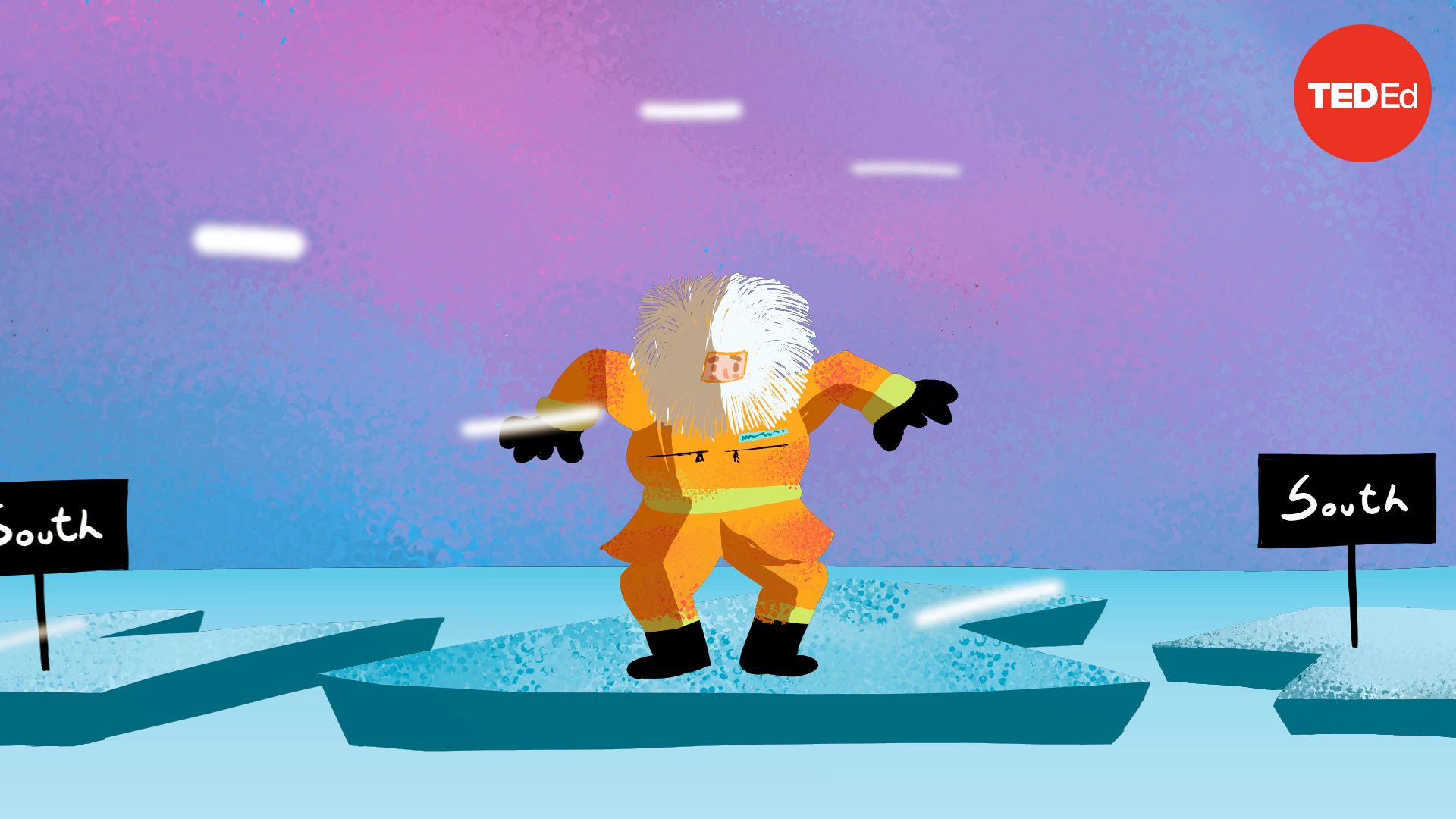
The Arctic vs. the Antarctic

How can you tell the two poles apart? Where are the penguins? What about the bears? The Arctic pole is located in the Northern Hemisphere within the deep Arctic Ocean, while the Antarctic pole is smack in the middle of the ice-covered Antarctica. Camille Seaman describes how enterprising people and organisms have found ways to reside around both poles despite the frigid temperatures. [Directed by Iuri Araújo & Guilherme Araújo, narrated by Michelle Snow].

2020

Other

Ireland
Camille Seaman is a photographer known for her captivating work capturing the beauty and changing landscapes of Earth's polar regions. Her photographs, featured in various publications, showcase the dramatic and sublime nature of weather phenomena and icebergs. Seaman's images convey a deep connection to nature, emphasizing the importance of preserving these environments. Through exhibitions, books, and speaking engagements, she shares her unique perspective and experiences, highlighting the intricate relationship between humans and the natural world. // My aim is to inspire, to encourage humanity to understand it's interconnectedness to all things. That we are not separate from Nature. // Camille Seaman is a photographer renowned for her compelling work capturing the mesmerizing landscapes of Earth's polar regions. Through her visually striking photographs, she skillfully portrays the beauty and dynamism of weather phenomena and icebergs, emphasizing the fragile yet awe-inspiring nature of these environments. Seaman's artistry not only showcases the magnificence of the natural world but also serves as a poignant reminder of the urgent need for environmental conservation. By sharing her unique perspective through exhibitions, books, and public speaking engagements, she aims to foster a deeper understanding of humanity's interconnectedness with nature, encouraging a sense of stewardship towards our planet. // Photographer // A Native American photographer whose work captures the harsh beauty of remote Arctic landscapes // Camille Seaman was born in 1969 to a Native American (Shinnecock tribe) father and African American mother. She graduated in 1992 from the State University of New York at Purchase, where she studied photography with Jan Groover and has since taken master workshops with Steve McCurry, Sebastiao Salgado, and Paul Fusco. Her photographs have been published in National Geographic Magazine, Italian Geo, The New York TimesSunday magazine, Newsweek, Outside, Zeit Wissen, Mens Journal, Camera Arts, Issues, PDN, and American Photo among many others, She frequently leads photographic and self-publishing workshops. Her photographs have received many awards including: a National Geographic Award, 2006; and the Critical Mass Top Monograph Award, 2007. She is a TED Senior Fellow (2013) as well as a Stanford Knight Fellow 2013-14. // Photographer Camille Seaman has been chasing storms for 5 years. In this talk she shows stunning, surreal photos of the heavens in tumult. // Photographer Camille Seaman shoots icebergs, showing the world the complex beauty of these massive, ancient chunks of ice. Dive in to her photo slideshow, "The Last Iceberg." // Camille Seaman is a photographer renowned for her compelling work capturing the mesmerizing landscapes of Earth's polar regions. Through her visually striking photographs, she skillfully portrays the beauty and dynamism of weather phenomena and icebergs, emphasizing the fragile yet awe-inspiring nature of these environments. Seaman's artistry not only showcases the magnificence of the natural world but also serves as a poignant reminder of the urgent need for environmental conservation. By sharing her unique perspective through exhibitions, books, and public speaking engagements, she aims to foster a deeper understanding of humanity's interconnectedness with nature, encouraging a sense of stewardship towards our planet. // Photographer // extreme photography, nature, exploration, climate, arctic, climate change, sustainability, weather, antarctica, polar environments, explorer, hurricanes, polar photography, creativity, storms, hurricanes and tornadoes, master of light, extreme weather // Denmark|Ireland|Kilkee|√òlgod|Earth's Polar Regions
Denmark|Ireland|Kilkee|√òlgod|Earth's Polar Regions

Camille Seaman

No items found.
2020

08:10

When bad engineering makes a natural disaster even worse

What did the world learn from the devastating earthquake that struck Haiti in 2010? That shoddy buildings and bad planning can make a terrible situation even worse. "Haiti was not a natural disaster," says TED Fellow Peter Haas. "It was a disaster of engineering." The solution: Help builders on the ground get trained in modern engineering practices, so they can rebuild their country stronger, brick by brick.

2010

TED Talk

United States
Peter Haas is the CEO of Avendly and has a background in AI, robotics, and IOT. He has been involved in various research projects focusing on the impacts of technology on society. Additionally, he has experience in founding and operating start-ups and charities related to technology and enterprise development. Peter Haas is a TED speaker and has spoken at various prestigious venues. He also shares insights on AI trust and guidelines for AI safety to prevent potential risks associated with advanced technology. // Peter Haas is a seasoned professional with a diverse background in AI, robotics, and IOT. As the CEO of Avendly, he brings a wealth of experience in founding and operating start-ups and charities focused on technology and enterprise development. Peter is known for his research projects exploring the societal impacts of technology and has shared his insights on AI trust and safety at prestigious venues, including TED talks. His work emphasizes the importance of establishing guidelines for AI safety to mitigate potential risks associated with advanced technologies. // Building activist // Peter Haas is the founder of AIDG, a small business development and training organization that helped over 200,000 people get access to solar lights, hydroelectric systems, sanitary services and prefab housing. He is executive director of Ethoco, a new NGO dedicated to getting people out of substandard housing. He has been an Echoing Green fellow and a TED senior fellow. His work has been featured in NPR, Fast Company, Forbes and other media outlets. He spent 3 years working in Haiti as a member of the Clinton Global Initiative Haiti Action Network training over 4,000 masons in earthquake resistant construction. He has been a judge for EPA P3, Echoing Green, Guateverde and other business plan competitions. Prior to AIDG Peter vacillated between working in information technology and being a ranch hand. He has a BA from Yale University. // Peter is the Director of the Robotics Department at MassTech, focused on building out the Massachusetts robotics ecosystem. Peter was the CEO of Avendly and was faculty at Brown University. He was the Associate Director of the Brown University Humanity Centered Robotics Initiative where he helped in research on automation based job displacement, AR, VR and MR interfaces for robots, MR shared mental models with robots, social robotics for the elderly, UAV autonomy, Moral norms in AI, and some peripheral pick and place and motion planning work. He ran the Computer Vision practice at IDC as Research Director in Computer Vision AI Software. He was the Co-Founder and COO of XactSense, a UAV manufacturer working on LIDAR mapping and autonomous navigation. Prior to XactSense, Peter founded AIDG – a small hardware enterprise accelerator in Haiti and Guatemala. AIDG did design for extreme affordability work and provided seed funding to local entrepreneurs. The largest company launched with AIDG support, Kingo Energy, now serves 5 million people with solar systems in Central America. Peter received both TED and Echoing Green fellowships. He has been a speaker at TED Global, The World Bank, Harvard University and other venues. His public speaking is represented by TED. He speaks on AI, Robotics, automation based job displacement, design for extreme affordability, disaster response and international development. He holds a Philosophy B.A. from Yale. // What did the world learn from the devastating earthquake that struck Haiti in 2010? That shoddy buildings and bad planning can make a terrible situation even worse. "Haiti was not a natural disaster," says TED Fellow Peter Haas. "It was a disaster of engineering." The solution: Help builders on the ground get trained in modern engineering practices, so they can rebuild their country stronger, brick by brick. // Peter Haas is a seasoned professional with a diverse background in AI, robotics, and IOT. As the CEO of Avendly, he brings a wealth of experience in founding and operating start-ups and charities focused on technology and enterprise development. Peter is known for his research projects exploring the societal impacts of technology and has shared his insights on AI trust and safety at prestigious venues, including TED talks. His work emphasizes the importance of establishing guidelines for AI safety to mitigate potential risks associated with advanced technologies. // Building activist // technology, lidar, haiti, entrepreneurship, appropriate technology, automation, buildings, lighting, poverty alleviation, job skills training, research, design, uav drones building and piloting, making, hydro power, construction, robotics, ros, disaster response and recovery, design for affordability, solar, hardware, iot, cyber, hydroelectricity, computer vision, ai, information technology, infosec, housing, autonomous navigation, natural disaster, poverty, robotics and automation, ecosystem building, software, artificial intelligence, displacement // USA|Woonsocket|United States|Providence|Rhode Island
USA|Woonsocket|United States|Providence|Rhode Island

Peter Haas

No items found.
2010

What productive conflict can offer a workplace | Jess Kutch

Got an idea to make your workplace better? Labor organizer and TED Fellow Jess Kutch can show you how to put it into action. In this quick talk, she explains how "productive conflict" -- when people organize to challenge and change their work lives for the better -- can be beneficial for employees and employers alike. Hosted on Acast. See acast.com/privacy for more information.

2023

Podcasts

United States
Change.org; Public Citizen; Coworker.org; The Solidarity Fund by Coworker; New Organizing Institute; SEIU; Echoing Green; The Aspen Institute; TED Conferences; Bennington College
Coworker.org is a global peer-based platform that supports workers in sparking positive change in the workplace. The organization believes in empowering individuals to have a voice in shaping their working conditions and work processes. They offer training, support, and advocacy tools to help workers launch campaigns and organizations to address workplace issues. Coworker.org has been instrumental in helping employees join together to achieve changes such as raising wages and improving working conditions. The platform has been recognized for its role in facilitating worker organizing and creating a space for employees to gather, organize, and advocate for change. // Coworker.org, co-founded by Jess Kutch, is a platform that utilizes digital tools, data, and strategies to empower workers in the 21st-century economy. The organization focuses on promoting worker voice, digital labor organizing, and democracy in the workplace. By offering digital tools to non-union workers, Coworker.org has successfully facilitated wins such as wage increases, scheduling reform, and parental leave benefits. The platform aims to complement traditional trade unions and regulatory bodies, representing a new chapter in organized labor's history of experimentation. Coworker.org advocates for workers to have a say in their working conditions, industry standards, and wages, particularly in the gig economy, to eliminate precarity and create more stable work environments. // Leading a team of organizers, technologists, and designers at Coworker.org in helping people win improvements in the workplace. // With support from The Prudential Foundation and Ford Foundation, the Job Quality Fellowship at the Aspen Institute aims to support and strengthen the work of leaders dedicated to expanding access to and availability of better quality jobs in our economy. // • Developing strategy to win economic justice campaigns, including workers’ rights, foreclosure prevention and consumer advocacy campaigns• Hiring and supervising team of online organizers • Pitching campaign stories to local, state and national media outlets• Coordinating with organizational partners // Change.org; Public Citizen; Coworker.org; The Solidarity Fund by Coworker; New Organizing Institute; SEIU; Echoing Green; The Aspen Institute; TED Conferences; Bennington College // Jess Kutch is a seasoned professional with a strong background in leading teams focused on driving positive change in the workplace. At Coworker.org, Jess leads a diverse team of organizers, technologists, and designers to empower individuals in advocating for workplace improvements. Through initiatives like the Job Quality Fellowship at the Aspen Institute, supported by The Prudential Foundation and Ford Foundation, Jess is dedicated to enhancing access to better quality jobs in the economy. With a focus on economic justice campaigns, workers' rights, foreclosure prevention, and consumer advocacy, Jess excels in developing winning strategies, managing teams, and fostering partnerships with various stakeholders. // Jess Kutch is a co-founder of Coworker.org, a global platform dedicated to empowering workers by providing digital tools and resources for organizing and advocating for better working conditions. With a focus on promoting worker voice and democracy in the workplace, Jess leads a diverse team in supporting individuals in launching campaigns to address issues such as wage increases, scheduling reform, and parental leave benefits. Through initiatives like the Job Quality Fellowship at the Aspen Institute, Jess demonstrates a commitment to enhancing access to better quality jobs and advancing economic justice. With a background in driving positive change in the workplace, Jess excels in developing strategies, managing teams, and fostering partnerships to support workers' rights and advocate for improved job quality. // Labor entrepreneur // Co-founder of Coworker.org, a labor organization for the 21st century helping workers solve problems and advance change through an open online platform. // Jess Kutch is the Co-Executive Director of Coworker.org, where she is helping build a labor movement for the future that is open to all workers and powered by data and technology. Coworker.org has helped hundreds of thousands of people experience worker-powered change in their workplaces, from winning wage hikes and expanded paid parental leave, to creating better dress codes and scheduling practices. In 2015, Coworker.org hosted the first-ever White House Town Hall on the Future of Worker Voice with President Obama. Jess has 15 years’ experience working at the intersection of technology and social change. Prior to co-founding Coworker.org, Jess lead a team at Change.org in raising the company’s profile around the world and inspiring hundreds of thousands of people to launch and lead their own efforts on the platform. Jess also managed digital projects for the Service Employees International Union (SEIU) where she pioneered online strategies for the labor movement. Jess is an Aspen Institute Job Quality Fellow, Echoing Green Global Fellow, and J.M. Kaplan Innovation Prize winner. She’s a graduate of Bennington College and lives in Asheville, North Carolina with her family. // Got an idea to make your workplace better? Labor organizer and TED Fellow Jess Kutch can show you how to put it into action. In this quick talk, she explains how "productive conflict" -- when people organize to challenge and change their work lives for the better -- can be beneficial for employees and employers alike. // Jess Kutch is a co-founder of Coworker.org, a global platform dedicated to empowering workers by providing digital tools and resources for organizing and advocating for better working conditions. With a focus on promoting worker voice and democracy in the workplace, Jess leads a diverse team in supporting individuals in launching campaigns to address issues such as wage increases, scheduling reform, and parental leave benefits. Through initiatives like the Job Quality Fellowship at the Aspen Institute, Jess demonstrates a commitment to enhancing access to better quality jobs and advancing economic justice. With a background in driving positive change in the workplace, Jess excels in developing strategies, managing teams, and fostering partnerships to support workers' rights and advocate for improved job quality. // Labor entrepreneur // technology, worker power, workers' rights, data, jobs, job skills training, labor organizing, social entrepreneur, labor movement, worker voice, work, economic justice, the labor movement, advocacy, trade union movement, labor history, campaigns, workers, standards, accounting standards, future of work, justice // Asheville|United States|North Carolina|USA
Asheville|United States|North Carolina|USA

Jess Kutch

No items found.
2023

What the discovery of exoplanets reveals about the universe | Jessie Christiansen

What are the planets outside our solar system like? Astrophysicist and TED Fellow Jessie Christiansen has helped find thousands of them (and counting), and the variety is more wonderful and wild than you might imagine. She shares details on the trends emerging from the data -- including the intriguing possibility of "super-Earths" -- and what the discovery of exoplanets means for existential questions like: Where do we come from, and how did we get here? Hosted on Acast. See acast.com/privacy for more information.

2023

Podcasts

United States
Planet hunter // Dr Jessie Christiansen is an astrophysicist with the NASA Exoplanet Science Institute at Caltech, where she searches for, characterises and catalogues planets orbiting other stars. She is the lead scientist on the NASA Exoplanet Archive, and has worked on the NASA Kepler, K2, and now TESS missions to characterize the demographics of exoplanets, and to find and study the nearest planetary systems to Earth – systems that will be perfect for further study with the next generation of ground- and space-based telescopes. She is hunting for Earth 2.0 - and you can too. // What are the planets outside our solar system like? Astrophysicist and TED Fellow Jessie Christiansen has helped find thousands of them (and counting), and the variety is more wonderful and wild than you might imagine. She shares details on the trends emerging from the data -- including the intriguing possibility of "super-Earths" -- and what the discovery of exoplanets means for existential questions like: Where do we come from, and how did we get here? // Dr Jessie Christiansen is an astrophysicist with the NASA Exoplanet Science Institute at Caltech, where she searches for, characterises and catalogues planets orbiting other stars. She is the lead scientist on the NASA Exoplanet Archive, and has worked on the NASA Kepler, K2, and now TESS missions to characterize the demographics of exoplanets, and to find and study the nearest planetary systems to Earth – systems that will be perfect for further study with the next generation of ground- and space-based telescopes. She is hunting for Earth 2.0 - and you can too. // Planet hunter // citizen scientist, data archiving and discovery, science, citizen science, astronomy, data, solar // California|United States|Pasadena|USA
California|United States|Pasadena|USA

Jessie Christiansen

No items found.
2023

06:29

A new way to help young people with their mental health

TED Fellow Tom Osborn wants more young people to have access to the mental health support they need. With the Shamiri Institute, he and his team are training 18- to 22-year-olds to deliver evidence-based mental health care to their peers in Kenya -- which has only two psychiatrists for every million people. Hear how their community-first, youth-oriented model could become a template to help kids across the world lead successful, independent lives.

2021

TED Talk

Kenya
GreenChar; Shamiri Health; Harvard Club of Kenya; Shamiri Institute; Alliance High School; Cultural Agents; Harvard University
The Shamiri Institute focuses on providing mental healthcare to young people, particularly in underserved regions like Kenya and Africa. They have developed an innovative, community-oriented caregiving model that involves training 18-to-22-year-olds to deliver effective therapy within a tiered community-based care system. The organization aims to bridge the treatment gap by offering cost-effective and accessible mental health services. Through their Shamiri Fellows and Shamiri Supervisors, they deliver group-based therapy and near-peer support, with a focus on reducing depression and anxiety symptoms. Their data-driven scientific approach has shown significant results, with over 80% of individuals becoming depression and anxiety free // Tom Osborn is the Co-Founder and CEO of Shamiri Institute, a startup focused on providing affordable and personalized mental health support to youths across Sub-Saharan Africa. Through a combination of social science research and contextual knowledge, the organization aims to help young people actualize their life outcomes. Tom Osborn, who hails from rural Kenya and overcame poverty through scholarships, is recognized for his work in social entrepreneurship and mental health innovation. He is dedicated to improving the well-being of Africa's youth through initiatives in mental health and clean energy. // Tom is the Co-Founder and CEO of Shamiri Institute and Shamiri Health. He is a 2021 TED Fellow, Forbes' 30 under 30 (global) Fellow, and Echoing Green Fellow. He has written >20 peer-reviewed articles published in leading journals including JAMA Psychiatry. Born and raised in rural Kenya, he graduated from Harvard College with a Bachelor’s in Psychology (High Honors). // The Harvard Club of Kenya is the premier Harvard alumni association, network, and programming body in East Africa. We aspire to be one of the connecting and programming sources on the continent for Harvard alumni and for the citizens of Africa more generally. // Led a pre-registered clinical trial of Shamiri – a four-week group intervention for adolescent depression. Completed IRB protocols, grant applications, and study design. Managed a team of 7 researchers, 13 research assistants, 5 sites and 2173 participants. Developed and trialed a single-session digital intervention for adolescent depression and anxiety. Conducted field work on the local representations of depression and anxiety in the Luo tribe of Western Kenya. Co-wrote 5 research manuscripts published in leading international journals including JAMA Psychiatry. // Founded GreenChar—an alternative energy company that provides clean cooking fuel to households and institutions in rural and semi-urban Kenya—at 18 years. Raised over $250,000 in venture capital and grant funding for GreenChar; led the company to $100,000 revenues from bottom of the pyramid customers. Grew the company to a staff of 20 and 3000 customers in twelve months after launch. Opened 10 micro-franchises for women entrepreneur in small villages and urban slums including Kibera – the largest slum in Africa. Conducted research with the University of Nairobi on calorific value and particulate emissions of biomass solid fuels. Collaborated on research with Massachusetts Institute of Technology (MIT) researchers on biomass carbonization technology that led to patent-pending technology. // Shamiri Health is a platform that enables employers to provide affordable, personalized, and effective mental healthcare to their teams. // Shamiri Institute is a data-driven public benefit organization that uses cutting edge social science research and a deep contextual knowledge of the communities that we work with to build a future where young people can actualize their life potential. Shamiri means "thrive" in Kiswahili. // Cultural Agents is a platform for academics, artists, community leaders, and active citizens in general. It is an invitation to revive a long humanistic tradition that combines arts and research in the service of civic development. // The mission of Shamiri institute is to provide youths, in Sub-Saharan Africa and beyond, with data-driven tools to improve their life outcomes. We research, develop, and disseminate data-driven interventions that are securing the future of Africa's youth. Through an innovative by-youth and for-youth model, we are building the future of mental healthcare in the Global South. // Cultural Agents is a platform for academics, artists, community leaders, and active citizens in general. It is an invitation to revive a long humanistic tradition that combines arts and research in the service of civic development. // GreenChar; Shamiri Health; Harvard Club of Kenya; Shamiri Institute; Alliance High School; Cultural Agents; Harvard University // Tom Osborn is a dynamic entrepreneur and researcher with a strong background in psychology and public health. As the Co-Founder and CEO of Shamiri Institute and Shamiri Health, he has spearheaded innovative initiatives to provide mental healthcare solutions and empower young people in Sub-Saharan Africa. Tom's extensive experience includes leading clinical trials, managing research teams, and publishing research articles in prestigious journals like JAMA Psychiatry. His entrepreneurial ventures, such as founding GreenChar at a young age, demonstrate his commitment to sustainable solutions and community empowerment. Through his work, Tom is shaping the future of mental healthcare and youth development in the Global South. // Working to make mental health affordable, accessible and appropriate for all, starting with young people in Africa // Tom Osborn is a dedicated entrepreneur and researcher known for his work in social entrepreneurship and mental health innovation. As the Co-Founder and CEO of Shamiri Institute, he leads initiatives to provide affordable and personalized mental health support to youths in Sub-Saharan Africa. Through the Shamiri Institute's innovative community-oriented caregiving model, Tom aims to bridge the treatment gap by training young individuals to deliver effective therapy within a tiered community-based care system. His data-driven scientific approach has shown significant results, with a focus on reducing depression and anxiety symptoms among young people. Tom's commitment to improving the well-being of Africa's youth is evident in his efforts to make mental health services accessible and appropriate for all, starting with underserved populations in Africa. // Mental health innovator // Tom Osborn is the Co-Founder and CEO of Shamiri Institute, a data-driven public benefit organization that develops and scales mental healthcare to young people across Sub-Saharan Africa and especially Kenya, where nearly 50 percent of young people report mental health problems. Shamiri Institute currently serves more than 7,500 Kenyan youths. Tom is a 2021 TED Fellow—given to doers who have shown unusual accomplishment, exceptional courage, and are creating positive change around the world. Tom has developed a global reputation as a community mobilizer, social entrepreneur, and global mental health innovator. At 18, he co-founded GreenChar, a social enterprise which provided 3,000 homes and institutions in rural Kenyan and urban slums with clean energy. For his trailblazing work in the clean energy sector with GreenChar, Tom became the youngest recipient of the Echoing Green Fellowship – an award given to the leading emerging social entrepreneurs around the world. At 19, Tom was named on the global list of Forbes’ 30 under 30 social entrepreneurs (the second youngest person to receive the honor). He has also other numerous national and international awards for his community-oriented entrepreneurship, including World Deliver Social Entrepreneur of the year in 2016, the Donors’ Circle for Africa Energy Prize and many others. Africa Youth Awards named him as one of the 100 Most Influential Young Africans. Tom was born and raised in poverty in rural Kenya. His education was only possible because of $300,000 in academic scholarships and grants. He graduated from Harvard University with a Bachelor’s in Psychology (High Honors) with a secondary in Computer Science. // TED Fellow Tom Osborn wants more young people to have access to the mental health support they need. With the Shamiri Institute, he and his team are training 18- to 22-year-olds to deliver evidence-based mental health care to their peers in Kenya -- which has only two psychiatrists for every million people. Hear how their community-first, youth-oriented model could become a template to help kids across the world lead successful, independent lives. // Tom Osborn is a dedicated entrepreneur and researcher known for his work in social entrepreneurship and mental health innovation. As the Co-Founder and CEO of Shamiri Institute, he leads initiatives to provide affordable and personalized mental health support to youths in Sub-Saharan Africa. Through the Shamiri Institute's innovative community-oriented caregiving model, Tom aims to bridge the treatment gap by training young individuals to deliver effective therapy within a tiered community-based care system. His data-driven scientific approach has shown significant results, with a focus on reducing depression and anxiety symptoms among young people. Tom's commitment to improving the well-being of Africa's youth is evident in his efforts to make mental health services accessible and appropriate for all, starting with underserved populations in Africa. // Mental health innovator // technology, renewable, mental health, africa's youth, climate justice, entrepreneurship, bioenergy, education, led, youth empowerment, clean cooking, public health, fuel, interventions, job skills training, urban, africa, research, climate, design, emissions, justice, adolescent mental health, clean energy, women, energy industry, rural villages, affordable, data-driven, youth, entreprenuership, biomass, underserved, renewable energy, rural, alternative energy, cooking, empowerment, science, poverty, software, energy, slum // Nairobi County|Kenya|Nairobi
Nairobi County|Kenya|Nairobi

Tom Osborn

No items found.
2021