

ted fellows media library

Watch the TED Fellows in action

Watch, listen and connect with the Fellows changing the world through science, art, invention and imagination. 

TED Talks

From unbelievable science to awe-inspiring art, watch powerful talks from our global community of 500+ TED Fellows.

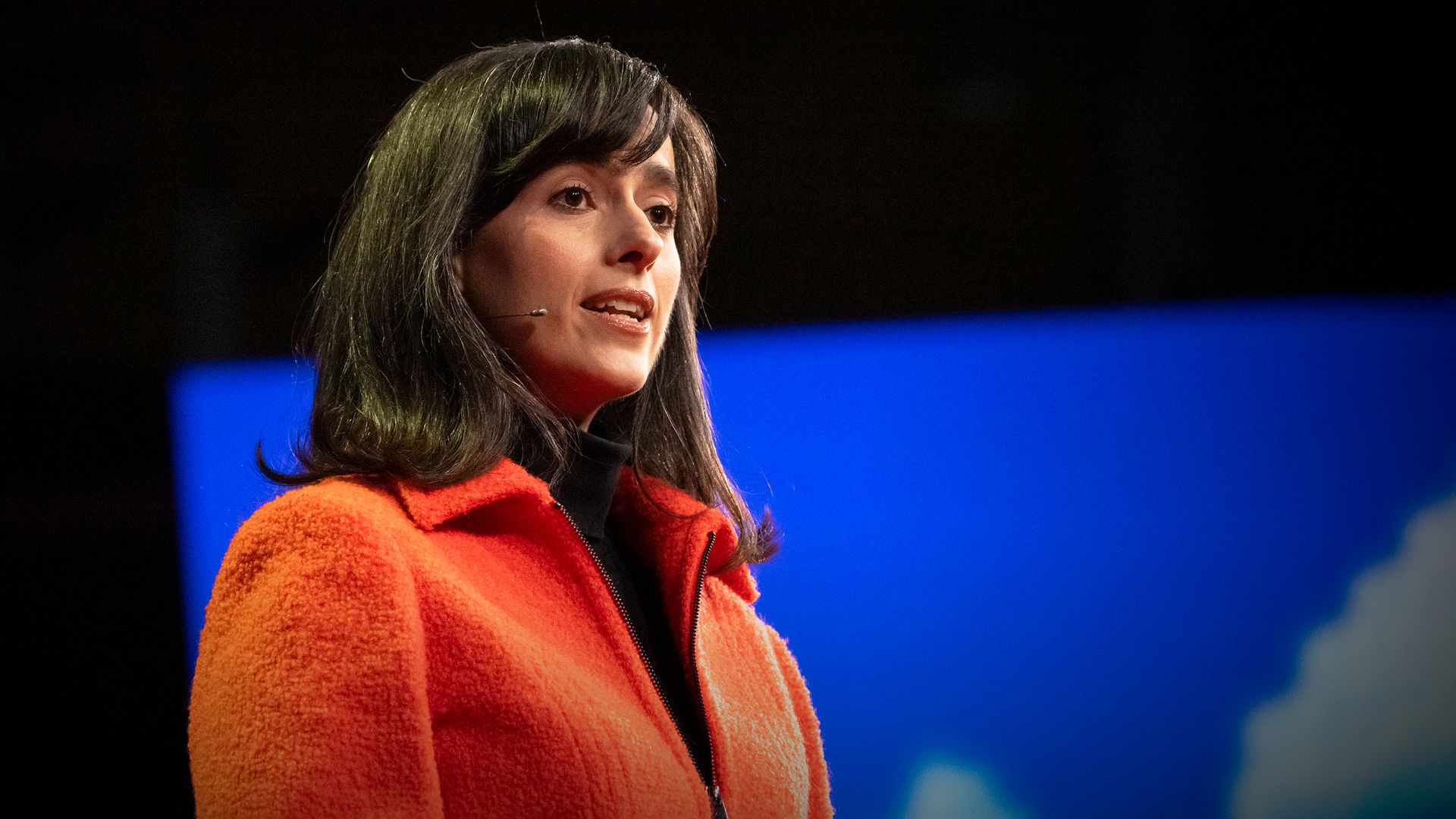
Carissa Véliz

Beware the power of prediction

Podcasts

Hear TED Fellows tell their stories in intimate interviews and learn more about what lies behind their big ideas.

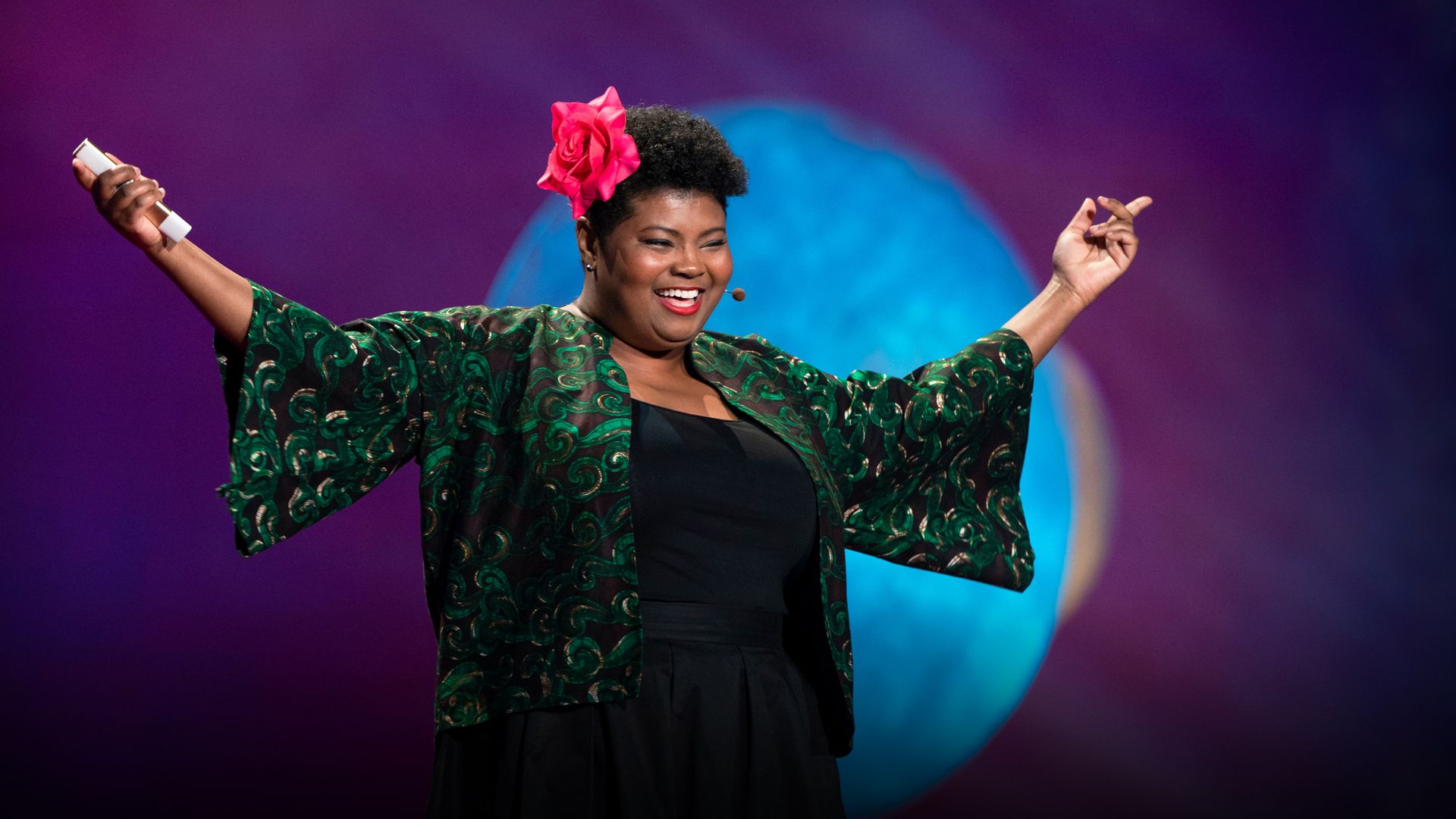
Trinity Tran

Who controls your city's money? | Trinity Tran

What if your city could borrow money from its own bank instead of private lenders? TED Fellow Trinity Tran is leading the push for public banks — which are owned by the people through their local governments — and shows how this model could ensure your local tax dollars stay in your community. 

Ryosuke Takashima

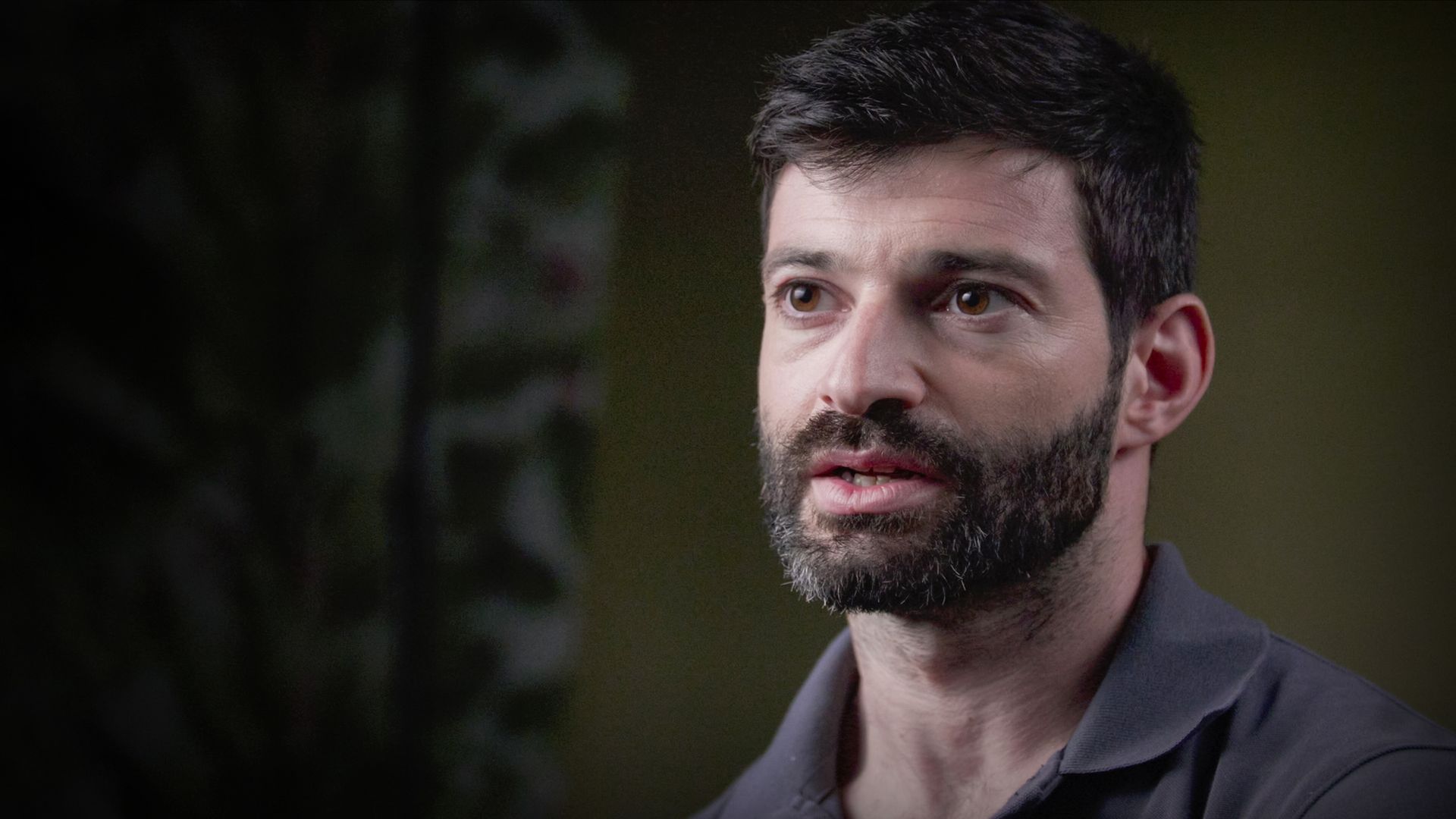
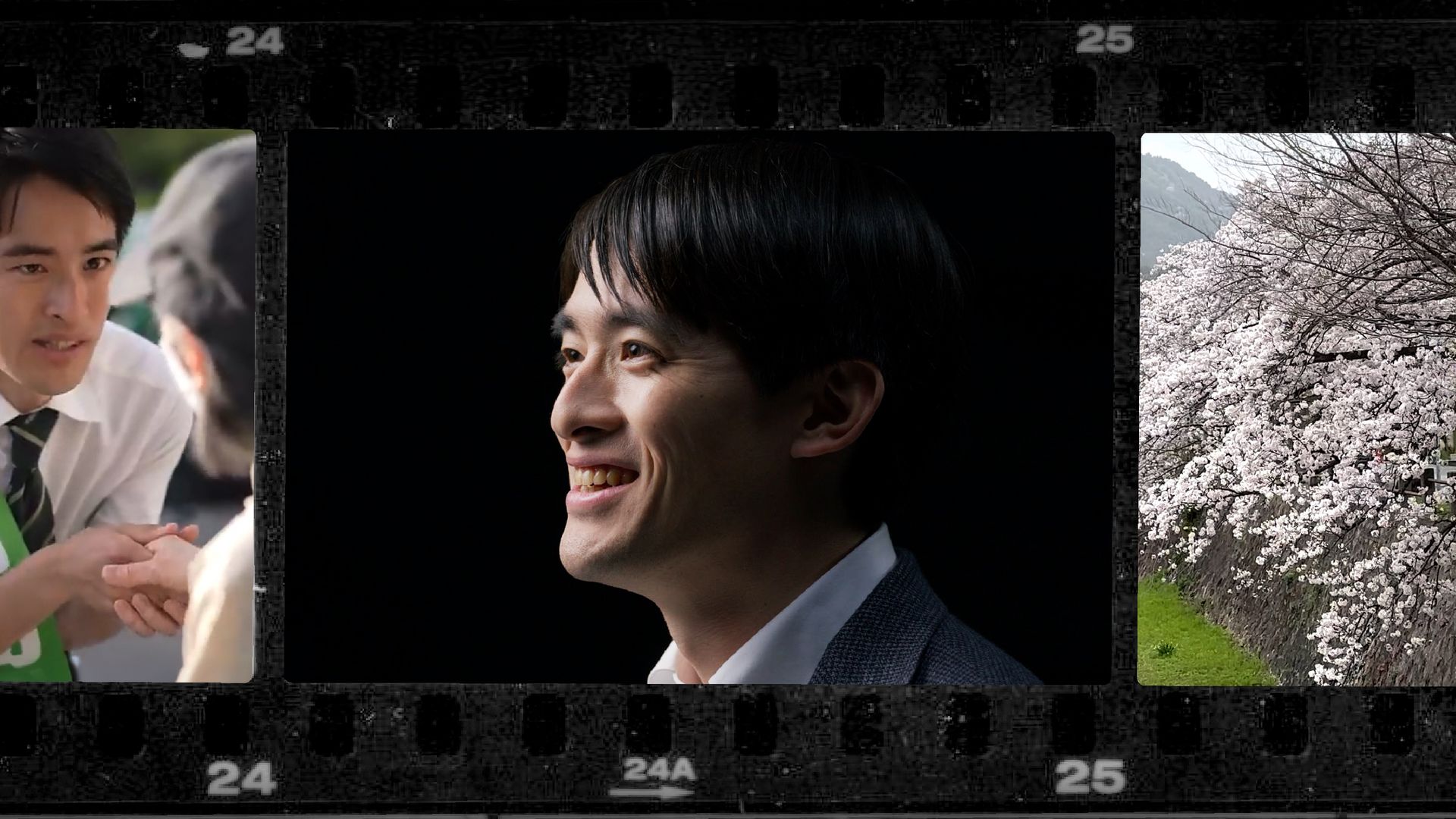
Meet the youngest-ever mayor in Japan's history | Ryosuke Takashima

TED Fellow Ryosuke Takashima is the youngest-ever mayor in Japan's history — but he doesn't consider himself a politician. His approach to leadership is simple: listen to as many voices as possible (from students to elders) in order to figure out what needs fixing. Hear why he thinks inviting citizens to participate in reforming their own communities is the best way to get things done.

Schendy Kernizan

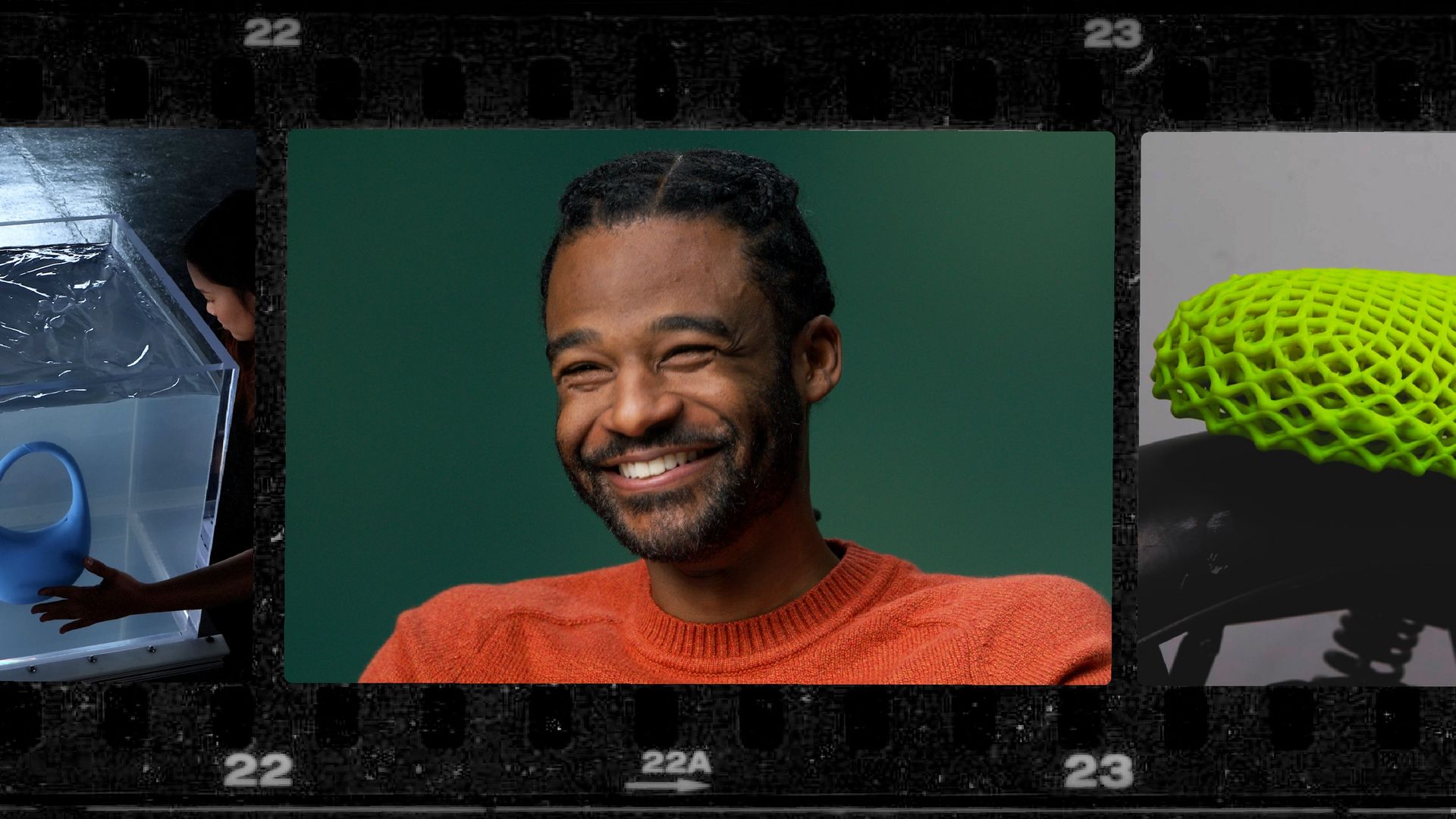
The gravity-defying future of manufacturing | Schendy Kernizan

3D printing promised to reinvent how we make things, but it's mostly stuck producing prototypes with a high level of waste. Designer and TED Fellow Schendy Kernizan found a different way — by printing objects directly into a tub of gel. He explains how this technique eliminates the constraints of gravity, pushing the limits of how we can manufacture objects across medicine, fashion, space travel and more.
Listen to all
Podcast episodes

TED Fellows Films

TED Talks meet documentaries in these short films that explore TED Fellows’ ideas. Dive into all three seasons to explore their mind-blowing innovations. 

05:39

FELLOWS FILM

Meet the youngest-ever mayor in Japan's history

TED Fellow Ryosuke Takashima is the youngest-ever mayor in Japan's history — but he doesn't consider himself a politician. His approach to leadership is simple: listen to as many voices as possible (from students to elders) in order to figure out what needs fixing. Hear why he thinks inviting citizens to participate in reforming their own communities is the best way to get things done.

2026

TED Fellows Film

Ryosuke Takashima
04:47

FELLOWS FILM

The gravity-defying future of manufacturing

3D printing promised to reinvent how we make things, but it's mostly stuck producing prototypes with a high level of waste. Designer and TED Fellow Schendy Kernizan found a different way — by printing objects directly into a tub of gel. He explains how this technique eliminates the constraints of gravity, pushing the limits of how we can manufacture objects across medicine, fashion, space travel and more.

2026

TED Fellows Film

Schendy Kernizan

Fellows Media Library
With 500+ TED Fellows and counting, we’ve got an entire world of media for you to explore. Dive into these talks, short films and podcasts showcasing Fellows turning ideas into action.

Clear
Sort
Thank you! Your submission has been received!
Oops! Something went wrong while submitting the form.

07:46

The life-saving tech helping mothers make healthy decisions

Overcrowded clinics, extensive wait times and overworked doctors are taking a devastating toll on mothers and children in India. In this eye-opening talk, urogynecologist and TED Fellow Aparna Hegde exposes the systemic gaps that lead to preventable deaths every minute -- and introduces scalable, affordable and empowering tech solutions that improve maternal and child health outcomes, upend patriarchal family dynamics and save lives.

2021

TED Talk

Vietnam
UROGYNECOLOGIST, MATERNAL AND CHILD HEALTH INNOVATOR // Urogynecologist and founder of ARMMAN, an organization leveraging mobile technology to empower, inform and serve the more than 14 million Indian women and children plagued by gaps in healthcare infrastructure. // Overcrowded clinics, extensive wait times and overworked doctors are taking a devastating toll on mothers and children in India. In this eye-opening talk, urogynecologist and TED Fellow Aparna Hegde exposes the systemic gaps that lead to preventable deaths every minute -- and introduces scalable, affordable and empowering tech solutions that improve maternal and child health outcomes, upend patriarchal family dynamics and save lives. // Urogynecologist and founder of ARMMAN, an organization leveraging mobile technology to empower, inform and serve the more than 14 million Indian women and children plagued by gaps in healthcare infrastructure. // UROGYNECOLOGIST, MATERNAL AND CHILD HEALTH INNOVATOR // technology, children, infrastructure, affordable, women

Aparna Hegde

No items found.
2021

04:26

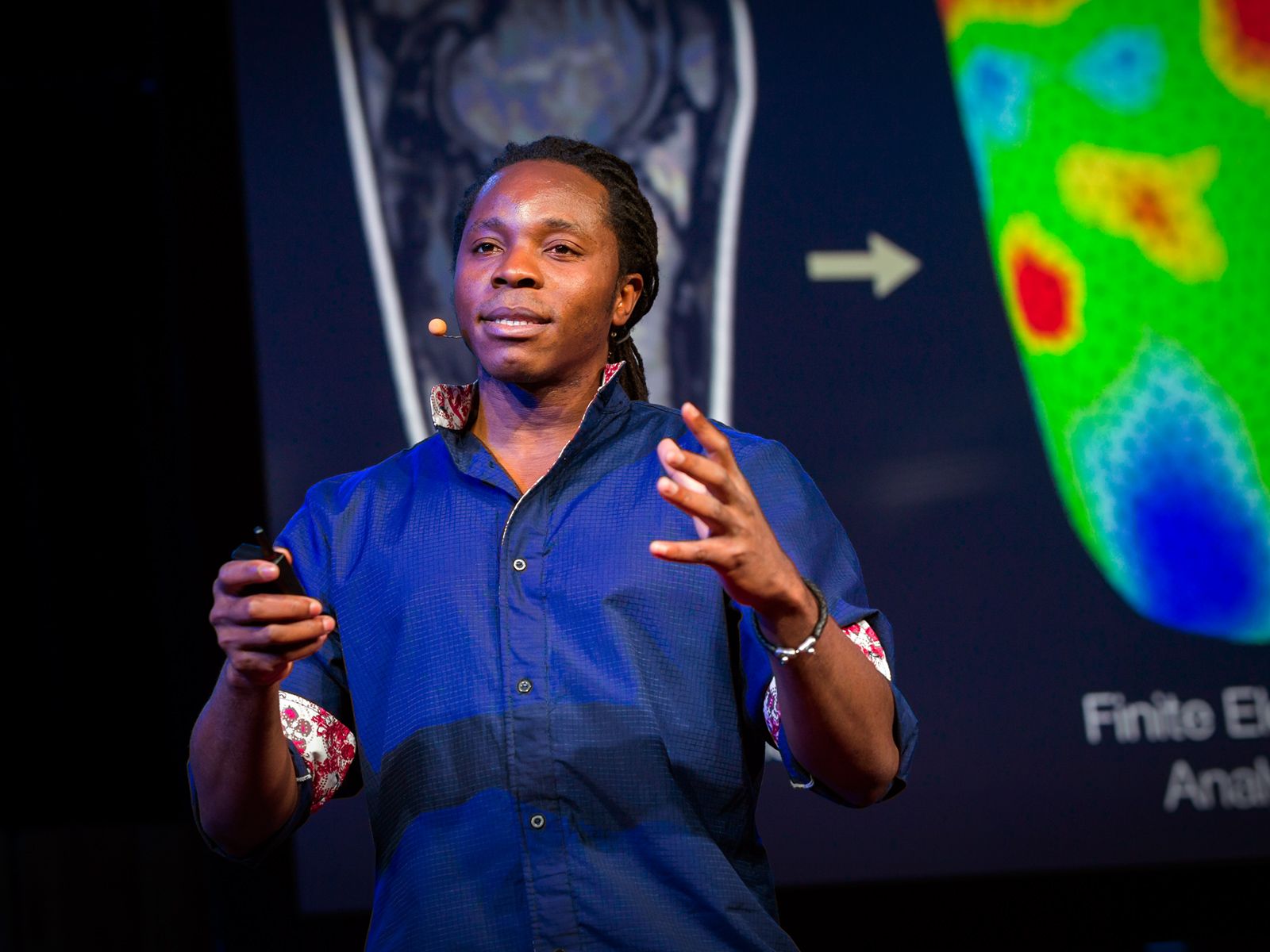
The sore problem of prosthetic limbs

What drove David Sengeh to create a more comfortable prosthetic limb? He grew up in Sierra Leone, and too many of the people he loves are missing limbs after the brutal civil war there. When he noticed that people who had prosthetics weren’t actually wearing them, the TED Fellow set out to discover why — and to solve the problem with his team from the MIT Media Lab.

2014

TED Talk

Sierra Leone
Biomechatronics engineer // Inventor of next-generation wearable mechanical interfaces that improve prosthetic comfort for amputees while simultaneously reducing costs, making the devices affordable in the developing world. // David Moinina Sengeh is the minister of basic and senior secondary education and chief innovation officer for the government of Sierra Leone. He holds a bachelor’s and a Ph.D. in biomedical engineering from Harvard College and MIT respectively. He is a TED Fellow, WEF Young Global Leader, Obama Foundation Leaders Africa Fellow and was included on the 2013 Forbes 30 Under 30 list. Sengeh serves as Chairman of the Global Education Monitoring Report to UNESCO. Radical Inclusion is his first book (link below). // What drove David Sengeh to create a more comfortable prosthetic limb? He grew up in Sierra Leone, and too many of the people he loves are missing limbs after the brutal civil war there. When he noticed that people who had prosthetics weren’t actually wearing them, the TED Fellow set out to discover why — and to solve the problem with his team from the MIT Media Lab. // David Moinina Sengeh is the minister of basic and senior secondary education and chief innovation officer for the government of Sierra Leone. He holds a bachelor’s and a Ph.D. in biomedical engineering from Harvard College and MIT respectively. He is a TED Fellow, WEF Young Global Leader, Obama Foundation Leaders Africa Fellow and was included on the 2013 Forbes 30 Under 30 list. Sengeh serves as Chairman of the Global Education Monitoring Report to UNESCO. Radical Inclusion is his first book (link below). // Biomechatronics engineer // prosthetics, inclusion, innovation, design, affordable, education, learning, mechanical interface design, governance, monitoring, government, artificial intelligence, war // Freetown|Sierra Leone|Western Area
Freetown|Sierra Leone|Western Area

David Sengeh

No items found.
2014

04:09

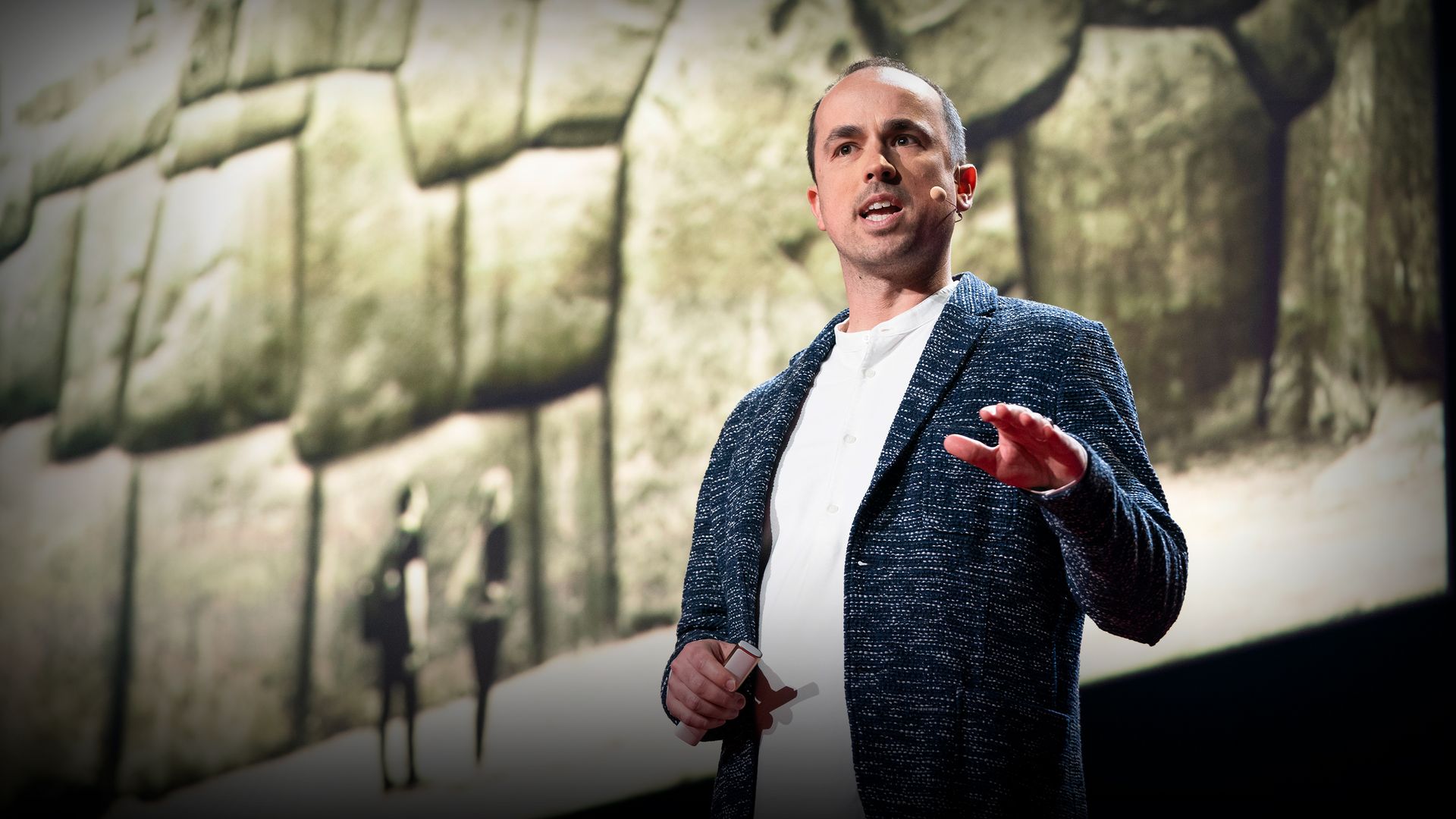
Architectural secrets of the world's ancient wonders

How did ancient civilizations move massive stones to build Stonehenge, the Pyramids and the Easter Island statues? In this quick, delightful talk, TED Fellow Brandon Clifford reveals some architectural secrets of the past and shows how we can use these ingenious techniques to build today. "In an era where we design buildings to last 30, maybe 60 years, I would love to learn how to create something that could entertain for an eternity," he says.

2019

TED Talk

United States
Ancient technology architect // Architectural designer and co-founder of Matter Design, an interdisciplinary design studio that uses the technology of ancient civilizations to solve contemporary problems. // Brandon Clifford is a time-traveler who develops creative approaches to the world’s most pressing problems. He identifies contemporary blind-spots by mining ancient knowledge that holds resonance with topics of today. He is best known for bringing megalithic sculptures to life to perform tasks. Brandon is the director and co-founder of Matter Design. He is also an associate professor at the Massachusetts Institute of Technology. Brandon received his Master of Architecture from Princeton University and his Bachelor of Science in Architecture from Georgia Tech. He has also served as the LeFevre Fellow at The Ohio State University and the John G. Williams Distinguished Visiting Professor at the University of Arkansas. Brandon is a designer and researcher who has received recognition with prizes such as the American Academy in Rome Prize, a TED Fellowship, the SOM Prize, the Design Biennial Boston Award, and the Architectural League Prize for Young Architects & Designers. His most recent authored work ‘The Cannibal’s Cookbook’ demonstrates his dedication to bringing ancient knowledge into contemporary practice with theatrical captivation. His work at Matter Design is focused on re-directing architectural research through spectacle and mysticism by re-posing a series of ancient, but hauntingly relevant questions. For instance, could walking massive statues help us design for transportation and assembly? Is the key to recycling our building materials locked inside the cryptic walls suspected of being built by primordial giants? These ancient ways of thinking compound cultural significance, ceremony, and mythology with technical and methodological procedures that have the potential to resolve our contemporary problems. His speculative built works continue to disrupt common practices and challenge default solutions. // How did ancient civilizations move massive stones to build Stonehenge, the Pyramids and the Easter Island statues? In this quick, delightful talk, TED Fellow Brandon Clifford reveals some architectural secrets of the past and shows how we can use these ingenious techniques to build today. "In an era where we design buildings to last 30, maybe 60 years, I would love to learn how to create something that could entertain for an eternity," he says. // Brandon Clifford is a time-traveler who develops creative approaches to the world’s most pressing problems. He identifies contemporary blind-spots by mining ancient knowledge that holds resonance with topics of today. He is best known for bringing megalithic sculptures to life to perform tasks. Brandon is the director and co-founder of Matter Design. He is also an associate professor at the Massachusetts Institute of Technology. Brandon received his Master of Architecture from Princeton University and his Bachelor of Science in Architecture from Georgia Tech. He has also served as the LeFevre Fellow at The Ohio State University and the John G. Williams Distinguished Visiting Professor at the University of Arkansas. Brandon is a designer and researcher who has received recognition with prizes such as the American Academy in Rome Prize, a TED Fellowship, the SOM Prize, the Design Biennial Boston Award, and the Architectural League Prize for Young Architects & Designers. His most recent authored work ‘The Cannibal’s Cookbook’ demonstrates his dedication to bringing ancient knowledge into contemporary practice with theatrical captivation. His work at Matter Design is focused on re-directing architectural research through spectacle and mysticism by re-posing a series of ancient, but hauntingly relevant questions. For instance, could walking massive statues help us design for transportation and assembly? Is the key to recycling our building materials locked inside the cryptic walls suspected of being built by primordial giants? These ancient ways of thinking compound cultural significance, ceremony, and mythology with technical and methodological procedures that have the potential to resolve our contemporary problems. His speculative built works continue to disrupt common practices and challenge default solutions. // Ancient technology architect // technology, research, mobility, design, building material, science, architecture, buildings, transportation, island, recycling, mining // Boston|Massachusetts|United States|USA
Boston|Massachusetts|United States|USA

Brandon Clifford

No items found.
2019

Electronic pills that could transform how we treat disease | Khalil Ramadi

Could a small jolt of electricity to your gut help treat chronic diseases? Medical hacker and TED Fellow Khalil Ramadi is developing a new, noninvasive therapy that could treat diseases like diabetes, obesity, Parkinson's and Alzheimer's with an electronic pill. More targeted than a traditional pill and less invasive than surgery, these micro-devices contain electronics that deliver "bionudges" -- bursts of electrical or chemical stimuli -- to the gut, potentially helping control appetite, aid digestion, regulate hormones -- and even stimulate happiness in the brain. Hosted on Acast. See acast.com/privacy for more information.

2023

Podcasts

United States
Medical hacker // Khalil Ramadi is a researcher, engineer, and scientist at MIT and Brigham and Women’s Hospital. His research interests center around engineering novel technologies to utilize our nervous system for targeted therapeutics. Khalil is a TED junior fellow, MIT Sandbox Innovation Fellow, and a Koch Convergence Scholar. Born and raised between the US, Spain, and the UAE, I’m passionate about bringing diverse perspectives and background together to tackle complex problems. Khalil served as director of MIT Hacking Medicine, a group dedicated to enhancing and democratizing healthcare entrepreneurship. These programs have spawned over 30 companies that have raised over $250M+ in funding. He holds a PhD in Biomedical Engineering and Medical Physics from MIT, M.S. in Mechanical Engineering from MIT, and B.S. in Mechanical Engineering and Bioengineering from the Pennsylvania State University. Khalil is also a guest instructor at the Harvard T.H. Chan School of Public Health. // Could a small jolt of electricity to your gut help treat chronic diseases? Medical hacker and TED Fellow Khalil Ramadi is developing a new, noninvasive therapy that could treat diseases like diabetes, obesity, Parkinson's and Alzheimer's with an electronic pill. More targeted than a traditional pill and less invasive than surgery, these micro-devices contain electronics that deliver "bionudges" -- bursts of electrical or chemical stimuli -- to the gut, potentially helping control appetite, aid digestion, regulate hormones -- and even stimulate happiness in the brain. // Khalil Ramadi is a researcher, engineer, and scientist at MIT and Brigham and Women’s Hospital. His research interests center around engineering novel technologies to utilize our nervous system for targeted therapeutics. Khalil is a TED junior fellow, MIT Sandbox Innovation Fellow, and a Koch Convergence Scholar. Born and raised between the US, Spain, and the UAE, I’m passionate about bringing diverse perspectives and background together to tackle complex problems. Khalil served as director of MIT Hacking Medicine, a group dedicated to enhancing and democratizing healthcare entrepreneurship. These programs have spawned over 30 companies that have raised over $250M+ in funding. He holds a PhD in Biomedical Engineering and Medical Physics from MIT, M.S. in Mechanical Engineering from MIT, and B.S. in Mechanical Engineering and Bioengineering from the Pennsylvania State University. Khalil is also a guest instructor at the Harvard T.H. Chan School of Public Health. // Medical hacker // research, technology, entrepreneurship, public health, electricity, bioengineering, disease // Massachusetts|Cambridge|United States|USA
Massachusetts|Cambridge|United States|USA

Khalil Ramadi

No items found.
2023

05:41

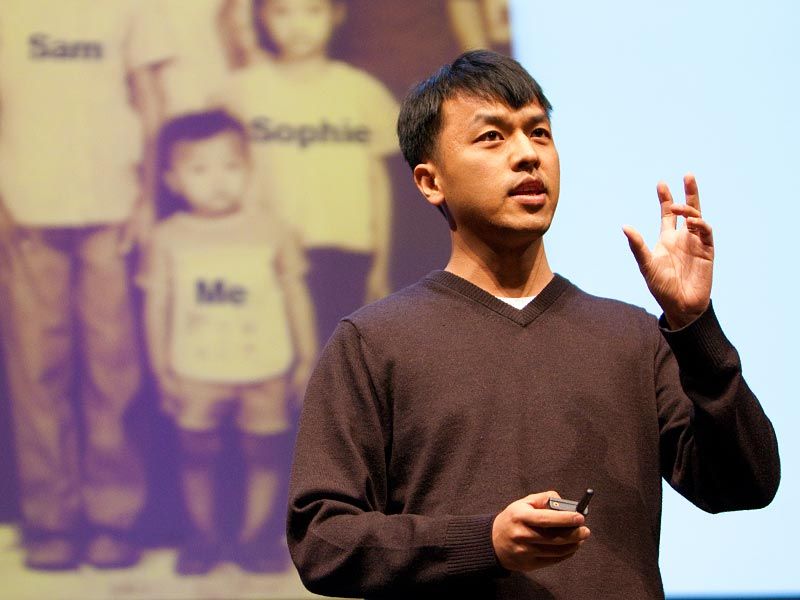
Escaping the Khmer Rouge

TED Fellow Sophal Ear shares the compelling story of his family's escape from Cambodia under the rule of the Khmer Rouge. He recounts his mother's cunning and determination to save her children.

2009

TED Talk

United States
Development economist // Sophal Ear, Ph.D., is a tenured Associate Professor of Diplomacy & World Affairs at Occidental College in Los Angeles. Previously, he taught political economy and how to rebuild countries after wars at the U.S. Naval Postgraduate School and international development policy at the Maxwell School of Syracuse University. He has consulted for the World Bank, was Assistant Resident Representative for the United Nations Development Programme in East Timor, and Advisor to Cambodia's first private equity fund Leopard Capital. A TED Fellow, Fulbright Specialist, Delphi Fellow of BigThink, Term Member of the Council on Foreign Relations, Young Global Leader of the World Economic Forum, and Fellow of Salzburg Global Seminar, he serves on the Boards of the Nathan Cummings Foundation, Partners for Development, the Southeast Asia Resource Action Center, the Southeast Asia Development Program, and Diagnostic Microbiology Development Program. He advises the Faculty of Development Studies at the Royal University of Phnom Penh, and is on the Boards of the Journal of International Relations and Development (Palgrave), the International Public Management Journal (Taylor & Francis), Journal of South-East Asian American Education & Advancement (Purdue University), and Politics and the Life Sciences (Cambridge University Press). He is the author of Aid Dependence in Cambodia: How Foreign Assistance Undermines Democracy (Columbia University Press, 2013, http://amzn.to/UXhoWc) and co-author of The Hungry Dragon: How China’s Resources Quest is Reshaping the World (Routledge, 2013, http://amzn.to/WkxCEf). He wrote and narrated the award-winning documentary film "The End/Beginning: Cambodia" (47 minutes, 2011, news blurb http://youtu.be/QwsSDPRI25E) based on his 2009 TED Talk (http://on.ted.com/skNE) and has appeared in several other documentaries. A graduate of Princeton and Berkeley, he moved to the United States from France as a Cambodian refugee at the age of 10. // Re-elected to the Crescenta Valley Town Council in November 2018 to a second 3-year term, encompassing more than 22,000 residents in unincorporated Los Angeles County, California, and currently serving as its Corresponding Secretary, Sophal Ear, PhD, is a tenured Associate Professor of Diplomacy & World Affairs at Occidental College in Los Angeles where he lectures on political economy, security, development, and Asia. Previously, he taught how to rebuild countries after wars at the U.S. Naval Postgraduate School and international development at the Maxwell School of Syracuse University. He consulted for the World Bank, was Assistant Resident Representative for the United Nations Development Programme in East Timor, Term Member of the Council on Foreign Relations, Advisor to Cambodia's first private equity fund Leopard Capital, and Audit Chair of the Nathan Cummings Foundation. A TED Fellow, Fulbright Specialist, and Young Global Leader of the World Economic Forum, he sits on the Boards of Refugees International (Washington, DC), Partners for Development (Silver Spring, MD), International Public Management Network (Washington, DC), the Southeast Asia Development Program (Phnom Penh, Cambodia), and the Center for Khmer Studies (Siem Reap, Cambodia). He is the author of Aid Dependence in Cambodia: How Foreign Assistance Undermines Democracy (Columbia University Press, 2013, http://amzn.to/UXhoWc) and co-author of The Hungry Dragon: How China’s Resources Quest is Reshaping the World (Routledge, 2013, http://amzn.to/WkxCEf). He wrote and narrated the award-winning documentary film "The End/Beginning: Cambodia" (47 minutes, 2011, news blurb http://youtu.be/QwsSDPRI25E) based on his 2009 TED Talk (http://www.ted.com/talks/sophal_ear_escaping_the_khmer_rouge) and has appeared in four other documentaries. A graduate of Princeton and Berkeley, he moved to the US from France as a Cambodian refugee at the age of 10. // TED Fellow Sophal Ear shares the compelling story of his family's escape from Cambodia under the rule of the Khmer Rouge. He recounts his mother's cunning and determination to save her children. // Re-elected to the Crescenta Valley Town Council in November 2018 to a second 3-year term, encompassing more than 22,000 residents in unincorporated Los Angeles County, California, and currently serving as its Corresponding Secretary, Sophal Ear, PhD, is a tenured Associate Professor of Diplomacy & World Affairs at Occidental College in Los Angeles where he lectures on political economy, security, development, and Asia. Previously, he taught how to rebuild countries after wars at the U.S. Naval Postgraduate School and international development at the Maxwell School of Syracuse University. He consulted for the World Bank, was Assistant Resident Representative for the United Nations Development Programme in East Timor, Term Member of the Council on Foreign Relations, Advisor to Cambodia's first private equity fund Leopard Capital, and Audit Chair of the Nathan Cummings Foundation. A TED Fellow, Fulbright Specialist, and Young Global Leader of the World Economic Forum, he sits on the Boards of Refugees International (Washington, DC), Partners for Development (Silver Spring, MD), International Public Management Network (Washington, DC), the Southeast Asia Development Program (Phnom Penh, Cambodia), and the Center for Khmer Studies (Siem Reap, Cambodia). He is the author of Aid Dependence in Cambodia: How Foreign Assistance Undermines Democracy (Columbia University Press, 2013, http://amzn.to/UXhoWc) and co-author of The Hungry Dragon: How China’s Resources Quest is Reshaping the World (Routledge, 2013, http://amzn.to/WkxCEf). He wrote and narrated the award-winning documentary film "The End/Beginning: Cambodia" (47 minutes, 2011, news blurb http://youtu.be/QwsSDPRI25E) based on his 2009 TED Talk (http://www.ted.com/talks/sophal_ear_escaping_the_khmer_rouge) and has appeared in four other documentaries. A graduate of Princeton and Berkeley, he moved to the US from France as a Cambodian refugee at the age of 10. // Development economist // methodology, post-conflict reconstruction, education, auditing, east asia and pacific, agriculture, policy, refugees, comparative politics, migration, public policy, political economy of development, political analyst, politics, agriculture and resource economics, documentary, children, political science, science, microbiology, southeast asia // California|Los Angeles|United States
California|Los Angeles|United States

Sophal Ear

No items found.
2009

How a worm could save humanity from bad AI | Ramin Hasani

What if AI could think and adapt like a real brain? TED Fellow and AI scientist Ramin Hasani shares how liquid neural networks — a new, more flexible AI technology inspired by physics and living brains — could transform how we solve complex problems.

2025

Podcasts

United States
AI engineer + innovator // AI engineer + innovator

Ramin Hasani

No items found.
2025

04:15

Why violence is rising with global temperatures

Climate change doesn't just melt ice caps, it also fuels conflict, corruption and division worldwide, explains TED Fellow and journalist Peter Schwartzstein. From droughts in Syria to rising seas in Bangladesh, he explores how climate stress escalates existing social instabilities — and underscores why every effort to curb a warming world matters, no matter how small.

2024

TED Fellows Film

Greece
Smithsonian Institution; New America Foundation; Sciences Po Paris; Freelance Journalist, self-employed; Trinity College Dublin; Trinity College, Dublin; League of Conservation Voters; Sotheby's; World Affairs Council; The Wilson Center; Thomson Reuters
Environmental journalist based in Athens, usually roving around the wider Middle East and N & E Africa. Independent consultant for UN Environment, UNICEF, Amnesty and many more. I'm a TED fellow, a fellow at the Center for Climate & Security, and a Global Fellow at The Wilson Center. Author of 'THE HEAT AND THE FURY: On the Frontlines of Climate Violence," due for publication in late 2024. http://www.pschwartzstein.com/ // Stringer for National Geographic. Regular contributor to Newsweek, The Guardian, Smithsonian Magazine, Foreign Policy etc. Sometime radio reporter // Reporter on the UK Bureau's Macroeconomics and Politics and General News desks // Smithsonian Institution; New America Foundation; Sciences Po Paris; Freelance Journalist, self-employed; Trinity College Dublin; Trinity College, Dublin; League of Conservation Voters; Sotheby's; World Affairs Council; The Wilson Center; Thomson Reuters // Peter Schwartzstein is an environmental journalist with a focus on the wider Middle East and North and East Africa regions. He has worked as an independent consultant for organizations such as UN Environment, UNICEF, and Amnesty. Peter is a TED fellow, a fellow at the Center for Climate & Security, and a Global Fellow at The Wilson Center. With a background as a stringer for National Geographic and contributions to publications like Newsweek and The Guardian, Peter brings a wealth of experience in reporting on environmental issues and climate violence. His upcoming book, 'THE HEAT AND THE FURY: On the Frontlines of Climate Violence,' is set to be published in late 2024. // I'm trying to help illustrate quite how much and in what ways climate change is fueling violence the world over. My motivation is twofold. I feel there are few consequences of climate change more 'in-your-face' than the violence it is leaving in its wake. By shedding a little additional light on that, I hope to trigger action among political constituencies who, for whatever reason, are less engaged by the justice/human rights/health lens through which CC is often presented. Secondly, I'm trying to contribute to the prevention or reduction of this form of violence, little of which is inevitable and all of which can be a least partly easily tempered. // Peter Schwartzstein is an environmental journalist specializing in the Middle East, North Africa, and East Africa regions. With a diverse background working for organizations like UN Environment and Amnesty, he brings a wealth of experience in reporting on environmental issues and climate violence. As a TED fellow, a fellow at the Center for Climate & Security, and a Global Fellow at The Wilson Center, Peter is dedicated to shedding light on the intersection of climate change and conflict. His forthcoming book, 'THE HEAT AND THE FURY: On the Frontlines of Climate Violence,' is poised to offer insights into the urgent need for action in addressing the environmental challenges driving global violence. // Climate journalist // I'm an environmental journalist and report on water, food security, and conflict-climate issues across the Middle East, North and East Africa, and beyond. Writing mostly for NatGeo, I've spent the past 8 years trying to hammer home the many ways in which climate stresses are contributing to instability and conflict in some of the world's most vulnerable states. I also consult on environmental issues for iNGOs, and am a fellow at the Center for Climate and Security and a TED fellow // Peter Schwartzstein is an environmental journalist specializing in the Middle East, North Africa, and East Africa regions. With a diverse background working for organizations like UN Environment and Amnesty, he brings a wealth of experience in reporting on environmental issues and climate violence. As a TED fellow, a fellow at the Center for Climate & Security, and a Global Fellow at The Wilson Center, Peter is dedicated to shedding light on the intersection of climate change and conflict. His forthcoming book, 'THE HEAT AND THE FURY: On the Frontlines of Climate Violence,' is poised to offer insights into the urgent need for action in addressing the environmental challenges driving global violence. // Climate journalist // violence, water, food security, research, climate security, hydropolitics, climate, environmental policy and advocacy, policy, environmental journalist, environmental security, advocacy, politics, hopeful apocalypticism, food, vulnerability, environmental peacebuilding, climate violence, peacebuilding // USA|London|Washington DC|Greece|Athens|UK
USA|London|Washington DC|Greece|Athens|UK

Peter Schwartzstein

No items found.
2024

Meet the youngest-ever mayor in Japan's history | Ryosuke Takashima

TED Fellow Ryosuke Takashima is the youngest-ever mayor in Japan's history — but he doesn't consider himself a politician. His approach to leadership is simple: listen to as many voices as possible (from students to elders) in order to figure out what needs fixing. Hear why he thinks inviting citizens to participate in reforming their own communities is the best way to get things done.

2026

Podcasts

Japan

Ryosuke Takashima

No items found.
Extended interview Lily James Olds Season 3 Fellows Films
2026

05:39

Meet the youngest-ever mayor in Japan's history

TED Fellow Ryosuke Takashima is the youngest-ever mayor in Japan's history — but he doesn't consider himself a politician. His approach to leadership is simple: listen to as many voices as possible (from students to elders) in order to figure out what needs fixing. Hear why he thinks inviting citizens to participate in reforming their own communities is the best way to get things done.

2026

TED Fellows Film

Japan

Ryosuke Takashima

No items found.
2026

04:43

A human-robot dance duet

Harmoniously weaving together the art of dance and the science of mechanical engineering, Huang Yi performs a man-machine dance duet with KUKA -- a robot he conceptualized and programmed -- set to stirring cello by Joshua Roman.

2017

TED Talk

United States
Joshua Roman is a renowned cello soloist and composer known for his expressive tone and musical gifts. He is dedicated to bringing classical music to new audiences through genre-bending programs and collaborations with world-class artists. Roman has performed with leading orchestras worldwide and is recognized for his innovative use of digital and social media. He is also involved in composing and premiering works by contemporary composers. Roman's recent project, "Immunity," explores his personal journey with long COVID through a blend of music and storytelling. Additionally, his work includes chamber operas based on Edgar Allan Poe's stories, such as "The Tell-Tale Heart." Collaborations and performances with various artists and ensembles showcase Roman's versatile talent and commitment to musical innovation. // How do we create moments of connection that have a positive and lasting impact on people's lives? How can we bring creativity to each and every human? What role does accepting and even embracing vulnerability and imperfection play in the next phase of human evolution? // Joshua Roman is a versatile cellist and composer dedicated to expanding the reach of classical music through innovative collaborations and genre-bending performances. With a focus on engaging new audiences, Roman leverages digital and social media platforms to showcase his expressive tone and musical prowess. His repertoire includes premiering works by contemporary composers and crafting projects like "Immunity," which intertwines music and personal narratives. Roman's creative endeavors extend to chamber operas inspired by Edgar Allan Poe's tales, exemplifying his commitment to musical innovation and storytelling. Through diverse collaborations and performances worldwide, Roman showcases his ability to connect with audiences and push the boundaries of traditional classical music. // Cellist + Composer // Dubbed a “Classical Rock Star” by the press, cellist Joshua Roman has earned a national reputation for performing a wide range of repertoire with absolute commitment to communicating the essence of the music at its most organic level. For his ongoing creative initiatives on behalf of classical music, he was named a 2011 TED Fellow. Among recent highlights, Mr. Roman was guest artist for the Seattle Symphony’s opening night gala, as well as debuted with the San Francisco Symphony, Ensemble Orchestral de Paris and the Mariinsky Theatre as a concerto soloist. He has performed duos with Yo-Yo Ma at the State Department, at the Oslo Freedom Forum in Norway and other premiere events. As a recitalist and chamber musician, Mr. Roman has presented concerts at San Francisco Performances, Seattle Chamber Music Society, Caramoor Festival, La Jolla SummerFest, and on the Dame Myra Hess series in Chicago. Beyond performance, Mr. Roman is Artistic Director of TownMusic in Seattle where he creates programs that feature new works and reflect the eclectic range of his musical influences and inspirations. In 2009 Mr. Roman was the only guest artist invited to play an unaccompanied solo during the YouTube Symphony Orchestra’s debut concert at Carnegie Hall. Before embarking on a solo career, he was principal cellist of the Seattle Symphony for two seasons, a position he won in 2006 at the age of 22. Mr. Roman is grateful for the loan of an 1899 cello by Giulio Degani of Venice. // Joshua Roman, an Arnhold Creative Associate at Juilliard, is a cello soloist and composer hailed for his “effortlessly expressive tone… and playful zest for exploration” (New York Times), as well as his “extraordinary technical and musical gifts" and “blend of precision and almost improvisatory freedom… that goes straight to the heart" (San Francisco Chronicle). His genre-bending programs and wide-ranging collaborations have grown out of an “enthusiasm for musical evolution that is as contagious as his love for the classics" (Seattle Times). As a soloist, Roman’s “exceptionally high quality of performances” (LA Times) combines “the expressive control of Casals with the creative individuality and virtuoso flair of Hendrix himself” (Gramophone). He has performed with leading orchestras around the world, including the Los Angeles Philharmonic, San Francisco Symphony, New World Symphony, Toronto Symphony, among others, and, was principal cellist at Seattle Symphony from age 22 to 24. Recent career highlights include his sold-out ‘Well-Being Concert’ at Carnegie Hall in December 2023, and the launch of his intimate musical exploration project Immunity, a program combining performance and storytelling to confront the impact of the long-COVID that nearly ended his career. As a composer, he has been commissioned by Music Academy of the West, Illinois Philharmonic, ProMusica Chamber Orchestra, Grace Cathedral, and more, and he has written for the JACK Quartet, violinist Vadim Gluzman, and conductor David Danzmayr. Equally accomplished as an interpreter of the music of other contemporary composers, Roman has premiered works by Mason Bates, Reena Esmail, Timo Andres, Gabriela Lena Frank, Aaron Jay Kernis, Lisa Bielawa, and others. A native of Oklahoma City, Roman studied at the Cleveland Institute of Music with Richard Aaron and Desmond Hoebig. Roman plays an 1830 Giovanni Francesco Pressenda on a generous loan through The Stradivari Society of Chicago. // Harmoniously weaving together the art of dance and the science of mechanical engineering, Huang Yi performs a man-machine dance duet with KUKA -- a robot he conceptualized and programmed -- set to stirring cello by Joshua Roman. // Legendary dance choreographer Bill T. Jones and TED Fellows Joshua Roman and Somi didn't know exactly what was going to happen when they took the stage at TED2015. They just knew they wanted to offer the audience an opportunity to witness creative collaboration in action. The result: An improvised piece they call "The Red Circle and the Blue Curtain," so extraordinary it had to be shared ... // It's a master class in collaboration as violinist Robert Gupta and cellist Joshua Roman perform Halvorsen's "Passacaglia" for violin and viola. Roman takes the viola part on his Stradivarius cello. It's powerful to watch the two musicians connect moment to moment (and recover from a mid-performance hiccup). The two are both TED Fellows, and their deep connection powers this sparkling duet. // Joshua Roman is a versatile cellist and composer dedicated to expanding the reach of classical music through innovative collaborations and genre-bending performances. With a focus on engaging new audiences, Roman leverages digital and social media platforms to showcase his expressive tone and musical prowess. His repertoire includes premiering works by contemporary composers and crafting projects like "Immunity," which intertwines music and personal narratives. Roman's creative endeavors extend to chamber operas inspired by Edgar Allan Poe's tales, exemplifying his commitment to musical innovation and storytelling. Through diverse collaborations and performances worldwide, Roman showcases his ability to connect with audiences and push the boundaries of traditional classical music. // Cellist + Composer // music, robotics, science, creating magical moments, opening hearts, cello, vulnerability, covid // USA|New York|California|United States|Santa Barbara
USA|New York|California|United States|Santa Barbara

Joshua Roman

No items found.
2017

Summer Fridays: How to find “your thing” (or your many things) (w/ Constance Hockaday) (re-release)

Some people are born knowing exactly what they want to do with their life – and because of that, they’re able to get to the top of their field. But most of us have multiple passions and identities, making it difficult to visualize our own unique paths. So, how do we explore who we are and what we love to do in our careers and in our lives? This week, guest & TED Fellow Constance Hockaday helps us navigate and voice our deepest hopes and desires. She walks us through her perspective as an artist, what she’s learned from immersing herself into small and sometimes very isolated communities, and gives tips on how to find liberation by pursuing your passion.

2026

Podcasts

Sailor + artist // A Chilean-American artist who creates large-scale, community-driven art projects that focus on water, urban waterfronts, and land rights. Her projects work to create new spaces for cultures on the margins by moving them onto the water. // Constance Hockaday is a queer Chilean American who grew up on the Southern tip of Texas. She is a powerhouse in organizational transformation. With her unique background in socially engaged art and conflict resolution strategies, she uses participatory design tools to align growing companies around their mission, vision, and organizational culture. She will surprise, challenge, and shake up the place in ways that disrupt entrenched cultural patterns getting in the way of organizational effectiveness and business results. In another dimension, Hockaday works as an artist creating immersive art pieces that confront issues surrounding public space, political voice, and belonging. Currently she is creating Disaster Furniture Showroom, a project that responds to our most intimate ideas about disaster and the future. The project questions how safety, preparedness, and disaster capitalism manifest in the social consciousness. Are we heroes in our fantasies about the future? What motivates people to prepare for the future? How does this fear contribute or impede our ability to take action against climate change and structural violence. // What does inclusive leadership look like? Artist and TED Fellow Constance Hockaday shares how the captain of a trans-Atlantic community raft taught her how to voice her hopes and desires, inspiring a vision of possibility for the future. Hockaday calls for mentors everywhere to step up and invites aspiring leaders to answer one crucial question in order to unlock their agency and power. // Constance Hockaday is a queer Chilean American who grew up on the Southern tip of Texas. She is a powerhouse in organizational transformation. With her unique background in socially engaged art and conflict resolution strategies, she uses participatory design tools to align growing companies around their mission, vision, and organizational culture. She will surprise, challenge, and shake up the place in ways that disrupt entrenched cultural patterns getting in the way of organizational effectiveness and business results. In another dimension, Hockaday works as an artist creating immersive art pieces that confront issues surrounding public space, political voice, and belonging. Currently she is creating Disaster Furniture Showroom, a project that responds to our most intimate ideas about disaster and the future. The project questions how safety, preparedness, and disaster capitalism manifest in the social consciousness. Are we heroes in our fantasies about the future? What motivates people to prepare for the future? How does this fear contribute or impede our ability to take action against climate change and structural violence. // Sailor + artist // land rights, inclusion, violence, water, participatory, climate, design, rights, land, community engagement, conflict resolution, urban

Constance Hockaday

No items found.
2026

08:03

How hip-hop helps us understand science

In the early 1990s, a scandal rocked evolutionary biology: scientists discovered that songbirds -- once thought to be strictly monogamous -- engaged in what's politely called "extra-pair copulation." In this unforgettable biology lesson on animal infidelity, TED Fellow Danielle N. Lee shows how she uses hip-hop to teach science, leading the crowd in an updated version of Naughty by Nature's hit "O.P.P."

2019

TED Talk

United States
Behavioral biologist // Biologist researching the ecological and evolutionary behaviors of the African giant pouched rats. A popular blogger for Scientific American, she is also using hip hop to teach science to underserved groups. // Danielle N. Lee is an Outreach Scientist who studies animal behavior and behavioral ecology. While completing her dissertation research on individual differences on exploratory behavior of field mice, she mentored several undergraduate and high school students as biology research assistants. She also coordinated ecology outreach programs with nearby public high schools for the Department of Biology at her graduate institution. This included co-coordinating a summer internship research in urban ecology for high school students and an after-school biology club at a nearby public high school. She is currently an assistant professor at Southern Illinois University Edwardsville studying the behavioral biology and natural history of nuisance rodents across urban gradients. She studies field mice in the Midwest United States and African giant pouched rats in Tanzania, Africa. Lee is passionate about science outreach and is well known for her science promotion and outreach in social media. Lee has a particular focus on science outreach to under-served audiences and is an active member of Animal Behavior Society including the Education and Diversity Committee. Her social media efforts have garnered several accolades from the Huffington Post, Under the Microscope, Black Weblog Awards, and Niche Blogging in Science. Her outreach efforts emphasize sharing science to general audiences, particularly under-served groups, via outdoor programming and social media. She writes about science, research news, and diversity outreach in science, technology, engineering, and math for several online communities and at her blog - The Urban Scientist on the Scientific American Blog Network. She is an avid user of Twitter. Recently, Lee has been honored as a National Geographic Emerging Explorer (2017) and has been named as one of EBONY Magazine’s Power 100, a list of the most influential African Americans. She was also one of ten White House Champions of Change in STEM Diversity and Access in 2014. In 2009 Lee was honored as a Diversity Scholar by the American Institute of Biological Sciences and in 2011 she was named the Young Professional of the Year by the Urban League Young Professionals of Metropolitan St. Louis; and was given the S.T.E.M. Leader Award by the Kansas City Black Family Technology Awareness Association in 2013. Her current science outreach efforts emphasize engagement with broader audiences via science journalism. She is a member of the National Association of Science Writers and the National Black Journalists Association. In 2013, Lee helped found the National Science &Technology News Service, a media literacy initiative to bring more science news to African-American audiences and promote science news sources diversity in mainstream media. Lee received a Ph.D. in Biology from the University of Missouri at St. Louis, Masters in Vertebrate Zoology from the University of Memphis, and Bachelors in Animal Science from Tennessee Technological University. // In the early 1990s, a scandal rocked evolutionary biology: scientists discovered that songbirds -- once thought to be strictly monogamous -- engaged in what's politely called "extra-pair copulation." In this unforgettable biology lesson on animal infidelity, TED Fellow Danielle N. Lee shows how she uses hip-hop to teach science, leading the crowd in an updated version of Naughty by Nature's hit "O.P.P." // Danielle N. Lee is an Outreach Scientist who studies animal behavior and behavioral ecology. While completing her dissertation research on individual differences on exploratory behavior of field mice, she mentored several undergraduate and high school students as biology research assistants. She also coordinated ecology outreach programs with nearby public high schools for the Department of Biology at her graduate institution. This included co-coordinating a summer internship research in urban ecology for high school students and an after-school biology club at a nearby public high school. She is currently an assistant professor at Southern Illinois University Edwardsville studying the behavioral biology and natural history of nuisance rodents across urban gradients. She studies field mice in the Midwest United States and African giant pouched rats in Tanzania, Africa. Lee is passionate about science outreach and is well known for her science promotion and outreach in social media. Lee has a particular focus on science outreach to under-served audiences and is an active member of Animal Behavior Society including the Education and Diversity Committee. Her social media efforts have garnered several accolades from the Huffington Post, Under the Microscope, Black Weblog Awards, and Niche Blogging in Science. Her outreach efforts emphasize sharing science to general audiences, particularly under-served groups, via outdoor programming and social media. She writes about science, research news, and diversity outreach in science, technology, engineering, and math for several online communities and at her blog - The Urban Scientist on the Scientific American Blog Network. She is an avid user of Twitter. Recently, Lee has been honored as a National Geographic Emerging Explorer (2017) and has been named as one of EBONY Magazine’s Power 100, a list of the most influential African Americans. She was also one of ten White House Champions of Change in STEM Diversity and Access in 2014. In 2009 Lee was honored as a Diversity Scholar by the American Institute of Biological Sciences and in 2011 she was named the Young Professional of the Year by the Urban League Young Professionals of Metropolitan St. Louis; and was given the S.T.E.M. Leader Award by the Kansas City Black Family Technology Awareness Association in 2013. Her current science outreach efforts emphasize engagement with broader audiences via science journalism. She is a member of the National Association of Science Writers and the National Black Journalists Association. In 2013, Lee helped found the National Science &Technology News Service, a media literacy initiative to bring more science news to African-American audiences and promote science news sources diversity in mainstream media. Lee received a Ph.D. in Biology from the University of Missouri at St. Louis, Masters in Vertebrate Zoology from the University of Memphis, and Bachelors in Animal Science from Tennessee Technological University. // Behavioral biologist // research, technology, behavior, science, education, urban ecology, social media, underserved, stem diversity, informal education, ecology, urban, stem, mammalogy // Edwardsville|Illinois|United States|USA
Edwardsville|Illinois|United States|USA

Danielle Lee

No items found.
2019

09:06

Music is medicine, music is sanity

Robert Gupta, violinist with the LA Philharmonic, talks about a violin lesson he once gave to a brilliant, schizophrenic musician -- and what he learned. Called back onstage later, Gupta plays his own transcription of the prelude from Bach's Cello Suite No. 1.

2019

TED Talk

United States
Violinist // Indian-American violinist ROBERT VIJAY GUPTA joined the Los Angeles Philharmonic in June 2007 at the age of 19 and is currently the youngest member of the prestigious ensemble. Prior to joining the orchestra, Gupta received a Master’s degree in Music from Yale University and a Bachelor’s degree in biology from Marist College. Parallel to his undergraduate studies in biology, Gupta attended the Manhattan School of Music and the Juilliard School of Music, Pre-College Division. His principal teachers have included Glenn Dicterow, Ani Kavafian, and Isaac Stern. Gupta made his solo debut at the age of eleven in Tel Aviv with the Israel Philharmonic Orchestra under the baton of Zubin Mehta. He has performed as a soloist with the New York Philharmonic, the Japan Philharmonic Orchestra, and the Bombay Symphony Orchestra, among many others. He has also performed widely as a chamber musician and recitalist on an international scale since the age of eight, and frequently appears on the Philharmonic’s Chamber Music Society and Green Umbrella new music series. Gupta has also performed as a guest concertmaster with LA Opera under James Conlon and the Orquestra Comunitat de Valencia at the Palau de Les Arts in Valencia, Spain under Mehta. Gupta directs a non-profit organization called the Street Symphony, which actively brings live musical outreach and educational workshops to audiences without access to the arts throughout Southern California. Street Symphony ensembles perform for the homeless and mentally ill living on Skid Row in downtown L.A., as well as at prisons and terminal care facilities, for injured and homeless veterans, and centers for mentally retarded children and adults. Gupta is a TED Senior Fellow. Throughout his undergraduate course of study, Gupta held Research Assistant positions at CUNY Hunter College in New York City, where he worked on spinal chord neuronal regeneration, and at the Harvard Institutes of Medicine Center for Neurologic Diseases, where he studied the biochemical pathology of Parkinson’s disease. He is passionate about discovering more about how music affects the brain, especially in neurological disorders. Gupta recently recorded his debut album after crowdsourcing funding through a Kickstarter campaign. The album includes the premiere of Gupta’s own composition upon the Indian raga Jaunpuri as well as LA Phil Principal Timpanist Joseph Pereira’s Partita for Solo Violin. The recording also features solo violin works by John Harbison, Eugene Ysaÿe, and HIF Biber. The album was recorded at Walt Disney Concert Hall on the 1716 “Milstein” Stradivarius, and will be available early 2012. Gupta plays on a 2003 violin made by Kansas City luthier Anton Krutz. // Robert Vijay Gupta is an Indian-American violinist and musical activist, and a 2011 TED Senior Fellow. At 24, Gupta is currently the youngest member of the Los Angeles Philharmonic Orchestra, and directs Street Symphony, a non-profit organization bringing free music performances to mentally ill individuals living within homelessness and incarceration. Gupta has performed as a soloist and recitalist around the world since the age of 8, but obtained an undergraduate in Biology at 17 and a Master's in Music from Yale at 19, after working in several neuroscience laboratories studying Parkinson's Disease and neurodegenerative biology. // Robert Gupta, violinist with the LA Philharmonic, talks about a violin lesson he once gave to a brilliant, schizophrenic musician -- and what he learned. Called back onstage later, Gupta plays his own transcription of the prelude from Bach's Cello Suite No. 1. // When Robert Gupta was caught between a career as a doctor and as a violinist, he realized his place was in the middle, with a bow in his hand and a sense of social justice in his heart. He tells a moving story of society's marginalized and the power of music therapy, which can succeed where conventional medicine fails. // It's a master class in collaboration as violinist Robert Gupta and cellist Joshua Roman perform Halvorsen's "Passacaglia" for violin and viola. Roman takes the viola part on his Stradivarius cello. It's powerful to watch the two musicians connect moment to moment (and recover from a mid-performance hiccup). The two are both TED Fellows, and their deep connection powers this sparkling duet. // Robert Vijay Gupta is an Indian-American violinist and musical activist, and a 2011 TED Senior Fellow. At 24, Gupta is currently the youngest member of the Los Angeles Philharmonic Orchestra, and directs Street Symphony, a non-profit organization bringing free music performances to mentally ill individuals living within homelessness and incarceration. Gupta has performed as a soloist and recitalist around the world since the age of 8, but obtained an undergraduate in Biology at 17 and a Master's in Music from Yale at 19, after working in several neuroscience laboratories studying Parkinson's Disease and neurodegenerative biology. // Violinist // children, research, regenerative, community outreach, activism, marginalized, music, neuroscience of music, education, housing, homelessness and housing, mental illness, teachers, social justice, justice, campaigns, disease // California|Los Angeles|United States|USA
California|Los Angeles|United States|USA

Robert Gupta

No items found.
2019

Fashion that celebrates African strength and spirit | Wale Oyejide

"To be African is to be inspired by culture and to be filled with undying hope for the future," says designer and TED Fellow Walé Oyéjidé. With his label Ikiré Jones (you'll see their work in Marvel's "Black Panther"), he uses classic design to showcase the elegance and grace of often-marginalized groups, in beautifully cut clothing that tells a story. Hosted on Acast. See acast.com/privacy for more information.

2018

Podcasts

United States
Fashion designer + artist // Walé Oyéjidé is an American designer and lawyer of Nigerian descent. His work threads the needle between the cultural and the contemporary, and seeks to reflect the authentic experiences of persons that are commonly overlooked in commercial media. At the core of his work is the notion that elegance is not owned by any particular culture, or by any corner of the world. With his clothing label Ikiré Jones, he uses design as a vehicle for social commentary by marrying African-inspired prints with European tailoring and Renaissance era art. // "To be African is to be inspired by culture and to be filled with undying hope for the future," says designer and TED Fellow Walé Oyéjidé. With his label Ikiré Jones (you'll see their work in Marvel's "Black Panther"), he uses classic design to showcase the elegance and grace of often-marginalized groups, in beautifully cut clothing that tells a story. // Walé Oyéjidé is an American designer and lawyer of Nigerian descent. His work threads the needle between the cultural and the contemporary, and seeks to reflect the authentic experiences of persons that are commonly overlooked in commercial media. At the core of his work is the notion that elegance is not owned by any particular culture, or by any corner of the world. With his clothing label Ikiré Jones, he uses design as a vehicle for social commentary by marrying African-inspired prints with European tailoring and Renaissance era art. // Fashion designer + artist // design, legal, law // Pennsylvania|Philadelphia|United States|USA
Pennsylvania|Philadelphia|United States|USA

Walé Oyéjidé

No items found.
2018

How your body could become its own diagnostic lab | Aaron Morris

In this episode, we are revisiting a talk about an inside-out approach to how we diagnose disease. Immuno-engineer and TED Fellow Aaron Morris unveils implantable technology that gives real-time, continuous analysis of a patient's health at the molecular level. "We're creating a diagnostic lab inside your body," Morris says -- and it may pave the way to diagnosing and treating disease better and faster than ever before. Hosted on Acast. See acast.com/privacy for more information.

2022

Podcasts

United States
University of Delaware; University of Michigan; Georgia Institute of Technology; Yale University
The PRIME Lab at the University of Michigan, led by Dr. Aaron Morris, focuses on the intersection of biomaterials engineering, immunology, and drug delivery. Their work includes studying immunological niches, diagnosing diseases, and developing therapeutics using engineered materials. The lab has received grants and awards for their research and collaborates with other groups. They have a diverse team of researchers working on projects related to autoimmunity and tissue immunology. The lab values inclusivity and aims to create a supportive environment for growth and contribution to the knowledge enterprise. Their research projects involve developing material platforms for monitoring the innate and adaptive immune systems. The lab welcomes collaborations and visitors interested in their work. // My thesis work centers around development of new biomaterials specifically for applications in regenerative medicine and drug delivery. Recent Publications: Morris AH, Mahal R, Udell J, Wu M, Kyriakides TR. Multi-compartment Drug Release System for Dynamic Modulation of Tissue Responses. Advanced Healthcare Materials 2017.Morris AH, Stamer DK, Kyriakides TR. The Host Response to Naturally-Derived Extracellular Matrix Biomaterials. Seminars in Immunology 2017. Morris AH, Chang J, Kyriakides TR. Inadequate Processing of Decellularized Dermal MatrixReduces Cell Viability In Vitro and Increases Apoptosis and Acute Inflammation In Vivo. BioResearch Open Access 2016.Morris AH, Kyriakides TR. Matricellular proteins and biomaterials. Matrix Biol 2014.Schwan J, Kwaczala AT, Ryan TJ, Bartulos O, Ren Y, Sewanan LR, Morris AH, et al. Scientific Reports 2016.Jha R, Wile B, Wu Q, Morris AH, Maher KO, Wagner MB, et al. Molecular beacon-based detection and isolation of working-type cardiomyocytes derived from human pluripotent stem cells. Biomaterials 2015;50:176–85.Johnson, CG, Sharma, KV, Levy, EB, Woods, DL, Morris, AH, et al. Microvascular Perfusion Changes following Transarterial Hepatic Tumor Embolization. Journal of Vascular and Interventional Radiology 2015; 1–12. // Advisor: Dr. Lonnie Shea // Advisor: Dr. Lonnie Shea // University of Delaware; University of Michigan; Georgia Institute of Technology; Yale University // Aaron Morris is a skilled researcher specializing in the development of biomaterials for regenerative medicine and drug delivery applications. His expertise lies in designing multi-compartment drug release systems and studying the host response to extracellular matrix biomaterials. With a focus on matricellular proteins and biomaterial interactions, Aaron has contributed to various publications in reputable journals. Under the guidance of Dr. Lonnie Shea, he has explored innovative approaches in tissue engineering and cell therapy. Aaron's work showcases a deep understanding of biomaterial science and its implications for advancing medical treatments. // My work focuses on using engineered materials and synthetic biology as platforms to: study immunology, diagnose disease, and develop therapeutics. My long-term vision is to develop non-invasive systems for monitoring immunity within tissues with a particular focus on autoimmune disease. As an academic scientist, I strive to contribute new knowledge and technologies, but also maintain a strong focus on education and mentoring of the next generation of scientist and engineers. // Dr. Aaron Morris is a dedicated researcher at the University of Michigan, leading the PRIME Lab in pioneering work at the intersection of biomaterials engineering, immunology, and drug delivery. His expertise lies in developing innovative material platforms for monitoring immune responses within tissues, with a specific focus on autoimmune diseases. Dr. Morris and his diverse team of researchers collaborate on projects related to autoimmunity, tissue immunology, and multi-compartment drug release systems. With a strong emphasis on inclusivity and mentorship, Dr. Morris is committed to advancing medical treatments through his deep understanding of biomaterial science and matricellular proteins. // Immunoengineer // We need an inside-out approach to how we diagnose disease, says immuno-engineer and TED Fellow Aaron Morris. Introducing cutting-edge medical research, he unveils implantable technology that gives real-time, continuous analysis of a patient's health at the molecular level. "We're creating a diagnostic lab inside your body," Morris says -- and it may pave the way to diagnosing and treating disease better and faster than ever before. // Dr. Aaron Morris is a dedicated researcher at the University of Michigan, leading the PRIME Lab in pioneering work at the intersection of biomaterials engineering, immunology, and drug delivery. His expertise lies in developing innovative material platforms for monitoring immune responses within tissues, with a specific focus on autoimmune diseases. Dr. Morris and his diverse team of researchers collaborate on projects related to autoimmunity, tissue immunology, and multi-compartment drug release systems. With a strong emphasis on inclusivity and mentorship, Dr. Morris is committed to advancing medical treatments through his deep understanding of biomaterial science and matricellular proteins. // Immunoengineer // research, regenerative, technology, synthetic biology, data analysis, immunoengineering, education, open access, led, biomaterials, monitoring, data, bioengineering, autoimmunity, disease, stem, regenerative medicine // Michigan|Ann Arbor|United States|USA
Michigan|Ann Arbor|United States|USA

Aaron Morris

No items found.
2022