

ted fellows media library

Watch the TED Fellows in action

Watch, listen and connect with the Fellows changing the world through science, art, invention and imagination. 

TED Talks

From unbelievable science to awe-inspiring art, watch powerful talks from our global community of 500+ TED Fellows.

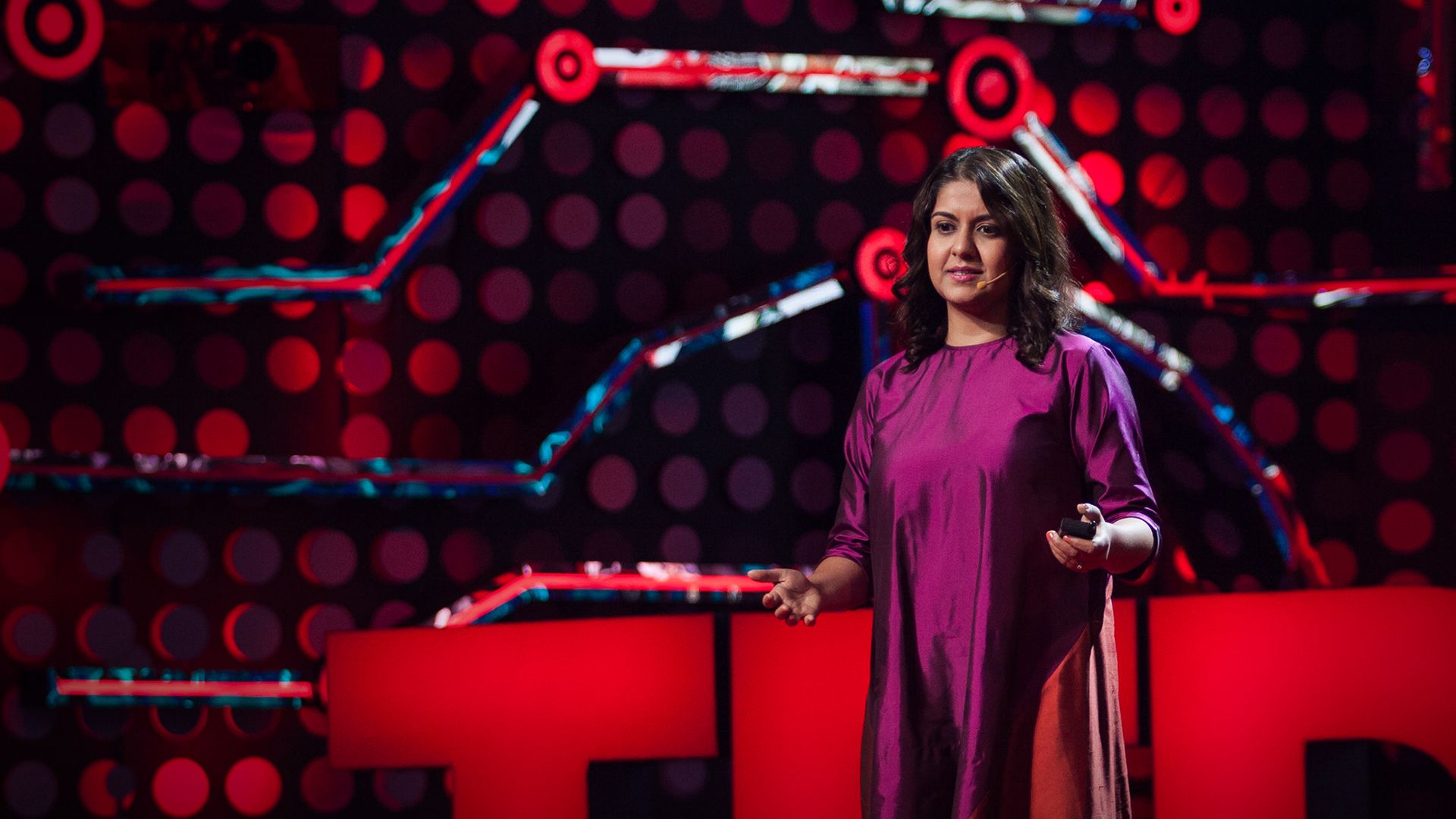
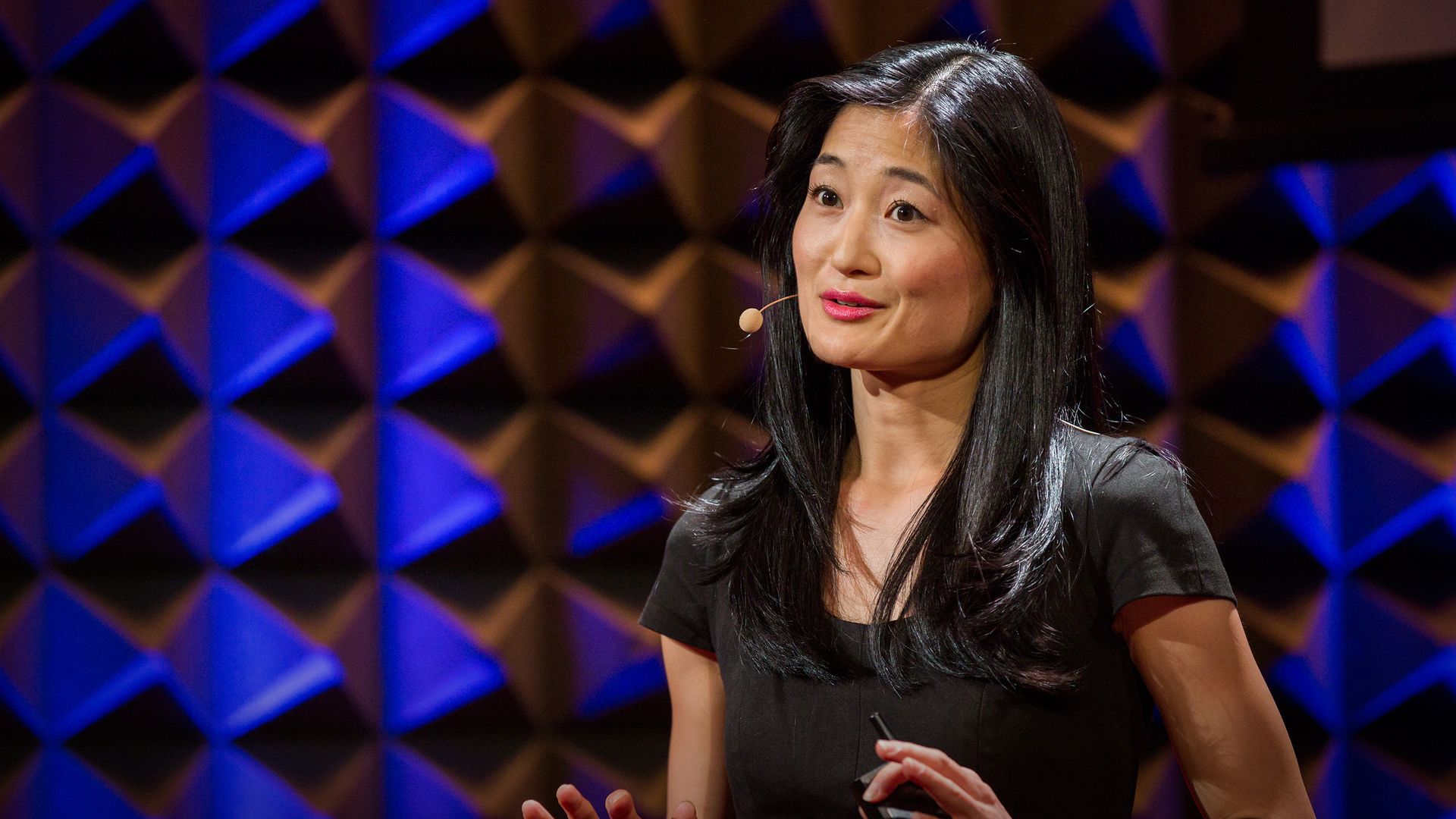
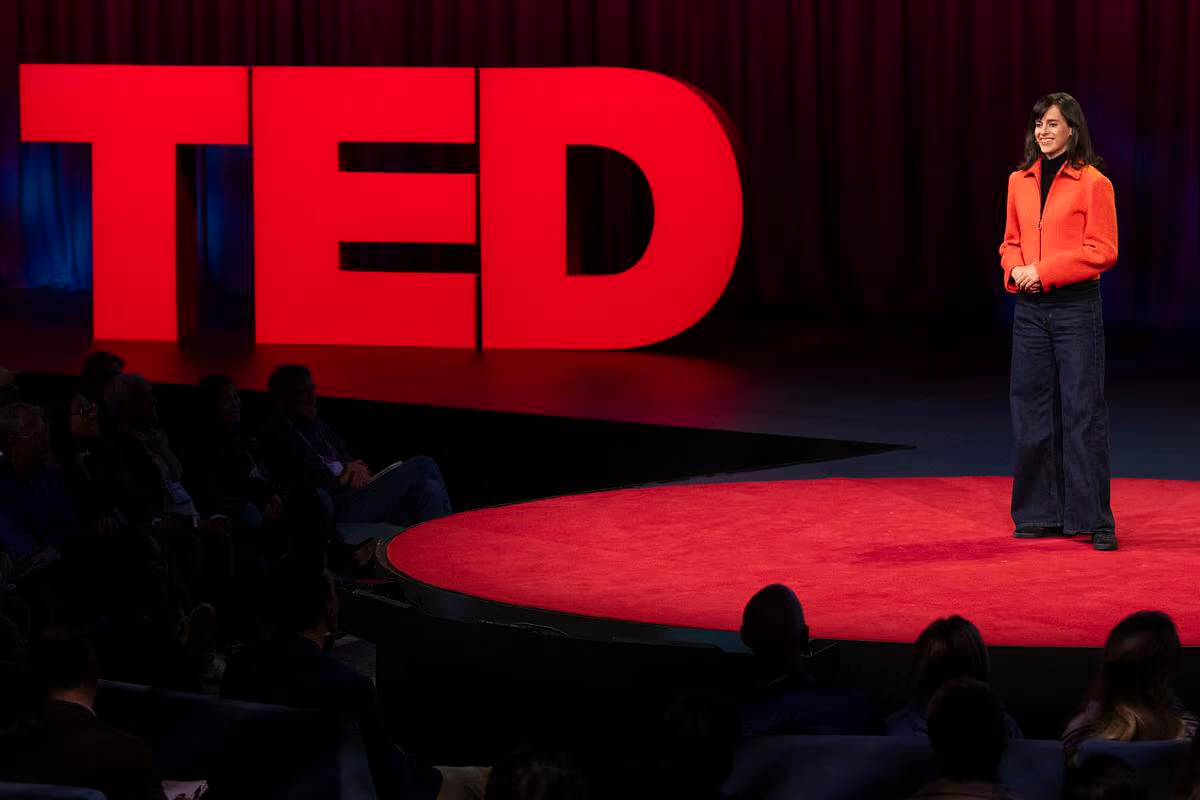
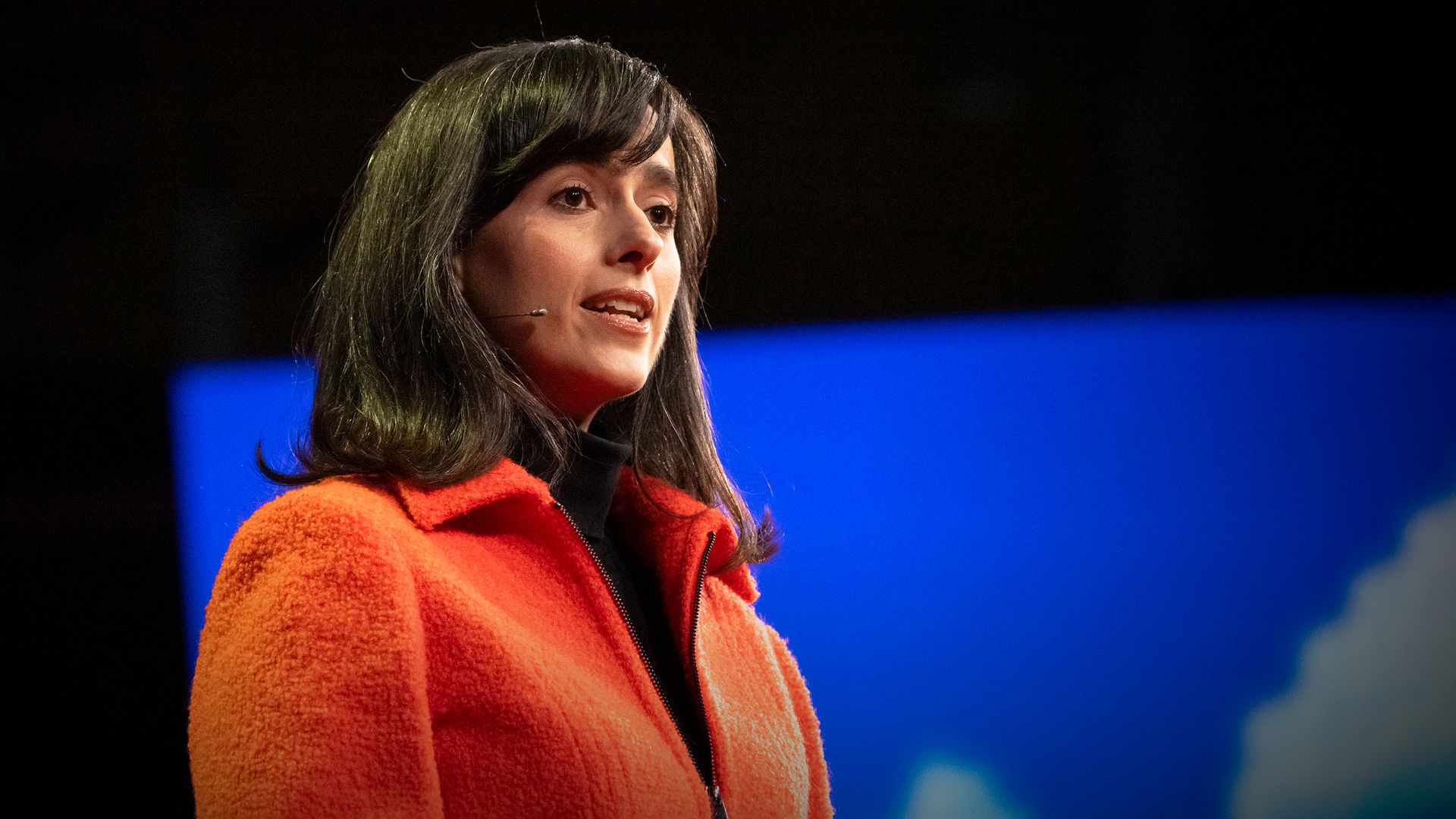
Carissa Véliz

Beware the power of prediction

Podcasts

Hear TED Fellows tell their stories in intimate interviews and learn more about what lies behind their big ideas.

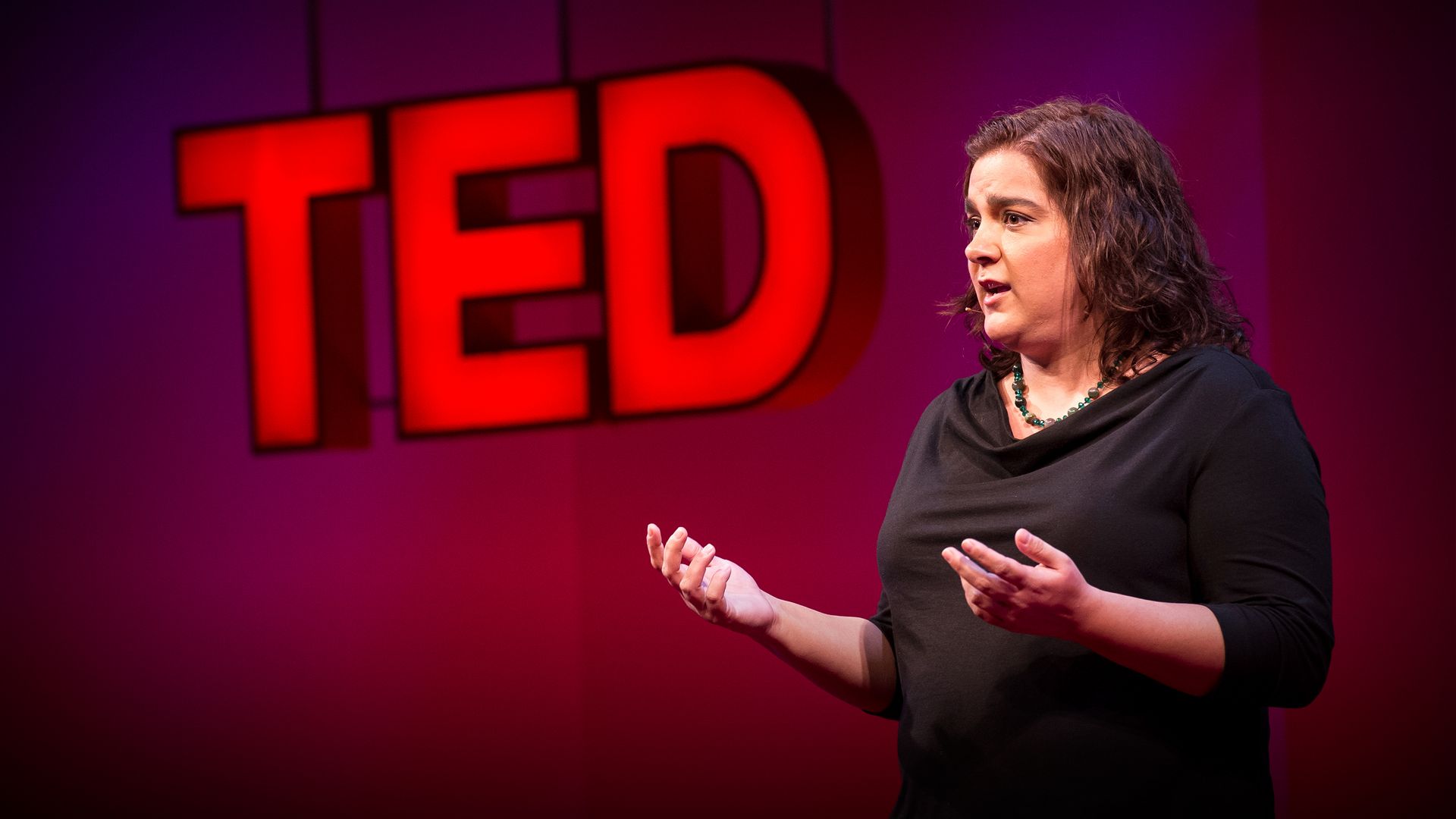
Trinity Tran

Who controls your city's money? | Trinity Tran

What if your city could borrow money from its own bank instead of private lenders? TED Fellow Trinity Tran is leading the push for public banks — which are owned by the people through their local governments — and shows how this model could ensure your local tax dollars stay in your community. 

Ryosuke Takashima

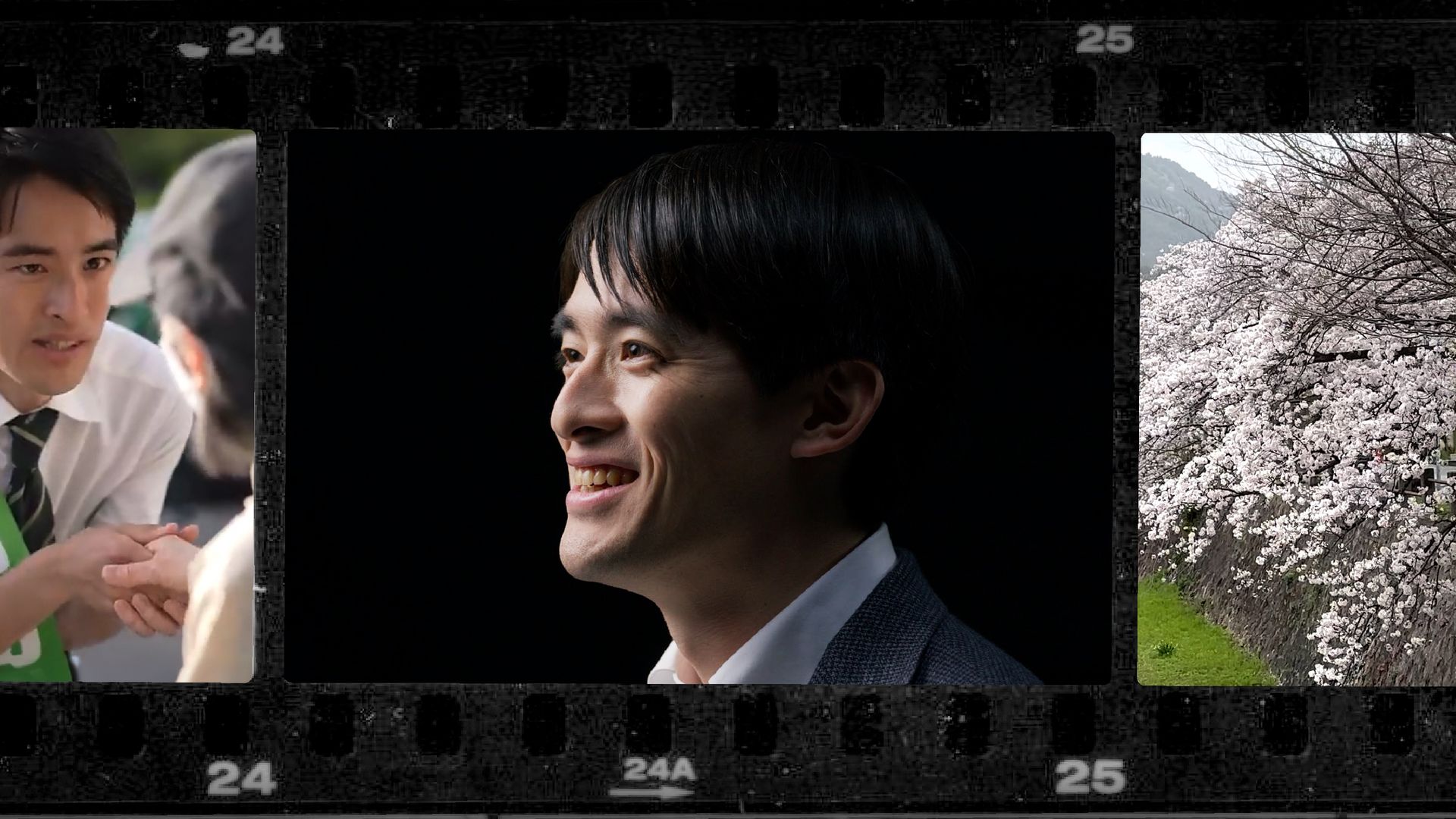
Meet the youngest-ever mayor in Japan's history | Ryosuke Takashima

TED Fellow Ryosuke Takashima is the youngest-ever mayor in Japan's history — but he doesn't consider himself a politician. His approach to leadership is simple: listen to as many voices as possible (from students to elders) in order to figure out what needs fixing. Hear why he thinks inviting citizens to participate in reforming their own communities is the best way to get things done.

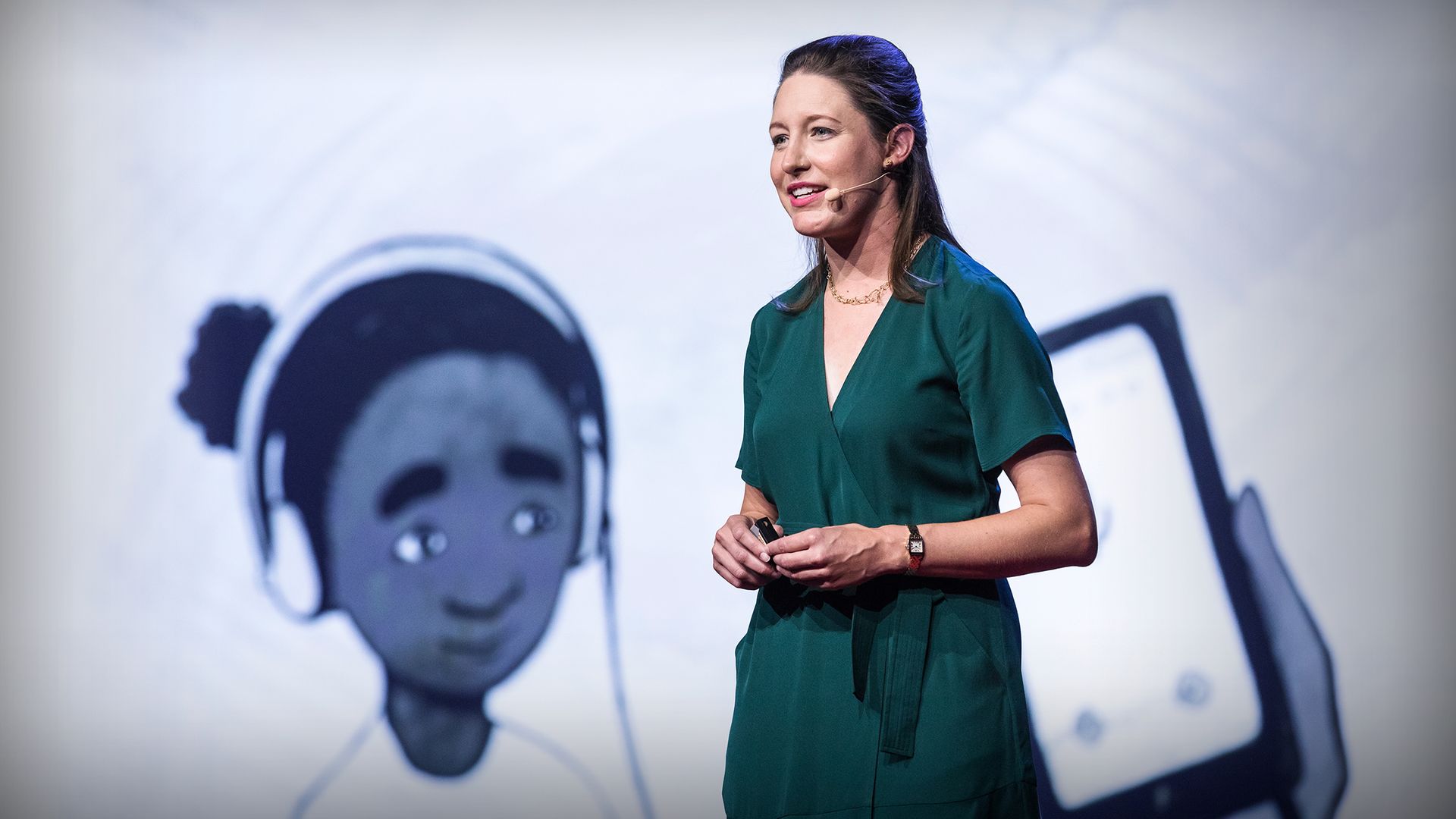
Schendy Kernizan

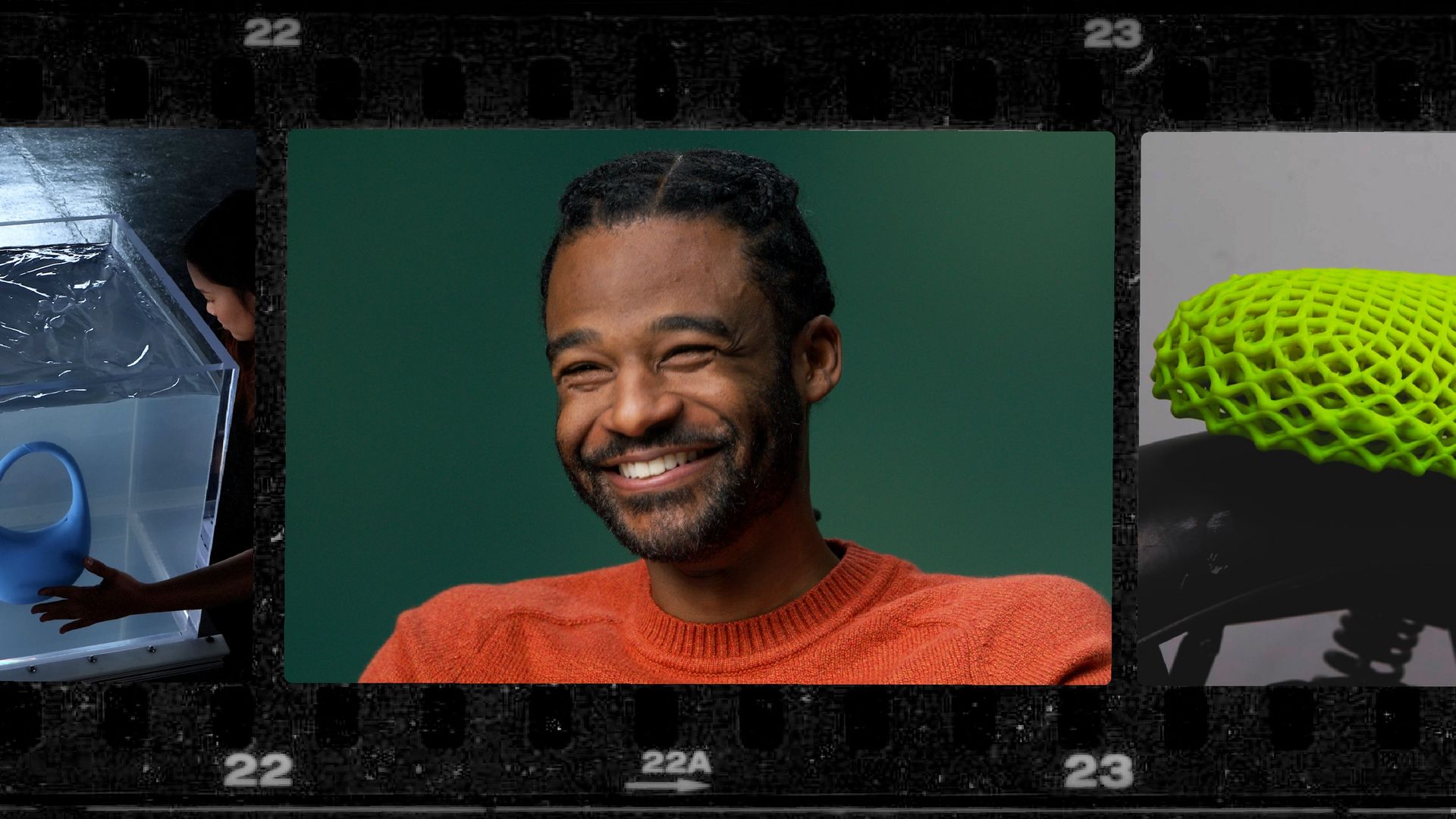
The gravity-defying future of manufacturing | Schendy Kernizan

3D printing promised to reinvent how we make things, but it's mostly stuck producing prototypes with a high level of waste. Designer and TED Fellow Schendy Kernizan found a different way — by printing objects directly into a tub of gel. He explains how this technique eliminates the constraints of gravity, pushing the limits of how we can manufacture objects across medicine, fashion, space travel and more.
Listen to all
Podcast episodes

TED Fellows Films

TED Talks meet documentaries in these short films that explore TED Fellows’ ideas. Dive into all three seasons to explore their mind-blowing innovations. 

05:39

FELLOWS FILM

Meet the youngest-ever mayor in Japan's history

TED Fellow Ryosuke Takashima is the youngest-ever mayor in Japan's history — but he doesn't consider himself a politician. His approach to leadership is simple: listen to as many voices as possible (from students to elders) in order to figure out what needs fixing. Hear why he thinks inviting citizens to participate in reforming their own communities is the best way to get things done.

2026

TED Fellows Film

Ryosuke Takashima
04:47

FELLOWS FILM

The gravity-defying future of manufacturing

3D printing promised to reinvent how we make things, but it's mostly stuck producing prototypes with a high level of waste. Designer and TED Fellow Schendy Kernizan found a different way — by printing objects directly into a tub of gel. He explains how this technique eliminates the constraints of gravity, pushing the limits of how we can manufacture objects across medicine, fashion, space travel and more.

2026

TED Fellows Film

Schendy Kernizan

Fellows Media Library

With 500+ TED Fellows and counting, we’ve got an entire world of media for you to explore. Dive into these talks, short films and podcasts showcasing Fellows turning ideas into action.

Clear
Sort
Thank you! Your submission has been received!
Oops! Something went wrong while submitting the form.

A personal air-quality tracker that lets you know what you're breathing | Romain Lacombe

How often do you think about the air you're breathing? Probably not enough, says entrepreneur and TED Fellow Romain Lacombe. He introduces Flow: a personal air-quality tracker that fits in your hand and monitors pollution levels in real time. See how this device could help you track and understand pollution street by street, hour by hour -- and empower you to take action to improve your health. Hosted on Acast. See acast.com/privacy for more information.

2023

Podcasts

France
Etalab (French task force for Open Data); École Polytechnique; Sciences Po; Massachusetts Institute of Technology; Ecole Polytechnique; Plume Labs; McKinsey & Company; TED Conferences
The organization, led by Romain Lacombe, focuses on advancing various fields through innovative applications of machine learning and deep reinforcement learning. Their work includes accelerating the generation of molecular conformations, designing catalysts for clean energy technologies, assessing human expert confidence in climate statements, extracting molecular properties from natural language, and improving the detection of extreme weather events using neural networks. Their research demonstrates potential for high-throughput molecular screening, inverse catalyst design, climate science evaluation, multimodal learning, and automated extreme weather event detection. // Working to make air quality information accessible for everyone. Acquired by AccuWeather in December 2021. // Helped build the French Prime Minister’s task force for open government data. // Co-founded the French Prime Minister’s task force for Open Data and helped lead it from 2011 to 2014. // Lecturer ("Maître de Conférence") in technology innovation at Sciences Po, teaching an elective course on the Strategy & Management of Digital Innovation ("Stratégie et Pratique de l'Innovation Numérique") in the 2nd year Economics & Business track. Syllabus and class notes: http://spinnonum.tumblr.com // Research Assistant to Dr. John Parsons and Dr. Denny Ellerman at the Center for Energy and Environmental Policy Research (joint lab of Sloan School/MIT Energy Initiative). // Intern analyst at McKinsey & Company in the EMEA Industry practice (renewable energy, chemicals, and basic materials sectors). // Flow is the first truly mobile, truly personal air quality sensor that measures what you breathe. // France's Open Data platform. // Etalab (French task force for Open Data); École Polytechnique; Sciences Po; Massachusetts Institute of Technology; Ecole Polytechnique; Plume Labs; McKinsey & Company; TED Conferences // Romain Lacombe is a seasoned professional with a diverse background in technology innovation, open government data, and environmental policy. He has played key roles in initiatives such as building the French Prime Minister’s task force for open government data and co-founding the task force for Open Data. Romain's expertise extends to academia, where he serves as a lecturer in technology innovation at Sciences Po, teaching courses on digital innovation strategy and management. His experience also includes research assistance in energy and environmental policy and analysis in industries like renewable energy and chemicals. Romain's recent work in making air quality information accessible to the public culminated in an acquisition by AccuWeather in 2021. // Romain Lacombe is a versatile professional with a strong focus on leveraging machine learning and deep reinforcement learning to drive advancements in various fields. His work spans from accelerating molecular conformation generation to designing catalysts for clean energy technologies, assessing expert confidence in climate statements, extracting molecular properties from natural language, and enhancing extreme weather event detection using neural networks. With a background in technology innovation, open government data, and environmental policy, Romain has made significant contributions to initiatives like open data task forces and academia, where he teaches courses on digital innovation strategy. His expertise extends to research in energy and environmental policy, renewable energy, and chemicals, with notable success in making air quality information accessible to the public, leading to an acquisition by AccuWeather in 2021. // Environmental entrepreneur // Romain Lacombe is the CEO and founder of Plume Labs, an environmental tech company building a mesh network of personal sensors for environmental health. Flow, it’s first hardware product, is a CES Innovation Awards 2017 honoree. Plume Labs has raised $4M in seed funding and has a team of 20+ in Paris, France and New York, NY. From 2011 to 2014, Romain was the co-founder and head of innovation of data.gouv.fr, the French Prime Minister’s task force for open government and open data. Romain graduated from Ecole Polytechnique, Paris (Applied Maths, Physics and Economics, 2006) and from the Massachusetts Institute of Technology (M.S. in Technology Policy, 2008) as a Fulbright Scholar. Romain is an MIT Technology Review ‘Innovator Under 35’ (2015) and a TED Fellow (2018) and his work was covered in Time, CNN, The New York Times and The Economist. // How often do you think about the air you're breathing? Probably not enough, says entrepreneur and TED Fellow Romain Lacombe. He introduces Flow: a personal air-quality tracker that fits in your hand and monitors pollution levels in real time. See how this device could help you track and understand pollution street by street, hour by hour -- and empower you to take action to improve your health. // Romain Lacombe is a versatile professional with a strong focus on leveraging machine learning and deep reinforcement learning to drive advancements in various fields. His work spans from accelerating molecular conformation generation to designing catalysts for clean energy technologies, assessing expert confidence in climate statements, extracting molecular properties from natural language, and enhancing extreme weather event detection using neural networks. With a background in technology innovation, open government data, and environmental policy, Romain has made significant contributions to initiatives like open data task forces and academia, where he teaches courses on digital innovation strategy. His expertise extends to research in energy and environmental policy, renewable energy, and chemicals, with notable success in making air quality information accessible to the public, leading to an acquisition by AccuWeather in 2021. // Environmental entrepreneur // technology, renewable, sensors, entrepreneurship, led, data, machine learning, cleantech, research, climate, design, energy economy, weather, environmental policy and advocacy, policy, community engagement, clean energy, public policy, pollution, mobile phones, environmental health, systems engineering, data-driven, advocacy, sensor, open data, renewable energy, hardware, extreme weather, policy research, air quality, extreme events, science, government, artificial intelligence, energy // SF Bay Area|USA|Paris|France|California|Île-de-France
SF Bay Area|USA|Paris|France|California|Île-de-France

Romain Lacombe

No items found.
2023

04:58

Fun, fierce and fantastical African art

We're so used to narratives out of Africa being about war, poverty and devastation, says TED Fellow Wanuri Kahiu. Where's the fun? Introducing "AfroBubbleGum" -- African art that's vibrant, lighthearted and without a political agenda. Rethink the value of all that is unserious as Kahiu explains why we need art that captures the full range of human experiences to tell the stories of Africa.

2017

TED Talk

Kenya
Wanuri Kahiu is a director, writer, and producer known for her impactful work in film and television. Her first feature film, "From A Whisper," received critical acclaim and multiple awards. She is also recognized for her short film "Pumzi," which garnered international recognition. Wanuri is the creator of the Afrobubblegum genre, focusing on creating vibrant and positive black content. Additionally, she has been involved in various projects that highlight important social issues. Wanuri's contributions to the film industry have earned her a reputation as a talented and innovative filmmaker. // Wanuri Kahiu is a prominent figure in the new generation of African storytellers, known for her internationally acclaimed films that have been showcased at numerous film festivals worldwide. She has written and directed seven films and is the co-founder of AFROBUBBLEGUM, a media company focused on supporting and creating vibrant African art. Additionally, Wanuri has ventured into children's literature with works like "The Wooden Camel" and has been recognized for her innovative approach to storytelling that captures the full range of human experiences. Her film "Rafiki" made history as the first Kenyan feature invited to the Cannes Film Festival. Wanuri Kahiu's work reflects a unique blend of creativity, cultural insight, and a commitment to showcasing diverse narratives. // A new perspective of joy and images of joy and hope from Africa. Adding new narratives about people of color and women of color. // Wanuri Kahiu is a highly acclaimed director, writer, and producer renowned for her impactful contributions to the film industry. With a focus on creating vibrant and positive black content, she is the creator of the Afrobubblegum genre, which celebrates joy and hope in African narratives. Wanuri's work, including films like "From A Whisper" and "Rafiki," has garnered international recognition and critical acclaim, with her films being showcased at prestigious film festivals worldwide. As a prominent figure in the new generation of African storytellers, she is known for her innovative approach to storytelling that captures diverse human experiences. Through her films, literature, and media company AFROBUBBLEGUM, Wanuri Kahiu continues to push boundaries and amplify underrepresented voices in the industry. // Filmmaker // Born in Nairobi, Wanuri is part of the new generation of African filmmakers. Her films have received international acclaim and have screened in over 100 film festivals around the world. To date, Wanuri has written and directed six films and is working on her second feature length film. She currently lives with her partner and two children in Nairobi. // We're so used to narratives out of Africa being about war, poverty and devastation, says TED Fellow Wanuri Kahiu. Where's the fun? Introducing "AfroBubbleGum" -- African art that's vibrant, lighthearted and without a political agenda. Rethink the value of all that is unserious as Kahiu explains why we need art that captures the full range of human experiences to tell the stories of Africa. // Wanuri Kahiu is a highly acclaimed director, writer, and producer renowned for her impactful contributions to the film industry. With a focus on creating vibrant and positive black content, she is the creator of the Afrobubblegum genre, which celebrates joy and hope in African narratives. Wanuri's work, including films like "From A Whisper" and "Rafiki," has garnered international recognition and critical acclaim, with her films being showcased at prestigious film festivals worldwide. As a prominent figure in the new generation of African storytellers, she is known for her innovative approach to storytelling that captures diverse human experiences. Through her films, literature, and media company AFROBUBBLEGUM, Wanuri Kahiu continues to push boundaries and amplify underrepresented voices in the industry. // Filmmaker // children, writer, poverty, speaker, african futurist, filmmaker, war, women // Los Angeles|USA|Nairobi|California|Nairobi County|Kenya
Los Angeles|USA|Nairobi|California|Nairobi County|Kenya

Wanuri Kahiu

No items found.
2017

06:53

How Black girls can reclaim their voice in music

How does music shape us? Digital ethnomusicologist and TED Fellow Kyra Gaunt studies how Black girls can preserve the integrity of their own voices while listening, dancing and singing to pop songs largely engineered by men, often with lyrics that express anti-Black, patriarchal sentiments. In a quick, incisive talk, she shows how Black girls can disrupt the stereotypes and stigmas buried within this music and chart their own revolution in sound.

2022

TED Talk

United States
I want to provide a safe world for Black girls to play online free of sexualization, sexploitation, and anti-black sexism or misogynoir on video-sharing platforms like YouTube, WSHH, and TikTok. Girls deserve to learn about comprehensive sex, learn that their bodies are their own to practice assertiveness, self-care, and sexual offense protection and privacy. If chronic exposure to racism has caused the weathering of Black women’s sexual and reproductive health since it was first theorized in the early 1990s, what does chronic and ubiquitous exposure to sexism in adolescent Black girls’ intimate bedroom musical play cause during the transition from childhood into adulthood? // Ethnomusicologist // Kyra D. Gaunt, Ph.D., a singer-songwriter versed in classical music, jazz and R&B songwriting, an adjunct associate professor of ethnomusicology, cultural anthropology and sociology and as a social media expert. Currently, I am an Adjunct Associate Professor at Baruch College at the City University of New York. I identify as a black feminist ethnomusicologist specializing in the study and performance of musical blackness and digital ethnography on YouTube. My next book is a digital ethnography of black girls’ twerking and music-related videos on YouTube. This digital work expands on my previous scholarship The Games Black Girls Play: Learning the Ropes from Double-Dutch to Hip-Hop, which won the Alan Merriam Prize for the most outstanding English-speaking monograph awarded by the Society for Ethnomusicology (SEM) in 2007. <http://www.amazon.com/Games-Black-Girls-Play-ebook/dp/B004DULQOM> Former SEM president Deborah Wong described the book as “a radical counter-history [showing] how African American girls—interlocutors who are triply minoritized through race, gender, and age—are producing music culture that has profound influences on [adult] popular music and the popular imagination. She calls for an engaged ethnomusicology and moves gracefully through an array of anti-essentialist perspectives on race and gender. She argues that ‘kinetic orality’ is key to African American musicking and that the body is always a locus of memory and communality. From somatic historiography to serious cross-talk with girls, Gaunt offers new methodologies for ethnomusicological work.” As both a scholar and a performer, I bring a committed advocacy for empowering emerging adults to become consumers of their own productivity—great citizens and professionals now not when you graduate—while demonstrating the value of a diverse and communal intellectual and cross-ethnic engagement that needs to be cultivated in our gadget-distracted age especially in higher education. She is a sought-after international speaker, a connector and a successful curator of several e-books she self-published including Could You Be Bigger? <http://tedfellows.posterous.com/40454117>, a set of op-eds by emerging adults on structural racism. Her original music is available on CDBaby and iTunes. You can follow her on Twitter and Facebook @kyraocity. Her website is kyraocity.wordpress.com // Innovative Black feminist scholar in digital and embodied ethnomusicology | Professor | Author | Senior TED Fellow | Singer-Songwriter Kyra D. Gaunt, Ph.D. has been a cutting-edge scholar in the field of embodied ethnomusicology for more than two decades. She currently teaches at the SUNY Albany. Her book The Games Black Girls Play: Learning the Ropes from Double-Dutch to Hip-Hop, funded by NEH and the Ford Foundation, won the 2007 Alan Merriam Prize from The Society of Ethnomusicology. The book and Kyra’s earlier publications contributed to the emergence of hip-hop music studies, black girlhood studies, and hip-hop feminism. Her current research explores the intersections of music, tech, and violence targeting Black girls shaped ecologically by the "musical Internet" from YouTube to TikTok. Check out her 2022 TED Talk How Black Girls Can Reclaim Their Voice in Music . Kyra earned her PhD from the University of Michigan-Ann Arbor and presently teaches at University at Albany-SUNY. In addition to scholarship, Kyra is a federally-certified expert witness in cases involving social media, especially FB. Check out her Small Thing, Big Idea episode, "How the Jump Rope Got its Rhythm," which has 7.1M+ Facebook views (that's more views the Adichie's "The Danger of a Single Story" or Byran Stevenson's TED talk). It has also been translated into 28 different languages. // How does music shape us? Digital ethnomusicologist and TED Fellow Kyra Gaunt studies how Black girls can preserve the integrity of their own voices while listening, dancing and singing to pop songs largely engineered by men, often with lyrics that express anti-Black, patriarchal sentiments. In a quick, incisive talk, she shows how Black girls can disrupt the stereotypes and stigmas buried within this music and chart their own revolution in sound. // "Down down, baby, down down the roller coaster..." Hip-hop owes a lot to the queens of double dutch. Ethnomusicologist Kyra Gaunt takes us on a tour of the fascinating history of the jump rope. // Innovative Black feminist scholar in digital and embodied ethnomusicology | Professor | Author | Senior TED Fellow | Singer-Songwriter Kyra D. Gaunt, Ph.D. has been a cutting-edge scholar in the field of embodied ethnomusicology for more than two decades. She currently teaches at the SUNY Albany. Her book The Games Black Girls Play: Learning the Ropes from Double-Dutch to Hip-Hop, funded by NEH and the Ford Foundation, won the 2007 Alan Merriam Prize from The Society of Ethnomusicology. The book and Kyra’s earlier publications contributed to the emergence of hip-hop music studies, black girlhood studies, and hip-hop feminism. Her current research explores the intersections of music, tech, and violence targeting Black girls shaped ecologically by the "musical Internet" from YouTube to TikTok. Check out her 2022 TED Talk How Black Girls Can Reclaim Their Voice in Music . Kyra earned her PhD from the University of Michigan-Ann Arbor and presently teaches at University at Albany-SUNY. In addition to scholarship, Kyra is a federally-certified expert witness in cases involving social media, especially FB. Check out her Small Thing, Big Idea episode, "How the Jump Rope Got its Rhythm," which has 7.1M+ Facebook views (that's more views the Adichie's "The Danger of a Single Story" or Byran Stevenson's TED talk). It has also been translated into 28 different languages. // Ethnomusicologist // technology, sociology, violence, tiktok, black girlhood studies, education, digital ethnomusicologist, black feminist studies, musical play, research, wikipedia, qualitative researcher, youtube, misogynoir, racism, consultant dei, gender, advocacy, ethnomusicology, children, voiceover artist, girls, digital media scholar // New York|United States|Albany|USA
New York|United States|Albany|USA

Kyra Gaunt, Ph.D.

No items found.
2022

15:24

Life-altering questions about the end of the universe

In this fascinating conversation, cosmologist and TED Fellow Katie Mack delves into everything from the Big Bang theory to what we see at the edge of the observable universe to a few ways the cosmos might end. Stay tuned to hear Mack recite an original poem on the wonder and marvel of existence. (This conversation, hosted by deputy director of the TED Fellows program, Lily James Olds, was part of a TED Membership event. Visit ted.com/membership to become a TED Member.)

2021

Other

Canada
North Carolina State University; Perimeter Institute for Theoretical Physics; Kavli Institute for Cosmology, Institute of Astronomy, University of Cambridge; Caltech; Astrophysics Group, School of Physics, University of Melbourne; Princeton University
Dr. Katherine (Katie) Mack is a theoretical astrophysicist specializing in cosmology, focusing on topics such as dark matter, the early universe, and the ultimate fate of the cosmos. She holds the Hawking Chair in Cosmology and Science Communication at the Perimeter Institute for Theoretical Physics. Dr. Mack is known for her research on dark matter and the early universe, as well as her efforts to make physics more accessible to the public. She has authored the book "The End of Everything (Astrophysically Speaking)" and contributed to various publications like Scientific American, Slate, and BBC's Science Focus. Additionally, she engages in science outreach through public lectures, school visits, and media appearances, aiming to increase access to scientific knowledge. Dr. Mack's research interests include dark matter, vacuum decay, and cosmic dawn and reionization, exploring fundamental aspects of the universe's evolution. // Cosmology researcher investigating dark matter, galaxy formation and evolution, astroparticle physics, and the early universe. Also working with Perimeter's outreach and science communication teams to share physics with the world. // Postdoctoral research fellowship in theoretical astrophysics funded by an Australian Research Council (ARC) Discovery Early Career Researcher Award (DECRA). Based in the Astrophysics Group in the School of Physics. // Postdoctoral research fellowship in theoretical astrophysics funded by the Science and Technology Facilities Council. // Tenure-track Assistant Professor of Physics working in theoretical cosmology; including dark matter, the early universe, galaxy formation, and astro-particle theory. Member of NC State's new Leadership in Public Science Cluster, working to bring science and the public together in new and innovative ways. // North Carolina State University; Perimeter Institute for Theoretical Physics; Kavli Institute for Cosmology, Institute of Astronomy, University of Cambridge; Caltech; Astrophysics Group, School of Physics, University of Melbourne; Princeton University // Katie Mack is a cosmology researcher with a focus on dark matter, galaxy formation, astroparticle physics, and the early universe. With a background in theoretical astrophysics, she has held postdoctoral research fellowships funded by prestigious organizations like the Australian Research Council and the Science and Technology Facilities Council. Katie has also served as a tenure-track Assistant Professor of Physics, specializing in theoretical cosmology, including areas such as dark matter, the early universe, and galaxy formation. She is actively involved in science communication and outreach efforts, collaborating with Perimeter's teams to make physics accessible to a wider audience and is a member of NC State's Leadership in Public Science Cluster, aiming to bridge the gap between science and the public through innovative approaches. // In my academic work, my main drive is to better understand the fundamental physics that governs the functioning and evolution of the cosmos. I hope that my research contributes to this global, collaborative effort in cosmology. Outside of academia, my hope is that through my public engagement, science writing, and presence as a public scientist, I can help connect people to the cosmos and help them feel more empowered to explore deep fundamental scientific questions. // Dr. Katherine (Katie) Mack is a theoretical astrophysicist specializing in cosmology, with a particular focus on dark matter, the early universe, and the ultimate fate of the cosmos. Holding the Hawking Chair in Cosmology and Science Communication at the Perimeter Institute for Theoretical Physics, Dr. Mack is recognized for her research on dark matter, vacuum decay, and cosmic dawn and reionization. She has contributed significantly to the field through her work on galaxy formation, astroparticle physics, and theoretical cosmology. In addition to her academic pursuits, Dr. Mack is deeply committed to science communication and outreach, engaging in public lectures, media appearances, and science writing to make physics more accessible to a wider audience and bridge the gap between science and the public. // Cosmologist // Theoretical cosmologist studying the history, evolution, and long-term fate of the universe. Science writer and public speaker. Very online. Author of New York Times Notable Book about our ultimate cosmic fate, "The End of Everything (Astrophysically Speaking)". // In this fascinating conversation, cosmologist and TED Fellow Katie Mack delves into everything from the Big Bang theory to what we see at the edge of the observable universe to a few ways the cosmos might end. Stay tuned to hear Mack recite an original poem on the wonder and marvel of existence. (This conversation, hosted by deputy director of the TED Fellows program, Lily James Olds, was part of a TED Membership event. Visit ted.com/membership to become a TED Member.) // The universe started with a bang -- but how will it end? With astonishing visuals, cosmologist and TED Fellow Katie Mack takes us to the theoretical end of everything, some trillions of years in the future, in a profound meditation on existence, wonder and the legacy of humanity within the immensity of time and space. // Dr. Katherine (Katie) Mack is a theoretical astrophysicist specializing in cosmology, with a particular focus on dark matter, the early universe, and the ultimate fate of the cosmos. Holding the Hawking Chair in Cosmology and Science Communication at the Perimeter Institute for Theoretical Physics, Dr. Mack is recognized for her research on dark matter, vacuum decay, and cosmic dawn and reionization. She has contributed significantly to the field through her work on galaxy formation, astroparticle physics, and theoretical cosmology. In addition to her academic pursuits, Dr. Mack is deeply committed to science communication and outreach, engaging in public lectures, media appearances, and science writing to make physics more accessible to a wider audience and bridge the gap between science and the public. // Cosmologist // research, technology, particle physics, accessibility, science writing, science, astronomy, science communication, physics, communication, astrophysics, space, cosmology // USA|Raleigh|Waterloo|Ontario|North Carolina|Canada
USA|Raleigh|Waterloo|Ontario|North Carolina|Canada

Katie Mack

No items found.
2021

04:27

Why do some bodies respond differently to disease?

TED Fellow and equity bioengineer Erika Moore investigates how cells controlling inflammation behave differently depending on a patient's background. By focusing on the "who" behind the disease, Moore is uncovering why certain diseases disproportionately affect certain ethnicities, paving the way for more inclusive and effective health care.

2024

TED Fellows Film

United States
Northwestern University; Duke University; University of Florida; Merck; University of Maryland - A. James Clark School of Engineering; JHU Office of Academic Support; Grayson' s Laboratory; Mountain Vista High School; The Johns Hopkins Dean of Student Life; The Johns Hopkins University; Amgen
The Moore Lab, located at the Fischell Department of Bioengineering at the University of Maryland, is dedicated to engineering biomaterial models to harness the regenerative potential of the immune system across health disparities. Led by Dr. Erika Moore, the lab focuses on developing compassionate innovators to revolutionize biomedical research through initiatives in compassion, collaboration, communication, and innovation. The lab's work includes conducting research, teaching financial literacy, advocating for lupus research, and engaging in outreach activities to promote diversity and equity in STEM fields. Dr. Moore's achievements include being selected as a 2024 TED Fellow, receiving prestigious awards, and actively participating in various conferences and initiatives to advance scientific knowledge and inclusivity in the field. // Dr. Erika Moore Taylor is an educator focusing on biomedical engineering, financial literacy, and career/professional development. As an Assistant Professor of Bioengineering at the University of Maryland, College Park, she leads the Moore Lab, conducting research on myeloid immune cell function. Dr. Moore Taylor is a TED Fellow and NSF CAREER Awardee, recognized for her work in understanding immune cell interactions. Additionally, she founded Moore Wealth Inc., a non-profit promoting financial literacy, and provides resources and workshops to empower individuals in managing their finances. Through her work, Dr. Moore Taylor aims to bridge the gap between professional development and financial education, particularly for underrepresented groups in STEM. // Dr. Erika Moore is an Assistant Professor at the University of Maryland, College Park, and the Executive Director of Moore Wealth Inc. Her interests include: immunology, regenerative medicine, biomaterials, personal finance, and financial literacy. Her StrengthFinders are Focus, Achiever, Discipline, Consistency, and Restorative. If she's not working, you will find her reading a book or working out! // Northwestern University; Duke University; University of Florida; Merck; University of Maryland - A. James Clark School of Engineering; JHU Office of Academic Support; Grayson' s Laboratory; Mountain Vista High School; The Johns Hopkins Dean of Student Life; The Johns Hopkins University; Amgen // Erika Moore is an Assistant Professor at the University of Maryland, College Park, with a focus on immunology and regenerative medicine. Additionally, she serves as the Executive Director of Moore Wealth Inc., where she applies her expertise in biomaterials, personal finance, and financial literacy. Erika's professional strengths lie in Focus, Achiever, Discipline, Consistency, and Restorative qualities. Outside of work, she enjoys reading and staying active through workouts. // By designing with a person's background in mind, we can bring more equity to healthcare. I achieve this by developing tissue models for diseases that disproportionately affect people of color. // Dr. Erika Moore is an Assistant Professor of Bioengineering at the University of Maryland, College Park, leading the Moore Lab in pioneering research on engineering biomaterial models to leverage the regenerative potential of the immune system, particularly in addressing health disparities. Her work focuses on understanding myeloid immune cell function and designing tissue models for diseases that disproportionately affect marginalized communities. Dr. Moore is a TED Fellow and NSF CAREER Awardee, recognized for her contributions to advancing scientific knowledge and inclusivity in the field. Beyond her research, she is dedicated to promoting financial literacy through her non-profit organization, Moore Wealth Inc., aiming to empower individuals, particularly underrepresented groups in STEM, in managing their finances and professional development. // Bioengineer // Dr. Erika Moore is an Assistant Professor of Bioengineering at the University of Maryland, College Park, leading the Moore Lab in pioneering research on engineering biomaterial models to leverage the regenerative potential of the immune system, particularly in addressing health disparities. Her work focuses on understanding myeloid immune cell function and designing tissue models for diseases that disproportionately affect marginalized communities. Dr. Moore is a TED Fellow and NSF CAREER Awardee, recognized for her contributions to advancing scientific knowledge and inclusivity in the field. Beyond her research, she is dedicated to promoting financial literacy through her non-profit organization, Moore Wealth Inc., aiming to empower individuals, particularly underrepresented groups in STEM, in managing their finances and professional development. // Bioengineer // research, regenerative, education, immunology, underrepresented, led, biomaterials, tissues, financial literacy, communication, bioengineering, wound healing, disease, health equity, finance, stem // Maryland|USA|Washington DC|Washington|United States|District of Columbia
Maryland|USA|Washington DC|Washington|United States|District of Columbia

Erika Moore Taylor

No items found.
2024

04:46

How AI is making it easier to diagnose disease

Today's AI algorithms require tens of thousands of expensive medical images to detect a patient's disease. What if we could drastically reduce the amount of data needed to train an AI, making diagnoses low-cost and more effective? TED Fellow Pratik Shah is working on a clever system to do just that. Using an unorthodox AI approach, Shah has developed a technology that requires as few as 50 images to develop a working algorithm -- and can even use photos taken on doctors' cell phones to provide a diagnosis. Learn more about how this new way to analyze medical information could lead to earlier detection of life-threatening illnesses and bring AI-assisted diagnosis to more health care settings worldwide.

2018

TED Talk

United States
Medical technology scientist // Scientist developing new artificial intelligence technologies for antibiotic discovery, faster clinical trials and tools to help doctors better diagnose patients. // Tenure Line Faculty Member, University of California. Dr. Pratik Shah is a faculty member at the University of California and directs a computational medicine research group for hypothesis-driven deep learning, engineering, and biomedical research to discover novel biological and clinical knowledge for inventing translational medical technologies to diagnose and treat cancer, infectious, and neurological diseases. He also has significant expertise and motivation for real-world clinical evaluations of research findings. Research in his lab builds a unified scaffolding of novel deep learning, biological, and statistical reasoning methods to resolve distinct hypothesis driven research problems including, for example, how to diagnose and treat cancer disease, how to leverage causal structures in observational data for unbiased patient centered medicine, and how infectious microbes and host cells adapt during disease –under a single theoretical and methodological framework. His research group aims to establish a new theory and practice for computational medicine research by moving the field from a static snapshot to a fully dynamic and living-systems wide perspective of molecular and clinical processes. Dr. Shah and his team are motivated to invent and deploy pragmatic and equitable medical technology for improving health and managing diseases. Key goals are: 1) Research and invention of deep learning, medical imaging and biomedical engineering technologies to generate fundamental insights in biology and clinical medicine; 2) application and translation of these emerging technologies into novel diagnostics and therapeutics; and 3) empowering patients, physicians, researchers, and regulators for making informed and equitable healthcare decisions. Recent work from his lab has been published in Cell Reports Methods, Nature Digital Medicine, Cell press, Journal of American Medical Association, IEEE conferences, and Proceedings of National Academies of Science Engineering and Medicine workshops. Pratik serves on the grant reviewer board of US government agencies and foundations supporting patient-centric research. Past acknowledgments include the American Society for Microbiology’s Raymond W. Sarber National Award, a Harvard Medical School and Massachusetts General Hospitals ECOR Fund for Medical Discovery postdoctoral fellowship, AAAS-Lemelson Foundation Invention Ambassador award, coverage by leading national and international news media outlets. Pratik has been an invited discussion leader at Gordon Research Seminars; a speaker at American Association for the Advancement of Sciences, Cold Spring Harbor Laboratories, Gordon Research Conferences, The National Academies of Sciences, Engineering and Medicine, TED and IEEE bioengineering conferences; and a peer reviewer for leading scientific publications. Pratik has BS, MS, and PhD degrees in biological sciences and completed fellowship training at Massachusetts General Hospital, the Broad Institute of MIT and Harvard, and Harvard Medical School. More information about Pratik's research lab at: https://www.pratiks.info/research/university-of-california/ Connect at: https://www.linkedin.com/in/pratikshahuci/ Follow: @PratikShahPhD // Today's AI algorithms require tens of thousands of expensive medical images to detect a patient's disease. What if we could drastically reduce the amount of data needed to train an AI, making diagnoses low-cost and more effective? TED Fellow Pratik Shah is working on a clever system to do just that. Using an unorthodox AI approach, Shah has developed a technology that requires as few as 50 images to develop a working algorithm -- and can even use photos taken on doctors' cell phones to provide a diagnosis. Learn more about how this new way to analyze medical information could lead to earlier detection of life-threatening illnesses and bring AI-assisted diagnosis to more health care settings worldwide. // Tenure Line Faculty Member, University of California. Dr. Pratik Shah is a faculty member at the University of California and directs a computational medicine research group for hypothesis-driven deep learning, engineering, and biomedical research to discover novel biological and clinical knowledge for inventing translational medical technologies to diagnose and treat cancer, infectious, and neurological diseases. He also has significant expertise and motivation for real-world clinical evaluations of research findings. Research in his lab builds a unified scaffolding of novel deep learning, biological, and statistical reasoning methods to resolve distinct hypothesis driven research problems including, for example, how to diagnose and treat cancer disease, how to leverage causal structures in observational data for unbiased patient centered medicine, and how infectious microbes and host cells adapt during disease –under a single theoretical and methodological framework. His research group aims to establish a new theory and practice for computational medicine research by moving the field from a static snapshot to a fully dynamic and living-systems wide perspective of molecular and clinical processes. Dr. Shah and his team are motivated to invent and deploy pragmatic and equitable medical technology for improving health and managing diseases. Key goals are: 1) Research and invention of deep learning, medical imaging and biomedical engineering technologies to generate fundamental insights in biology and clinical medicine; 2) application and translation of these emerging technologies into novel diagnostics and therapeutics; and 3) empowering patients, physicians, researchers, and regulators for making informed and equitable healthcare decisions. Recent work from his lab has been published in Cell Reports Methods, Nature Digital Medicine, Cell press, Journal of American Medical Association, IEEE conferences, and Proceedings of National Academies of Science Engineering and Medicine workshops. Pratik serves on the grant reviewer board of US government agencies and foundations supporting patient-centric research. Past acknowledgments include the American Society for Microbiology’s Raymond W. Sarber National Award, a Harvard Medical School and Massachusetts General Hospitals ECOR Fund for Medical Discovery postdoctoral fellowship, AAAS-Lemelson Foundation Invention Ambassador award, coverage by leading national and international news media outlets. Pratik has been an invited discussion leader at Gordon Research Seminars; a speaker at American Association for the Advancement of Sciences, Cold Spring Harbor Laboratories, Gordon Research Conferences, The National Academies of Sciences, Engineering and Medicine, TED and IEEE bioengineering conferences; and a peer reviewer for leading scientific publications. Pratik has BS, MS, and PhD degrees in biological sciences and completed fellowship training at Massachusetts General Hospital, the Broad Institute of MIT and Harvard, and Harvard Medical School. More information about Pratik's research lab at: https://www.pratiks.info/research/university-of-california/ Connect at: https://www.linkedin.com/in/pratikshahuci/ Follow: @PratikShahPhD // Medical technology scientist // technology, regulatory science, clinical development, infectious diseases, data, bioengineering, machine learning, equity, job skills training, infectious disease, faculty, research, microbes, leadership, cancer, open source, mobile phones, open source technologies, clinical trials, medical imaging, mentoring, vaccines, consulting, advising, digital pathology, point-of-care medical technologies, nature, artificial intelligence, biomarker discovery, science, fda, deep learning, low-cost, government, microbiology, disease // United States
United States

Pratik Shah

No items found.
2018

05:38

A sneak preview of the future

Designer Anab Jain creates provocative works that ask us to face the future we're creating through the decisions we make right now. What will we see, what will we eat, how will we breathe? Step into the future -- then think about how we can change it.

2018

TED Talk

United Kingdom
Multicultural designer // Designer, filmmaker, entrepreneur, inventor, futurescaper: Anab wears many hats, and brings them all together at her multidisciplinary future-facing design studio Superflux. Based in east London, UK and also has a small studio in Ahmedabad, India, Superflux works both a consultancy and a lab, operating in the realm of emerging technologies and experiences, for business, cultural and social purposes. Clients include Nokia, Microsoft, Mattel, NESTA amongst others. Projects include the design of neural prosthetics and augmented vision for the blind, internet-of-things products for the home, alternate autonomous weather systems, ecological robots, RFID-enabled electronic jewellery, prototypes for visualising quantum computing and community-enabling services for urban worlds. Anab regularly speaks on design futurescaping, elastic cities, new technologies and innovation at conferences such as LIFT, World Congress for Information Technology, PICNIC and SIGGRAPH. Honours include the Award of Excellence ICSID, UNESCO Digital Arts Award, and Grand Prix Geneva Human Rights Festival. She has exhibited at MoMA, NY, Apple Computers Inc, Mattel HQ, London Design Festival and British Council. Her work has been profiled in WIRED, Guardian, Popular Science, Marie Claire and Blueprint. Educated in India, Vienna and London, Anab has an MA with distinction in Interaction Design from the Royal College of Art, London. // Anab is Director and Co-founder of critically acclaimed design firm Superflux. The firm works with governments, organisations and communities to translate future uncertainties into present day choices. Superflux’s clients and partners include Govt. of UAE, UNDP, Suncorp, Cabinet Office, Govt. of UK, Microsoft Research, and the V&A Museum. Anab has received awards from ICSID, UNESCO, Geneva Human Rights Festival, Apple Inc., and the UK Government’s Innovation Department. Her work has been shown at MoMA New York, V&A London, Vitra Design Museum and the National Museum of China amongst others. Anab is also Professor of Industrial Design at the University of Applied Arts in Vienna, where she is currently curating a project ‘How Will We Work’ investigating how AI, automation, alternative economies and invisible market forces are transforming the nature of work. Anab sits on the Boards of the Humanitarian Innovation Fund, Media & Journalism at London School of Economics and Participatory City. // Anab Jain brings the future to life, creating experiences where people can touch, see and feel the potential of the world we're creating. Do we want a world where intelligent machines patrol our streets, for instance, or where our genetic heritage determines our health care? Jain's projects show why it's important to fight for the world we want. Catch a glimpse of possible futures in this eye-opening talk. // Anab is Director and Co-founder of critically acclaimed design firm Superflux. The firm works with governments, organisations and communities to translate future uncertainties into present day choices. Superflux’s clients and partners include Govt. of UAE, UNDP, Suncorp, Cabinet Office, Govt. of UK, Microsoft Research, and the V&A Museum. Anab has received awards from ICSID, UNESCO, Geneva Human Rights Festival, Apple Inc., and the UK Government’s Innovation Department. Her work has been shown at MoMA New York, V&A London, Vitra Design Museum and the National Museum of China amongst others. Anab is also Professor of Industrial Design at the University of Applied Arts in Vienna, where she is currently curating a project ‘How Will We Work’ investigating how AI, automation, alternative economies and invisible market forces are transforming the nature of work. Anab sits on the Boards of the Humanitarian Innovation Fund, Media & Journalism at London School of Economics and Participatory City. // Multicultural designer // technology, automation, cities, urban, research, participatory, design, human rights, rights, weather, humanitarian, interaction design, thought leadership, robotics, future visioning and purposing, industrial design, nature, emerging technologies, science, design innovation & strategy, industrial, artificial intelligence, ecology // United Kingdom|England|London
United Kingdom|England|London

Anab Jain

No items found.
2018

What the discovery of exoplanets reveals about the universe | Jessie Christiansen

What are the planets outside our solar system like? Astrophysicist and TED Fellow Jessie Christiansen has helped find thousands of them (and counting), and the variety is more wonderful and wild than you might imagine. She shares details on the trends emerging from the data -- including the intriguing possibility of "super-Earths" -- and what the discovery of exoplanets means for existential questions like: Where do we come from, and how did we get here?

2023

Podcasts

United States
Planet hunter // Dr Jessie Christiansen is an astrophysicist with the NASA Exoplanet Science Institute at Caltech, where she searches for, characterises and catalogues planets orbiting other stars. She is the lead scientist on the NASA Exoplanet Archive, and has worked on the NASA Kepler, K2, and now TESS missions to characterize the demographics of exoplanets, and to find and study the nearest planetary systems to Earth – systems that will be perfect for further study with the next generation of ground- and space-based telescopes. She is hunting for Earth 2.0 - and you can too. // What are the planets outside our solar system like? Astrophysicist and TED Fellow Jessie Christiansen has helped find thousands of them (and counting), and the variety is more wonderful and wild than you might imagine. She shares details on the trends emerging from the data -- including the intriguing possibility of "super-Earths" -- and what the discovery of exoplanets means for existential questions like: Where do we come from, and how did we get here? // Dr Jessie Christiansen is an astrophysicist with the NASA Exoplanet Science Institute at Caltech, where she searches for, characterises and catalogues planets orbiting other stars. She is the lead scientist on the NASA Exoplanet Archive, and has worked on the NASA Kepler, K2, and now TESS missions to characterize the demographics of exoplanets, and to find and study the nearest planetary systems to Earth – systems that will be perfect for further study with the next generation of ground- and space-based telescopes. She is hunting for Earth 2.0 - and you can too. // Planet hunter // citizen scientist, data archiving and discovery, science, citizen science, astronomy, data, solar // California|United States|Pasadena|USA
California|United States|Pasadena|USA

Jessie Christiansen

No items found.
2023

05:49

How we unearthed the Spinosaurus

A 50-foot-long carnivore who hunted its prey in rivers 97 million years ago, the Spinosaurus is a "dragon from deep time." Paleontologist Nizar Ibrahim and his crew found new fossils, hidden in cliffs of the Moroccan Sahara desert, that are helping us learn more about the first swimming dinosaur -- who might also be the largest carnivorous dinosaur of all.

2015

TED Talk

Paleontologist // Paleontologist working on several large-scale international research projects on the African continent, including the discovery of the first semi-aquatic dinosaur, the Spinosaurus. // http://www.nationalgeographic.com/explorers/bios/nizar-ibrahim/ // A 50-foot-long carnivore who hunted its prey in rivers 97 million years ago, the Spinosaurus is a "dragon from deep time." Paleontologist Nizar Ibrahim and his crew found new fossils, hidden in cliffs of the Moroccan Sahara desert, that are helping us learn more about the first swimming dinosaur -- who might also be the largest carnivorous dinosaur of all. // http://www.nationalgeographic.com/explorers/bios/nizar-ibrahim/ // Paleontologist // research, rivers and lakes, paleontology, comparative anatomy, public understanding of science, zoology, geology - paleobiology, desert, science, evolutionary biology, geology, expedition leadership

Nizar Ibrahim

No items found.
2015

04:60

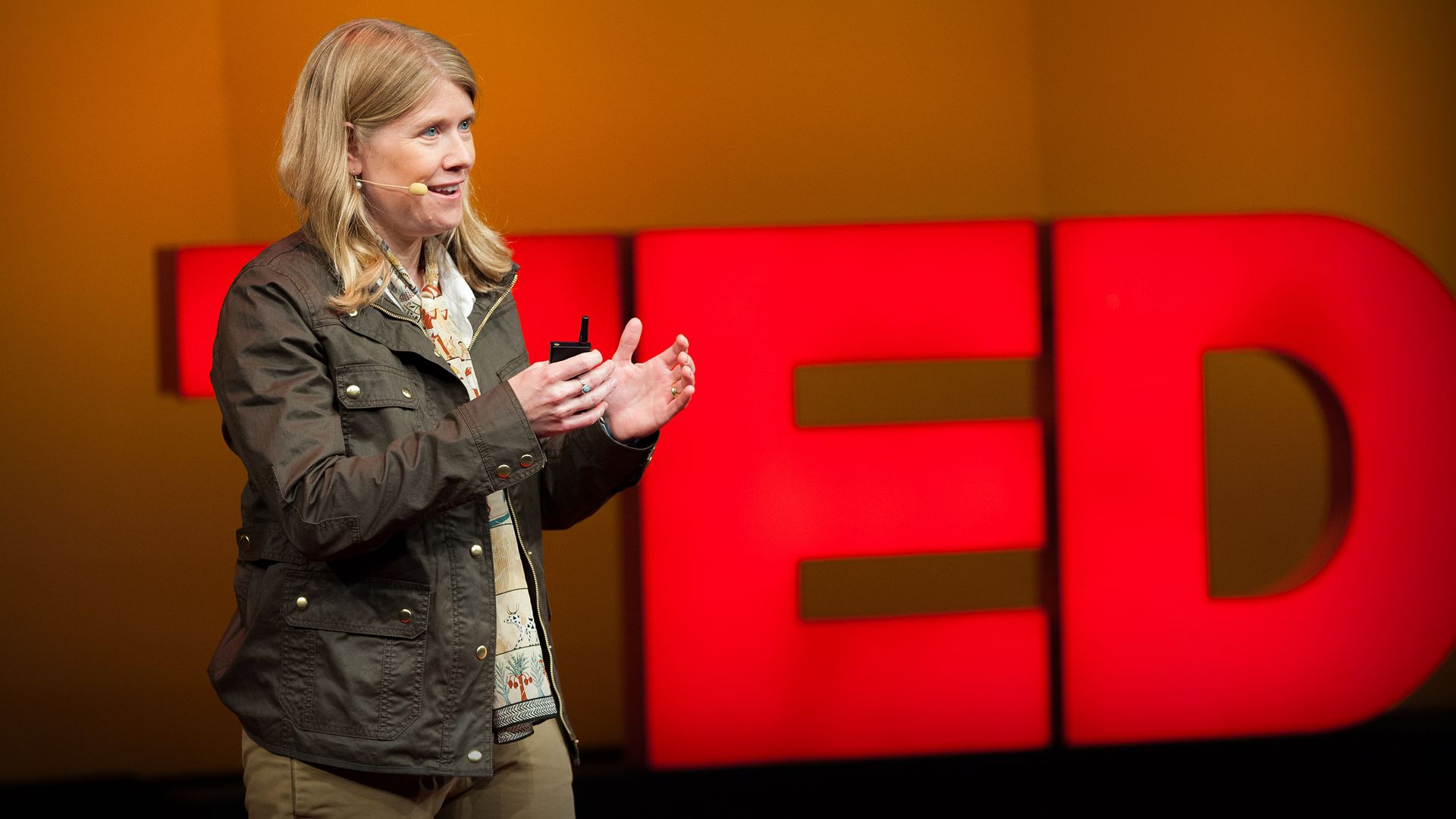
Archaeology from space

In this short talk, TED Fellow Sarah Parcak introduces the field of "space archaeology" -- using satellite images to search for clues to the lost sites of past civilizations.

2012

TED Talk

United States
I am trying to empower diverse stakeholders to help protect and preserve our shared cultural heritage // Sarah Parcak is an archaeologist and space archaeologist known for her pioneering work in using satellite imagery to uncover and protect archaeological sites around the world. Through her research, she has revolutionized the field by developing innovative methods to identify hidden sites and track looting activities. Parcak's expertise lies in leveraging technology to study ancient civilizations and address contemporary challenges facing cultural heritage preservation. She is dedicated to empowering diverse stakeholders to contribute to the safeguarding of our global cultural legacy. // Space archeologist // Sarah Parcak is from Bangor, Maine. She holds degrees from Yale (BA) and Cambridge University (M.Phil and PhD), is a Fellow of the Society of Antiquaries (an elected position), and a 2012 TED fellow. Sarah serves as the founding director of the Laboratory for Global Observation at the University of Alabama at Birmingham, where she is an Associate Professor in the Department of Anthropology. She is also the CEO of SpectralGlobe technologies (www.spectralglobe.com), a company which specializes in using remote sensing technologies to provide innovative landscape solutions. Sarah and her longtime sweetheart, Egyptologist Greg Mumford, work together on the Surveys and Excavation Projects in Egypt (www.deltasinai.com), which includes archaeological projects in the Delta, Sinai, and pyramid fields regions of Egypt. Sarah has written the first textbook on the field of satellite archaeology, called Satellite Remote Sensing for Archaeology, and has published numerous peer reviewed scientific papers. She is regularly invited to give papers at national and international conferences and symposia. She is also interviewed regularly for national print media (Science, Nature, National Geographic, CNN, BBC). Her research has been features in a major international BBC-Discovery Chanel Documentary, Egypt: What Lies Beneath,”, and she is currently working with BBC-Discovery on another program using satellite imagery to map the Roman Empire. Sarah has worked with NASA, the U.S. State Dept., and has collaborators across the globe. She has given 150 talks to a range of audiences across the globe. Sarah is an avid fan of “football,” as she played varsity football (aka “soccer”) for Yale and Cambridge, winning her varsity blue and leading Cambridge to a 4-0 defeat of Oxford in the Varsity Match in 2005 with 2 goals and 2 assists. She enjoys gardening, cooking, traveling, and learning bluegrass guitar. // Sarah Parcak uses satellites orbiting hundreds of miles above Earth to uncover hidden ancient treasures buried beneath our feet. There's a lot to discover; in the Egyptian Delta alone, Parcak estimates we've excavated less than a thousandth of one percent of what's out there. Now, with the 2016 TED Prize and an infectious enthusiasm for archaeology, she's developed an online platform called GlobalXplorer that enables anyone with an internet connection to discover unknown sites and protect what remains of our shared human inheritance. // Around the world, hundreds of thousands of lost ancient sites lie buried and hidden from view. Satellite archaeologist Sarah Parcak is determined to find them before looters do. With the 2016 TED Prize, Parcak is building an online citizen-science tool called GlobalXplorer that will train an army of volunteer explorers to find and protect the world's hidden heritage. In this talk, she offers a preview of the first place they'll look: Peru -- the home of Machu Picchu, the Nazca lines and other archaeological wonders waiting to be discovered. // In this short talk, TED Fellow Sarah Parcak introduces the field of "space archaeology" -- using satellite images to search for clues to the lost sites of past civilizations. // Sarah Parcak is an archaeologist and space archaeologist known for her pioneering work in using satellite imagery to uncover and protect archaeological sites around the world. Through her research, she has revolutionized the field by developing innovative methods to identify hidden sites and track looting activities. Parcak's expertise lies in leveraging technology to study ancient civilizations and address contemporary challenges facing cultural heritage preservation. She is dedicated to empowering diverse stakeholders to contribute to the safeguarding of our global cultural legacy. // Space archeologist // technology, geospatial information, remote sensing and geospatial information, egyptology, geospatial analysis, research, volunteerism, satellite, archaeology, cultural heritage, remote sensing, documentary, nature, cooking, explorer, ancient history, remote-sensing, science, anthropology // Alabama|USA|Birmingham|United States|Egypt|Cairo
Alabama|USA|Birmingham|United States|Egypt|Cairo

Sarah Parcak

No items found.
2012

05:02

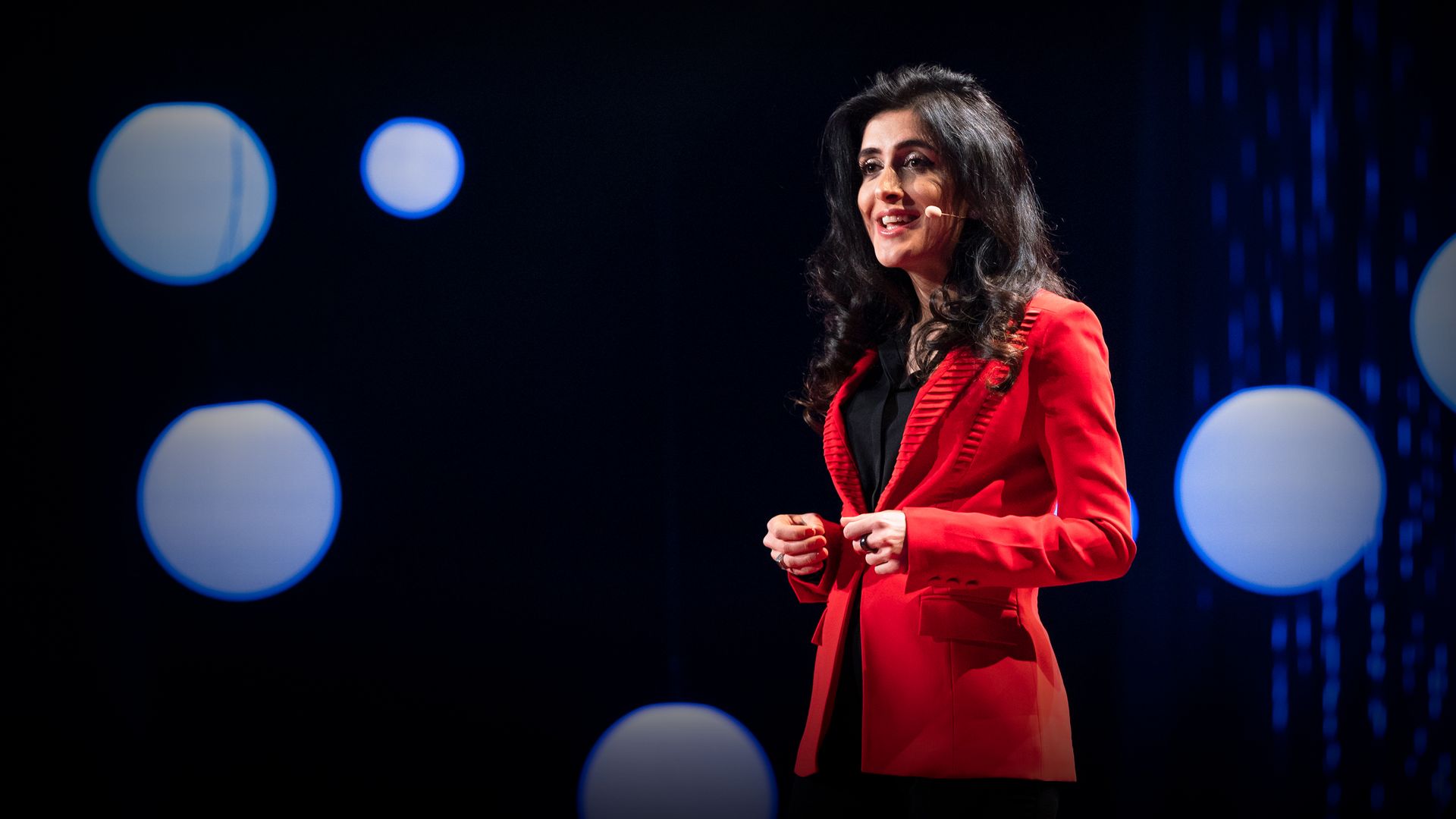
The medical potential of AI and metabolites

Many diseases are driven by metabolites -- small molecules in your body like fat, glucose and cholesterol -- but we don't know exactly what they are or how they work. Biotech entrepreneur and TED Fellow Leila Pirhaji shares her plan to build an AI-based network to characterize metabolite patterns, better understand how disease develops -- and discover more effective treatments.

2019

TED Talk

United States
Biotech entrepreneur // Computational biologist and founder of ReviveMed, a biotech company pioneering the use of artificial intelligence for drug discovery and treatment of metabolic diseases. // Experienced computational biologist and entrepreneur with a Ph.D. from MIT. Founder and CEO at ReviveMed, an award-winning, AI-driven drug discovery platform using metabolomics. // Many diseases are driven by metabolites -- small molecules in your body like fat, glucose and cholesterol -- but we don't know exactly what they are or how they work. Biotech entrepreneur and TED Fellow Leila Pirhaji shares her plan to build an AI-based network to characterize metabolite patterns, better understand how disease develops -- and discover more effective treatments. // Experienced computational biologist and entrepreneur with a Ph.D. from MIT. Founder and CEO at ReviveMed, an award-winning, AI-driven drug discovery platform using metabolomics. // Biotech entrepreneur // biotech, disease, artificial intelligence // Massachusetts|Cambridge|United States|USA
Massachusetts|Cambridge|United States|USA

Leila Pirhaji

No items found.
2019

07:22

Should you donate differently?

Technology allows us to give cash directly to the poorest people on the planet. Should we do it? In this thought-provoking talk, veteran aid worker Joy Sun explores two ways to help the poor.

2014

TED Talk

United States
Veteran aid worker // Joy serves as GiveDirectly's Domestic Chief Operating Officer. She started her career by pursuing her passion for international development, then left for the private sector after becoming deeply skeptical about the impact of most of the programs she observed during years spent working and living in Africa. A mentor told her about a team from Harvard and MIT that was giving cash directly to poor people so they could choose for themselves how to improve their lives, with no intermediaries. She jumped on the chance to help realize the vision to make cash transfers a new benchmark for efficiency, transparency and impact in giving and aid. Joy joined GiveDirectly from McKinsey & Company where she was a manager in the Silicon Valley office and served clients in the healthcare and agriculture sectors. She previously served as Director of Operations at the Clinton Health Access Initiative, where she launched several field operations across Africa, including Lesotho, Swaziland, and Nigeria, and helped lead the organization's growth from a start-up into a global institution. She holds an MBA from Stanford Graduate School of Business with certificates in Public and Global Management and a B.S. from Georgetown's School of Foreign Service. // Joy is Co-Founder of Groups, a venture-backed healthcare services company that provides affordable, evidence-based treatment for heroin and opioid addiction. Groups operates primarily in rural communities that have been hardest hit by the opioid epidemic, yet have the least access to high-quality treatment. Previously Joy served as GiveDirectly's Domestic Chief Operating Officer, where she helped to make cash transfers a new benchmark for efficiency, transparency, and impact in giving and international aid. She was a manager at McKinsey & Company and served clients in the healthcare and agriculture sectors. She has also served as Director of Operations at the Clinton Health Access Initiative, where she launched several field operations across Africa, including Lesotho, Swaziland, and Nigeria, and helped lead the organization's growth from a start-up into a global institution. Joy holds an MBA from Stanford's Graduate School of Business and a BS from Georgetown's School of Foreign Service. // Technology allows us to give cash directly to the poorest people on the planet. Should we do it? In this thought-provoking talk, veteran aid worker Joy Sun explores two ways to help the poor. // Joy is Co-Founder of Groups, a venture-backed healthcare services company that provides affordable, evidence-based treatment for heroin and opioid addiction. Groups operates primarily in rural communities that have been hardest hit by the opioid epidemic, yet have the least access to high-quality treatment. Previously Joy served as GiveDirectly's Domestic Chief Operating Officer, where she helped to make cash transfers a new benchmark for efficiency, transparency, and impact in giving and international aid. She was a manager at McKinsey & Company and served clients in the healthcare and agriculture sectors. She has also served as Director of Operations at the Clinton Health Access Initiative, where she launched several field operations across Africa, including Lesotho, Swaziland, and Nigeria, and helped lead the organization's growth from a start-up into a global institution. Joy holds an MBA from Stanford's Graduate School of Business and a BS from Georgetown's School of Foreign Service. // Veteran aid worker // technology, global health, agriculture, rural, international development, affordable, benchmark, poverty, rural communities, efficiency, transparency // California|United States|San Diego
California|United States|San Diego

Joy Sun

No items found.
2014

06:07

How I'm preparing to get Alzheimer's

When faced with a parent suffering from Alzheimer's, most of us respond with denial ("It won't happen to me") or extreme efforts at prevention. But global health expert and TED Fellow Alanna Shaikh sees it differently. She's taking three concrete steps to prepare for the moment -- should it arrive -- when she herself gets Alzheimer's disease.

2012

TED Talk

United States
UNDP; Abt Associates; Georgetown University; Tomorrow Global; USAID Yemen; Women in Global Health; American University in Cairo; UN Dispatch; -; Boston University; USAID; TED Conferences; Manlius Pebble Hill
The organization provides coaching services focused on clarity and courage. Clients often seek help when feeling stuck or facing difficult conversations. The coaching approach aims to offer direct yet humane guidance to help individuals manage emotions, make decisions, and navigate professional challenges. Additionally, the organization addresses current events and societal issues, encouraging individuals to confront fears and take action. // First of all, please get your COVID vaccine and fight for vaccine access for everyone… // Recruit coaches, match TED Fellows with coaches, and grow and develop the coaching initiative into an even better resource for our amazing fellows. // We help clients think proactively about the future of global health. That includes strategic planning, preparedness, risk analysis, and troubleshooting. My most recent projects have included qualitative data collection in Ethiopia, team lead for a mid-term evaluation of a health systems strengthening project, developing an EU proposal on unaccompanied and separated minors, researching global health security funding models, and continuing education workshops for CDC. // Global health and international development analysis for UN Dispatch. // We help clients think proactively about the future of global health. That includes strategic planning, preparedness, risk analysis, and troubleshooting. My most recent projects have included qualitative data collection in Ethiopia, team lead for a mid-term evaluation of a health systems strengthening project, and developing an EU proposal on unaccompanied and separated minors. // Support and facilitate the work of Women in Global Health and the growth of the WGH communitythrough research and the development. // Strategic communications, project messaging, reporting, and media relations for USAID-funded health project. Manage community mobilizationactivities and M&E. Special focus on social media, donor relations, and sustainability communications. // • Developed monitoring and evaluation framework for $70 million USAID-funded project. • Managed multinational team of M&E specialists to integrate monitoring and evaluation into all program areas. • Presented evidence-based data to host government officials to support evidence-based decision-making. • Facilitated multi-country workshops for project analysis and forward planning. // Assisted in development of Tajikistan's national strategic plan on HIV/AIDS. // UNDP; Abt Associates; Georgetown University; Tomorrow Global; USAID Yemen; Women in Global Health; American University in Cairo; UN Dispatch; -; Boston University; USAID; TED Conferences; Manlius Pebble Hill // Alanna Shaikh is a seasoned professional in global health and international development, with a strong focus on strategic planning, preparedness, risk analysis, and troubleshooting. With a wealth of experience in qualitative data collection, project evaluation, proposal development, and research, she has contributed significantly to various initiatives in the field. Alanna has a proven track record of supporting organizations like UN Dispatch, Women in Global Health, and USAID-funded projects through her expertise in strategic communications, project management, and monitoring and evaluation. Her work extends to facilitating workshops, managing multinational teams, and presenting evidence-based data to inform decision-making processes. Alanna's dedication to advancing global health is evident in her diverse portfolio of projects and her commitment to fostering community growth and development in the sector. // Identify and implement the best approaches to global health // Alanna Shaikh is a seasoned professional in global health and international development, known for her expertise in strategic planning, risk analysis, and project evaluation. With a strong background in qualitative data collection and research, she has made significant contributions to various initiatives in the field. Alanna has a proven track record of supporting organizations like UN Dispatch, Women in Global Health, and USAID-funded projects through her skills in strategic communications, project management, and monitoring and evaluation. Her work also involves facilitating workshops, managing multinational teams, and presenting evidence-based data to inform decision-making processes. Alanna's dedication to advancing global health is evident in her diverse portfolio of projects and her commitment to fostering community growth and development in the sector. // Global health + development specialist // Global health and development specialist and author of the international development focused-blog, Blood and Milk and a 2012 TEDbook, What's Killing Us. // I’m a global health nerd, a poet, and a leadership coach. I write a substack about pandemics. // (Update: the CDC and international science community urge everyone to wear face coverings in public.) Where did the new coronavirus originate, how did it spread so fast -- and what's next? Sharing insights from the outbreak, global health expert and TED Fellow Alanna Shaikh traces the spread of COVID-19, discusses why travel restrictions aren't effective and highlights the medical changes needed worldwide to prepare for the next pandemic. "We need to make sure that every country in the world has the capacity to identify new diseases and treat them," she says. Recorded March 5, 2020 // When faced with a parent suffering from Alzheimer's, most of us respond with denial ("It won't happen to me") or extreme efforts at prevention. But global health expert and TED Fellow Alanna Shaikh sees it differently. She's taking three concrete steps to prepare for the moment -- should it arrive -- when she herself gets Alzheimer's disease. // Alanna Shaikh is a seasoned professional in global health and international development, known for her expertise in strategic planning, risk analysis, and project evaluation. With a strong background in qualitative data collection and research, she has made significant contributions to various initiatives in the field. Alanna has a proven track record of supporting organizations like UN Dispatch, Women in Global Health, and USAID-funded projects through her skills in strategic communications, project management, and monitoring and evaluation. Her work also involves facilitating workshops, managing multinational teams, and presenting evidence-based data to inform decision-making processes. Alanna's dedication to advancing global health is evident in her diverse portfolio of projects and her commitment to fostering community growth and development in the sector. // Global health + development specialist // entrepreneurship, education, data collection, public health, data, research, sustainable development , leadership, policy, community engagement, monitoring, covid, women, humanitarian, coaching, new diseases, international development, community development, risk assessment, global health, science, coronaviruses, communication, government, pandemic, milk, disease, capacity building // Tajikistan|USA|New York|Ethiopia|United States|Dushanbe|Egypt|Thousand Island Park|Cairo
Tajikistan|USA|New York|Ethiopia|United States|Dushanbe|Egypt|Thousand Island Park|Cairo

Alanna Shaikh

No items found.
2012

05:11

This simple test can help kids hear better

Children who live in rural areas can have a hard time getting to the doctor -- much less to an audiologist's clinic for expensive, complex tests to check their hearing. The result for too many kids is hearing loss caused by ear infections and other curable or preventable problems. That's why ear surgeon and TED Fellow Susan Emmett is working with 15 communities in rural Alaska to create a simple, low-cost test that only requires a cell phone. Learn more about her work and how it could change the lives of children who don't have access to hearing care.

2018

TED Talk

United States
Ear surgeon // There are an estimated 1.6 billion people living with hearing loss globally, and 60% of all hearing loss in children can be prevented. Susan Emmett, MD, MPH is committed to addressing this disparity. She serves as Associate Professor of Otolaryngology and Public Health at the University of Arkansas for Medical Sciences in Little Rock, AR, USA. Susan completed residency in Otolaryngology-Head and Neck Surgery at The Johns Hopkins Hospital in Baltimore, MD. During her surgical training, she also obtained a Master of Public Health from the Johns Hopkins Bloomberg School of Public Health and completed a postdoctoral research fellowship at the Bloomberg School’s Center for Human Nutrition. A native of Tennessee, Susan graduated with a Bachelor of Arts from Princeton University in Molecular Biology and the Woodrow Wilson School of Public and International Affairs. She worked in science and health policy at the National Institutes of Health and U.S. Senate before matriculating in medical school at Duke University. Her commitment to global health began as a Duke medical student during a year-long Howard Hughes Medical Institute Research Training Fellowship in Moshi, Tanzania. She was thrilled to return to Tanzania in 2017 as a TED Fellow – her first visit since moving back to the U.S. in 2009. // Children who live in rural areas can have a hard time getting to the doctor -- much less to an audiologist's clinic for expensive, complex tests to check their hearing. The result for too many kids is hearing loss caused by ear infections and other curable or preventable problems. That's why ear surgeon and TED Fellow Susan Emmett is working with 15 communities in rural Alaska to create a simple, low-cost test that only requires a cell phone. Learn more about her work and how it could change the lives of children who don't have access to hearing care. // There are an estimated 1.6 billion people living with hearing loss globally, and 60% of all hearing loss in children can be prevented. Susan Emmett, MD, MPH is committed to addressing this disparity. She serves as Associate Professor of Otolaryngology and Public Health at the University of Arkansas for Medical Sciences in Little Rock, AR, USA. Susan completed residency in Otolaryngology-Head and Neck Surgery at The Johns Hopkins Hospital in Baltimore, MD. During her surgical training, she also obtained a Master of Public Health from the Johns Hopkins Bloomberg School of Public Health and completed a postdoctoral research fellowship at the Bloomberg School’s Center for Human Nutrition. A native of Tennessee, Susan graduated with a Bachelor of Arts from Princeton University in Molecular Biology and the Woodrow Wilson School of Public and International Affairs. She worked in science and health policy at the National Institutes of Health and U.S. Senate before matriculating in medical school at Duke University. Her commitment to global health began as a Duke medical student during a year-long Howard Hughes Medical Institute Research Training Fellowship in Moshi, Tanzania. She was thrilled to return to Tanzania in 2017 as a TED Fellow – her first visit since moving back to the U.S. in 2009. // Ear surgeon // children, research, rural, rural areas, science, nutrition, policy, public health, low-cost, job skills training // Arkansas|Little Rock|United States|USA
Arkansas|Little Rock|United States|USA

Susan Emmett

No items found.
2018

How to alter the perception of mental health care in Russia | Olga Kitaina

During the Soviet Union era, therapy was often used as a tool of political oppression. Since then, Russia has seen major reforms in mental health care -- but stigmas and distrust for the practice still live on. Psychologist and TED Fellow Olga Kitaina shares the current state of therapy in Russia (where tarot card readers and astrologers sometimes pass as psychoanalysts) and outlines her solution for getting people the professional help they need. Hosted on Acast. See acast.com/privacy for more information.

2023

Podcasts

Israel
Psychologist and entrepreneur // I am an entrepreneur, a researcher, and a practicing psychologist. I am the Founder and CEO of Alter -- a science-based platform helping people find the right and professional psychologist. My mission has three parts: to make mental health accessible to all, to make it as effective as possible, and to overcome the stigma around mental health care to enable people to thrive. Currently got my Master degree from UPenn. TED fellow, Forbes 30 under 30, Cartier Women’s Initiative finalist. // During the Soviet Union era, therapy was often used as a tool of political oppression. Since then, Russia has seen major reforms in mental health care -- but stigmas and distrust for the practice still live on. Psychologist and TED Fellow Olga Kitaina shares the current state of therapy in Russia (where tarot card readers and astrologers sometimes pass as psychoanalysts) and outlines her solution for getting people the professional help they need. // I am an entrepreneur, a researcher, and a practicing psychologist. I am the Founder and CEO of Alter -- a science-based platform helping people find the right and professional psychologist. My mission has three parts: to make mental health accessible to all, to make it as effective as possible, and to overcome the stigma around mental health care to enable people to thrive. Currently got my Master degree from UPenn. TED fellow, Forbes 30 under 30, Cartier Women’s Initiative finalist. // Psychologist and entrepreneur // mental health, impact, entrepreneurship, psychology, psychotherapy // Tel Aviv-Yafo|Tel Aviv|Israel|Tel Aviv District
Tel Aviv-Yafo|Tel Aviv|Israel|Tel Aviv District

Olga Kitaina

No items found.
2023