


ted fellows media library

Watch the TED Fellows in action

Watch, listen and connect with the Fellows changing the world through science, art, invention and imagination. 

TED Talks

From unbelievable science to awe-inspiring art, watch powerful talks from our global community of 500+ TED Fellows.

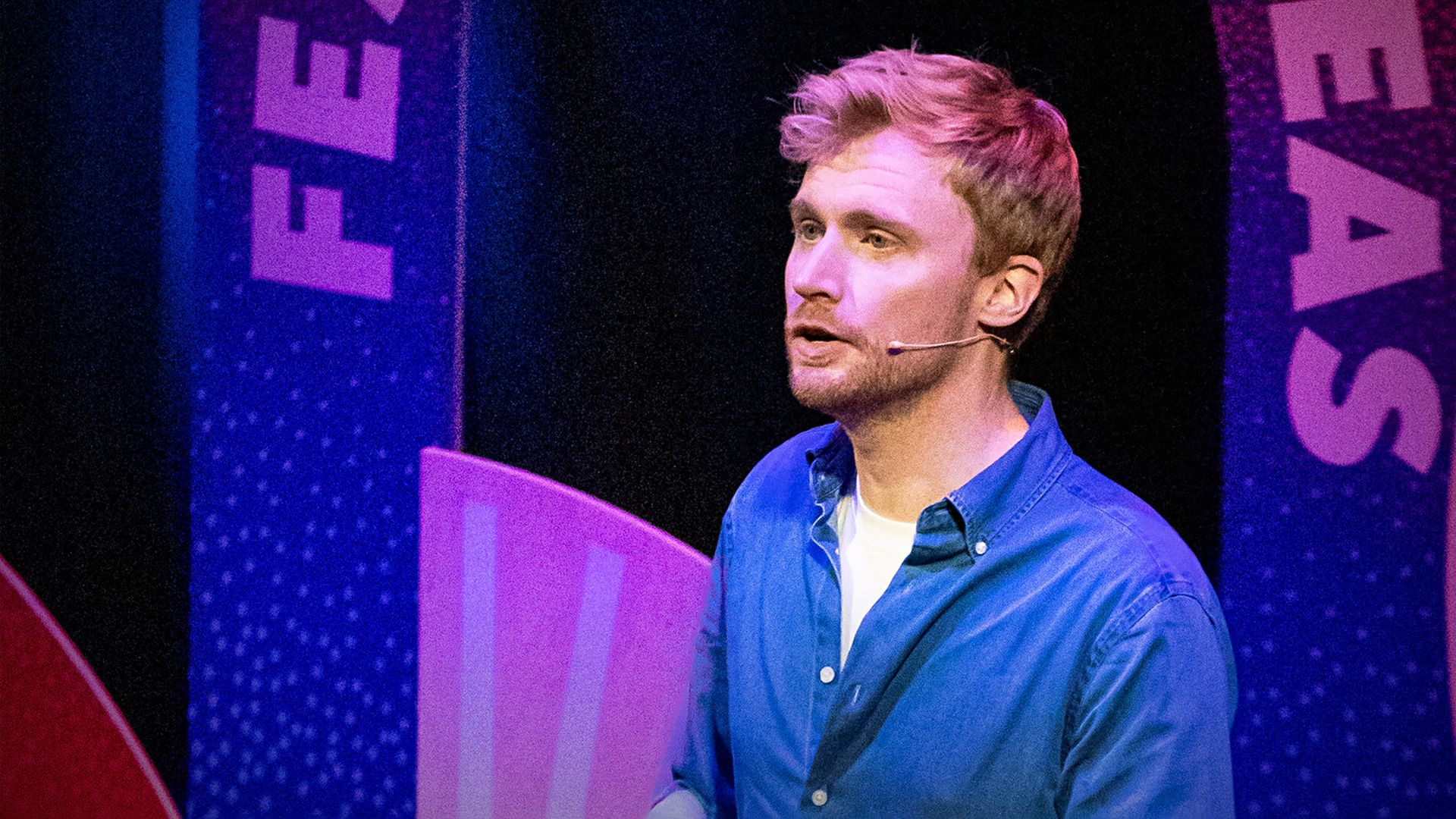
Carissa Véliz

Beware the power of prediction

Podcasts

Hear TED Fellows tell their stories in intimate interviews and learn more about what lies behind their big ideas.

Trinity Tran

Who controls your city's money? | Trinity Tran

What if your city could borrow money from its own bank instead of private lenders? TED Fellow Trinity Tran is leading the push for public banks — which are owned by the people through their local governments — and shows how this model could ensure your local tax dollars stay in your community. 

Ryosuke Takashima

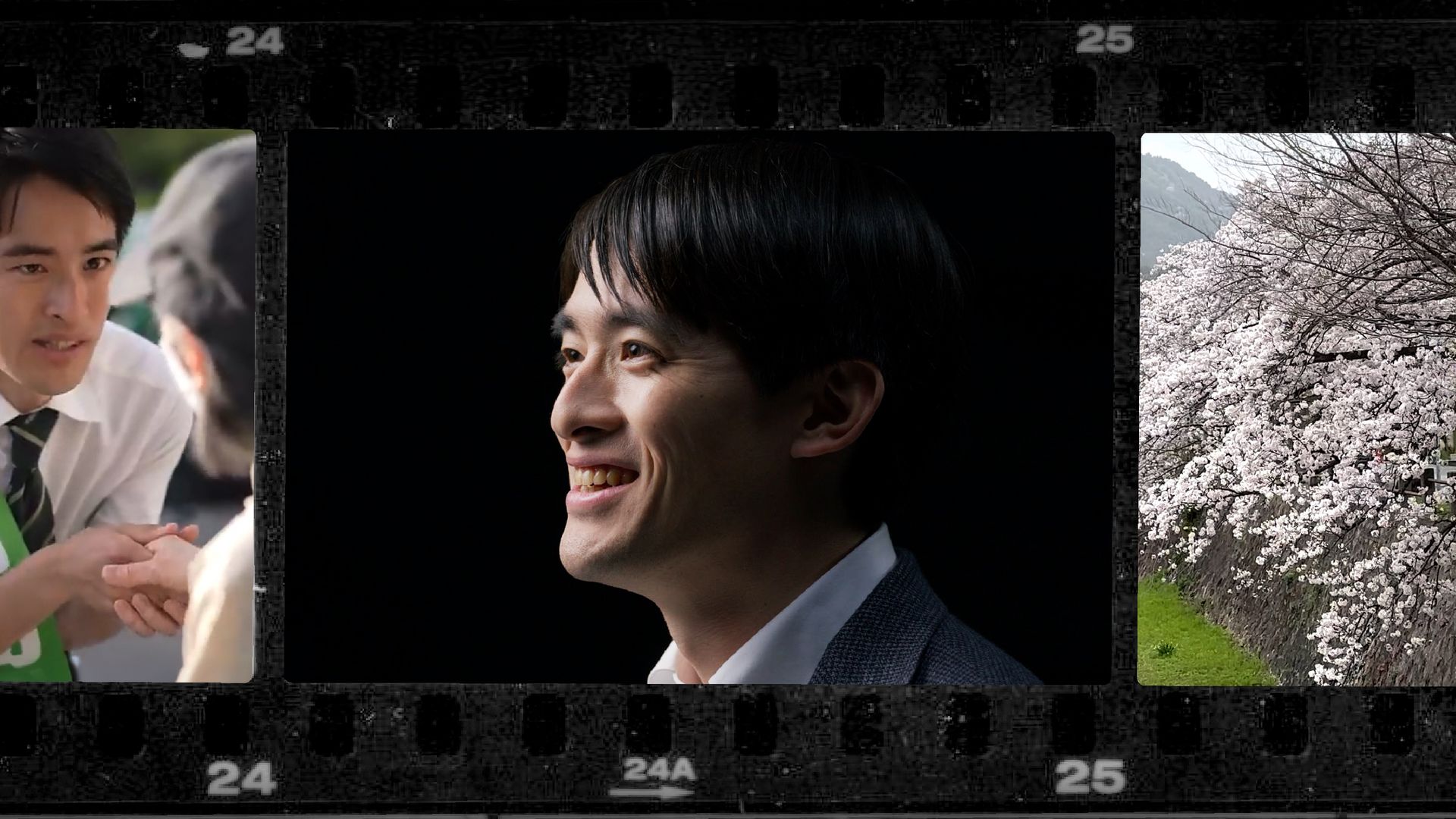
Meet the youngest-ever mayor in Japan's history | Ryosuke Takashima

TED Fellow Ryosuke Takashima is the youngest-ever mayor in Japan's history — but he doesn't consider himself a politician. His approach to leadership is simple: listen to as many voices as possible (from students to elders) in order to figure out what needs fixing. Hear why he thinks inviting citizens to participate in reforming their own communities is the best way to get things done.

Schendy Kernizan

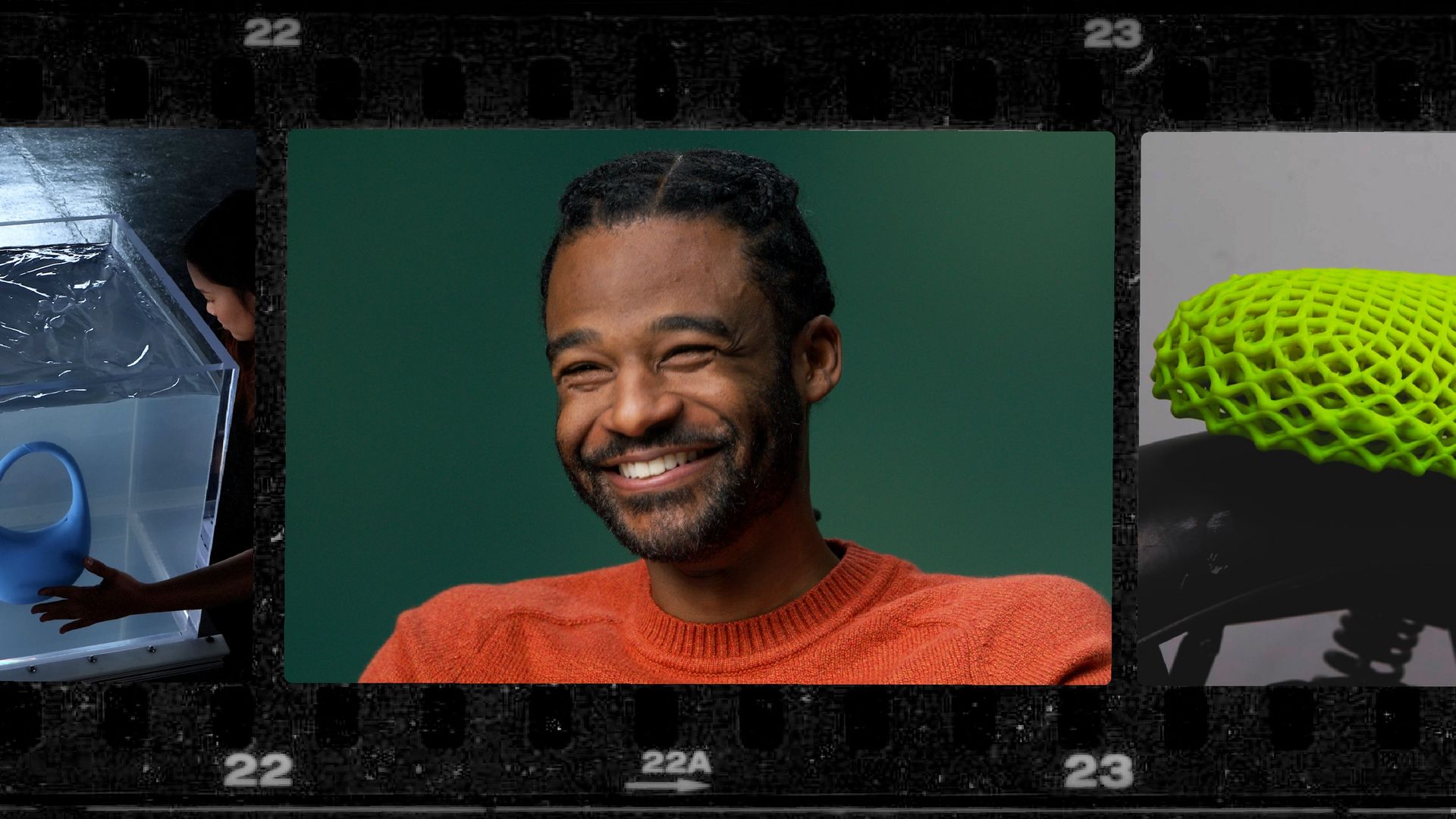
The gravity-defying future of manufacturing | Schendy Kernizan

3D printing promised to reinvent how we make things, but it's mostly stuck producing prototypes with a high level of waste. Designer and TED Fellow Schendy Kernizan found a different way — by printing objects directly into a tub of gel. He explains how this technique eliminates the constraints of gravity, pushing the limits of how we can manufacture objects across medicine, fashion, space travel and more.
Listen to all
Podcast episodes

TED Fellows Films

TED Talks meet documentaries in these short films that explore TED Fellows’ ideas. Dive into all three seasons to explore their mind-blowing innovations. 

05:39

FELLOWS FILM

Meet the youngest-ever mayor in Japan's history

TED Fellow Ryosuke Takashima is the youngest-ever mayor in Japan's history — but he doesn't consider himself a politician. His approach to leadership is simple: listen to as many voices as possible (from students to elders) in order to figure out what needs fixing. Hear why he thinks inviting citizens to participate in reforming their own communities is the best way to get things done.

2026

TED Fellows Film

Ryosuke Takashima
04:47

FELLOWS FILM

The gravity-defying future of manufacturing

3D printing promised to reinvent how we make things, but it's mostly stuck producing prototypes with a high level of waste. Designer and TED Fellow Schendy Kernizan found a different way — by printing objects directly into a tub of gel. He explains how this technique eliminates the constraints of gravity, pushing the limits of how we can manufacture objects across medicine, fashion, space travel and more.

2026

TED Fellows Film

Schendy Kernizan

Fellows Media Library

With 500+ TED Fellows and counting, we’ve got an entire world of media for you to explore. Dive into these talks, short films and podcasts showcasing Fellows turning ideas into action.

Clear
Sort
Thank you! Your submission has been received!
Oops! Something went wrong while submitting the form.

When a second chance strengthens an entire community

Royal Ramey is creating pathways to meaningful work and public service for people who have been incarcerated. Hear how his The Forestry and Fire Recruitment Program is helping the formerly incarcerated become wildland firefighters and strenghting their communities.

2026

Social

United States
The Forestry and Fire Recruitment Program (FFRP) is a nonprofit organization dedicated to providing career support to formerly incarcerated firefighters and those currently incarcerated in California's Conservation Camps. FFRP aims to increase wildfire personnel from non-traditional and underrepresented communities by offering training, skills, resources, and experiences for gainful employment in the Wildland and Forestry sector. The organization supports individuals in successfully transitioning into professional careers, addressing the growing need for wildfire-related personnel. FFRP operates by recruiting individuals, providing training programs, and connecting participants with employment opportunities in agencies such as the US Forest Service and CAL FIRE. Through its initiatives, FFRP aims to combat the increasing threat of wildfires while supporting the reentry of formerly incarcerated firefighters into society. // My partner, Brandon Smith and I co-founded The Forestry and Fire Recruitment Program (FFRP), which was incorporated in 2018. FFRP https://www.forestryfirerp.org recruits incarcerated firefighters from fire camps and provides formerly incarcerated men and women of color with on-the- job training, re-entry support, and connections to firefighting careers. To date, we have trained and provided career support to more than 3,000 currently and formerly incarcerated individuals. I serve as our Chief Program Officer. Here’s a video produced by The Los Angeles Times that explains what we do: https://bit.ly/3LE0kkd FFRP is a 501(c)3 and we are seeking funding. Having been incarcerated myself, I know first-hand how difficult it can be to find a job upon release, even when you have the required training and experience, as I did. Barriers to entry include the stigma of having a prior criminal record and limited access to transportation. We founded FFRP in order to ensure that other formerly incarcerated firefighters have the support needed to find long-term career success once released from California’s correctional Conservation Camps.   ​ I became a wildland firefighter for the US  Forest Service in 2014. I’ve now been with both the US Forest Service and CAL FIRE for seven seasons. I’ve earned several certifications in firefighting and hold an Associate of Science in Fire Technology from Crafton Hills College. // Royal Ramey is a dedicated individual with a strong background in firefighting and re-entry support for formerly incarcerated individuals. As the Chief Program Officer of The Forestry and Fire Recruitment Program (FFRP), Royal, along with partner Brandon Smith, has been instrumental in training and providing career support to over 3,000 currently and formerly incarcerated individuals. With firsthand experience of the challenges faced post-incarceration, Royal's work focuses on breaking down barriers to entry in the firefighting industry, particularly for individuals of color. With a wealth of experience as a wildland firefighter for both the US Forest Service and CAL FIRE, Royal brings a unique perspective to the field, supported by certifications in firefighting and an Associate of Science in Fire Technology. // I want to change the way society views people with records–to see us for more than our past but to focus on the opportunity that we present for the future. There are thousands of individuals that are incarcerated or impacted by the criminal justice system. By providing them with the opportunity of a meaningful career, we are able to remove stigma, promote greater dignity, and fill critical job roles in our community–especially within wildland firefighter, forestry, and other critical jobs that are much needed as we face a growing climate crisis. // Royal Ramey is a seasoned professional with a robust background in firefighting and re-entry support for formerly incarcerated individuals. Serving as the Chief Program Officer of The Forestry and Fire Recruitment Program (FFRP), Royal, alongside partner Brandon Smith, has played a pivotal role in training and guiding over 3,000 currently and previously incarcerated individuals towards successful careers. Drawing from personal experiences post-incarceration, Royal is dedicated to dismantling barriers to entry in the firefighting sector, particularly for marginalized communities. With extensive experience as a wildland firefighter with the US Forest Service and CAL FIRE, Royal brings a unique perspective to the field, complemented by firefighting certifications and an Associate of Science in Fire Technology. Royal's mission is to reshape societal perceptions of individuals with records, emphasizing the potential for a brighter future through meaningful careers in critical sectors like wildland firefighting and forestry, essential in addressing the escalating climate crisis. // Wildland firefighter // Royal Ramey is a seasoned professional with a robust background in firefighting and re-entry support for formerly incarcerated individuals. Serving as the Chief Program Officer of The Forestry and Fire Recruitment Program (FFRP), Royal, alongside partner Brandon Smith, has played a pivotal role in training and guiding over 3,000 currently and previously incarcerated individuals towards successful careers. Drawing from personal experiences post-incarceration, Royal is dedicated to dismantling barriers to entry in the firefighting sector, particularly for marginalized communities. With extensive experience as a wildland firefighter with the US Forest Service and CAL FIRE, Royal brings a unique perspective to the field, complemented by firefighting certifications and an Associate of Science in Fire Technology. Royal's mission is to reshape societal perceptions of individuals with records, emphasizing the potential for a brighter future through meaningful careers in critical sectors like wildland firefighting and forestry, essential in addressing the escalating climate crisis. // Wildland firefighter // technology, forest, workforce, fire, nonprofit ceo, jobs, job skills training, changemaker, mobility, firefighters, climate, wildland firefighter, environmental justice, criminal justice reform, women, forestry, fire fighting, second chance employment wildland firefighter, wildfire, workforce development, science, underrepresented, transportation, justice // Los Angeles|San Francisco|USA|San Bernardino|California|United States|Oakland
Los Angeles|San Francisco|USA|San Bernardino|California|United States|Oakland

Royal Ramey

No items found.
Personal Growth, Criminal justice,
25
2026

11:18

Why does uncertainty bother us so much?

Why do we find it easier to trust some concepts and ideas over others? Mathematician and TED Fellow Adam Kucharski explores the science of uncertainty, revealing how the very human need for explanation shapes trust in science, fear of technology and belief in conspiracy theories.

2025

TED Talk

United Kingdom
Adam Kucharski is a Professor of Infectious Disease Epidemiology at the London School of Hygiene & Tropical Medicine. His work focuses on utilizing data and analytics for epidemic preparedness and response, including studying social behavior and immunity. He has authored a book titled "The Rules of Contagion: Why Things Spread - and Why They Stop," which delves into the principles driving contagion in various contexts. Additionally, Kucharski's research group explores how human behavior and immunity influence infectious disease outbreaks, aiming to enhance surveillance and control measures. He has also written articles for reputable publications and frequently gives popular science talks, covering topics such as disease transmission, outbreaks, and the science of luck. // The London School of Hygiene & Tropical Medicine, specifically the work of Prof Adam Kucharski, focuses on utilizing data and analytics to understand infectious disease dynamics for epidemic preparedness and response. Prof Kucharski's research involves developing mathematical and statistical approaches to study infectious disease outbreaks, combining various data sources to uncover transmission dynamics and intervention impacts. His work covers a range of infections including COVID-19, influenza, Ebola, dengue, and Zika. Additionally, he engages in public outreach activities and projects linking citizen science with data collection. // My academic research focuses on making better use of data and analytics for epidemic preparedness and response, from understanding immunity to predicting human behaviour. More broadly, I’m interested in finding new ways to generate and communicate scientific insights by engaging the public with research. // Adam Kucharski is a Professor of Infectious Disease Epidemiology at the London School of Hygiene & Tropical Medicine, specializing in utilizing data and analytics for epidemic preparedness and response. His research delves into the dynamics of infectious disease outbreaks, with a focus on social behavior, immunity, and transmission dynamics. Kucharski is the author of "The Rules of Contagion: Why Things Spread - and Why They Stop," a book exploring the principles of contagion in various contexts. He has contributed to studies on diseases like COVID-19, influenza, Ebola, dengue, and Zika, aiming to enhance surveillance and control measures. Beyond academia, Kucharski actively engages in public outreach activities to communicate scientific insights and promote citizen science initiatives. // Mathematician and epidemiologist // I'm an epidemiologist, mathematician, author, and a TED Senior Fellow. I’m co-director of the Centre for Epidemic Preparedness and Response at the London School of Hygiene & Tropical Medicine, where I use data-driven analysis to understand outbreaks, from immunity to human behaviour. I have advised multiple governments on major disease epidemics, as well as infodemics and social contagion. I regularly write about science, and my articles have appeared in places like Wired, Financial Times, and The Atlantic. I am author of 'The Rules of Contagion: Why Things Spread – and Why They Stop', which was named a Science Book of the Year by the Times, Guardian and Financial Times, as well as ‘The Perfect Bet’, about the relationship between science and games of chance. My new book ‘Proof: The Search for Certainty in an Uncertain World’ is out in spring 2025. I am also co-founder of wishidknown.co, a new platform for harnessing collective wisdom - we’ve already been growing a community for parents and will soon be launching one for founders. // As the threat of COVID-19 continues, infectious disease expert and TED Fellow Adam Kucharski answers five key questions about the novel coronavirus, providing necessary perspective on its transmission, how governments have responded and what might need to change about our social behavior to end the pandemic. (This video is excerpted from a 70-minute interview between Kucharski and head of TED Chris Anderson. Listen to the full interview at http://go.ted.com/adamkucharski. Recorded March 11, 2020) // Adam Kucharski is a Professor of Infectious Disease Epidemiology at the London School of Hygiene & Tropical Medicine, specializing in utilizing data and analytics for epidemic preparedness and response. His research delves into the dynamics of infectious disease outbreaks, with a focus on social behavior, immunity, and transmission dynamics. Kucharski is the author of "The Rules of Contagion: Why Things Spread - and Why They Stop," a book exploring the principles of contagion in various contexts. He has contributed to studies on diseases like COVID-19, influenza, Ebola, dengue, and Zika, aiming to enhance surveillance and control measures. Beyond academia, Kucharski actively engages in public outreach activities to communicate scientific insights and promote citizen science initiatives. // Mathematician and epidemiologist // data collection, writing, public health, data, health, infectious disease, finance, epidemics, research, outbreak analysis, citizen scientist, data and analytics, covid, human behaviour, data-driven, mathematics, epidemiology, open science, science communication, science, coronaviruses, communication, pandemic, disease // United Kingdom|England|London
United Kingdom|England|London

Adam Kucharski

No items found.
24
2025

What other planets can teach us about our own

Planet hunter Jessie Christiansen explores exoplanets to determine if any could support human life beyond Earth. She shares the three best options for a habitable world and where our true place in the universe is.

2025

Social

United States
Planet hunter // Dr Jessie Christiansen is an astrophysicist with the NASA Exoplanet Science Institute at Caltech, where she searches for, characterises and catalogues planets orbiting other stars. She is the lead scientist on the NASA Exoplanet Archive, and has worked on the NASA Kepler, K2, and now TESS missions to characterize the demographics of exoplanets, and to find and study the nearest planetary systems to Earth – systems that will be perfect for further study with the next generation of ground- and space-based telescopes. She is hunting for Earth 2.0 - and you can too. // What are the planets outside our solar system like? Astrophysicist and TED Fellow Jessie Christiansen has helped find thousands of them (and counting), and the variety is more wonderful and wild than you might imagine. She shares details on the trends emerging from the data -- including the intriguing possibility of "super-Earths" -- and what the discovery of exoplanets means for existential questions like: Where do we come from, and how did we get here? // Dr Jessie Christiansen is an astrophysicist with the NASA Exoplanet Science Institute at Caltech, where she searches for, characterises and catalogues planets orbiting other stars. She is the lead scientist on the NASA Exoplanet Archive, and has worked on the NASA Kepler, K2, and now TESS missions to characterize the demographics of exoplanets, and to find and study the nearest planetary systems to Earth – systems that will be perfect for further study with the next generation of ground- and space-based telescopes. She is hunting for Earth 2.0 - and you can too. // Planet hunter // citizen scientist, data archiving and discovery, science, citizen science, astronomy, data, solar // California|United States|Pasadena|USA
California|United States|Pasadena|USA

Jessie Christiansen

No items found.
Science, Space, Exoplanets
23
2025

06:42

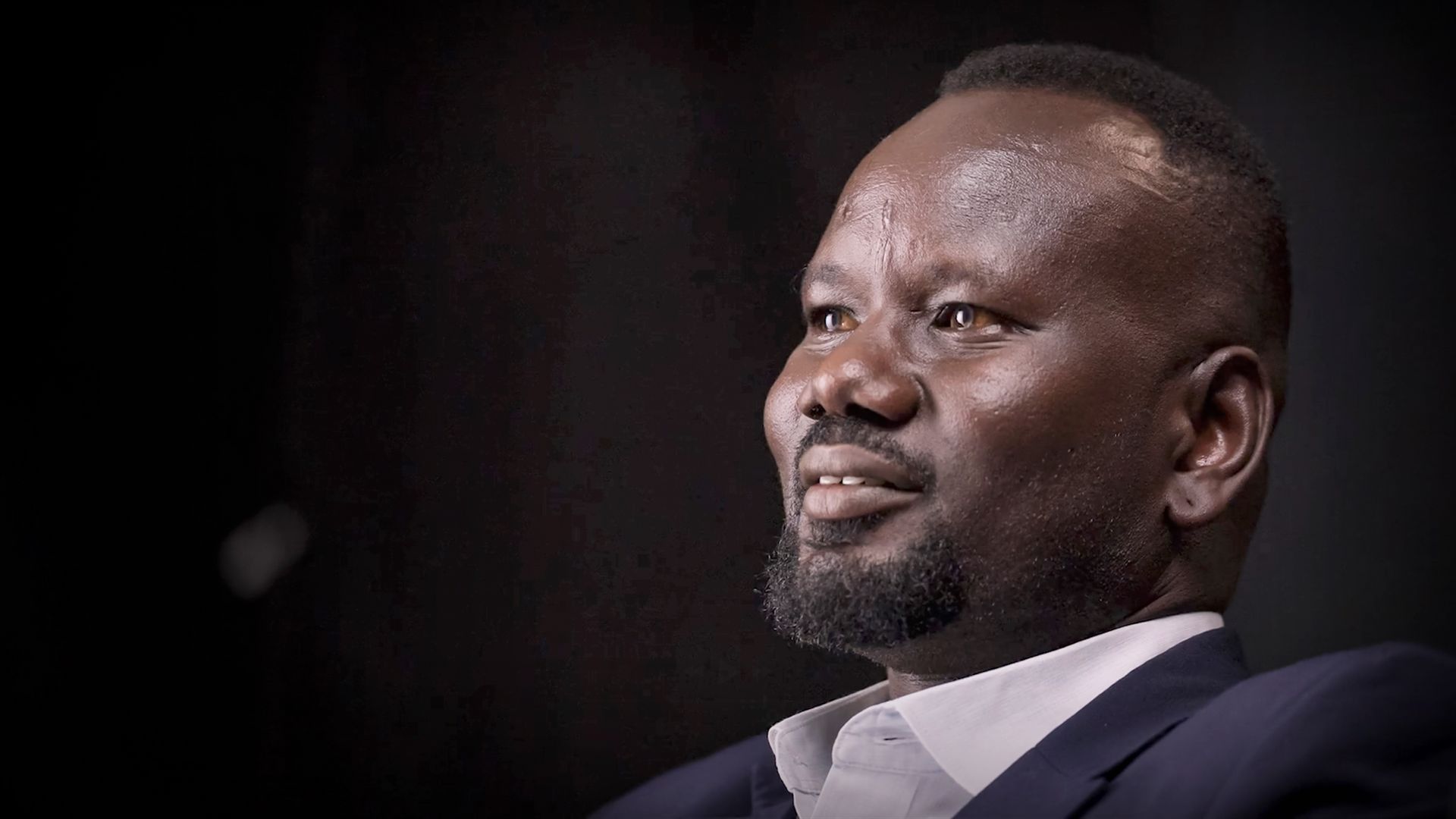
The doctor on a mission to build a healthier South Sudan

Yohanis Riek went from herding cattle and fighting as a child soldier to becoming the first doctor in his community in South Sudan. He shares his journey to found a nonprofit bringing health care to remote communities — empowering locals to take charge of their own health, as the world's newest country finds its place in the world.

2026

TED Fellows Film

South Sudan
Medical doctor and entrepreneur // Medical Doctor, entrepreneur and writer. Yohanis Riek has over 15 years of experience in NGO management and 10 years in private sector development in South Sudan. Currently, Yohanis is the Group CEO at Yo’ Group, Inc. focusing on business development, portfolios management, teams training and development, accountability oversight, fiduciary and governance and lead in resource mobilization for the Yo’ Group and its subsidiaries as well as technical backstopping on projects. // Medical Doctor, entrepreneur and writer. Yohanis Riek has over 15 years of experience in NGO management and 10 years in private sector development in South Sudan. Currently, Yohanis is the Group CEO at Yo’ Group, Inc. focusing on business development, portfolios management, teams training and development, accountability oversight, fiduciary and governance and lead in resource mobilization for the Yo’ Group and its subsidiaries as well as technical backstopping on projects. // Medical doctor and entrepreneur // job skills training, accountability, governance // Central Equatoria|South Sudan|Juba
Central Equatoria|South Sudan|Juba

Dr. Yohanis Riek

No items found.
22
2026

How to tune your inner voice | Rhonda Ross, Daniel Alexander Jones

To calm the storm inside your mind, you must first understand it. Singer and actress Rhonda Ross shares her theory of "emotional sovereignty" — the idea that your feelings aren't shaped just by your circumstances, but by the thoughts running on loop in your head. In conversation with scholar and TED Fellow Daniel Alexander Jones, Ross introduces the unexpected, music-rooted practice for taking control of your narrative.

2026

Podcasts

United States
Theater artist // Daniel Alexander Jones exemplifies the artist as energy worker. Daniel’s wildflower body of original work includes plays, performance pieces, recorded music, concerts, music theatre events, essays, and long-form improvisations. Energy is his true medium and provides the current for his formal fluency. Jones creates multi-dimensional experiences where the bodies, minds, emotions, voices, and spirits conjoin, shimmer, and heal. PEN America named Daniel the 2021 Laura Pels Foundation Awardee in Theatre. Jones’s critically-acclaimed pieces include Black Light (Public Theater, Greenwich House Theatre); Duat (Soho Rep); An Integrator’s Manual (La MaMa, etc. and Fusebox Festival); Bright Now Beyond (Salvage Vanguard Theatre); and Radiate (Soho Rep and National Tour). Jones has recorded five albums of original songs as his alter-ego, Jomama Jones. Daniel is enlivened by collaborative process and maintains a fierce tribe of artist-collaborators. His roots reach deep into Black American and Queer Theatre and Performance traditions; Jones is recognized as a key voice in the development of Theatrical Jazz and has made a significant contribution to Black Experimental Theatre and Performance. Jones explores ideas of the Afromystical (awakening awareness of the numinous in the everyday through ritualized performance) in all his work. He has also been a pioneer in the exploration and articulation of identities and experiences that move beyond caging binaries and transcend limited civic, cultural, and political imaginings. Moved by silenced histories of sovereignty and agency, and emboldened by acts of survival and transcendence, Jones creates his own distinctive dramaturgy. For over twenty-five years of professional practice, Jones has demonstrated an unwavering commitment to the rigorous work of civic healing through vulnerable presence, truth telling, and collective critical engagement with possibility. Jones directed world-premieres of new plays and performance pieces by E. Patrick Johnson, Erik Ehn, Renita Martin, and Shay Youngblood, among others. He is a company member of Penumbra Theatre Company in St. Paul; an associate company member of Pillsbury House Theatre in Minneapolis; an alumnus of New Dramatists, and was a company member of Frontera@Hyde Park Theatre in Austin. Jones is a 2019 Guggenheim Fellow, a 2019 recipient of the Helen Merrill Playwriting Award. He was awarded a Doris Duke Artist Award, an Alpert Award in the Arts, a USA Artist Fellowship, an Arts Matters grant, an inaugural Creative Capital Grant, a McKnight National Residency and Commission, a Howard Foundation Fellowship, a NEA/TCG Playwriting Residency, a Jerome Fellowship, and a Many Voices Playwriting Fellowship. Jones was lead artist on five projects awarded support by the MAP Fund. Daniel has been a Mellon Creative Research Fellow at the University of Washington, a Hume Fellow at Occidental College, was a Fellow at the Hemispheric Institute at NYU, and has been in residence at a number of colleges and universities across the country including most recently, Reed College and Hampshire College. Jones received a Bistro Award for Outstanding Performance Artistry for Jomama Jones in 2019, and a Franky Award from the Prelude Festival in recognition of long-term, extraordinary impact on contemporary theatre and performance. Daniel Alexander Jones did his undergraduate study at Vassar College in Africana Studies with a focus on literature and the arts, and graduate study at Brown University in Theatre. He is a widely respected, innovative educator, who has taught across the United States, and held faculty positions at Goddard College, The University of Texas at Austin, and Fordham University, where he is currently an Associate Professor of Theatre. // "Some call me a soul sonic superstar," says Jomama Jones, the alter ego of TED Fellow and theater artist Daniel Alexander Jones. In this stunning talk and performance, Jomama Jones invites us to consider how coming undone can be the first step toward transformation. It's a powerful story of community, growth and renewal -- and how breaking apart can mean breaking open. // Daniel Alexander Jones exemplifies the artist as energy worker. Daniel’s wildflower body of original work includes plays, performance pieces, recorded music, concerts, music theatre events, essays, and long-form improvisations. Energy is his true medium and provides the current for his formal fluency. Jones creates multi-dimensional experiences where the bodies, minds, emotions, voices, and spirits conjoin, shimmer, and heal. PEN America named Daniel the 2021 Laura Pels Foundation Awardee in Theatre. Jones’s critically-acclaimed pieces include Black Light (Public Theater, Greenwich House Theatre); Duat (Soho Rep); An Integrator’s Manual (La MaMa, etc. and Fusebox Festival); Bright Now Beyond (Salvage Vanguard Theatre); and Radiate (Soho Rep and National Tour). Jones has recorded five albums of original songs as his alter-ego, Jomama Jones. Daniel is enlivened by collaborative process and maintains a fierce tribe of artist-collaborators. His roots reach deep into Black American and Queer Theatre and Performance traditions; Jones is recognized as a key voice in the development of Theatrical Jazz and has made a significant contribution to Black Experimental Theatre and Performance. Jones explores ideas of the Afromystical (awakening awareness of the numinous in the everyday through ritualized performance) in all his work. He has also been a pioneer in the exploration and articulation of identities and experiences that move beyond caging binaries and transcend limited civic, cultural, and political imaginings. Moved by silenced histories of sovereignty and agency, and emboldened by acts of survival and transcendence, Jones creates his own distinctive dramaturgy. For over twenty-five years of professional practice, Jones has demonstrated an unwavering commitment to the rigorous work of civic healing through vulnerable presence, truth telling, and collective critical engagement with possibility. Jones directed world-premieres of new plays and performance pieces by E. Patrick Johnson, Erik Ehn, Renita Martin, and Shay Youngblood, among others. He is a company member of Penumbra Theatre Company in St. Paul; an associate company member of Pillsbury House Theatre in Minneapolis; an alumnus of New Dramatists, and was a company member of Frontera@Hyde Park Theatre in Austin. Jones is a 2019 Guggenheim Fellow, a 2019 recipient of the Helen Merrill Playwriting Award. He was awarded a Doris Duke Artist Award, an Alpert Award in the Arts, a USA Artist Fellowship, an Arts Matters grant, an inaugural Creative Capital Grant, a McKnight National Residency and Commission, a Howard Foundation Fellowship, a NEA/TCG Playwriting Residency, a Jerome Fellowship, and a Many Voices Playwriting Fellowship. Jones was lead artist on five projects awarded support by the MAP Fund. Daniel has been a Mellon Creative Research Fellow at the University of Washington, a Hume Fellow at Occidental College, was a Fellow at the Hemispheric Institute at NYU, and has been in residence at a number of colleges and universities across the country including most recently, Reed College and Hampshire College. Jones received a Bistro Award for Outstanding Performance Artistry for Jomama Jones in 2019, and a Franky Award from the Prelude Festival in recognition of long-term, extraordinary impact on contemporary theatre and performance. Daniel Alexander Jones did his undergraduate study at Vassar College in Africana Studies with a focus on literature and the arts, and graduate study at Brown University in Theatre. He is a widely respected, innovative educator, who has taught across the United States, and held faculty positions at Goddard College, The University of Texas at Austin, and Fordham University, where he is currently an Associate Professor of Theatre. // Theater artist // research, music, theatre, teaching, black american theatre., performance, community building, writing, vulnerability // United States|New York
United States|New York

Daniel Alexander Jones

No items found.
21
2026

Reimaginging machines to better understand nature

Robert Katzchmann is building soft-bodied robots that move like fish to help researchers better explore the ocean and tap into new data without disturbing life around them. Hear how his approach is unlocking new ways to understand our natural world and some of our most precious species.

2025

Social

Switzerland
Amazon Robotics; ABB; Auris Health, Inc; ETH Zürich; Liselotte-Gymnasium, Mannheim, Germany; Soft Robotics Laboratory, ETH Zurich; studentec; Karlsruhe Institute of Technology (KIT); Massachusetts Institute of Technology; ETH AI Center; Stanford University; PCK Systemhaus; Dexai Robotics
The Soft Robotics Lab, founded by Prof. Robert Katzschmann, focuses on developing soft robots and biohybrid robots using compliant materials. Their research includes designing fluidic and electric drive concepts, modeling, controls, and machine learning algorithms for interactions with objects and living beings. They offer opportunities for PhD students, Postdoctoral researchers, and Master students to work on projects involving soft robotic arms, soft robotic fish, and soft robotic fingers. The lab explores advanced fabrication techniques, control methods, and learning techniques to enhance the capabilities of soft robots. Their work has been recognized in various media outlets and academic publications, showcasing their innovative contributions to the field of robotics. // Robert Katzschmann is an Assistant Professor of Robotics at ETH Zurich. His research focuses on developing soft robotic technologies, including the creation of SoFi, a soft robotic fish for exploring marine life, and innovative soft robotic manipulators for object grasping. He has also worked on dynamic control algorithms for soft robots, enabling them to perform various real-world tasks. Robert's work has been widely recognized, with numerous publications, citations, and invited talks at prestigious conferences. // Soft Robotics ResearchPhD in Mechanical Engineering, GPA: 4.9PhD Thesis Title: “Building and Controlling Fluidically Actuated Soft Robots: From Open Loop to Model-based Control”Thesis Committee: Daniela Rus, Russ Tedrake, John Leonard, Anette (Peko) HosoiMajor: Robotics and Controls; Minor: Machine Learning and Computer VisionSelected Classwork: Advanced System Dynamics & Control (2.151), Advances in Computer Vision (6.869), Analysis & Design of Feedback Control Systems (2.140), Dynamics (2.032), Elements of Mechanical Design (2.72), Fluid Mechanics (2.25), Identification, Estimation, & Learning (2.160), Machine Learning (6.867), Probabilistic Mobile Robotics (Duckietown - 2.166), Underactuated Robotics (6.832) // Master Thesis on “Online Trajectory Generation considering Manipulator Dynamics”Advisors: Dr. Torsten Kröger and Prof. Oussama Khatib Lab: Artificial Intelligence Lab @ Computer Science Department // Research project: Thermal study and optimization of robotic drive trainsLocation: ABB (China) Ltd. - Corporate Robotics Research // Chairman of the voluntary association, representation of the association, coordination of all sections // Research and development in the field of medical robotics // Research and Teaching in the field of Soft Robotics // Postdoctoral Associate, Research in Soft Robotics, Advisor: Prof. Daniela Rus // Owner, IT consulting and trade, network administration, web design // Online trajectory generation taking into account the robot dynamics, enhancement of the existing Reflexxes Motion Libraries (http://www.reflexxes.com/). // Amazon Robotics; ABB; Auris Health, Inc; ETH Zürich; Liselotte-Gymnasium, Mannheim, Germany; Soft Robotics Laboratory, ETH Zurich; studentec; Karlsruhe Institute of Technology (KIT); Massachusetts Institute of Technology; ETH AI Center; Stanford University; PCK Systemhaus; Dexai Robotics // Robert Katzschmann is a dedicated professional with a strong background in Soft Robotics Research. With a PhD in Mechanical Engineering focusing on fluidically actuated soft robots, Robert has a solid foundation in Robotics and Controls, complemented by expertise in Machine Learning and Computer Vision. His research projects have spanned from thermal optimization of robotic drive trains to medical robotics development. As a Postdoctoral Associate, Robert continues to contribute to the field of Soft Robotics under the guidance of Prof. Daniela Rus. Additionally, his experience in IT consulting and web design showcases his versatility and proficiency in various domains. // I am rethinking how we are building machines and robots, going away from an ancient mechanistic approach towards pure bioinspiration, and creating robots made of muscles, tendons, bones, ligaments, joints, etc. I am creating robots grown from millions of cells and investigating with my research how these systems can change how these robots can adapt and integrate into our world. While everyone is thinking about artificial intelligence in the form of natural language generators, I am looking into physical intelligence that requires smooth and versatile behaviors and motions of a physical embodiment. // Robert Katzschmann is an Assistant Professor of Robotics at ETH Zurich, known for his pioneering work in the field of soft robotics. His research at the Soft Robotics Lab focuses on developing innovative soft robots and biohybrid robots using compliant materials. Katzschmann's expertise lies in designing fluidic and electric drive concepts, control algorithms, and machine learning techniques for interactions with objects and living beings. His notable projects include the creation of SoFi, a soft robotic fish for marine exploration, and advanced soft robotic manipulators for object grasping. Through his contributions to academic publications and media outlets, Katzschmann showcases a unique approach to robotics, emphasizing bioinspiration and physical intelligence in the development of adaptable and versatile robotic systems. // Soft-bodied roboticist // Robert Katzschmann is Assistant Professor of Robotics and head of ETH's Soft Robotics Lab. His research group advances robots' abilities for real-life applications by being more compliant and adapt better to their environment when solving challenging tasks in locomotion and object manipulation. His group takes inspiration from living creatures and develops soft robots with deformable properties that achieve functions not possible with traditional robots. The Soft Robotics Lab advances the design, fabrication, modeling, control, and learning techniques tailored to the needs of soft robotic systems. Demonstrations of his robot's capabilities are real-world applications such as a robotic fish for underwater locomotion, soft robotic hands for pick-and-place tasks, and multi-segment arms for dynamic object manipulation. Robert's work has appeared in leading academic journals, including Science Robotics, and has been featured in major news outlets, including the New York Times. Robert is a member of the ETH AI Center, the Max Planck ETH Center for Learning Systems (CLS), and the ETH Competence Center for Materials and Processes (MaP). Robert is an Area Chair for Robotics Science and Systems (RSS), an associate editor for IROS, and a guest editor for the International Journal on Robotics Research (IJRR), and a reviewer for leading peer-reviewed journals, including Science and Nature // Imagine a boat that propels by moving its "tail" from side to side, just like a fish. That's the kind of machine that TED Fellow Robert Katzschmann's lab builds: soft-bodied robots that imitate natural movements with artificial, silent muscles. He lays out his vision for machines that take on mesmerizing new forms, made of softer and more lifelike materials -- and capable of discovering unknown parts of the world. // Robert Katzschmann is an Assistant Professor of Robotics at ETH Zurich, known for his pioneering work in the field of soft robotics. His research at the Soft Robotics Lab focuses on developing innovative soft robots and biohybrid robots using compliant materials. Katzschmann's expertise lies in designing fluidic and electric drive concepts, control algorithms, and machine learning techniques for interactions with objects and living beings. His notable projects include the creation of SoFi, a soft robotic fish for marine exploration, and advanced soft robotic manipulators for object grasping. Through his contributions to academic publications and media outlets, Katzschmann showcases a unique approach to robotics, emphasizing bioinspiration and physical intelligence in the development of adaptable and versatile robotic systems. // Soft-bodied roboticist // technology, fish, automation, soft robotics, machine learning, marine life, research, biohybrid robotics, electric, design, engineering, mechanical engineering, aerial drones, digital signal processing, electric drive, oceans, robotic manipulation, robotics, bio-inspiration, musculoskeletal robots, computer vision, nature, artificial muscles, science, software, artificial intelligence, controls // Switzerland|Singapore|China|Zurich|Zürich
Switzerland|Singapore|China|Zurich|Zürich

Robert Katzschmann

No items found.
Technology, Robotics
20
2025

What’s the best way to help a city fight flooding?

We put this question to TED Countdown attendees and TED Fellow Kotchakorn Voraakhom. See if you can guess the right answer (a, b, or c) — and stay tuned as Voraakhom shares her work around the power of green spaces to help cities absorb and manage extreme rainfall and weather.

2025

Social

Pakistan
Urban landscape architect // From London to Tokyo, climate change is causing cities to sink -- and our modern concrete infrastructure is making us even more vulnerable to severe flooding, says landscape architect and TED Fellow Kotchakorn Voraakhom. But what if we could design cities to help fight floods? In this inspiring talk, Voraakhom shows how she developed a massive park in Bangkok that can hold a million gallons of rainwater, calling for more climate change solutions that connect cities back to nature. // Urban landscape architect // infrastructure, water, nature, climate, design, vulnerability, rain water, cities, floods

Kotchakorn Voraakhom

No items found.
Society/Culture, Science, Climate change
19
2025

10:03

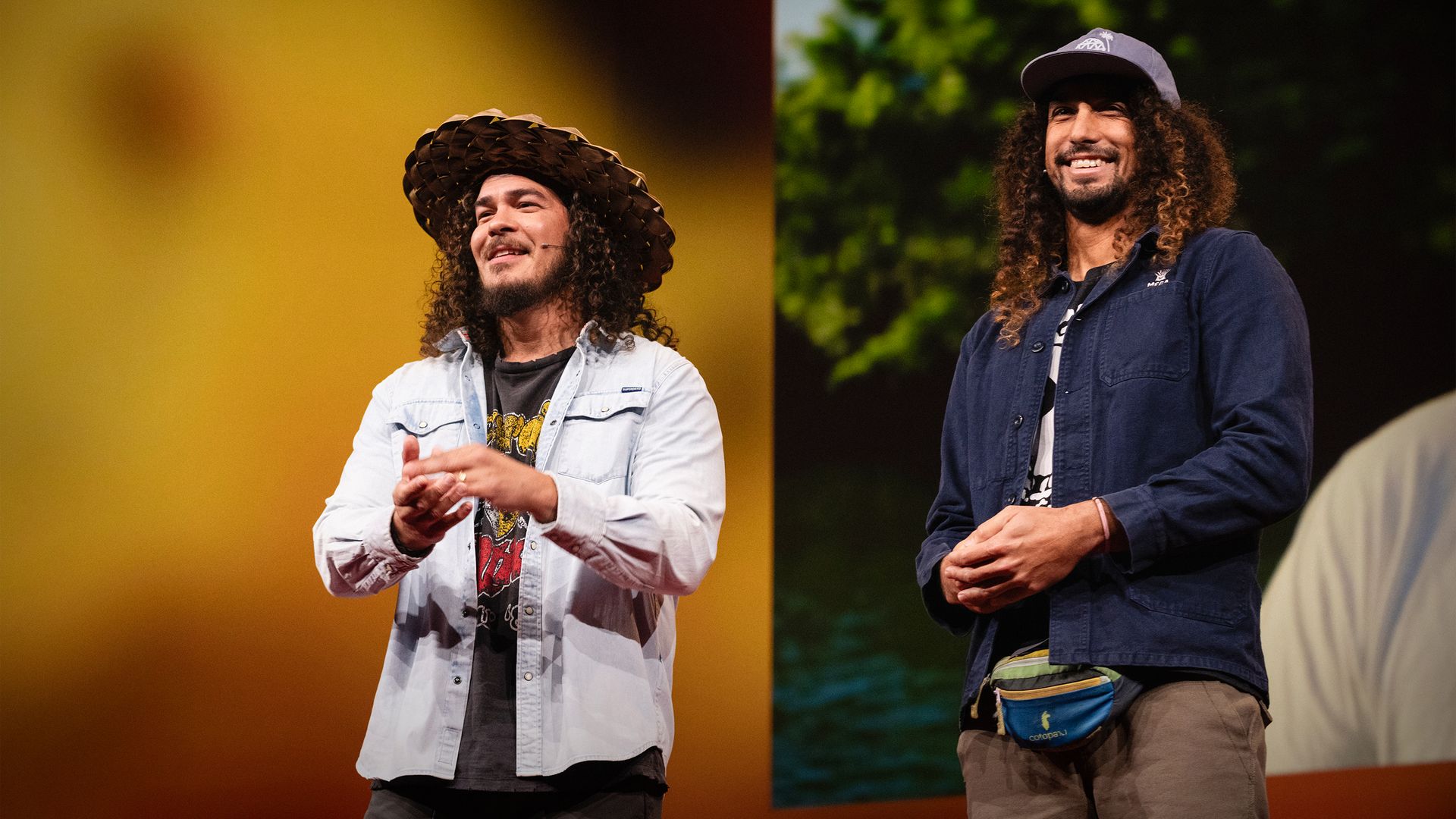
Could we replace data centers with … plant DNA?

Is it possible to meet the world's seemingly infinite demand for data storage while also caring for the natural environment? Biomedical researcher Keolu Fox and professional surfer and scientist Cliff Kapono believe that Indigenous knowledge combined with the science of genetics may offer such a solution: using the DNA of plant cells (like those found in sugar cane) as mini data warehouses. Learn more about the incredible potential of this technology — and how it could help foster ecosystem resilience in a high-tech world.

2024

TED Talk

United States
GENOME SCIENTIST + INDIGENOUS FUTURIST // Keolu Fox is the first Native Hawaiian to receive a doctorate in genome sciences, and he is an Assistant Professor at the University of California, San Diego (UCSD), where is a co-founder and co-director of the world's first Indigenous Futures Institute. Keolu is also affiliated with the Halıcıoğlu Data Science Institute, the Department of Anthropology, the Global Health Program, the Climate Action Lab, and the Design Lab. Keolu's work focuses on the connection between raw data as a resource and the emerging value of genomic health data from Indigenous communities. He has experience designing and engineering genome sequencing and editing technologies, and a decade of grassroots experience working with Indigenous partners to advance precision medicine. // Ninety-six percent of genome studies are based on people of European descent. The rest of the world is virtually unrepresented -- and this is dangerous, says geneticist and TED Fellow Keolu Fox, because we react to drugs differently based on our genetic makeup. Fox is working to democratize genome sequencing, specifically by advocating for indigenous populations to get involved in research, with the goal of eliminating health disparities. "The research community needs to immerse itself in indigenous culture," he says, "or die trying." // Keolu Fox is the first Native Hawaiian to receive a doctorate in genome sciences, and he is an Assistant Professor at the University of California, San Diego (UCSD), where is a co-founder and co-director of the world's first Indigenous Futures Institute. Keolu is also affiliated with the Halıcıoğlu Data Science Institute, the Department of Anthropology, the Global Health Program, the Climate Action Lab, and the Design Lab. Keolu's work focuses on the connection between raw data as a resource and the emerging value of genomic health data from Indigenous communities. He has experience designing and engineering genome sequencing and editing technologies, and a decade of grassroots experience working with Indigenous partners to advance precision medicine. // GENOME SCIENTIST + INDIGENOUS FUTURIST // technology, research, climate, design, grassroots, science, data science, indigenous, climate action, data // United States
United States

Keolu Fox

No items found.
18
2024

Finding hidden stories from space

Alison Killing uses satelitte imagery and investigative reporting to uncover stories hidden from the naked eye. We asked TED2026 attendees to see if they could spot what's true and what's the lie — can you?

2026

Social

United Kingdom
Killing Architects; Financial Times
I am a Pulitzer Prize winning investigative journalist and licensed architect. I use open source techniques, geospatial analysis and 3d modelling to investigate and tell stories, then share these techniques with others through talks and workshops. In Migration Trail, this meant telling stories of migrants travelling to Europe in real time, using maps, data and social media; or finding playful, light ways to open up discussion about death and architecture with the Death in Venice exhibition. My current projects include current projects an investigation of the network of detention camps in Xinjiang, China, together with BuzzFeed News, which won the Pulitzer Prize for International Reporting; and a real world game about surveillance in public space, with game designers Free Ice Cream. Creative production: as well as setting out the creative vision, I do most of the strategic production for my projects - designing the project itself through a process of design thinking, recruiting creative teams, bringing together partners, fund raising and grant writing. I also consult for other creative teams, helping them design their projects to ensure they meet their goals. Workshops: I give workshops to share tools and approaches related to my work. Subjects include: personal data privacy and geolocation; social media and surveillance in cities; finding data and making maps with simple online tools; satellite image analysis. // A Pulitzer Prize winning project to locate and analyse a secret network of internment camps in Xinjiang, China. Together with BuzzFeed News // Killing Architects; Financial Times // Alison Killing is a versatile professional with a background in investigative journalism and architecture. She leverages open-source techniques, geospatial analysis, and 3D modeling to uncover and narrate compelling stories. Alison is known for her innovative approach to storytelling, as seen in projects like Migration Trail and Death in Venice exhibition. Her recent work includes a Pulitzer Prize-winning investigation into the network of detention camps in Xinjiang, China, in collaboration with BuzzFeed News. Alison is also actively involved in creative production, strategic project design, team recruitment, partnership building, and fundraising. Additionally, she conducts workshops on topics such as personal data privacy, social media surveillance, data mapping, and satellite image analysis to empower others in the field. // Alison Killing is a multidisciplinary professional blending investigative journalism and architecture to craft compelling narratives. With expertise in open-source techniques, geospatial analysis, and 3D modeling, she uncovers intricate stories with innovation. Noteworthy projects like Migration Trail and the Death in Venice exhibition showcase her unique storytelling approach. Alison's impactful work includes a Pulitzer Prize-winning investigation on detention camps in Xinjiang, China, conducted in partnership with BuzzFeed News. Beyond her investigative prowess, she excels in creative production, strategic project design, and team building. Alison also shares her knowledge through workshops on data privacy, social media surveillance, and satellite image analysis, empowering others in the field. // Architect // An architect and urban designer, Killing uses journalism, filmmaking and exhibitions to help people better understand the built environment. She explores the relationship between death and modern architecture, looking at how cities are rebuilt after disaster. // Alison is a Pulitzer Prize winning journalist and licensed architect. She works with maps and data on investigations and storytelling projects. Her most recent work is an investigation that used satellite imagery and architectural expertise, as well as interviews with two dozen former prisoners, to identify a vast new infrastructure built by the Chinese government for the mass detention of Muslims, together with Megha Rajagopalan and Christo Buschek. This project won the 2021 Pulitzer Prize for International Reporting. Previously she created and produced online documentary Migration Trail, a mapped data visualisation that tells the stories of two migrants travelling to Europe in real time, over ten days. She is now working on a series of projects with investigative journalism teams on satellite imagery, surveillance in cities and migration and to develop new reporting tools for investigations. I'm currently setting up a non-profit investigations team. You can find out more here: https://www.killingarchitects.com/support-our-new-investigations-org // Data-driven journalism can help pinpoint truths and expose corruption -- even without physical access to where it's happening. Sharing the remarkable discovery of massive alleged detention camps in Xinjiang, China, Pulitzer Prize-winning journalist and TED Fellow Alison Killing calls for more reliable open-source data, like satellite and social media imagery, to shine a light on the world's darkest places. // "If you want to go out and start your own cemetery" in the UK, says Alison Killing, "you kind of can." She thinks a lot about where we die and are buried -- and in this talk, the architect and TED Fellow offers an eye-opening economic and social perspective on an overlooked feature of our towns and cities: the cemetery. Speaking specifically to UK laws, she unpacks the fascinating, sometimes funny, often contradictory laws about where you can be buried. // In this short, provocative talk, architect Alison Killing looks at buildings where death and dying happen -- cemeteries, hospitals, homes. The way we die is changing, and the way we build for dying ... well, maybe that should too. It's a surprisingly fascinating look at a hidden aspect of our cities, and our lives. // Alison Killing is a multidisciplinary professional blending investigative journalism and architecture to craft compelling narratives. With expertise in open-source techniques, geospatial analysis, and 3D modeling, she uncovers intricate stories with innovation. Noteworthy projects like Migration Trail and the Death in Venice exhibition showcase her unique storytelling approach. Alison's impactful work includes a Pulitzer Prize-winning investigation on detention camps in Xinjiang, China, conducted in partnership with BuzzFeed News. Beyond her investigative prowess, she excels in creative production, strategic project design, and team building. Alison also shares her knowledge through workshops on data privacy, social media surveillance, and satellite image analysis, empowering others in the field. // Architect // infrastructure, architecture, buildings, cities, data, urban, geospatial analysis, design, visual investigations, satellite, migration, open source, urban design, built environment, urban design and planning, digital media, data-driven, journalism, documentary, osint, remote-sensing, expose, government, investigative journalism // Netherlands|United Kingdom|London|England|Rotterdam|UK
Netherlands|United Kingdom|London|England|Rotterdam|UK

Alison Killing

No items found.
Society/Culture, Science, Journalism
17
2026

14:45

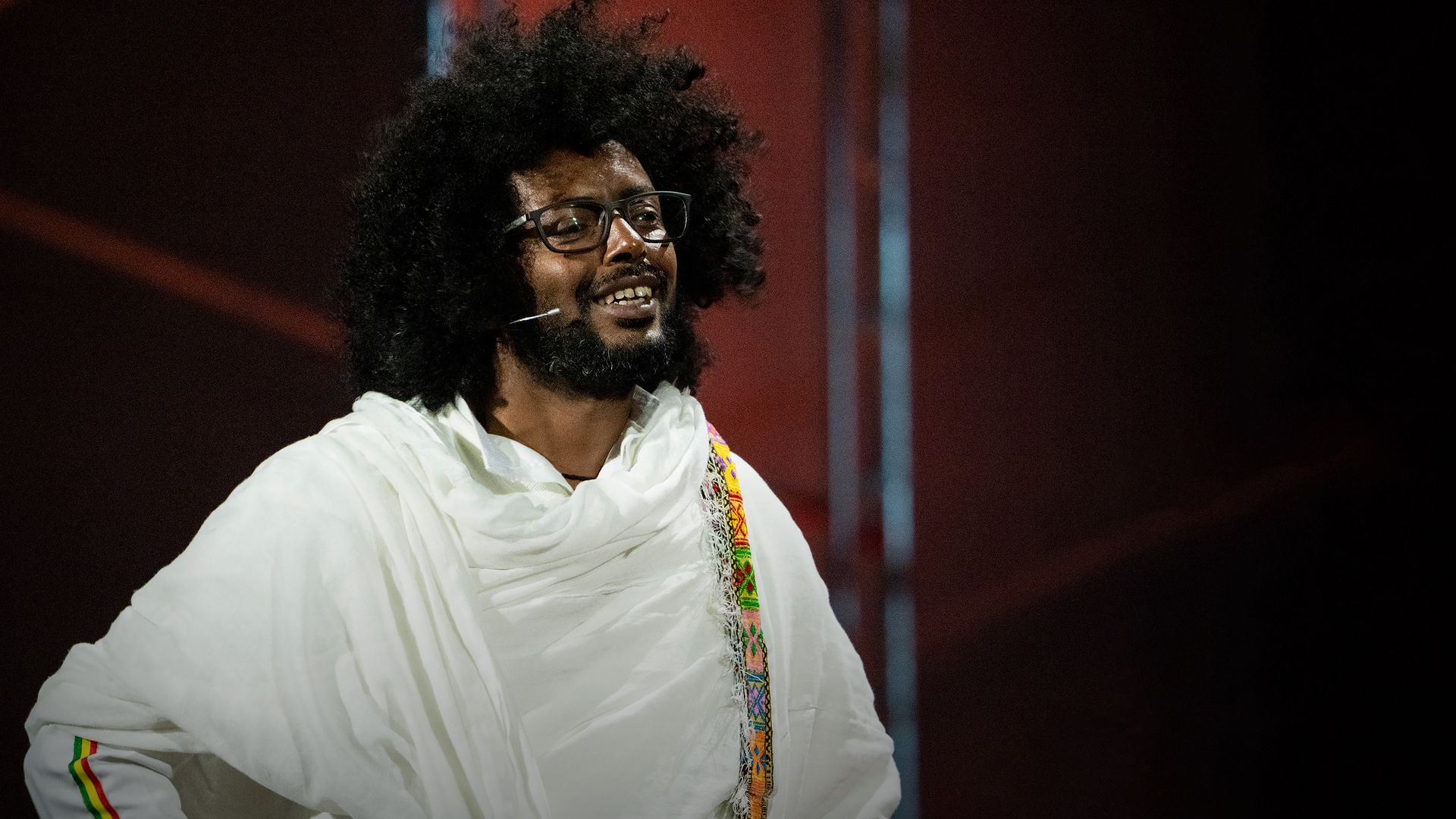
The ecstasy of Eskista, an ancient Ethiopian dance

By mastering the Eskista, an ancient Ethiopian dance, TED Fellow Melaku Belay survived a childhood on the streets and became a voice for his country. He shares how traditional dances can connect the wisdom of the past to the energy of the future -- and, after the talk, delivers a thrilling performance of Eskista accompanied by a free-jazz ensemble. (In Amharic with consecutive English translation by filmmaker Mehret Mandefro)

2023

TED Talk

Ethiopia
Fendika Cultural Center, based in Addis Ababa, Ethiopia, is a vibrant hub that promotes Ethiopian culture globally. Led by Melaku Belay, the center supports artists, showcases traditional and contemporary cultural expressions, and fosters people-to-people exchange through arts and culture. Fendika hosts various performances, including Azmari Nights, jazz bands, and traditional Ethiopian music. The center also features an art gallery, offering exhibition space for local artists. Despite facing challenges such as potential demolition, Fendika remains dedicated to preserving Ethiopian arts and providing a platform for artistic expression and cultural exchange. // I want to change Ethiopian society’s perception about dance; I am working with colleagues in Addis Ababa University to try to establish a Dance Studies program. I also want the government to not demolish Fendija Cultural Center and other heritage places in the city. What is the true value of the arts in contemporary societies? // Melaku Belay is a cultural advocate and the driving force behind the Fendika Cultural Center in Addis Ababa, Ethiopia. Through his leadership, the center has become a vital platform for promoting Ethiopian culture globally, supporting local artists, and facilitating cultural exchange. Melaku's efforts extend beyond showcasing traditional and contemporary cultural expressions to advocating for the preservation of heritage sites like Fendika against potential demolition. He is also actively involved in initiatives to change societal perceptions about dance and is working towards establishing a Dance Studies program in collaboration with Addis Ababa University. Melaku Belay's work underscores the significant role of arts and culture in contemporary societies and the importance of preserving cultural heritage for future generations. // Choreographer and dancer // When we support indigenous arts and cultures, we contribute to societal wellbeing, peace, and the sustainability of our shared humanity. Who Am I? An Ethiopian dancer/choreographer, founding director of Fendika Cultural Center, working to bring global attention to indigenous arts and cultures of Ethiopia. What Keeps Me Up at Night? Some of the Ethiopian indigenous art forms will disappear eventually due to lack of support. Fendika, the most prominent cultural center in Ethiopia that supports indigenous arts and cultures, faces the threat of being forced out by the government’s urban “development” agenda. What Am I Doing to Solve the Problem? I promote Azmari music, a 2000-year-old indigenous Ethiopian music form, by paying Azmari musicians regular salaries and programming Azmari performances all year round. Fendika is the only remaining Azmari venue in the Kazanchis neighborhood, which boasted 17 venues in the 1990s. But Fendika is not safe, as the government threatens to take over the land unless a 12-story building is constructed on it. What Difference Does My Work Make? About 18,000 local and global visitors experience Azmari music at Fendika each year. Our work has brought some global attention to indigenous arts of Ethiopia, through a 2017 UNESCO grant for a national Azmari festival, 2020 Prince Claus Award, and a 2015 French Medal for Arts and Letters. Why Do Indigenous Arts Matter? Ethiopia’s peace and stability are fragile, especially now. Arts promote peace and healing by bringing people together across differences. The loss of indigenous art forms will result in the weakening of our social fabric. Given the government’s mandate, no one knows what will happen to Fendika tomorrow. What’s under threat is not only a building, but also memories and hopes for indigenous arts of Ethiopia. How Can You Help? You have the power to help us, by telling our story, and/or by helping us reach out to potential supporters and investors. I hope you buy a plane ticket to visit us in Ethiopia so that you can experience the joy of Azmari music and the magic of Fendika. Then you will understand why our supporters tell us “Fendika is our Noah’s Ark.” What Makes Me Unique As a Social Entrepreneur? Contrary to the myth that I am wealthy from owning Fendika, I struggle to pay rent for a two-bedroom apartment in Addis Ababa, where I live with my family of five; I give everything I have and work 20-hour days to keep Fendika’s programs going. I feel rich in my heart: through working with the arts, I share the joy and pain of all humanity. I am passionate about mentoring young artists. Some of our best dancers and musicians started working at Fendika as waiting staff and cashiers. Now they are touring the world with my band also named Fendika. Fendika survived COVID-19 by streaming 18 concerts; we were among the first organizations to stream concerts from the African continent. Now Fendika is livestreaming 2-3 concerts a week. // By mastering the Eskista, an ancient Ethiopian dance, TED Fellow Melaku Belay survived a childhood on the streets and became a voice for his country. He shares how traditional dances can connect the wisdom of the past to the energy of the future -- and, after the talk, delivers a thrilling performance of Eskista accompanied by a free-jazz ensemble. (In Amharic with consecutive English translation by filmmaker Mehret Mandefro) // Melaku Belay is a cultural advocate and the driving force behind the Fendika Cultural Center in Addis Ababa, Ethiopia. Through his leadership, the center has become a vital platform for promoting Ethiopian culture globally, supporting local artists, and facilitating cultural exchange. Melaku's efforts extend beyond showcasing traditional and contemporary cultural expressions to advocating for the preservation of heritage sites like Fendika against potential demolition. He is also actively involved in initiatives to change societal perceptions about dance and is working towards establishing a Dance Studies program in collaboration with Addis Ababa University. Melaku Belay's work underscores the significant role of arts and culture in contemporary societies and the importance of preserving cultural heritage for future generations. // Choreographer and dancer // children, social enterprise , arts, indigenous, led, land, government, cultural production, covid, urban, dance // Addis Ababa|Ethiopia
Addis Ababa|Ethiopia

Melaku Belay

No items found.
16
2023

06:07

How bad data traps people in the US justice system

Right now, hundreds of thousands of people are "stuck" in the US criminal justice system. They've completed all of their requirements for release, but nobody knows it because the system is run on old databases that don't talk to each other. TED Fellow Clementine Jacoby describes how we can fix it -- bringing thousands of people home, reducing costs and improving public safety along the way.

2023

TED Talk

United States
Y Combinator; Stanford University; Recidiviz
Recidiviz is a data-driven organization that collaborates with criminal justice leaders to provide real-time insights and tools for decision-making. They focus on improving outcomes for justice-impacted individuals by stitching together data from fragmented systems to help decision-makers track the impact of policy and practice changes over time. Recidiviz works with various states to provide dashboards and data analytics, aiming to reduce incarceration rates and promote public safety. Their approach involves using data to enhance collaboration and information sharing between different departments and agencies within the criminal justice system. Through partnerships and initiatives like Justice Counts, Recidiviz aims to make criminal justice data more transparent, accessible, and impactful for policymakers, practitioners, and the public // Recidiviz - building the technical foundation for a self-aware, self-correcting criminal… // Building the technical foundation for a self-aware, self-correcting criminal justice system // Y Combinator; Stanford University; Recidiviz // Clementine Jacoby is a skilled professional dedicated to building the technical foundation for a self-aware, self-correcting criminal justice system. With a focus on leveraging technology to drive systemic improvements, Clementine has a proven track record of developing innovative solutions in this critical domain. Through her work at Recidiviz, she has demonstrated a deep understanding of the complexities of the criminal justice system and a commitment to driving positive change through data-driven approaches. Clementine's expertise lies in creating impactful solutions that address the challenges faced by the justice system, ultimately contributing to more effective and equitable outcomes. // Recidiviz is revolutionizing the landscape of criminal justice reform through data-driven systemic changes. By integrating fragmented criminal justice data into a unified platform, they enable informed decisions that reduce prison admissions and enhance re-entry success. Since 2019, their impact has reached 16 states, covering about 40% of the U.S. incarcerated population, facilitating the release of over 117,600 individuals. Their tools implement laws already on the books, improving accountability and transparency within agencies. Recidiviz's goal is to foster a smaller, fairer, and more rehabilitative justice system through continuous data-driven improvements, ultimately paving the way for a world where justice is equitable, rehabilitation is prioritized, and communities thrive. // Clementine Jacoby is a dedicated professional at Recidiviz, specializing in leveraging technology to drive systemic improvements in the criminal justice system. With a deep understanding of the complexities within the justice system, Clementine focuses on creating innovative solutions that address challenges and promote positive change through data-driven approaches. Her expertise lies in building the technical foundation for a self-aware and self-correcting criminal justice system, ultimately contributing to more effective and equitable outcomes. Through her work, Clementine plays a crucial role in revolutionizing criminal justice reform by integrating fragmented data, enabling informed decision-making, and facilitating the release of justice-impacted individuals. // Criminal justice technology entrepreneur // Clementine Jacoby is the CEO of Recidiviz — a nonprofit engineering team working to help criminal justice agencies reduce incarceration in ways that are safe and equitable. Previously, Clementine was a Product Manager at Google, where she worked on Google Maps and Android. She has been named in Forbes 30 Under 30, Fast Company’s Most Creative People, and TIME’s Next 100 Most Influential People, and is OYW’s Entrepreneur of the Year. She holds a B.S. in Symbolic Systems from Stanford University. Most importantly, though (!), Clem is a 2022 TED Fellow. // Right now, hundreds of thousands of people are "stuck" in the US criminal justice system. They've completed all of their requirements for release, but nobody knows it because the system is run on old databases that don't talk to each other. TED Fellow Clementine Jacoby describes how we can fix it -- bringing thousands of people home, reducing costs and improving public safety along the way. // Clementine Jacoby is a dedicated professional at Recidiviz, specializing in leveraging technology to drive systemic improvements in the criminal justice system. With a deep understanding of the complexities within the justice system, Clementine focuses on creating innovative solutions that address challenges and promote positive change through data-driven approaches. Her expertise lies in building the technical foundation for a self-aware and self-correcting criminal justice system, ultimately contributing to more effective and equitable outcomes. Through her work, Clementine plays a crucial role in revolutionizing criminal justice reform by integrating fragmented data, enabling informed decision-making, and facilitating the release of justice-impacted individuals. // Criminal justice technology entrepreneur // technology, tech for good, policymakers, tech, data, equity, design, data and analytics, policy, criminal justice reform, data analysis, data-driven, data science, criminal justice, ai for good, transparency, science, software, accountability, artificial intelligence, justice // Utah|San Francisco|USA|Provo|New York|California|United States
Utah|San Francisco|USA|Provo|New York|California|United States

Clementine Jacoby

No items found.
15
2023

Where curiosity can take you

Katie Mack shares her career journey — from academia to an institute focused on research, teaching and public outreach. She shares what keeps her curious and how others can pursue a life spent studying and staring at the stars.

2025

Social

Canada
North Carolina State University; Perimeter Institute for Theoretical Physics; Kavli Institute for Cosmology, Institute of Astronomy, University of Cambridge; Caltech; Astrophysics Group, School of Physics, University of Melbourne; Princeton University
Dr. Katherine (Katie) Mack is a theoretical astrophysicist specializing in cosmology, focusing on topics such as dark matter, the early universe, and the ultimate fate of the cosmos. She holds the Hawking Chair in Cosmology and Science Communication at the Perimeter Institute for Theoretical Physics. Dr. Mack is known for her research on dark matter and the early universe, as well as her efforts to make physics more accessible to the public. She has authored the book "The End of Everything (Astrophysically Speaking)" and contributed to various publications like Scientific American, Slate, and BBC's Science Focus. Additionally, she engages in science outreach through public lectures, school visits, and media appearances, aiming to increase access to scientific knowledge. Dr. Mack's research interests include dark matter, vacuum decay, and cosmic dawn and reionization, exploring fundamental aspects of the universe's evolution. // Cosmology researcher investigating dark matter, galaxy formation and evolution, astroparticle physics, and the early universe. Also working with Perimeter's outreach and science communication teams to share physics with the world. // Postdoctoral research fellowship in theoretical astrophysics funded by an Australian Research Council (ARC) Discovery Early Career Researcher Award (DECRA). Based in the Astrophysics Group in the School of Physics. // Postdoctoral research fellowship in theoretical astrophysics funded by the Science and Technology Facilities Council. // Tenure-track Assistant Professor of Physics working in theoretical cosmology; including dark matter, the early universe, galaxy formation, and astro-particle theory. Member of NC State's new Leadership in Public Science Cluster, working to bring science and the public together in new and innovative ways. // North Carolina State University; Perimeter Institute for Theoretical Physics; Kavli Institute for Cosmology, Institute of Astronomy, University of Cambridge; Caltech; Astrophysics Group, School of Physics, University of Melbourne; Princeton University // Katie Mack is a cosmology researcher with a focus on dark matter, galaxy formation, astroparticle physics, and the early universe. With a background in theoretical astrophysics, she has held postdoctoral research fellowships funded by prestigious organizations like the Australian Research Council and the Science and Technology Facilities Council. Katie has also served as a tenure-track Assistant Professor of Physics, specializing in theoretical cosmology, including areas such as dark matter, the early universe, and galaxy formation. She is actively involved in science communication and outreach efforts, collaborating with Perimeter's teams to make physics accessible to a wider audience and is a member of NC State's Leadership in Public Science Cluster, aiming to bridge the gap between science and the public through innovative approaches. // In my academic work, my main drive is to better understand the fundamental physics that governs the functioning and evolution of the cosmos. I hope that my research contributes to this global, collaborative effort in cosmology. Outside of academia, my hope is that through my public engagement, science writing, and presence as a public scientist, I can help connect people to the cosmos and help them feel more empowered to explore deep fundamental scientific questions. // Dr. Katherine (Katie) Mack is a theoretical astrophysicist specializing in cosmology, with a particular focus on dark matter, the early universe, and the ultimate fate of the cosmos. Holding the Hawking Chair in Cosmology and Science Communication at the Perimeter Institute for Theoretical Physics, Dr. Mack is recognized for her research on dark matter, vacuum decay, and cosmic dawn and reionization. She has contributed significantly to the field through her work on galaxy formation, astroparticle physics, and theoretical cosmology. In addition to her academic pursuits, Dr. Mack is deeply committed to science communication and outreach, engaging in public lectures, media appearances, and science writing to make physics more accessible to a wider audience and bridge the gap between science and the public. // Cosmologist // Theoretical cosmologist studying the history, evolution, and long-term fate of the universe. Science writer and public speaker. Very online. Author of New York Times Notable Book about our ultimate cosmic fate, "The End of Everything (Astrophysically Speaking)". // In this fascinating conversation, cosmologist and TED Fellow Katie Mack delves into everything from the Big Bang theory to what we see at the edge of the observable universe to a few ways the cosmos might end. Stay tuned to hear Mack recite an original poem on the wonder and marvel of existence. (This conversation, hosted by deputy director of the TED Fellows program, Lily James Olds, was part of a TED Membership event. Visit ted.com/membership to become a TED Member.) // The universe started with a bang -- but how will it end? With astonishing visuals, cosmologist and TED Fellow Katie Mack takes us to the theoretical end of everything, some trillions of years in the future, in a profound meditation on existence, wonder and the legacy of humanity within the immensity of time and space. // Dr. Katherine (Katie) Mack is a theoretical astrophysicist specializing in cosmology, with a particular focus on dark matter, the early universe, and the ultimate fate of the cosmos. Holding the Hawking Chair in Cosmology and Science Communication at the Perimeter Institute for Theoretical Physics, Dr. Mack is recognized for her research on dark matter, vacuum decay, and cosmic dawn and reionization. She has contributed significantly to the field through her work on galaxy formation, astroparticle physics, and theoretical cosmology. In addition to her academic pursuits, Dr. Mack is deeply committed to science communication and outreach, engaging in public lectures, media appearances, and science writing to make physics more accessible to a wider audience and bridge the gap between science and the public. // Cosmologist // research, technology, particle physics, accessibility, science writing, science, astronomy, science communication, physics, communication, astrophysics, space, cosmology // USA|Raleigh|Waterloo|Ontario|North Carolina|Canada
USA|Raleigh|Waterloo|Ontario|North Carolina|Canada

Katie Mack

No items found.
Personal Growth, Space
14
2025

16:57

How music helped me live through long COVID

An accomplished cellist, TED Fellow Joshua Roman has practiced his instrument daily since he was a child — until a severe case of long COVID almost robbed him of his ability to play. In an inspiring talk, he plays a piece by Johann Sebastian Bach, shares how he found his way back to music and then performs a staggering new solo composition, titled "Immunity."

2025

TED Fellows Film

United States
Joshua Roman is a renowned cello soloist and composer known for his expressive tone and musical gifts. He is dedicated to bringing classical music to new audiences through genre-bending programs and collaborations with world-class artists. Roman has performed with leading orchestras worldwide and is recognized for his innovative use of digital and social media. He is also involved in composing and premiering works by contemporary composers. Roman's recent project, "Immunity," explores his personal journey with long COVID through a blend of music and storytelling. Additionally, his work includes chamber operas based on Edgar Allan Poe's stories, such as "The Tell-Tale Heart." Collaborations and performances with various artists and ensembles showcase Roman's versatile talent and commitment to musical innovation. // How do we create moments of connection that have a positive and lasting impact on people's lives? How can we bring creativity to each and every human? What role does accepting and even embracing vulnerability and imperfection play in the next phase of human evolution? // Joshua Roman is a versatile cellist and composer dedicated to expanding the reach of classical music through innovative collaborations and genre-bending performances. With a focus on engaging new audiences, Roman leverages digital and social media platforms to showcase his expressive tone and musical prowess. His repertoire includes premiering works by contemporary composers and crafting projects like "Immunity," which intertwines music and personal narratives. Roman's creative endeavors extend to chamber operas inspired by Edgar Allan Poe's tales, exemplifying his commitment to musical innovation and storytelling. Through diverse collaborations and performances worldwide, Roman showcases his ability to connect with audiences and push the boundaries of traditional classical music. // Cellist + Composer // Dubbed a “Classical Rock Star” by the press, cellist Joshua Roman has earned a national reputation for performing a wide range of repertoire with absolute commitment to communicating the essence of the music at its most organic level. For his ongoing creative initiatives on behalf of classical music, he was named a 2011 TED Fellow. Among recent highlights, Mr. Roman was guest artist for the Seattle Symphony’s opening night gala, as well as debuted with the San Francisco Symphony, Ensemble Orchestral de Paris and the Mariinsky Theatre as a concerto soloist. He has performed duos with Yo-Yo Ma at the State Department, at the Oslo Freedom Forum in Norway and other premiere events. As a recitalist and chamber musician, Mr. Roman has presented concerts at San Francisco Performances, Seattle Chamber Music Society, Caramoor Festival, La Jolla SummerFest, and on the Dame Myra Hess series in Chicago. Beyond performance, Mr. Roman is Artistic Director of TownMusic in Seattle where he creates programs that feature new works and reflect the eclectic range of his musical influences and inspirations. In 2009 Mr. Roman was the only guest artist invited to play an unaccompanied solo during the YouTube Symphony Orchestra’s debut concert at Carnegie Hall. Before embarking on a solo career, he was principal cellist of the Seattle Symphony for two seasons, a position he won in 2006 at the age of 22. Mr. Roman is grateful for the loan of an 1899 cello by Giulio Degani of Venice. // Joshua Roman, an Arnhold Creative Associate at Juilliard, is a cello soloist and composer hailed for his “effortlessly expressive tone… and playful zest for exploration” (New York Times), as well as his “extraordinary technical and musical gifts" and “blend of precision and almost improvisatory freedom… that goes straight to the heart" (San Francisco Chronicle). His genre-bending programs and wide-ranging collaborations have grown out of an “enthusiasm for musical evolution that is as contagious as his love for the classics" (Seattle Times). As a soloist, Roman’s “exceptionally high quality of performances” (LA Times) combines “the expressive control of Casals with the creative individuality and virtuoso flair of Hendrix himself” (Gramophone). He has performed with leading orchestras around the world, including the Los Angeles Philharmonic, San Francisco Symphony, New World Symphony, Toronto Symphony, among others, and, was principal cellist at Seattle Symphony from age 22 to 24. Recent career highlights include his sold-out ‘Well-Being Concert’ at Carnegie Hall in December 2023, and the launch of his intimate musical exploration project Immunity, a program combining performance and storytelling to confront the impact of the long-COVID that nearly ended his career. As a composer, he has been commissioned by Music Academy of the West, Illinois Philharmonic, ProMusica Chamber Orchestra, Grace Cathedral, and more, and he has written for the JACK Quartet, violinist Vadim Gluzman, and conductor David Danzmayr. Equally accomplished as an interpreter of the music of other contemporary composers, Roman has premiered works by Mason Bates, Reena Esmail, Timo Andres, Gabriela Lena Frank, Aaron Jay Kernis, Lisa Bielawa, and others. A native of Oklahoma City, Roman studied at the Cleveland Institute of Music with Richard Aaron and Desmond Hoebig. Roman plays an 1830 Giovanni Francesco Pressenda on a generous loan through The Stradivari Society of Chicago. // Harmoniously weaving together the art of dance and the science of mechanical engineering, Huang Yi performs a man-machine dance duet with KUKA -- a robot he conceptualized and programmed -- set to stirring cello by Joshua Roman. // Legendary dance choreographer Bill T. Jones and TED Fellows Joshua Roman and Somi didn't know exactly what was going to happen when they took the stage at TED2015. They just knew they wanted to offer the audience an opportunity to witness creative collaboration in action. The result: An improvised piece they call "The Red Circle and the Blue Curtain," so extraordinary it had to be shared ... // It's a master class in collaboration as violinist Robert Gupta and cellist Joshua Roman perform Halvorsen's "Passacaglia" for violin and viola. Roman takes the viola part on his Stradivarius cello. It's powerful to watch the two musicians connect moment to moment (and recover from a mid-performance hiccup). The two are both TED Fellows, and their deep connection powers this sparkling duet. // Joshua Roman is a versatile cellist and composer dedicated to expanding the reach of classical music through innovative collaborations and genre-bending performances. With a focus on engaging new audiences, Roman leverages digital and social media platforms to showcase his expressive tone and musical prowess. His repertoire includes premiering works by contemporary composers and crafting projects like "Immunity," which intertwines music and personal narratives. Roman's creative endeavors extend to chamber operas inspired by Edgar Allan Poe's tales, exemplifying his commitment to musical innovation and storytelling. Through diverse collaborations and performances worldwide, Roman showcases his ability to connect with audiences and push the boundaries of traditional classical music. // Cellist + Composer // music, robotics, science, creating magical moments, opening hearts, cello, vulnerability, covid // USA|New York|California|United States|Santa Barbara
USA|New York|California|United States|Santa Barbara

Joshua Roman

No items found.
13
2025

09:35

How algorithms manipulate you (and how to fight back)

What does it take to stay in control of your life online? AI ethicist Jen Golbeck and TED Fellow Shalini Kantayya discuss how algorithms, data collection and AI shape the choices you make every day. They explore whether it’s possible to use the internet without giving up your privacy, how to push back against big tech and what AI should never be allowed to decide. (This episode is part of “Idea Knock Down,” a series featuring experts with different perspectives taking on big questions — one block at a time.)

2026

Other

United States
Filmmaker + activist // Filmmaker Shalini Kantayya finished in the top 10 out of 12,000 filmmakers on Fox’s ON THE LOT, a show by Steven Spielberg in search of Hollywood’s next great director. The mission of her production company, 7th Empire Media, is to create a culture of human rights and a sustainable planet through wildly imaginative media. Her science-fiction film about the world water crisis, a DROP of LIFE, won Best Short at Palm Beach International, a Crystal Dior Nomination at Tokyo Shorts, and was broadcast on national television in India and the U.S. The film was used as a tool to organize for water rights in 40 villages across Africa—making a real-world impact. A William D. Fulbright Scholar, her film Manthan received the award for best documentary at the Asian American Film Festival. Shalini has received recognition from the Sundance Documentary Program, IFP, the Jerome Hill Centennial, John D. and Catherine T. MacArthur Foundation, New York Women in Film and Television, and Media Action Network for Asian Americans. She is a Sundance Fellow, a TED Fellow, and an IATP Food and Society Policy Fellow. She was a finalist for the ABC | DGA Directing Fellowship. Her work has screened at over thirty film festivals internationally. She received an MFA in Film Direction from the City College of New York, and a BA in Media Studies and International Human Rights from Hampshire College. Shalini is currently working on Chasing the Sun, a feature documentary that asks the hard questions of how a clean energy economy may actually be built, through the stories of unemployed American workers seeking to retool at a solar power jobs training program in Richmond, California. // Filmmaker Shalini Kantayya’s, Coded Bias, premiered at the 2020 Sundance Film Festival to critical acclaim. Coded Bias was broadcast nationally on PBS Emmy-award winning series Independent Lens and globally on Netflix in April 2021. The film won a SIMA Award for Best Director, and has been nominated for a Critics’ Choice, a Cinema Eye Honors, and NAACP Image Award, among others. Shalini’s debut feature, Catching the Sun, premiered at the LA Film Festival and was named a NY Times Critics’ Pick. Catching the Sun released globally on Netflix on Earth Day 2016 with Executive Producer Leonardo DiCaprio, and was nominated for the Environmental Media Association Award for Best Documentary. She directed the season finale of the National Geographic television series Breakthrough, Executive Produced by Ron Howard, broadcast globally in June 2017. She has also directed for NOVA and YouTube Originals. Shalini is a TED Fellow, a William J. Fulbright Scholar, and an Associate of the UC Berkeley Graduate School of Journalism. Her current film, TikTok, Boom, premiered at the 2022 Sundance Film Festival, was official selection at SXSW, and anticipates global release later this year. // Filmmaker Shalini Kantayya’s, Coded Bias, premiered at the 2020 Sundance Film Festival to critical acclaim. Coded Bias was broadcast nationally on PBS Emmy-award winning series Independent Lens and globally on Netflix in April 2021. The film won a SIMA Award for Best Director, and has been nominated for a Critics’ Choice, a Cinema Eye Honors, and NAACP Image Award, among others. Shalini’s debut feature, Catching the Sun, premiered at the LA Film Festival and was named a NY Times Critics’ Pick. Catching the Sun released globally on Netflix on Earth Day 2016 with Executive Producer Leonardo DiCaprio, and was nominated for the Environmental Media Association Award for Best Documentary. She directed the season finale of the National Geographic television series Breakthrough, Executive Produced by Ron Howard, broadcast globally in June 2017. She has also directed for NOVA and YouTube Originals. Shalini is a TED Fellow, a William J. Fulbright Scholar, and an Associate of the UC Berkeley Graduate School of Journalism. Her current film, TikTok, Boom, premiered at the 2022 Sundance Film Festival, was official selection at SXSW, and anticipates global release later this year. // Filmmaker + activist // water crisis, water, jobs, job skills training, solar thermal, human rights, rights, energy economy, policy, clean energy, women, heating, power, filmmaking, science-fiction, rural villages, documentary, solar, solar power, workers, documentaries, rural, food, solar water, energy, ecology, food - eating it // New York|United States|Brooklyn|USA
New York|United States|Brooklyn|USA

Shalini Kantayya

No items found.
12
2026

05:03

What you can learn crossing the ocean in a canoe

“Being on a voyage forces you to unplug,” says TED Fellow and third-generation captain Lehua Kamalu. Sharing ancient knowledge from traditional Hawaiian ocean voyaging, she reflects on the transformational power of seafaring journeys — and what it means to travel mindfully, no matter where you are.

2024

TED Fellows Film

United States

Lehua Kamalu

No items found.
11
2024