



Alexander MacDonald served as NASA’s first chief economist. In this role, he helped to establish NASA’s Artemis Program and Moon to Mars strategy. He also served as the program executive for the International Space Station National Laboratory. He is recognized as an expert on U.S. space policy and private-sector space activities. He was formerly the senior economic advisor in the Office of the Administrator, and the founding program executive of NASA’s Emerging Space Office.
He is a former staff member at NASA’s Jet Propulsion Laboratory, former research faculty member at Carnegie Mellon University, and has worked for the Universities Space Research Association while at NASA’s Ames Research Center. He received his undergraduate degree in economics from Queen’s University in Canada, his master’s degree in economics from the University of British Columbia, and was a Clarendon Scholar at the University of Oxford, where he obtained his doctorate on the long-run economic history of U.S. space exploration.
He was also an inaugural TED senior fellow and received the AIAA History Manuscript of the Year Award in 2016 for his book The Long Space Age: The Economic Origins of Space Exploration from Colonial America to the Cold War, published by Yale University Press. He was awarded the NASA Exceptional Service Medal in 2024.
Areas of Expertise
History of astronomy and space exploration, economic growth, economics of space development, propulsion, research, satellites, space art, space economics, space exploration, space policy
Alexander's bio is coming soon
Alexander Macdonald's Talks
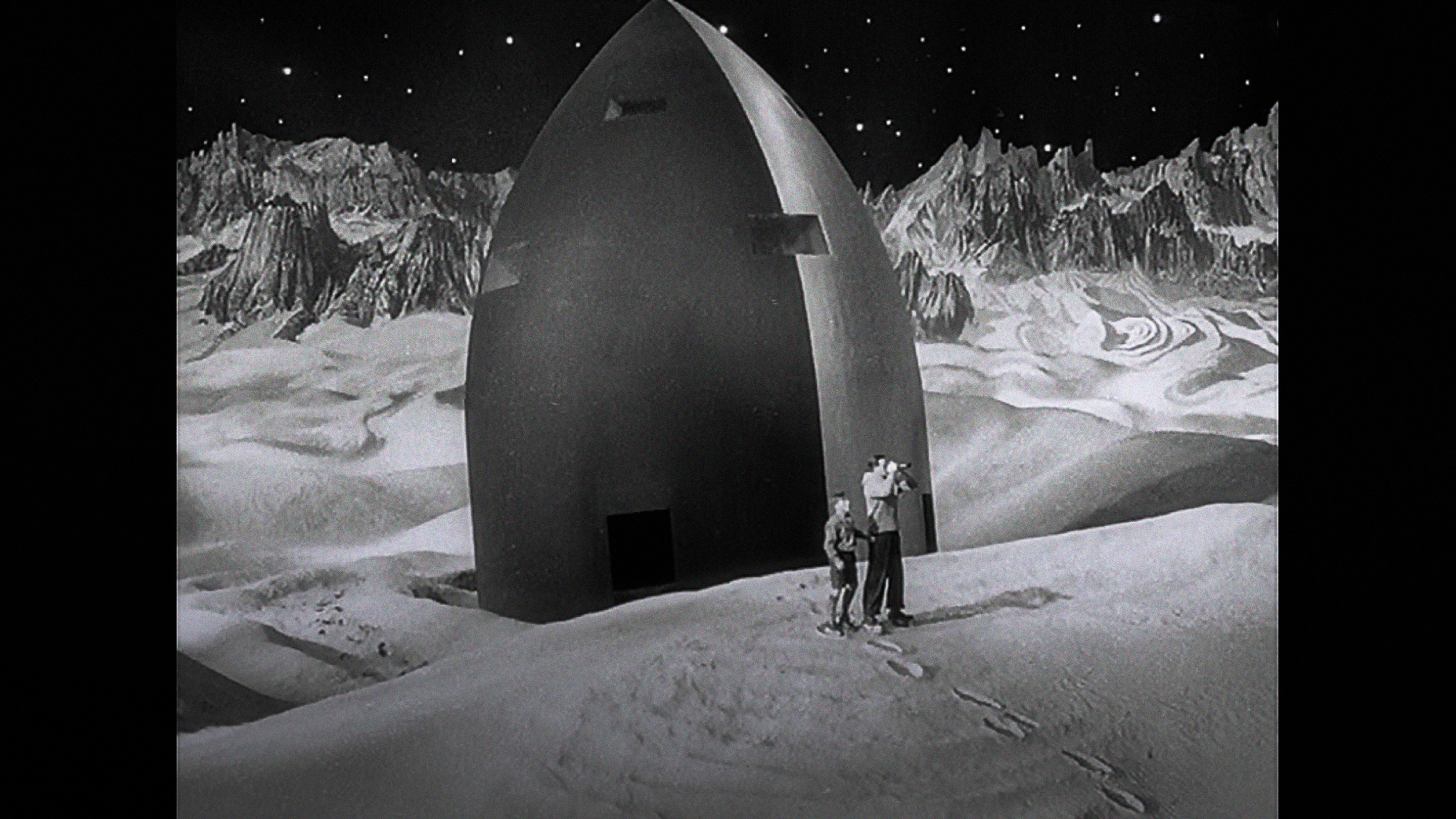
How centuries of sci-fi sparked spaceflight
Watch talk
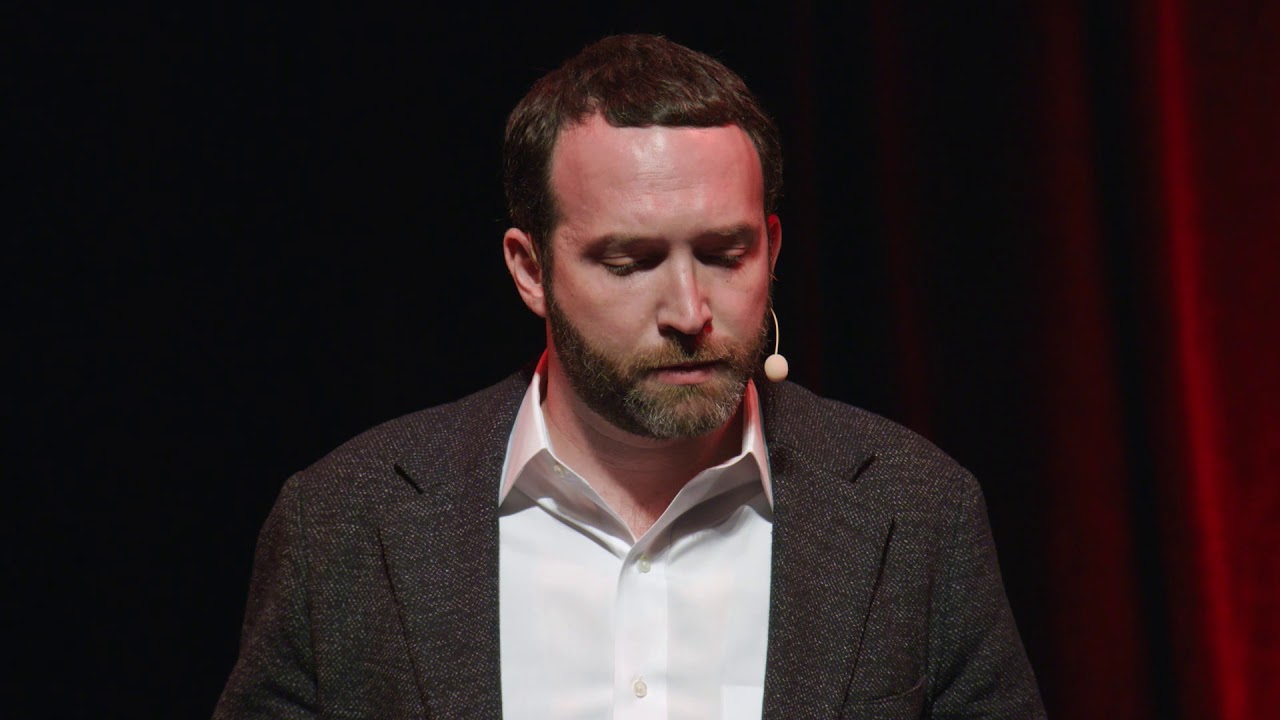
The Narrative Origins of Spaceflight
Watch talk

Watch talk