Music as a sphere of influence, the arts
2009, 2012
United States
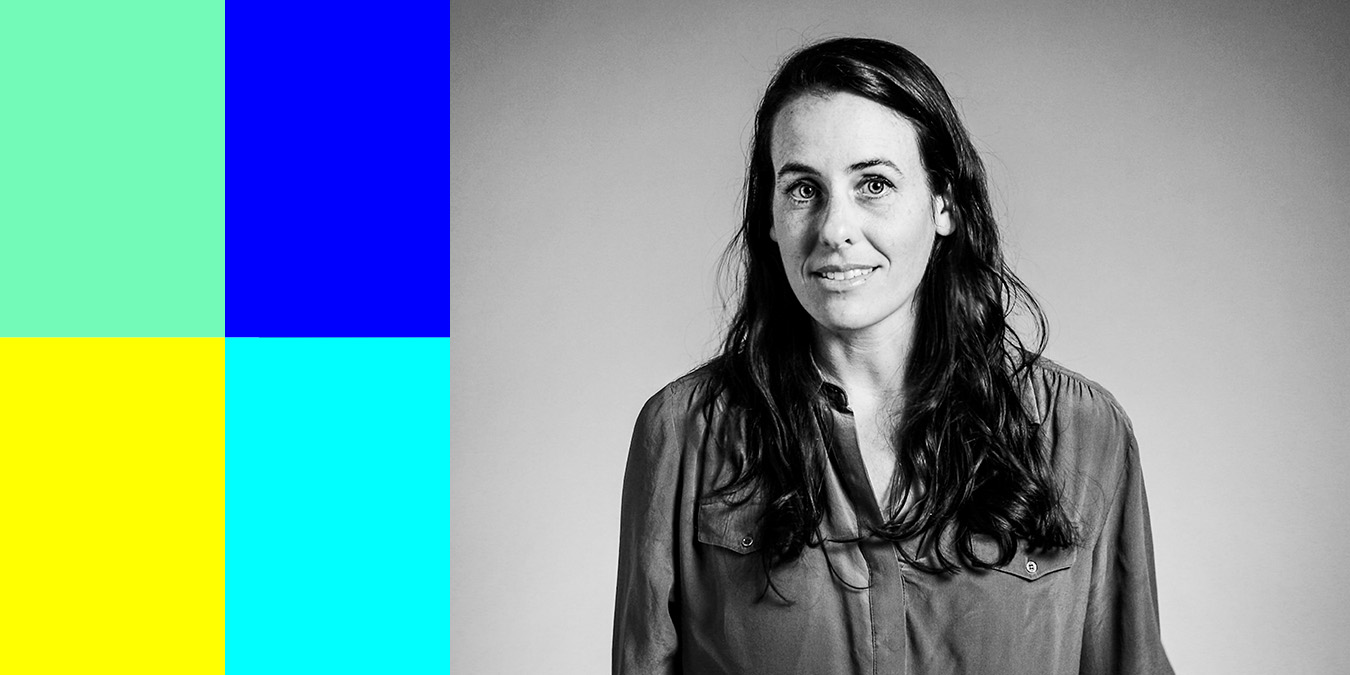
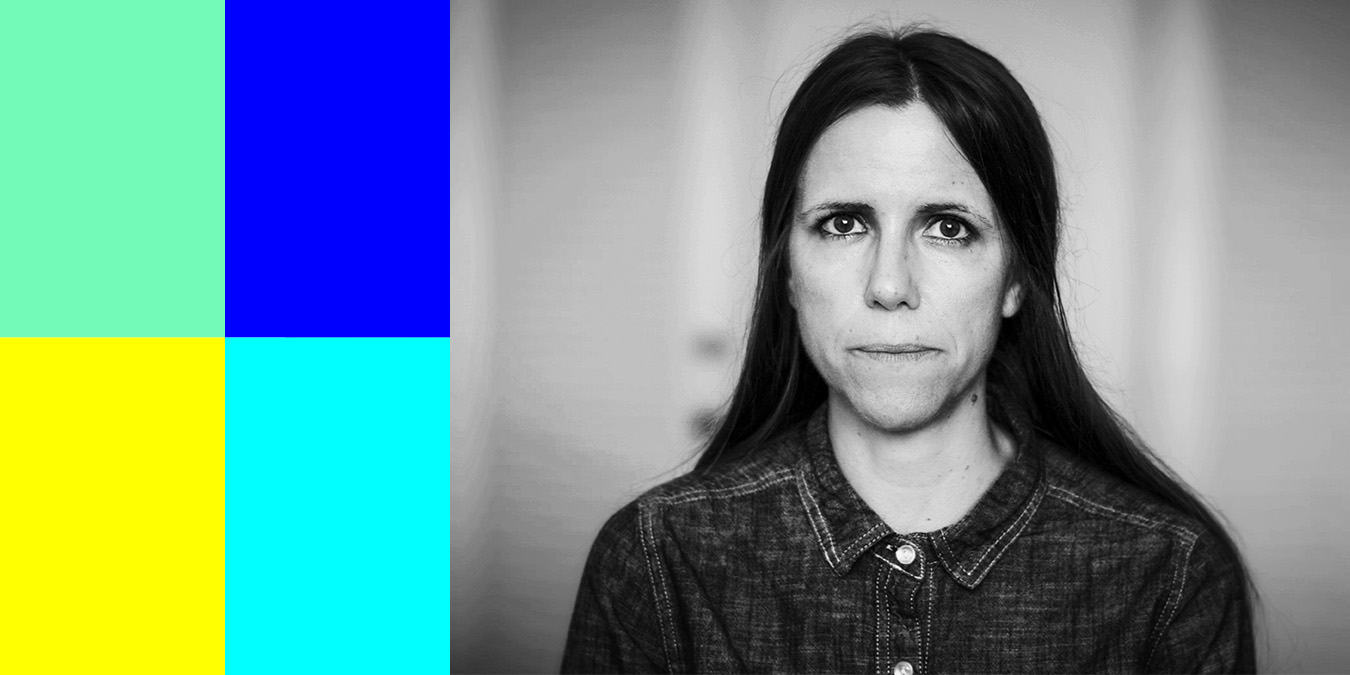
Singer + songwriter // Meklit Hadero’s music is imbued with poetry and multiplicity, from hybridized sounds of Tizita (haunting and nostalgic music) drawing from her Ethiopian heritage, to the annals of jazz, folk songs, hip-hop and art rock. She aptly describes her music as emanating from “in-between-spaces.” Listening to Meklit Hadero transports us to the post-national space of Africa and America, inspiring us to bridge the frontiers between language, tribes and disciplines. Her songs celebrate the newness of life and the hyphens that bring us together.
Meklit has released four studio albums and is currently signed to Six Degrees Records. She is the initiator of Home [Away From] Home along with Yerba Buena Center for the Arts in San Francisco, a large scale installation bringing together Ethiopian and Eritrean Artists in the Bay Area. Meklit is a TED Senior Fellow, and has served as an artist-in-residence at NYU, curated a performance series at the Lincoln Center Atrium, co-designed and implemented an artist fellowship program for the Association of Performing Arts Presenters, and completed musical commissions for the San Francisco Arts Commission, the Fund for Artists, the Brava Theater, and the De Young Museum. In 2011, Meklit co-founded the Nile Project with Egyptian Ethnomusicologist Mina Girgis. She is the founder of the Arba Minch Collective, former Co-Director of the Red Poppy Art House, and has received performance grants from the Zellerbach Family Foundation and the Belle Foundation for Cultural Development.  
Meklit has been featured at the Monterey Jazz Festival, Stern Grove Festival, Women of the World Festival, San Francisco Jazz Festival, Bumbershoot Music Festival, and SxSW (Austin). She has performed at venues such as the Independent (SF), Le Poisson Rouge (NYC), Mayne Stage (Chicago), the Triple Door (Seattle), the Kennedy Center (DC), the Mint (LA), Cabaret Du Mile End (Montreal), and the Southbank Centre (London). She has toured extensively in the US, UK, Ethiopia and Kenya.
“Meklit is an artistic giant in the early stages. She sings of fragility, hope and self-empowerment, and exudes all three. What’s irresistible, above all, is her cradling, sensuous, gentle sound. She is stunning.” - San Francisco Chronicle
 
“Meklit Hadero is one of those rare artists with the power to bridge genres, geography and generations.” -Google Music
“You may not have heard Meklit Hadero’s music before, but once you do, it’ll be tough to forget. Hadero’s sound is a unique blend of jazz, Ethiopia, the San Francisco art scene and visceral poetry; it paints pictures in your head as you listen.” - NPR // Meklit is an Ethio-American vocalist, singer-songwriter and composer, making music that sways between cultures and continents. Known for her electric stage presence, innovative take on Ethio-Jazz, and her femotive live shows, Meklit has rocked stages from Addis Ababa (where she is a household name) to San Francisco (her beloved home-base), to New York, London, DC, Montreal, Nairobi, Chicago, LA, Arusha, Rome, Zurich, Rio Di Janeiro, Seattle, Cairo, and more.
Meklit is a TED Senior Fellow and her TED Talk, The Unexpected Beauty of Everyday Sounds, has been watched by more than 1.2 million people. She is a National Geographic Explorer and has been an Artist-in-Residence at Harvard, NYU, Purdue and Yerba Buena Center for the Arts. Meklit has received musical commissions from Lincoln Center for the Performing Arts and the MAP Fund and has toured extensively across the US, UK, and East Africa. She has collaborated with Kronos Quartet, NASA Kepler Co-Investigator Dr. Jon Jenkins (and his star sounds), musical legend Pee Wee Ellis and members of the BBC Philharmonic. She is a Co-Founder of the Nile Project, served as musical director for the beloved Bay Area powerhouse UnderCover Presents, and sang alongside Angelique Kidjo and Anoushka Shankar as a featured singer in the UN Women Theme Song.
Her fame in Ethiopia skyrocketed in 2015 when her TED talk went viral in the country and her music videos began playing daily on multiple Ethiopian television stations. She goes back to Addis Ababa regularly to perform.
Meklit's album - When the People Move, the Music Moves Too - was released June 23rd on Six Degrees Records, receiving rave reviews and quickly reaching #4 on the iTunes World Music Charts, #1 on the NACC World Charts and #12 on the World Charts in Europe. It was also named one of the 100 Best Albums of 2017 by the Sunday Times UK, one of the Best Soul Albums of 2017 by Bandcamp and amongst the 10 Best Bay Area albums of 2017 by KQED. These 11 songs were deeply inspired by Mulatu Astatke (the Godfather of Ethio-Jazz). Back in 2011, he told Meklit, "find your contribution to Ethio-Jazz and keep on innovating!" Produced by multi-GRAMMY winning artist/songwriter Dan Wilson (Adele, John Legend, Dixie Chicks), the album also features world renowned musicians Preservation Hall Jazz Band and the violinist/whistler Andrew Bird.
Meklit has been featured in NPR, Vibe Magazine, CNN International, USA Today, Wall St. Journal, New York Magazine, MTV Iggy, Gizmodo, PBS, PRI’s The World, BBC Africa, BBC World Service, BBC Women’s Hour, BBC Front Row, BBC Loose Ends, The New Yorker, Brain Pickings, Wired UK, OkayAfrica, AfroPop, Google Music, Relix Magazine, Pidgeons + Planes, KEXP, WBEZ, WNYC, KQED, KBLX, Live Wire Radio, CBS Bay Area, CBS San Diego, Chicago Sun Times, Seattle Times, Boston Globe, San Francisco Chronicle, La Presse (Montreal), The Village Voice, Dig Boston, Seattle Weekly, San Francisco Magazine, SF Bay Guardian and many more.
She has played at festivals and venues in the US, the UK and East Africa, including: Monterey Jazz Festival, SFJAZZ Center, Bumbershoot, SXSW, Southbank Centre, Hollywood Bowl, TED Conferences (Rio Di Janeiro, Edinburgh, Oxford, Long Beach, Arusha), Lincoln Center, Grand Performances, The Schomburg, the Apollo, YBCA, Davies Symphony Hall, Skirball Center (NYC + LA), Winter Jazz Fest, Smithsonian Folklife Fest, Kennedy Center, Stern Grove, World Cafe Live, Nuits D’Afrique (Montreal), Moods (Zurich), The Monk (Rome), Chicago World Music Festival, Gondar Castles (World Heritage Site - Ethiopia), Mulatu Astatke's Africa Jazz Village (Addis Ababa), Aswan Cultural Palace (Egypt), Blankets +Wine (Nairobi), National Theater (Uganda).
Meklit’s work has been supported by grants from National Geographic, California Humanities, the MAP Fund, the Center for Cultural Innovation, Panta Rhea Foundation, The Christensen Fund, San Francisco Arts Commission, Zellerbach Family Foundation, Intersection for the Arts, Grants for the Arts, the San Francisco Foundation, Oakland Cultural Funding Project, the Association of Performing Arts Presenters, The Belle Foundation for Cultural Development and more.
Meklit holds a BA from Yale University. // Using examples from birdsong, the natural lilt of emphatic language and even a cooking pan lid, singer-songwriter and TED Fellow Meklit Hadero shows how the everyday soundscape, even silence, makes music. "The world is alive with musical expression," she says. "We are already immersed." // Meklit is an Ethio-American vocalist, singer-songwriter and composer, making music that sways between cultures and continents. Known for her electric stage presence, innovative take on Ethio-Jazz, and her femotive live shows, Meklit has rocked stages from Addis Ababa (where she is a household name) to San Francisco (her beloved home-base), to New York, London, DC, Montreal, Nairobi, Chicago, LA, Arusha, Rome, Zurich, Rio Di Janeiro, Seattle, Cairo, and more.
Meklit is a TED Senior Fellow and her TED Talk, The Unexpected Beauty of Everyday Sounds, has been watched by more than 1.2 million people. She is a National Geographic Explorer and has been an Artist-in-Residence at Harvard, NYU, Purdue and Yerba Buena Center for the Arts. Meklit has received musical commissions from Lincoln Center for the Performing Arts and the MAP Fund and has toured extensively across the US, UK, and East Africa. She has collaborated with Kronos Quartet, NASA Kepler Co-Investigator Dr. Jon Jenkins (and his star sounds), musical legend Pee Wee Ellis and members of the BBC Philharmonic. She is a Co-Founder of the Nile Project, served as musical director for the beloved Bay Area powerhouse UnderCover Presents, and sang alongside Angelique Kidjo and Anoushka Shankar as a featured singer in the UN Women Theme Song.
Her fame in Ethiopia skyrocketed in 2015 when her TED talk went viral in the country and her music videos began playing daily on multiple Ethiopian television stations. She goes back to Addis Ababa regularly to perform.
Meklit's album - When the People Move, the Music Moves Too - was released June 23rd on Six Degrees Records, receiving rave reviews and quickly reaching #4 on the iTunes World Music Charts, #1 on the NACC World Charts and #12 on the World Charts in Europe. It was also named one of the 100 Best Albums of 2017 by the Sunday Times UK, one of the Best Soul Albums of 2017 by Bandcamp and amongst the 10 Best Bay Area albums of 2017 by KQED. These 11 songs were deeply inspired by Mulatu Astatke (the Godfather of Ethio-Jazz). Back in 2011, he told Meklit, "find your contribution to Ethio-Jazz and keep on innovating!" Produced by multi-GRAMMY winning artist/songwriter Dan Wilson (Adele, John Legend, Dixie Chicks), the album also features world renowned musicians Preservation Hall Jazz Band and the violinist/whistler Andrew Bird.
Meklit has been featured in NPR, Vibe Magazine, CNN International, USA Today, Wall St. Journal, New York Magazine, MTV Iggy, Gizmodo, PBS, PRI’s The World, BBC Africa, BBC World Service, BBC Women’s Hour, BBC Front Row, BBC Loose Ends, The New Yorker, Brain Pickings, Wired UK, OkayAfrica, AfroPop, Google Music, Relix Magazine, Pidgeons + Planes, KEXP, WBEZ, WNYC, KQED, KBLX, Live Wire Radio, CBS Bay Area, CBS San Diego, Chicago Sun Times, Seattle Times, Boston Globe, San Francisco Chronicle, La Presse (Montreal), The Village Voice, Dig Boston, Seattle Weekly, San Francisco Magazine, SF Bay Guardian and many more.
She has played at festivals and venues in the US, the UK and East Africa, including: Monterey Jazz Festival, SFJAZZ Center, Bumbershoot, SXSW, Southbank Centre, Hollywood Bowl, TED Conferences (Rio Di Janeiro, Edinburgh, Oxford, Long Beach, Arusha), Lincoln Center, Grand Performances, The Schomburg, the Apollo, YBCA, Davies Symphony Hall, Skirball Center (NYC + LA), Winter Jazz Fest, Smithsonian Folklife Fest, Kennedy Center, Stern Grove, World Cafe Live, Nuits D’Afrique (Montreal), Moods (Zurich), The Monk (Rome), Chicago World Music Festival, Gondar Castles (World Heritage Site - Ethiopia), Mulatu Astatke's Africa Jazz Village (Addis Ababa), Aswan Cultural Palace (Egypt), Blankets +Wine (Nairobi), National Theater (Uganda).
Meklit’s work has been supported by grants from National Geographic, California Humanities, the MAP Fund, the Center for Cultural Innovation, Panta Rhea Foundation, The Christensen Fund, San Francisco Arts Commission, Zellerbach Family Foundation, Intersection for the Arts, Grants for the Arts, the San Francisco Foundation, Oakland Cultural Funding Project, the Association of Performing Arts Presenters, The Belle Foundation for Cultural Development and more.
Meklit holds a BA from Yale University. // Singer + songwriter // electric, cooking, mobility, planes, the arts, air travel, women, music as a sphere of influence // California|United States|San Francisco
California|United States|San Francisco


.jpg)






















































.webp)


